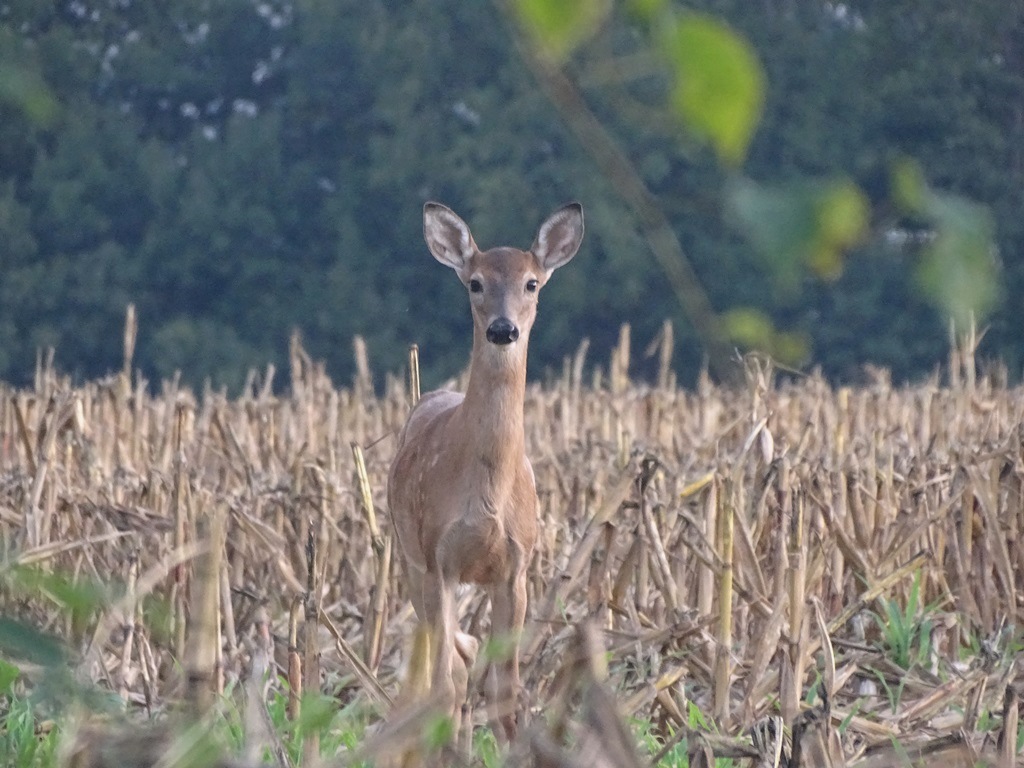
Deer feeding on dropped corn in harvested cornfields shortly before sunset.


“When every day seems the same, it is because we have stopped noticing the good things that appear in our lives.” ~Paulo Coelho
Deer feeding on dropped corn in harvested cornfields shortly before sunset.
“When every day seems the same, it is because we have stopped noticing the good things that appear in our lives.” ~Paulo Coelho
We purposefully walk in the evening, a little before sunset, hoping for a breathtaking view. Quite often, we are not disappointed.


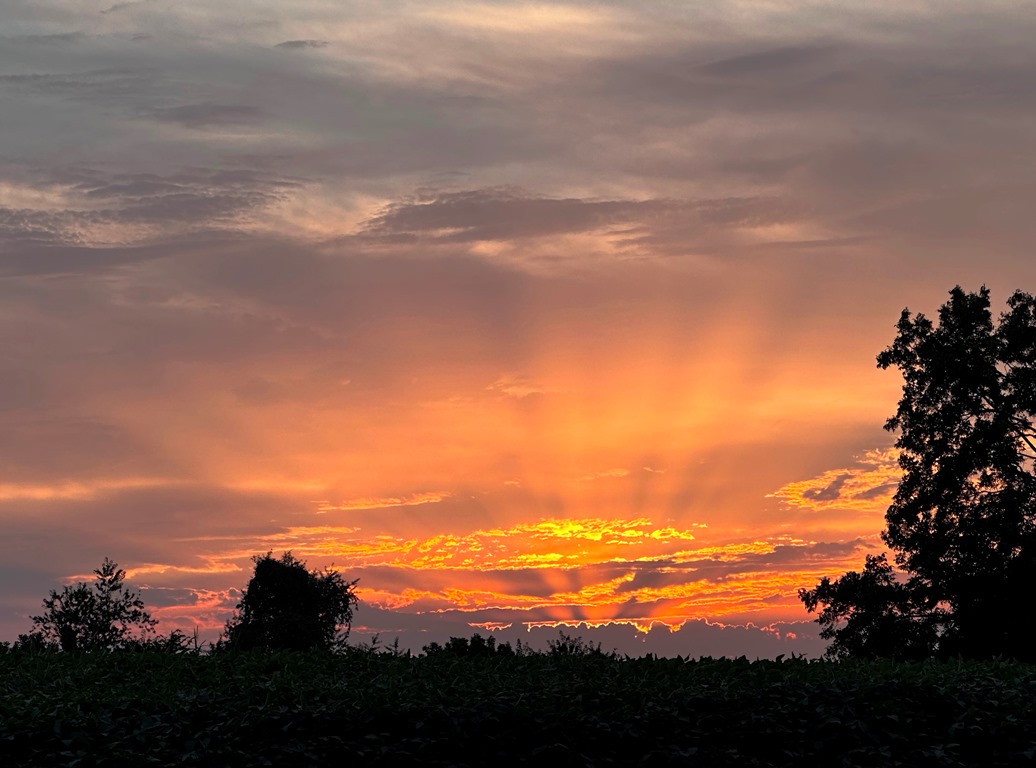


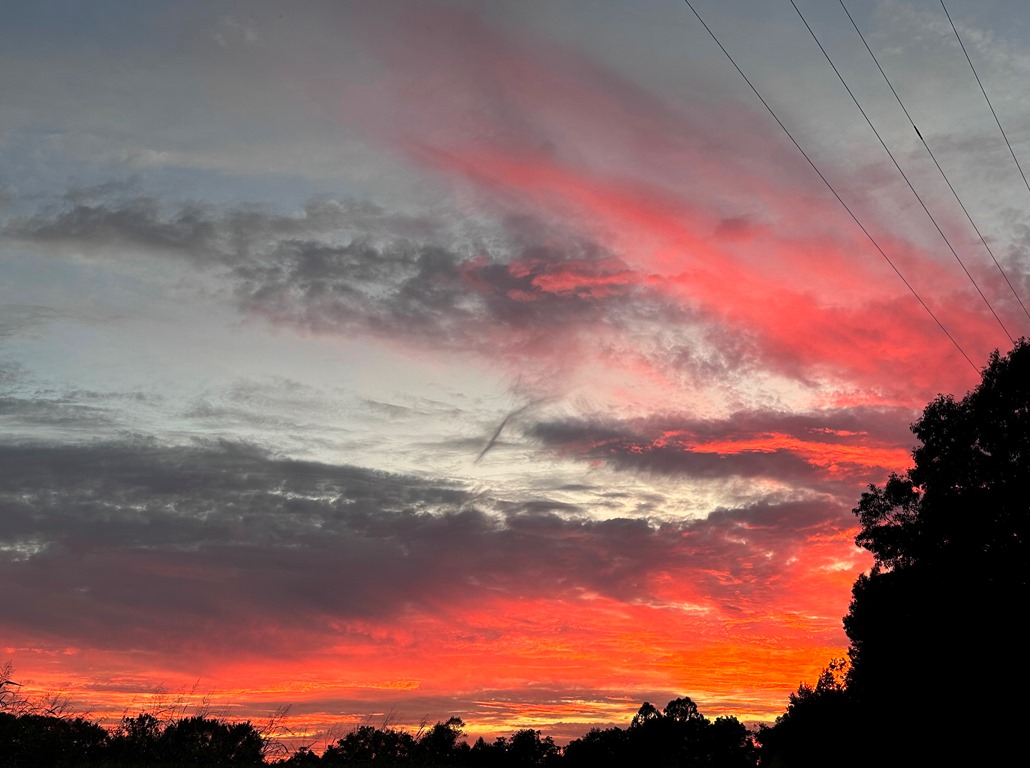

Next time a sunrise steals your breath or a meadow of flowers leaves you speechless, remain that way. Say nothing, and listen as Heaven whispers, “Do you like it? I did it just for you.” ~Max Lucado
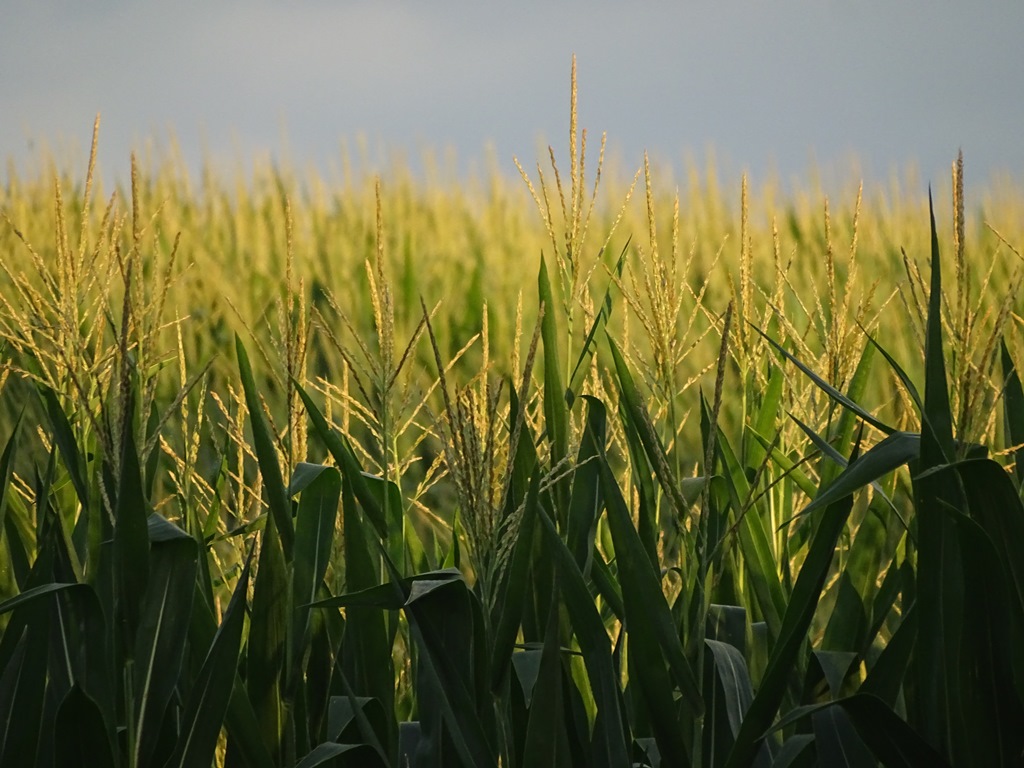
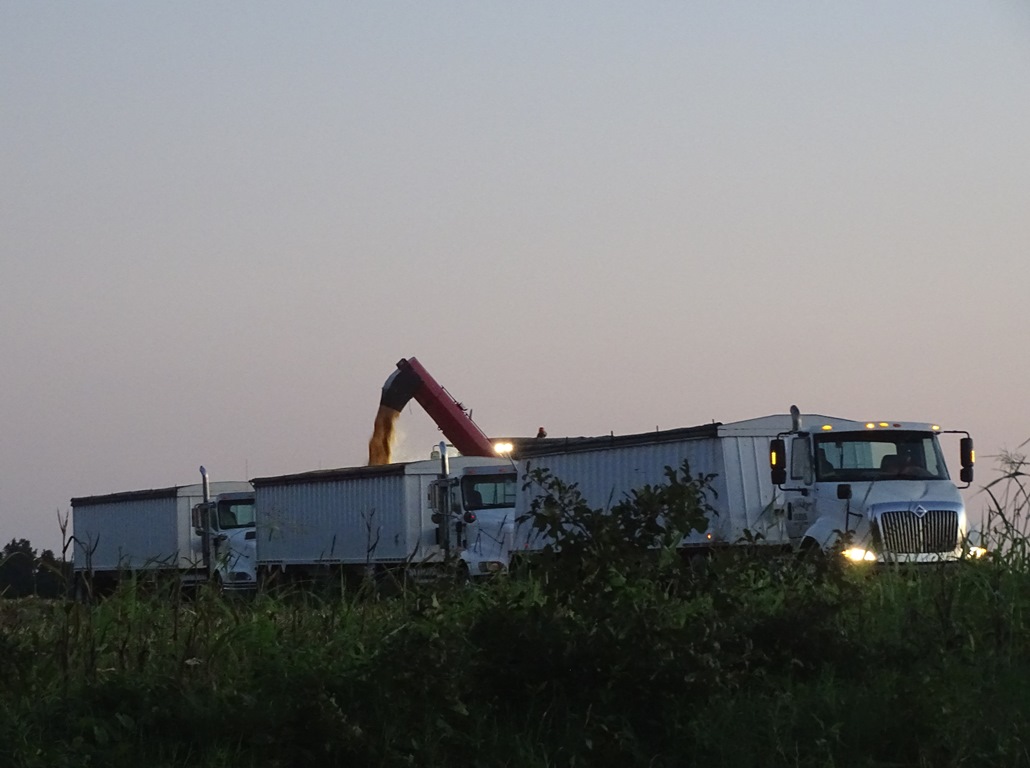
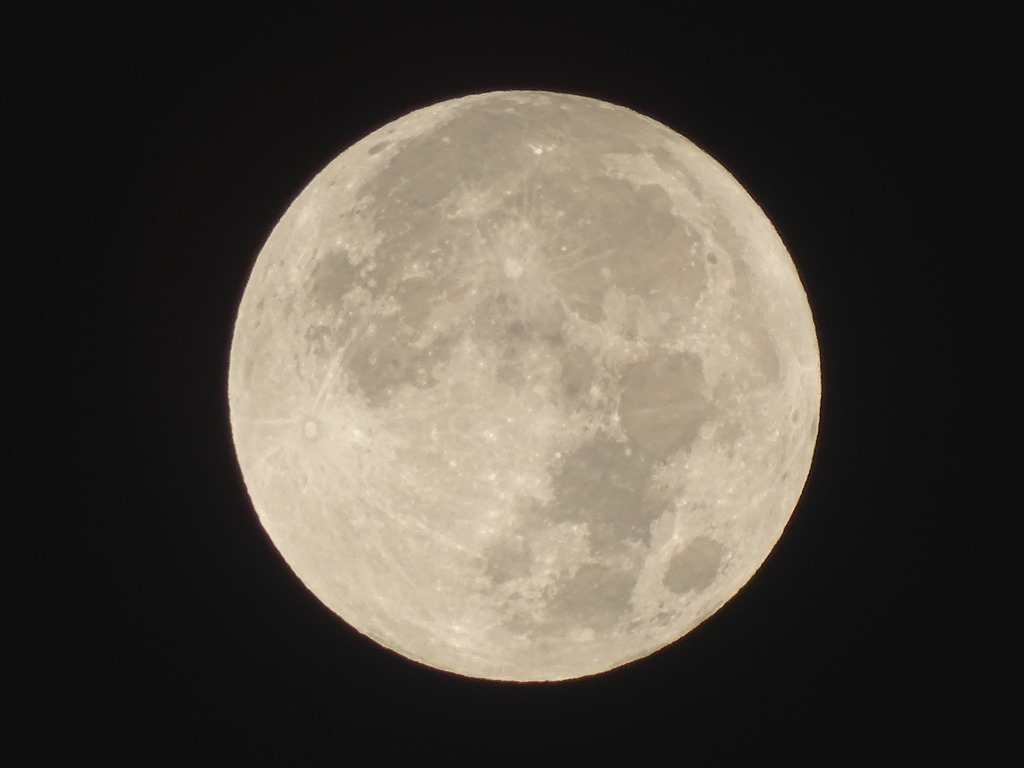
Our daily walk takes us by several cornfields, so from spring to autumn, we enjoy watching the daily activities and changes that take place from planting time until harvest and after. To commemorate corn harvest time and the Corn/Harvest Moon which occurs during that season, I wanted to share photos of cornfields, corn stalks and corn cobs that are part of our country road walks.


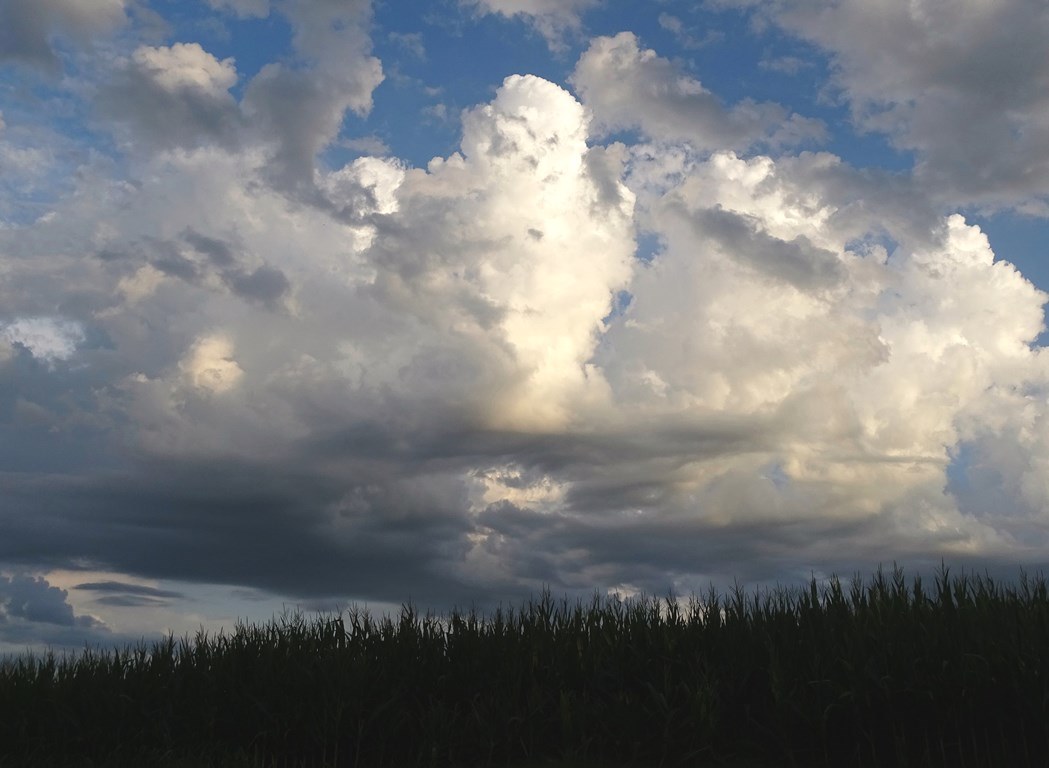


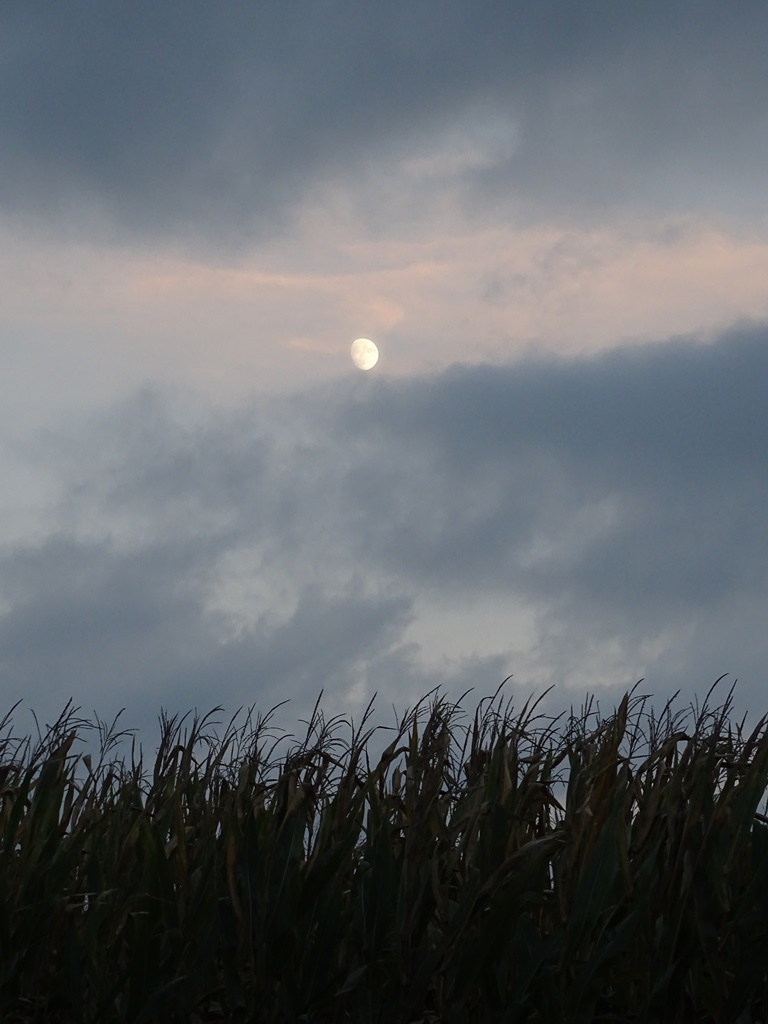


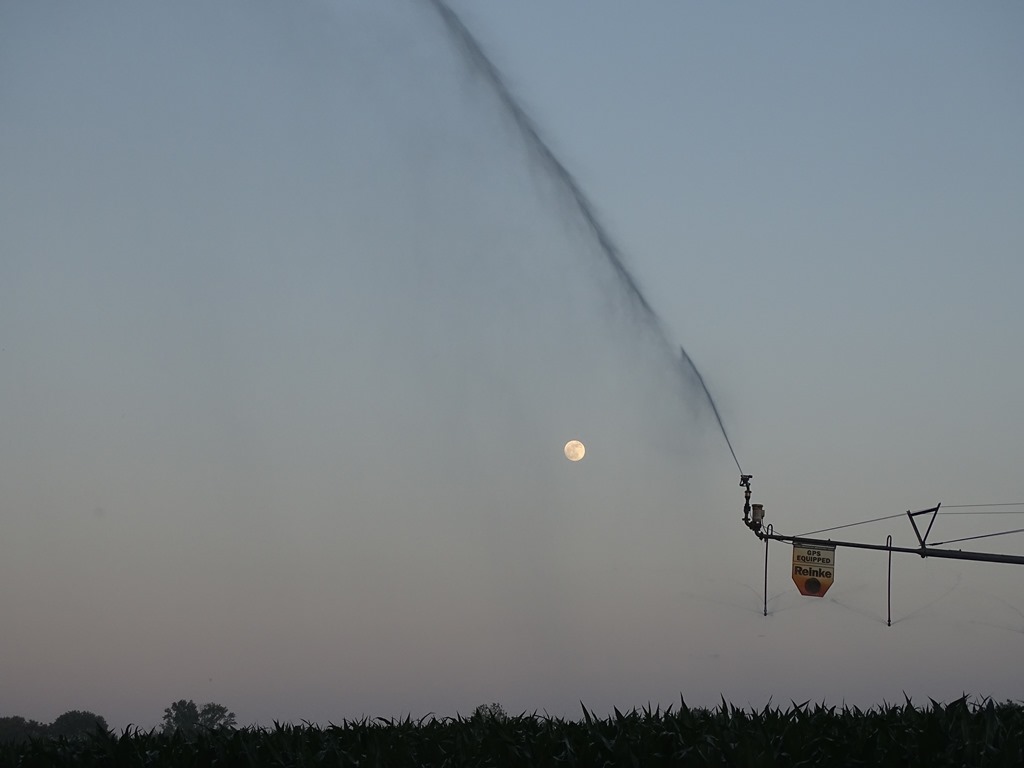

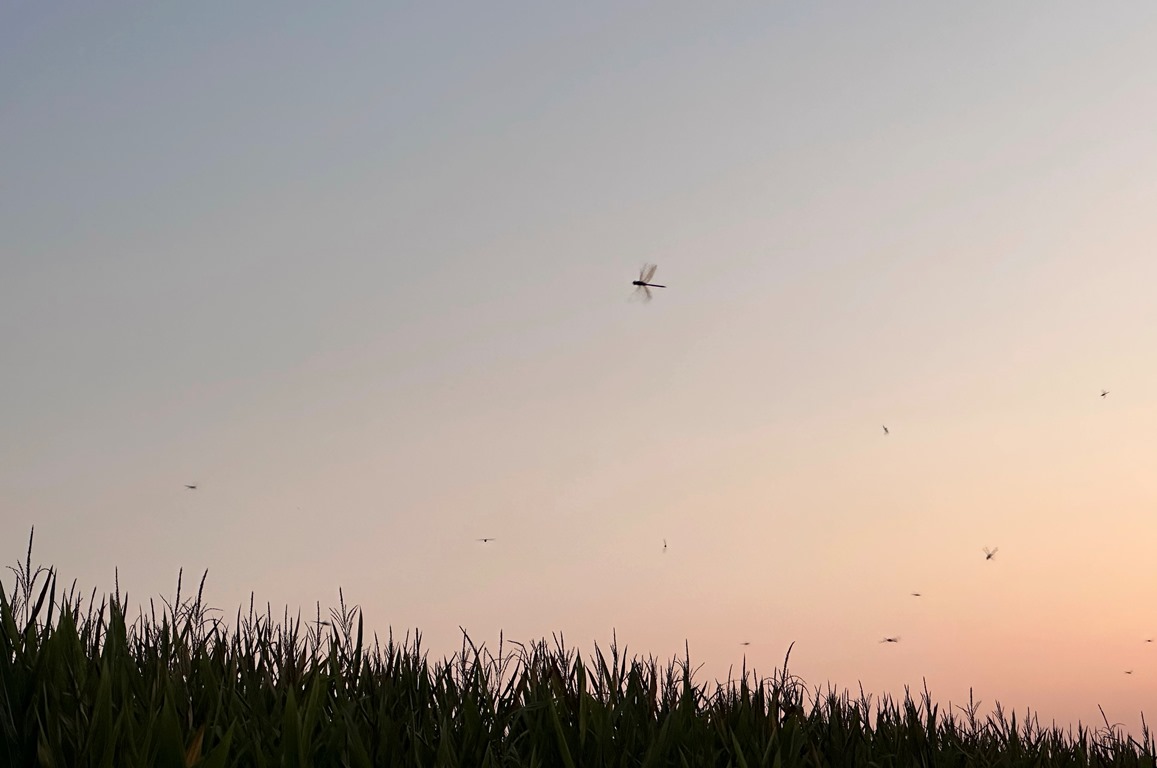




How mesmerizing to observe a swarm of dragonflies congregating over a cornfield. They were beautiful to watch, and hopefully helped out with the mosquito population.
“It is only the farmer who faithfully plants seeds in the Spring, who reaps a harvest in the Autumn.” ~B. C. Forbes
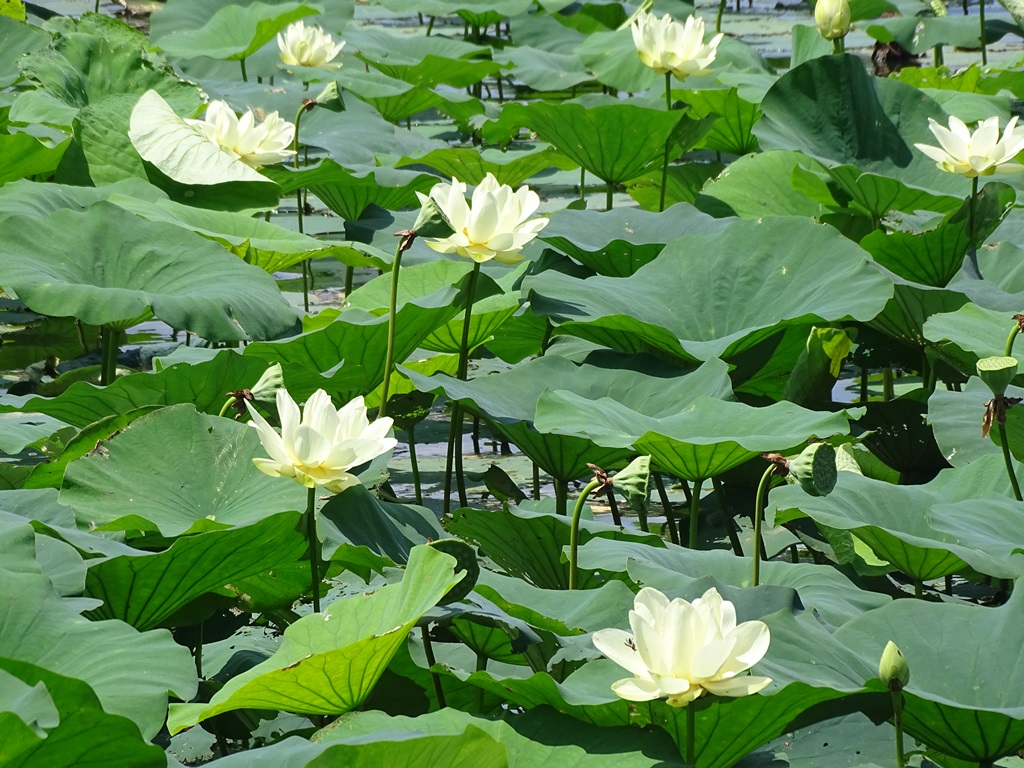
Some of the flora and fauna that add to the charm and allure of this beautiful lake.





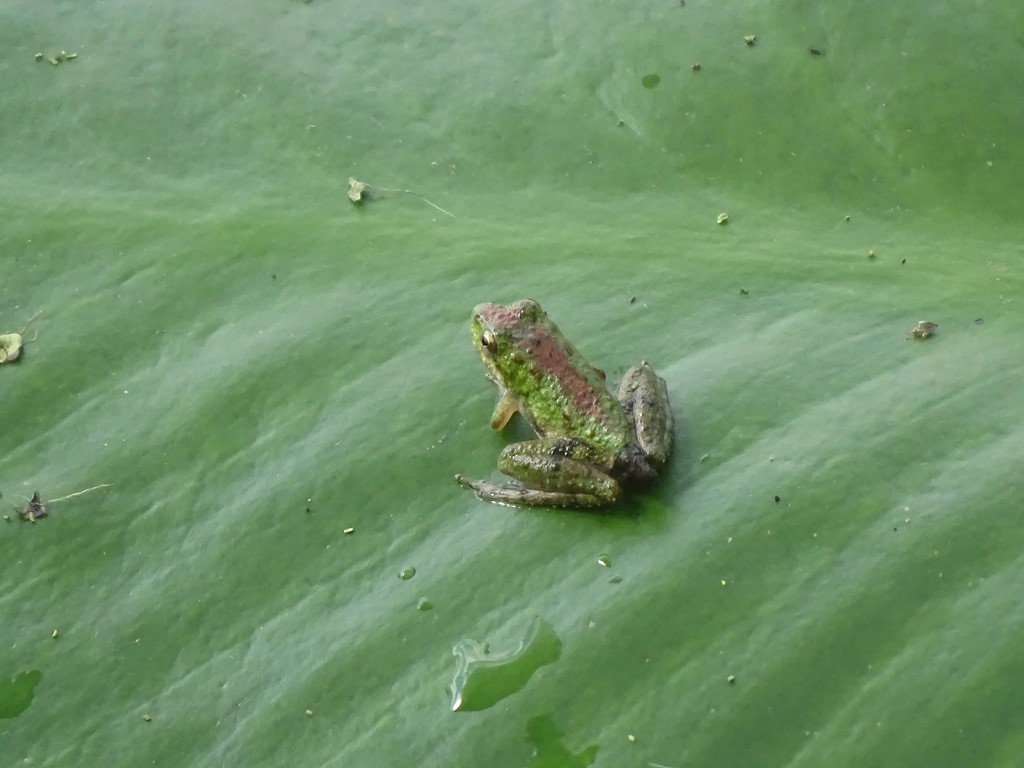
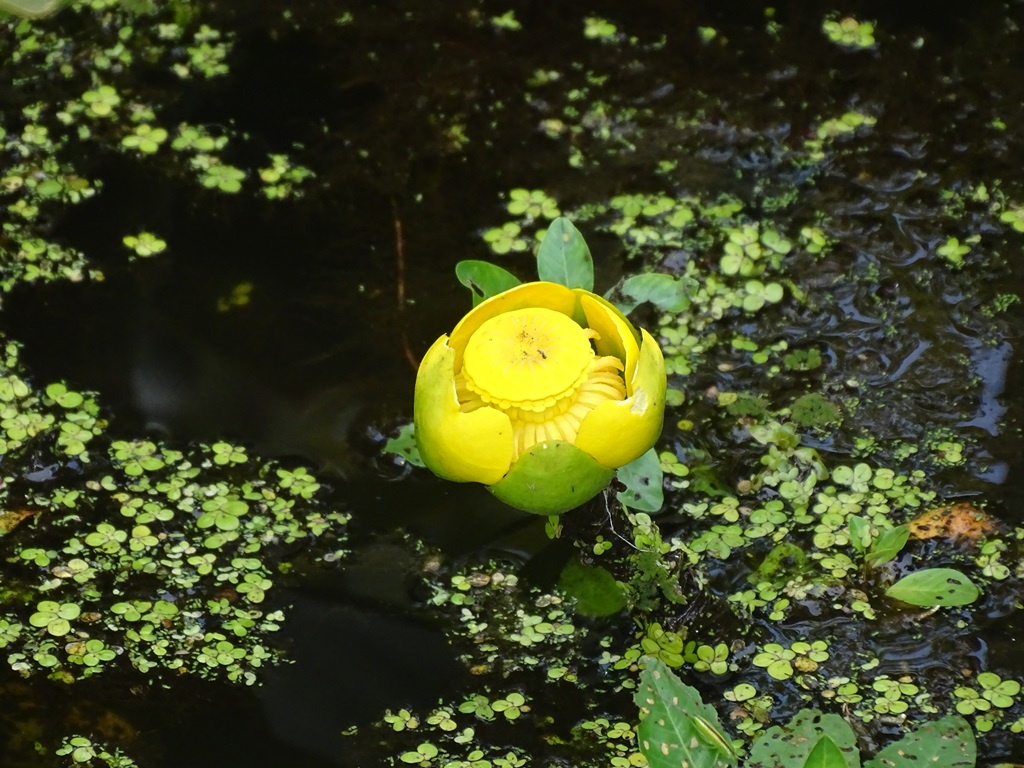

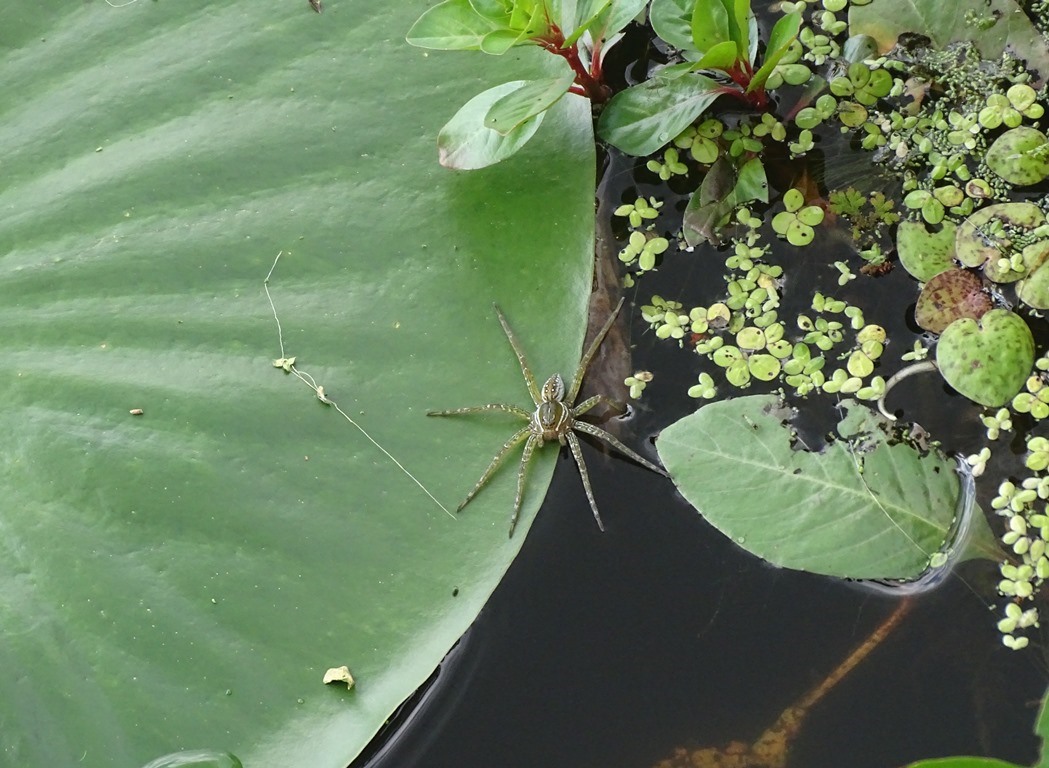
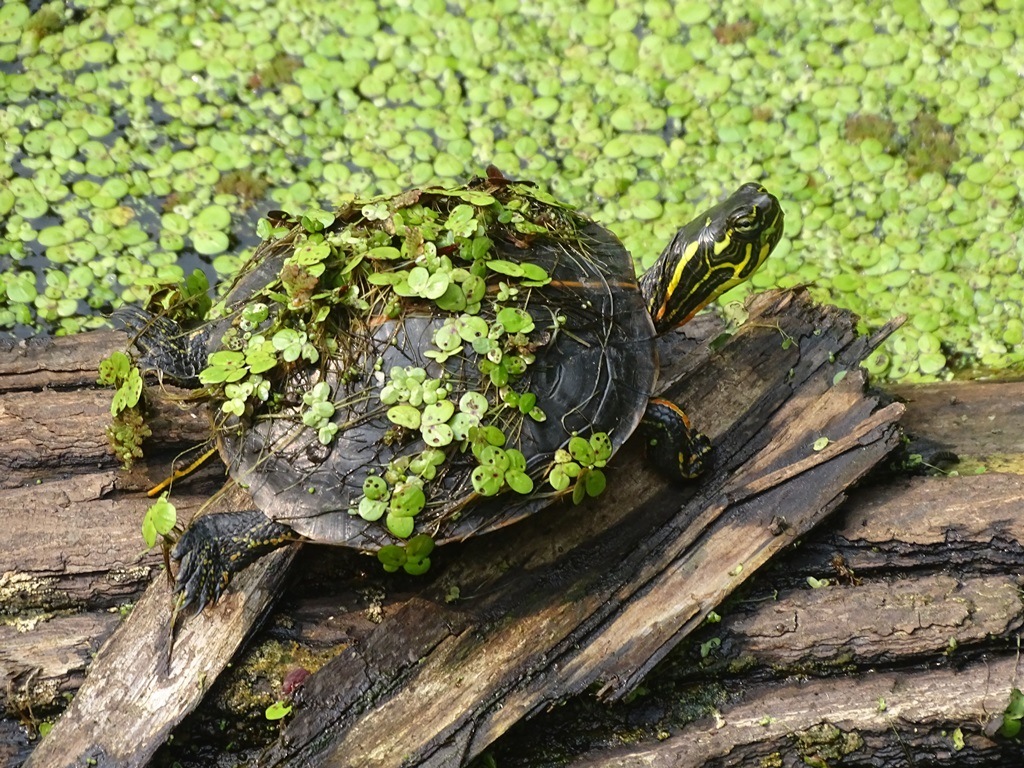

“You can’t really say what is beautiful about a place, but the image of the place will remain vividly with you.” ~Tadao Ando
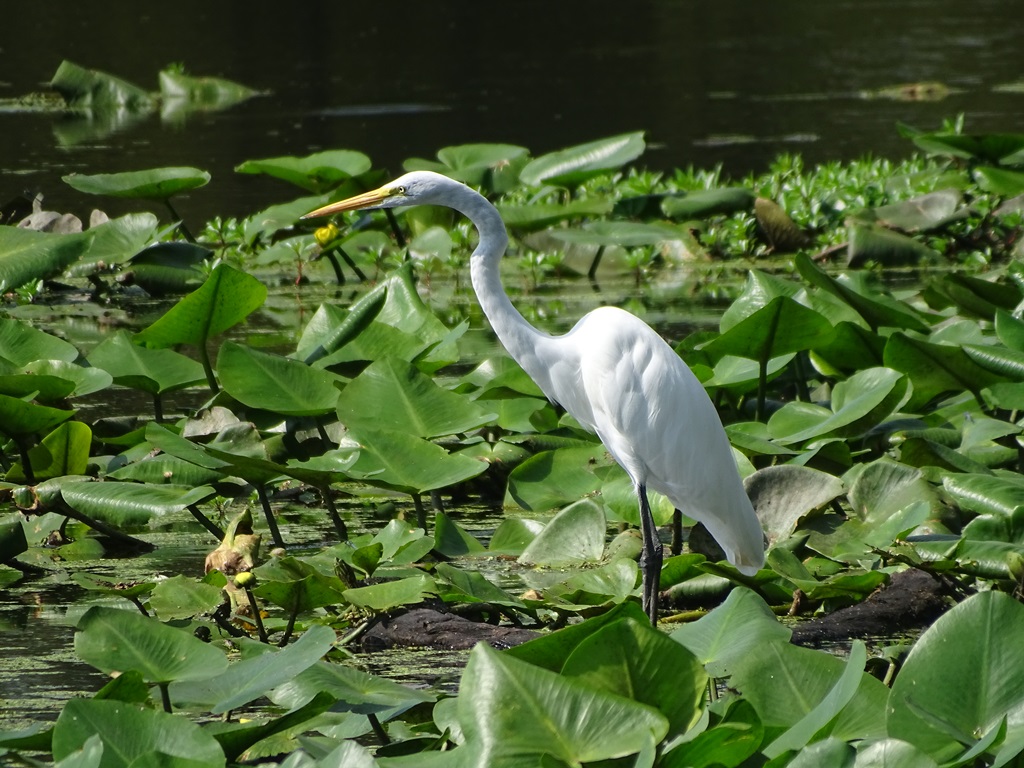
As we drove through the refuge, I spotted a beautiful butterfly on a flower beside the road, and we stopped for photos. As I stepped out of the car, a very startled and annoyed Great Egret, which had previously gone undetected, let out a loud squawk and abruptly propelled itself from its concealed spot in the tall grass to the safety of a nearby tree. And there it sat waiting, all sullen and sulky, greatly annoyed that its peaceful afternoon had been disturbed.

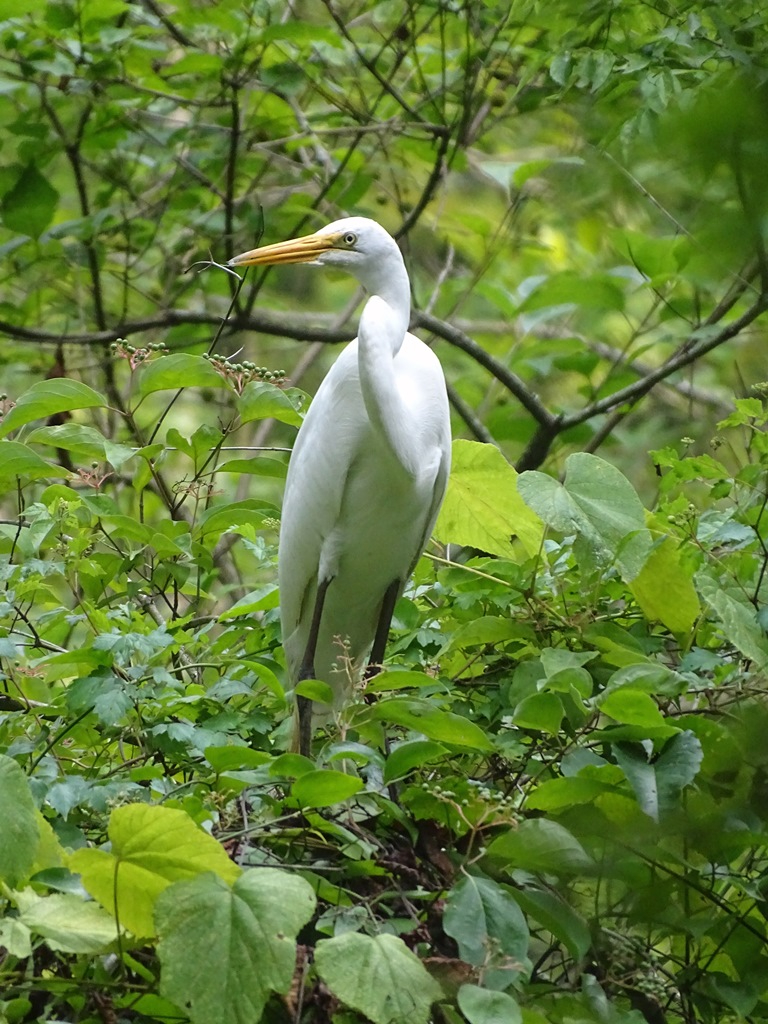


“The unexpected may annoy us, but may also wake us up.” ~Scott Sanders
The highlight of my time spent out in nature comes with the sudden and unplanned appearance of wildlife that I hadn’t expected to see. In nature, you never know what you’re going to catch a glimpse of from one moment to the next.

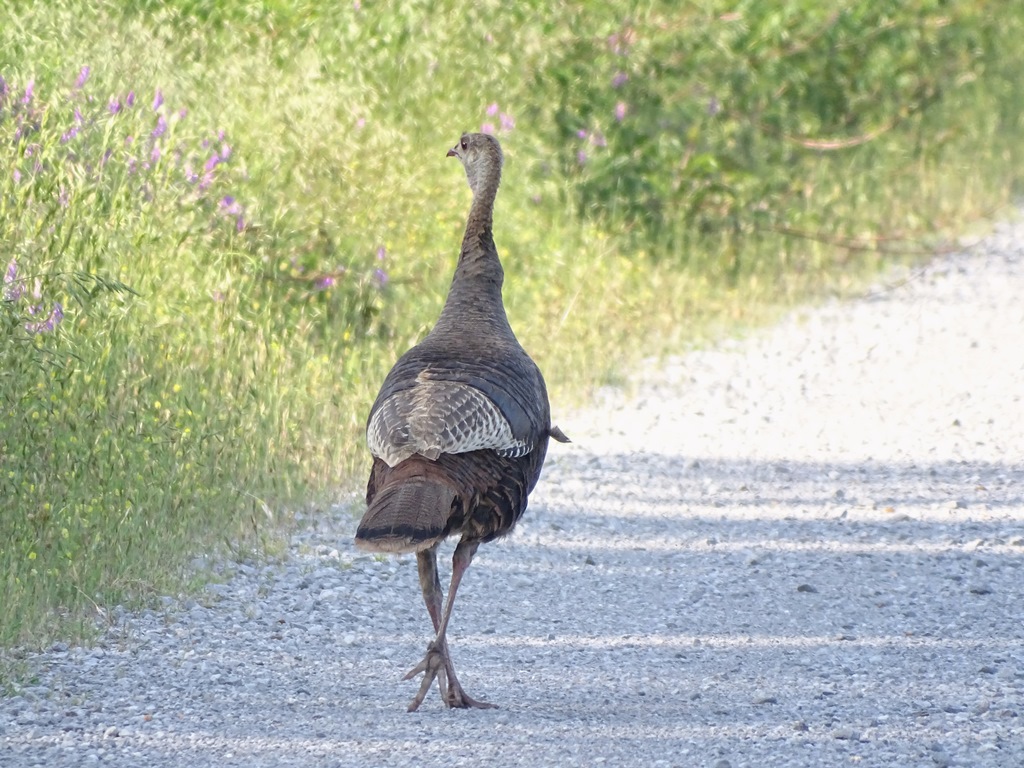

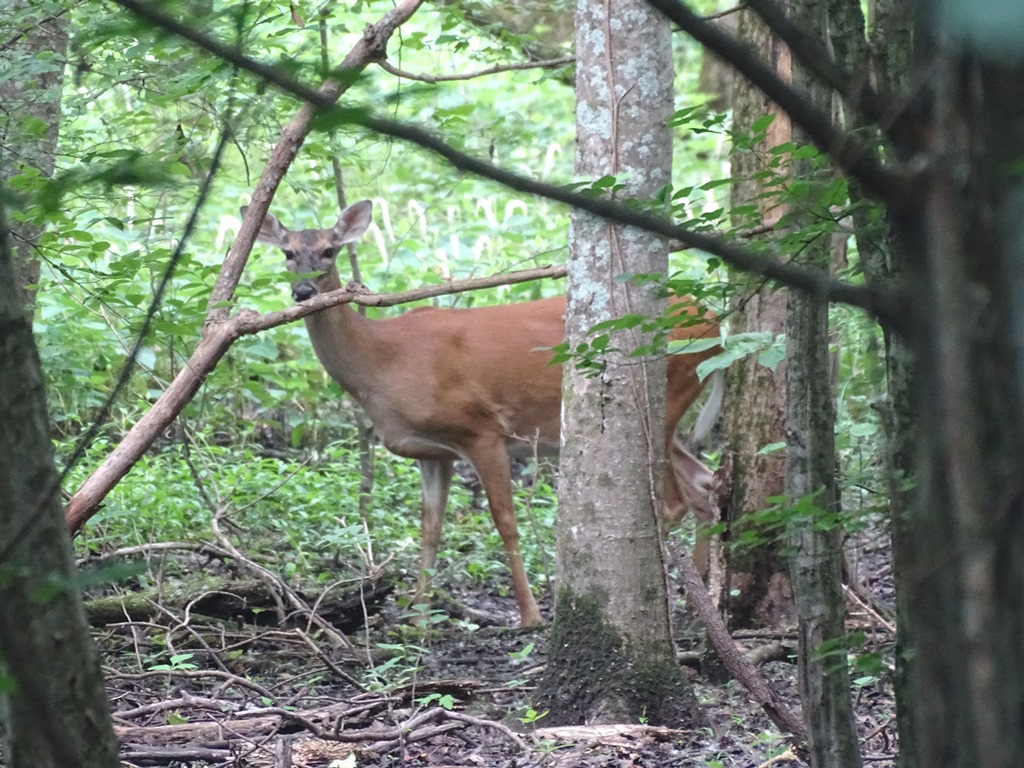

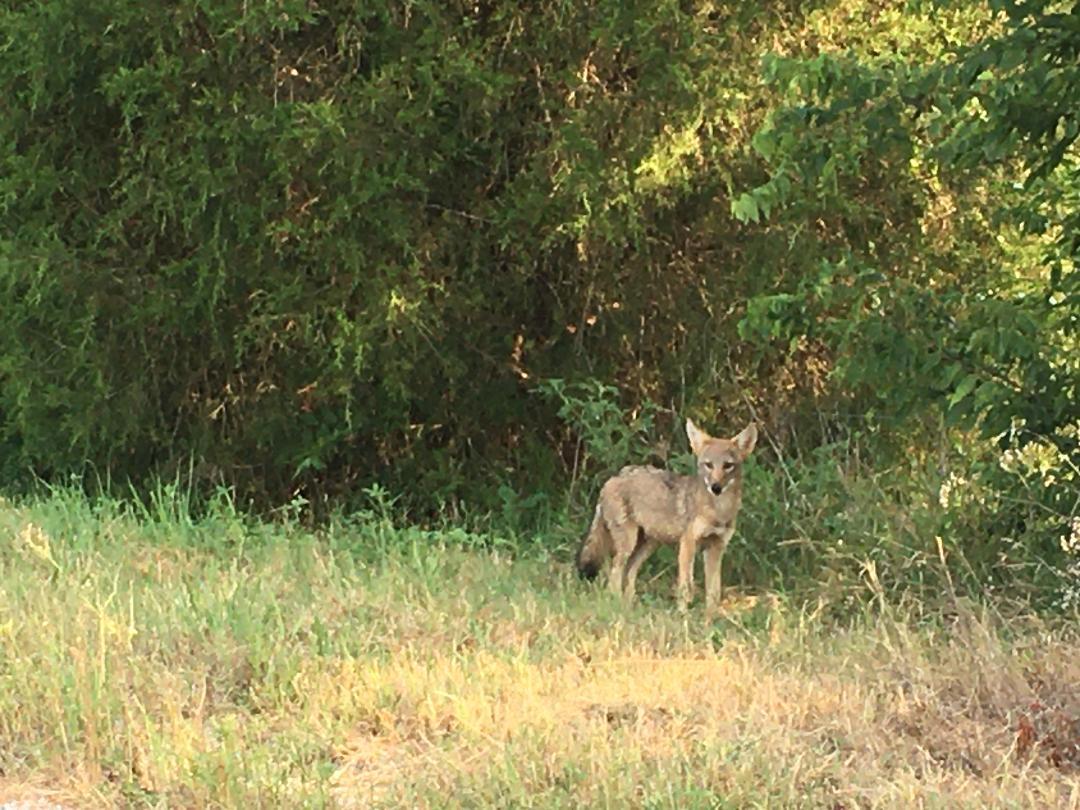


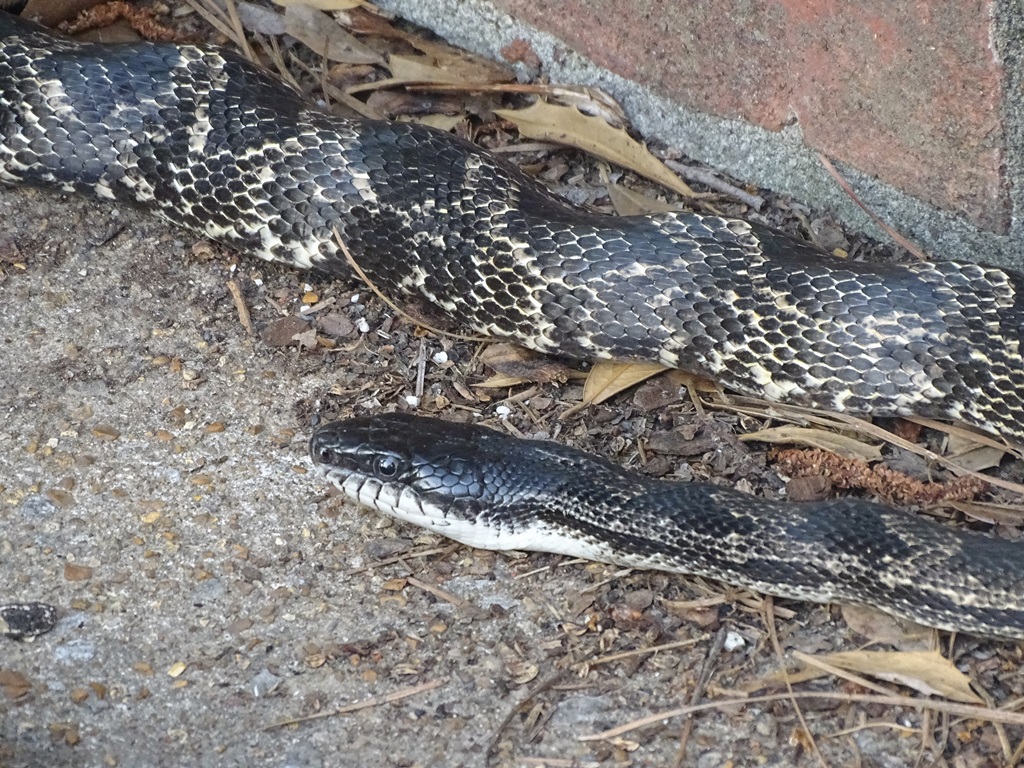
“Collect moments, not things. When all is said and done, beautiful moments are your true treasures.” ~April Peerless
Here are some of the beauties that I’ve seen so far this summer.


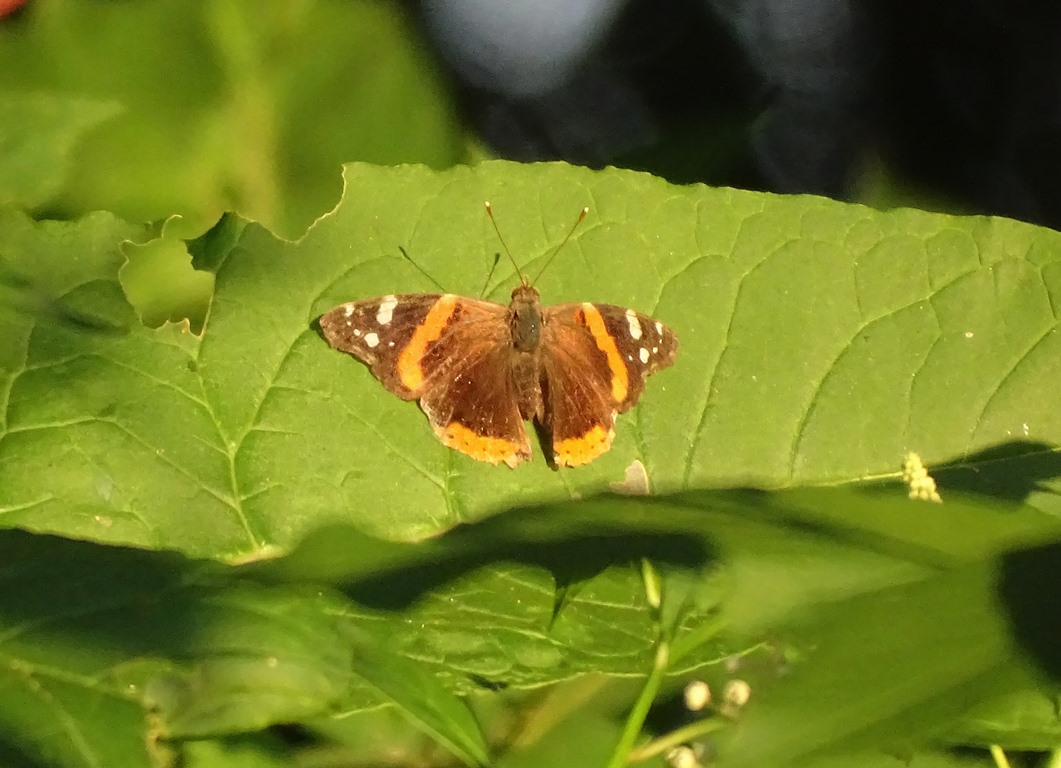
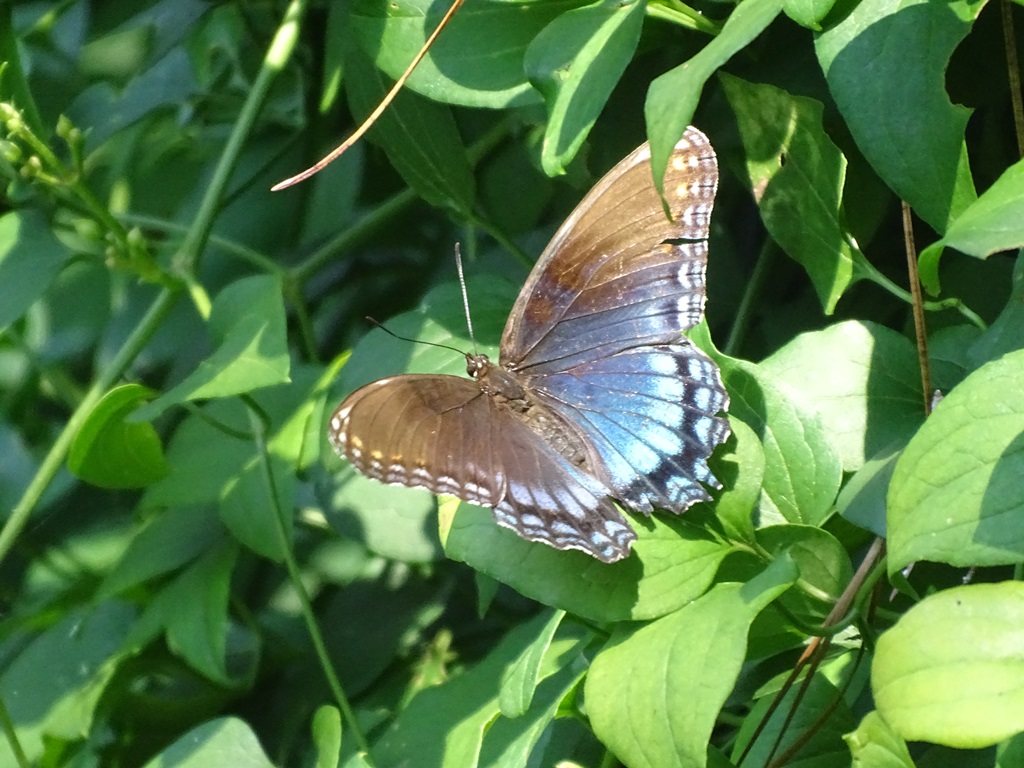
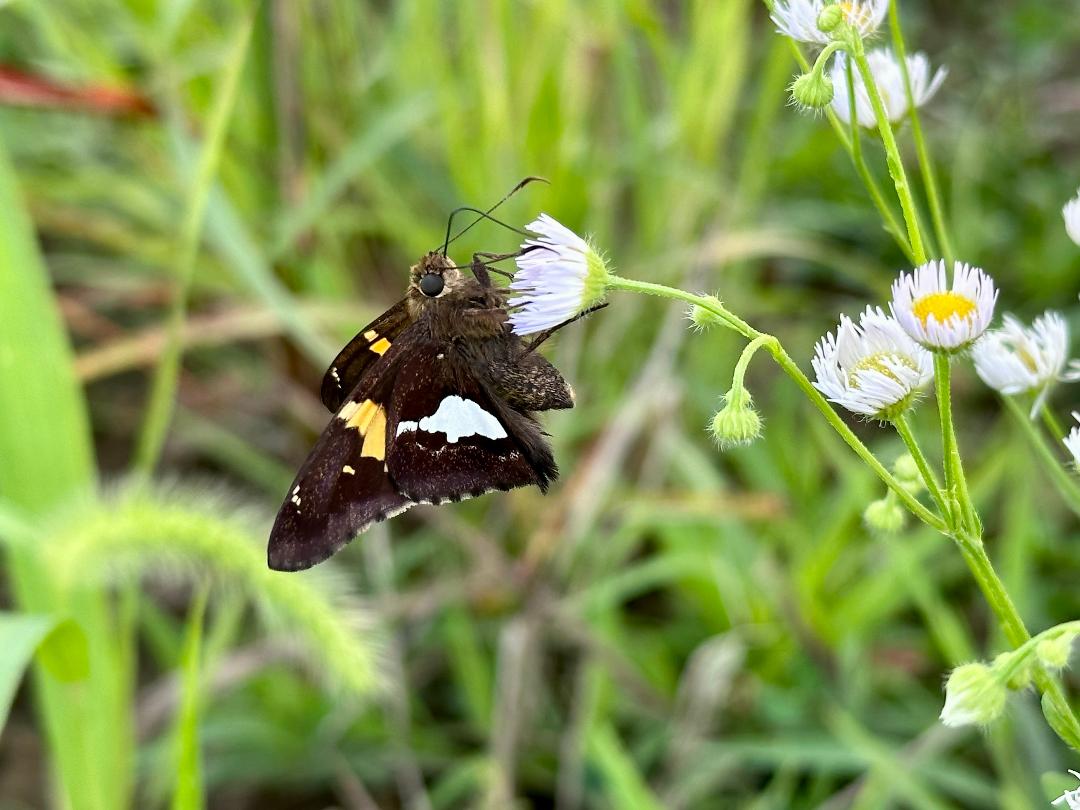

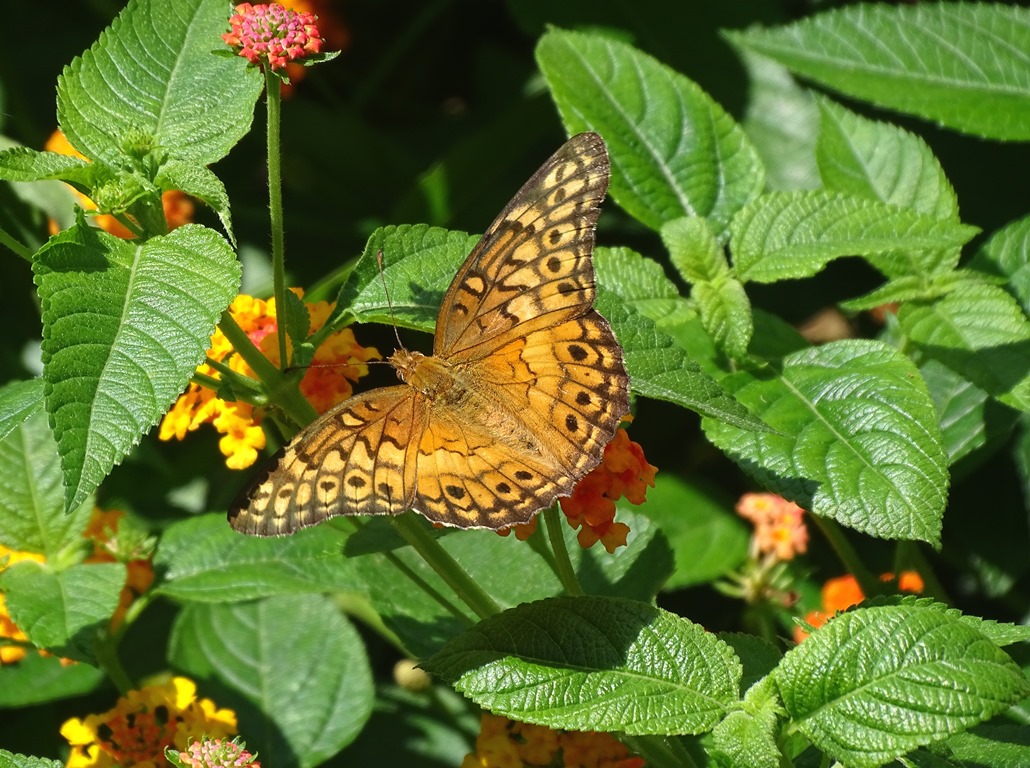

“There is nothing that makes its way more directly into the soul than beauty.” ~Joseph Addison
I spotted this squirrel as she finished toting a corncob from an adjacent cornfield to a nearby maple tree in our neighbor’s yard. She placed it on the ground and pulled it backwards to fit between the roots of the trunk. There, in her safe and comfortable spot she sat, enjoying her delicious prize, one kernel at a time.


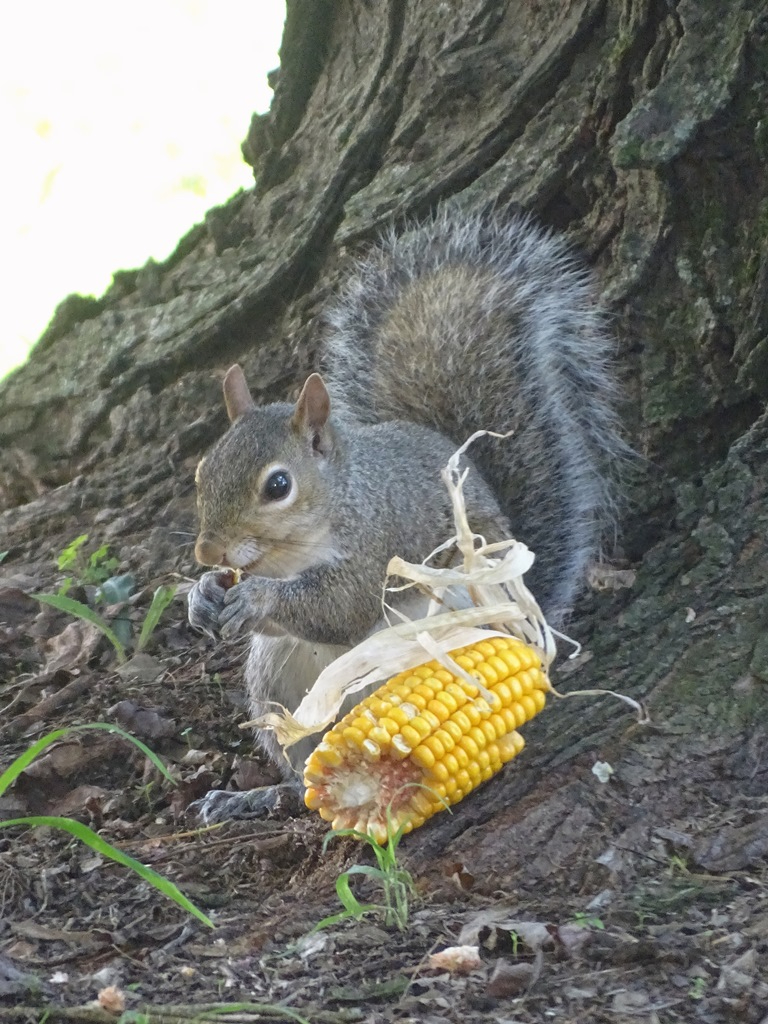


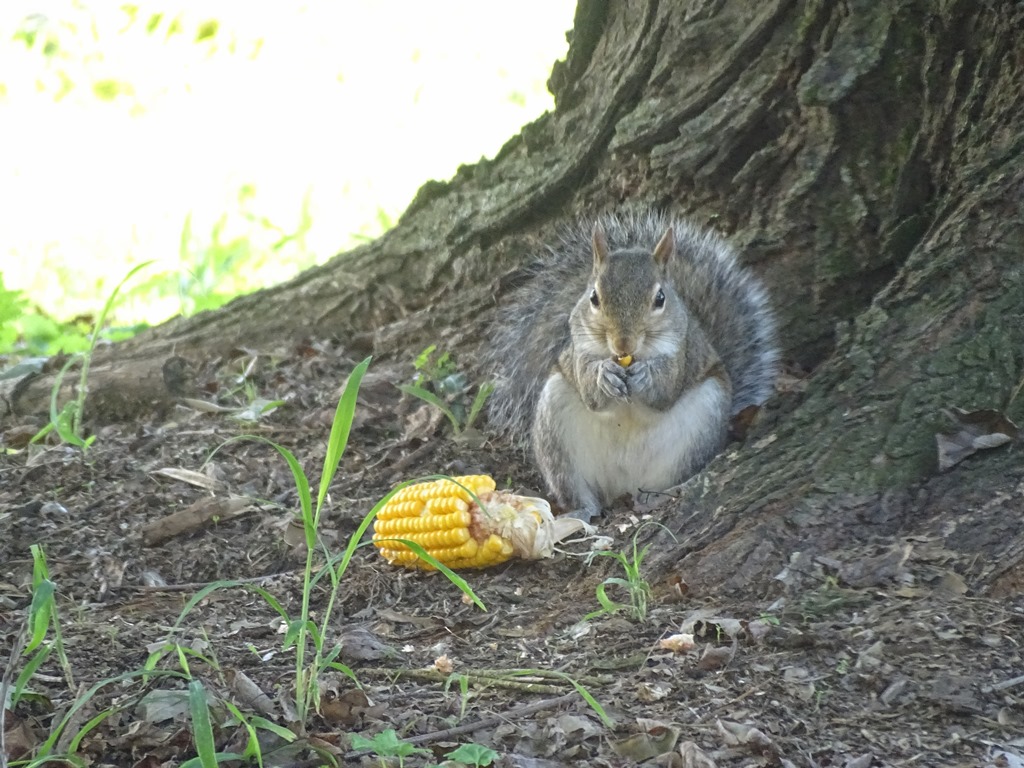


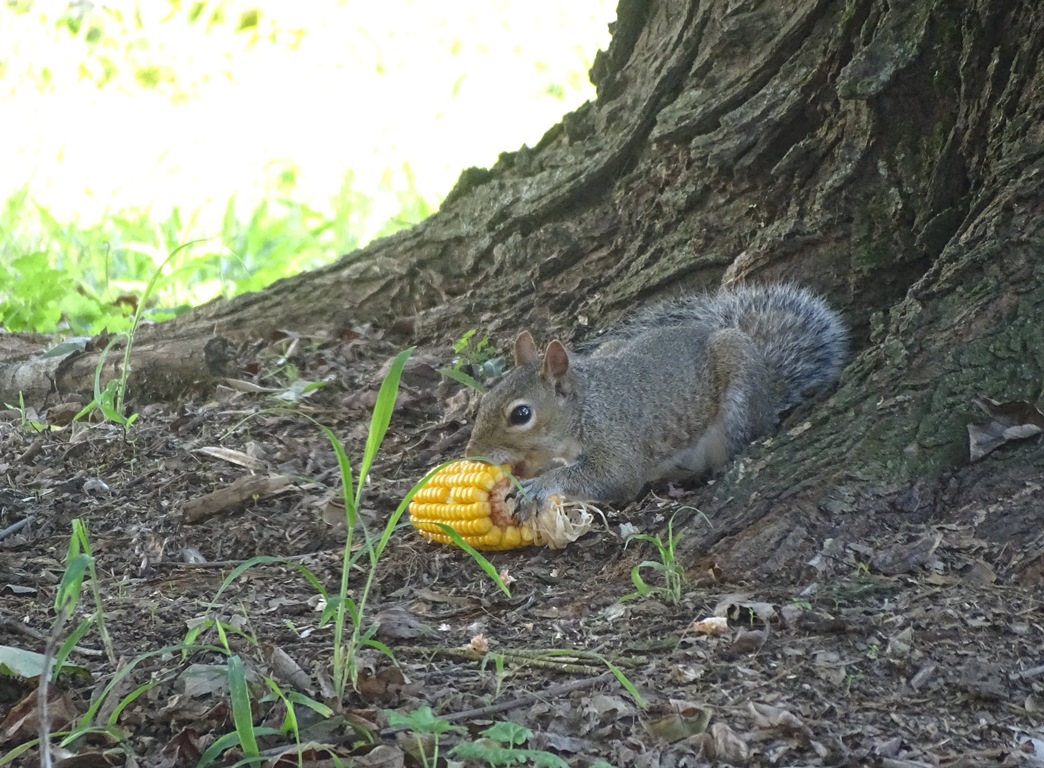
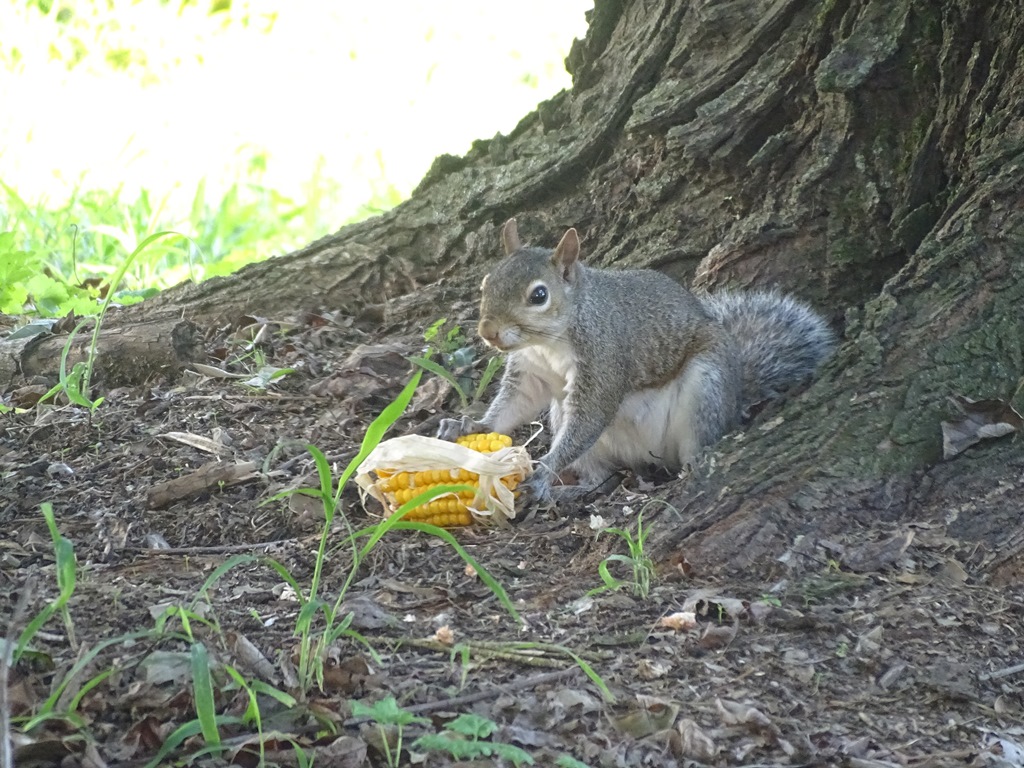
“Should you eat corn that has fallen off the stalk? Maize well!” ~Corn Puns
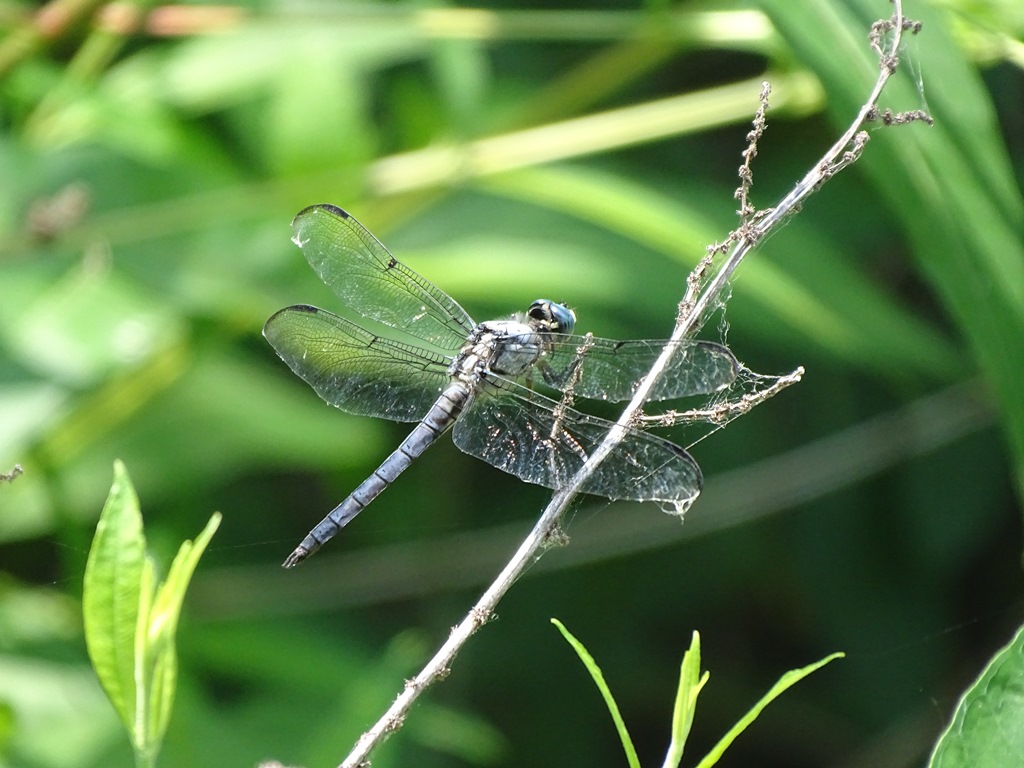
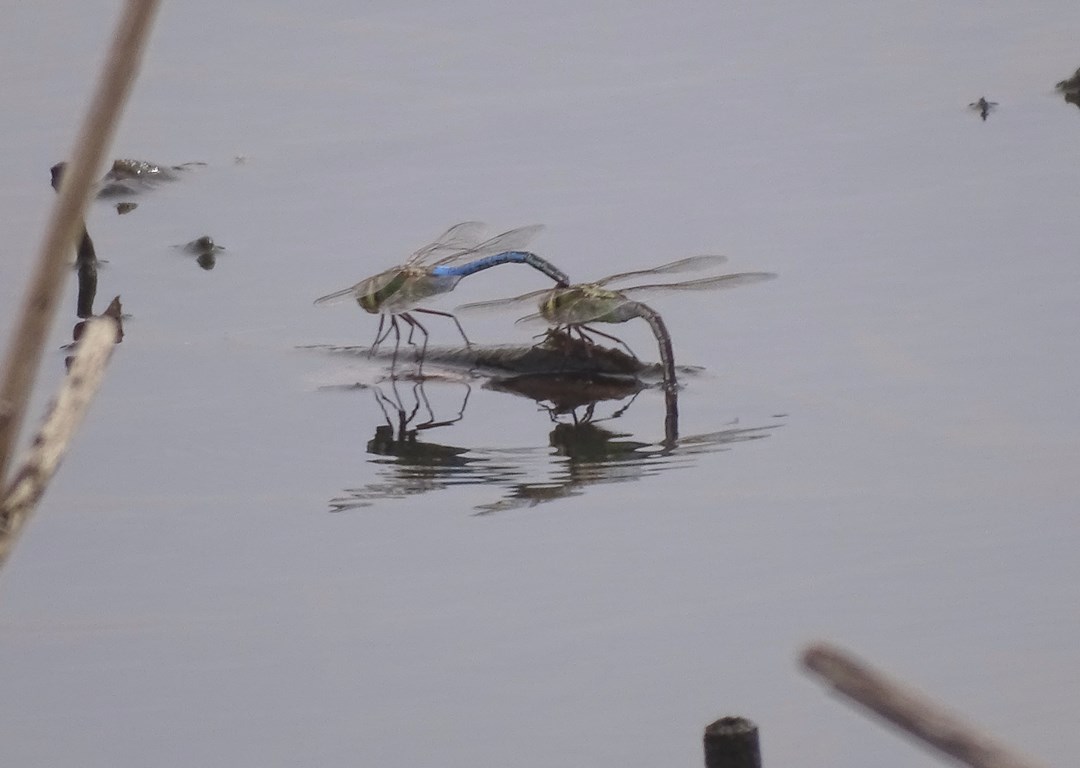
Some of the beautiful dragonflies hanging around the lake.

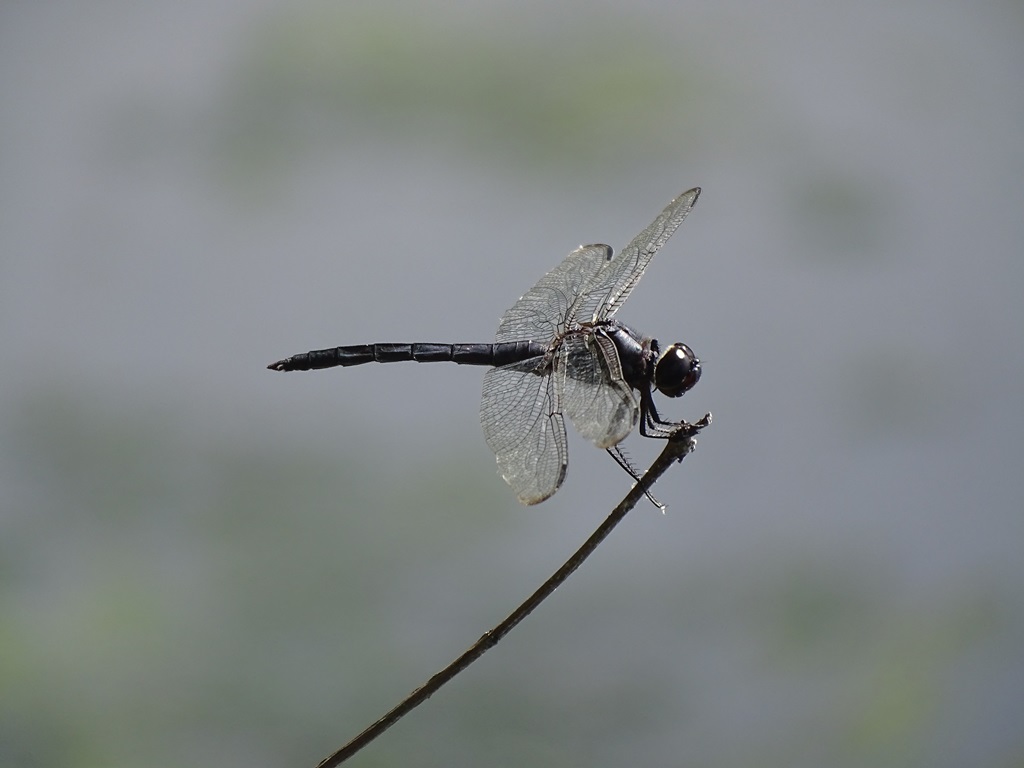


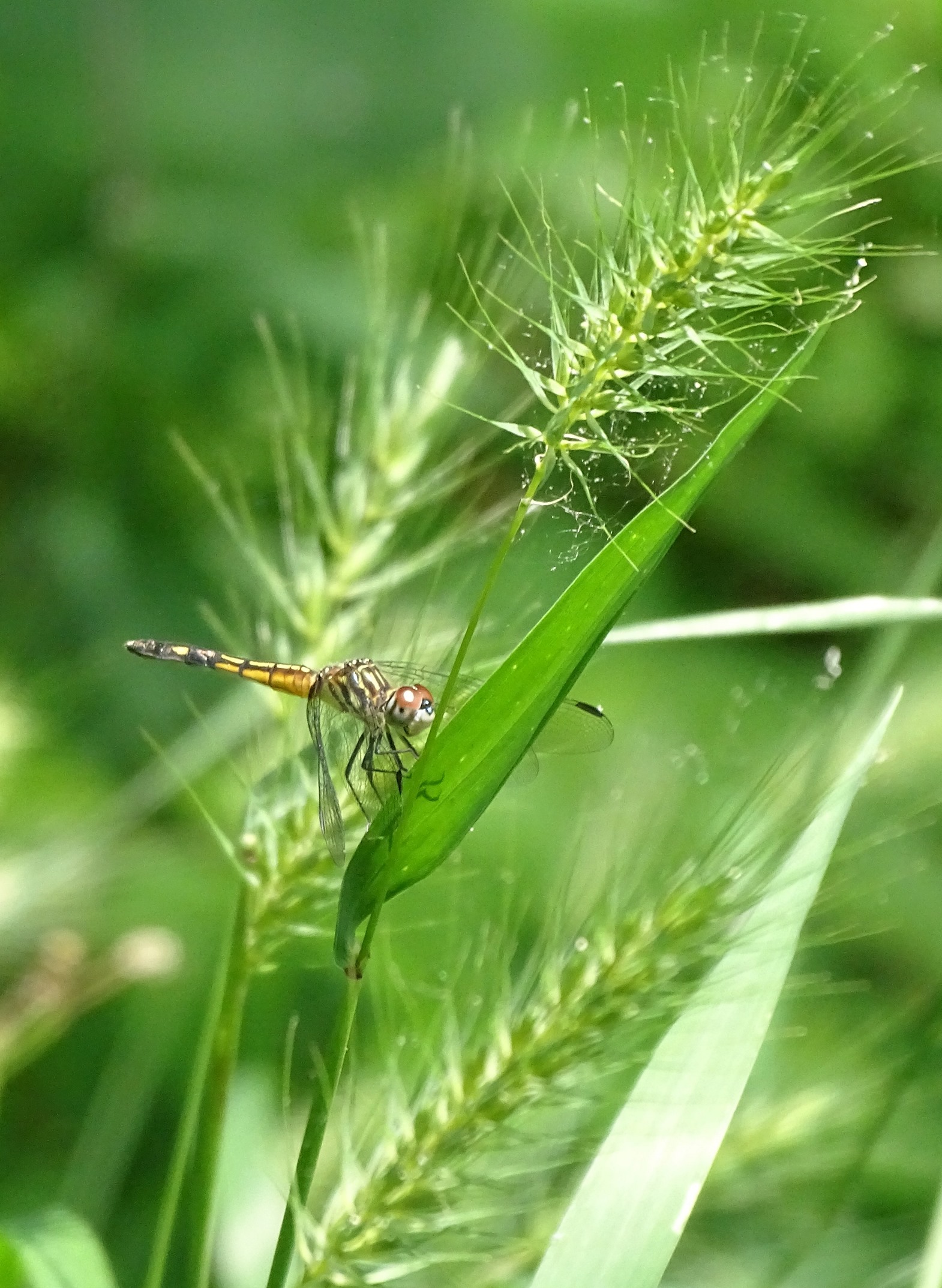
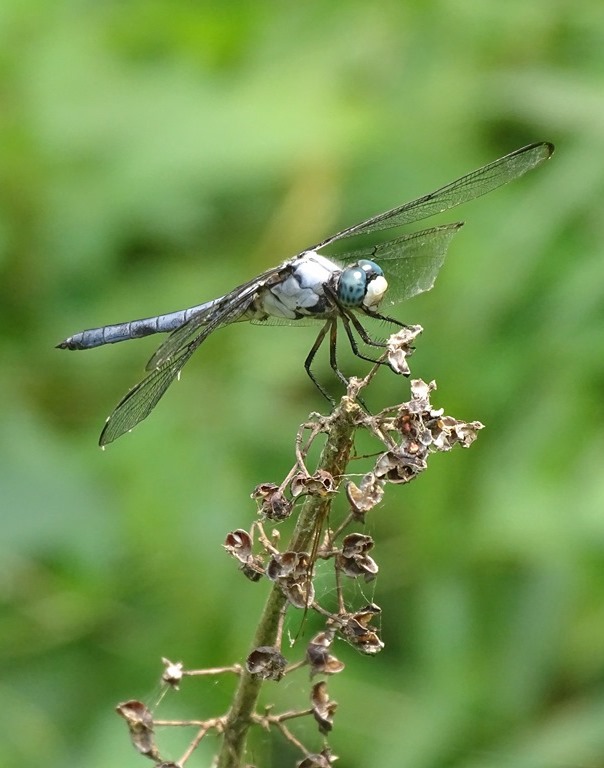
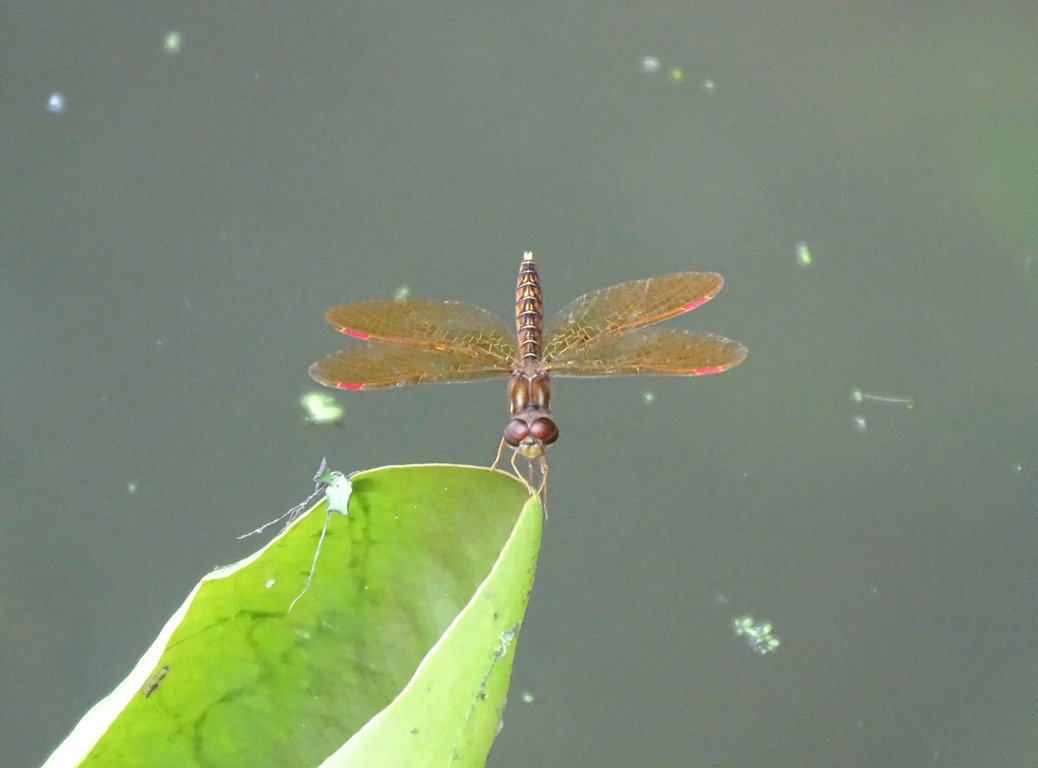

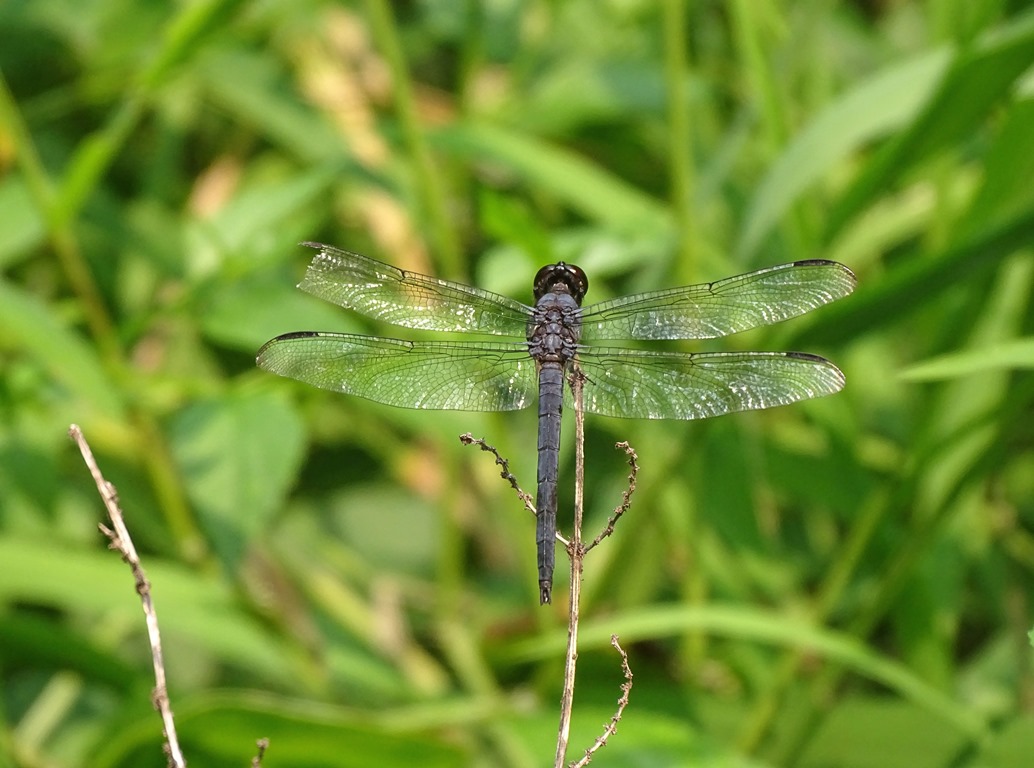
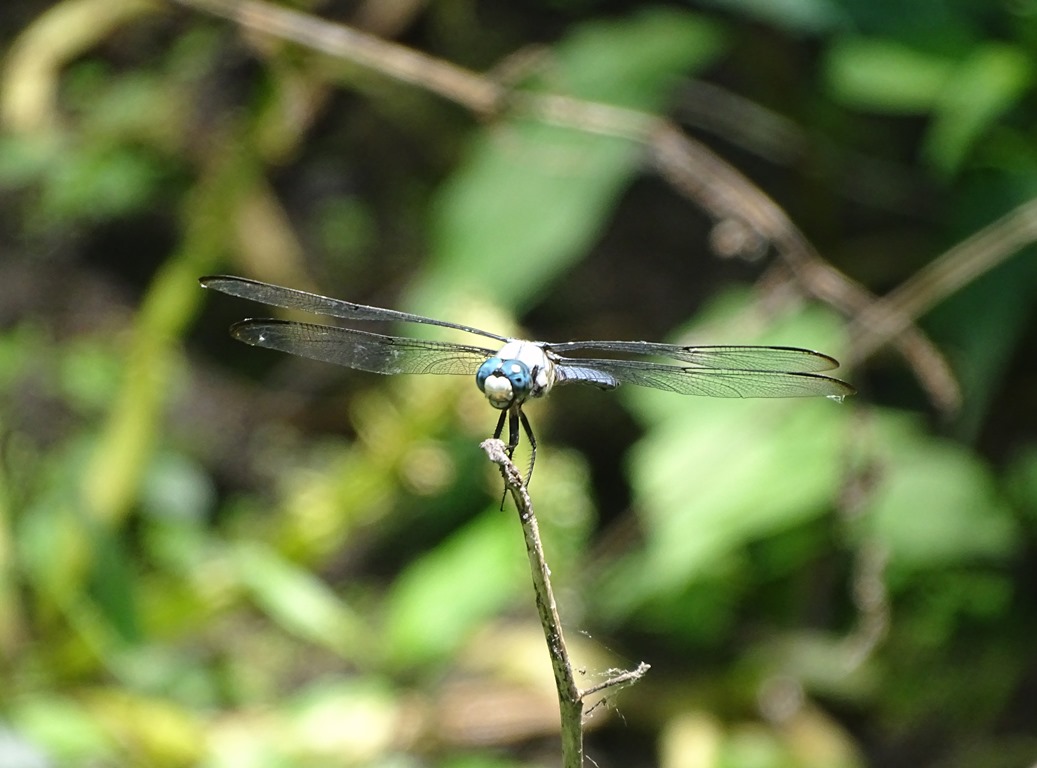
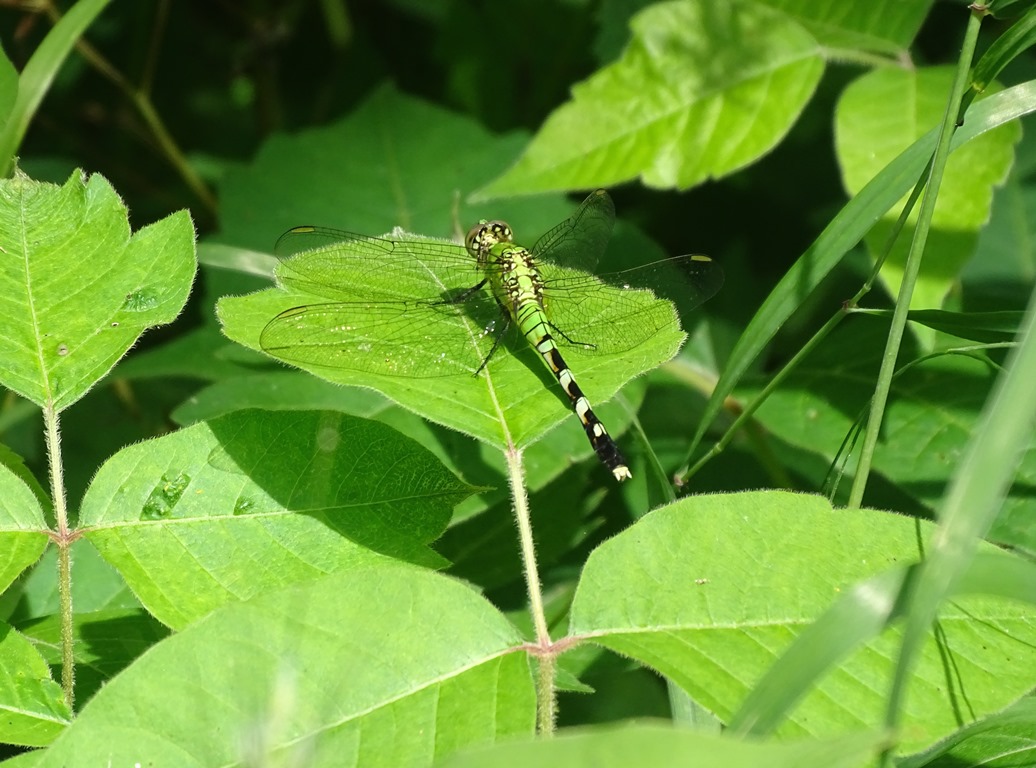


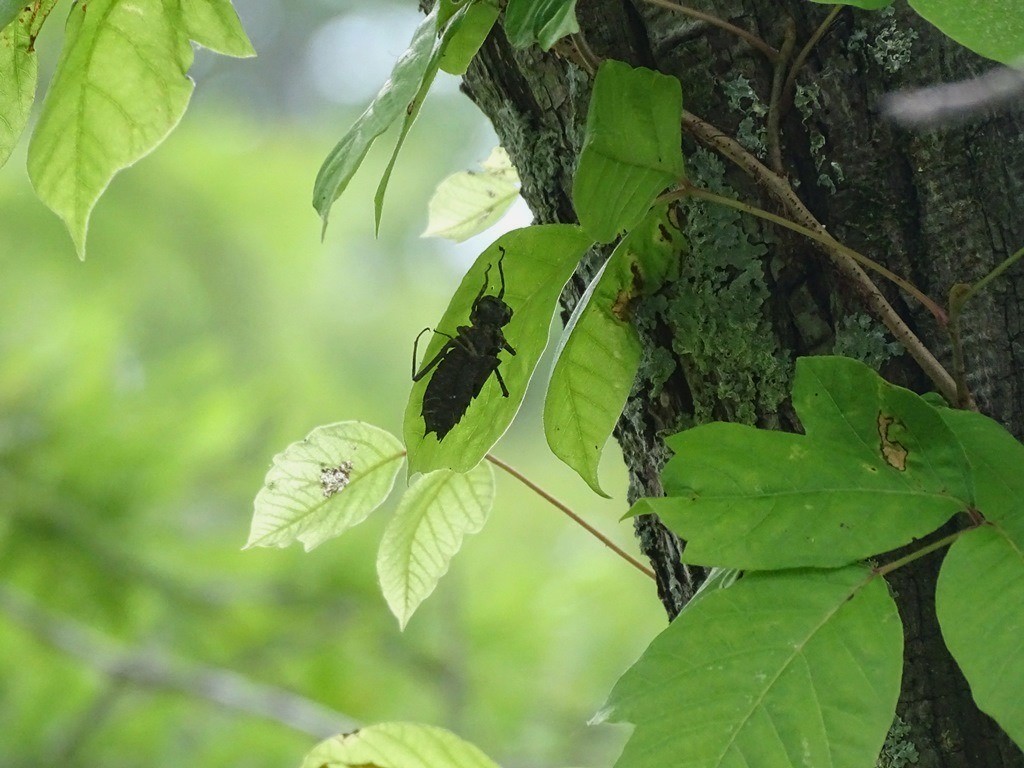
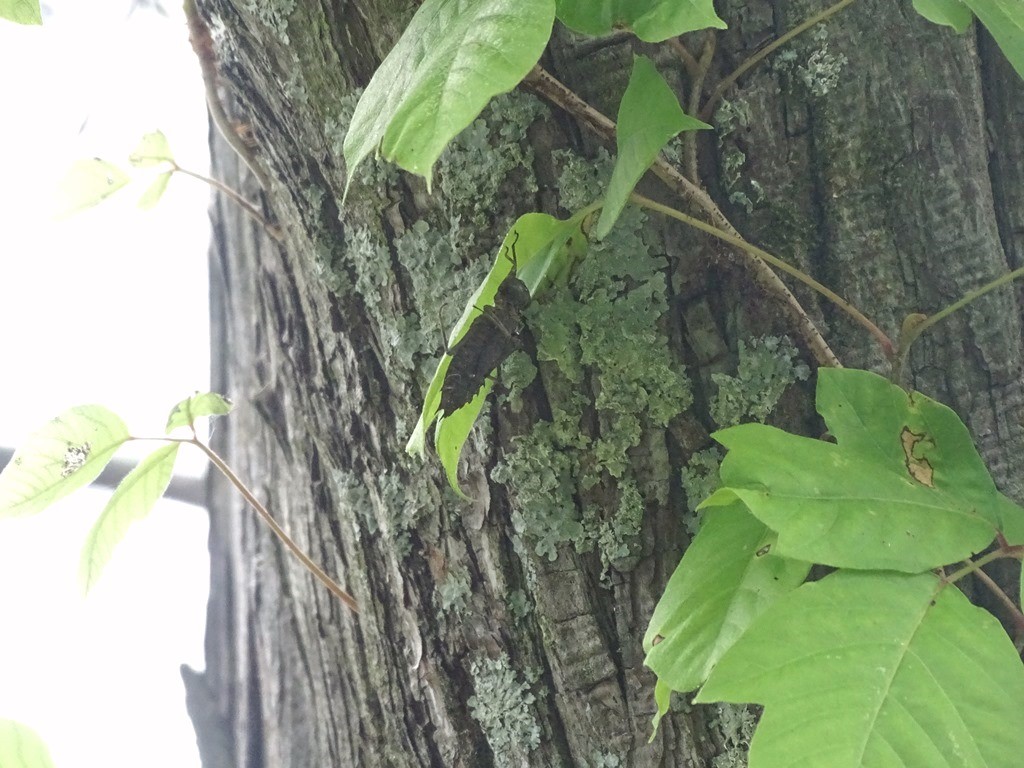
Below are dragonfly nymphs on the underside of leaves near the water.
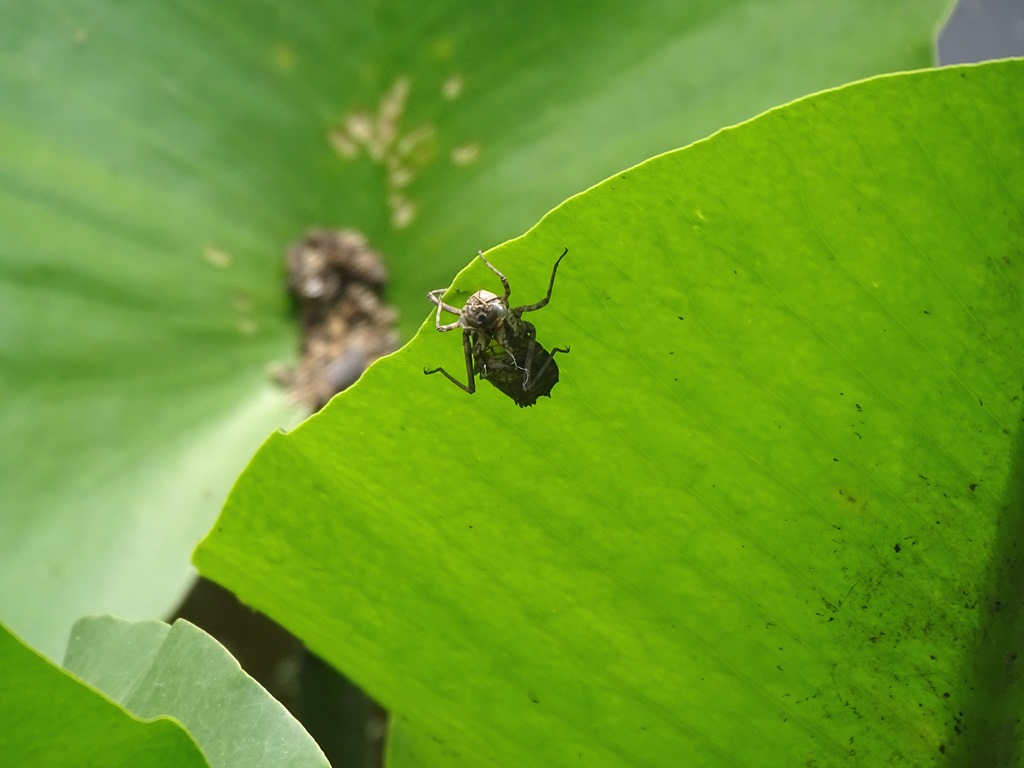
Curious dragonfly with
Wings of stained glass,
Oh, ancient bearer
Of secret dreams,
Your delicate beauty
Keeps wonder in my heart.
~Grace Edwards
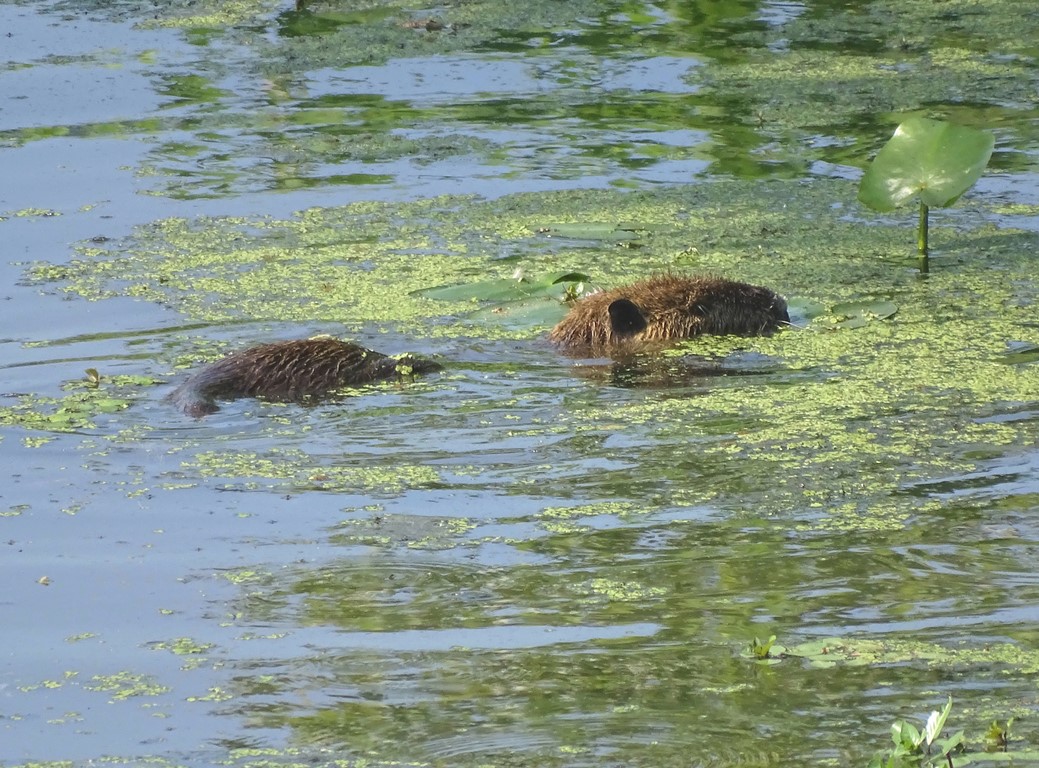
We saw an interesting animal at the refuge that we had never seen before. From a distance, it looked like a muskrat or beaver, but a local landowner told us that it was a Nutria. He said that he sees them in the wintertime out walking on the ice.
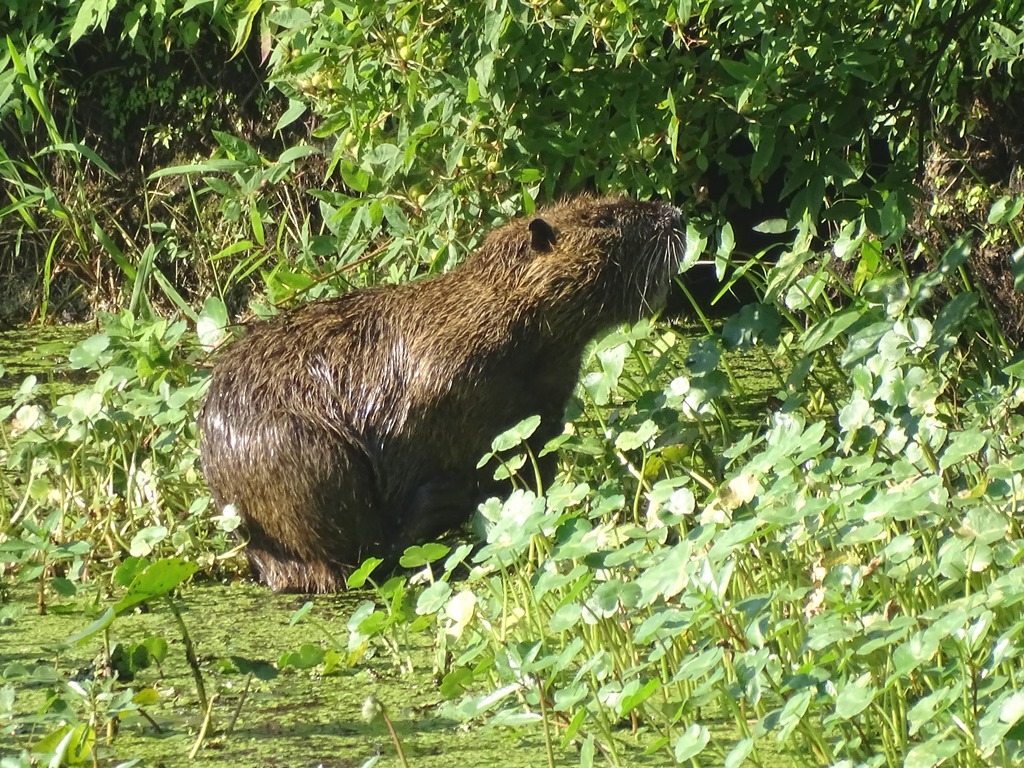
Larger than a muskrat but smaller than a beaver, Nutria have brown shaggy fur and whiskers, and can be found both on land and in the water. They also have orange front teeth, long, round, hairless tails, five-toed front feet and webbed hind feet.
When we first saw this one, it was swimming in the water, stopping to nibble on vegetation.
Notice that it appears to have lost part of its long, rat-like tail.


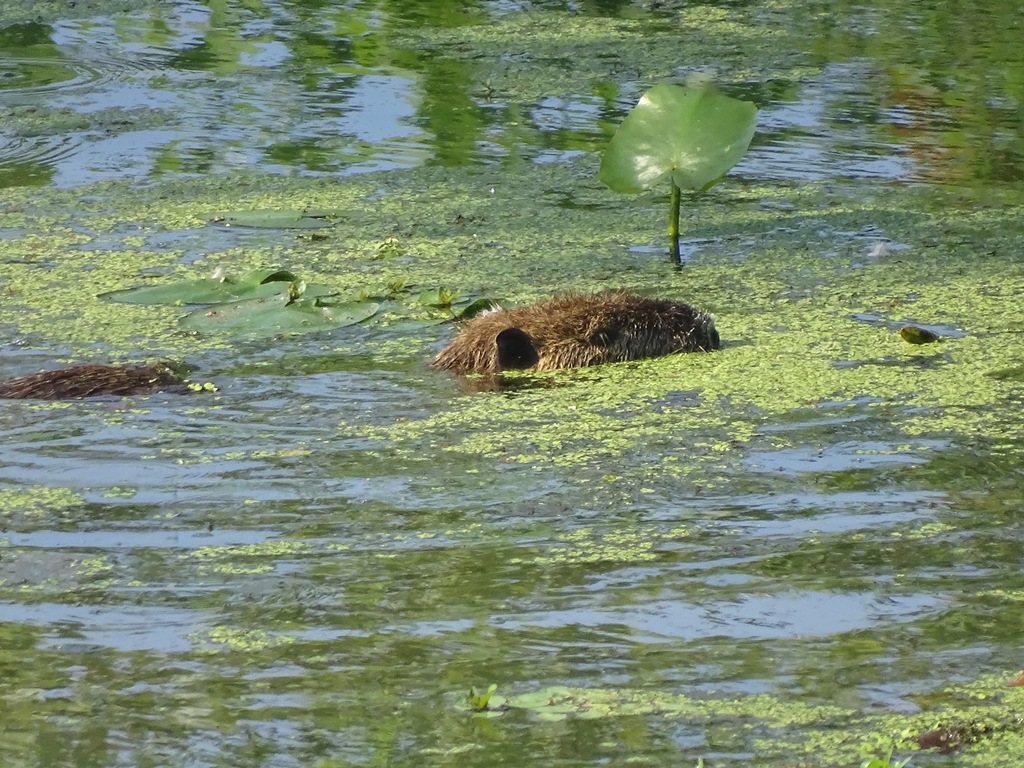
Eventually, it climbed up on the shore and proceeded to scratch or groom its fur. Oil, produced by glands near its mouth, is used in grooming and waterproofing the fur.
You can see an orange tooth in the fourth photo.


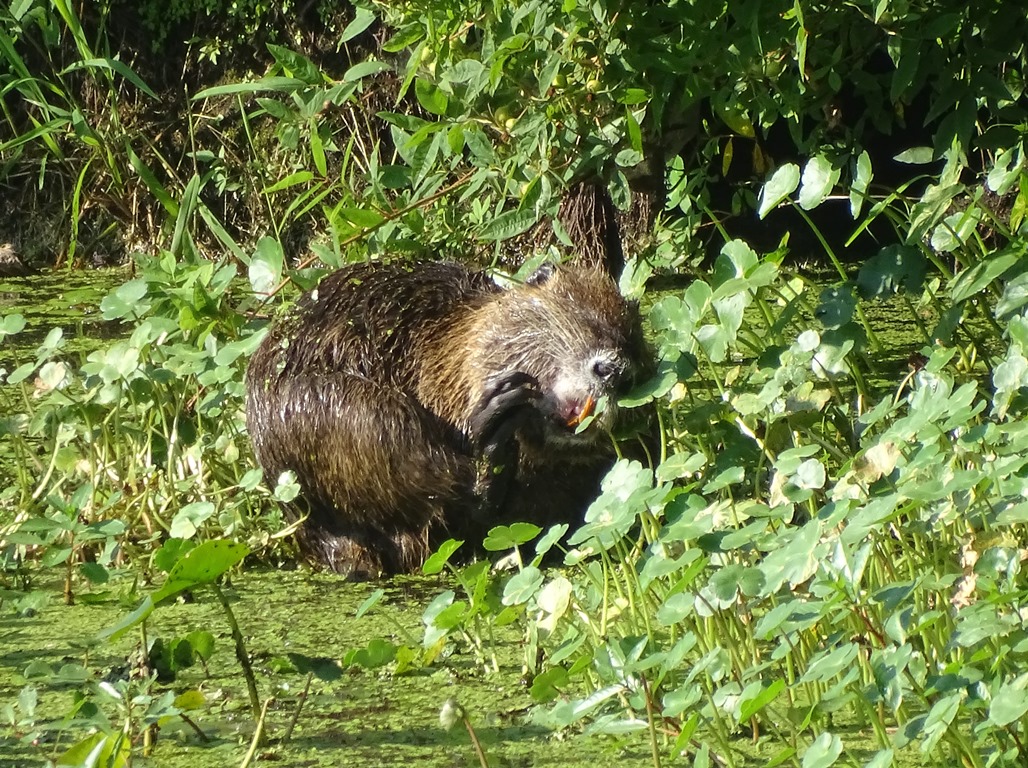


Although Nutria resemble the muskrat and beaver, they are an invasive wildlife species that was brought in from South America by fur traders hoping to profit off of their undercoats. When the fur industry was unsuccessful, many of these animals were released into the wild or escaped. Now the population has expanded, and they are considered a nuisance. They eat all parts of aquatic plants, including the roots, making the plants less likely to grow back. This makes the soil unstable and destroys food and habitat needed by native animals.
“Visitors should behave in such a way that the host and hostess feel at home.” ~J. S. Farynski
 walking on a country road