On the Move

While reviewing my photography from a recent trip to the lake, I noticed a consistent theme that captured my interest. It was the various movements of animals portrayed in the images. I decided to share my observations and then provide my own personal takeaway regarding their behaviors.


When threatened, the Black and Yellow Garden Spider has an interesting way of protecting itself through intentional and vigorous bouncing of its web. This rapid motion makes it appear larger and startles and confuses its predators, including curious humans. The shaking also serves to entangle any prey caught in the web.

My take-away: “Yes, there really is a special kind of crazy in this world.”


From a distance, when I first saw this delicate web suspended on a swaying reed, my initial impression was that numerous gnats had become trapped in the silk. However, I soon realized that they were freely moving about, prompting me to take a closer look. Instead of gnats, I discovered a group of spiderlings navigating their mother’s web. Being too immature to hunt for their own food, spiderlings sustain themselves by feeding on pollen that sticks to the threads of the web. The web serves as both a nursery and a source of nourishment for the young.

My take-away: “Provide for them while they are young, and then gently nudge them out into the great big world.”


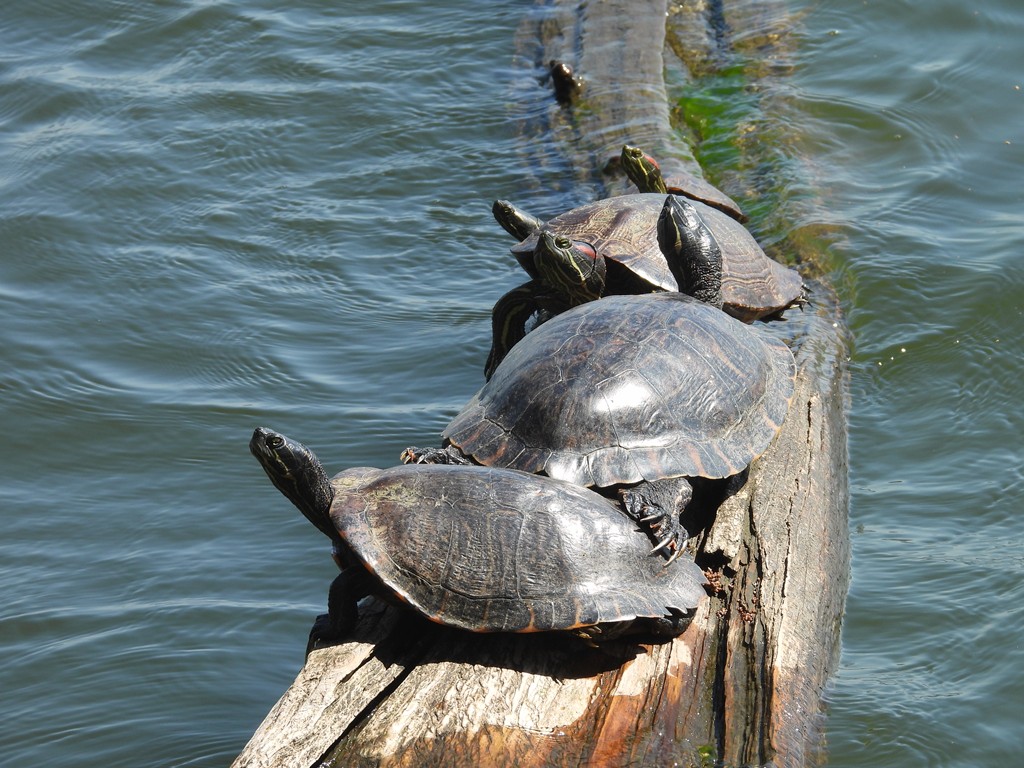
It was delightful to see these Southern Painted Turtles basking on a log with their back legs extended behind them and wiggling back and forth. This stretched position, referred to as “splooting”, allows them to flatten their bodies and enhance sun exposure while they enjoy the warmth. The rhythmic movement of their legs promotes blood circulation and is believed to help remove parasites and bits of aquatic plants that cling to their skin and shell.

My take-away: “The back legs, apparently, can also be used to nudge others out of their personal space.”


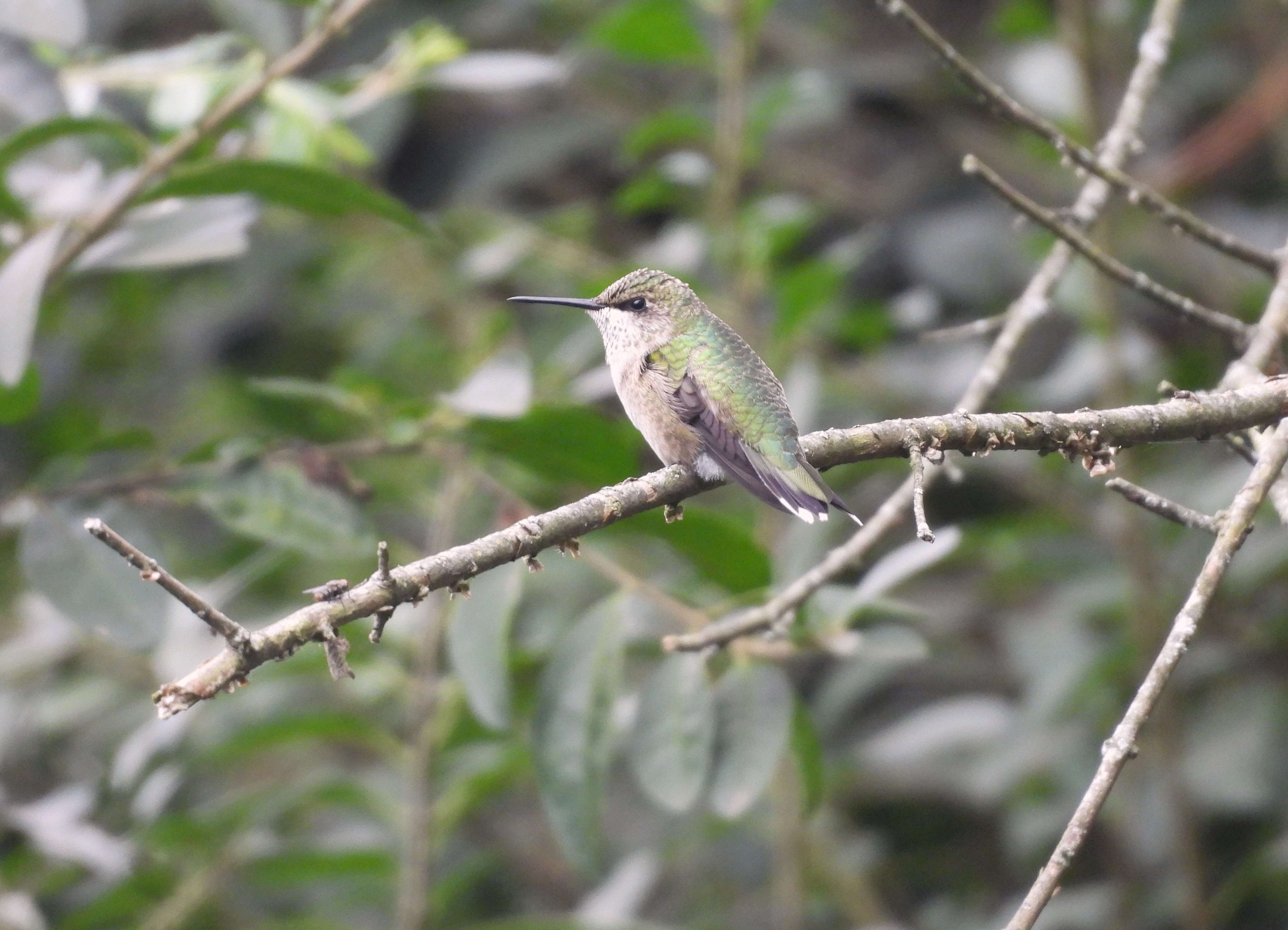
As I scanned the lovely landscape, a wren unexpectedly came darting in and perched on a nearby branch. It belted out a loud, raspy tune. Then, just as quickly as it had arrived, it was off to explore new places.

My take-away is summarized by the following quote: “Let us step into the night and pursue that flighty temptress, adventure.” ~J. K. Rowlings


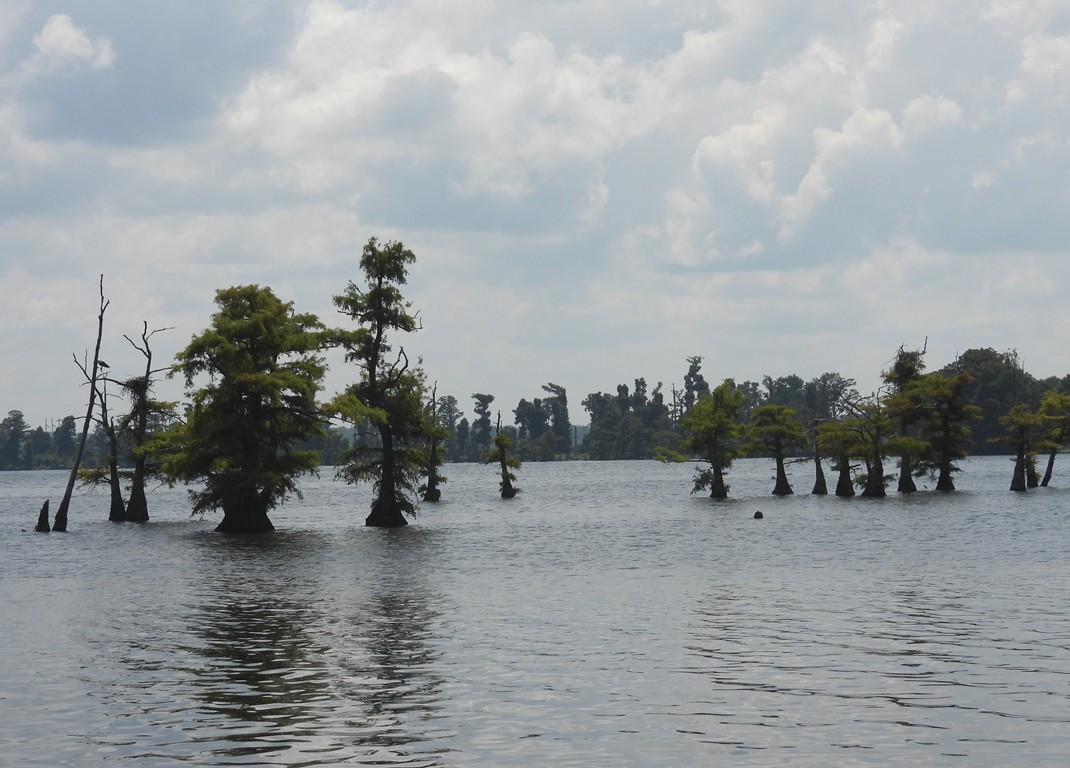
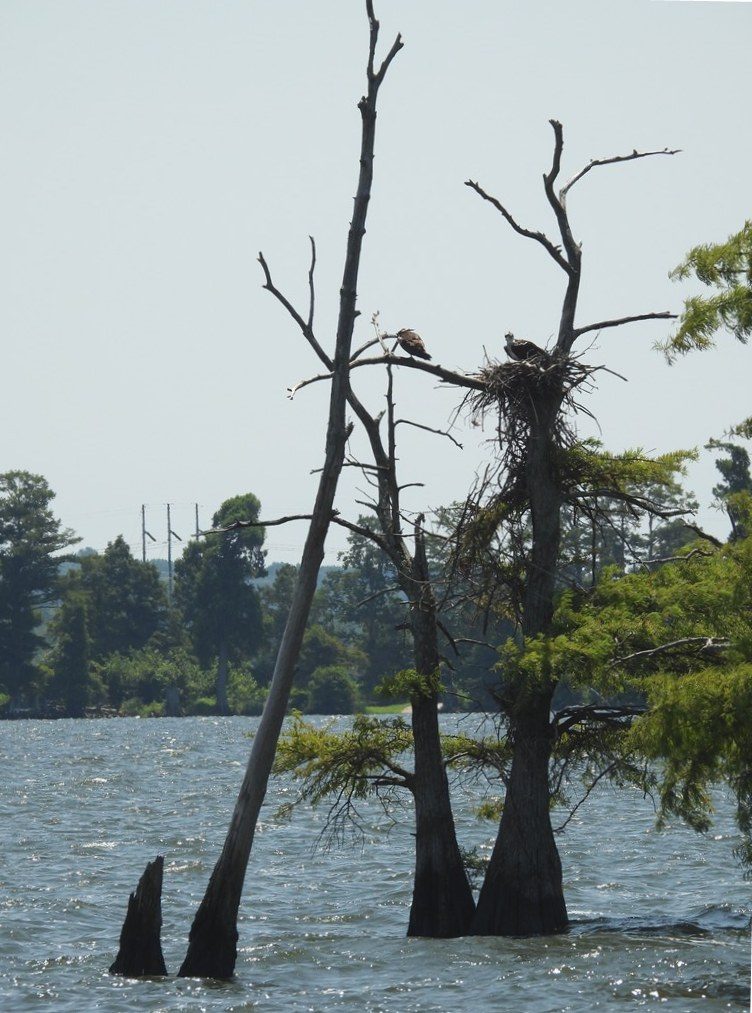
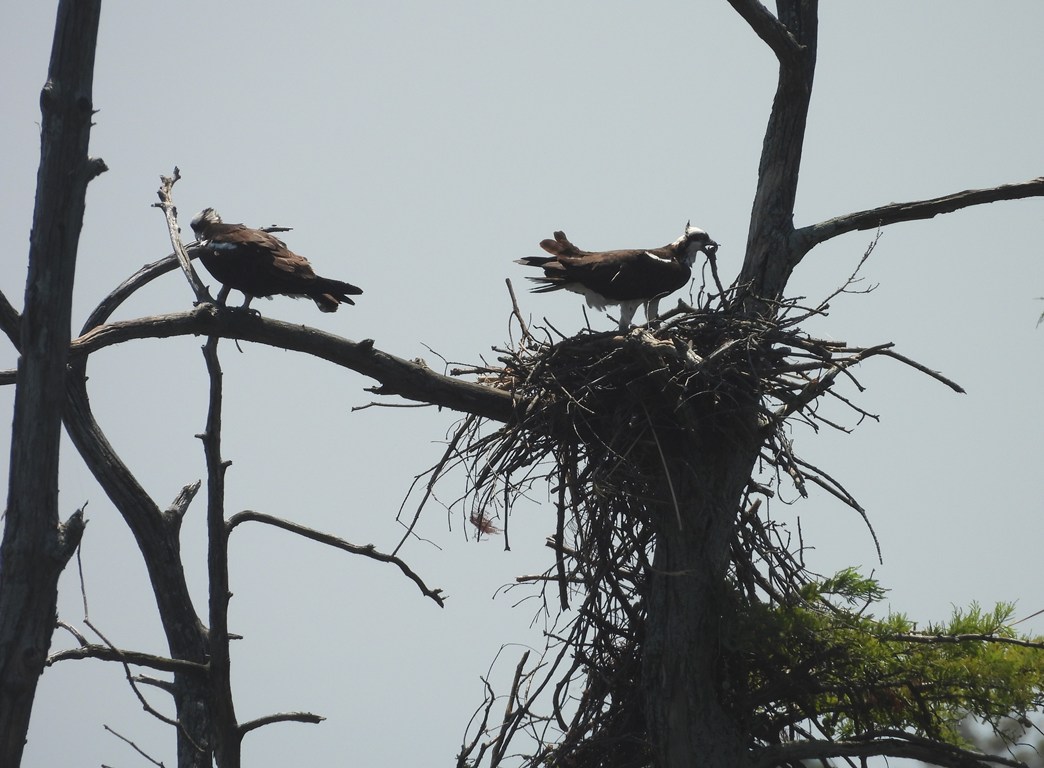
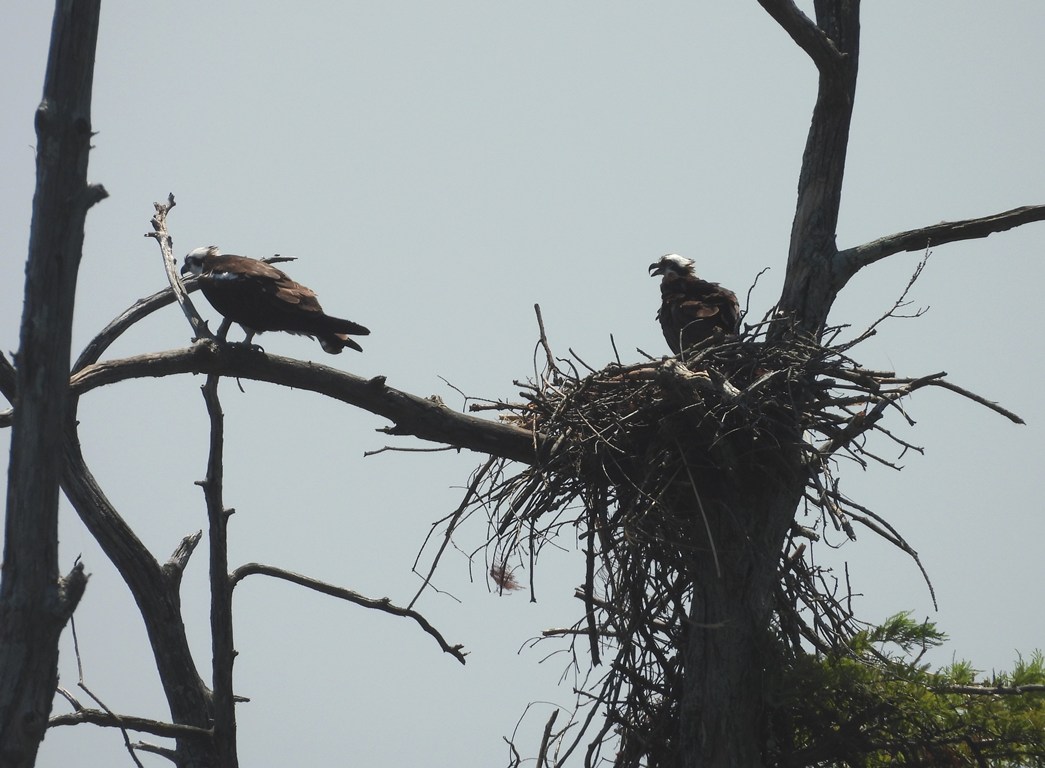
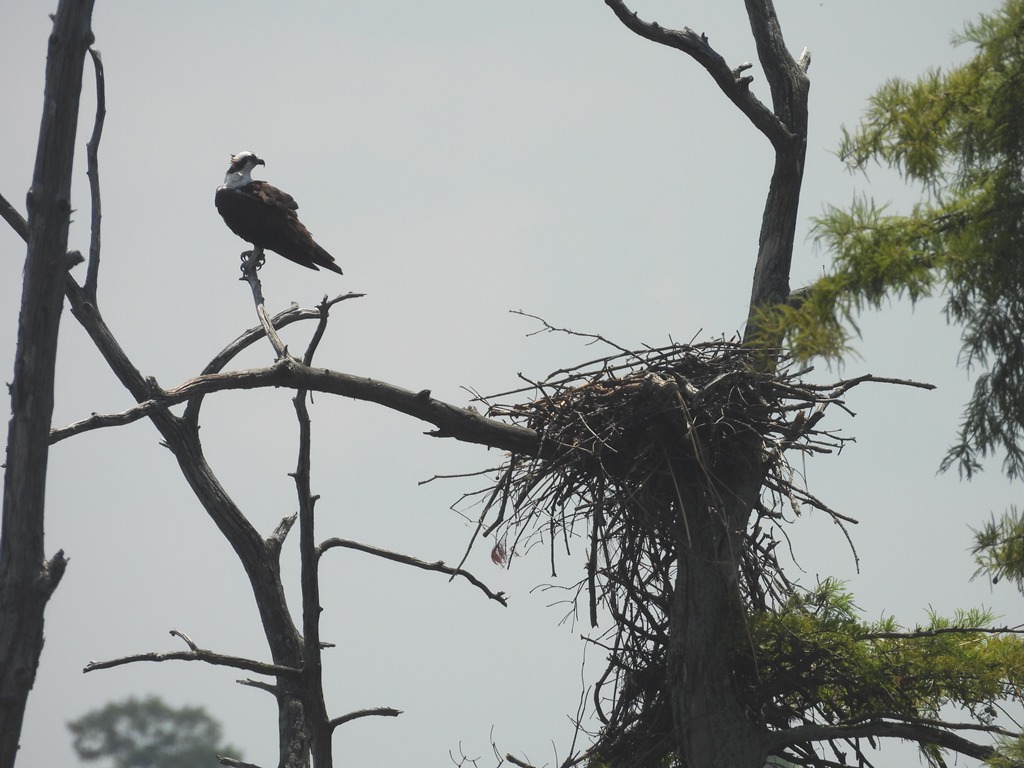
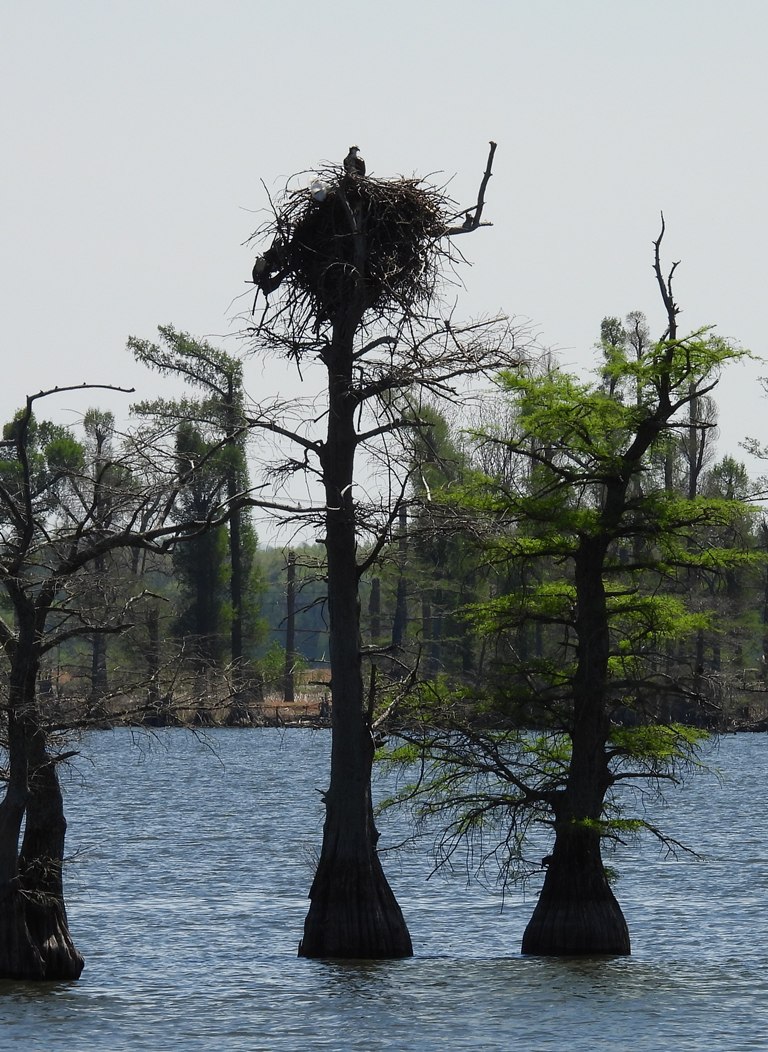
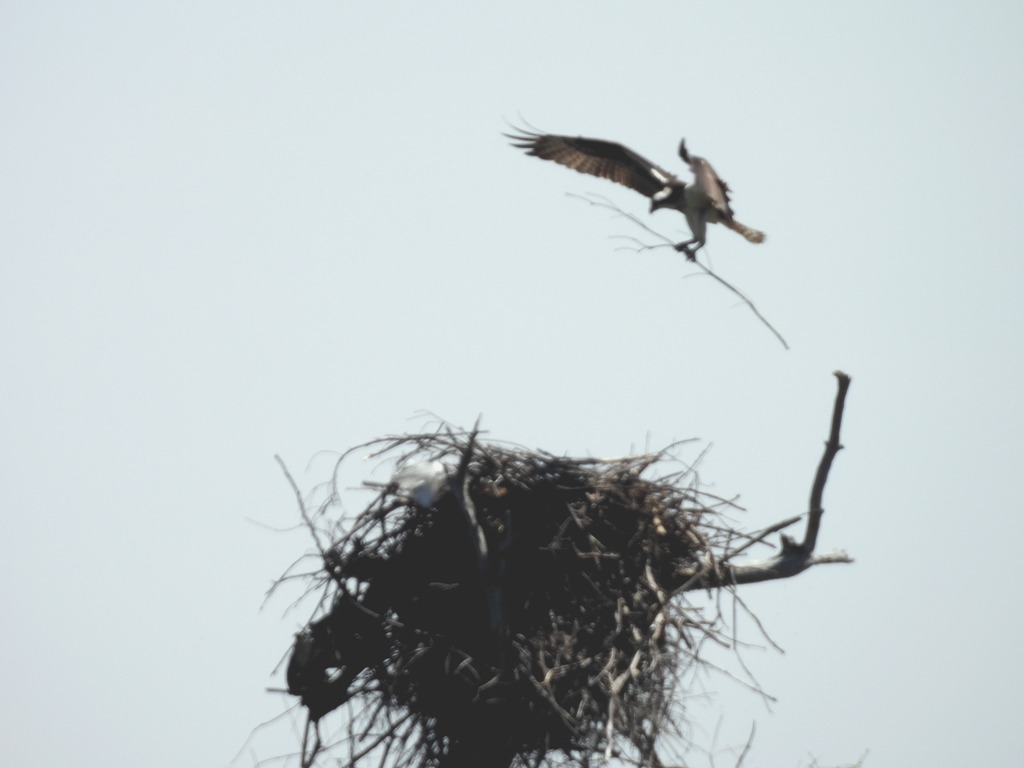
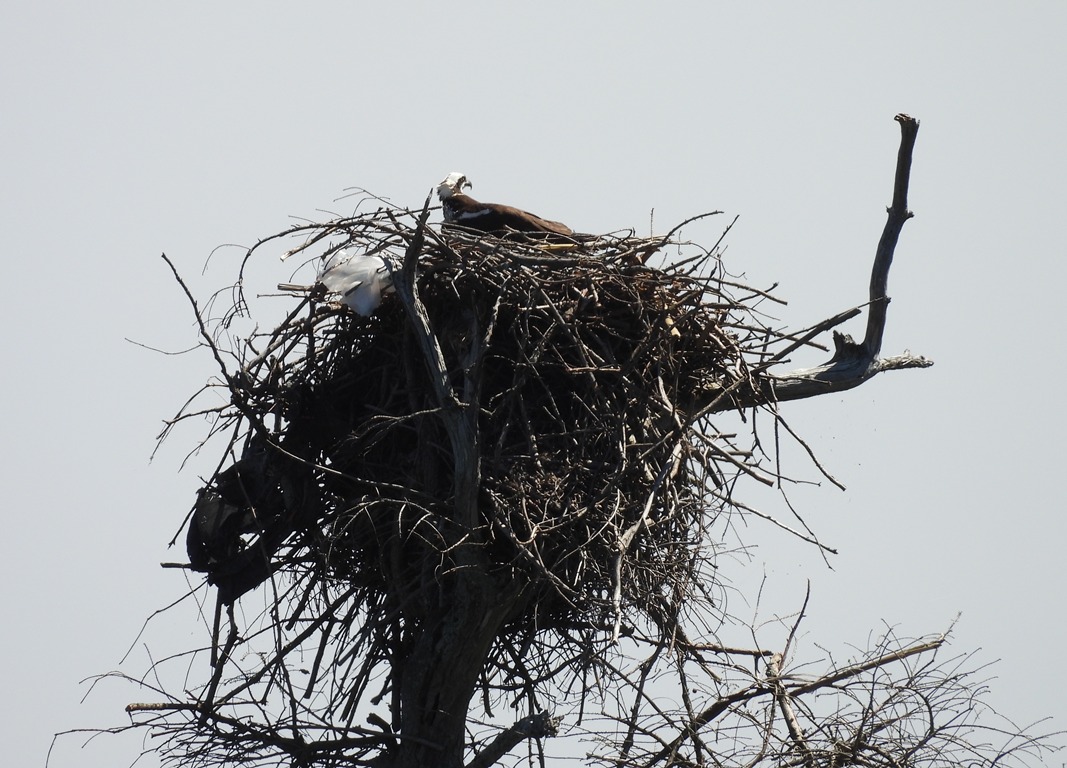
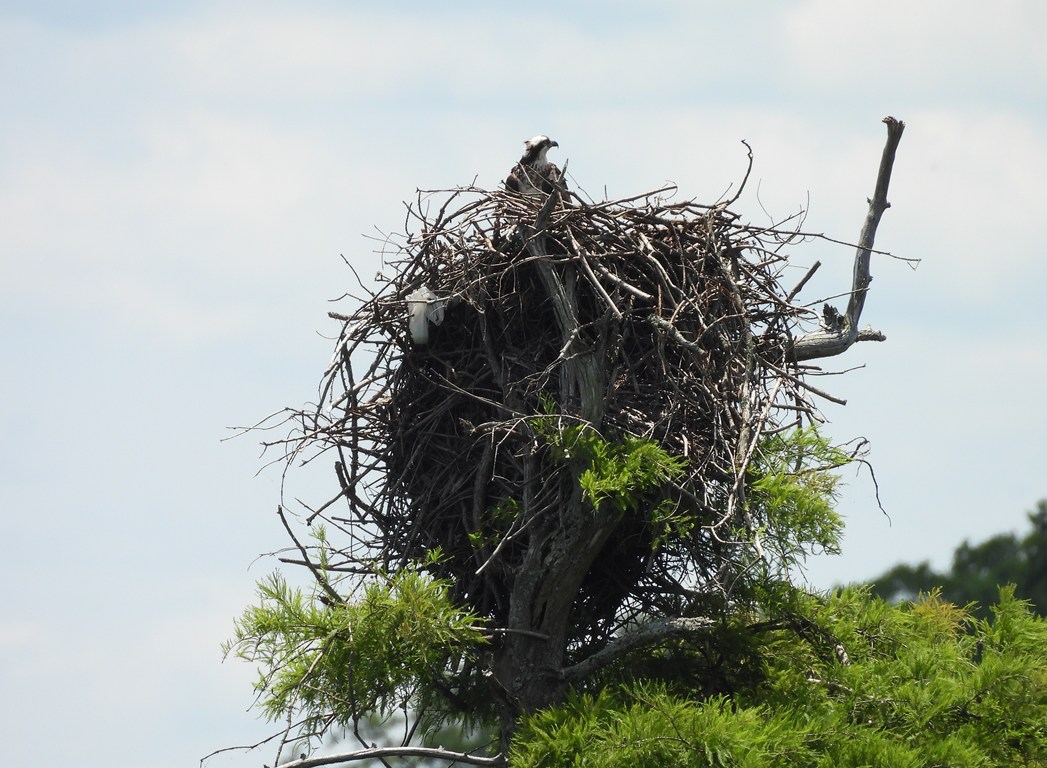
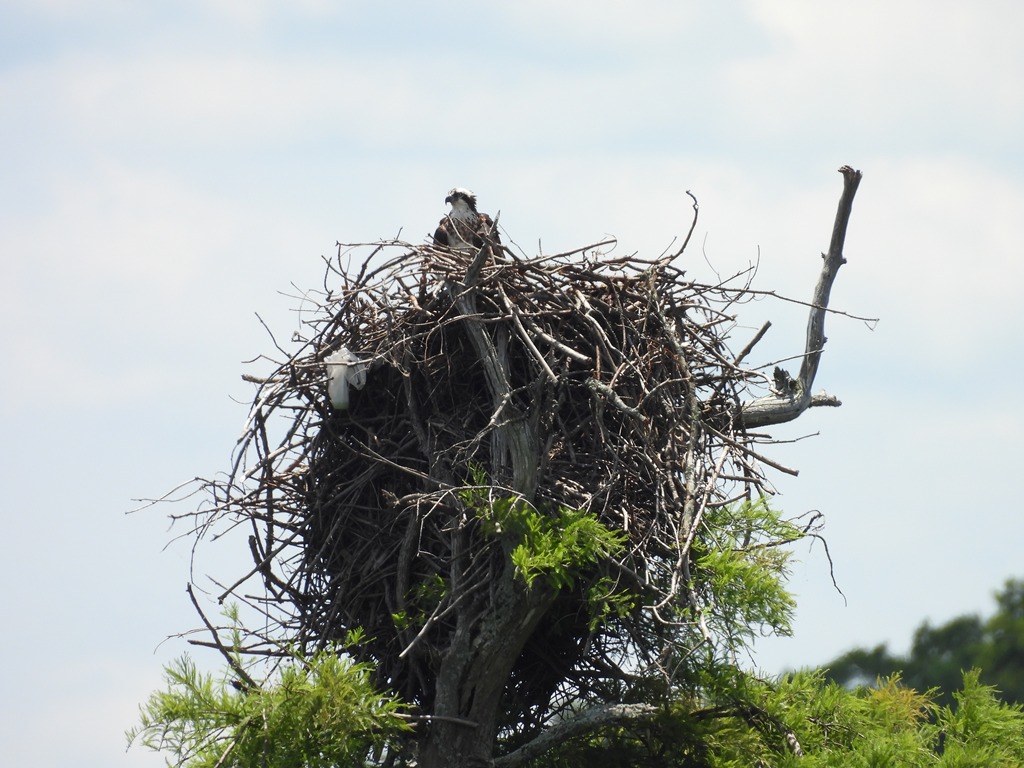
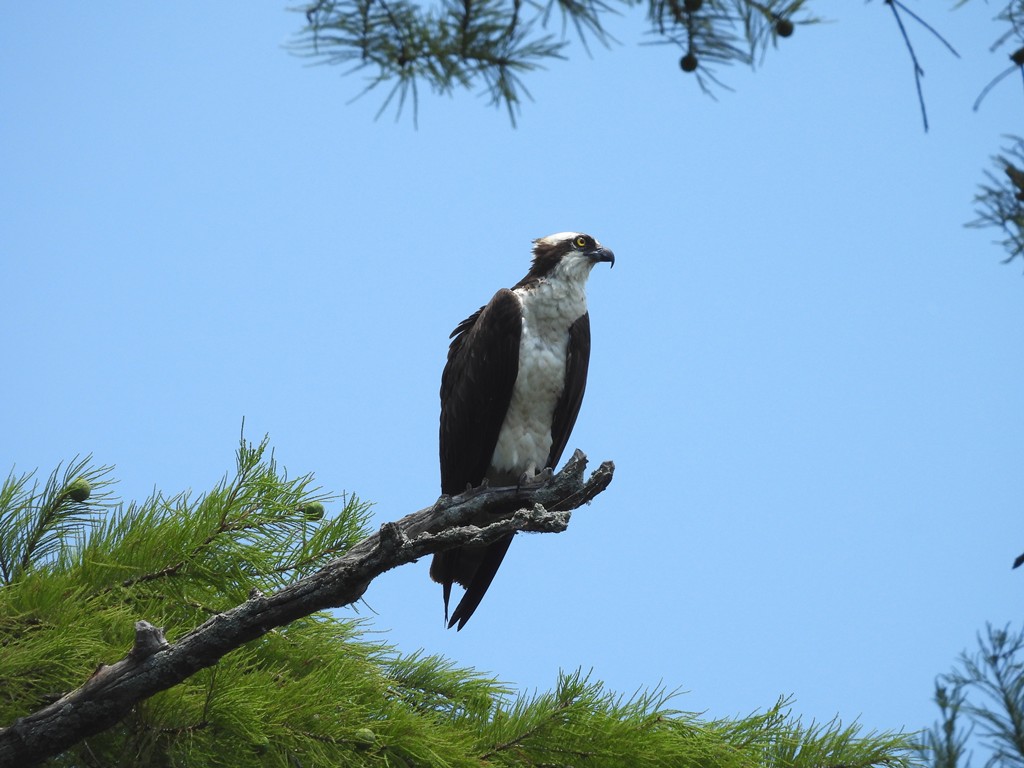
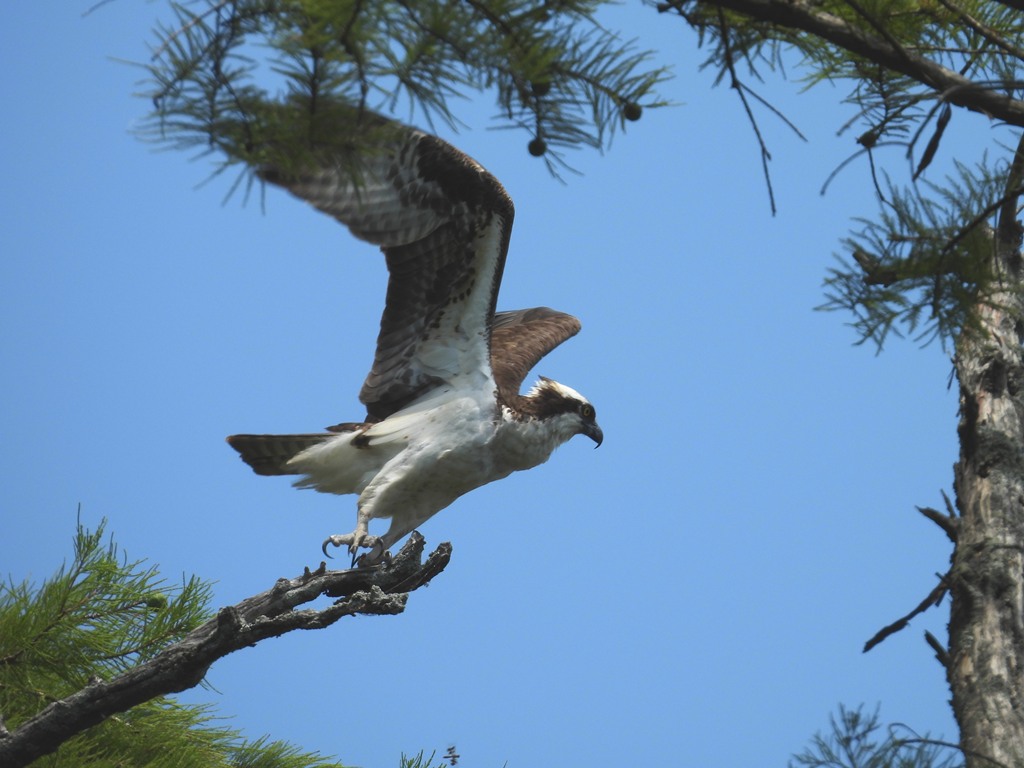
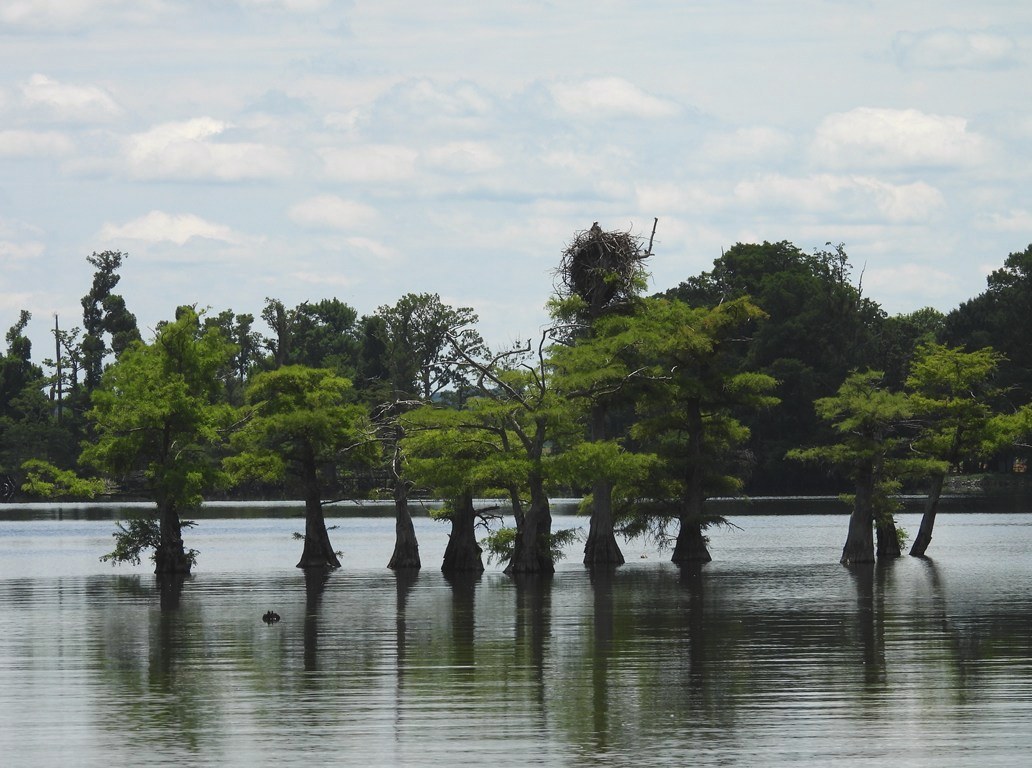
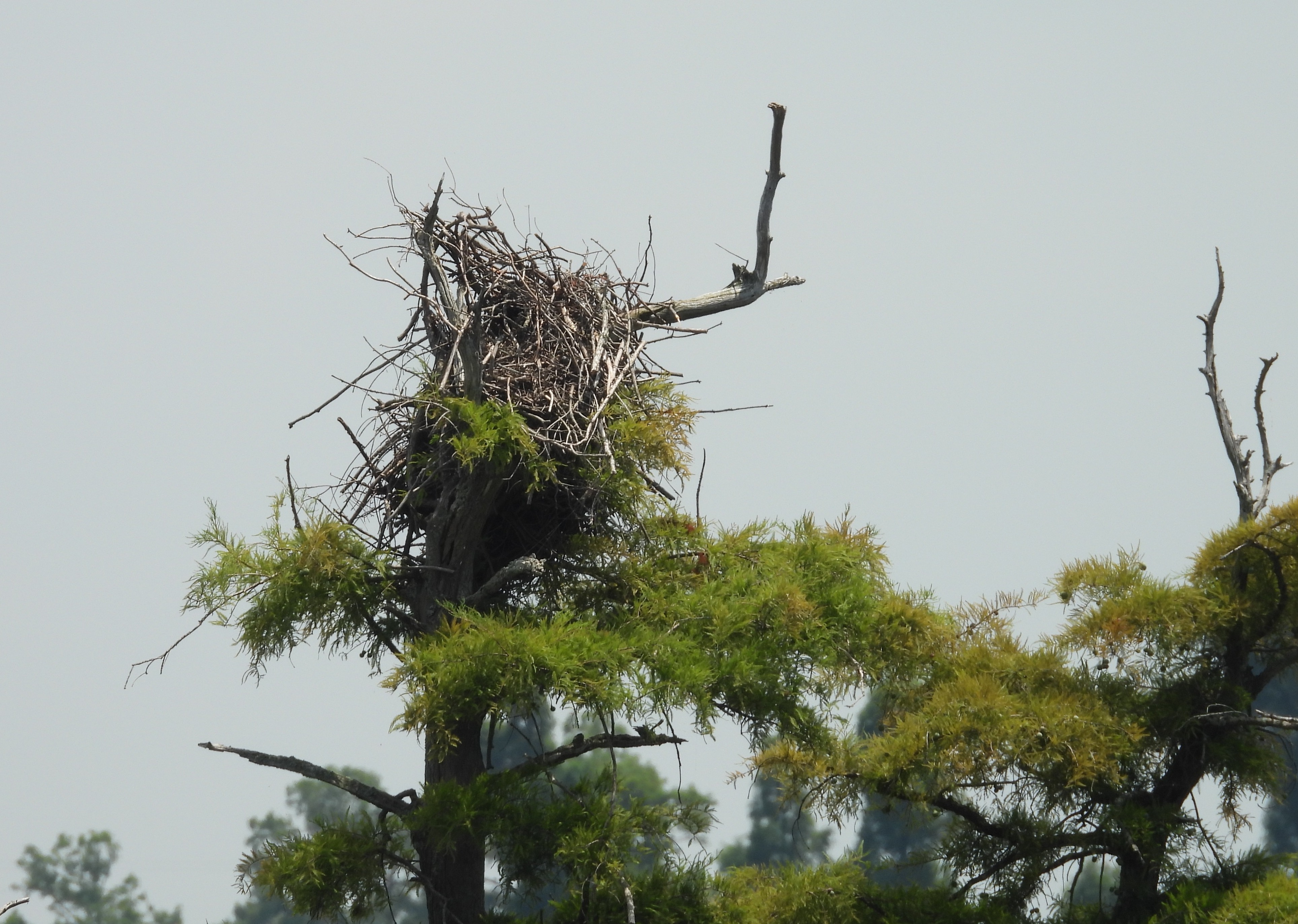
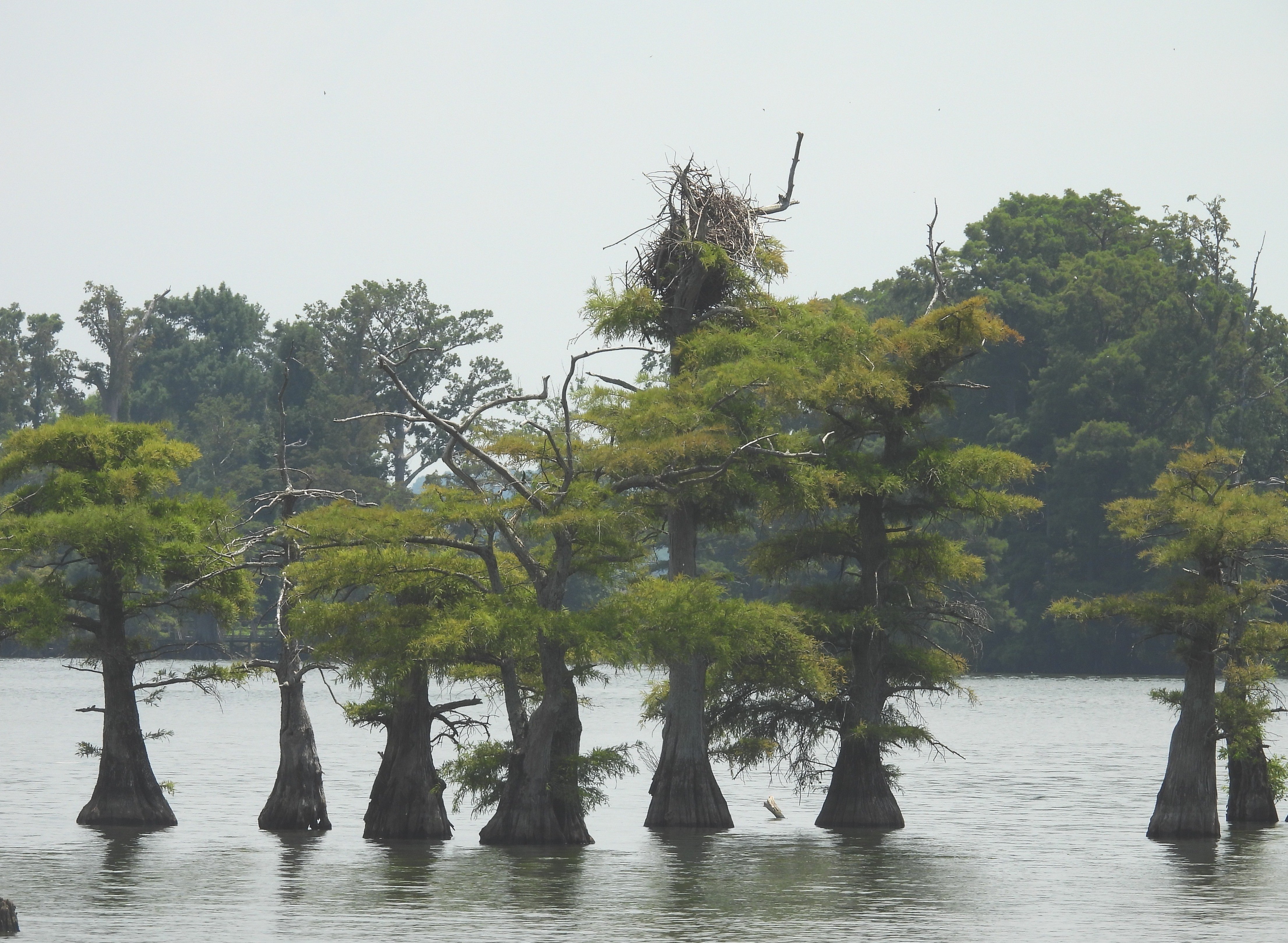
Finally, the Osprey pair, mentioned in a previous post, also appear to be on the move. They have selected a new tree located a short distance from their former nest, which recently collapsed, and are presently engaged in the gradual construction of a new home. The old nest can be seen on the right side in the first photo below. The new nest is on the far left.

My take-away: “And so, begins a new chapter in this book of life.”


It was interesting to witness the lively activity of these creatures as they went about their busy lives. It was a reminder that nature is always in motion. It is a continuously evolving tapestry in which work, vitality and change are integral parts.

“It’s only through labor and painful effort, by grim energy and resolute courage that we move on to better things.”  ~Theodore Roosevelt

“Doing nothing accomplishes nothing, gains nothing, changes nothing, and wins nothing. You have to make a move.”  ~Richelle E. Goodrich

“God is constantly on the move.  I cannot stay where I am and follow God at the same time; responding requires movement.” ~Margaret Feinberg

Resilience

Back in March, I shared that the Ospreys’ nest had temporarily become the domain of a pair of eagles, taking advantage of the Ospreys’ migration absence.

But no worries. By April, the Ospreys had returned, and were once again sitting on their royal throne high above the lake. They immediately began making repairs and adding insulating materials, working to get the nest comfortably in order.

Throughout May and June, the Osprey pair devoted themselves faithfully to their nesting duties. The female tended the nest, while the male took on the vital roles of hunting and keeping watch from nearby branches, ever vigilant against threats.

Regrettably, nature’s unpredictability demonstrated its strength this month, as a thunderstorm accompanied by strong winds and heavy rainfall inflicted considerable damage to the nest. As a result, the nest partially collapsed, forcing the Ospreys to abandon it.

Despite this setback, the sight of Ospreys flying in the vicinity signals hope. Only time will reveal if these resilient birds will reconstruct their prized nest at the same location or opt for a different nearby place for their next chapter.

“It is strange how new and unexpected conditions bring out unguessed ability to meet them.”  ~Edgar Rice Burroughs

A World of Small Things

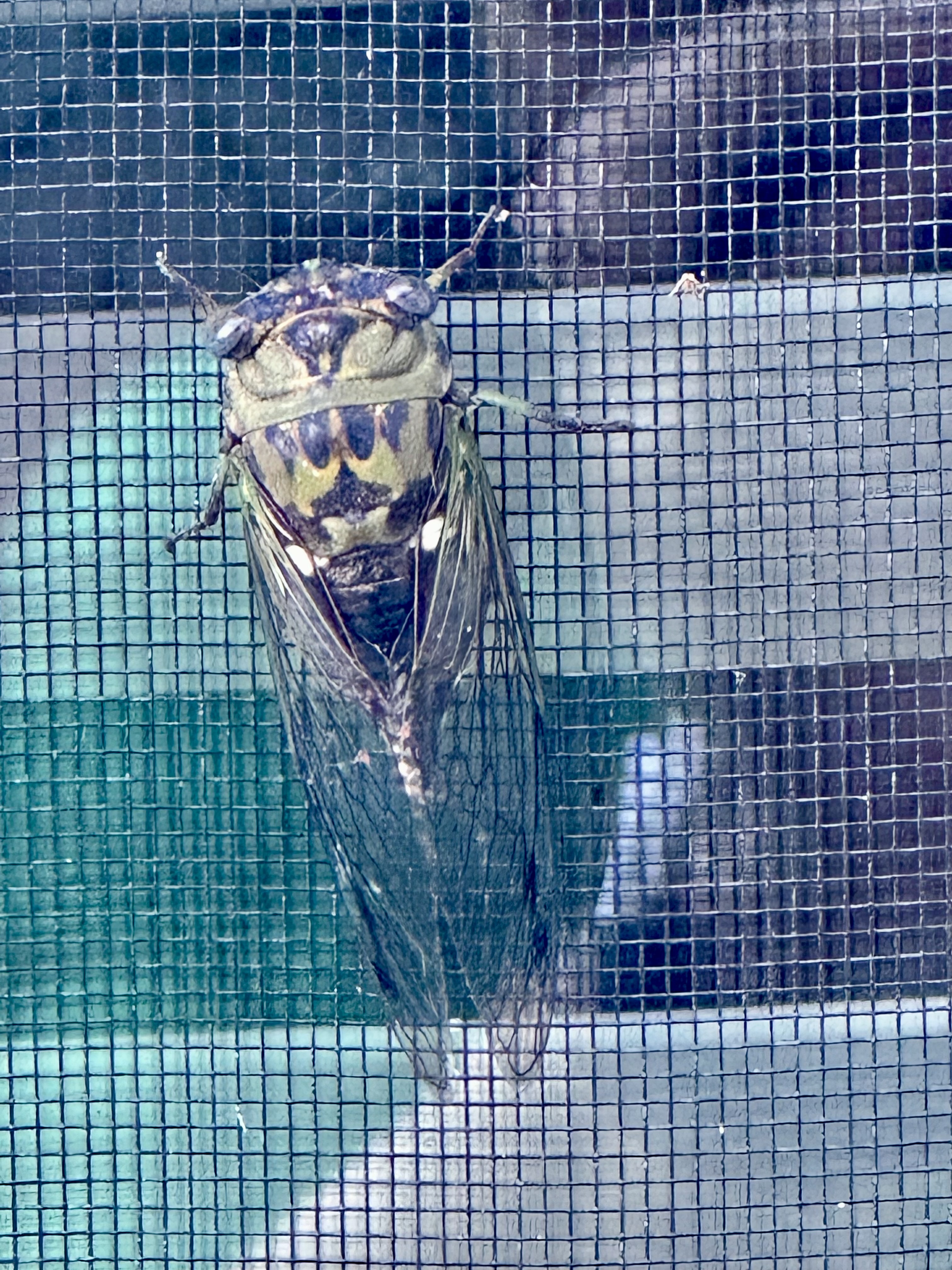
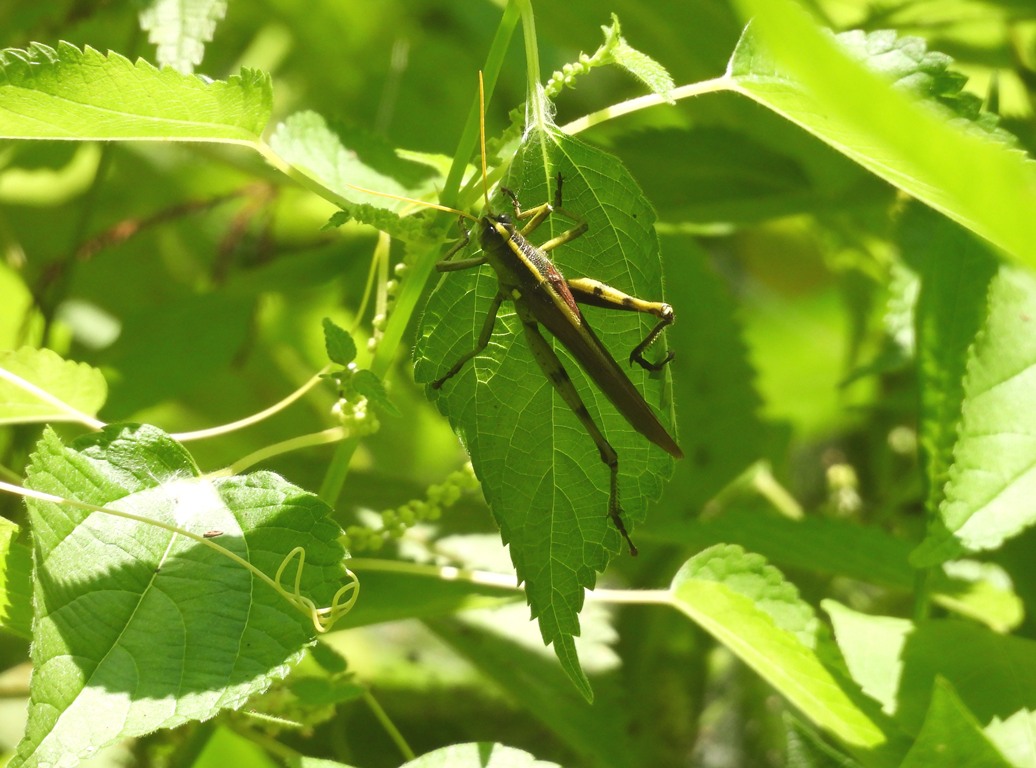
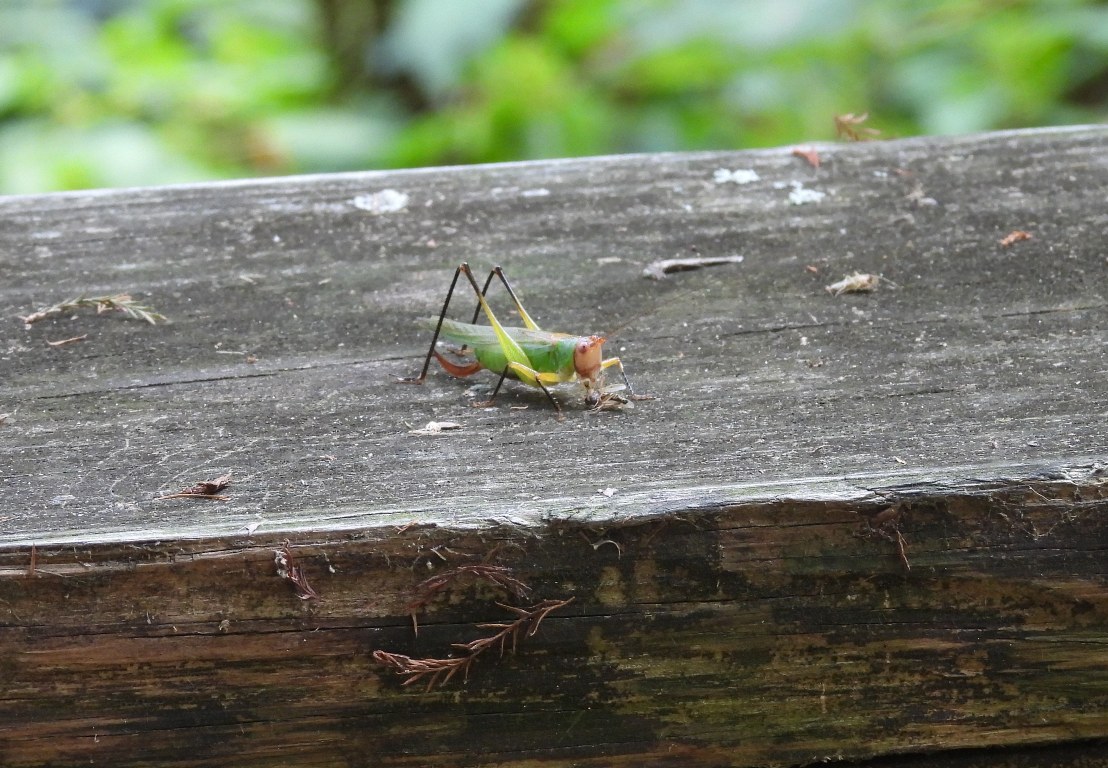
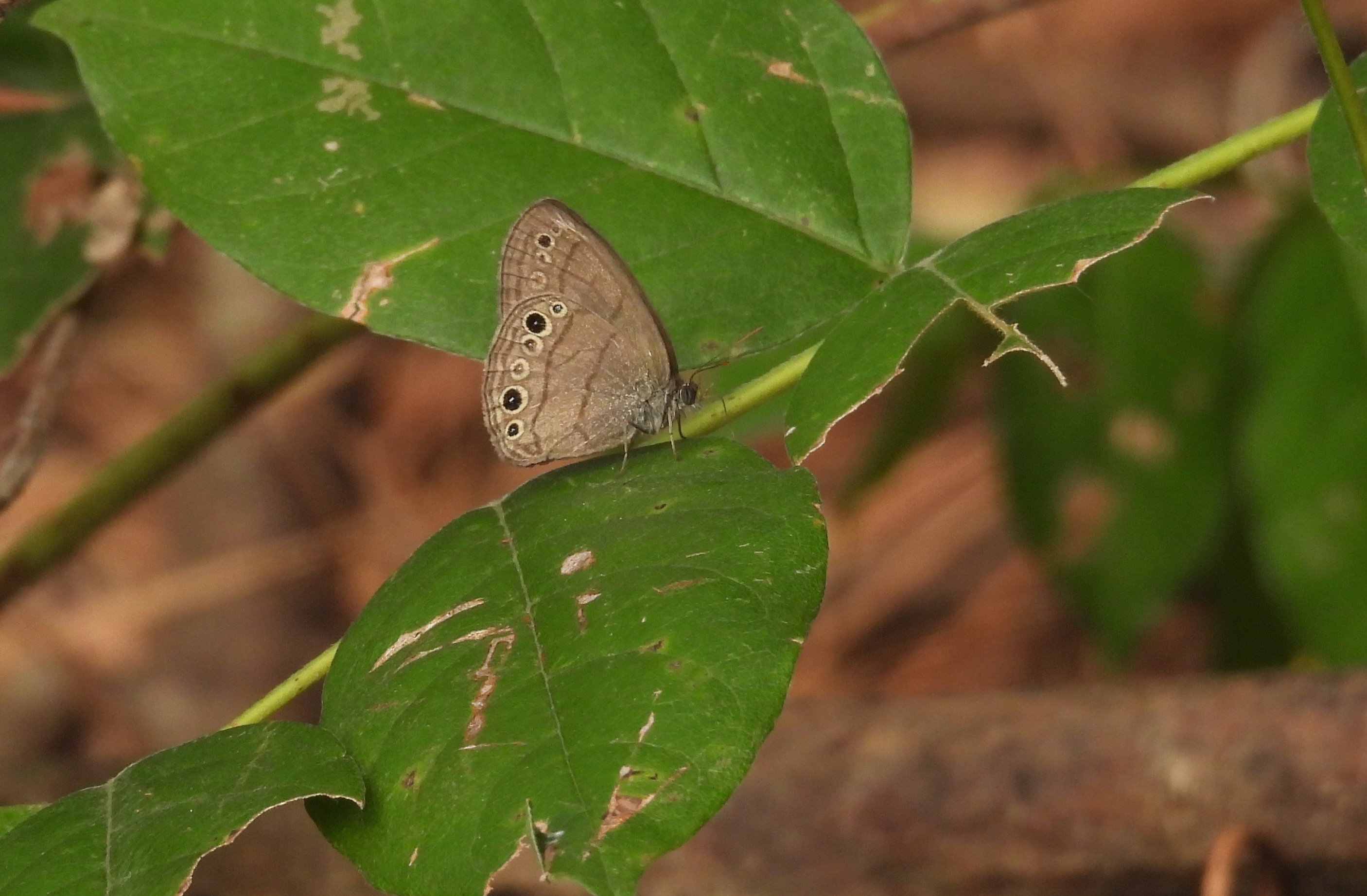
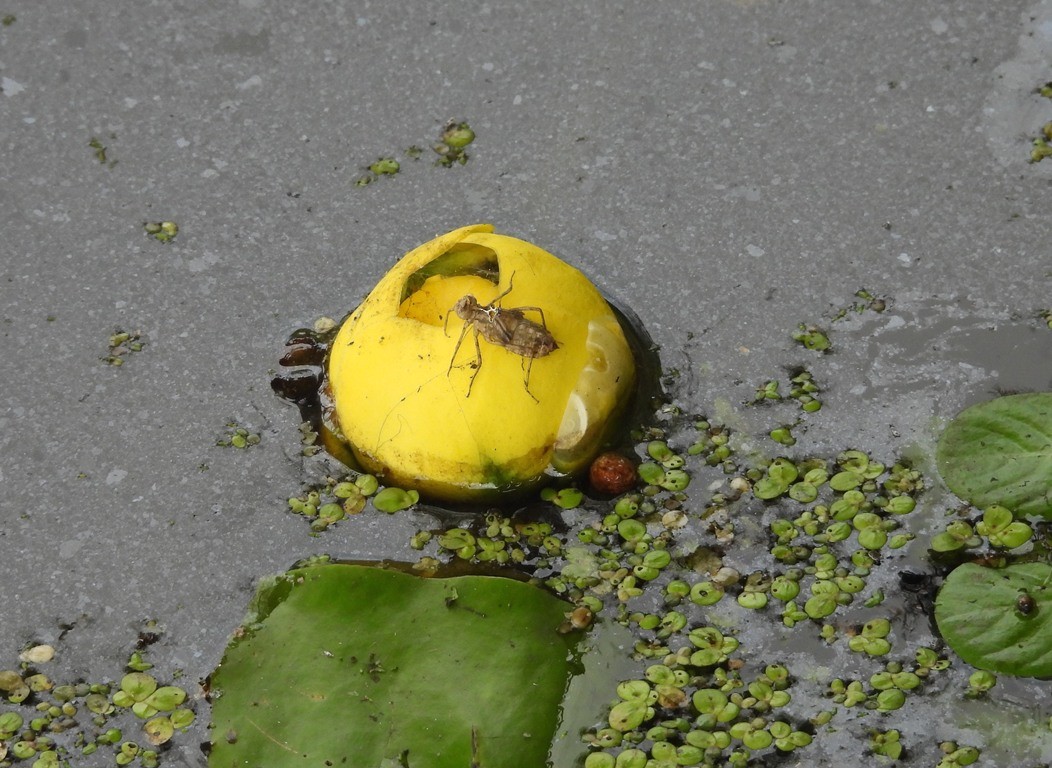
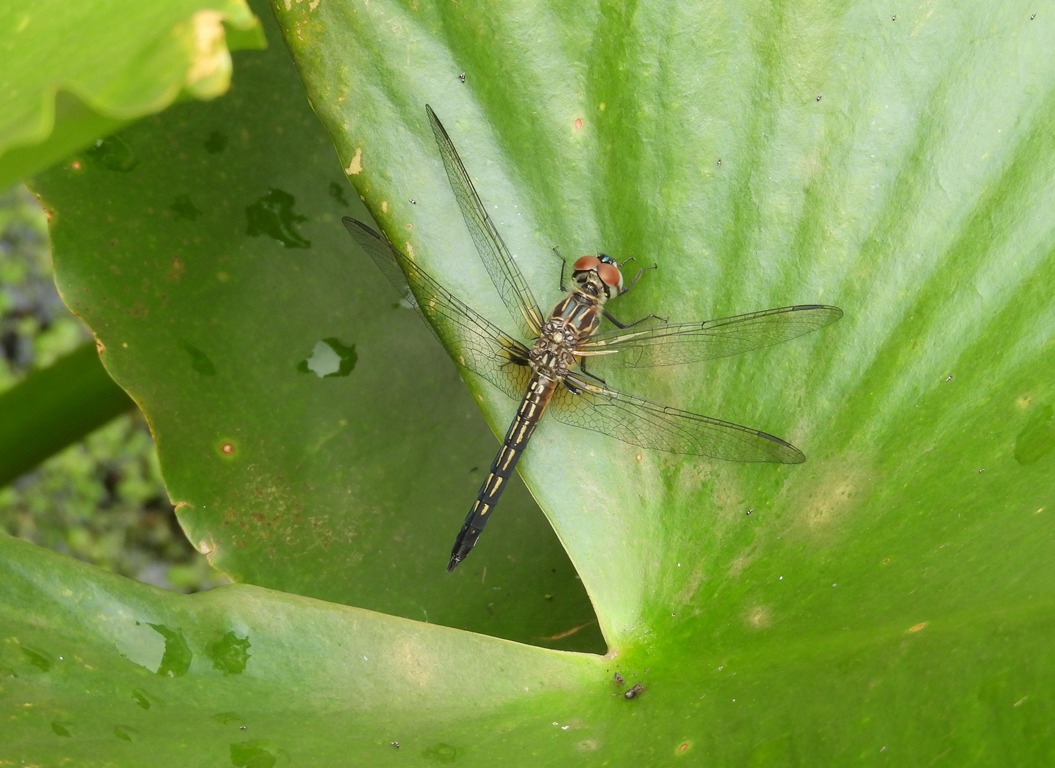
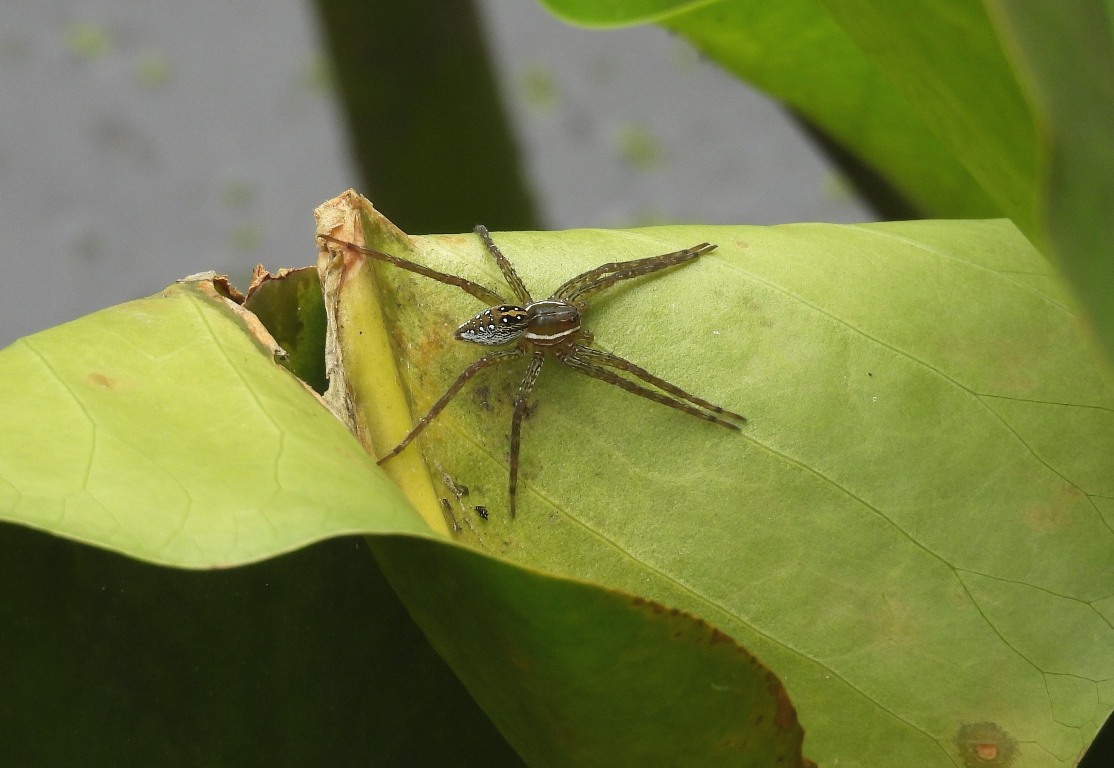
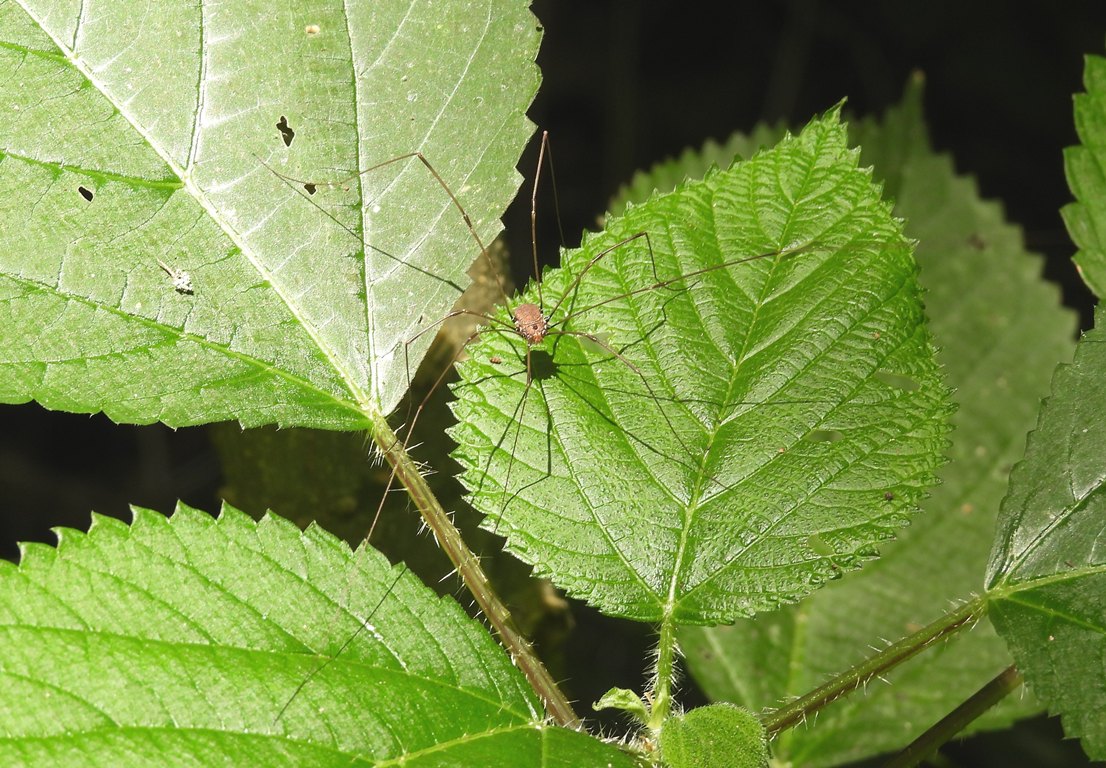
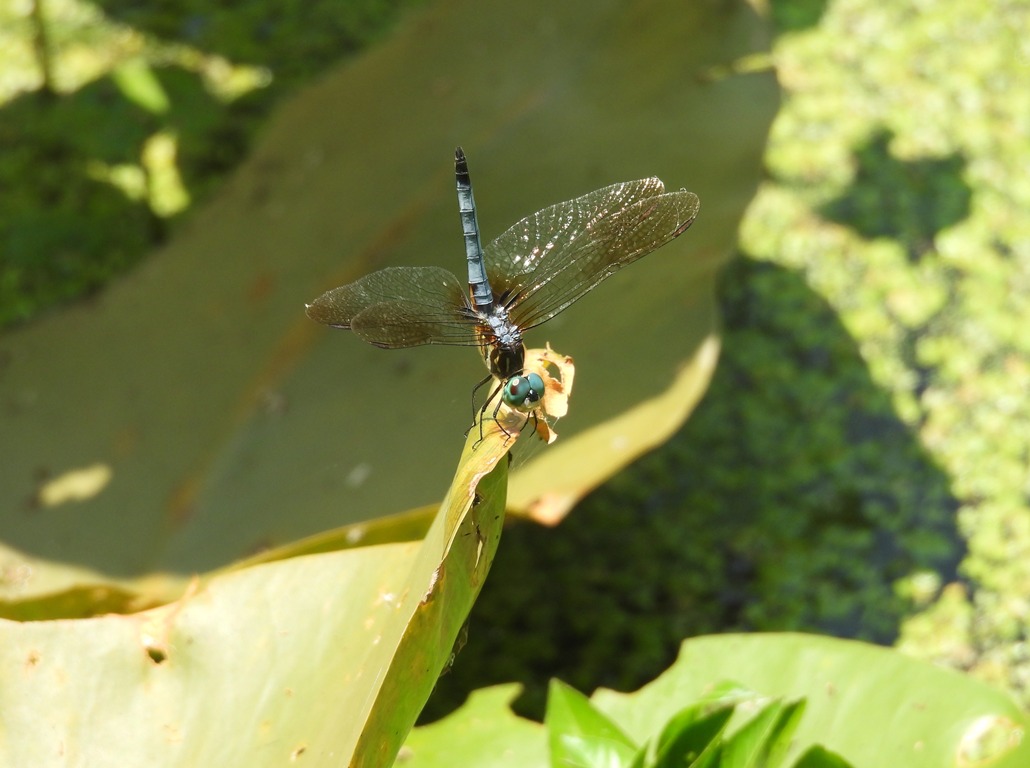
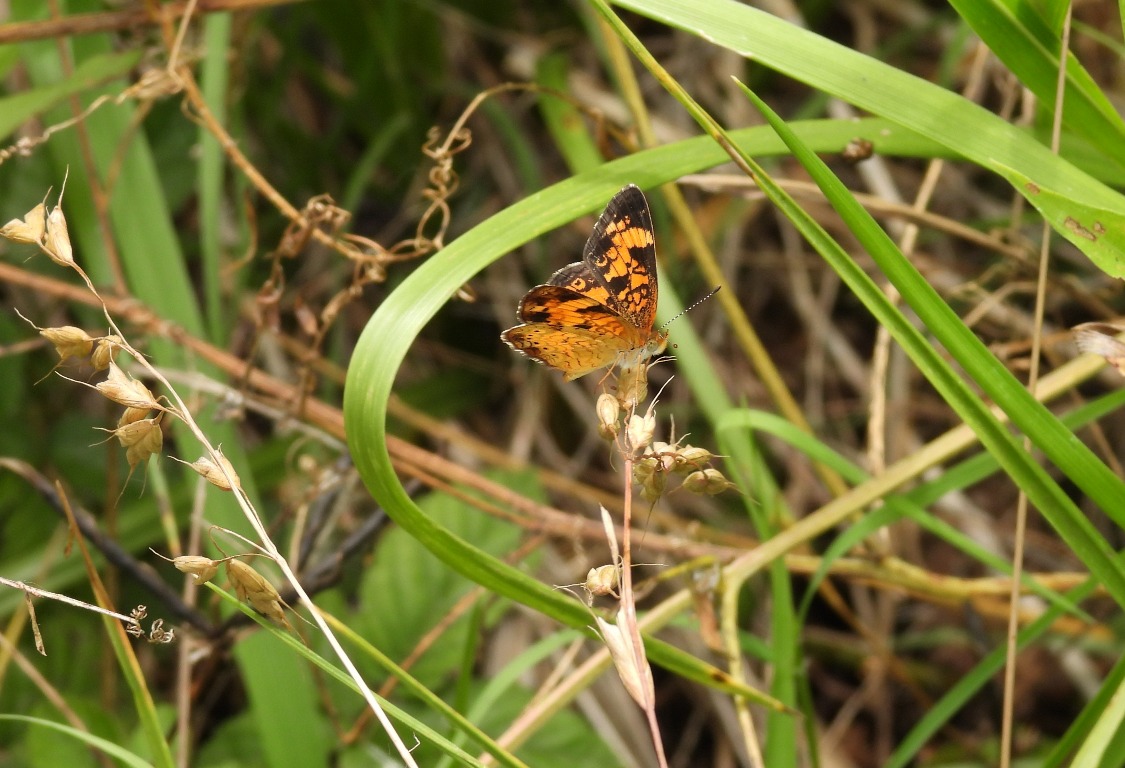
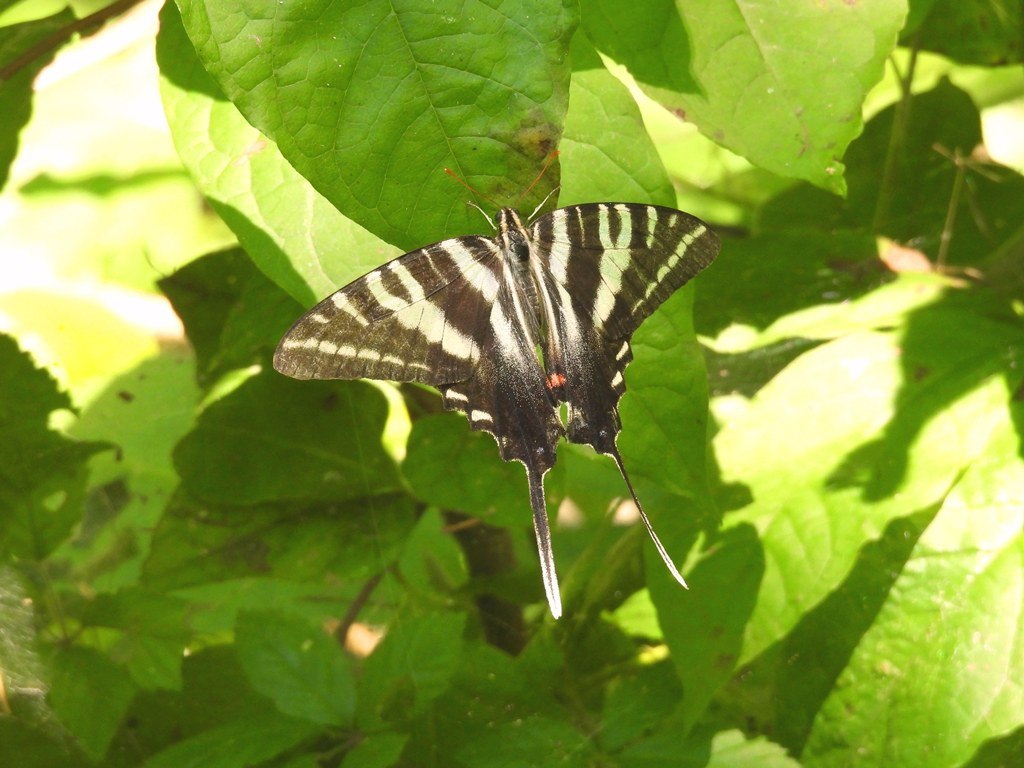
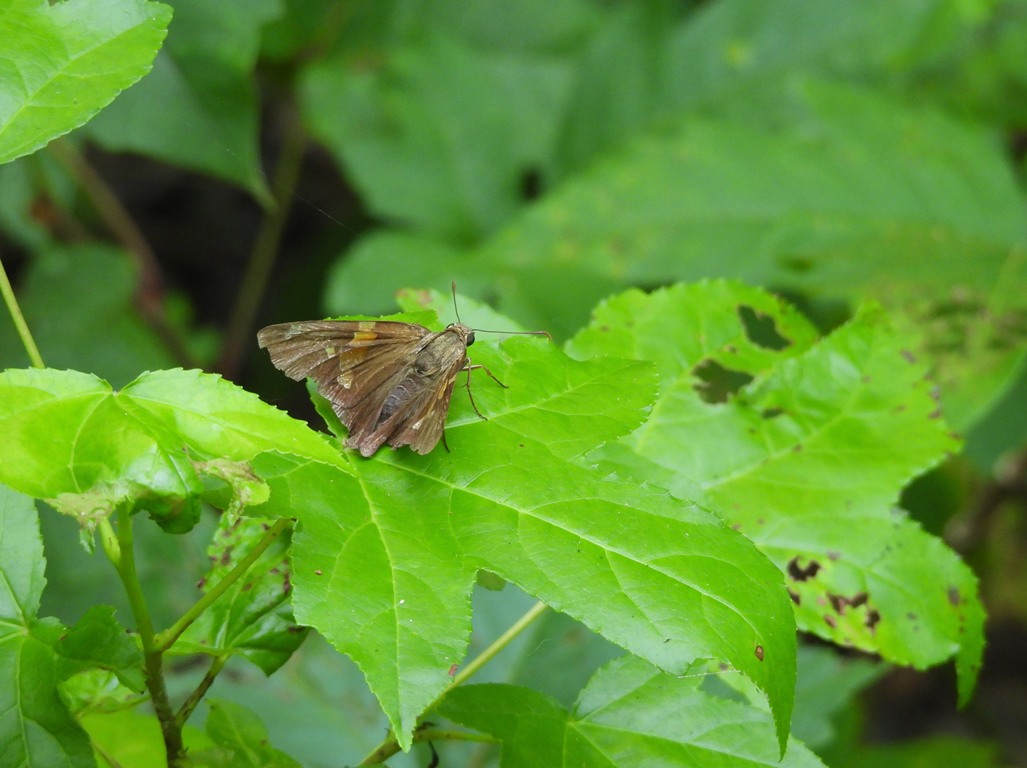
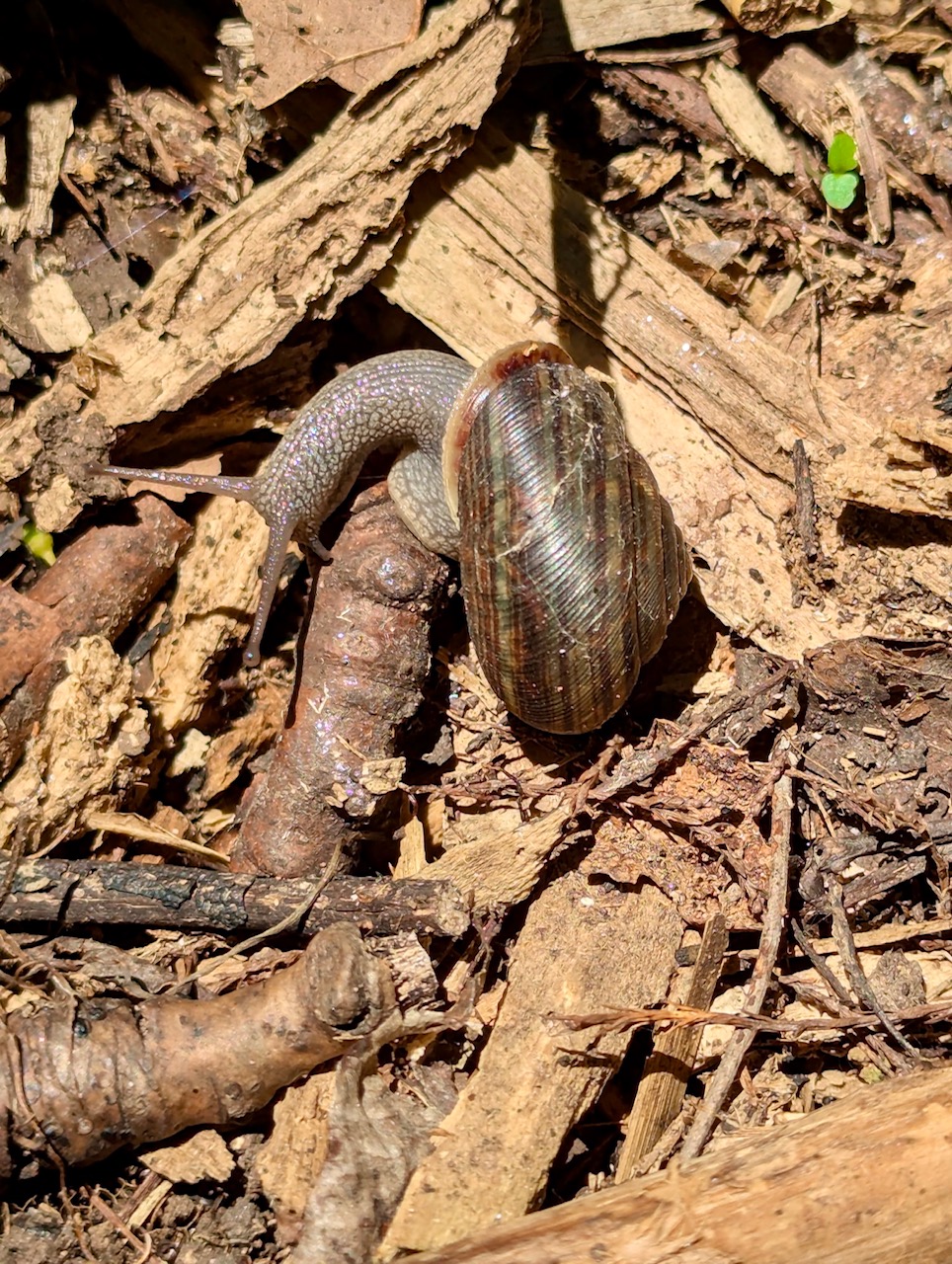
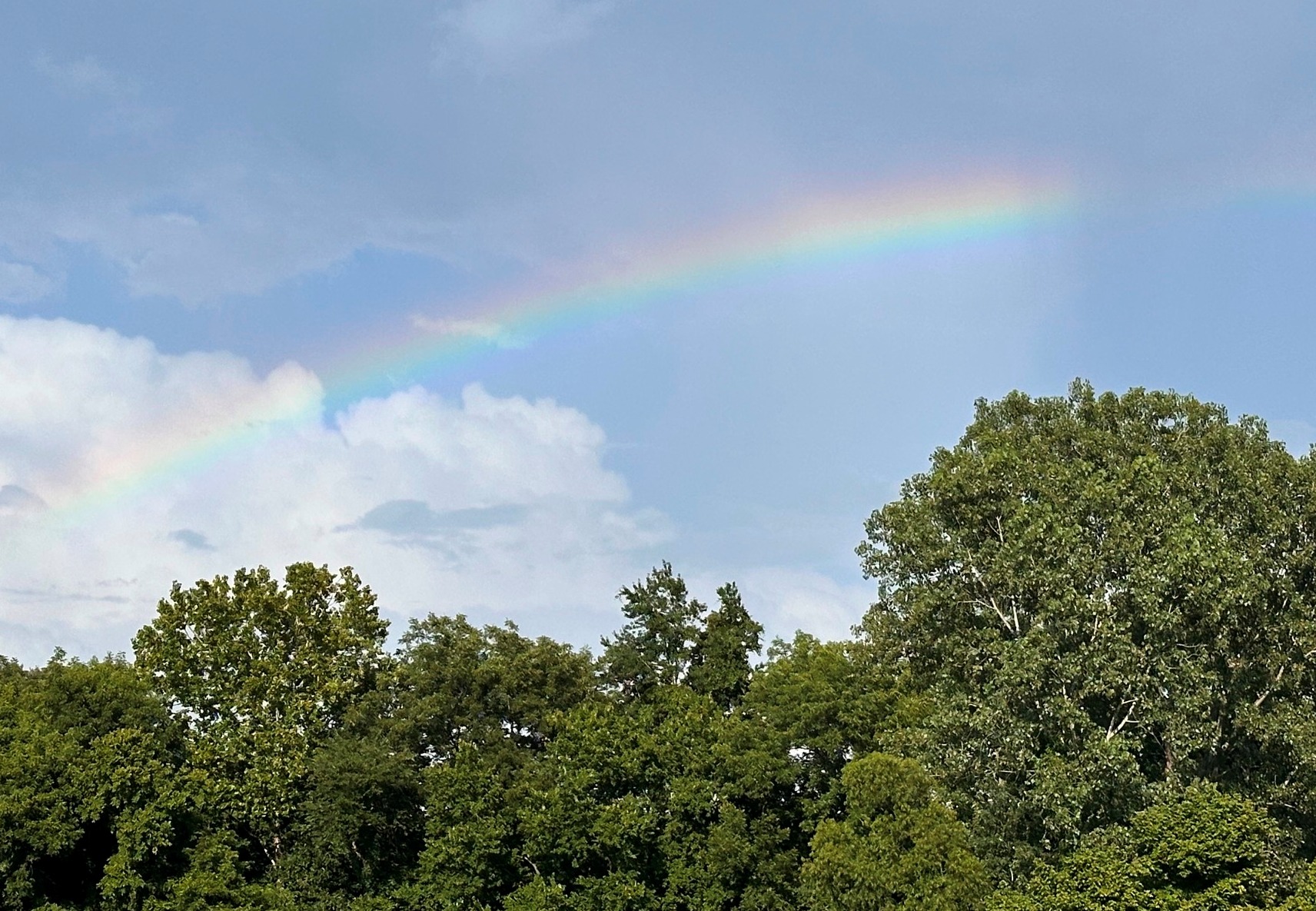
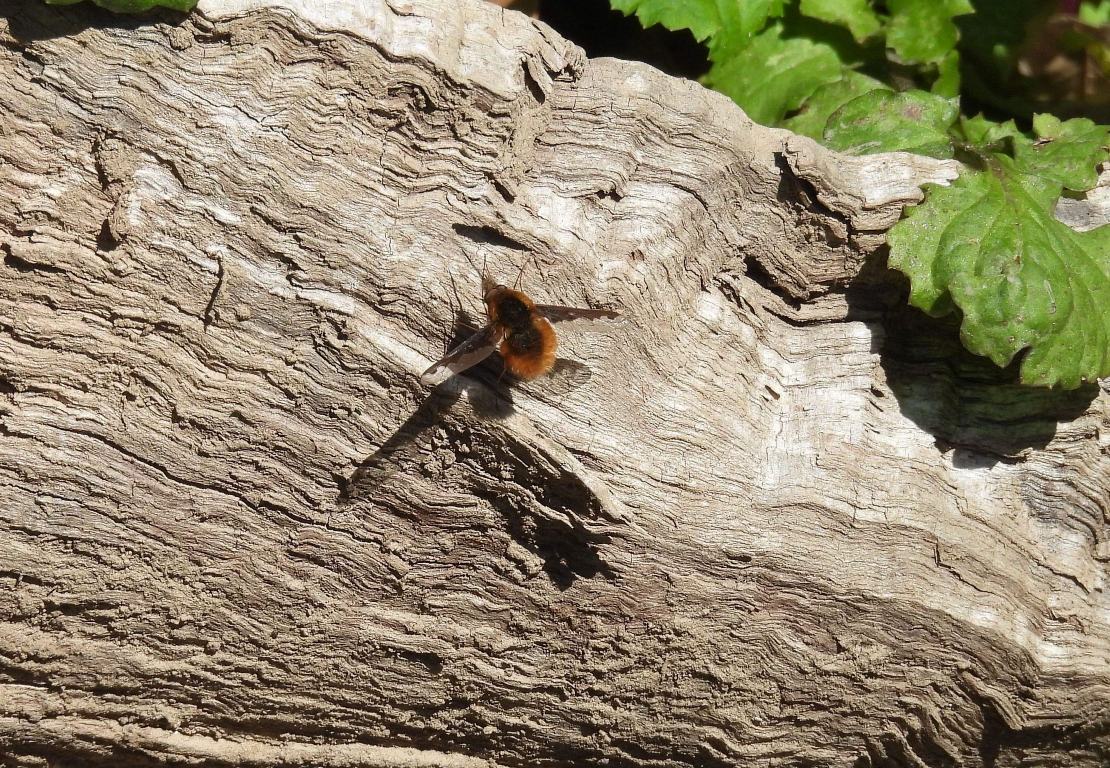
During nature walks, I naturally focus on spotting larger, more conspicuous animals such as deer, raccoons, otters, or herons. Yet, nature rarely conforms to our expectations and often surprises us by offering wonders that would otherwise go unnoticed at first glance. If we learn to observe carefully and patiently, we can discover small, unexpected treasures that lie beyond the obvious. Slowing down our pace is key to experiencing nature more fully.

Rainbows and butterflies …
are … representative of
all the small miracles of our life –
the little things that are so easy to overlook,
yet so awe inspiring when we take a moment
to notice and to pay attention.
– Jonathan Lockwood Huie

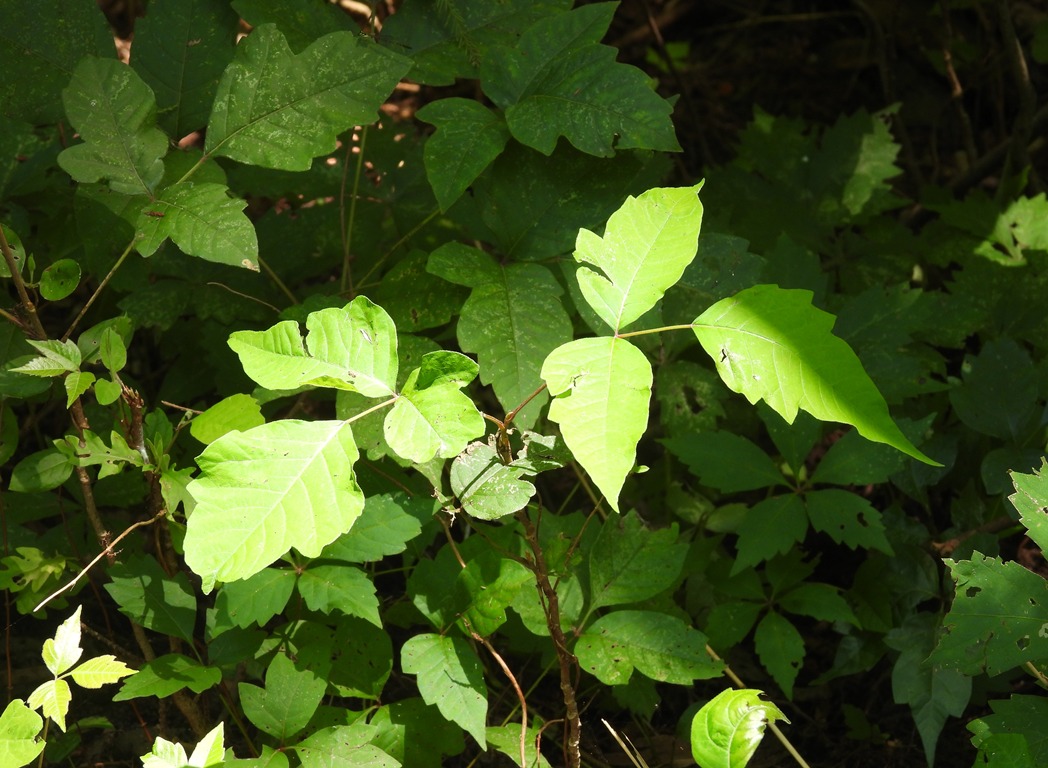
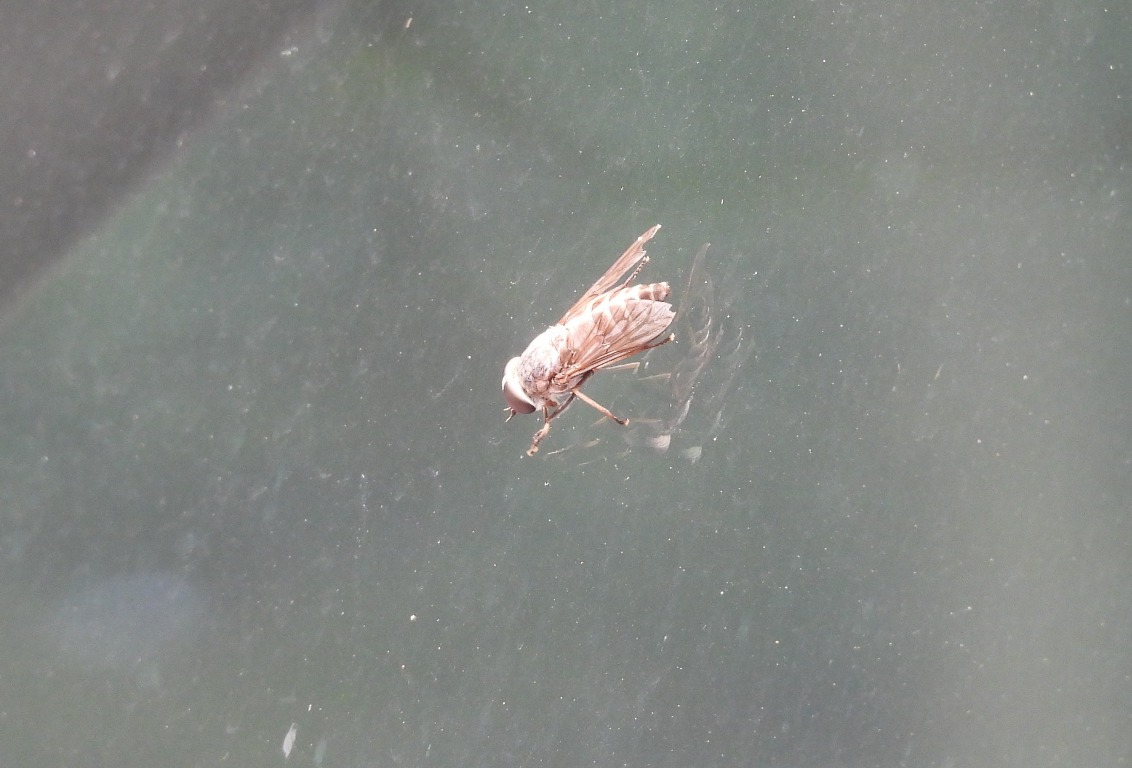
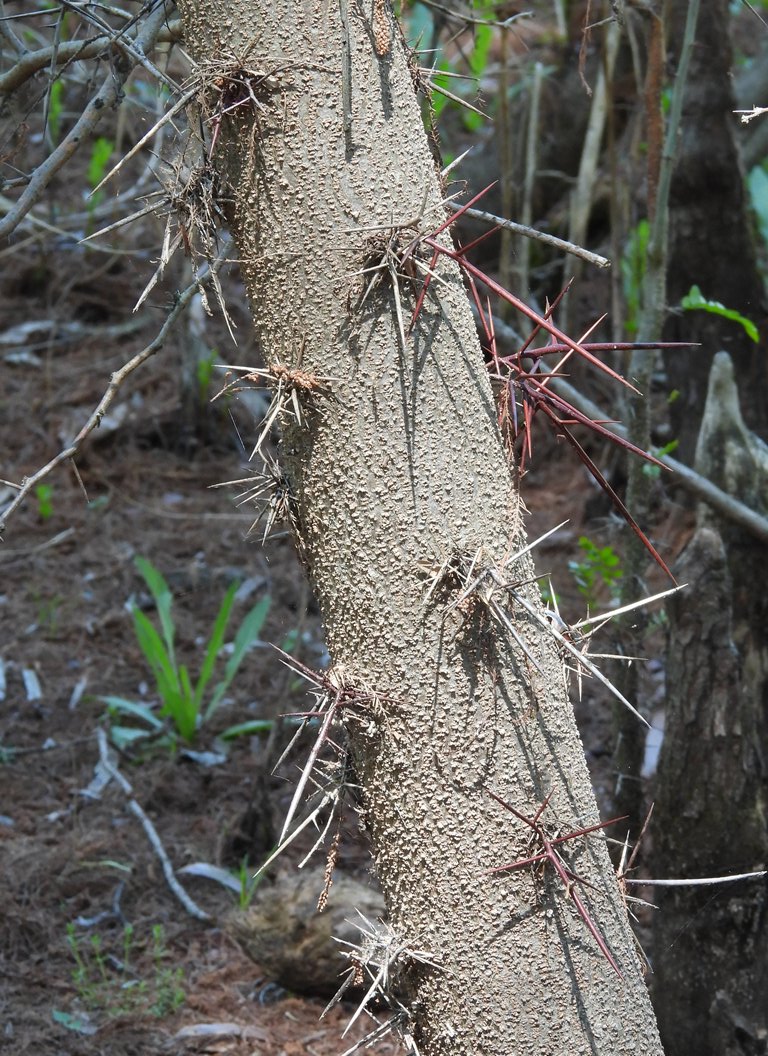
However, even the most serene stroll can be disrupted by small but persistent annoyances. These minor irritants—mosquitoes, poison ivy, horse flies, and thorns—can quickly turn a peaceful experience into a frustrating one.

(No mosquito photo. I was too busy swatting and dodging them.)

These truths apply to our daily lives also. Little things can add a touch of beauty and make life more enjoyable — a smile, supportive words, a thoughtful gesture, a small gift.

On the other hand, minor irritations can swiftly alter our emotions and lead to feelings of frustration or disappointment — a frown, a hurtful remark, an unexpected interruption, a spilled drink, a misplaced item.

Small things are not small at all.  They are the most important things of all.  And they add up.  ~Mel Robbins

“The calm or disturbance of our mind does not depend so much on what we regard as the more important things of life, as in a judicious or injudicious arrangement of the little things of daily occurrence.”  ~Francois de la Rochefoucauld

We can choose to embrace positive moments and to manage minor setbacks with grace. Ultimately, recognizing the power of little things—both uplifting and unsettling—helps us appreciate the delicate balance of daily living and inspires us to cultivate kindness and patience in every interaction.

The grandeur of God reveals itself through simple things.  ~Paulo Coelho

*Credit to my oldest daughter for the snail photo.

Floral Delights

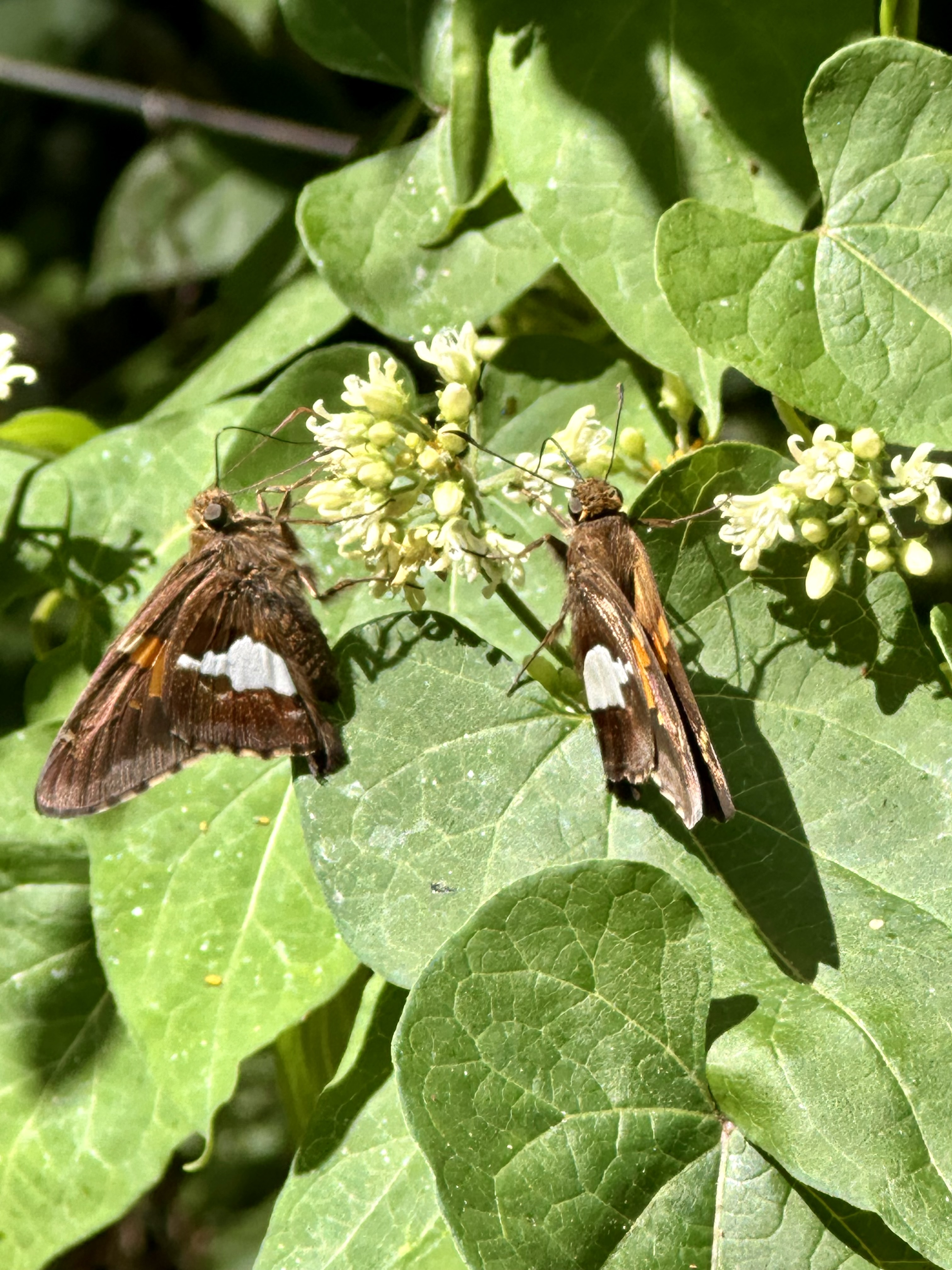
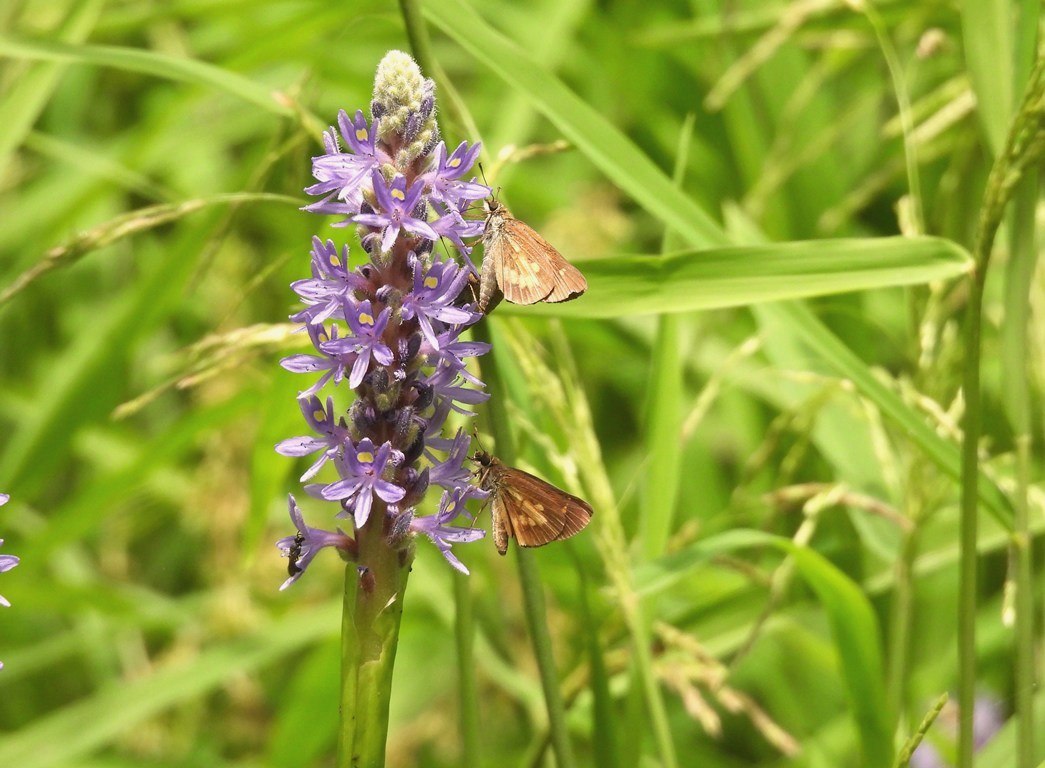
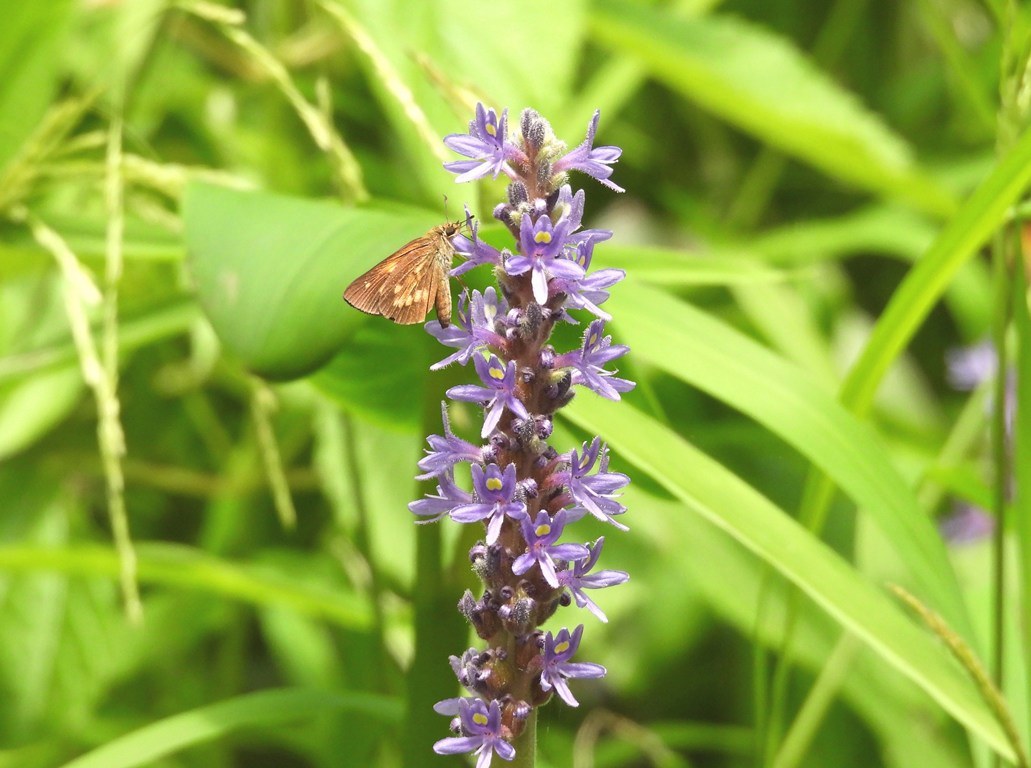
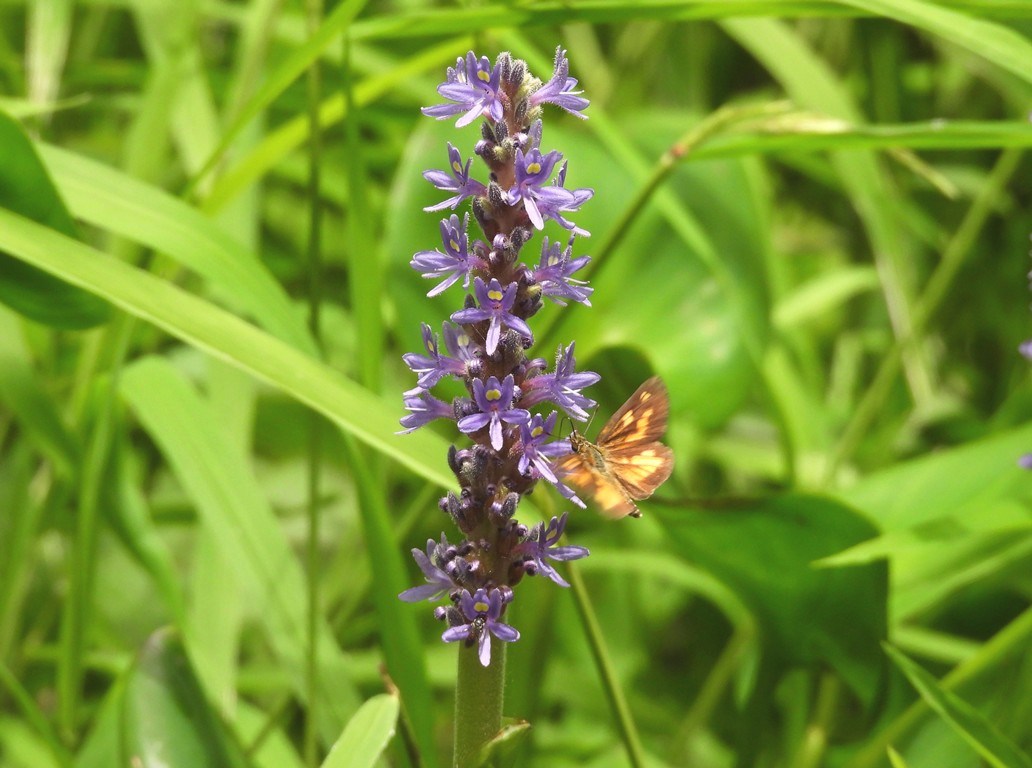
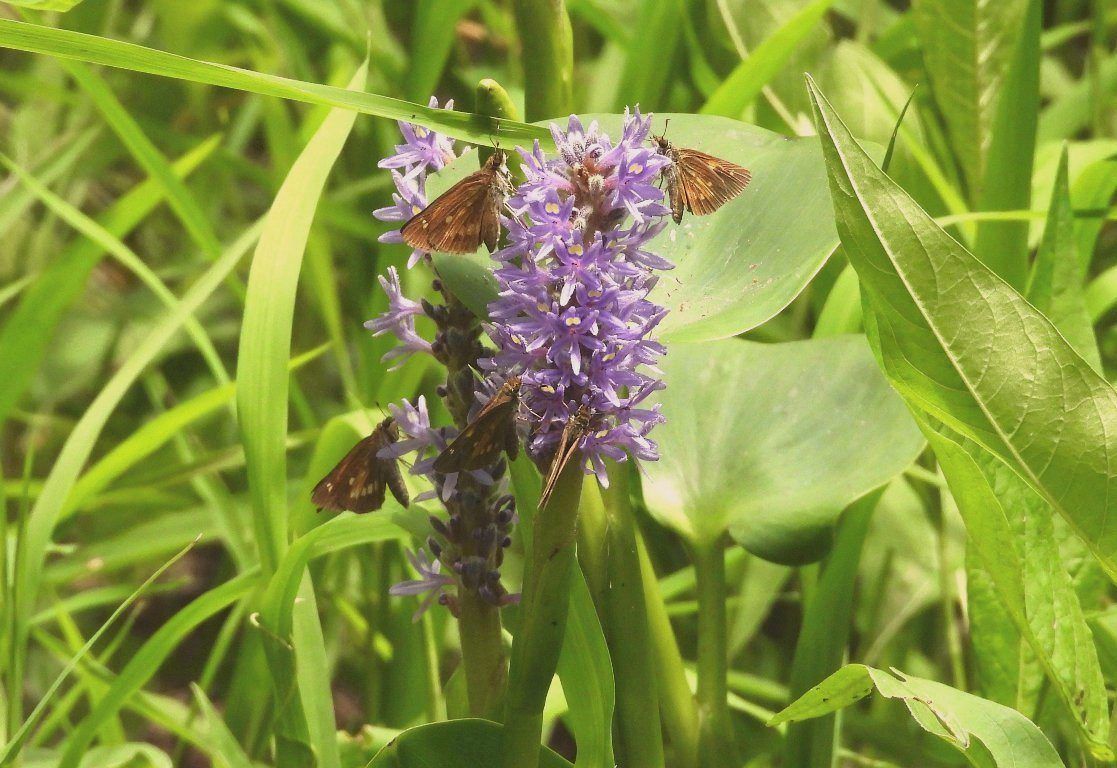
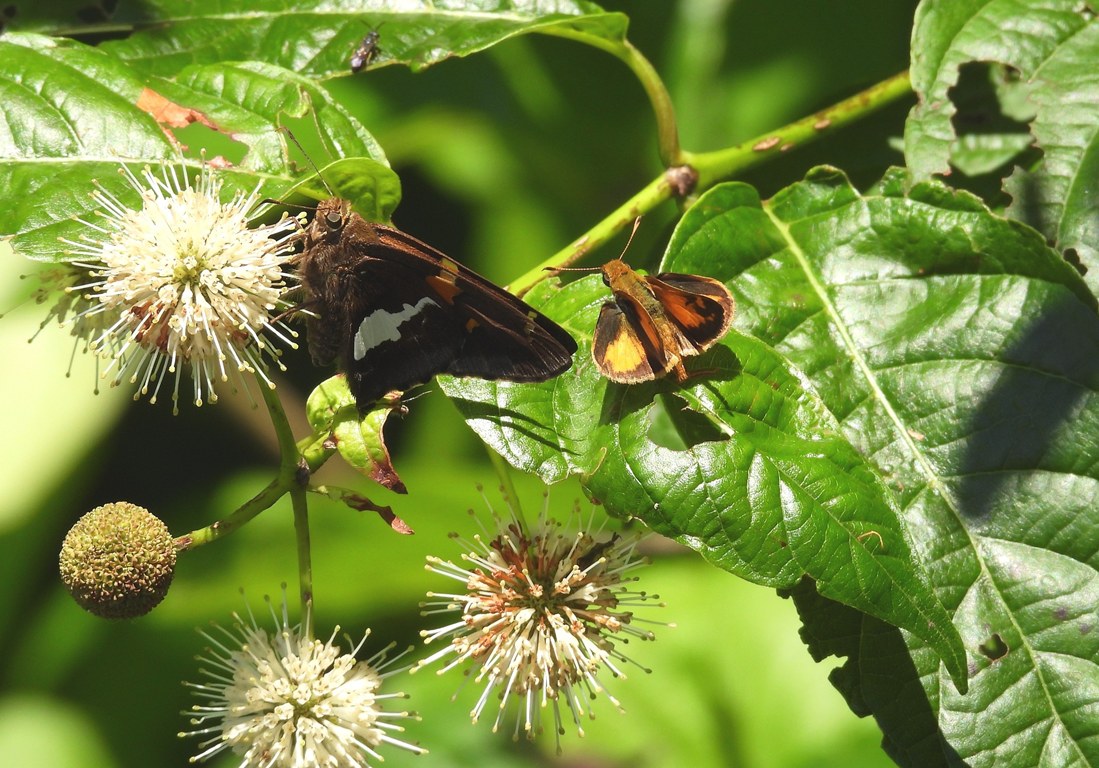
In the shallow water around the lake’s edge, these skippers encountered a vibrant array of delectable Pickerelweed flowers, reminding me of purple popsicles on a warm, sunny day. The sweet-scented blossoms provided an enticing treat as they eagerly feasted on pollen and nectar.

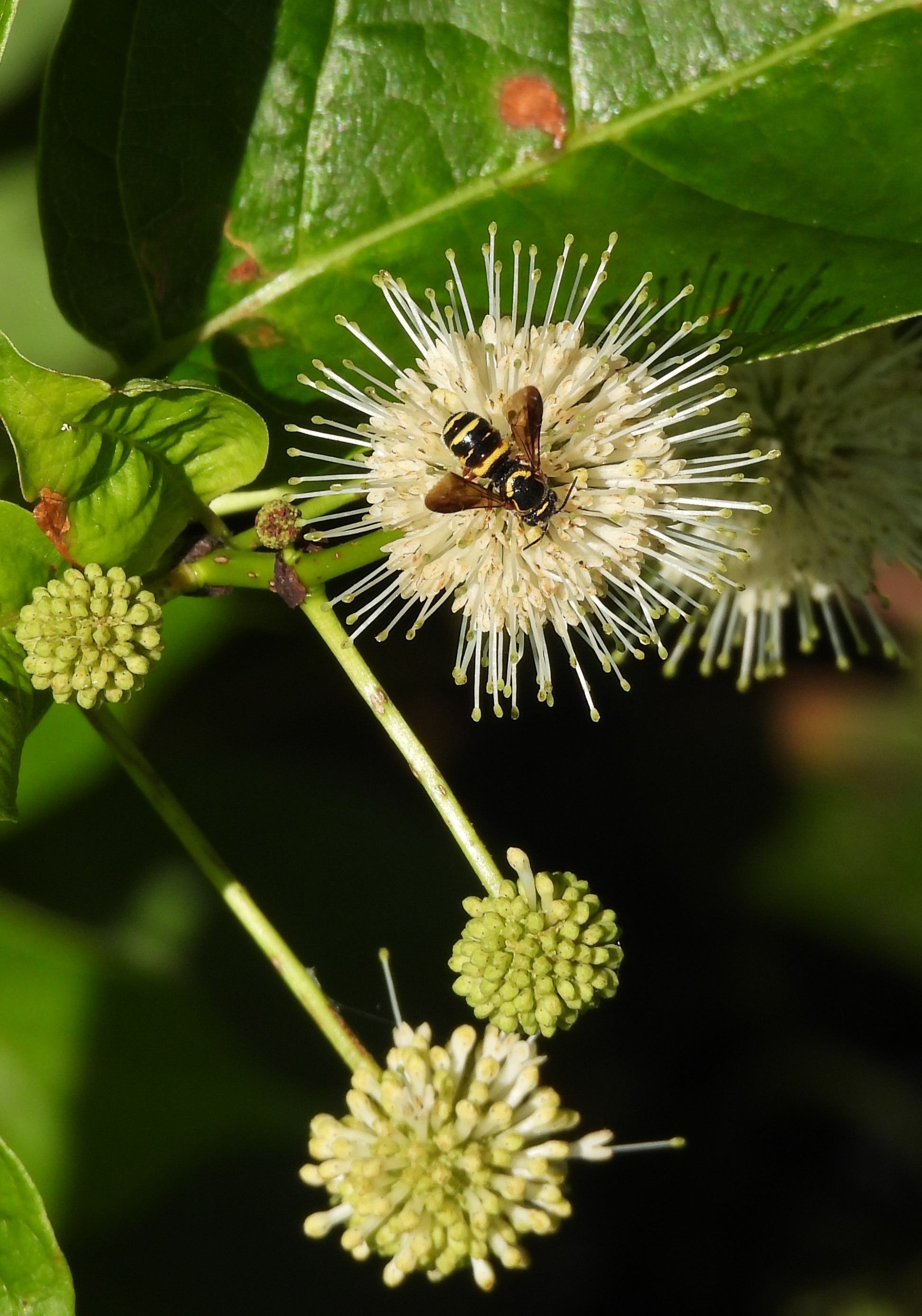
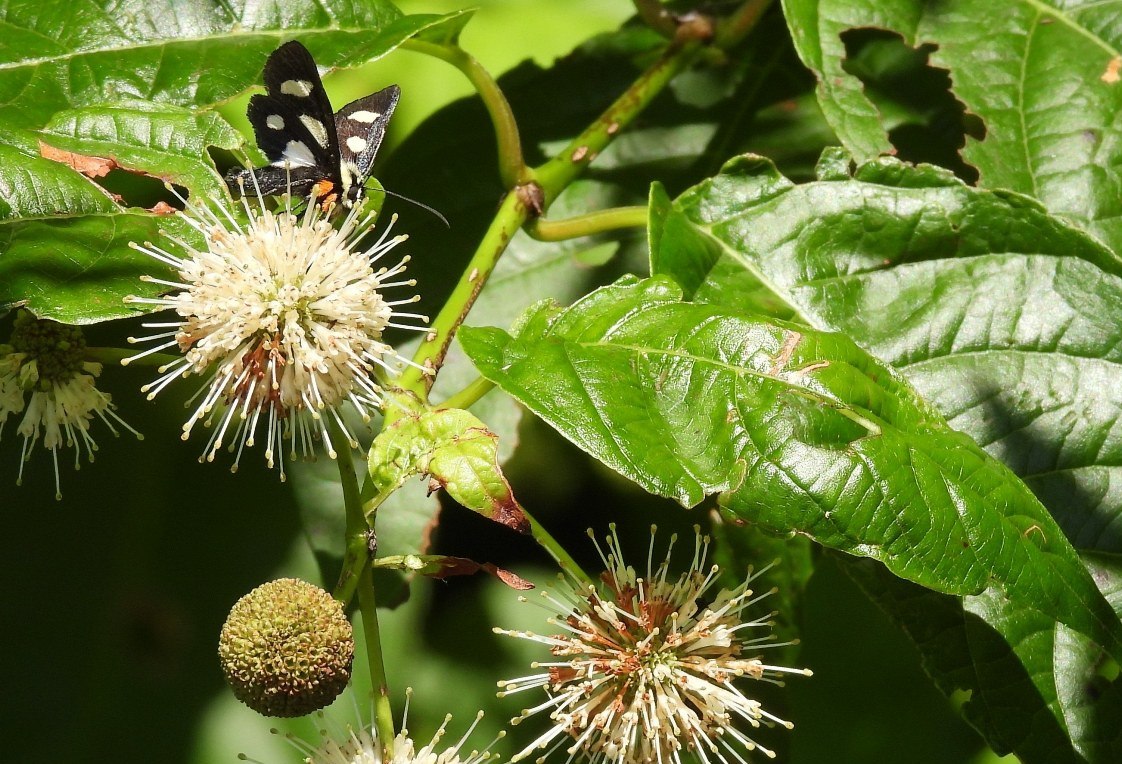
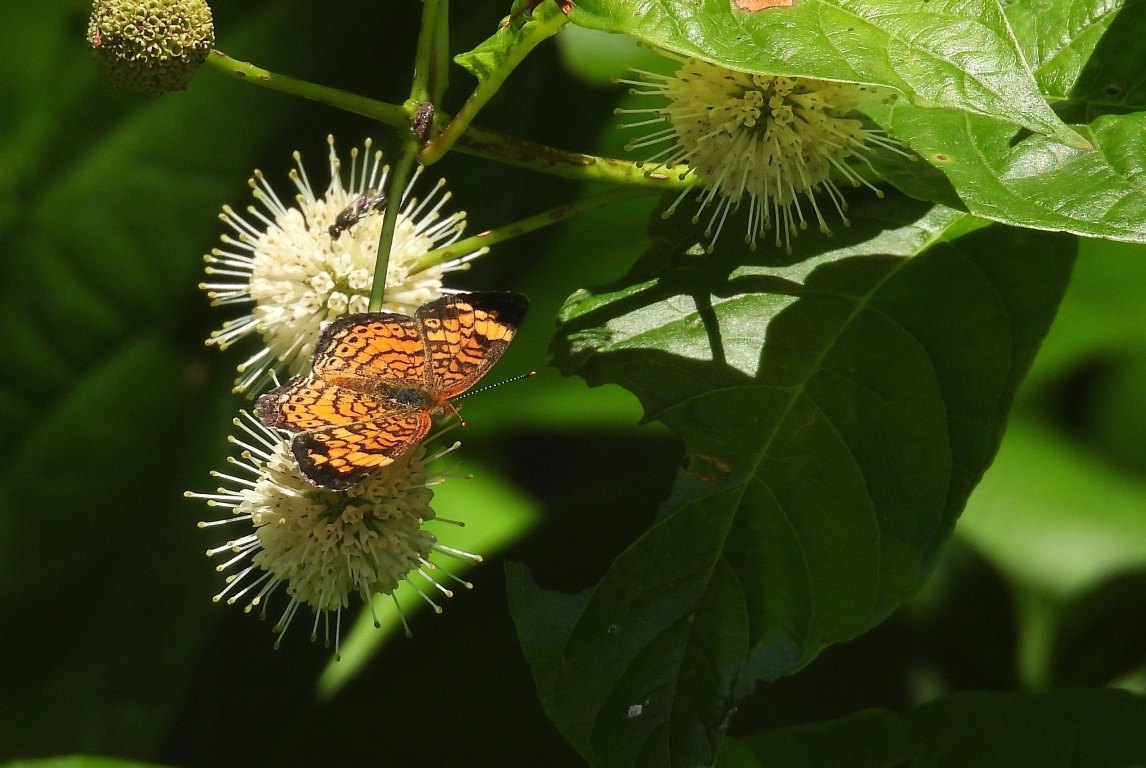
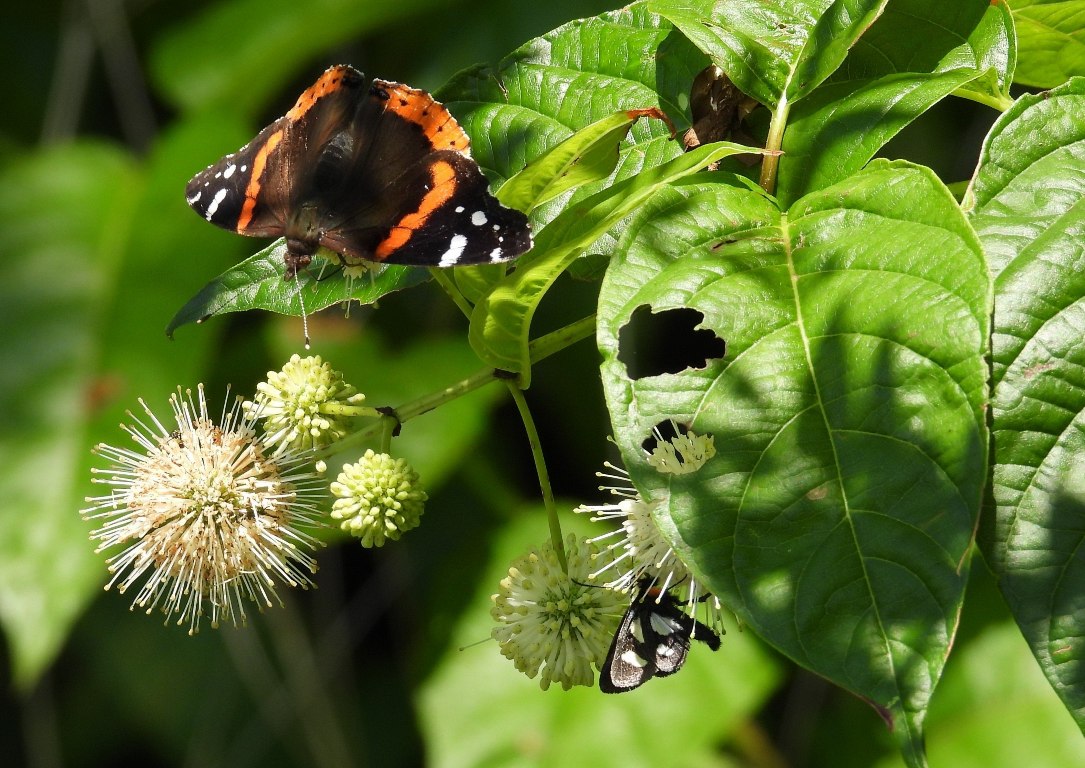
Additionally, the buttonbushes, adorned with their white pom-poms made up of numerous tubular flowers rich in nectar, attracted a variety of pollinators with their pleasant scent, inviting them also to partake in this aquatic garden celebration.

In whispers of blooms, a story unfolds,
Nectar beckons, secrets untold.
Amidst the chaos, a purpose aligns,
Timeless pathways through nature’s designs.
~tinypoetry.com


Frogs and Toads

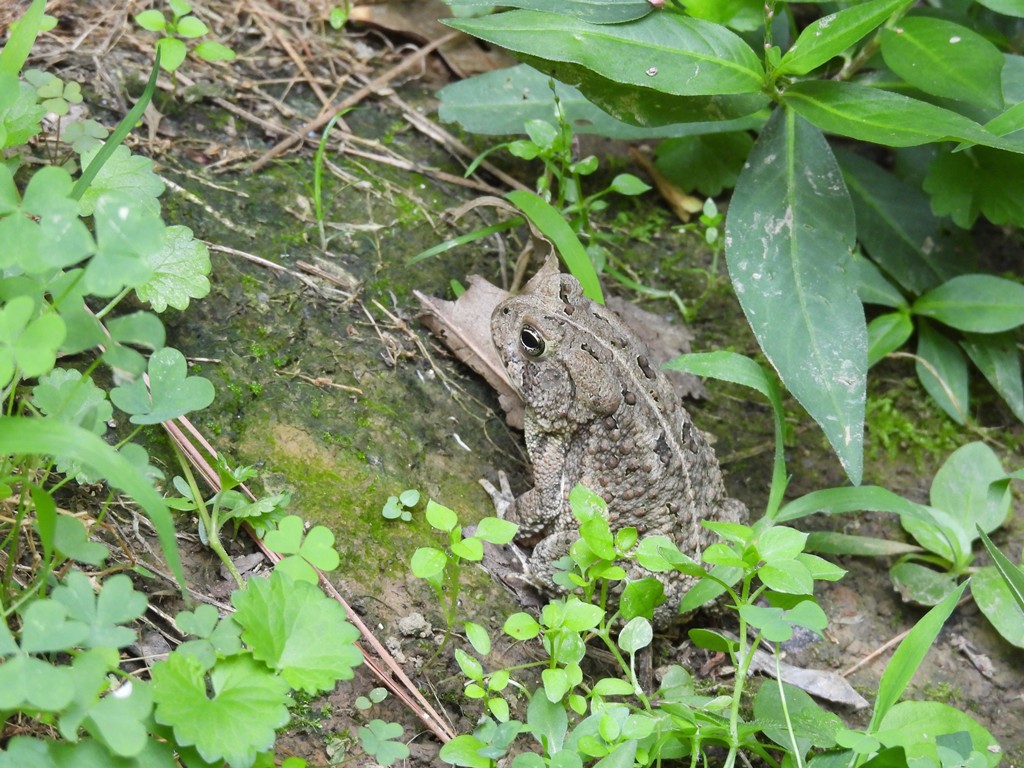
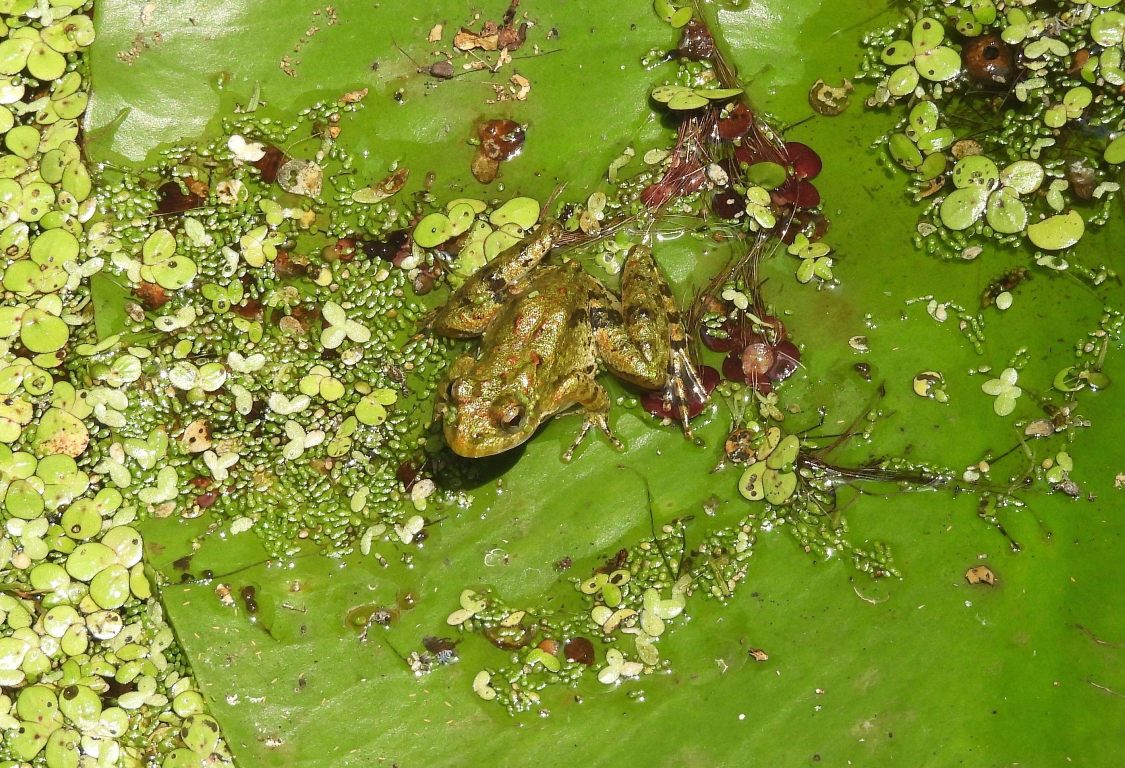
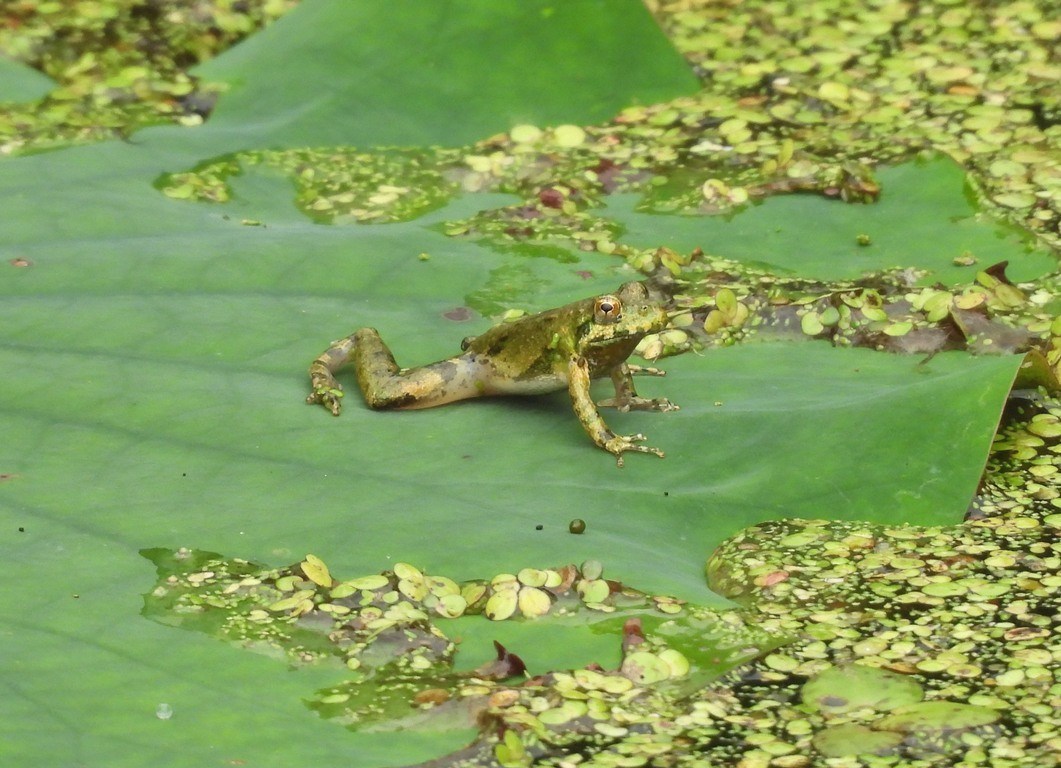
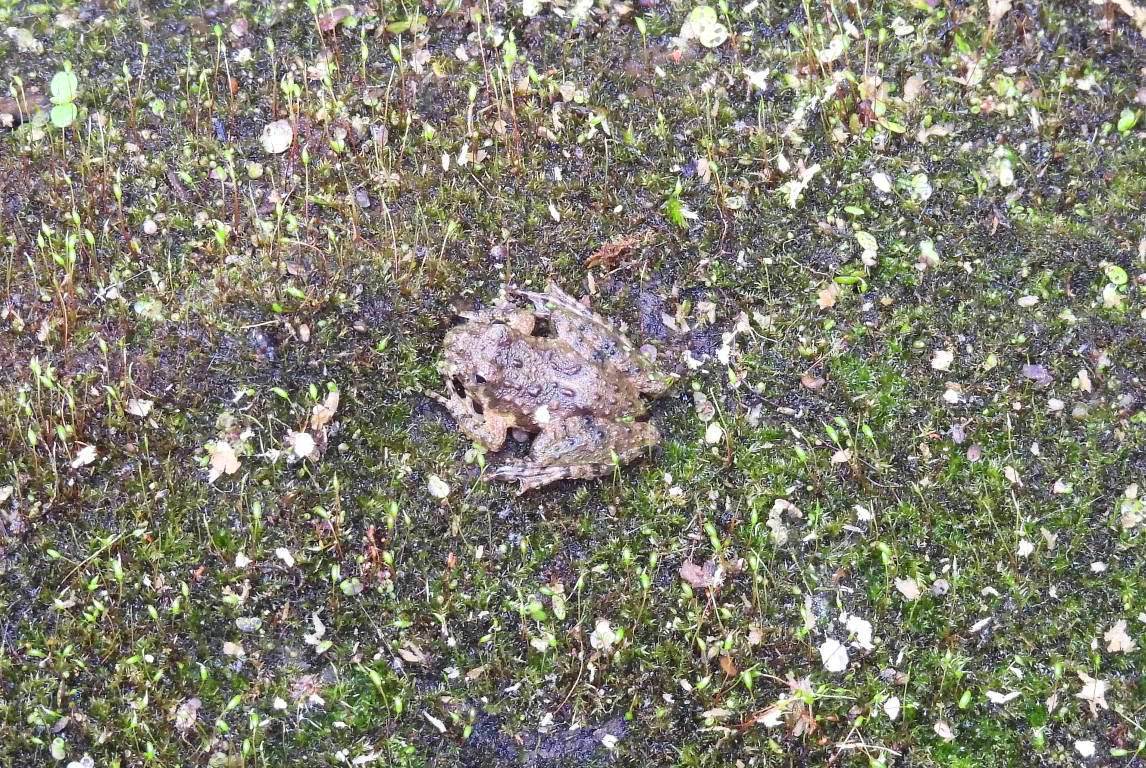
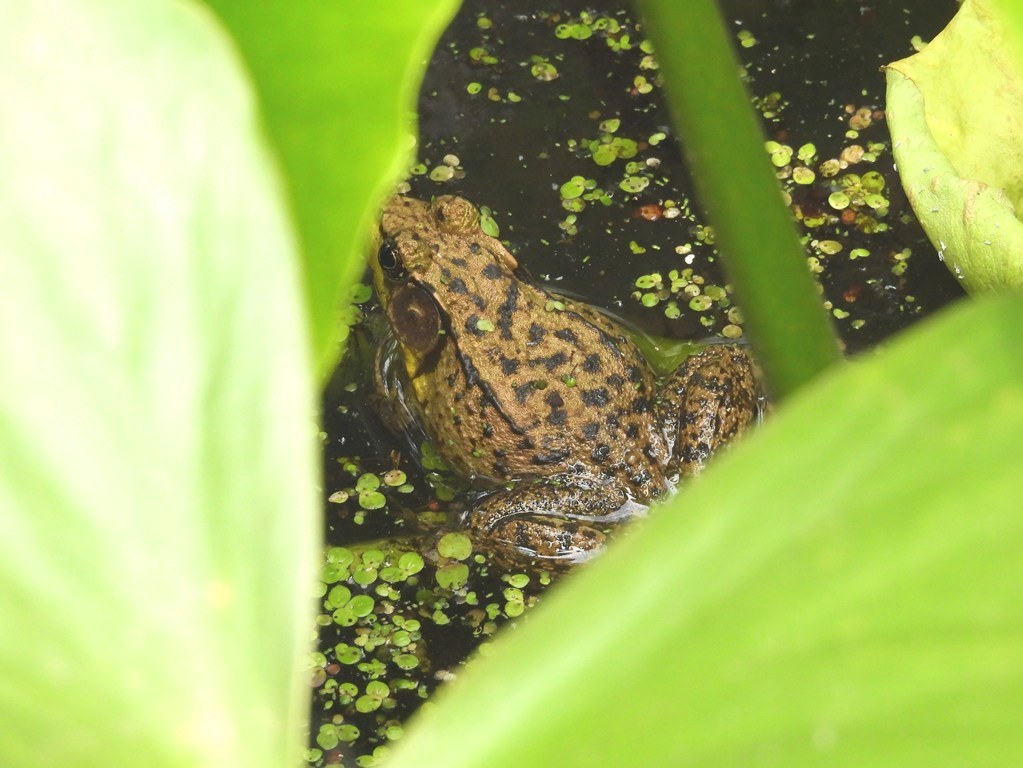
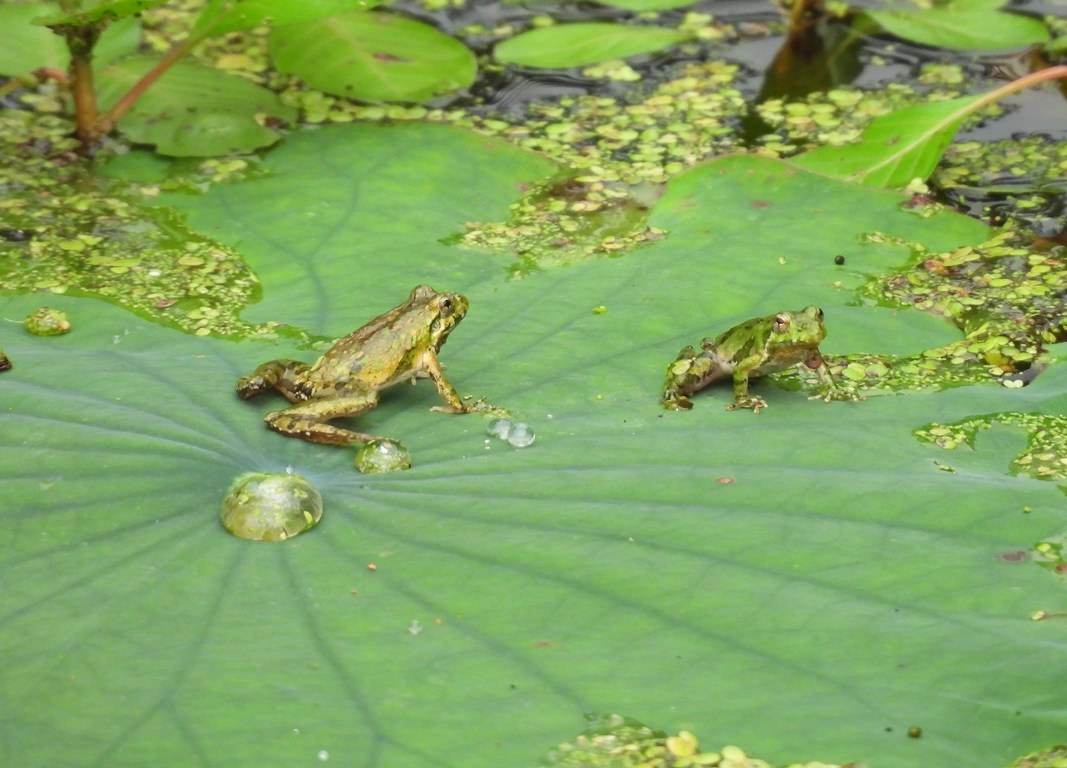
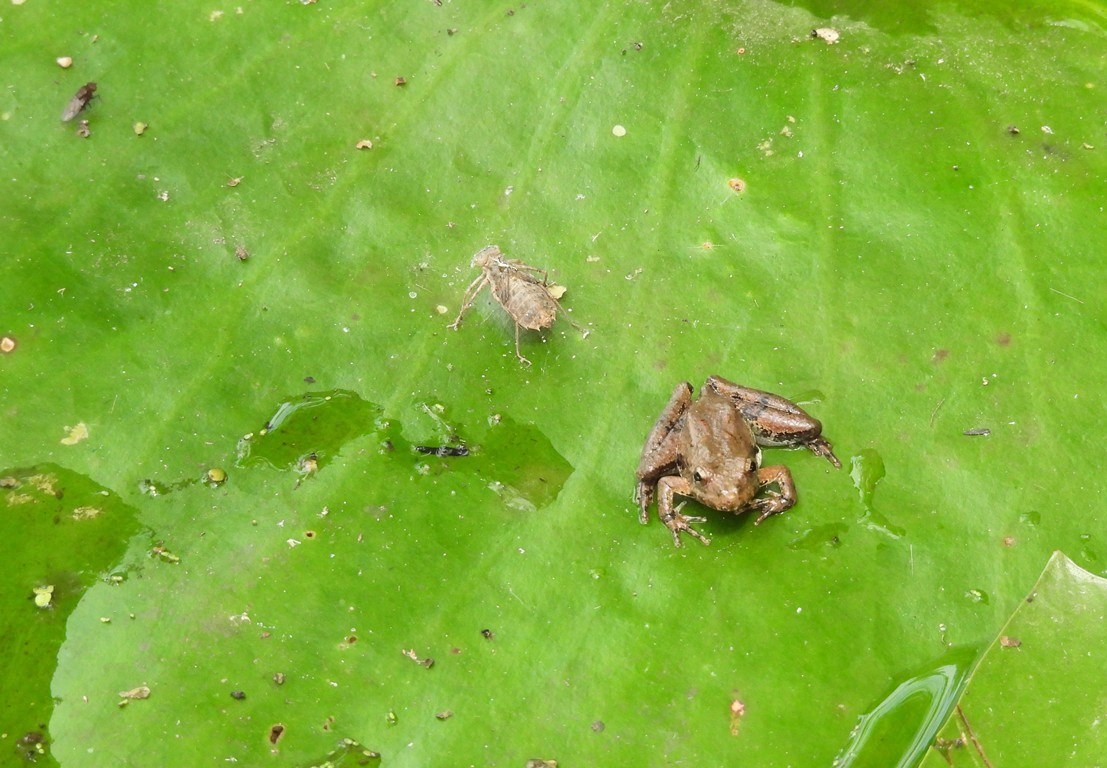
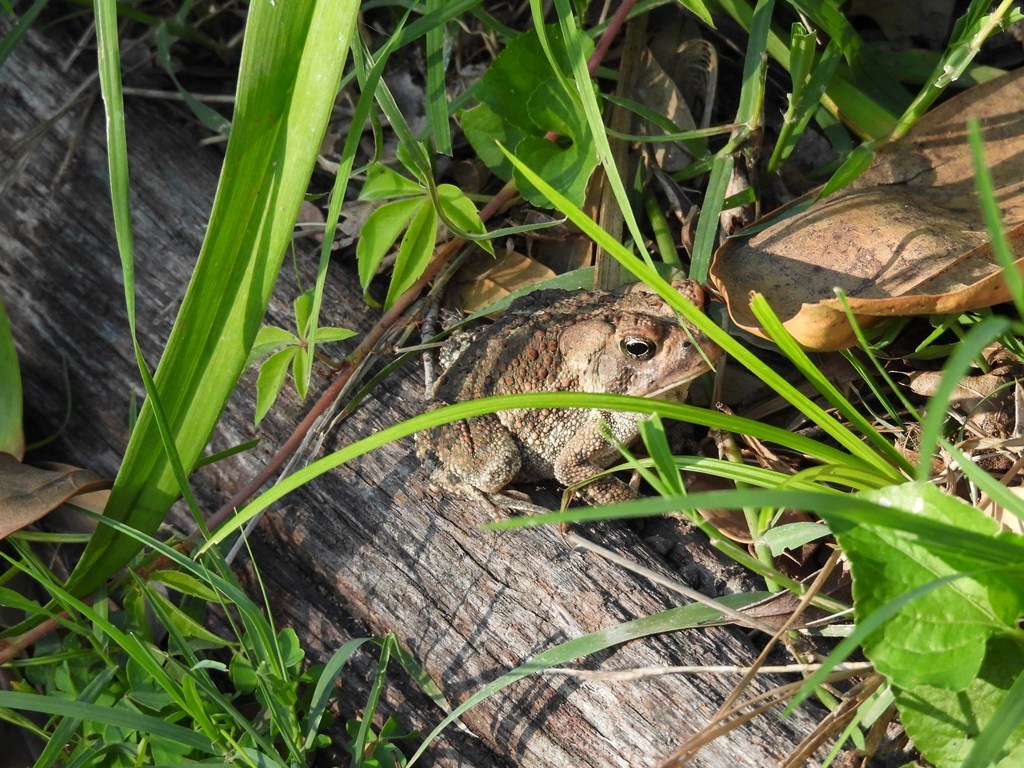
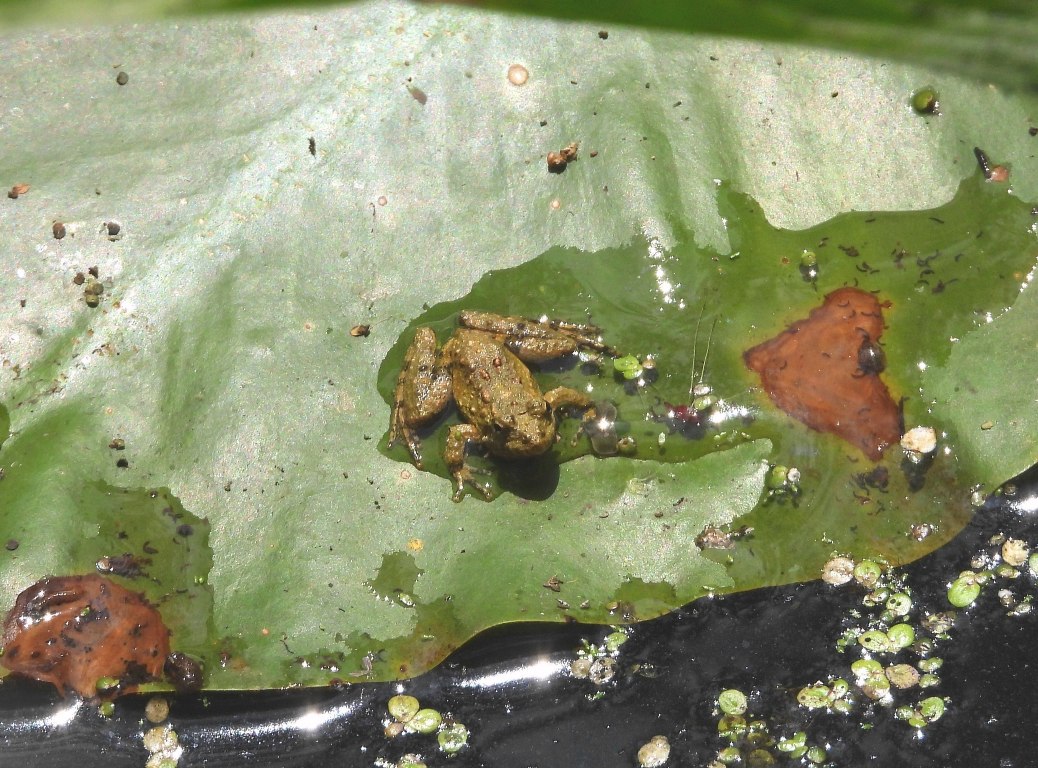
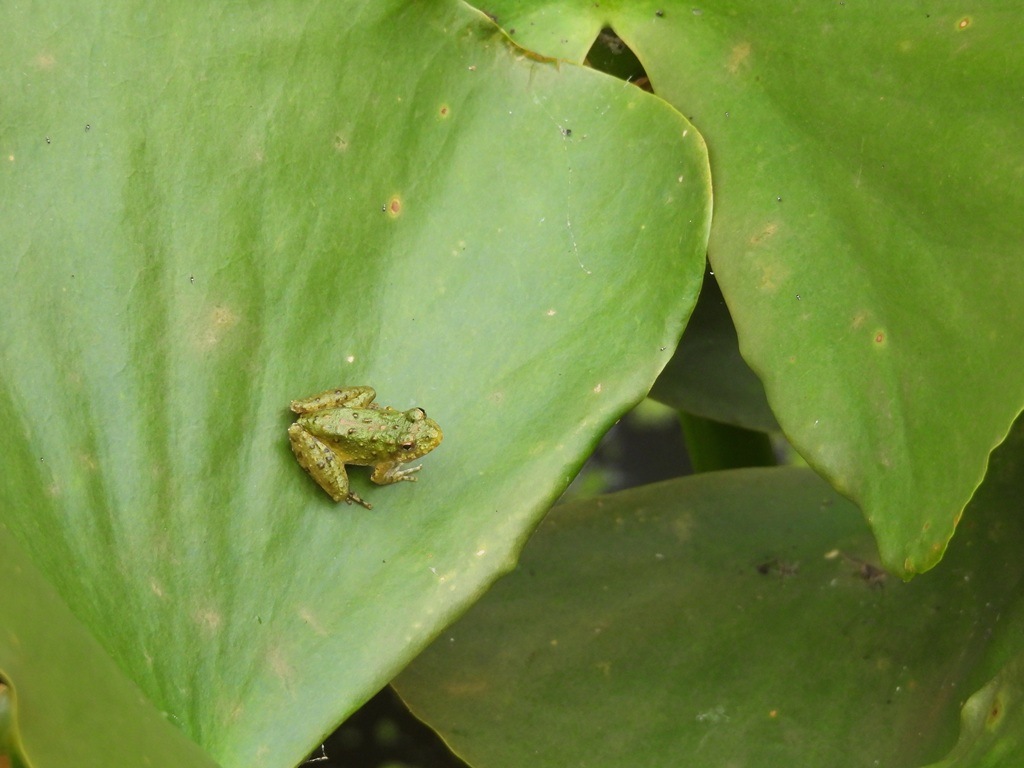
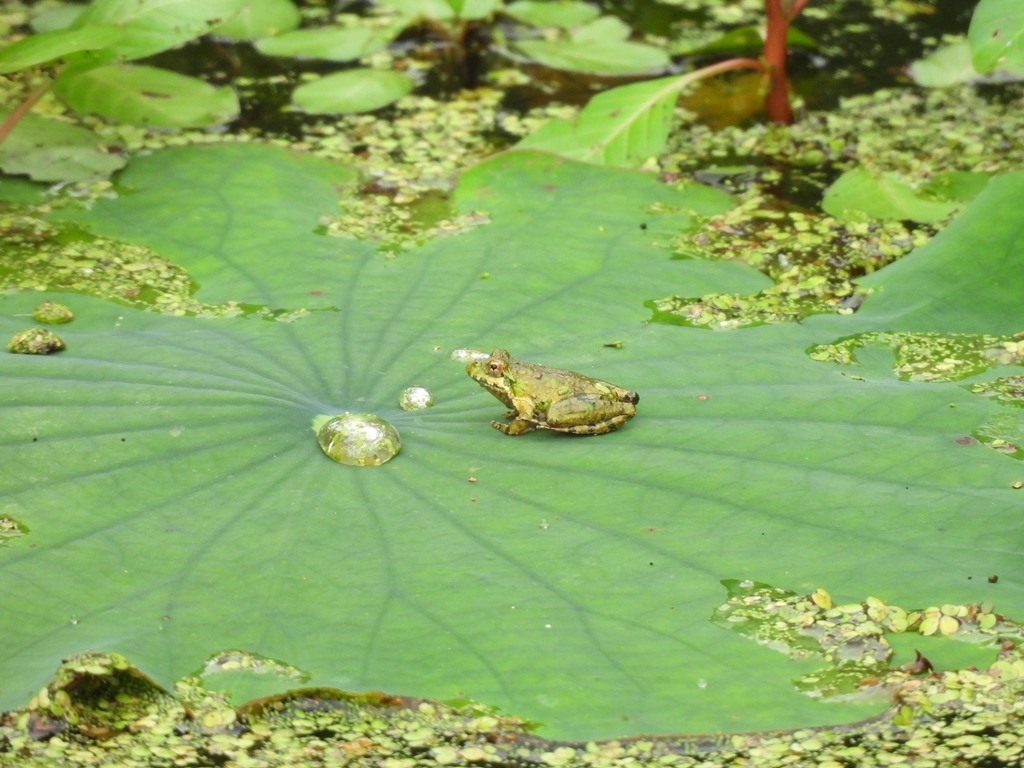
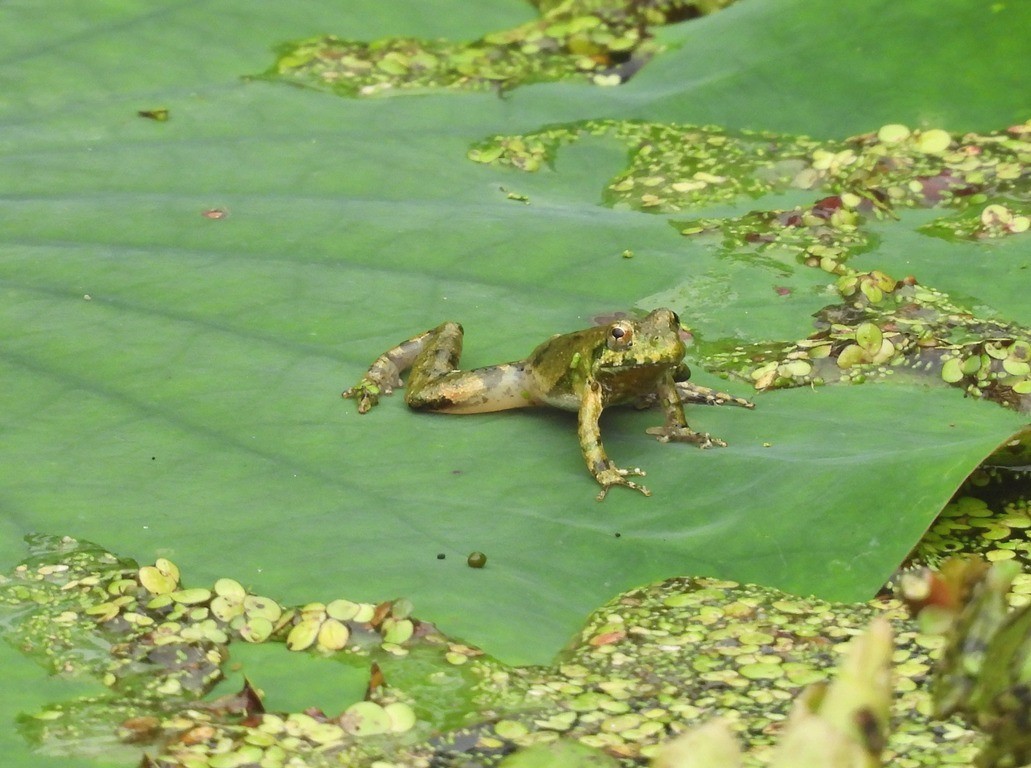
With the coming of spring, the croaks and trills of these small amphibians once again fill the air. Typically, I find it easier to hear them than to see them, however, this year appears to be different as the population seems to be flourishing, allowing me to observe several different ones both at the lake and in my garden.

Did you hear about the frog that double parked?  He was toad away.  ~Unknown

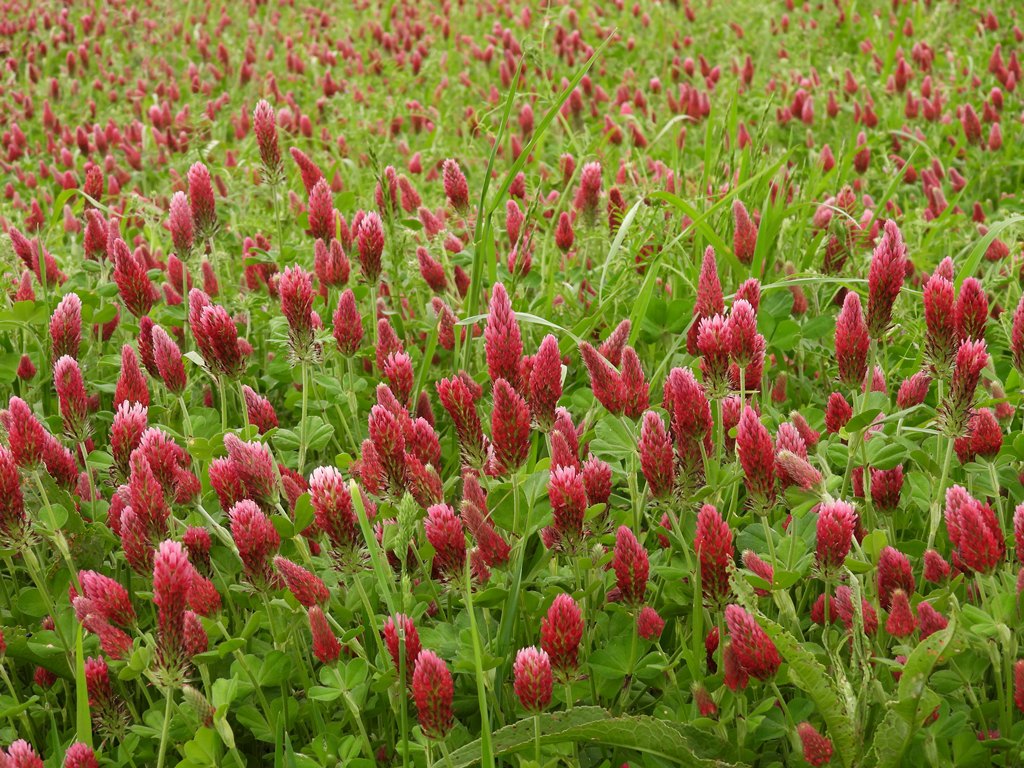
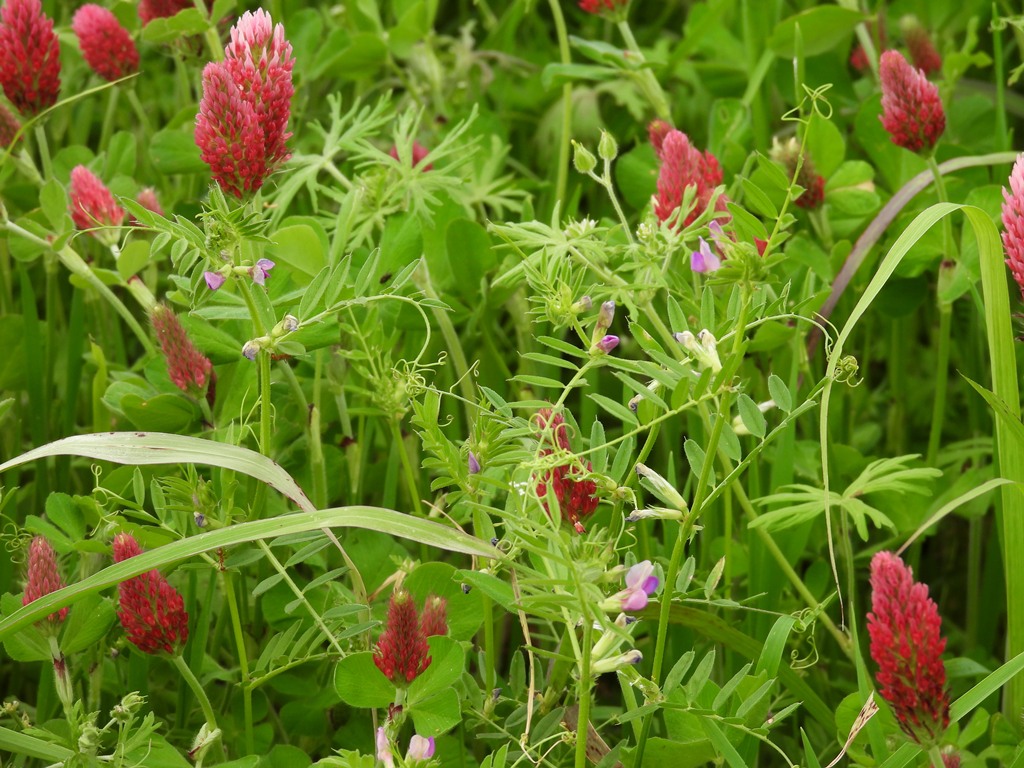
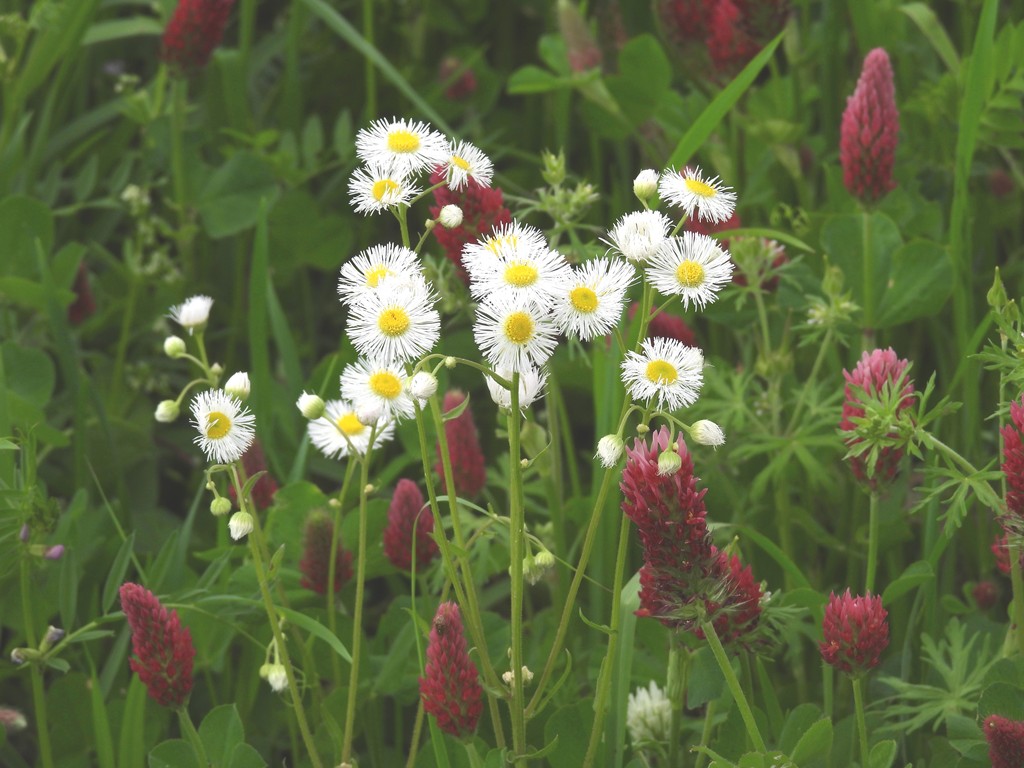
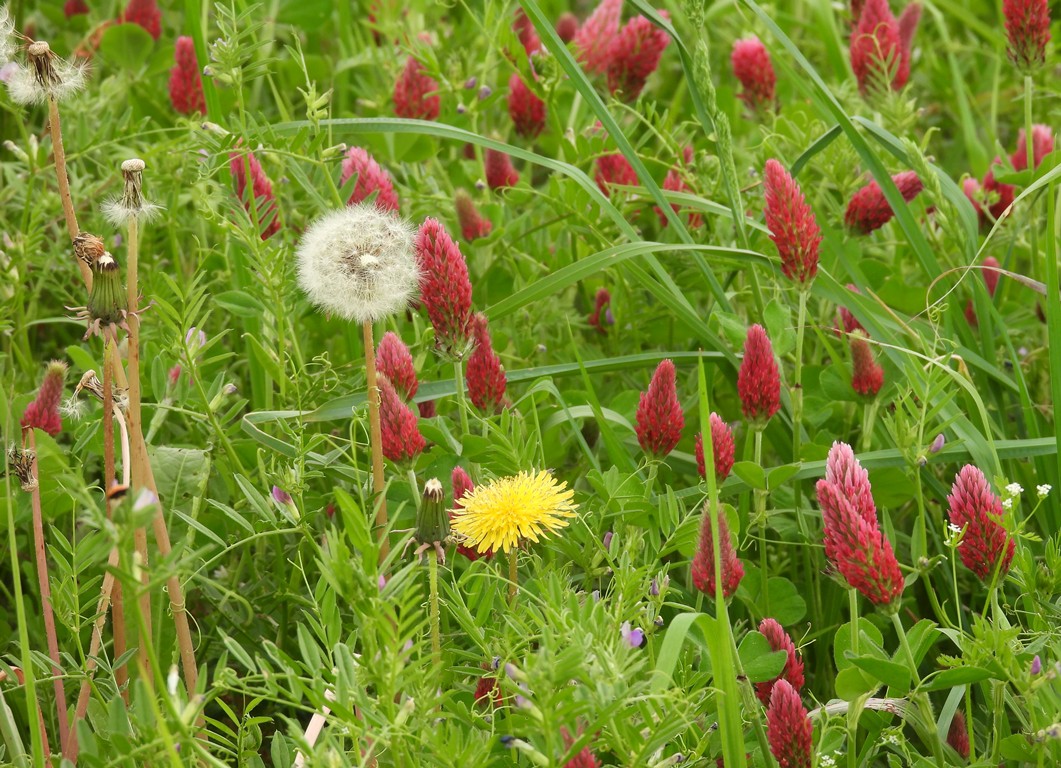
The World of Crimson Clover

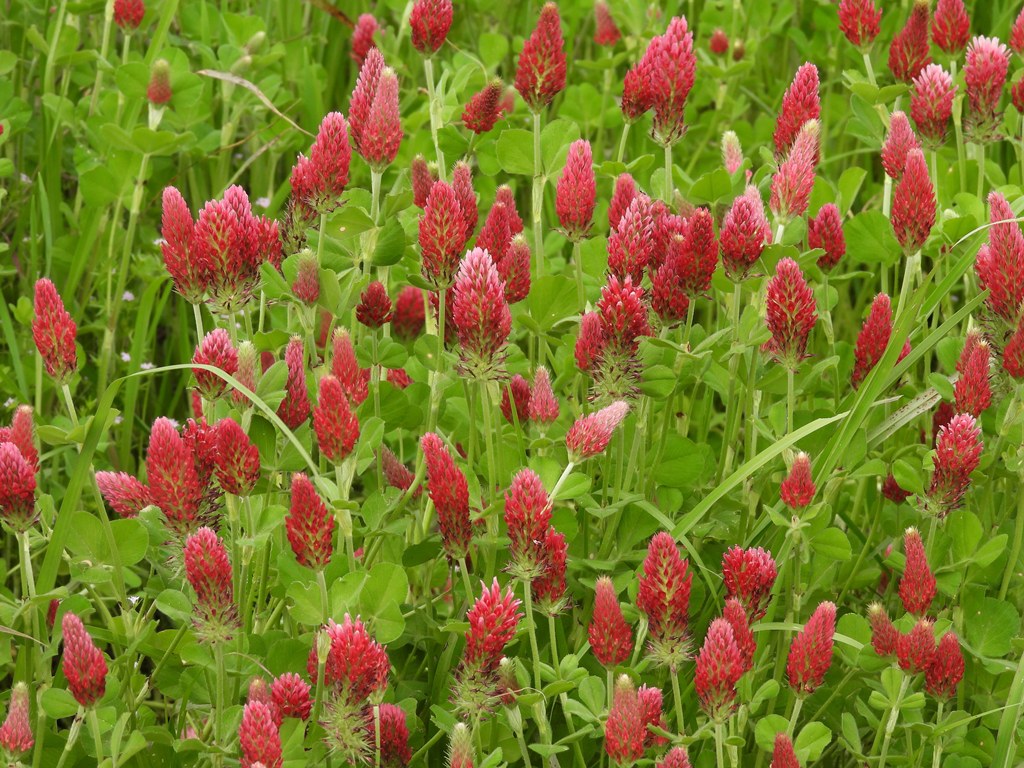
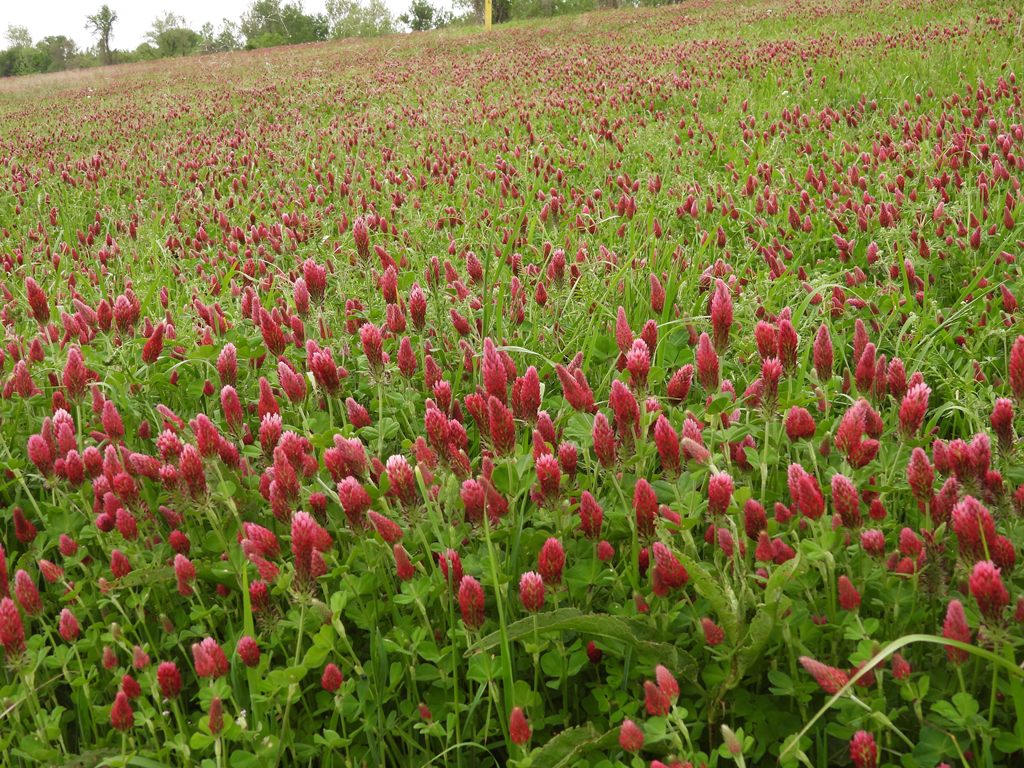
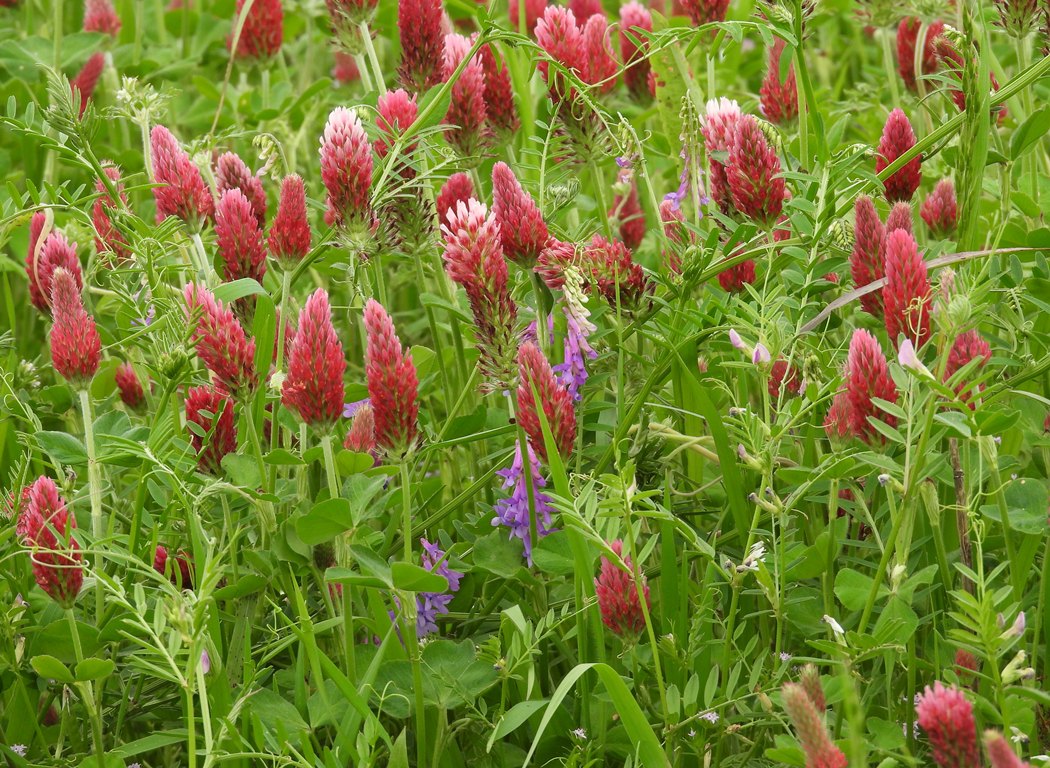
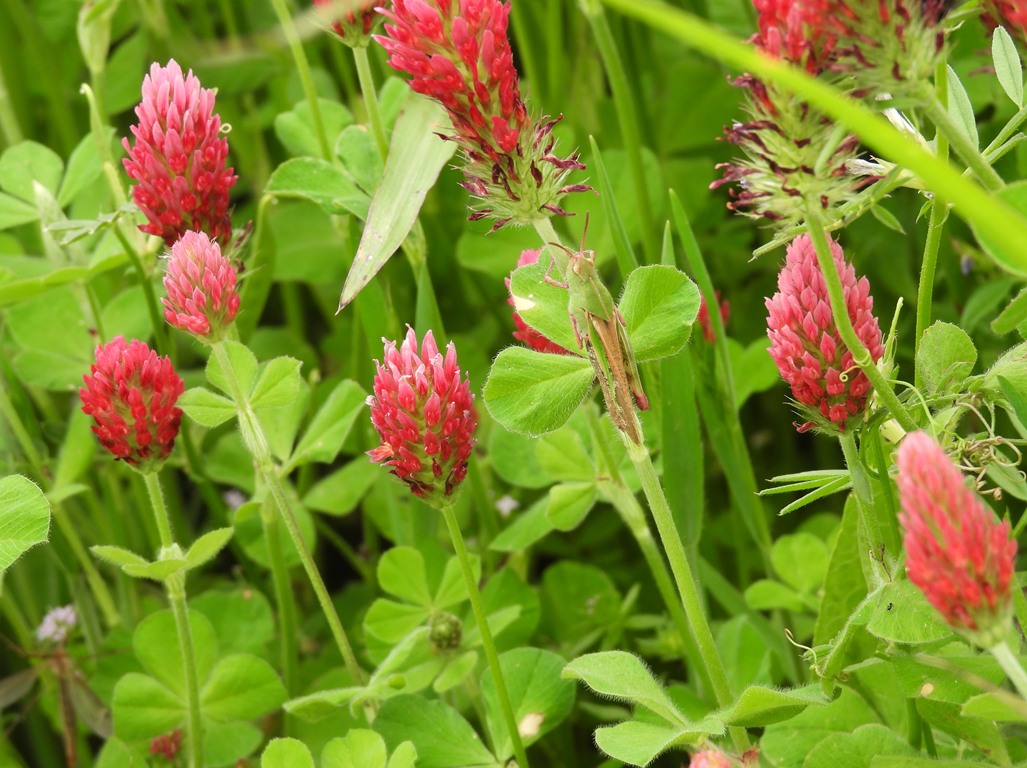
The land along the levee was embellished with striking, crimson flowers that danced and swayed in the gentle breeze. If spring were to have a laugh, I am convinced it would resonate through these dramatic conical blossoms swaying merrily on the sunlit embankment.

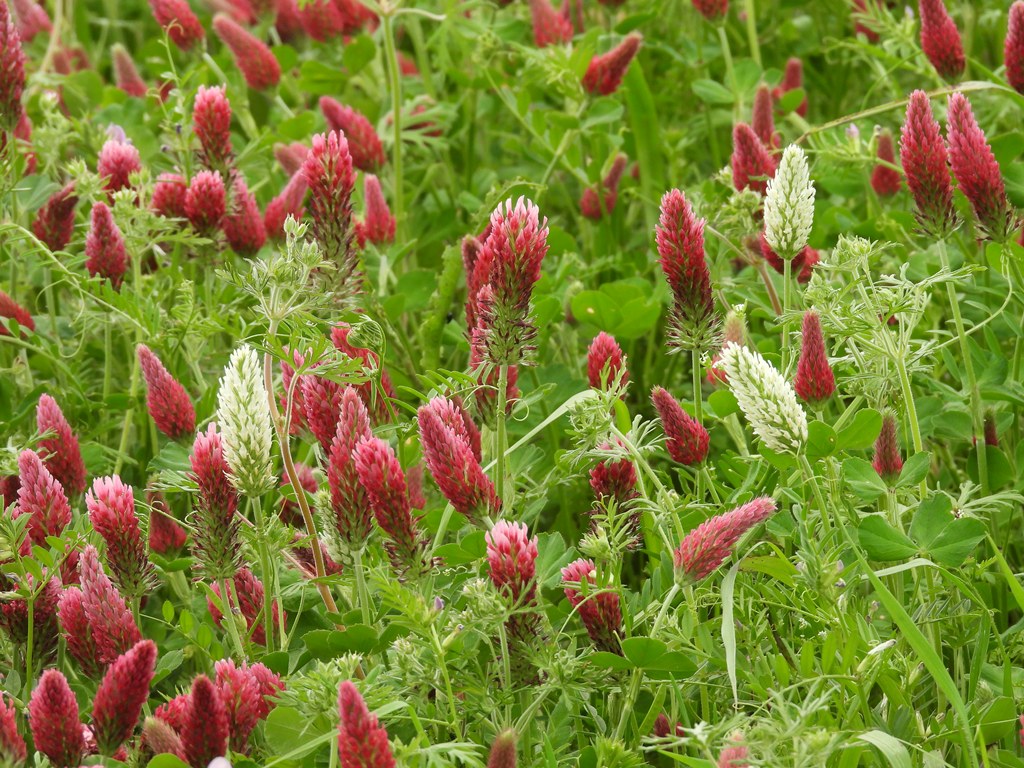
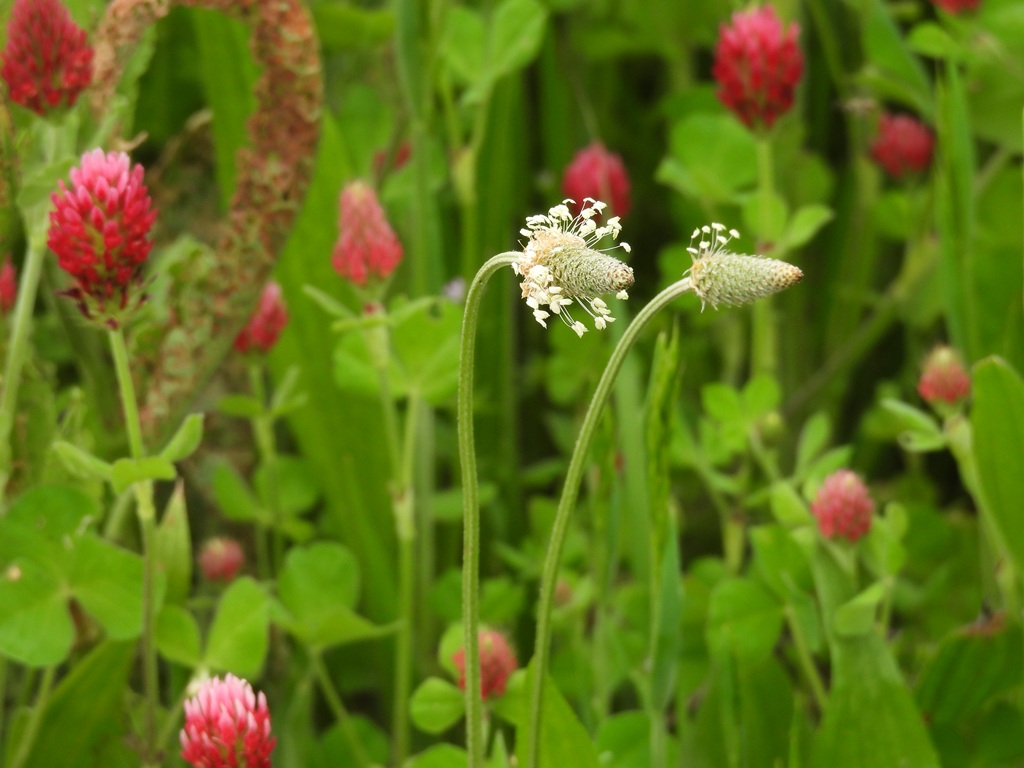
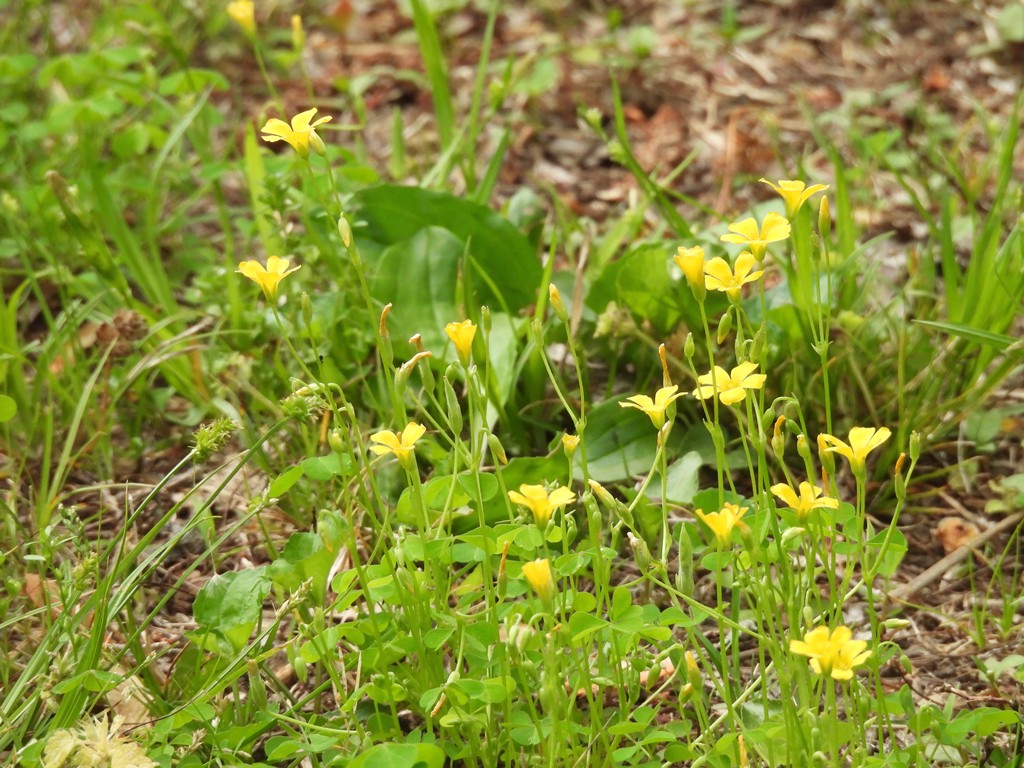
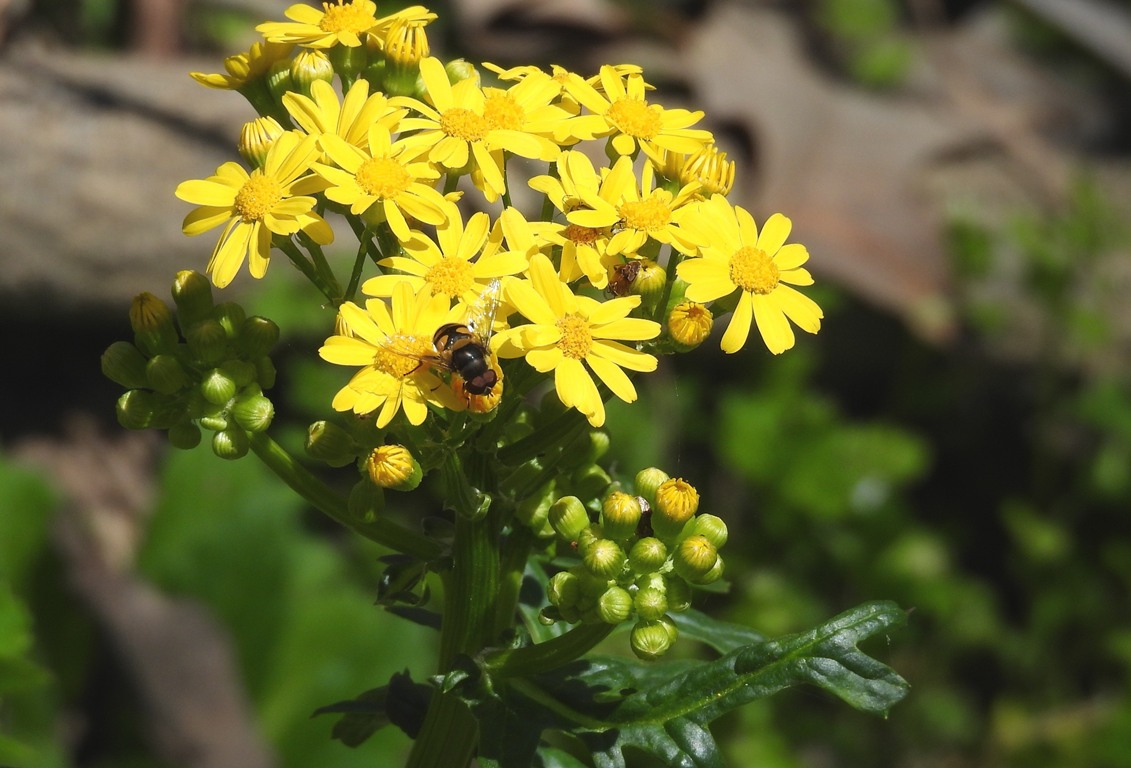
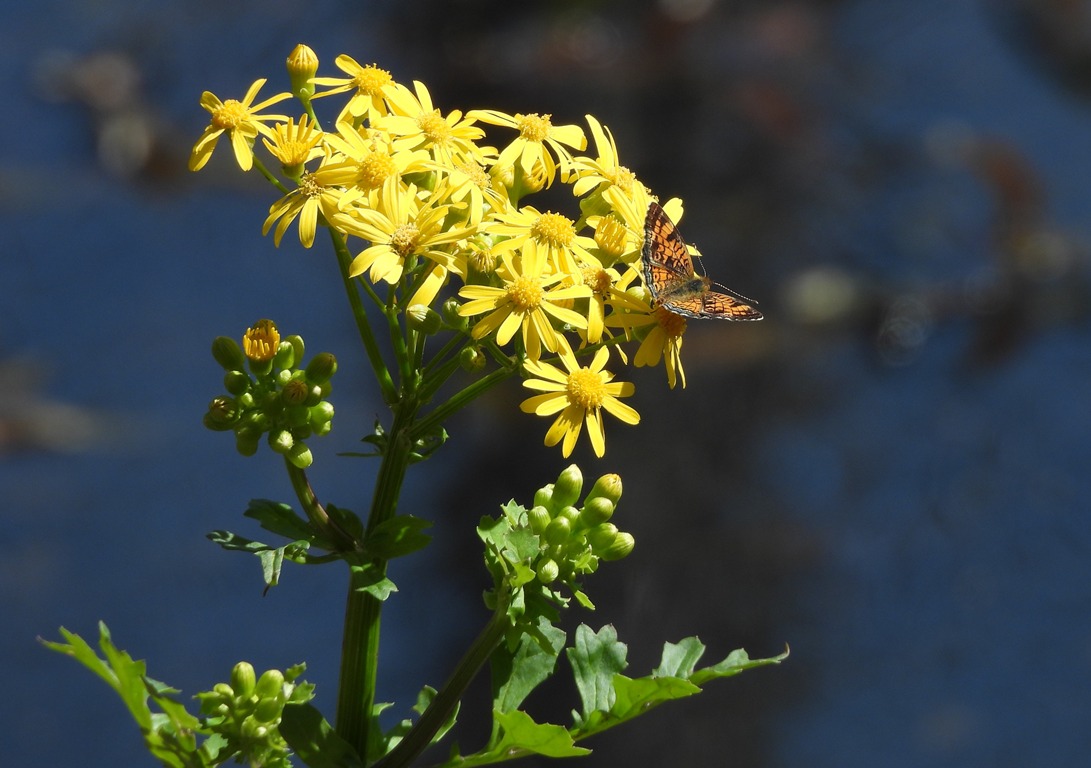
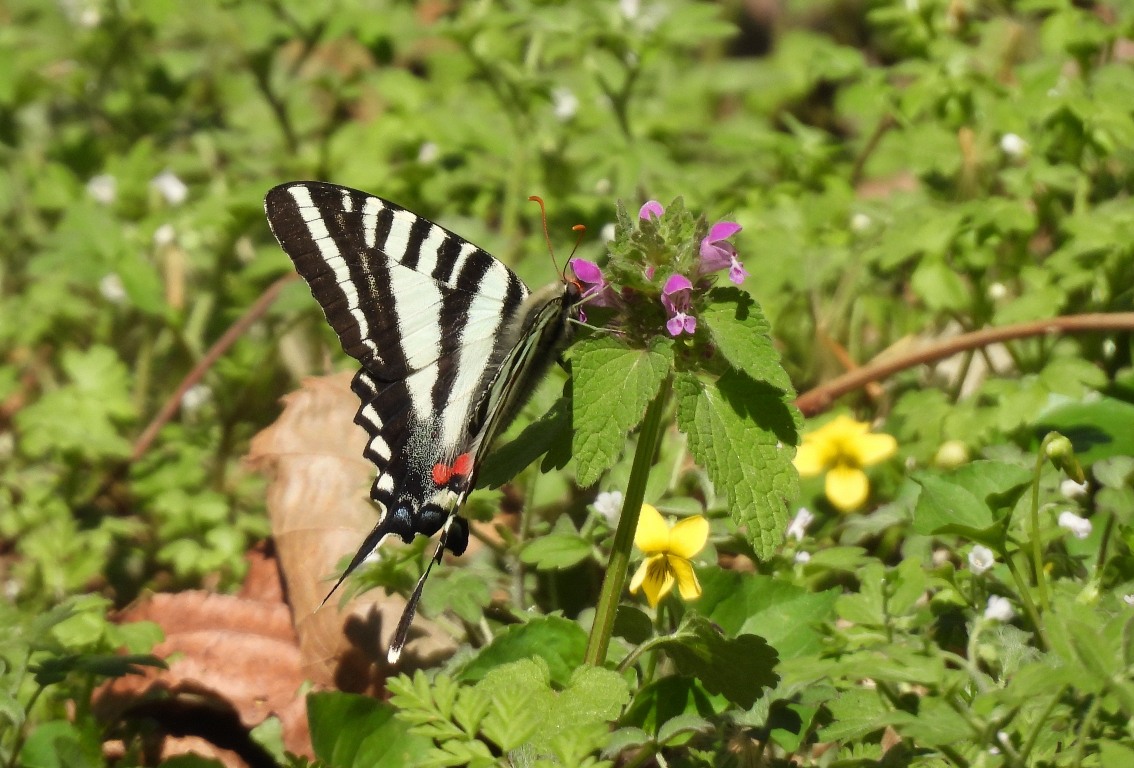
Additionally, nestled among the clover were several wildflowers that contributed to the charm by providing additional pops of color to an already vibrant landscape.

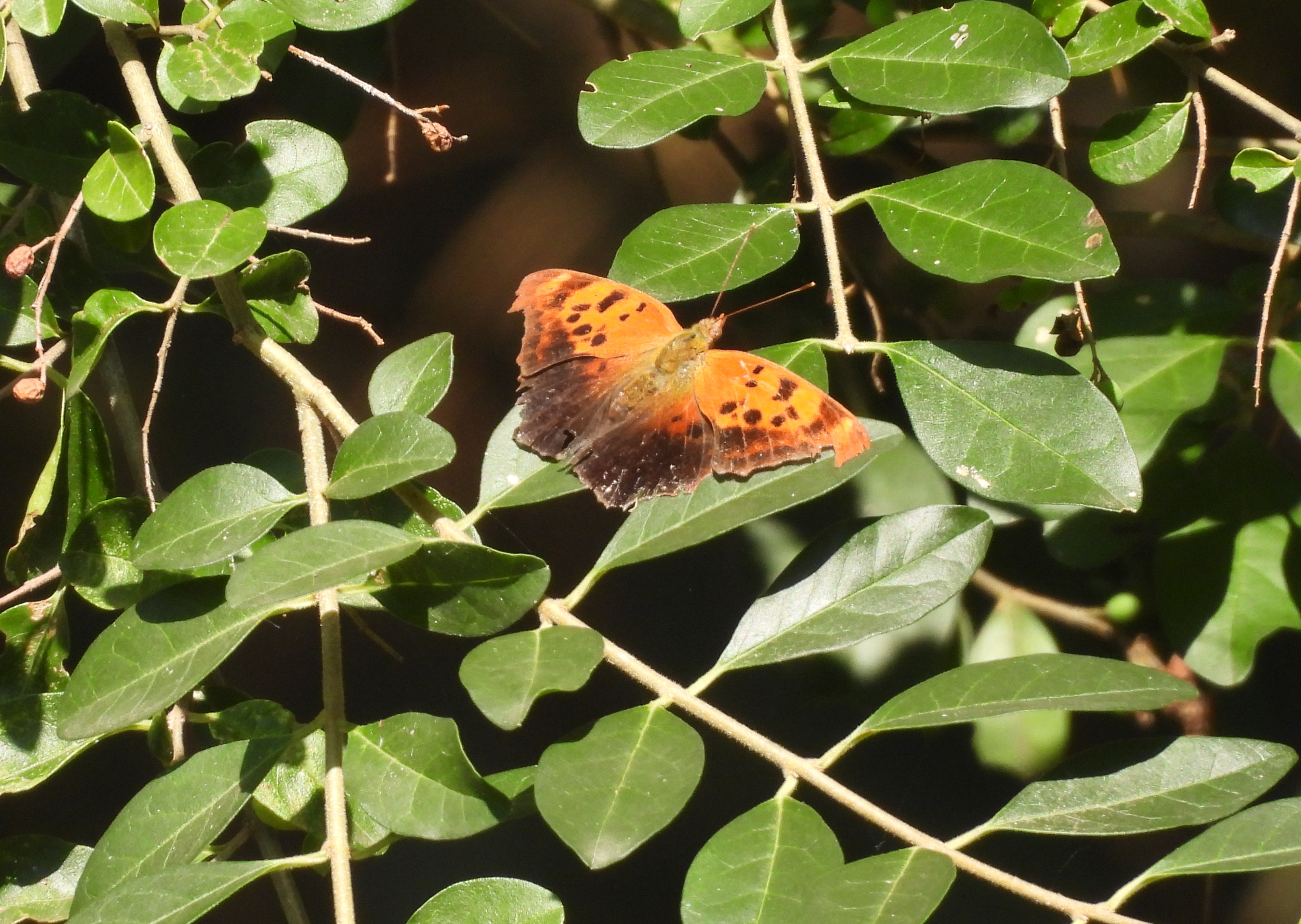
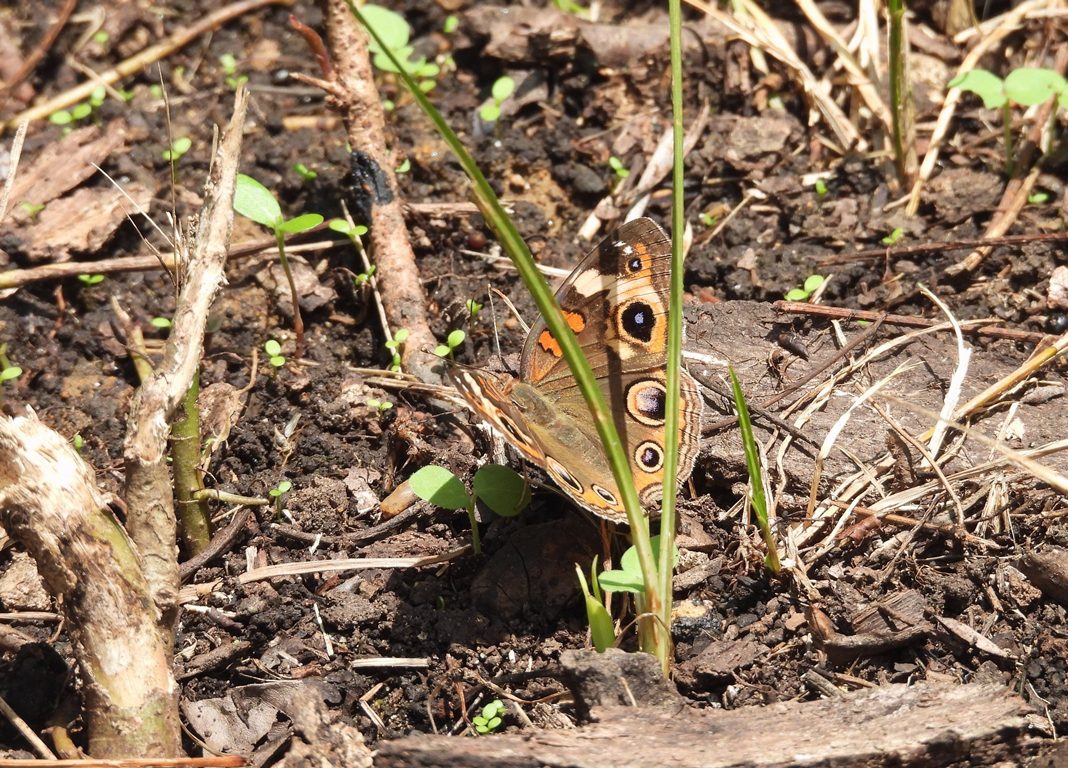
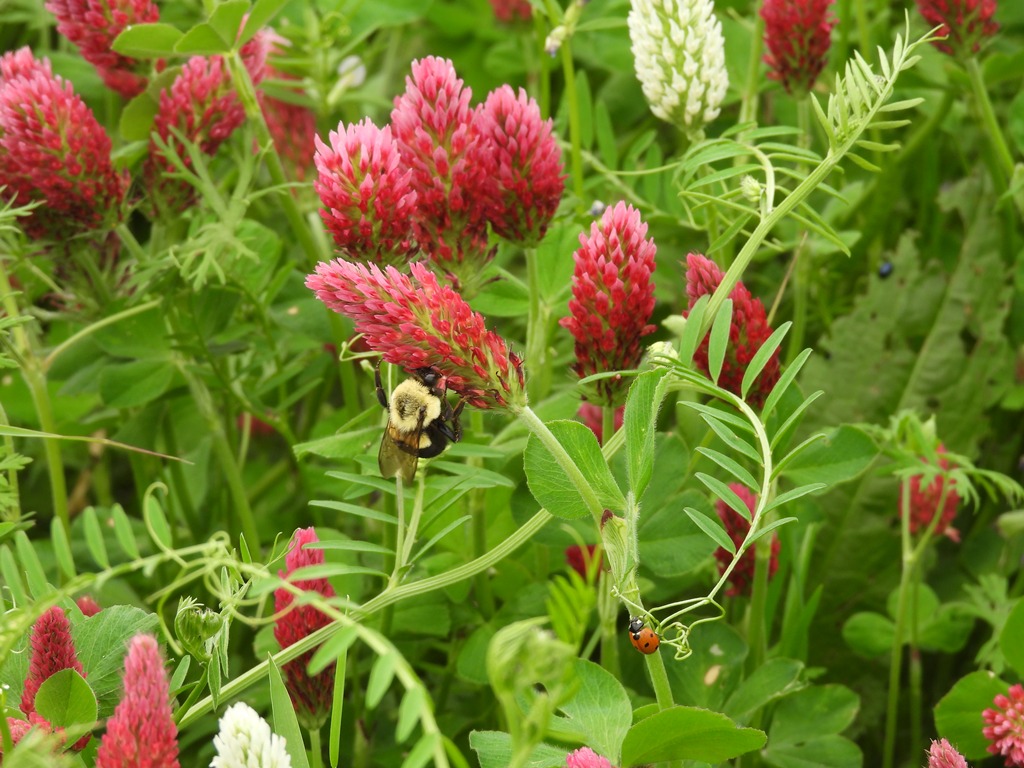
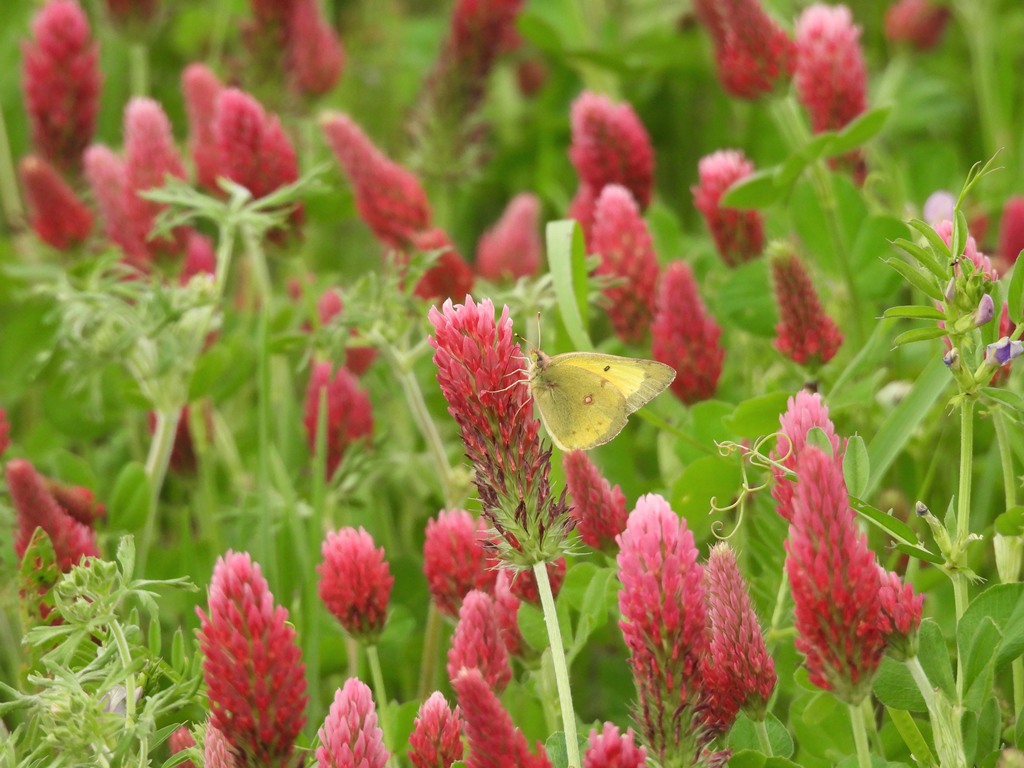
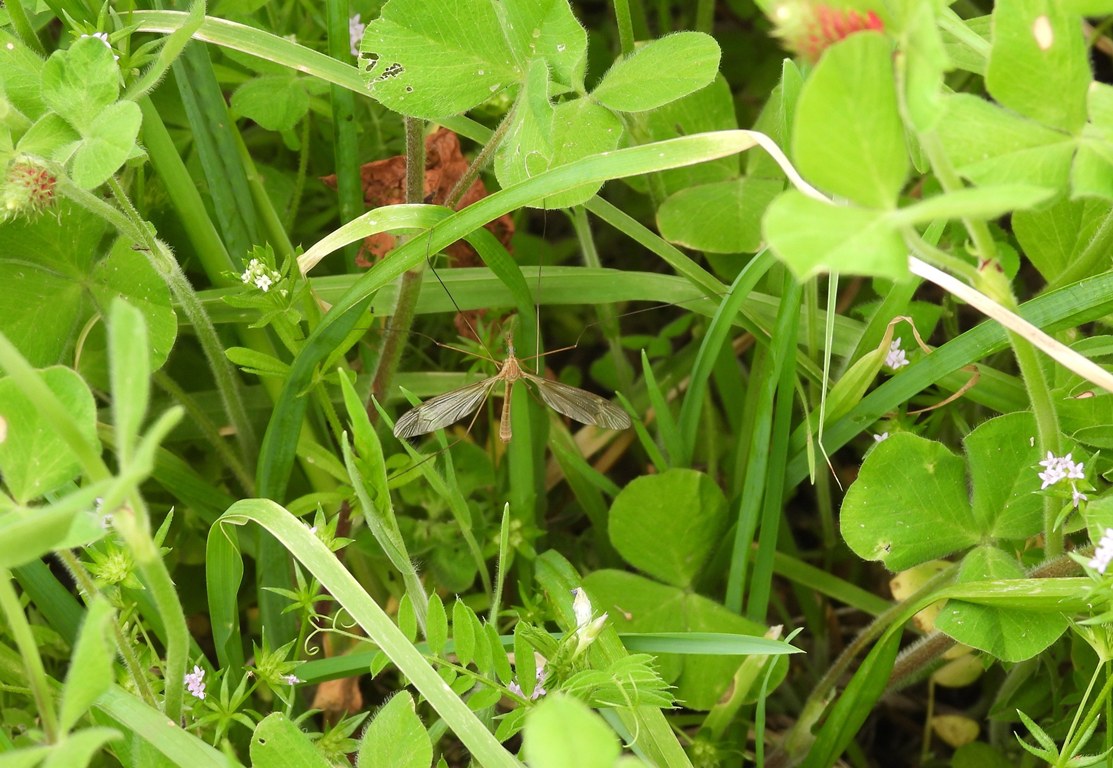
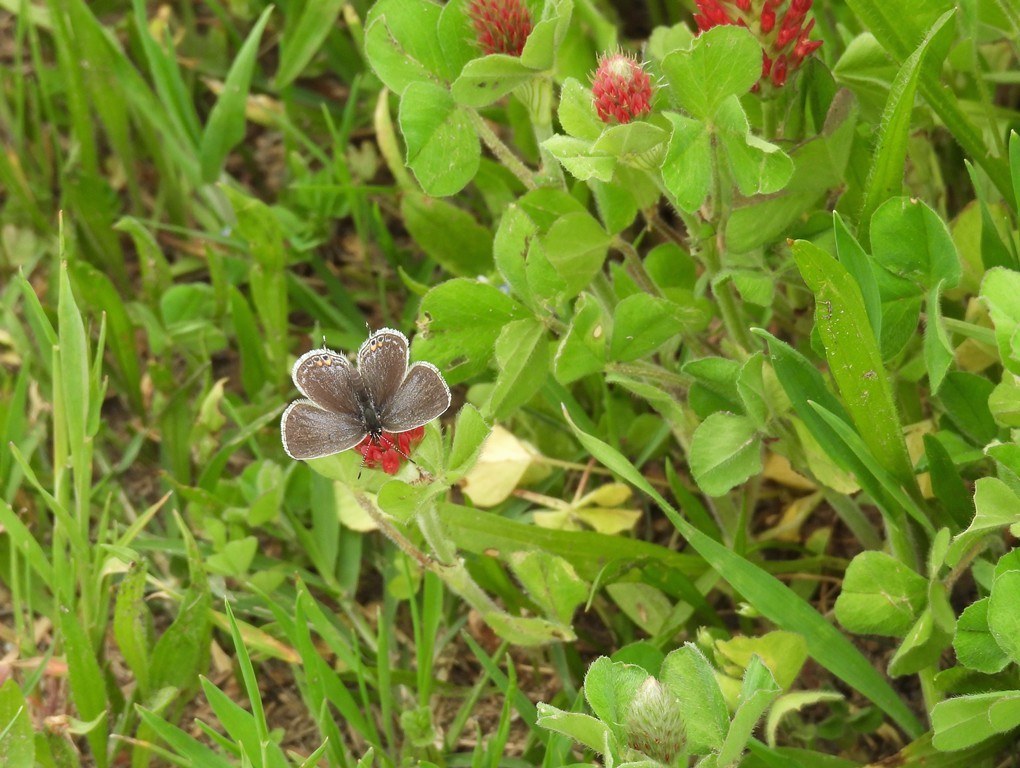
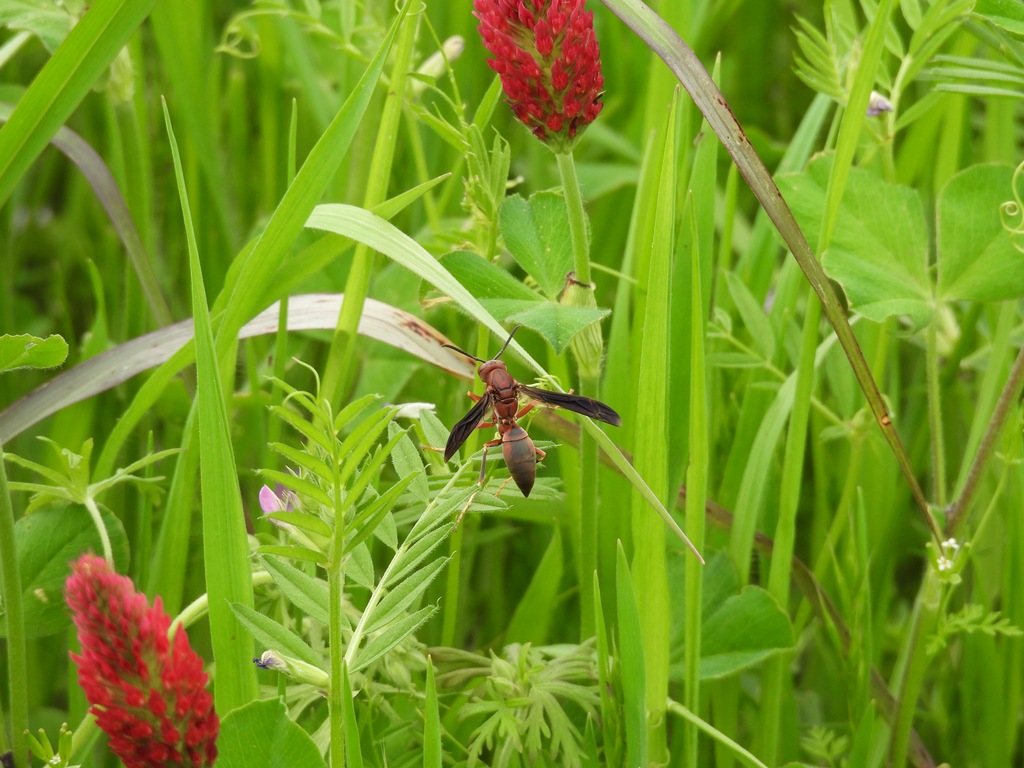
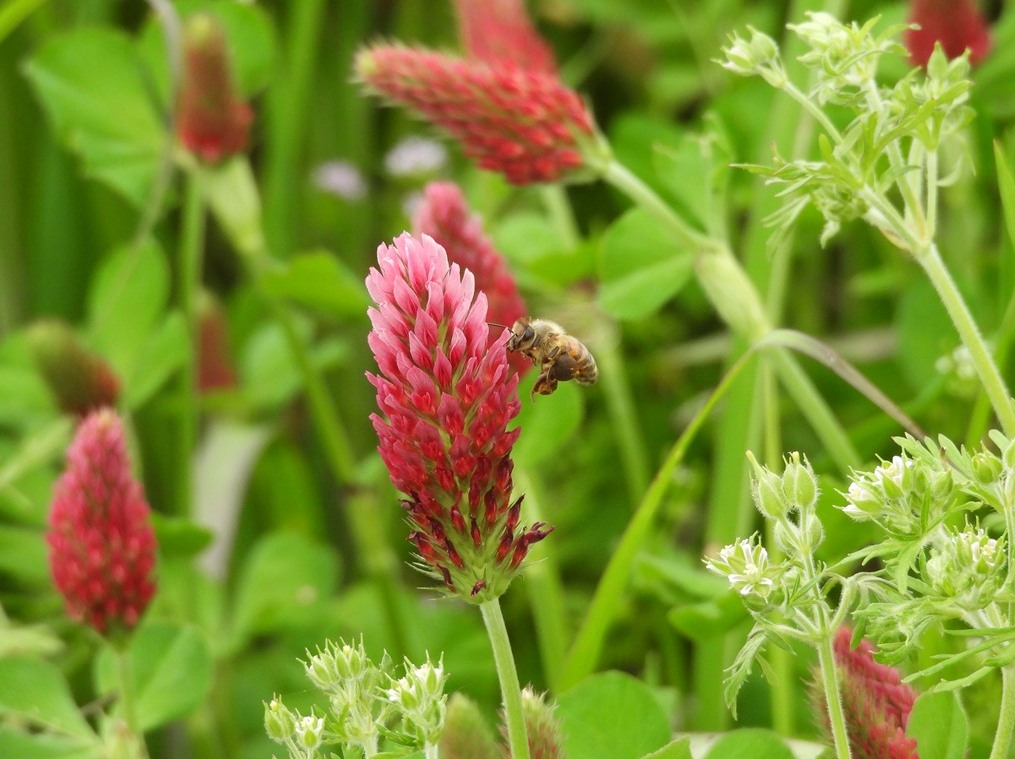
Aside from the calls of red-winged blackbirds nesting in the tall grass, the scenery appeared to be peaceful and uninhabited. Then I began to notice them — all the small, busy insects hiding in plain view among the flowers, including several bees and butterflies hovering to collect nectar and pollen from this valuable source of food.

It was a blessing to see this seasonal spectacle in its full beauty and to observe the serene yet active environment that thrives within this ecosystem.

“The Spring came suddenly, bursting upon the world as a child bursts into a room, with a laugh and a shout and hands full of flowers.” ~Henry Wadsworth Longfellow

“God is an artist of Nature; He paints in colors, so rare, The bursting bud in the Springtime, The lovely trees everywhere …”  ~Gertrude Tooley Buckingham

March Awakenings

Here are a few photos taken around the lake and wildlife refuge in March. It’s always exciting to witness the flowers blooming, the leaves turning green, and the little creatures stirring after their winter rest.

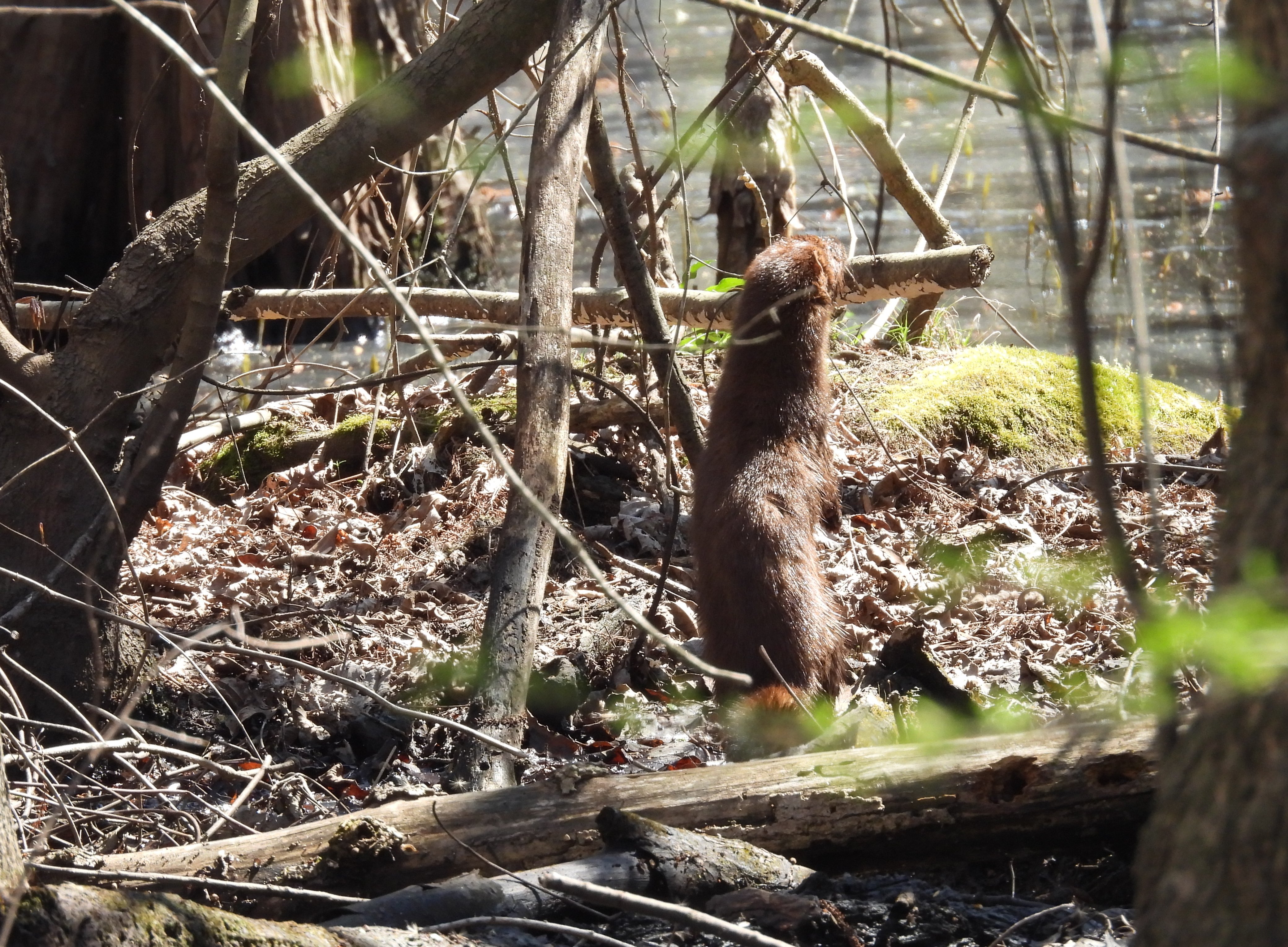
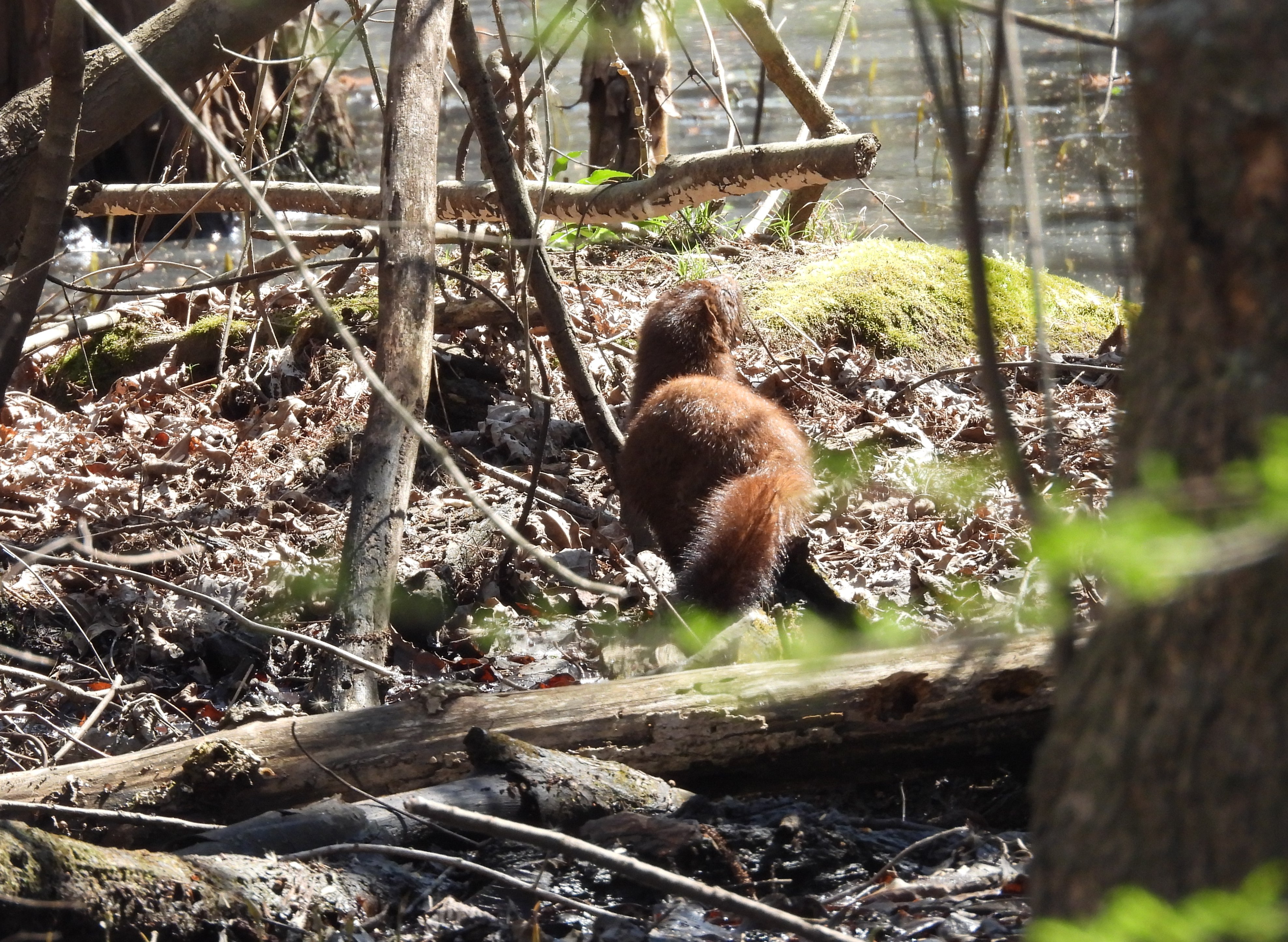
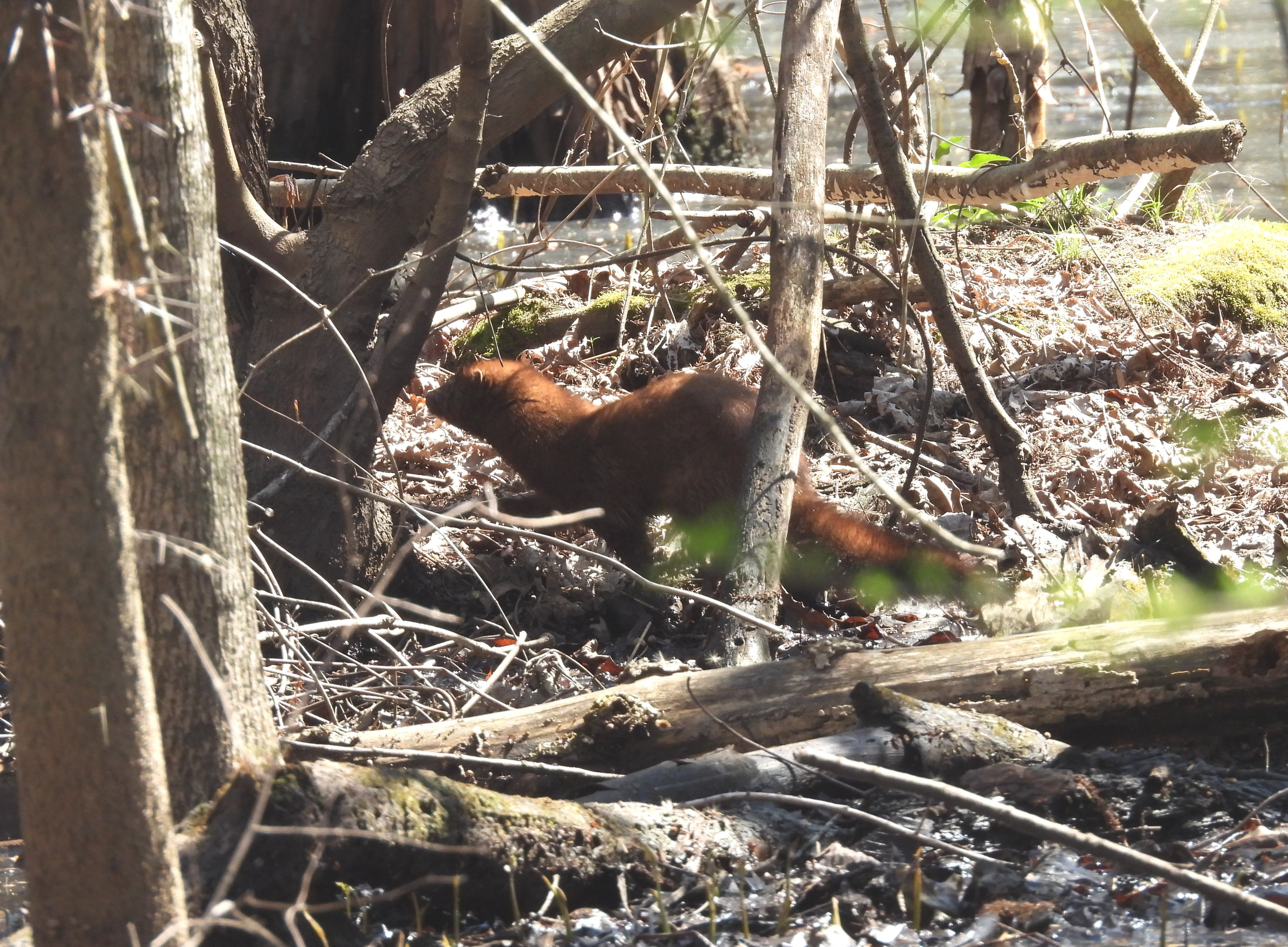
One of my favorite sightings was a mink that ran across the road in front of us and quickly vanished into the swampy woods, showing no inclination to stop for a photograph.

Just as the earth awakens and renews itself in spring, so too Christians celebrate the resurrection of our Savior, Jesus Christ, during this Easter season.

“Our Lord has written the promise of the resurrection, not in books alone, but in every leaf in spring-time.” ~Martin Luther

A Splash of Color

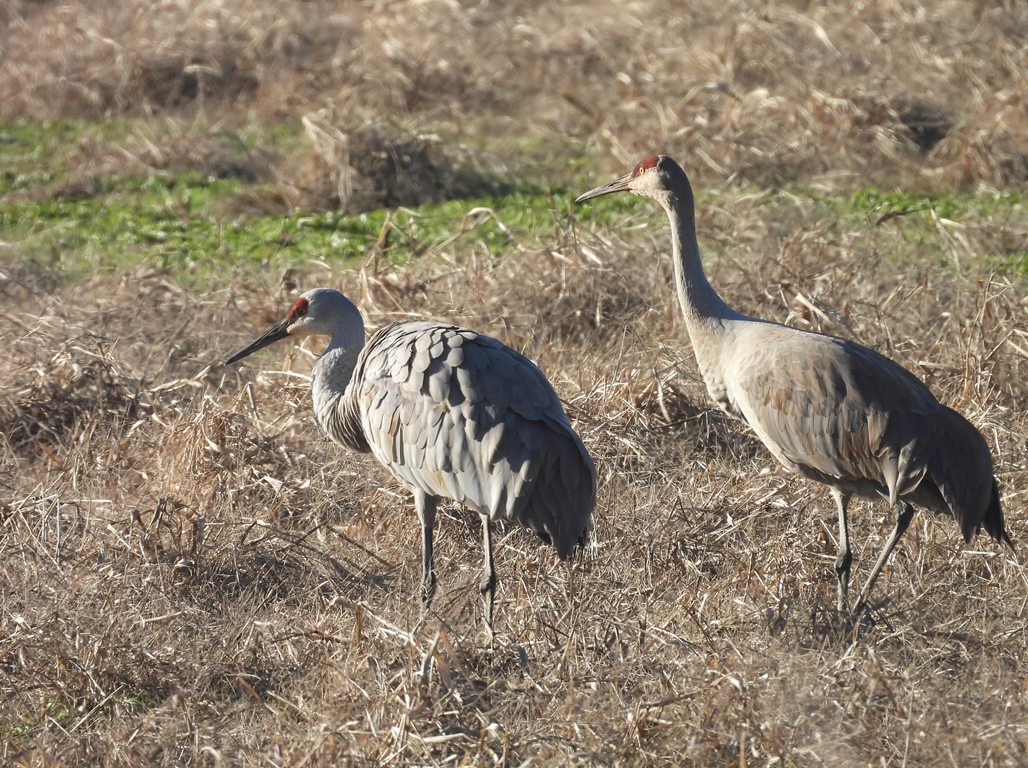
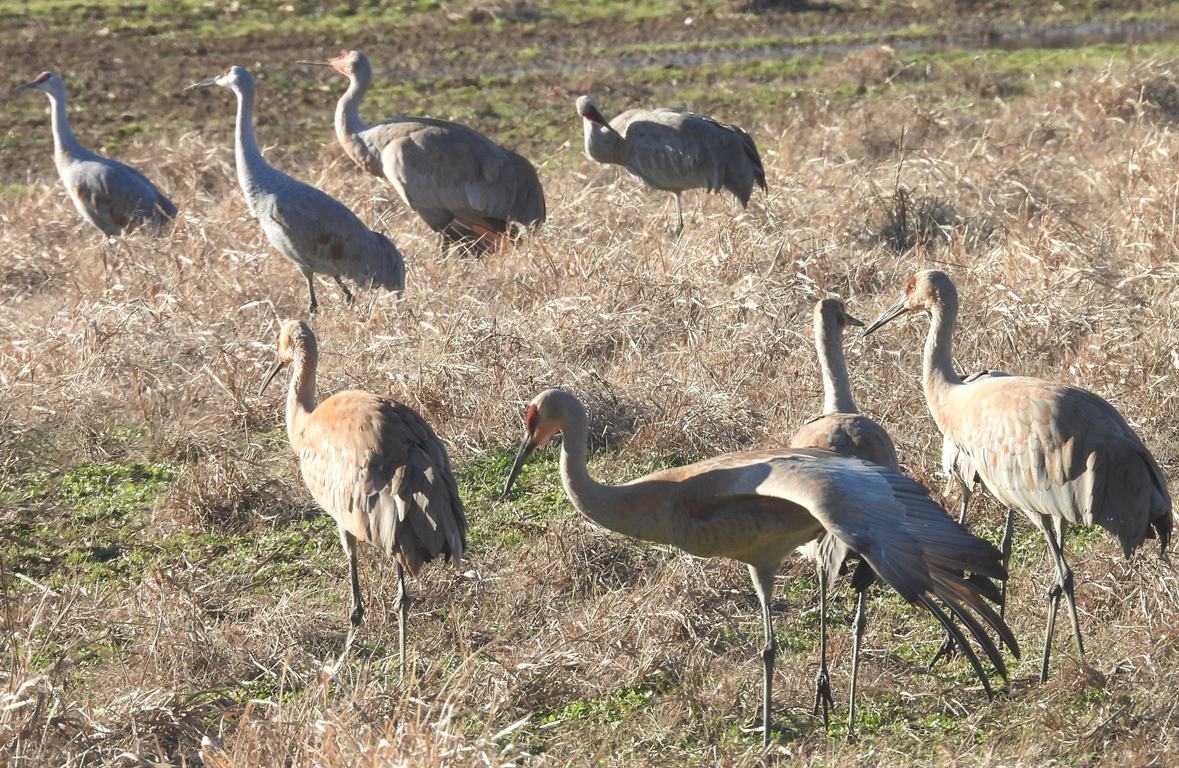
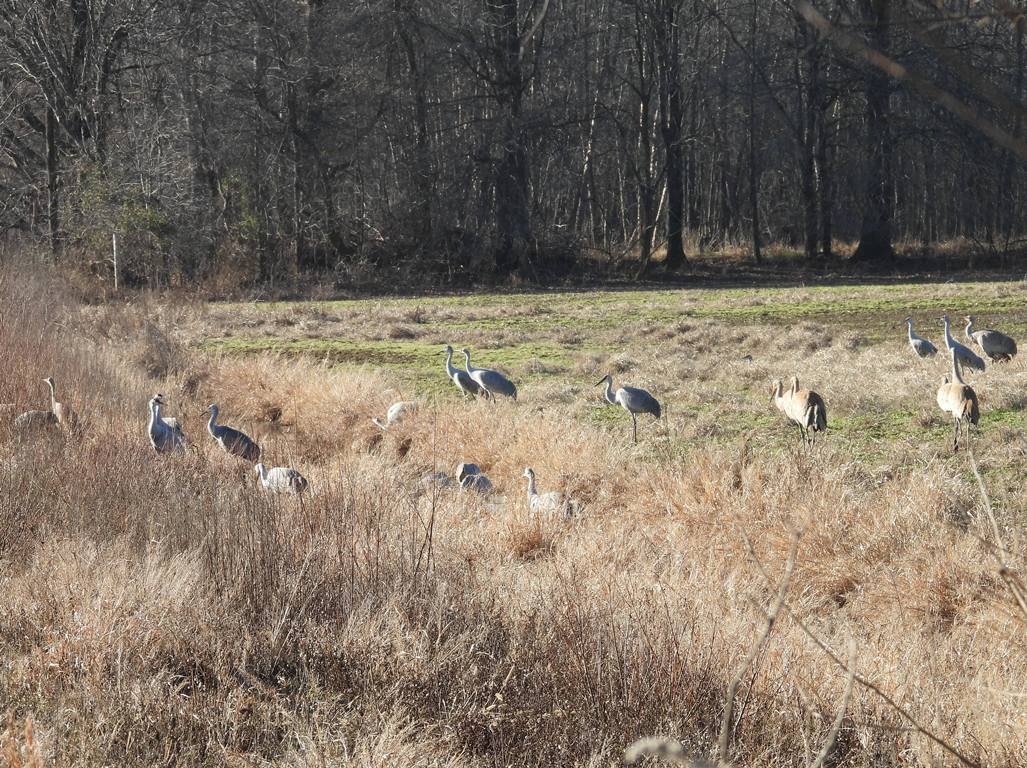
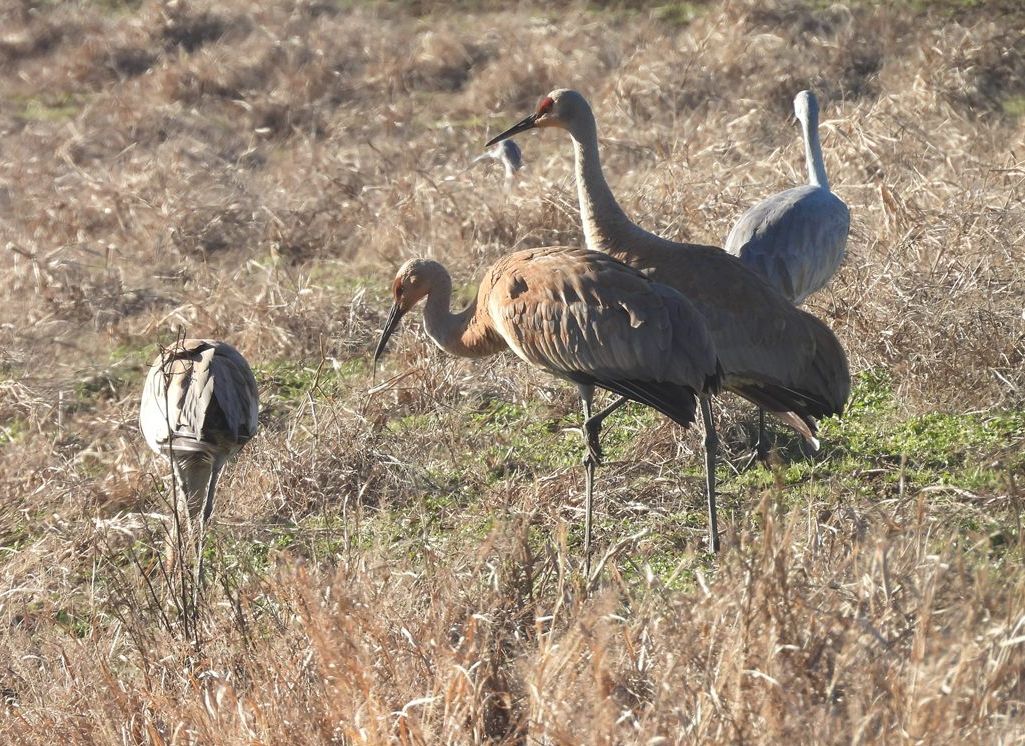
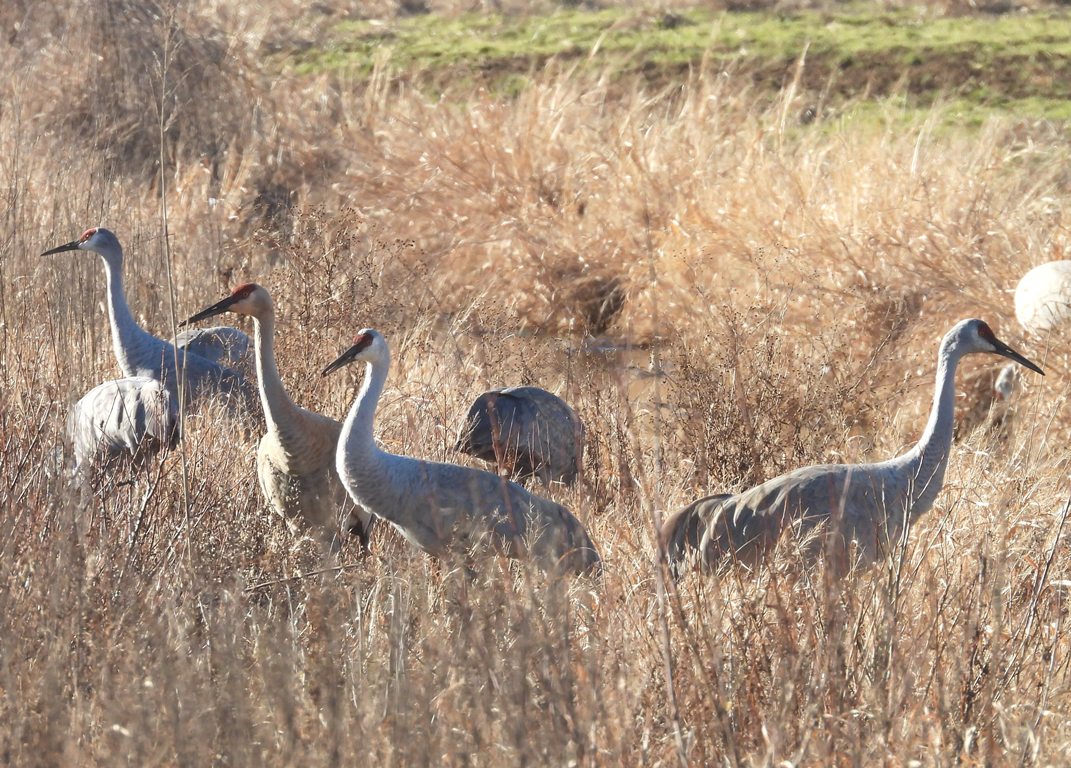
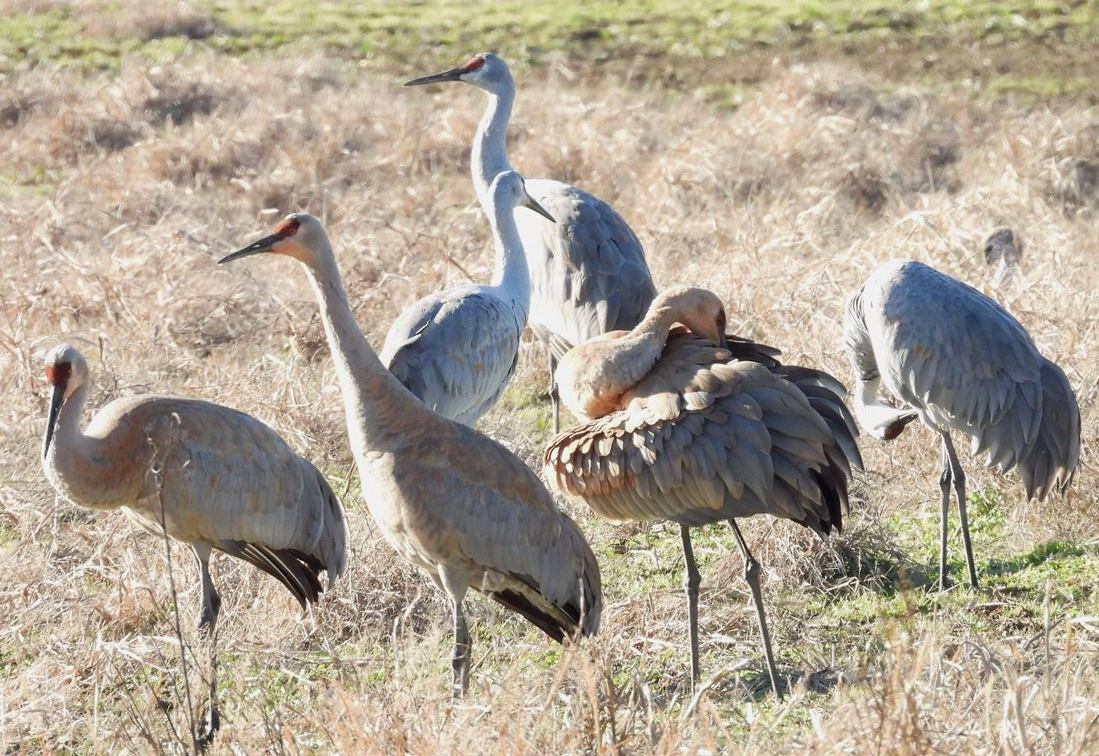
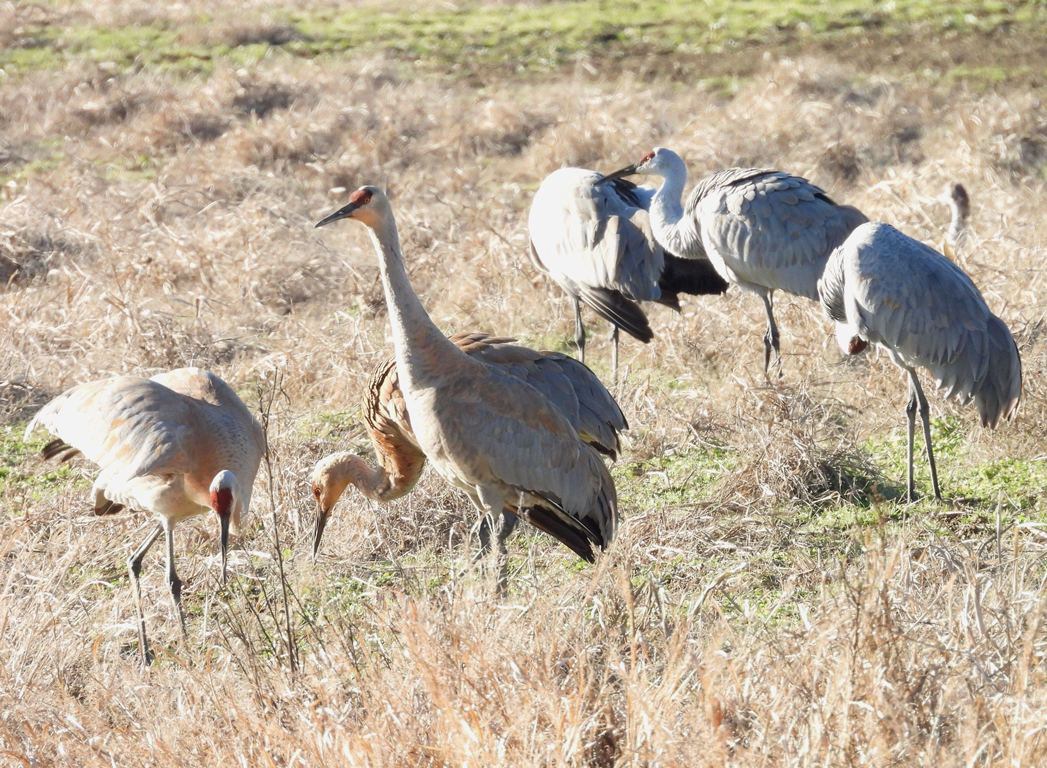
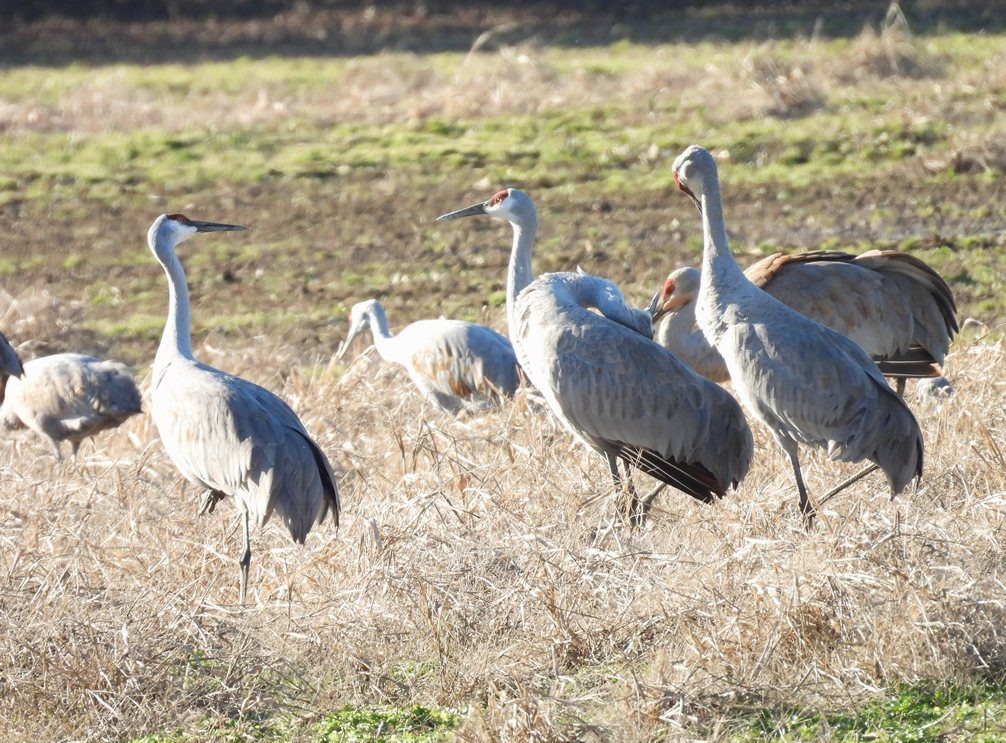
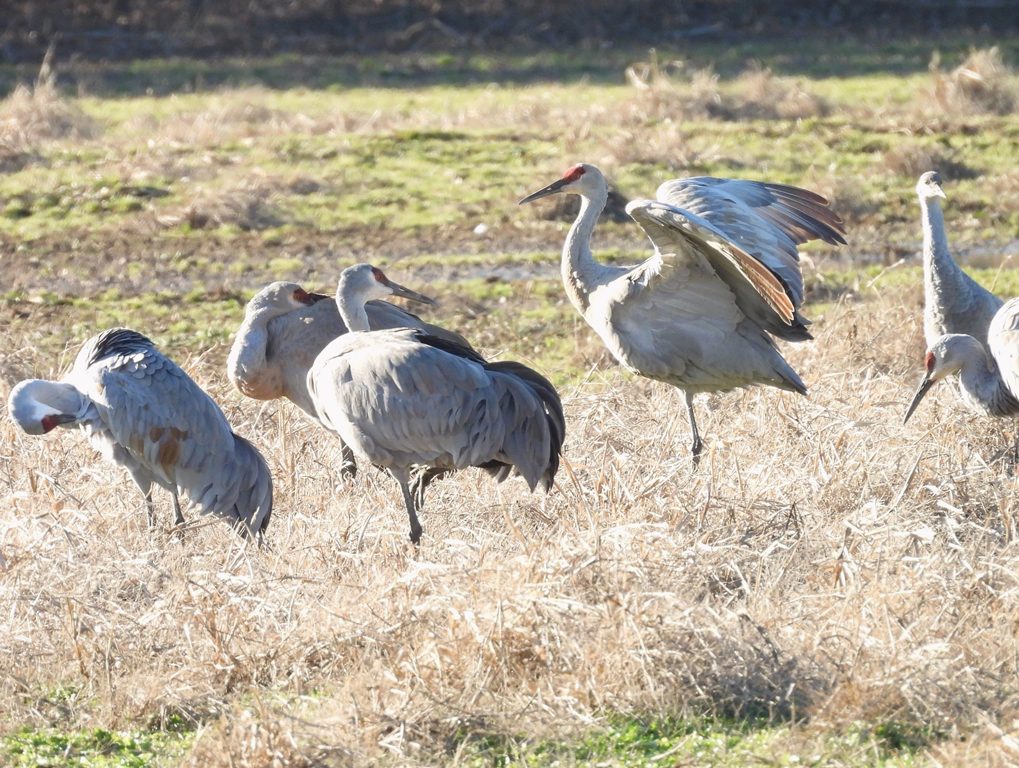
A group of Sandhill Cranes spent the winter at a nearby refuge, giving us the chance to see them during their stay.

Notice the rusty tint on some of these cranes’ feathers. Sometimes they stain their gray feathers with iron-rich mud during preening, resulting in this rusty coloration. Though it is not known exactly why this is done, various theories suggest that it may help with camouflage, enhance their appearance during mating season, serve as an alternative to dust bathing, or assist in controlling feather parasites. Regardless of the reason, this splash of color adds an interesting touch to their ash-gray feathers.


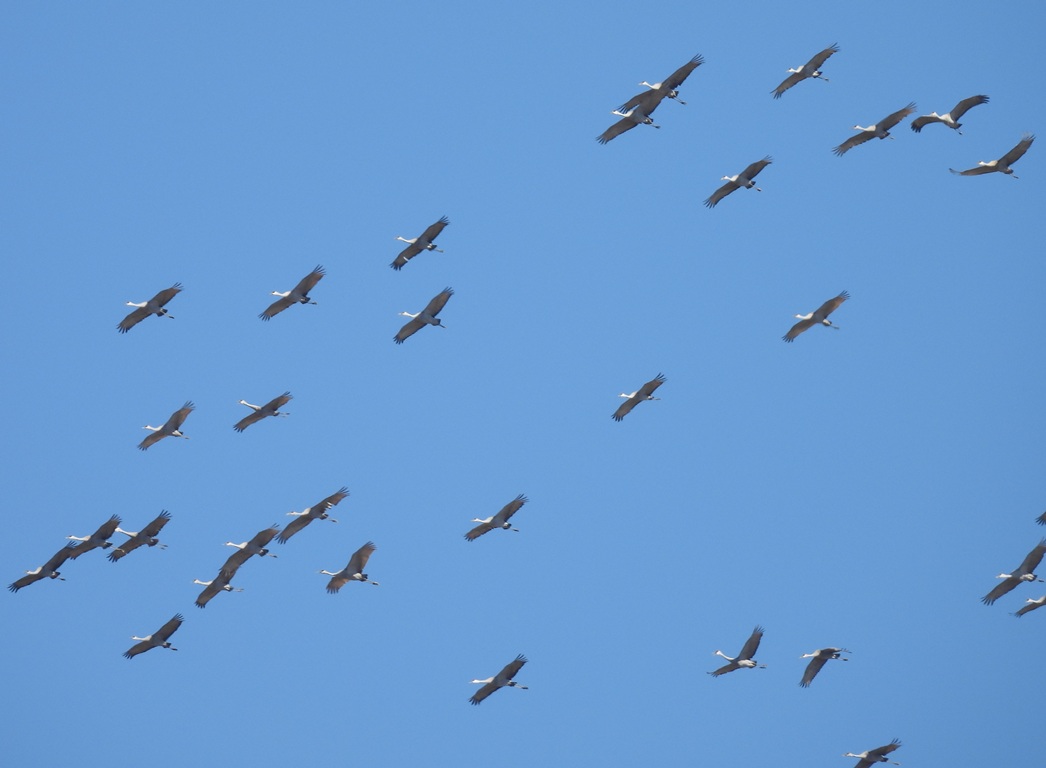
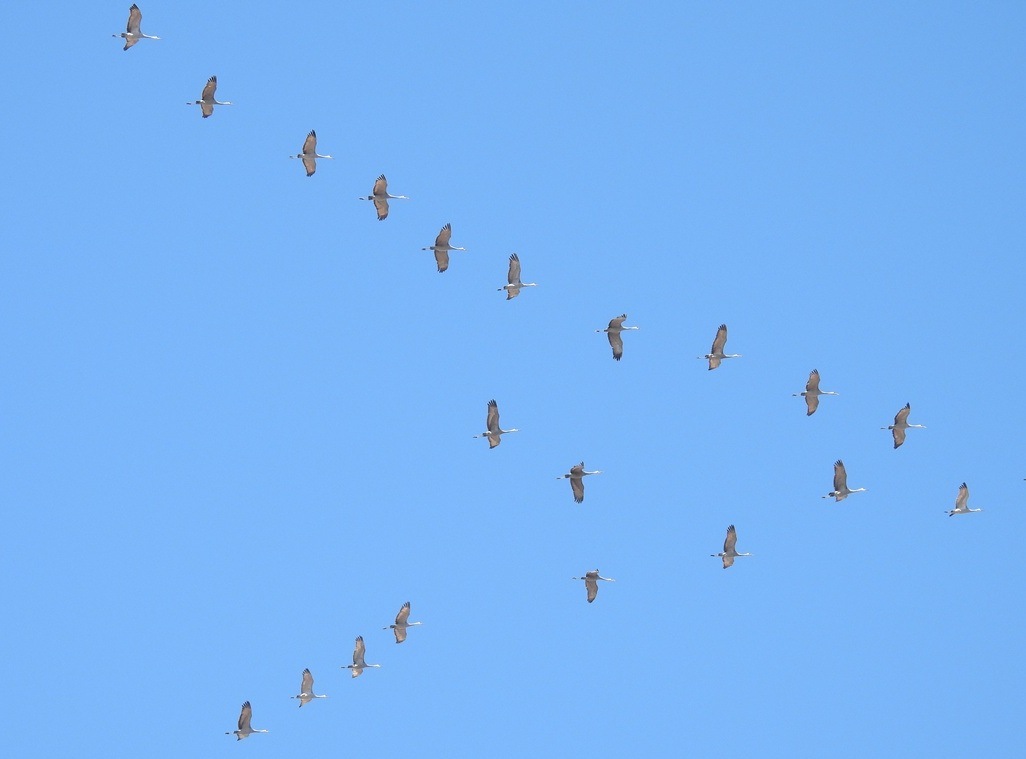
Below are a couple of photos of Sandhill Cranes we spotted flying over the fields near our house.


“When melodies dance and colors splash, the world becomes a little less gray.” ~Unknown

Credits: https://blog.nature.org/2024/03/20/did-you-know-sandhill-cranes-dye-their-feathers/

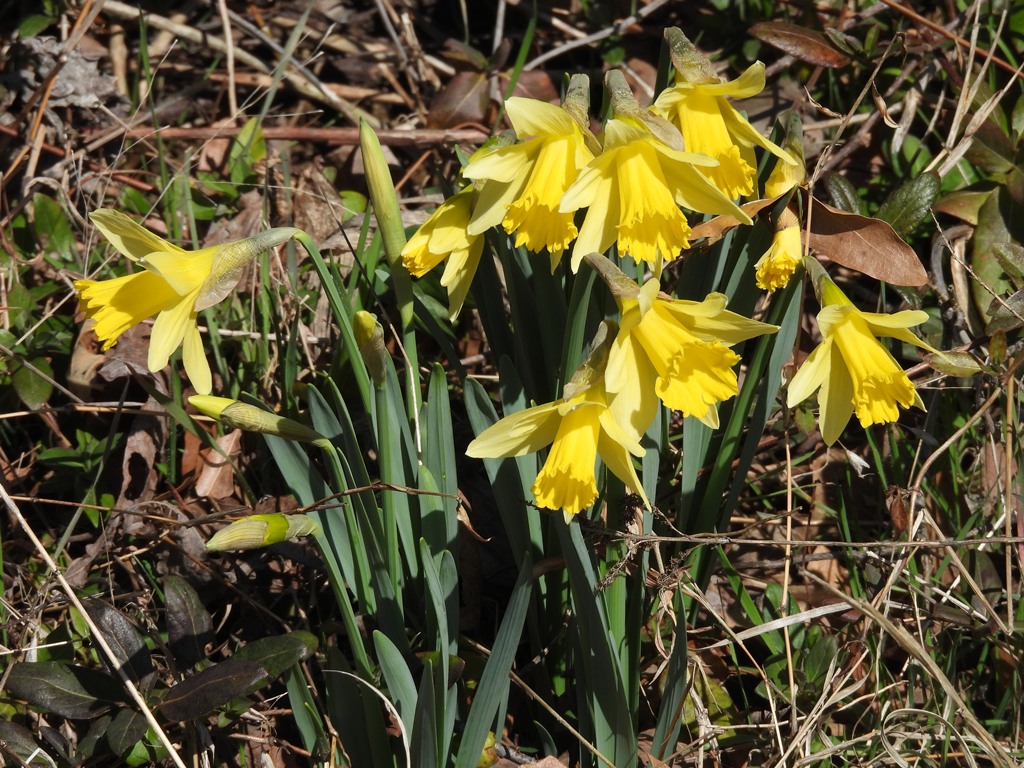
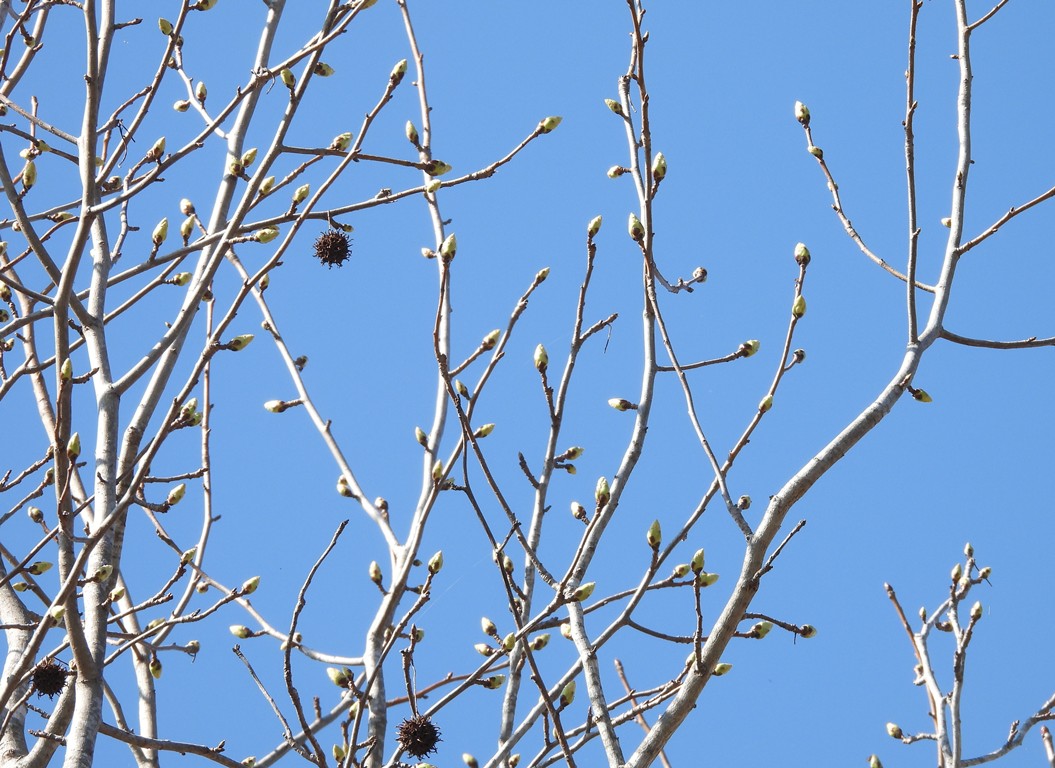
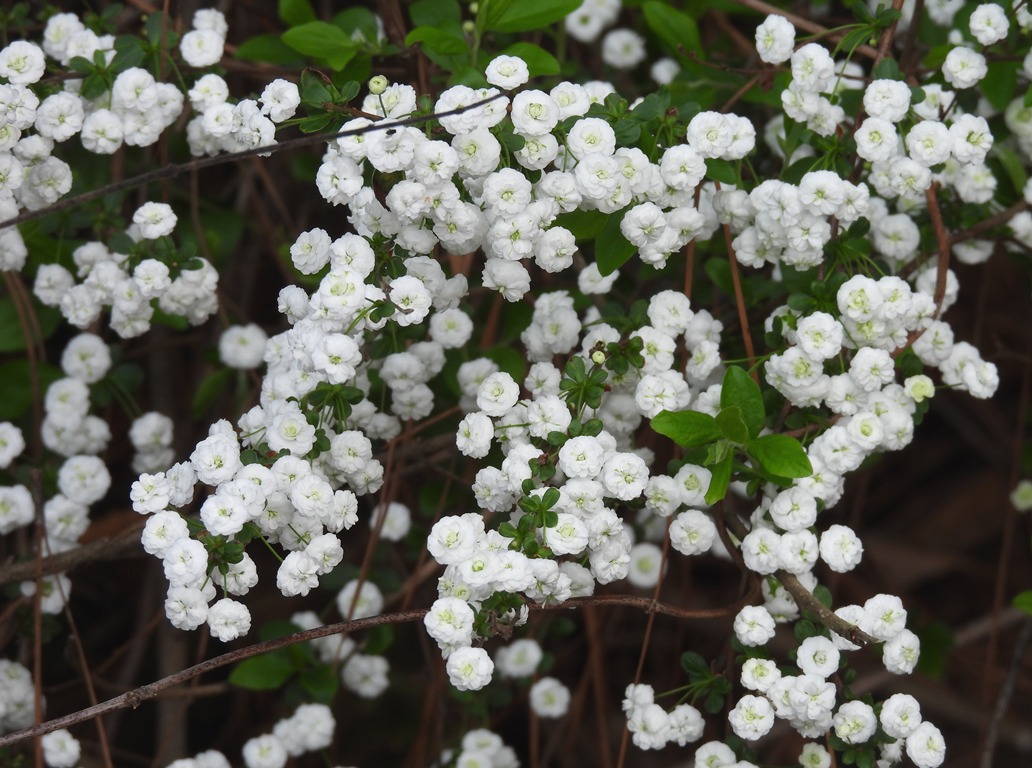
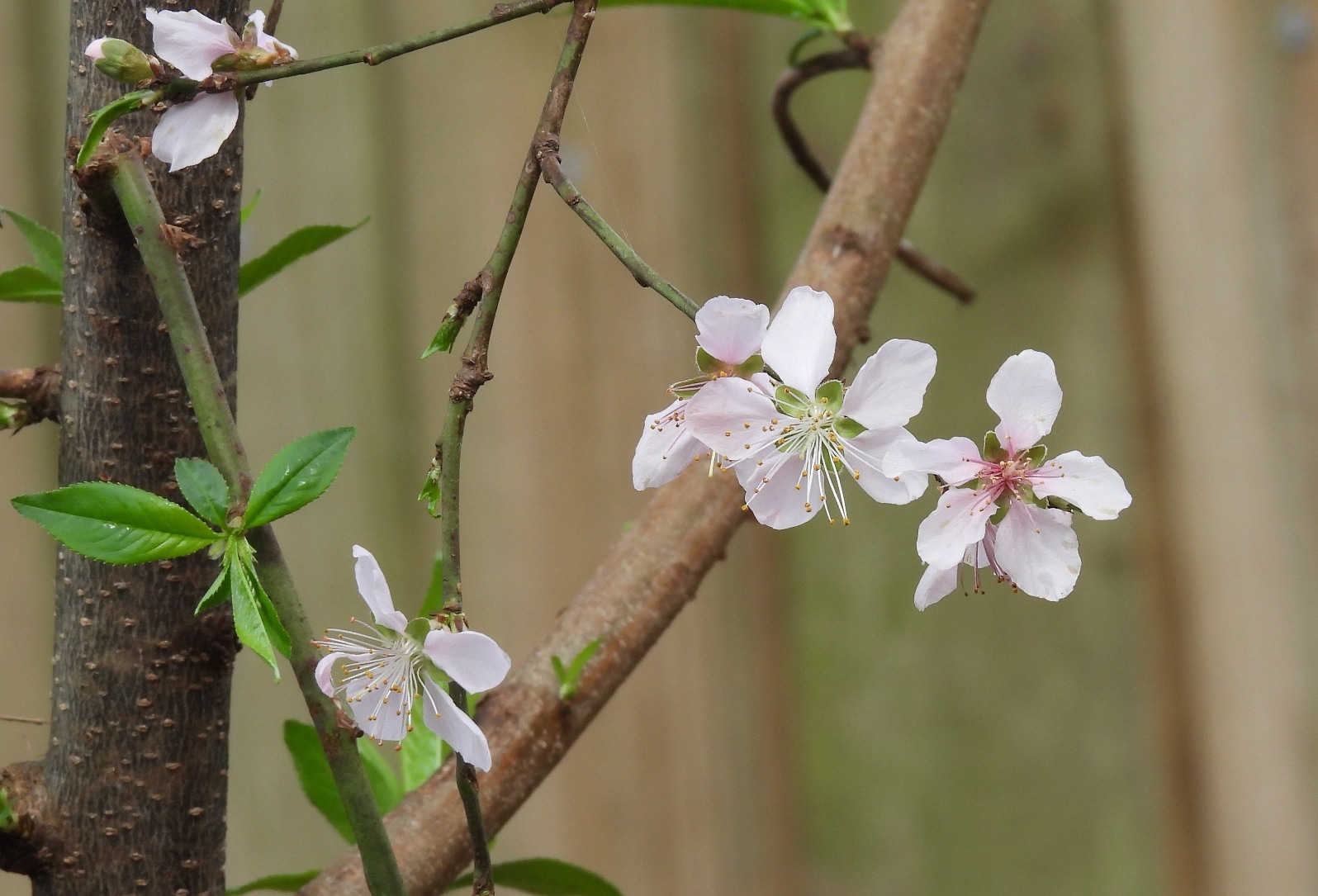
A Hint of Spring

Every day presents fresh indications that spring is right around the corner, filling the heart with thankfulness and joy for every new blessing that appears. Unfortunately, winter isn’t quite ready to relinquish its reign just yet. We hope the little plants can hold on as winter makes another appearance and the cold temperatures return next week.

“And just like that … winter opened cold bleary eyes to the newborn colors of spring.”  ~Angie Weiland-Crosby

“Every gardener knows that under the cloak of winter lies a miracle.” ~Barbara Winkler

“The flowers of late winter and early spring occupy places in our hearts well out of proportion to their size.”  ~Gertrude S. Wister

White Blossoms falling, falling from on high
Before the bitter Winter has gone past,
Can it perchance be that beyond the Sky
The Spring — the longed for Spring has come at last.

~Shotaro Kimura and Charlotte M. A. Peake

The Eagles Have Landed in the Ospreys’ Nest

We enjoy watching a pair of ospreys that have built their nest in a cypress tree out on the lake, where they have spent their summers for the past several years.

By late autumn, the ospreys have migrated and the nest sits vacant, waiting for their return in the spring.

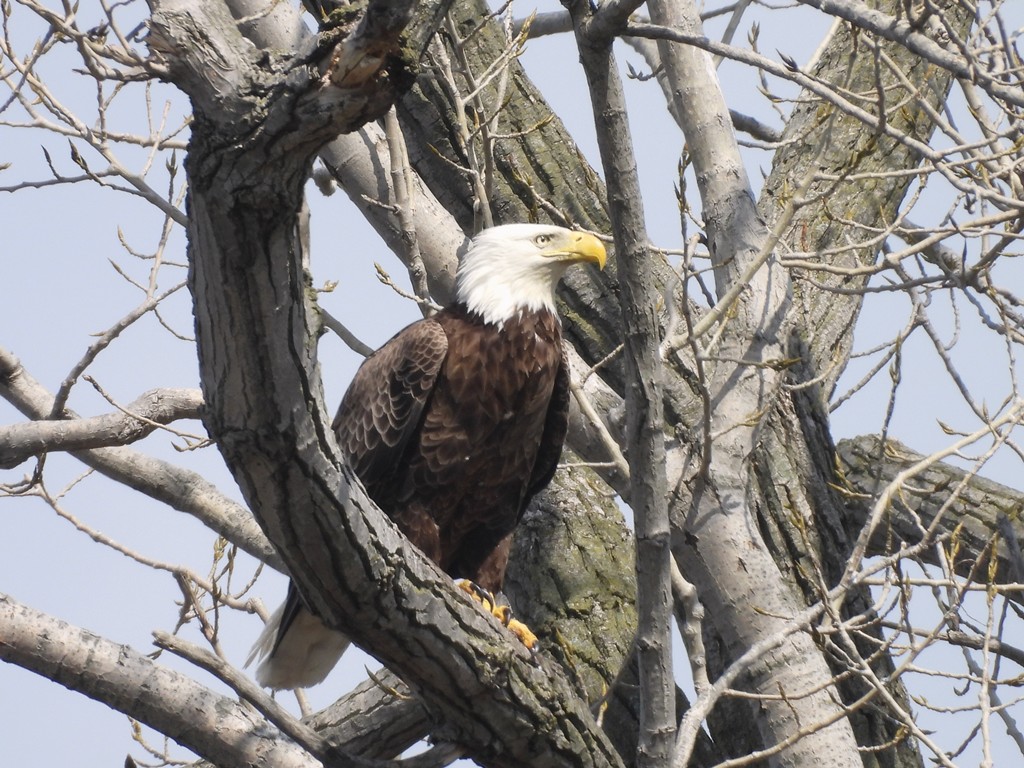
So, it was a surprise recently when we looked out and saw two black and white birds sitting snuggly in the nest.  It was a pair of bald eagles making themselves very much at home in the osprey’s nest.  One of the eagles had been hunting and had just returned with a small fish for its lunch.

Houses are really quite odd things. They have almost no universally defining qualities: they can be of practically any shape, incorporate virtually any material, be of almost any size. Yet wherever we go in the world we recognize domesticity the moment we see it.” ~Bill Bryson