Nature’s Serenade

“Nature is the song of praise that never stops singing.” ~Richard Rohr

As summer fades into autumn, we often reflect on the season’s defining characteristics. This past summer, marked by relentless heat waves, soaring humidity, and an unusual scarcity of rain, may not be one we will long to revisit. Yet, amid these harsh conditions, one aspect of summer’s charm was quietly captivating for me — the familiar “country road serenade” which filled the air during our evening walks. This music both tickled the ears and was comforting to the soul.
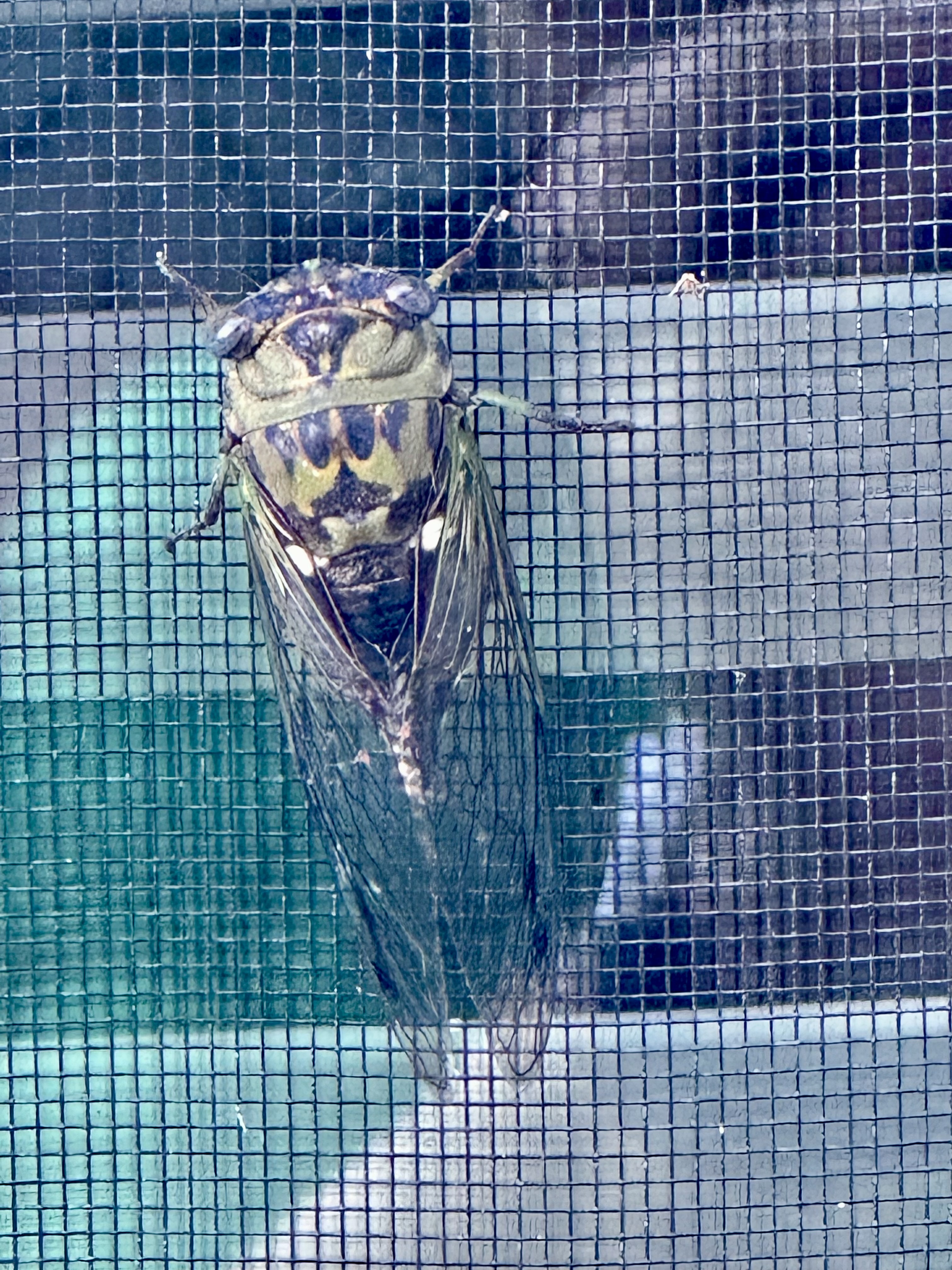
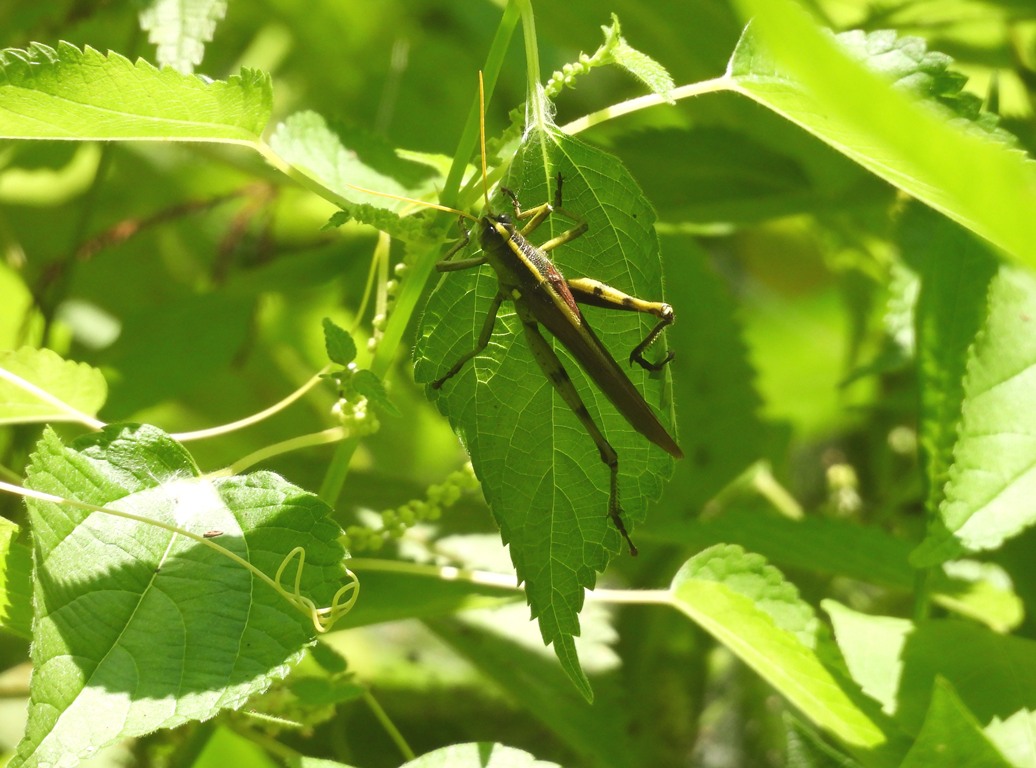
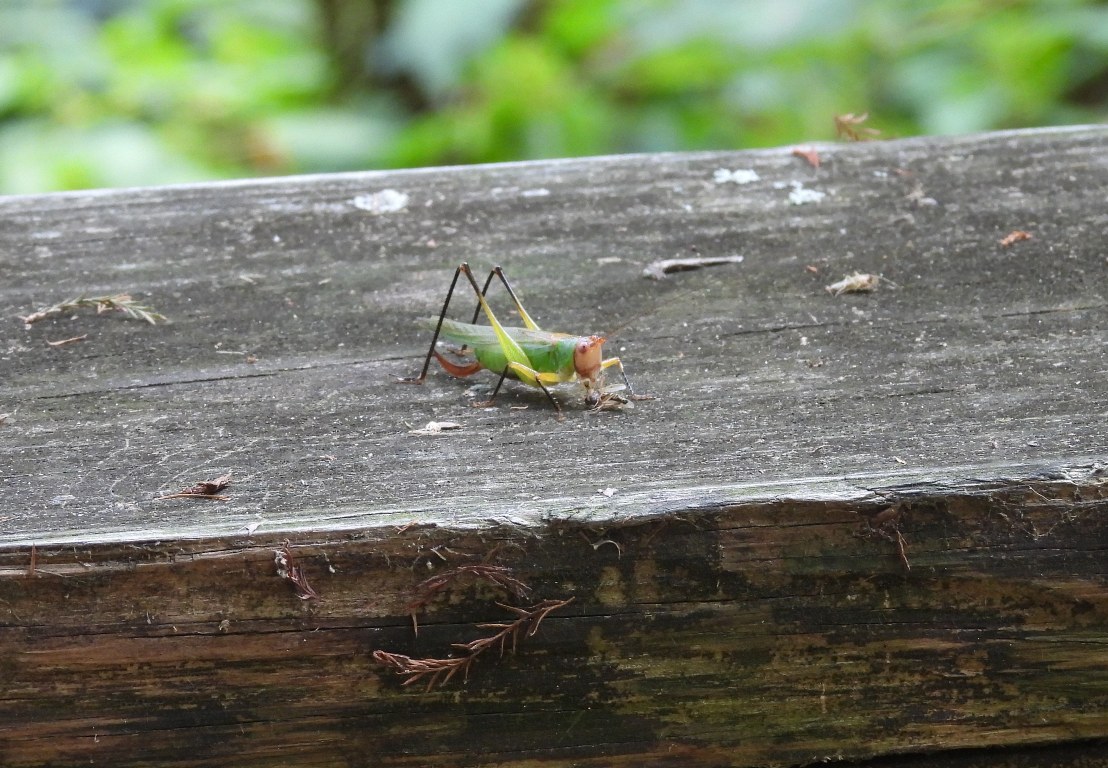
The soundscape of summer is rich and complex – ever present in the background but often overlooked. Cicadas buzzing, crickets chirping, bees humming, along with countless other insects, creating a natural orchestra that blends in with the frog croaks, bird chirps and even the rustle of the wind. Yet, these sounds are more than mere background noise; they evoke a sense of connection to nature and offer a soothing, restorative experience for those who pause to listen.

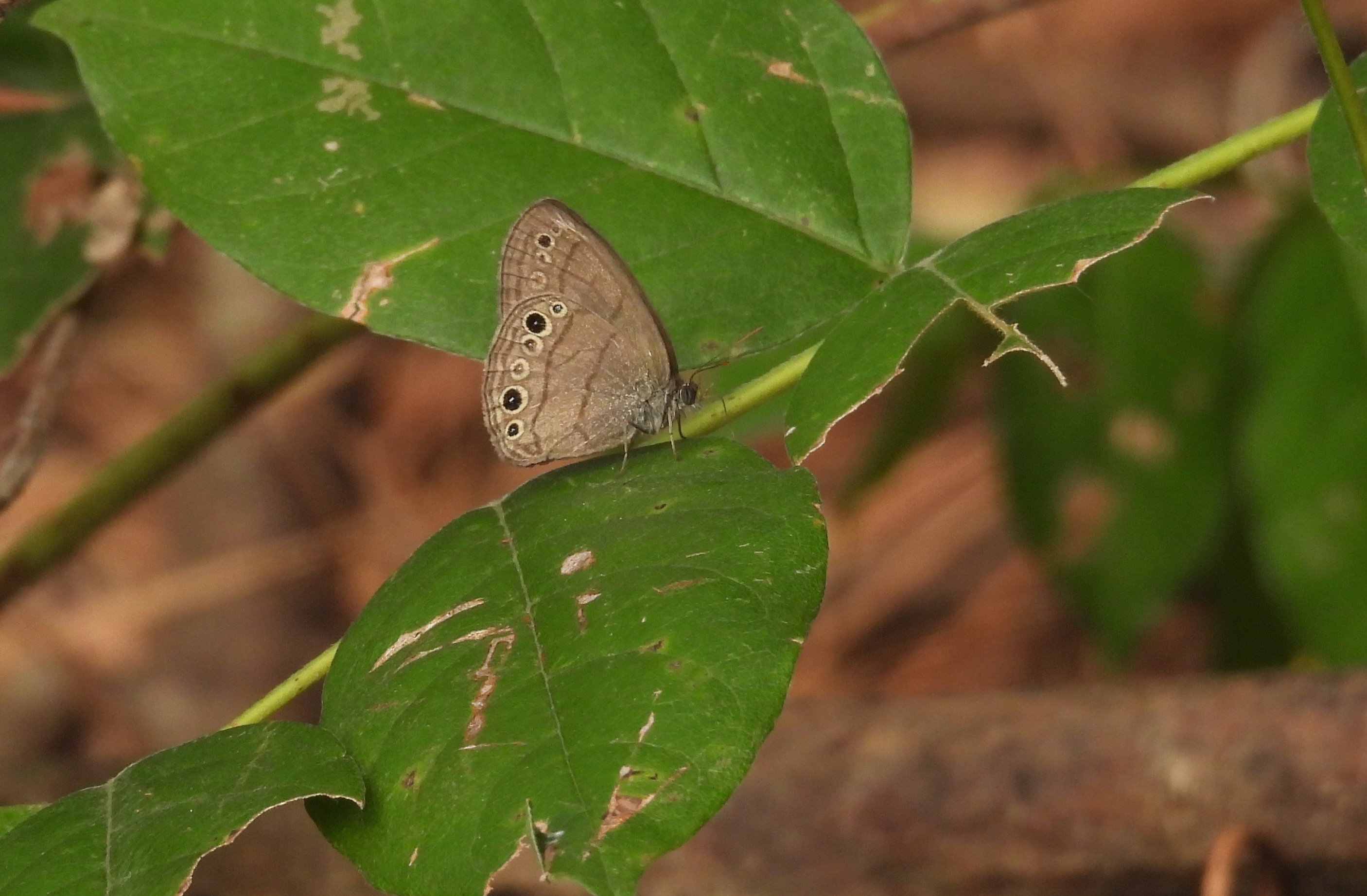
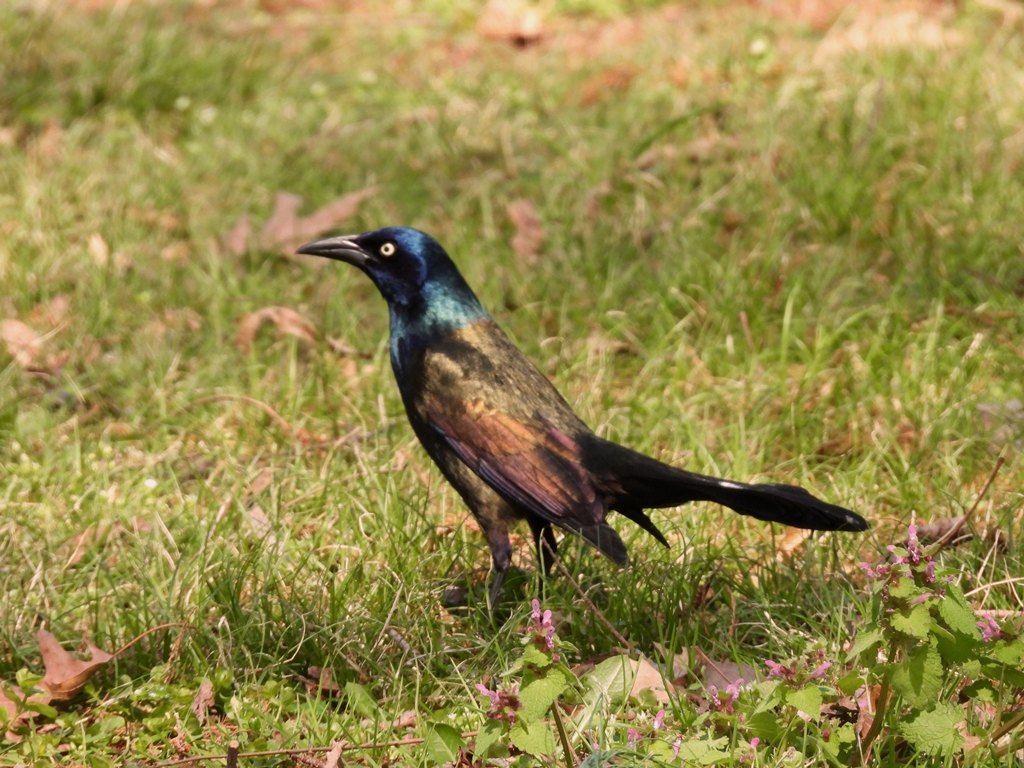
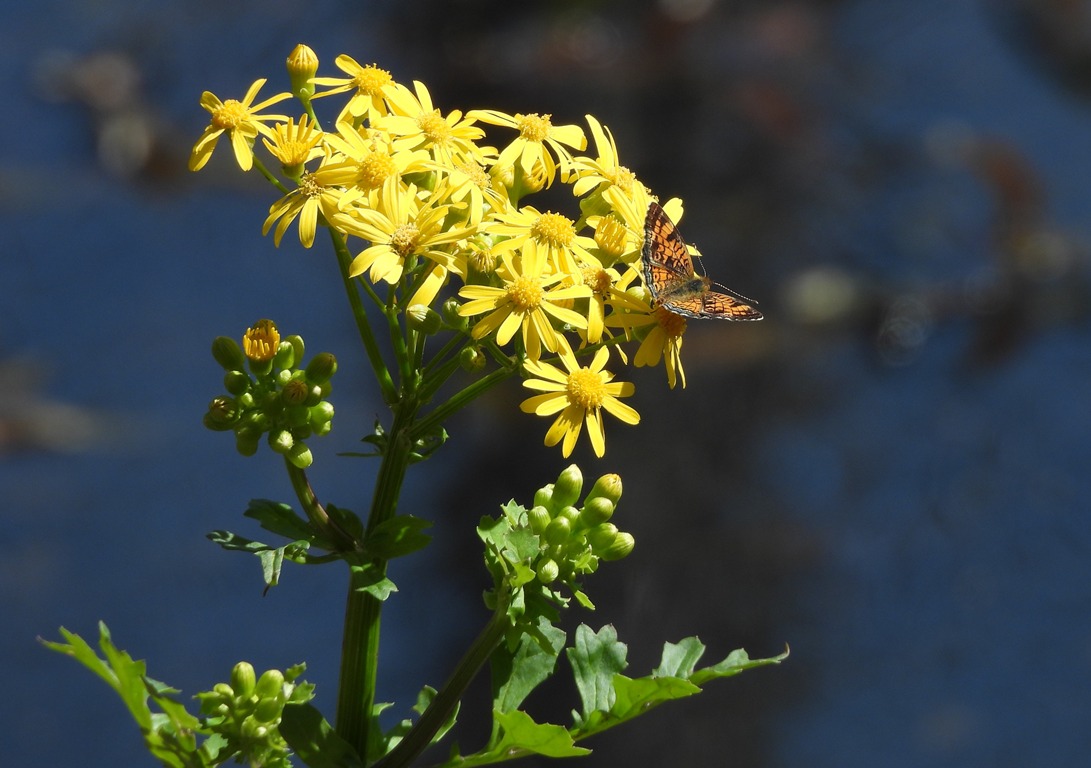
Nature’s music, accompanied by the beautiful visual effects of butterflies floating through the air and alighting upon an assortment of vibrant wildflowers, blue birds gossiping on telephone lines and house martins and bats swooping through the air, all enhance and compliment the performance.
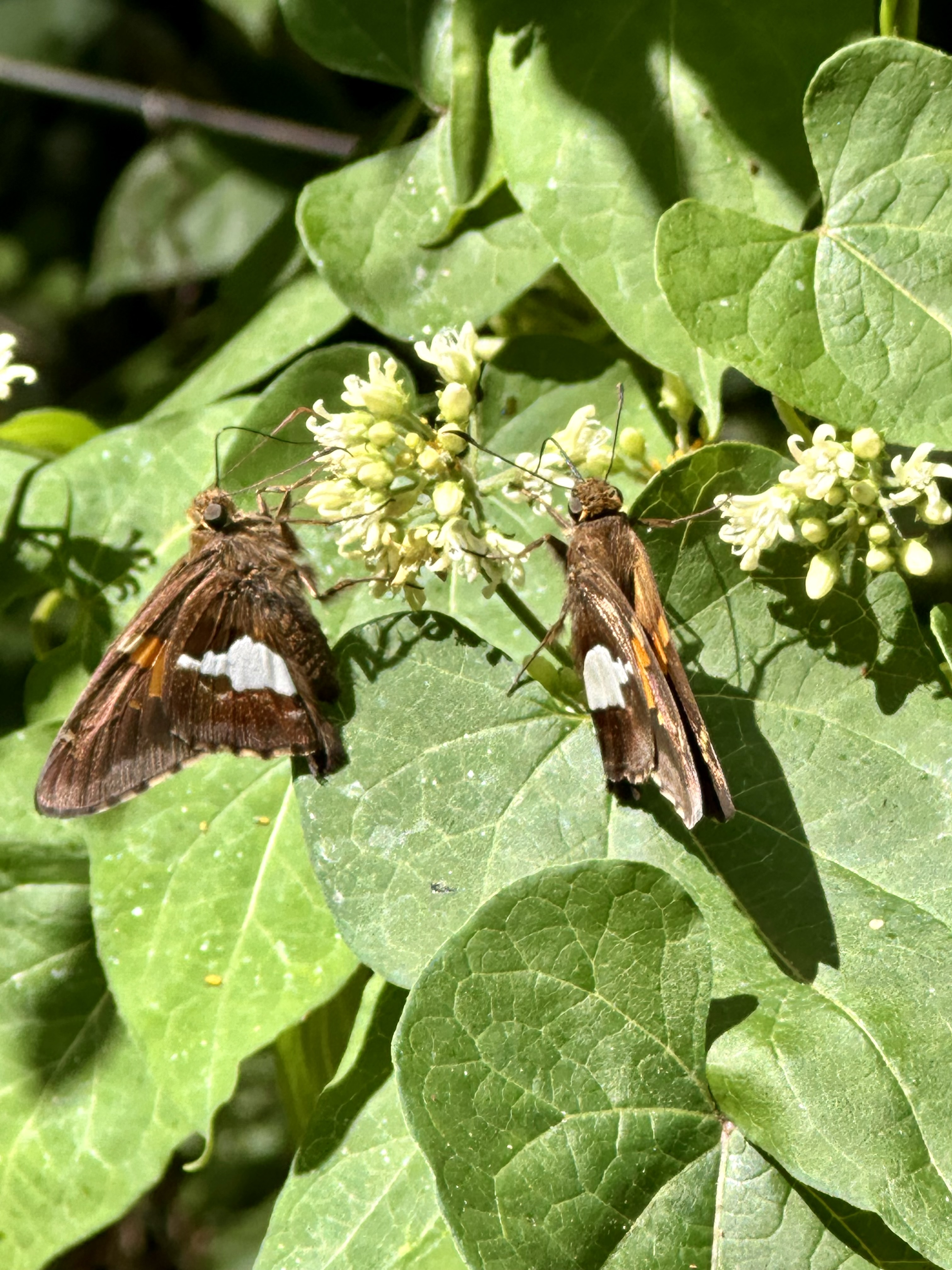
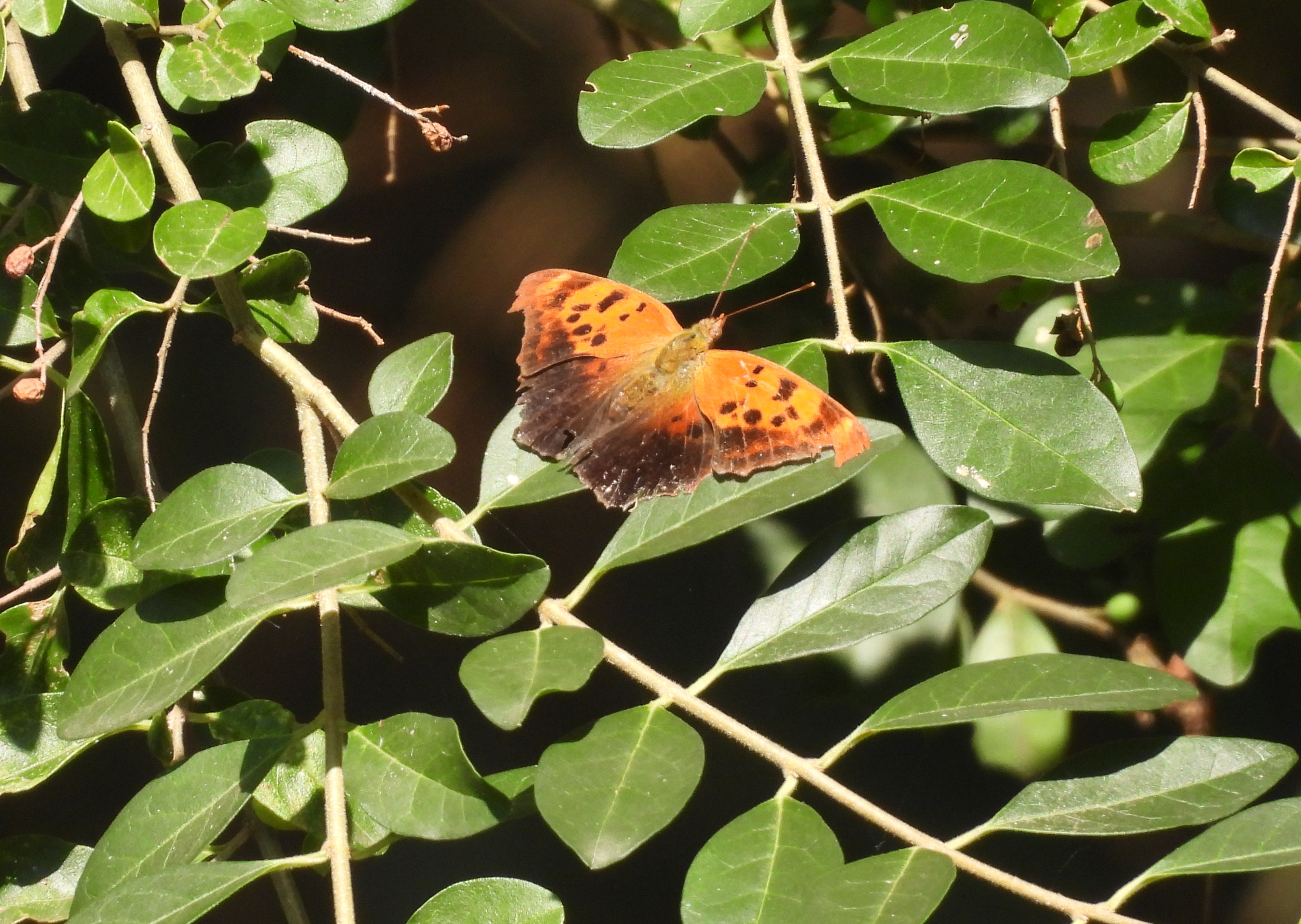
As summer fades and temperatures drop, this familiar symphony has begun to wane. The insects are retreating, the frogs growing quiet, and some of the birds migrating for the season. What has replaced this lively soundtrack is a surprising stillness that feels eerily quiet.
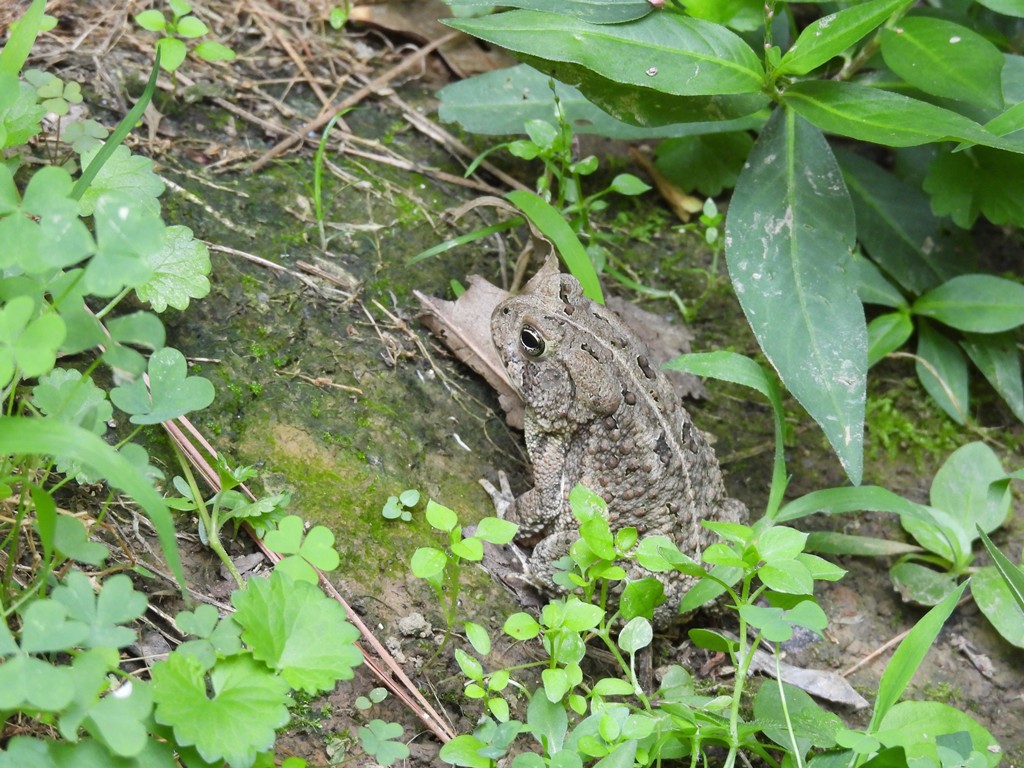
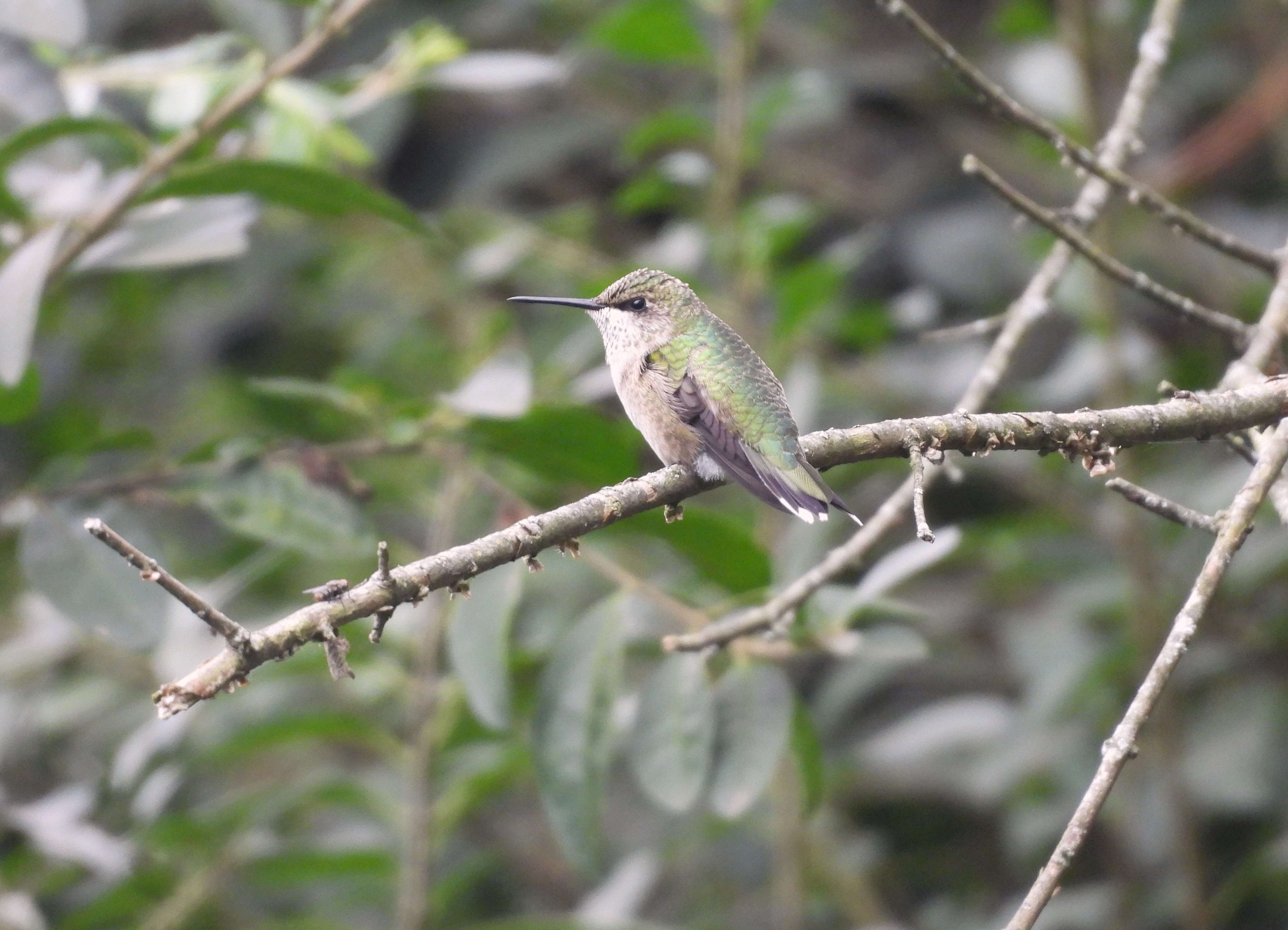
Though we may not regret leaving behind the oppressive heat and humidity, the gradual disappearance of these natural sounds reminds us of the subtle beauty in the details of each season. Nature’s chorus, short-lived yet enchanting, is a treasured memory of summer’s presence. As we bid farewell to this acoustic combination, we anticipate the distinct sounds and sensations that autumn will bring, embracing change as an essential part of the natural cycle.

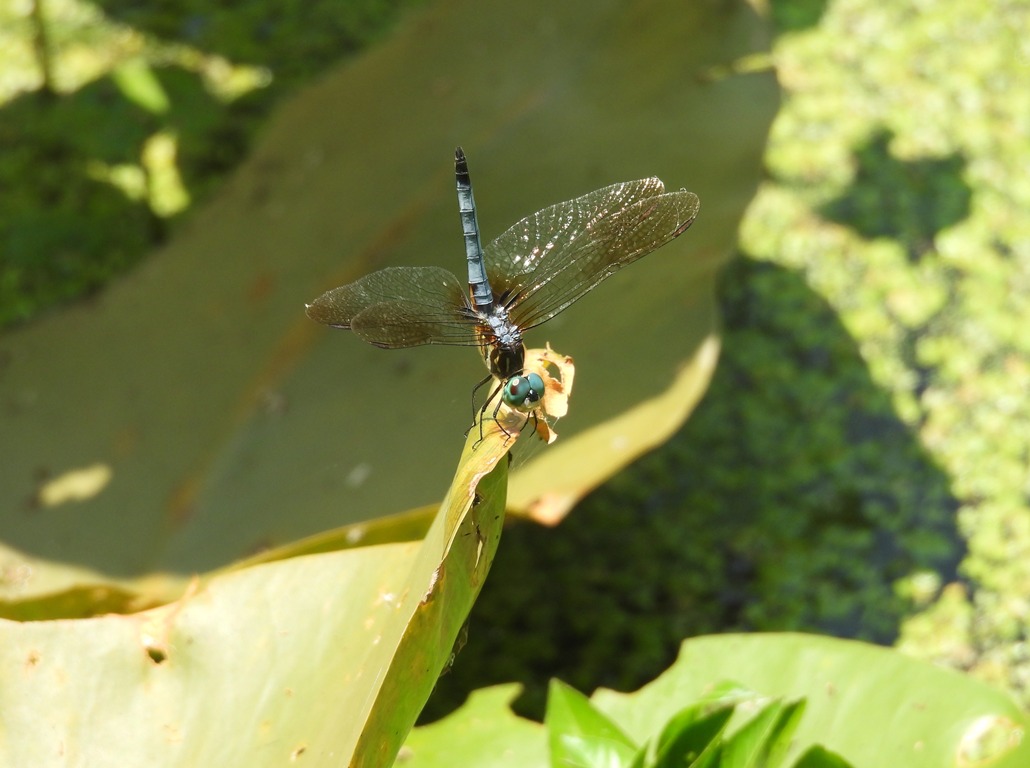
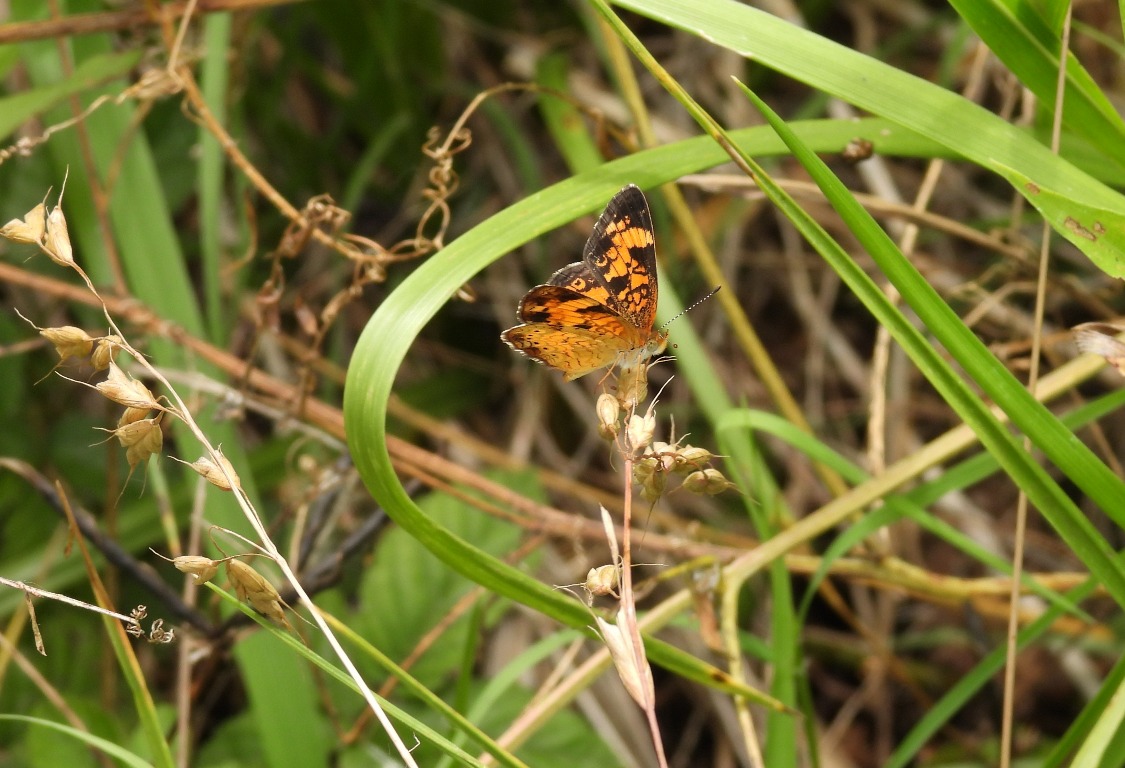
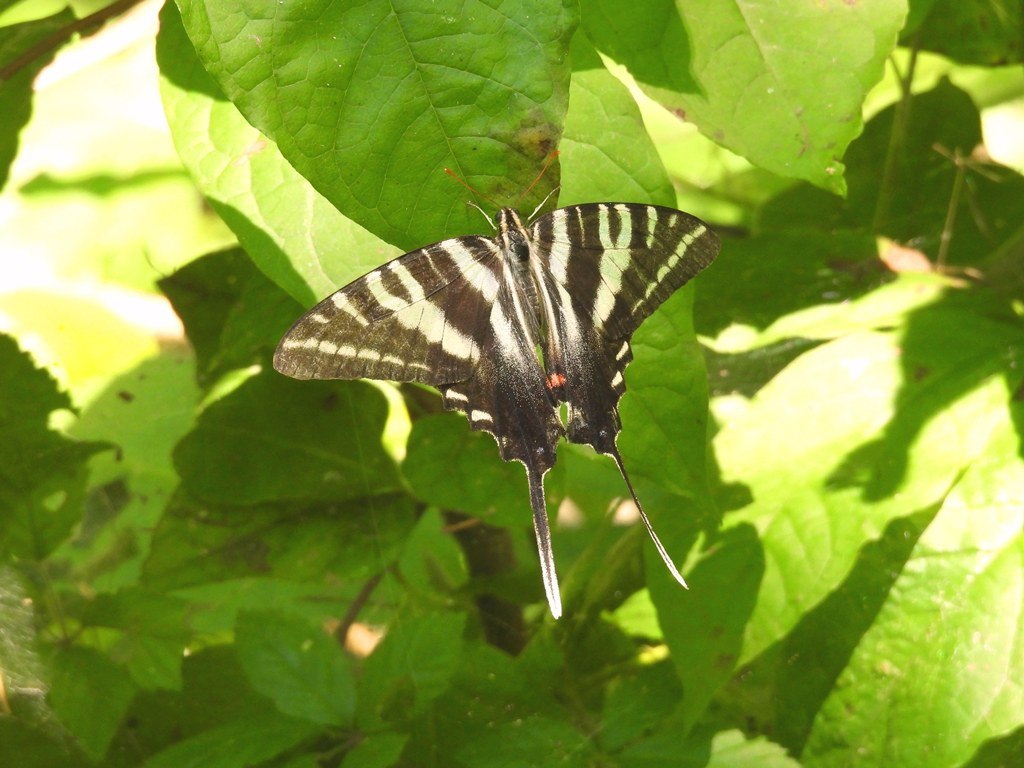
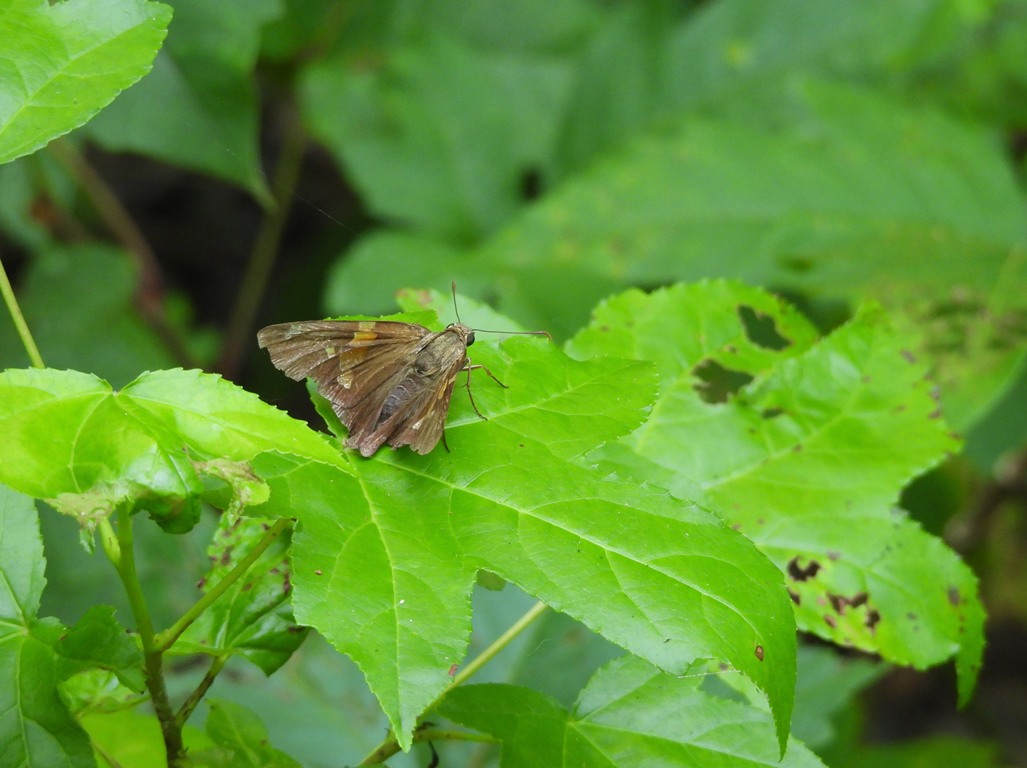
Below is a sampling of our country road seranade:

“I listen to the summer symphony outside my window. Truthfully, it’s not a symphony at all. There’s no tune, no melody, only the same notes over and over. Chirps and tweets and trills and burples. It’s as if the insect orchestra is forever tuning its instruments, forever waiting for the maestro to tap his baton and bring them to order. I, for one, hope the maestro never comes. I love the music mess of it.” ~Jerry Spinelli

A World of Small Things

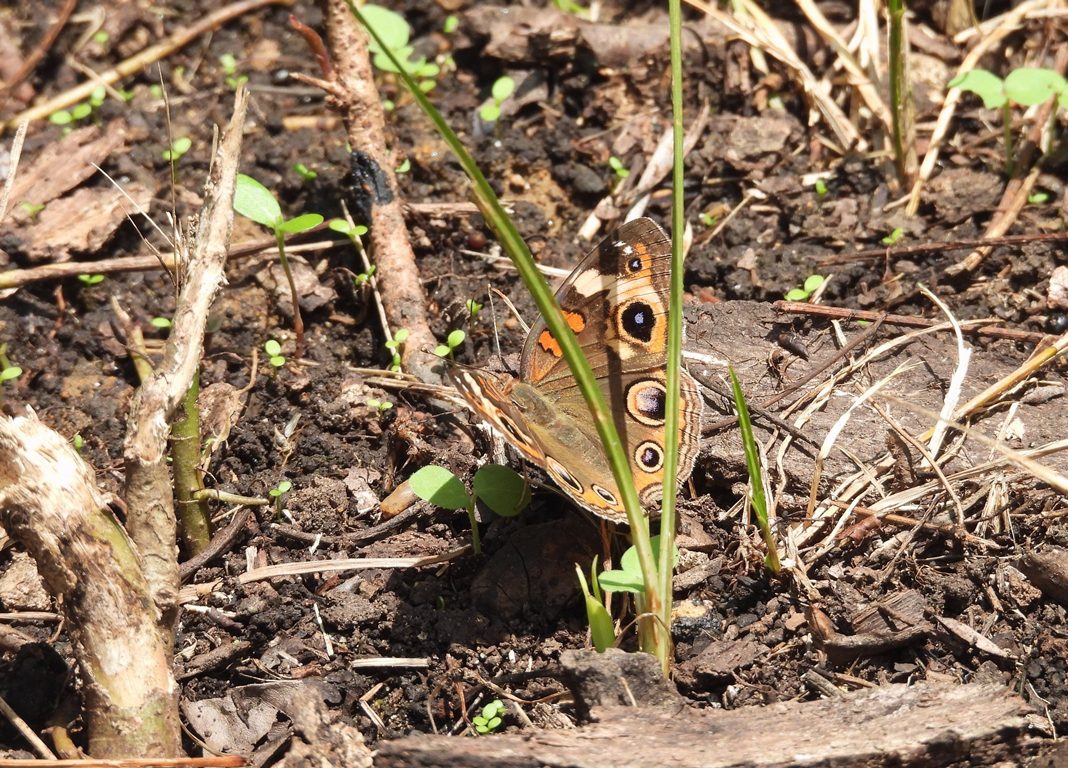
During nature walks, I naturally focus on spotting larger, more conspicuous animals such as deer, raccoons, otters, or herons. Yet, nature rarely conforms to our expectations and often surprises us by offering wonders that would otherwise go unnoticed at first glance. If we learn to observe carefully and patiently, we can discover small, unexpected treasures that lie beyond the obvious. Slowing down our pace is key to experiencing nature more fully.

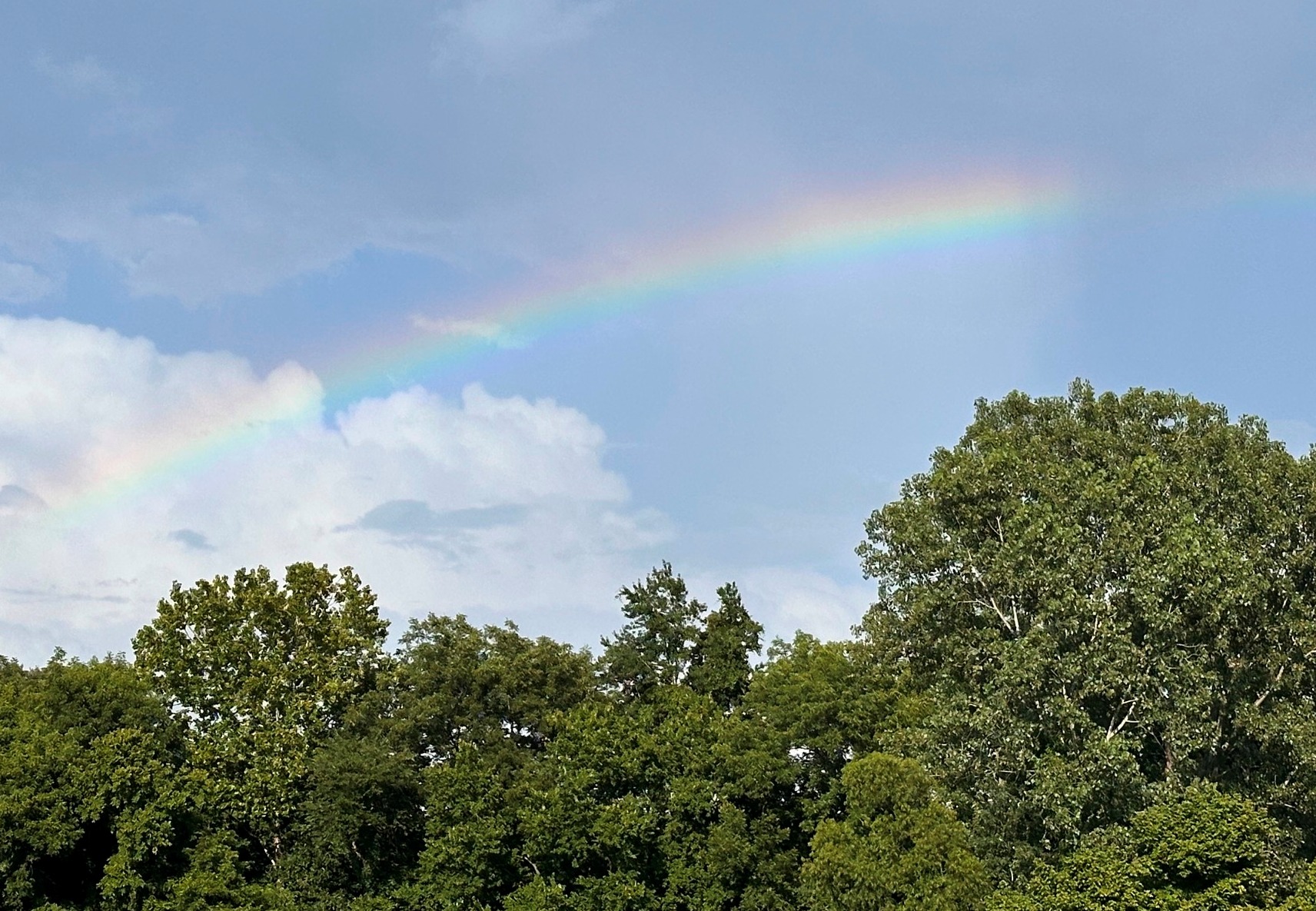
Rainbows and butterflies …
are … representative of
all the small miracles of our life –
the little things that are so easy to overlook,
yet so awe inspiring when we take a moment
to notice and to pay attention.
– Jonathan Lockwood Huie

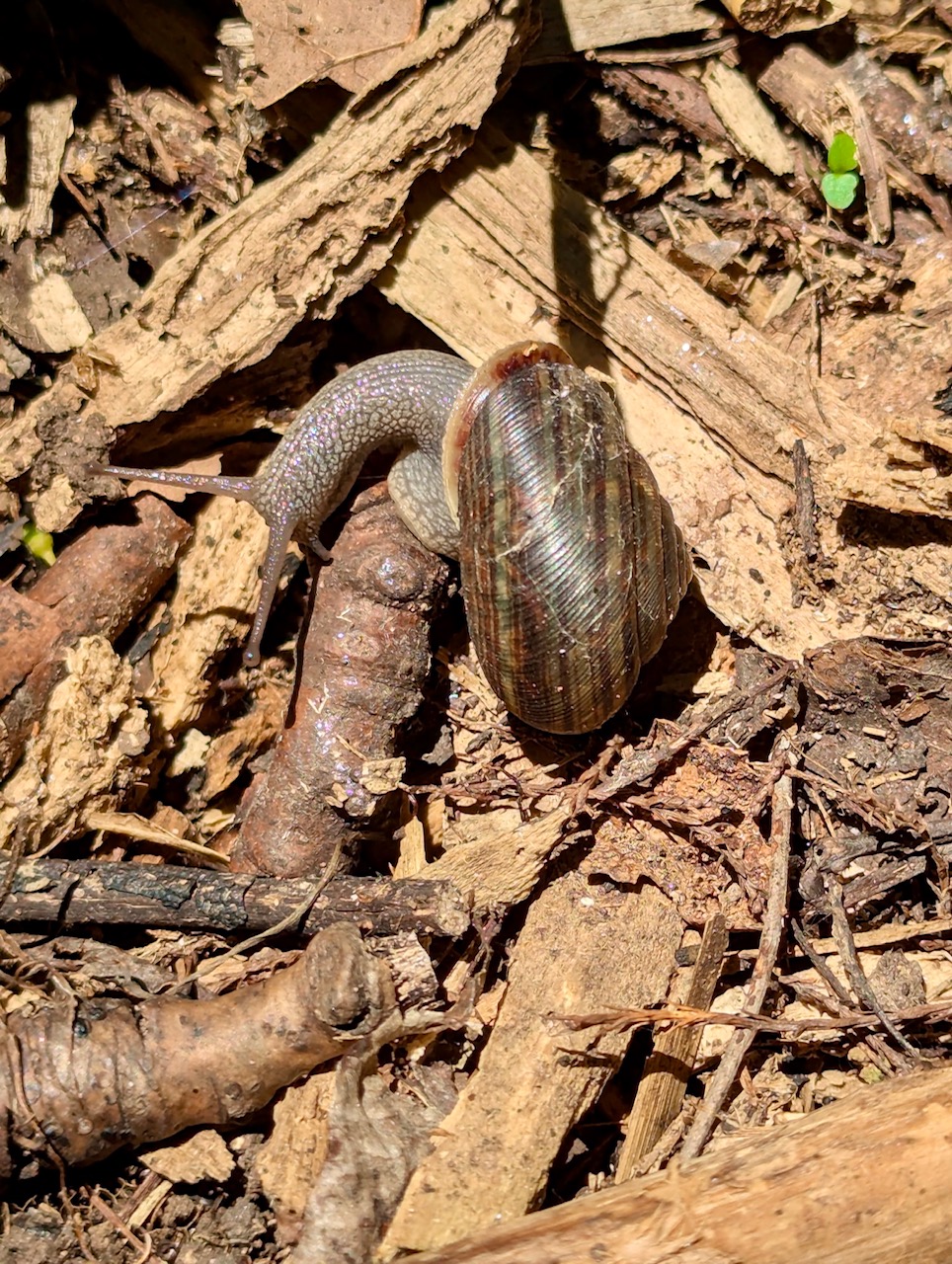
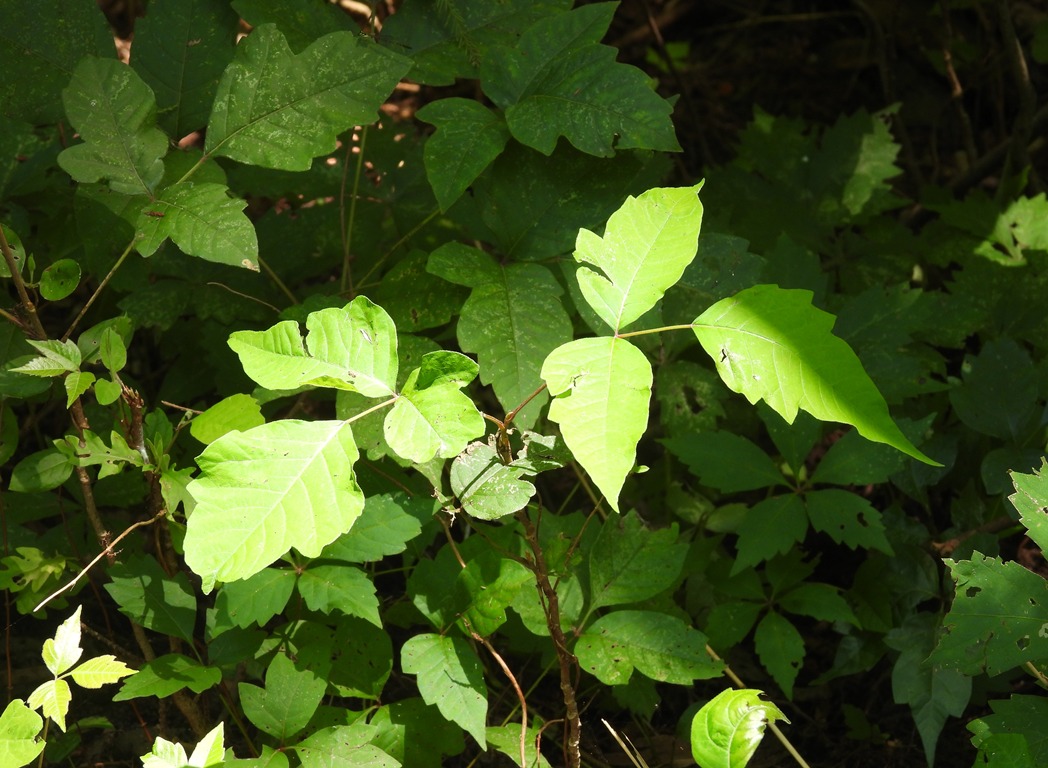
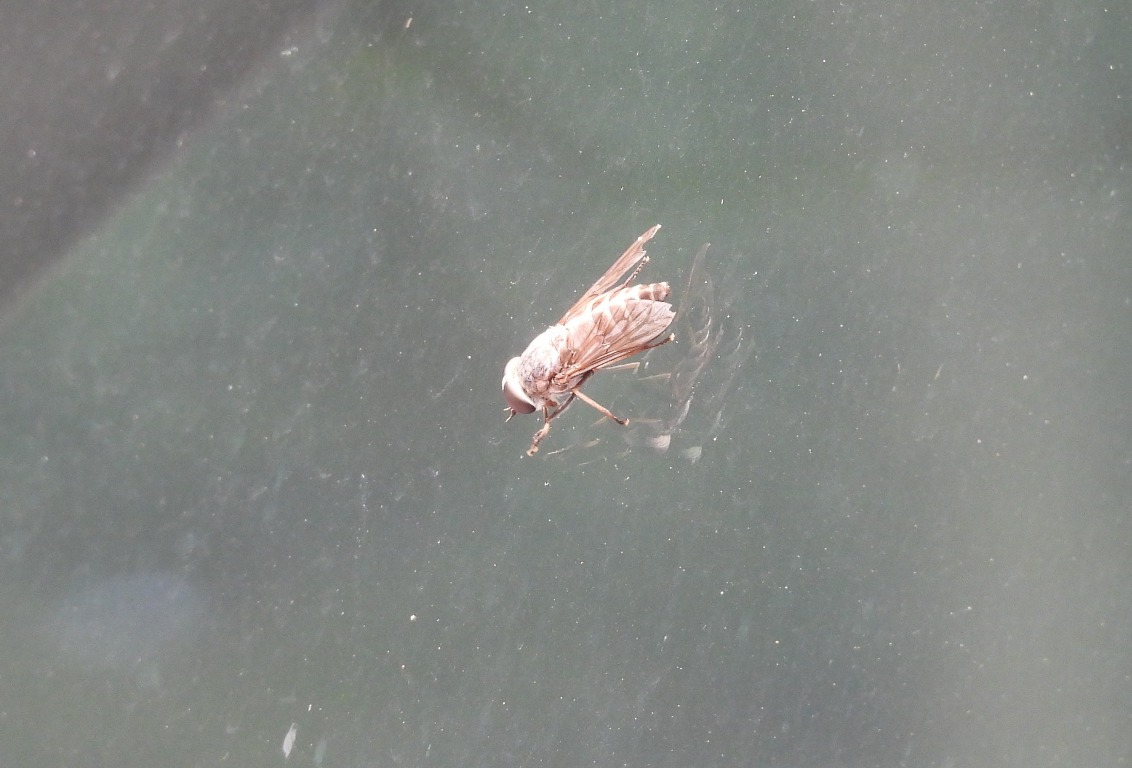
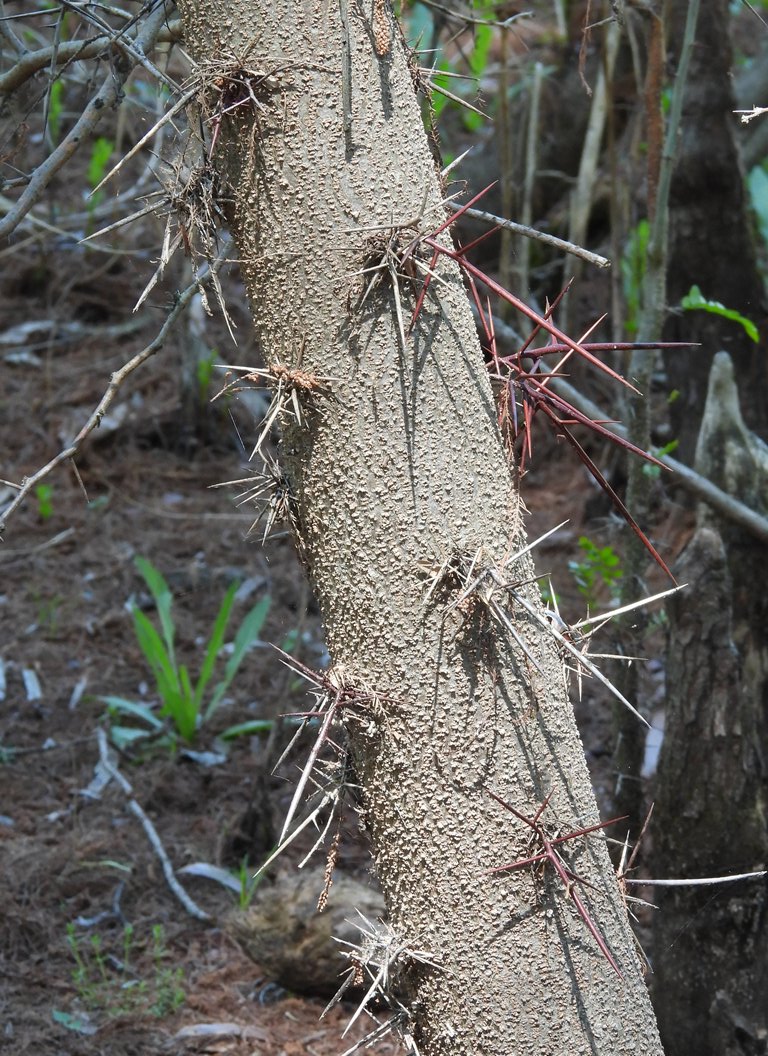
However, even the most serene stroll can be disrupted by small but persistent annoyances. These minor irritants—mosquitoes, poison ivy, horse flies, and thorns—can quickly turn a peaceful experience into a frustrating one.

(No mosquito photo. I was too busy swatting and dodging them.)

These truths apply to our daily lives also. Little things can add a touch of beauty and make life more enjoyable — a smile, supportive words, a thoughtful gesture, a small gift.

On the other hand, minor irritations can swiftly alter our emotions and lead to feelings of frustration or disappointment — a frown, a hurtful remark, an unexpected interruption, a spilled drink, a misplaced item.

Small things are not small at all.  They are the most important things of all.  And they add up.  ~Mel Robbins

“The calm or disturbance of our mind does not depend so much on what we regard as the more important things of life, as in a judicious or injudicious arrangement of the little things of daily occurrence.”  ~Francois de la Rochefoucauld

We can choose to embrace positive moments and to manage minor setbacks with grace. Ultimately, recognizing the power of little things—both uplifting and unsettling—helps us appreciate the delicate balance of daily living and inspires us to cultivate kindness and patience in every interaction.

The grandeur of God reveals itself through simple things.  ~Paulo Coelho

*Credit to my oldest daughter for the snail photo.

Floral Delights

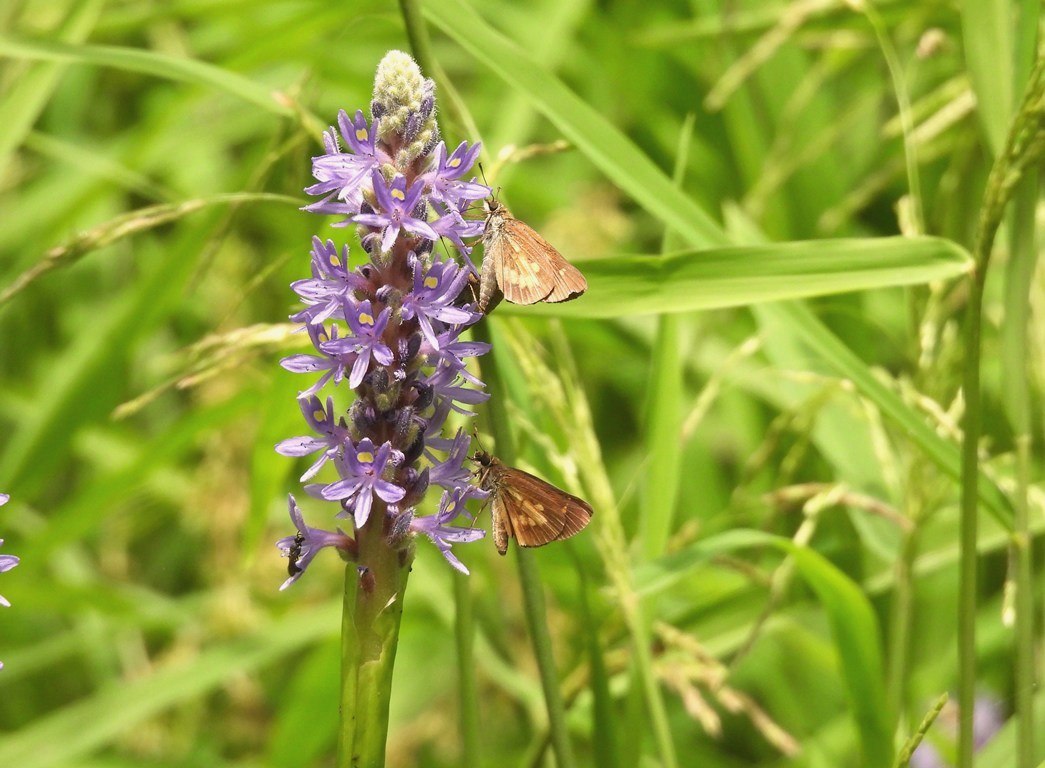
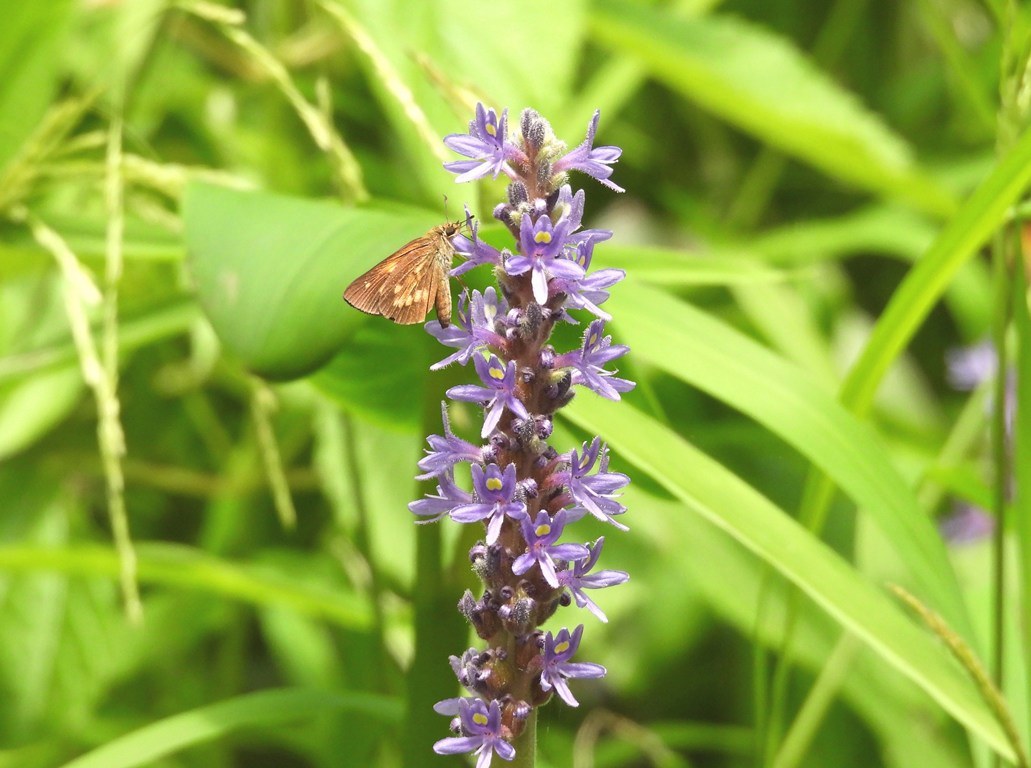
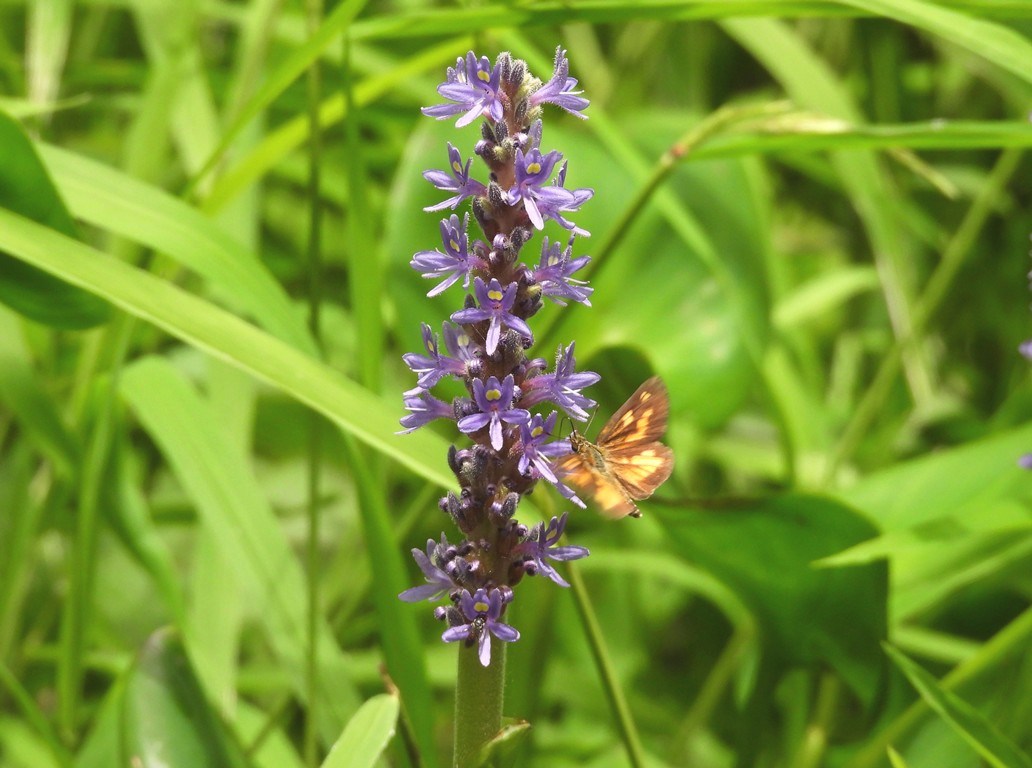
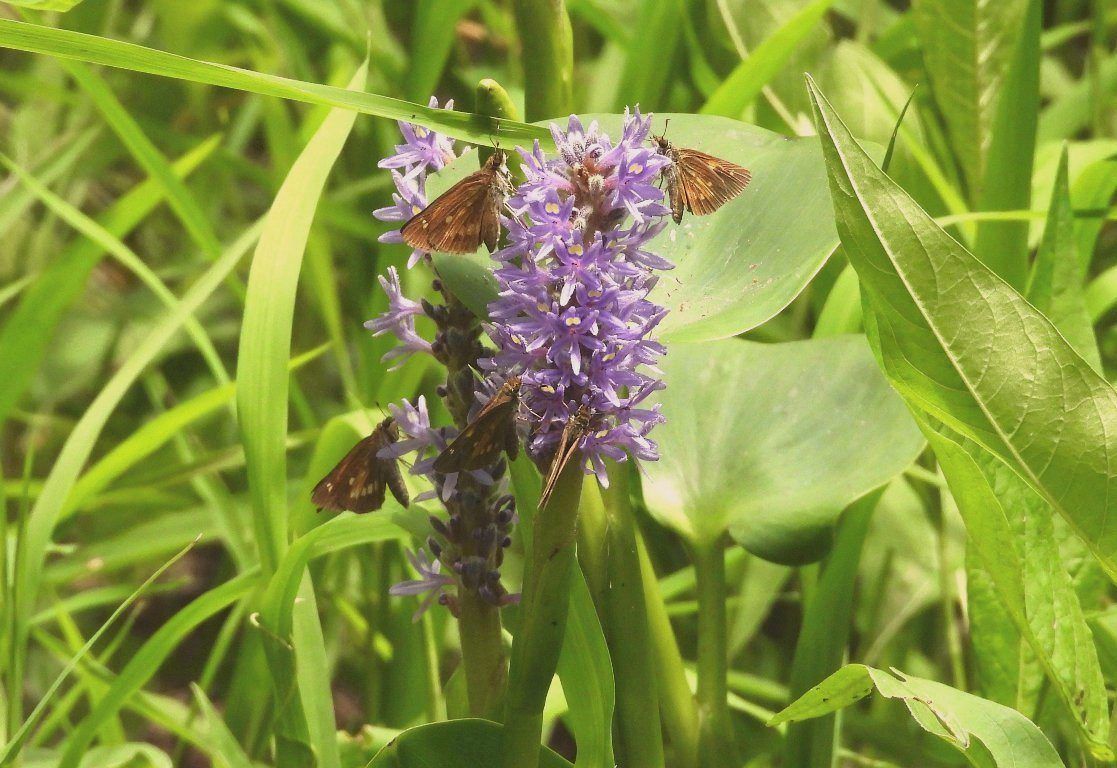
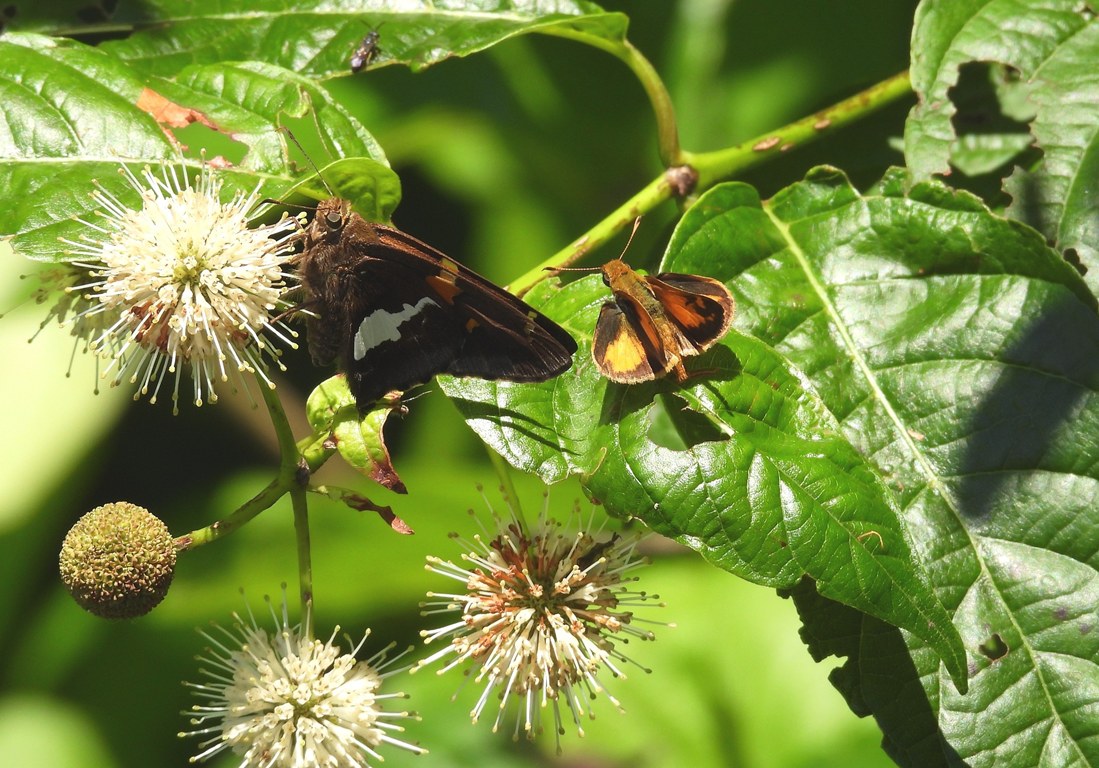
In the shallow water around the lake’s edge, these skippers encountered a vibrant array of delectable Pickerelweed flowers, reminding me of purple popsicles on a warm, sunny day. The sweet-scented blossoms provided an enticing treat as they eagerly feasted on pollen and nectar.

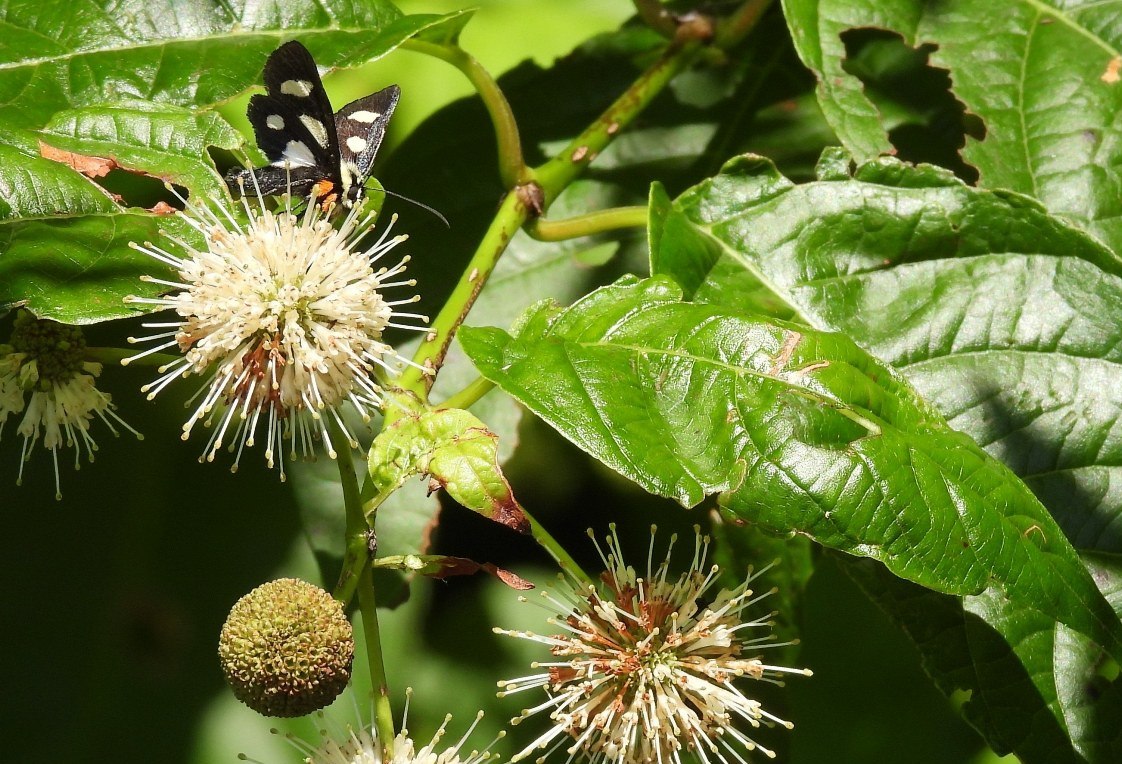
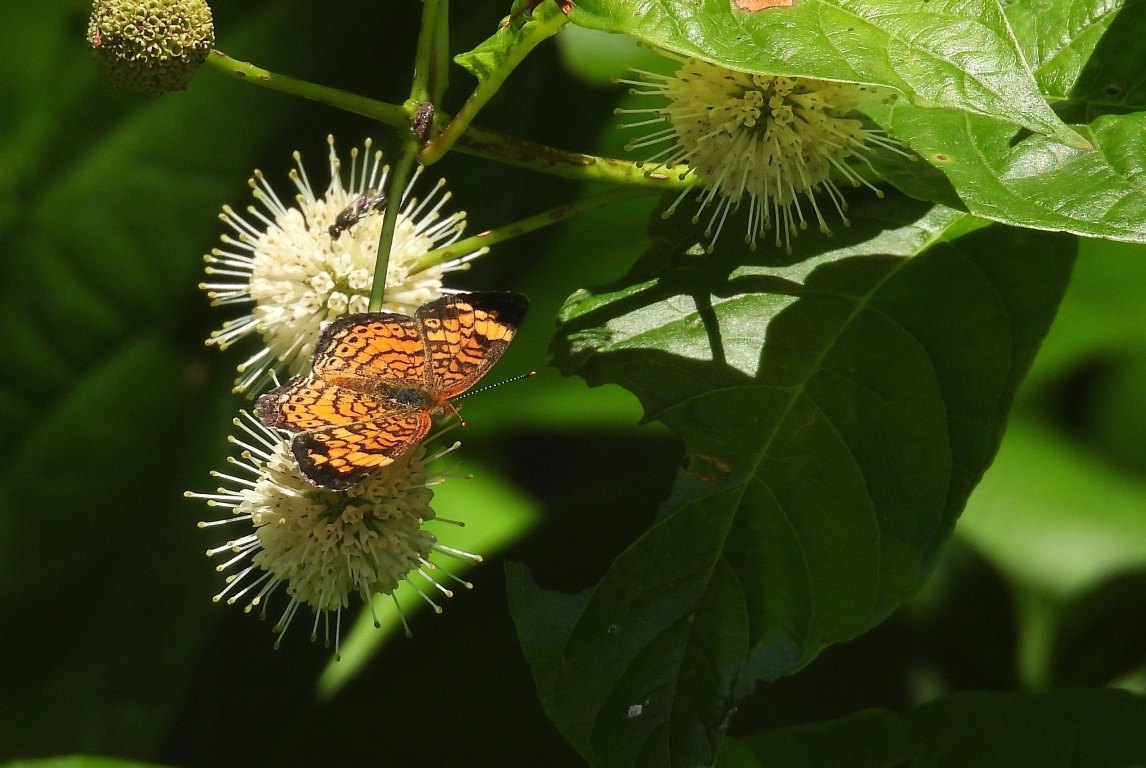
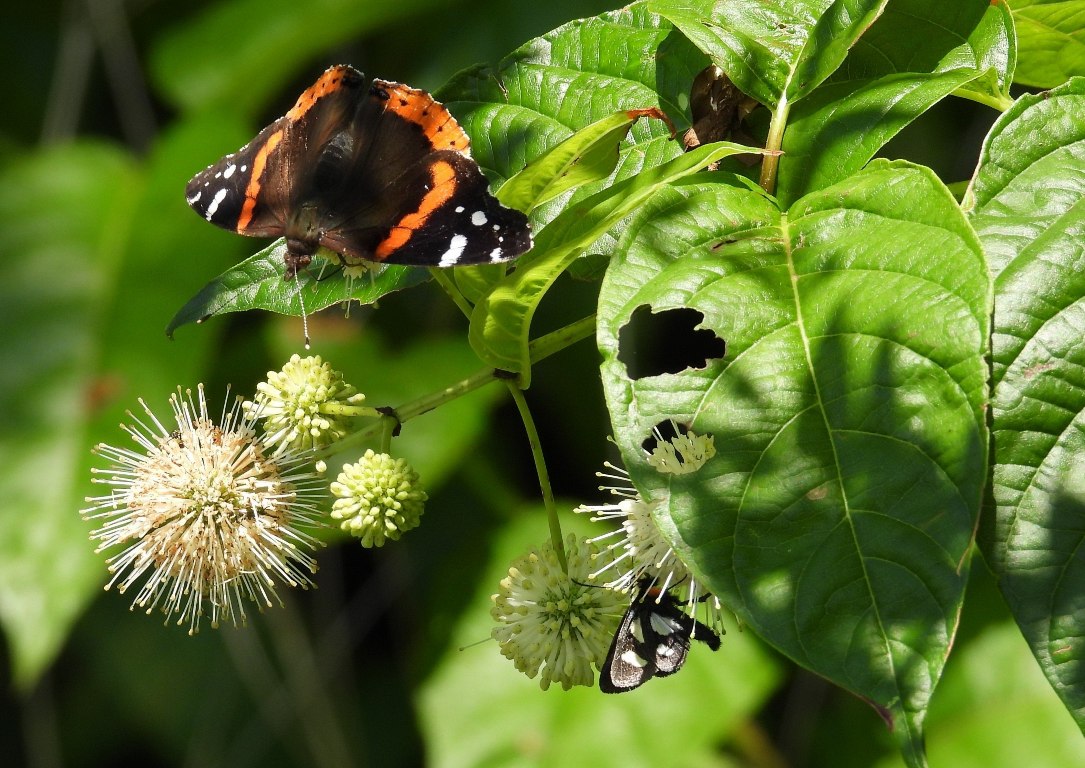
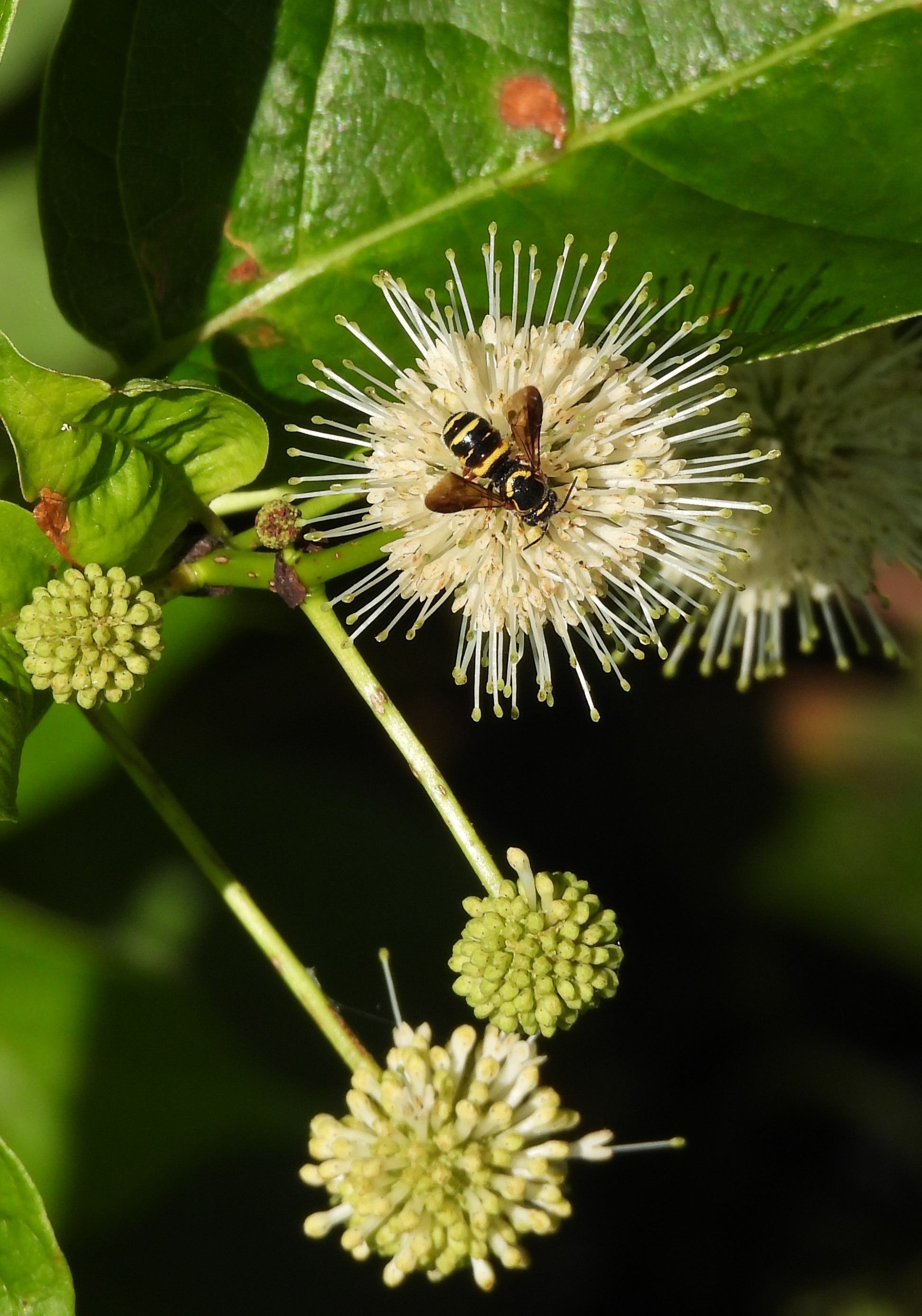
Additionally, the buttonbushes, adorned with their white pom-poms made up of numerous tubular flowers rich in nectar, attracted a variety of pollinators with their pleasant scent, inviting them also to partake in this aquatic garden celebration.

In whispers of blooms, a story unfolds,
Nectar beckons, secrets untold.
Amidst the chaos, a purpose aligns,
Timeless pathways through nature’s designs.
~tinypoetry.com


The World of Crimson Clover

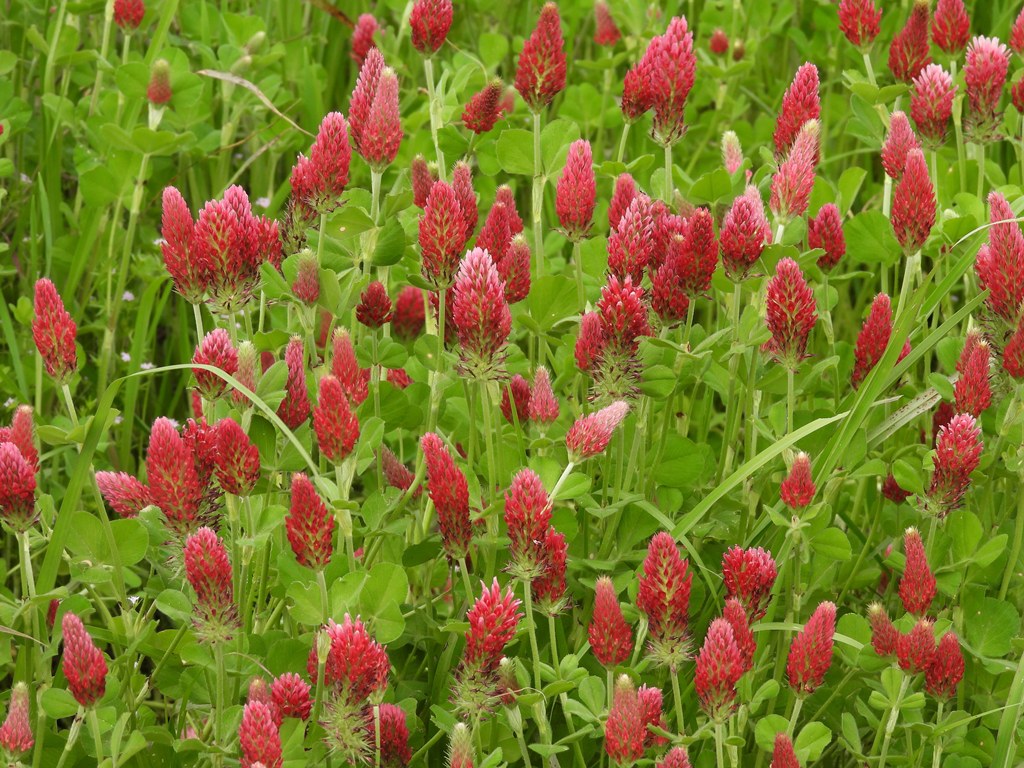
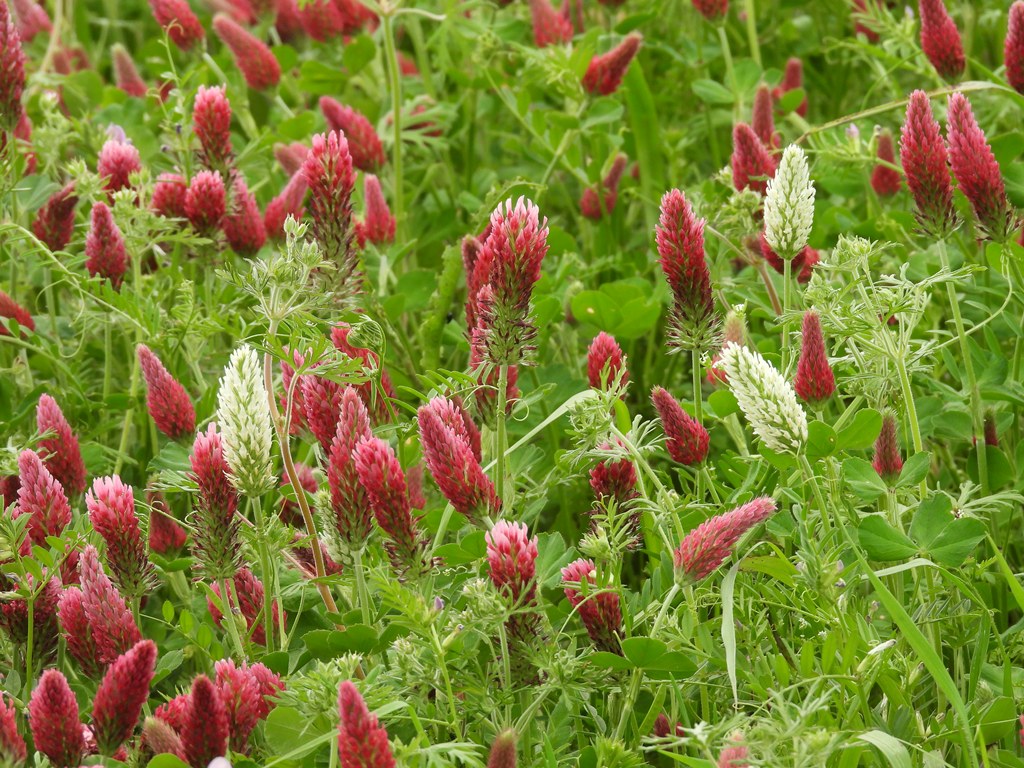
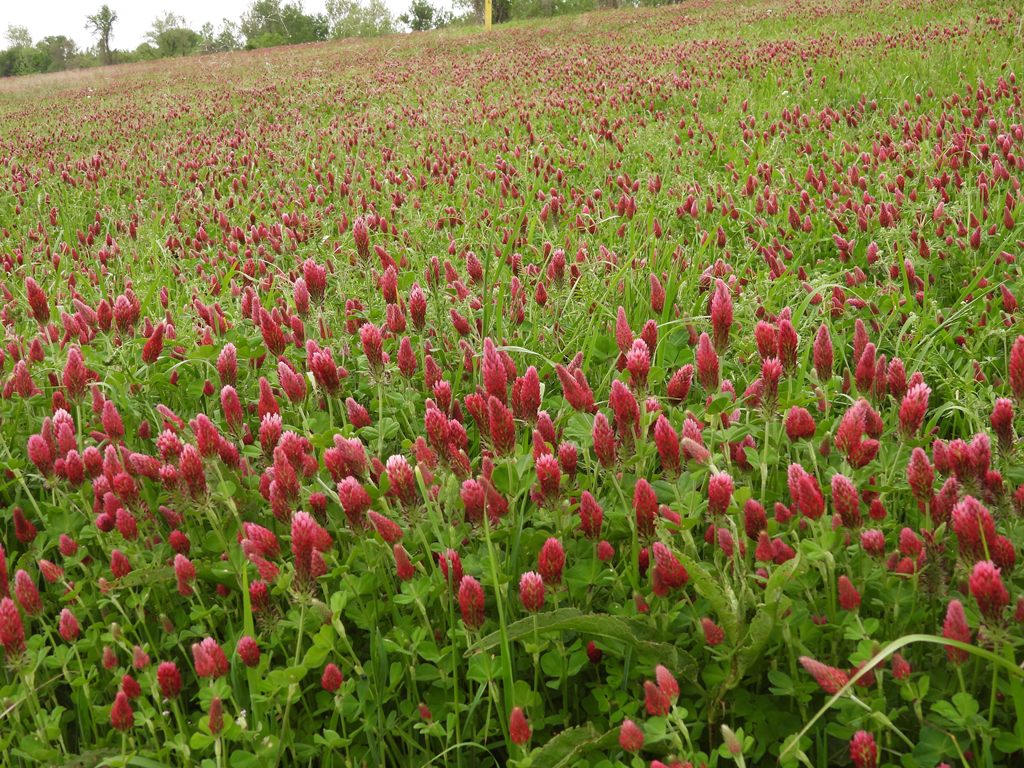
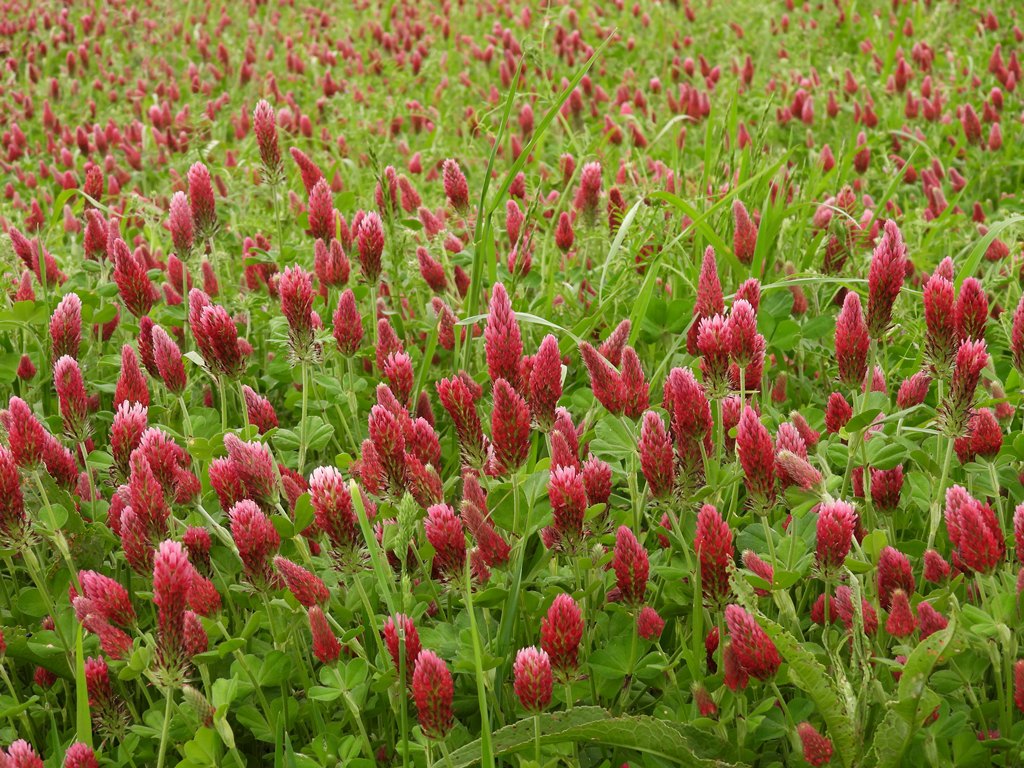
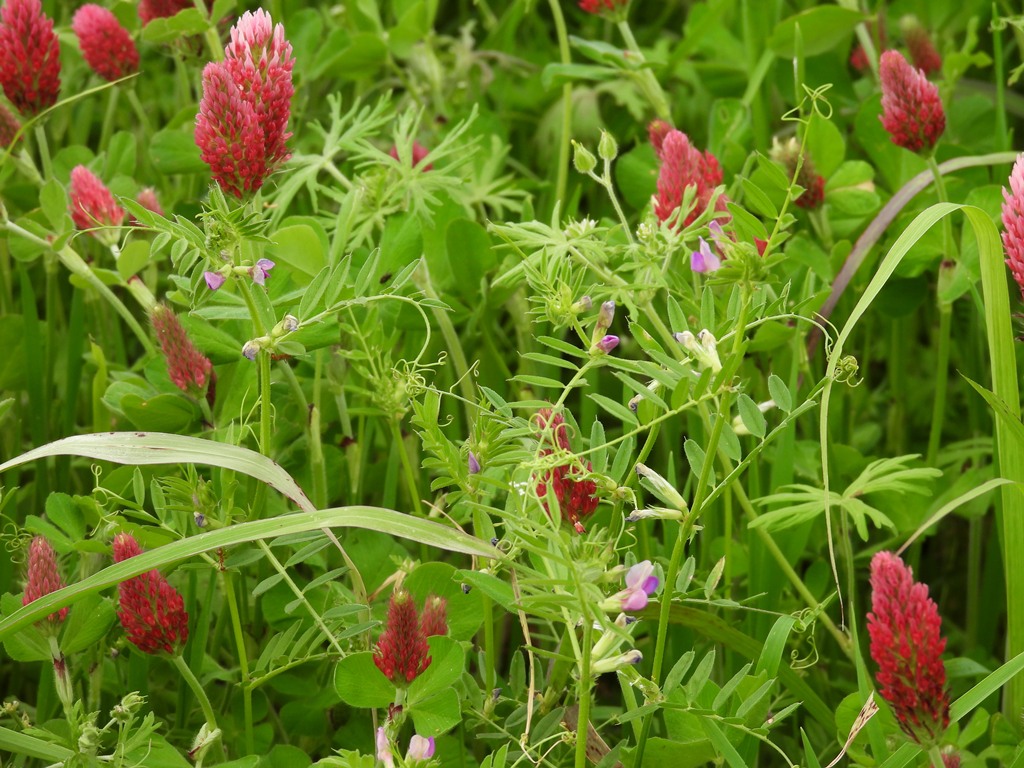
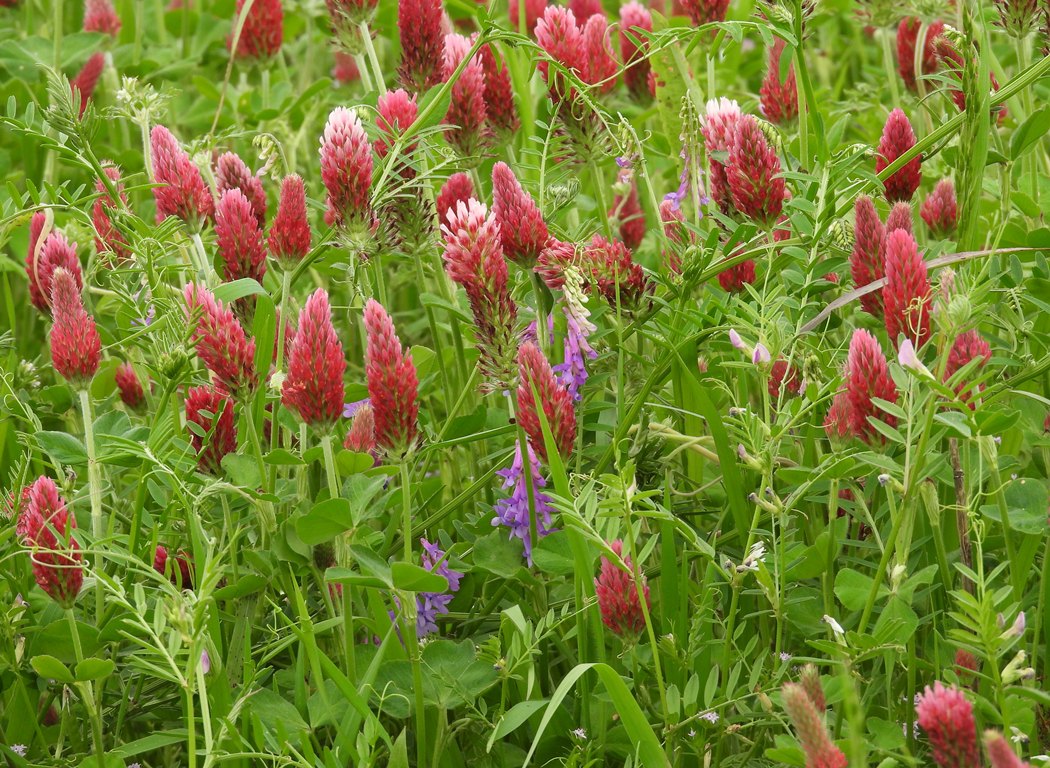
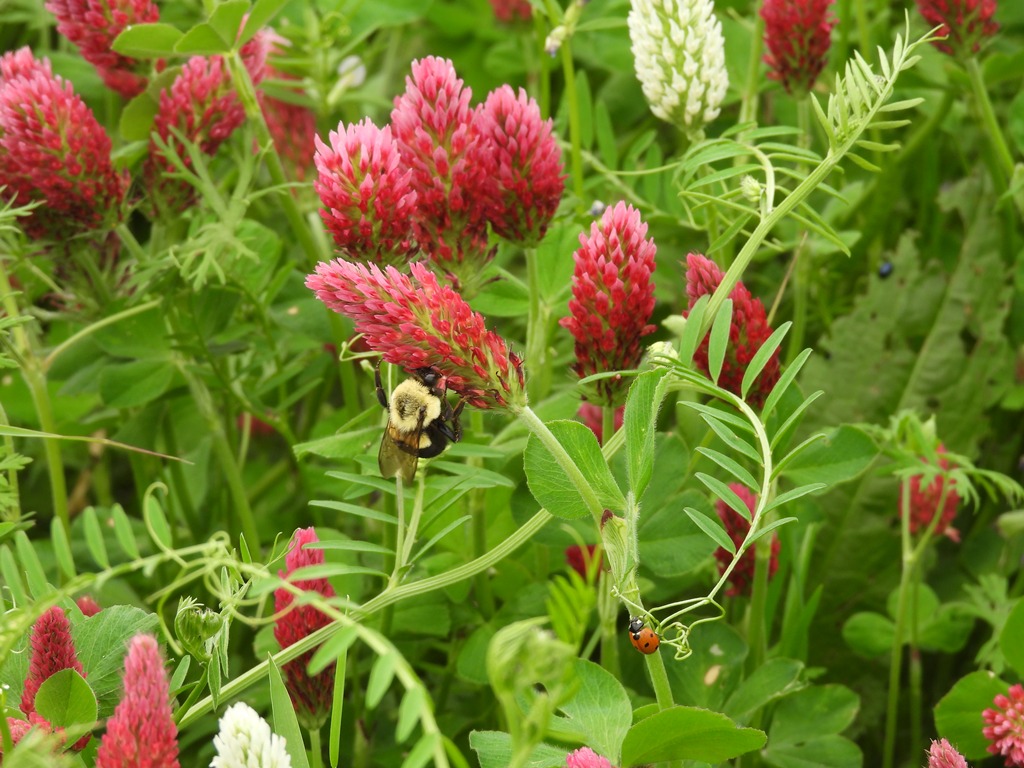
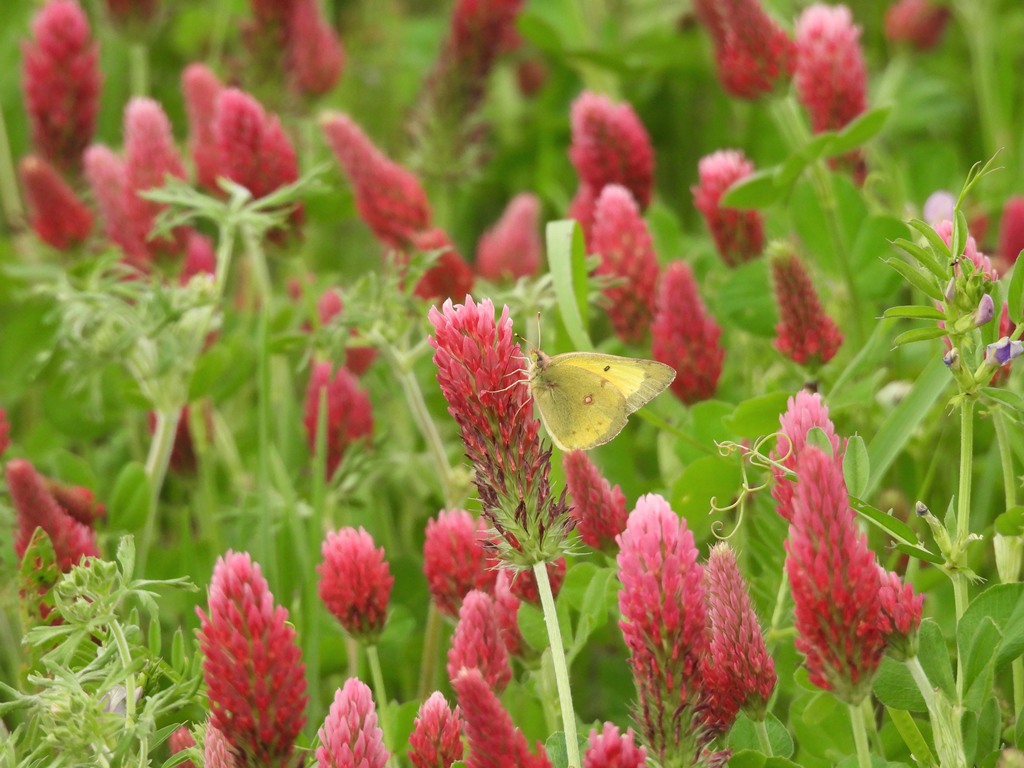
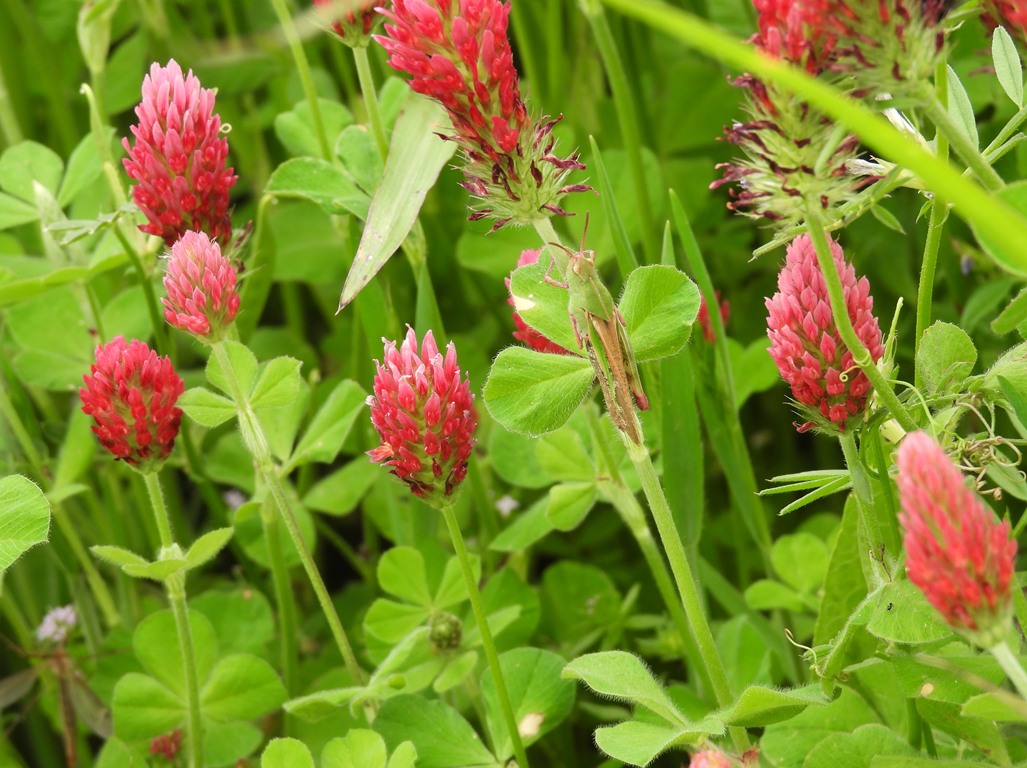
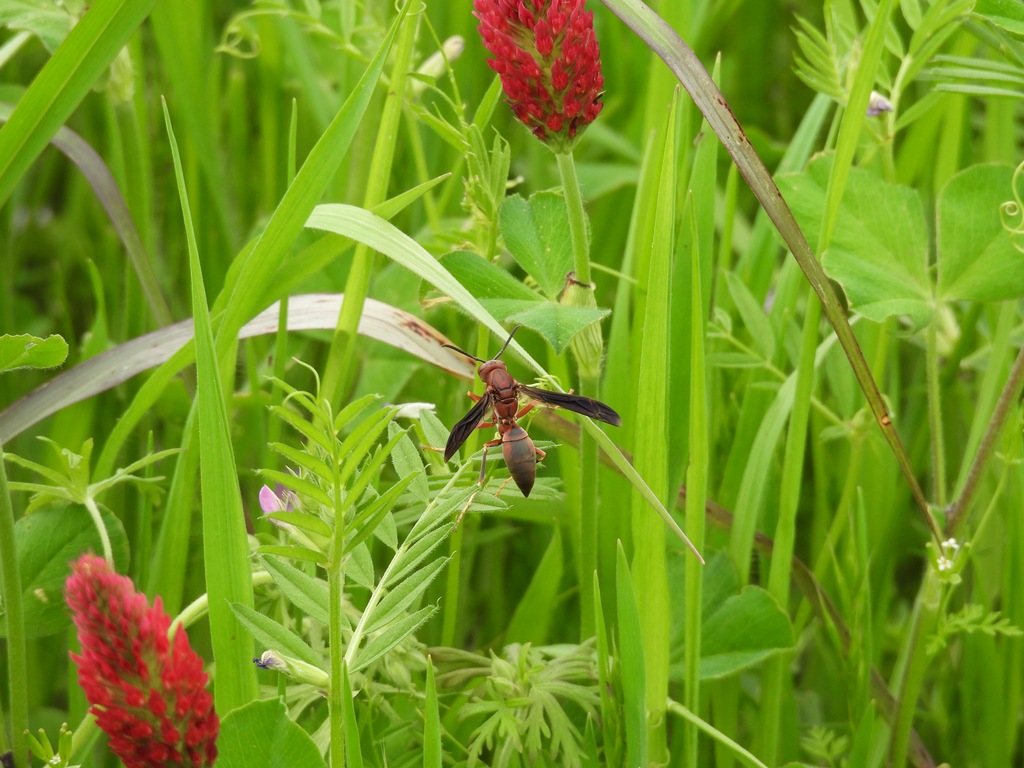
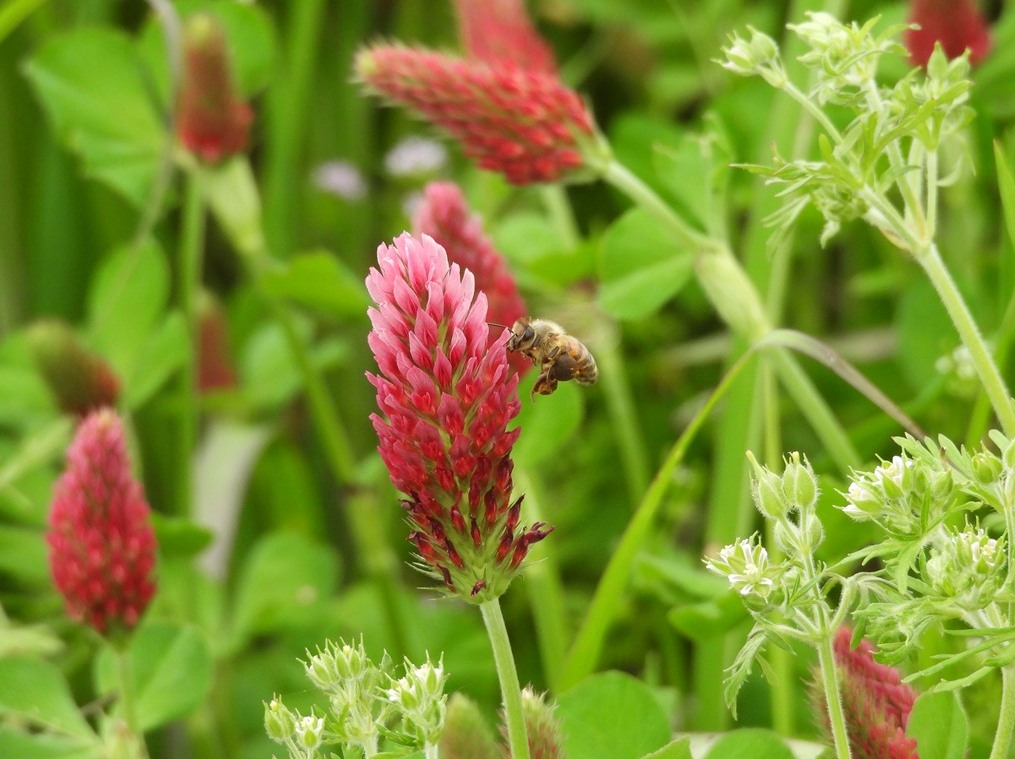
The land along the levee was embellished with striking, crimson flowers that danced and swayed in the gentle breeze. If spring were to have a laugh, I am convinced it would resonate through these dramatic conical blossoms swaying merrily on the sunlit embankment.

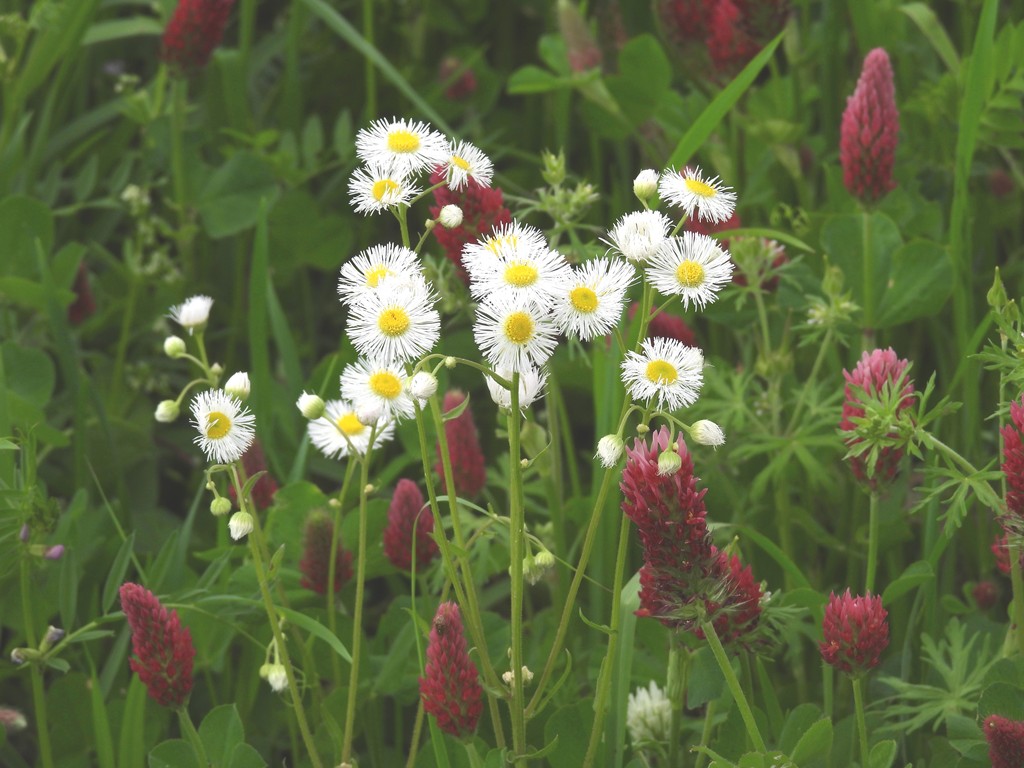
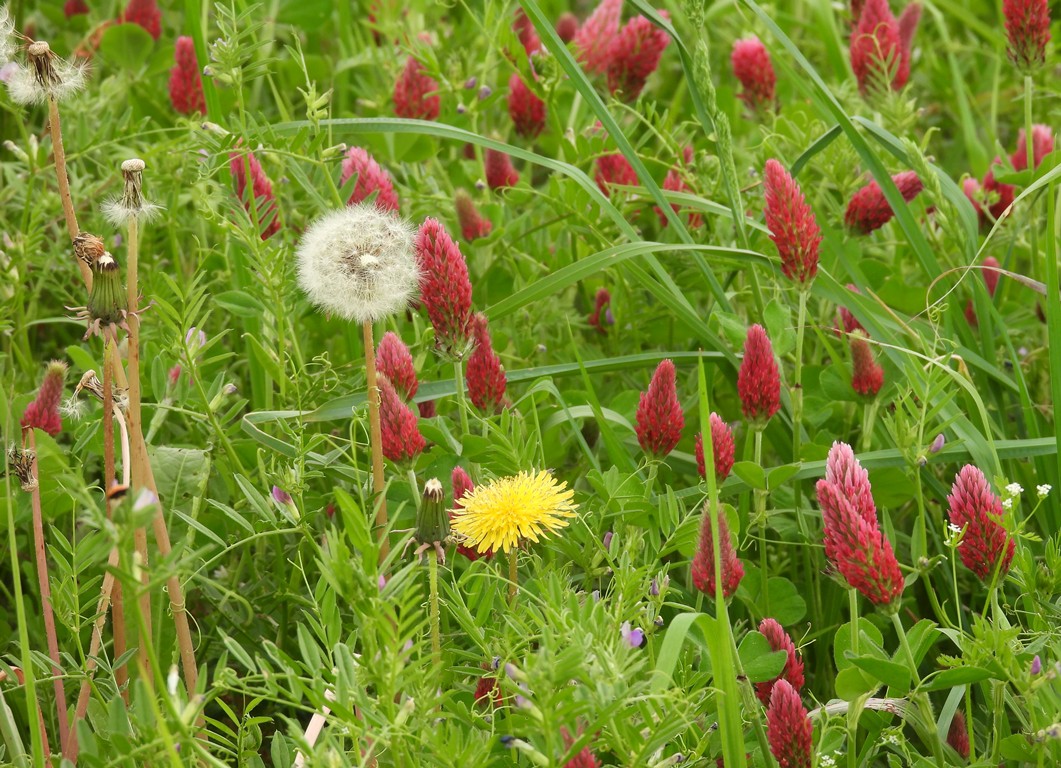
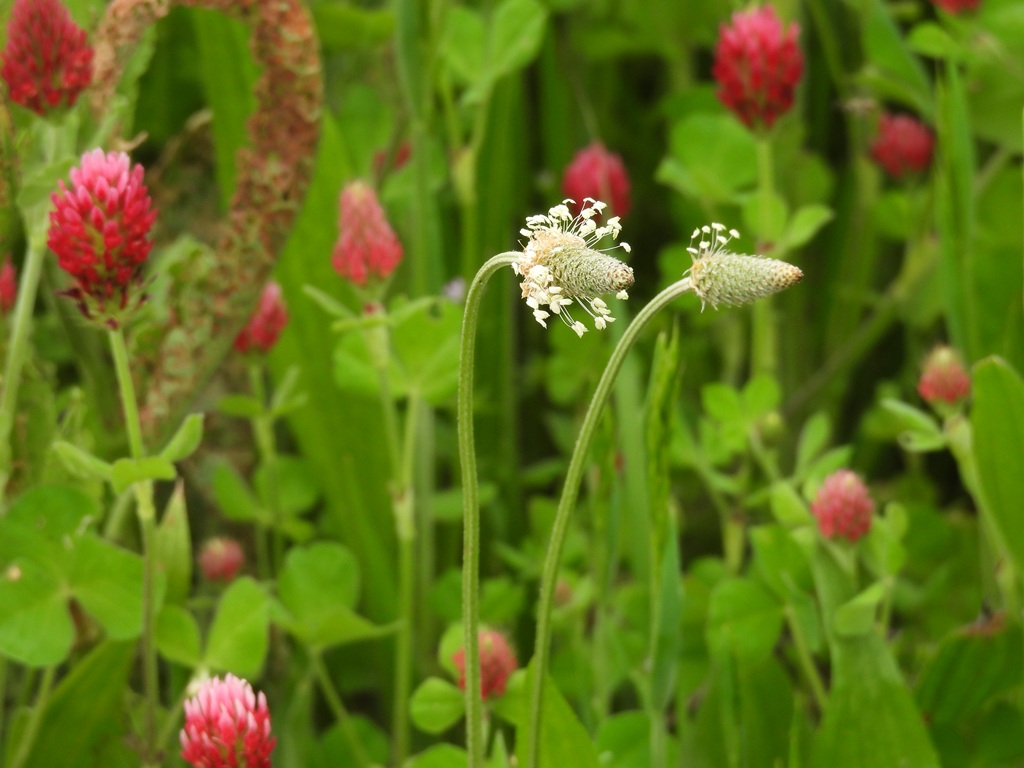
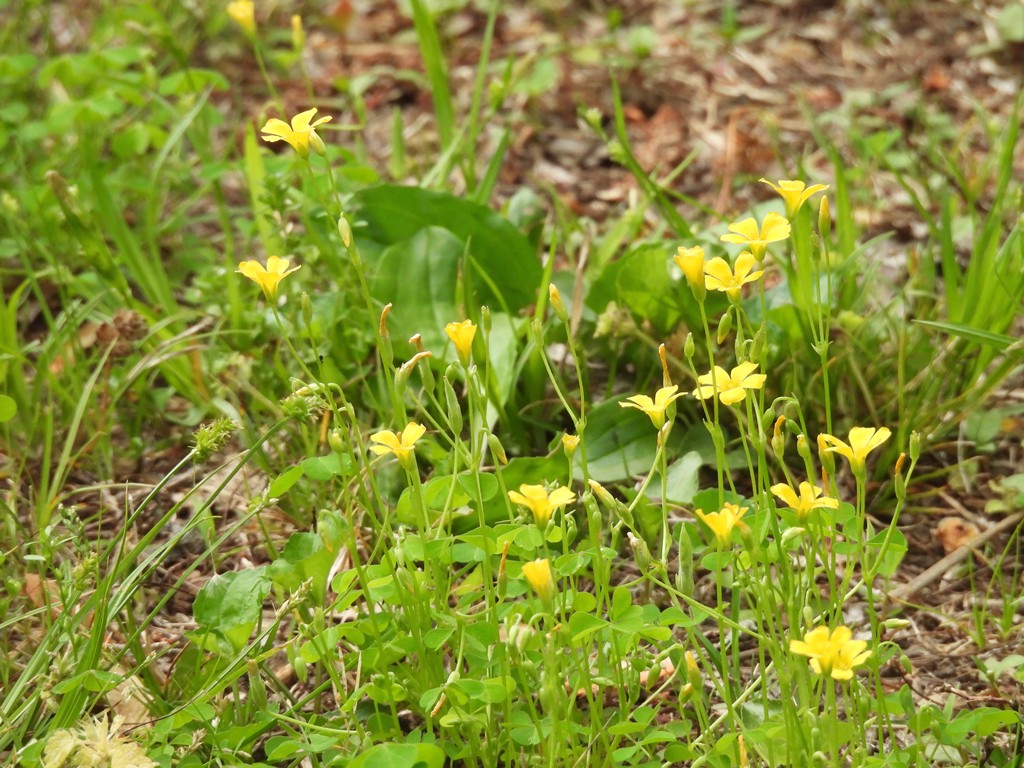
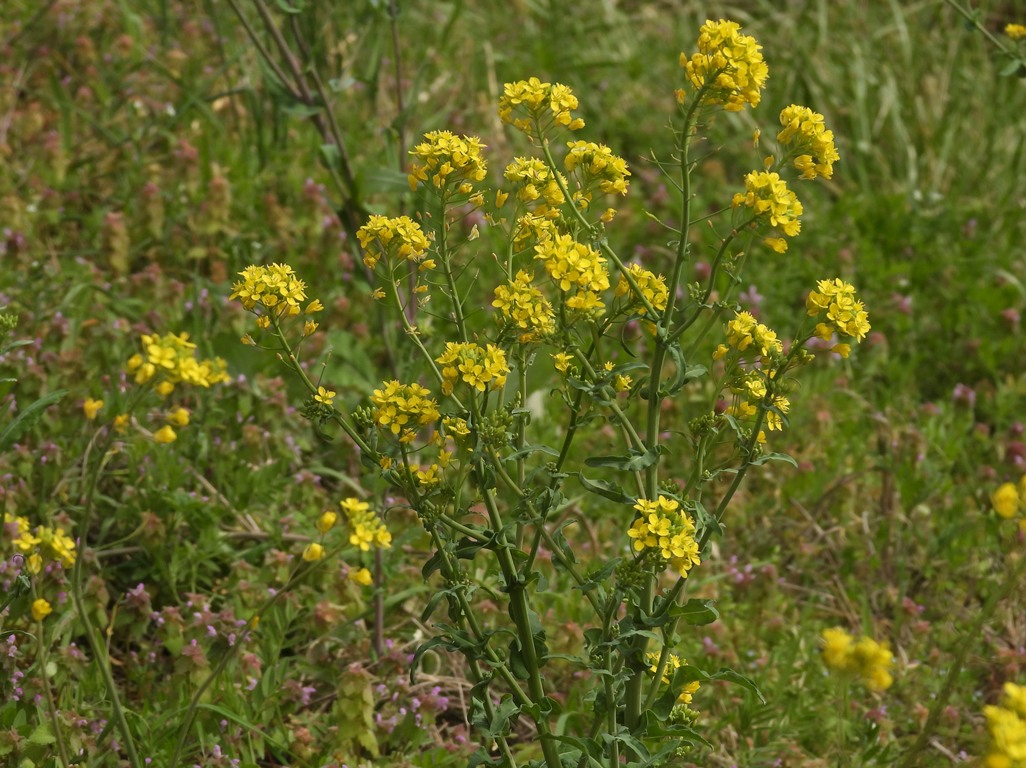
Additionally, nestled among the clover were several wildflowers that contributed to the charm by providing additional pops of color to an already vibrant landscape.

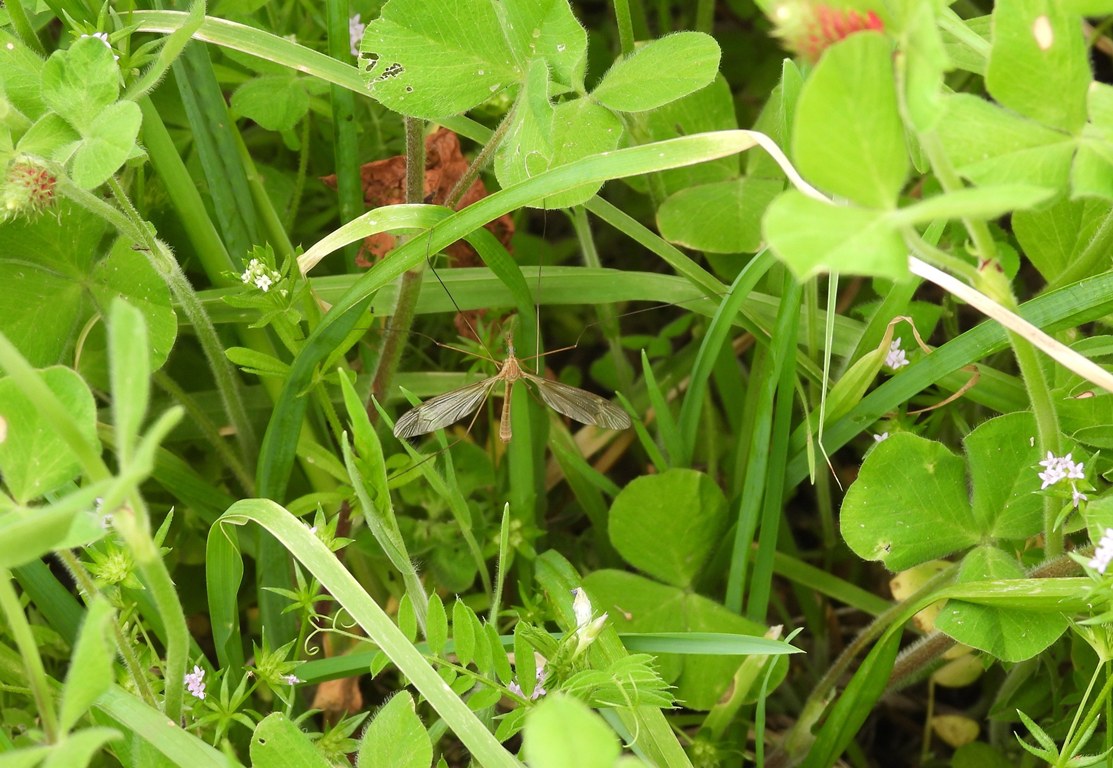
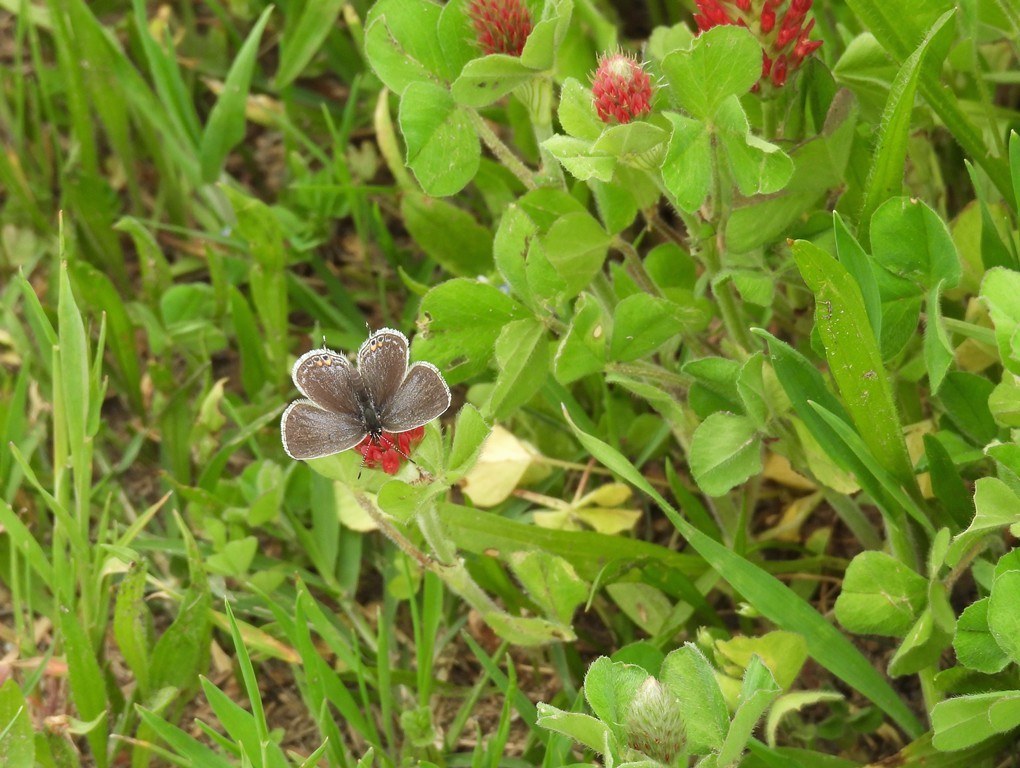
Aside from the calls of red-winged blackbirds nesting in the tall grass, the scenery appeared to be peaceful and uninhabited. Then I began to notice them — all the small, busy insects hiding in plain view among the flowers, including several bees and butterflies hovering to collect nectar and pollen from this valuable source of food.

It was a blessing to see this seasonal spectacle in its full beauty and to observe the serene yet active environment that thrives within this ecosystem.

“The Spring came suddenly, bursting upon the world as a child bursts into a room, with a laugh and a shout and hands full of flowers.” ~Henry Wadsworth Longfellow

“God is an artist of Nature; He paints in colors, so rare, The bursting bud in the Springtime, The lovely trees everywhere …”  ~Gertrude Tooley Buckingham

March Awakenings

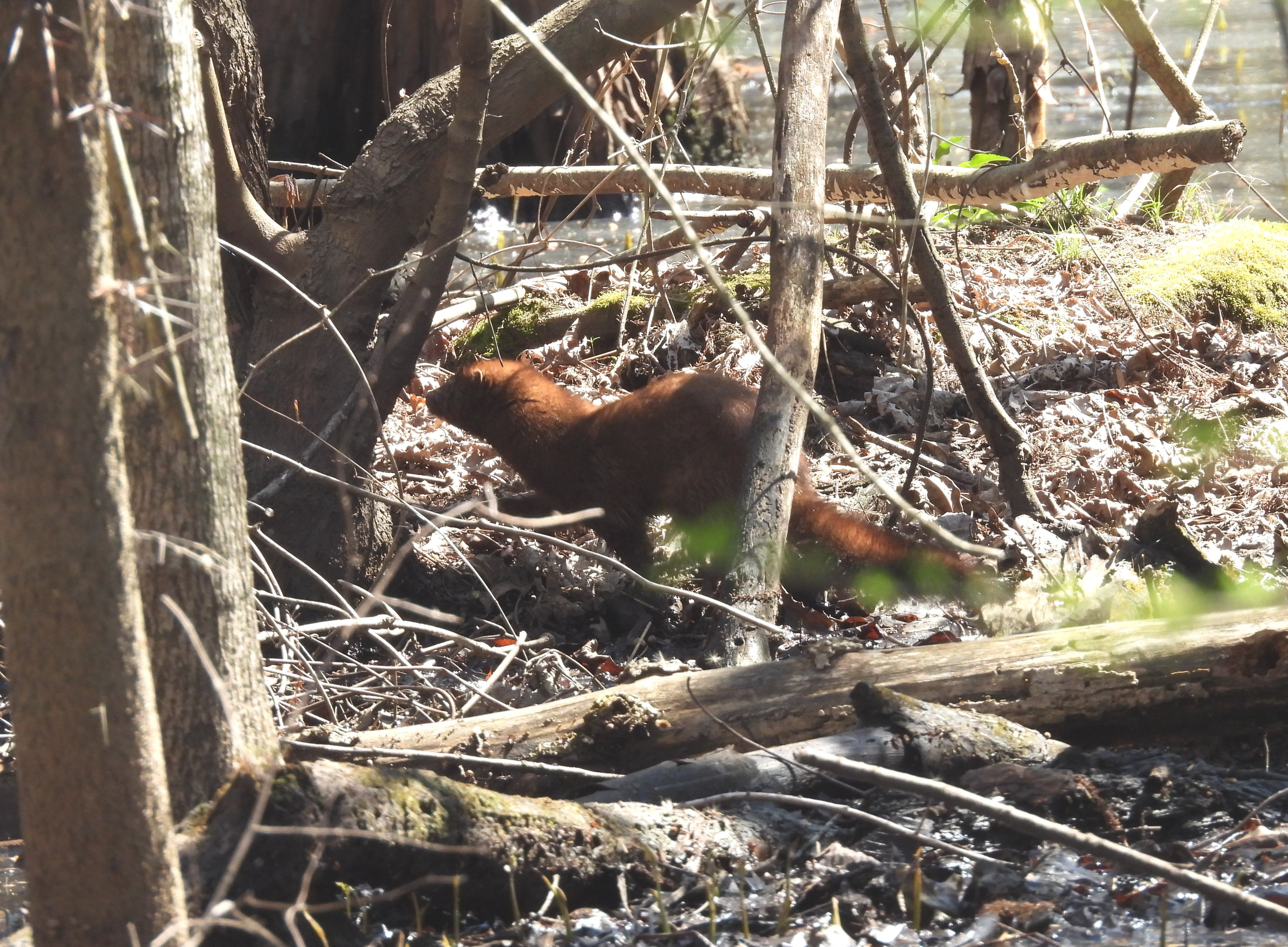
Here are a few photos taken around the lake and wildlife refuge in March. It’s always exciting to witness the flowers blooming, the leaves turning green, and the little creatures stirring after their winter rest.

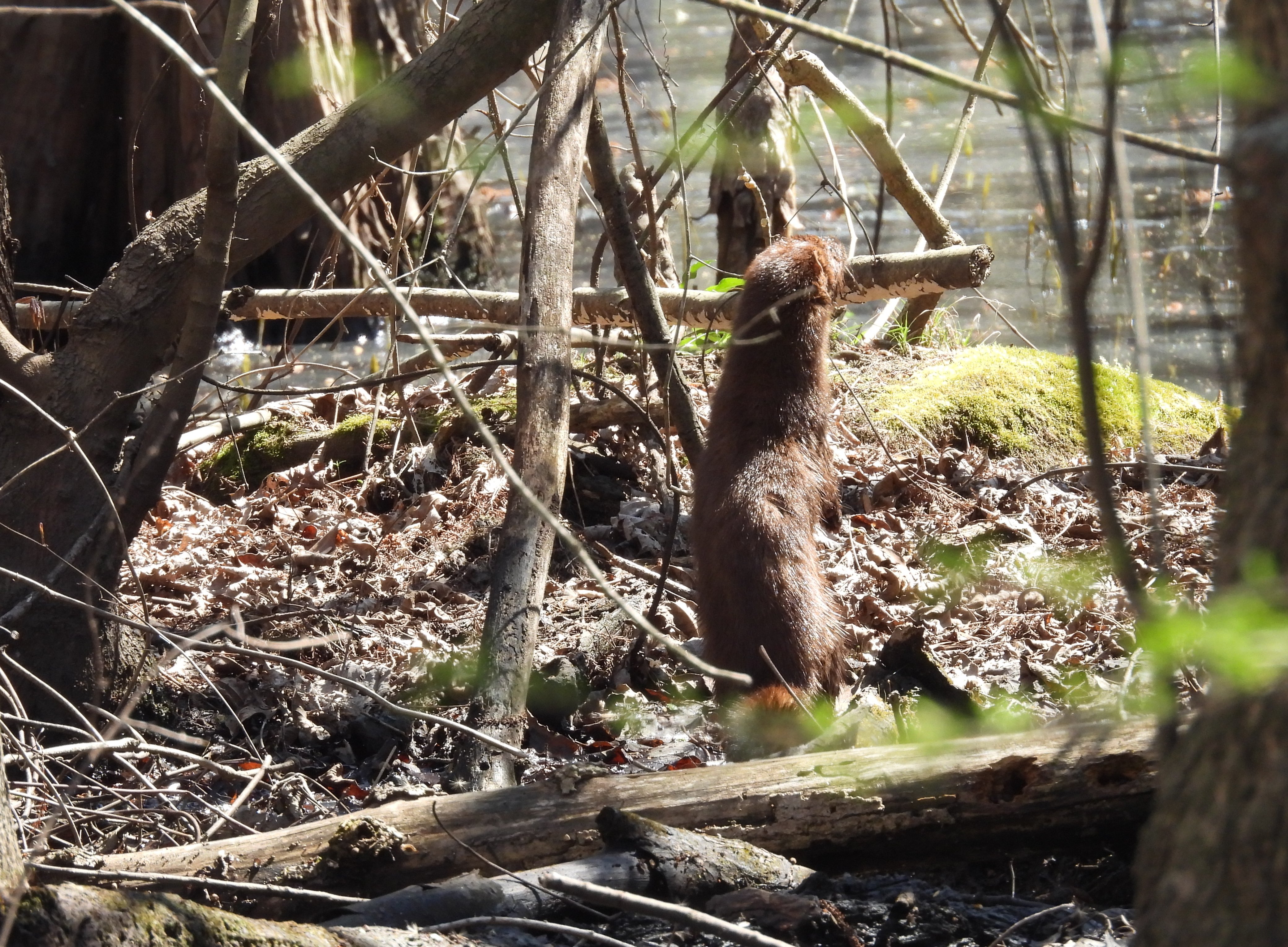
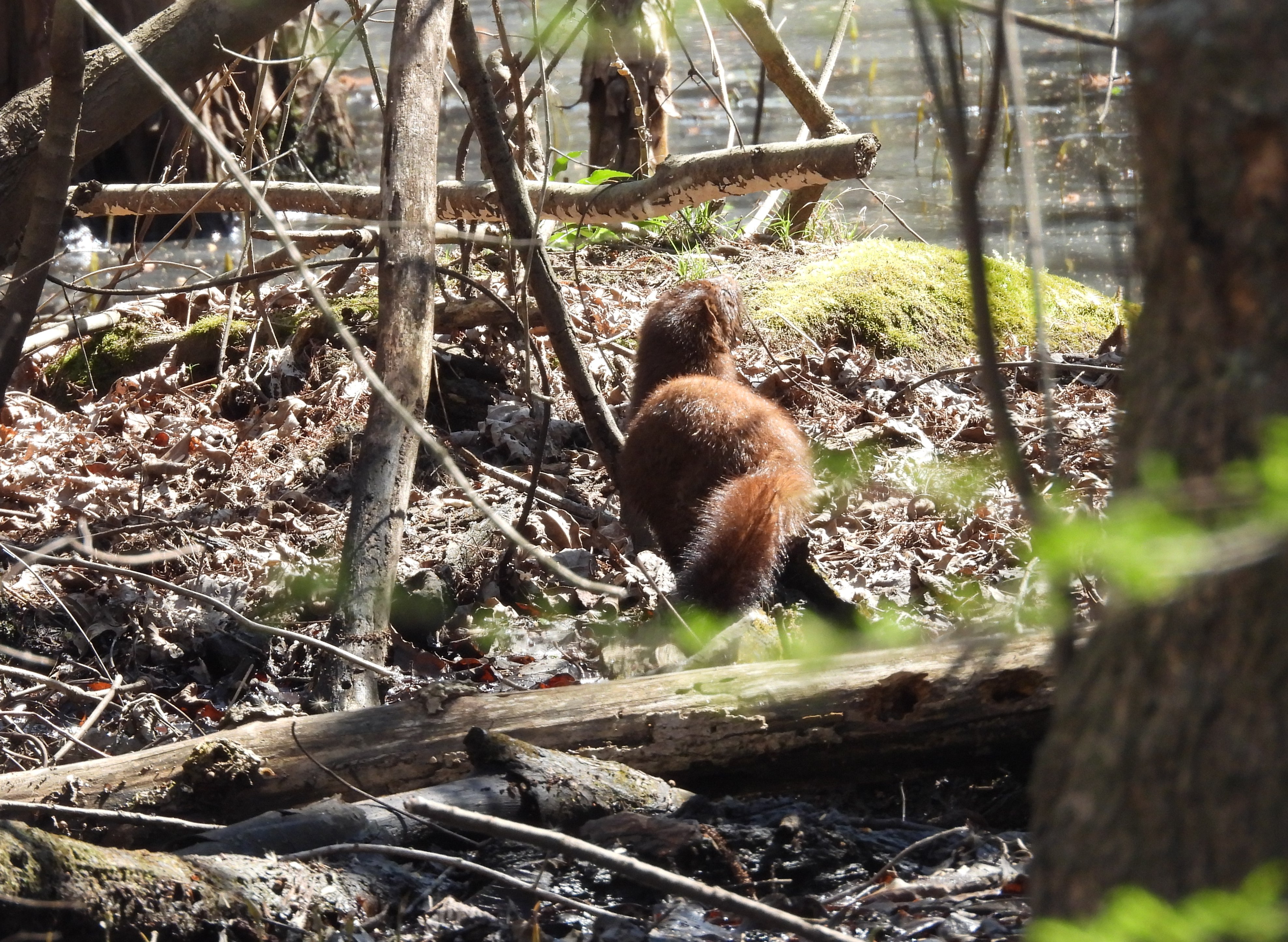
One of my favorite sightings was a mink that ran across the road in front of us and quickly vanished into the swampy woods, showing no inclination to stop for a photograph.

Just as the earth awakens and renews itself in spring, so too Christians celebrate the resurrection of our Savior, Jesus Christ, during this Easter season.

“Our Lord has written the promise of the resurrection, not in books alone, but in every leaf in spring-time.” ~Martin Luther

Busy Bees

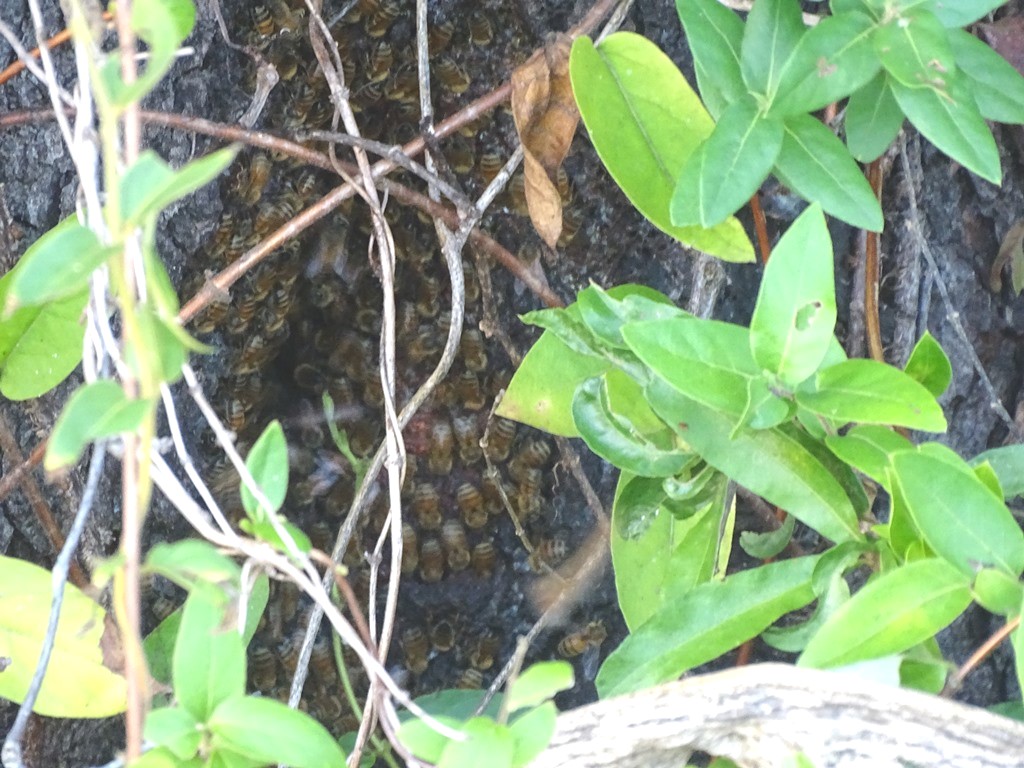
Earlier this summer, as I was out walking, I heard a persistent buzzing sound I hadn’t noticed before. Curious, I looked around and discovered a hive of busy bees tucked behind vines inside a hollowed-out tree trunk beside the road, each one diligently working away.

“The hum of bees is the voice of the garden.”  ~Elizabeth Lawrence

—————————————————————————————————————————————————–

Throughout the summer, it was encouraging to see various types of bees diligently transferring pollen from flower to flower.

“For so work the honey bees, creatures that by a rule in nature teach the act of order to a peopled kingdom.” ~William Shakespeare

—————————————————————————————————————————————————–

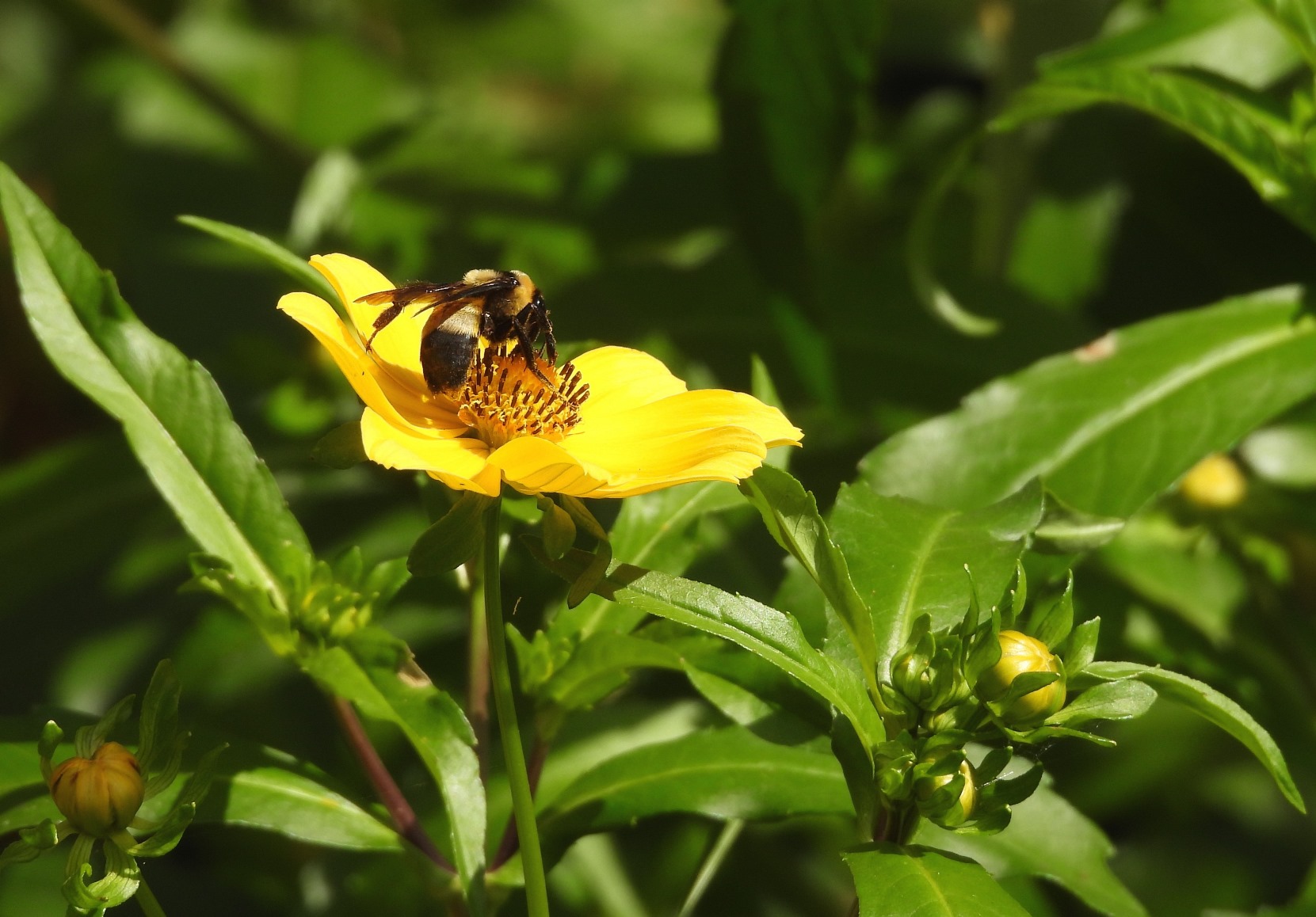
I believe this was my favorite—the American Bumble Bee (Bombus pensylvanicus). Such a beauty! It plays an important role in pollinating many different plants.

The careful insect ‘midst his works I view,
Now from the flowers exhaust the fragrant dew,
With golden treasures load his little thighs,
And steer his distant journey through the skies.
~John Gay, Rural Sports (canto I, I. 82)

—————————————————————————————————————————————————–

This year, morning glories blossomed along my fence, and it was fascinating to observe the bees as they slept—with their heads tucked inside the flower blossoms and their tiny bottoms sticking out. When the flowers opened in the morning, the bees busily buzzed about, gathering nectar and pollen.

… Why are you so busy, pray?
Never still a minute,
hovering now above a flower.
Now half-buried in it!
by Julia Dorr

—————————————————————————————————————————————————–

“It is not how busy you are, but why you are busy – the bee is praised, the mosquito is swatted. ~Author Unknown

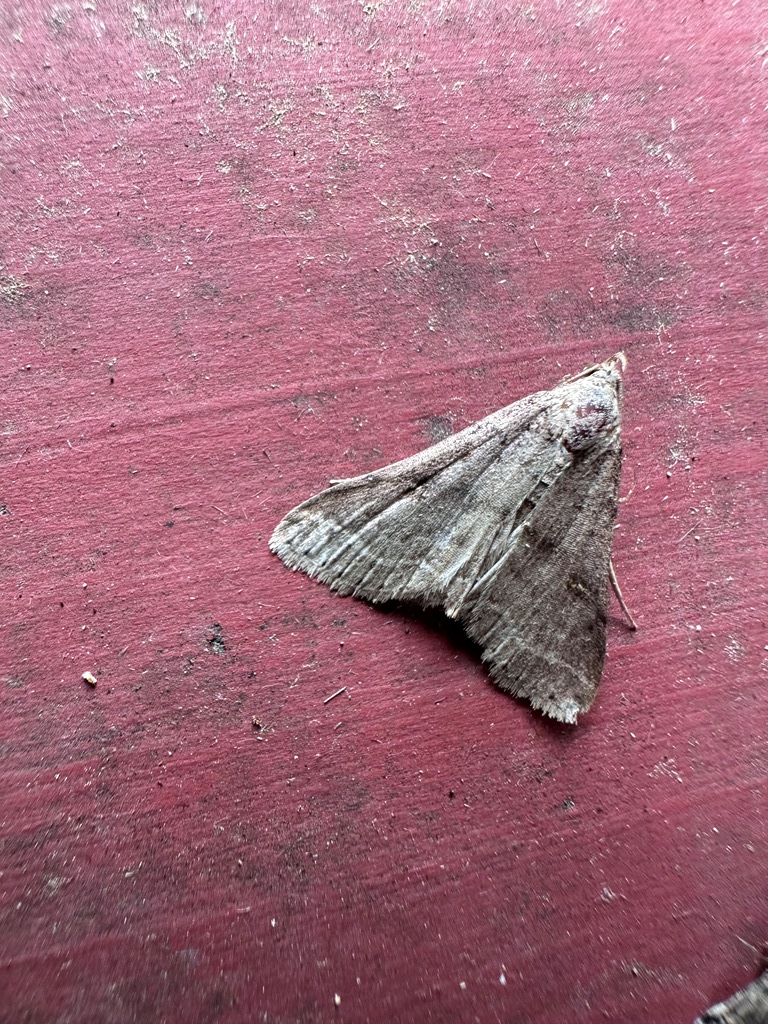
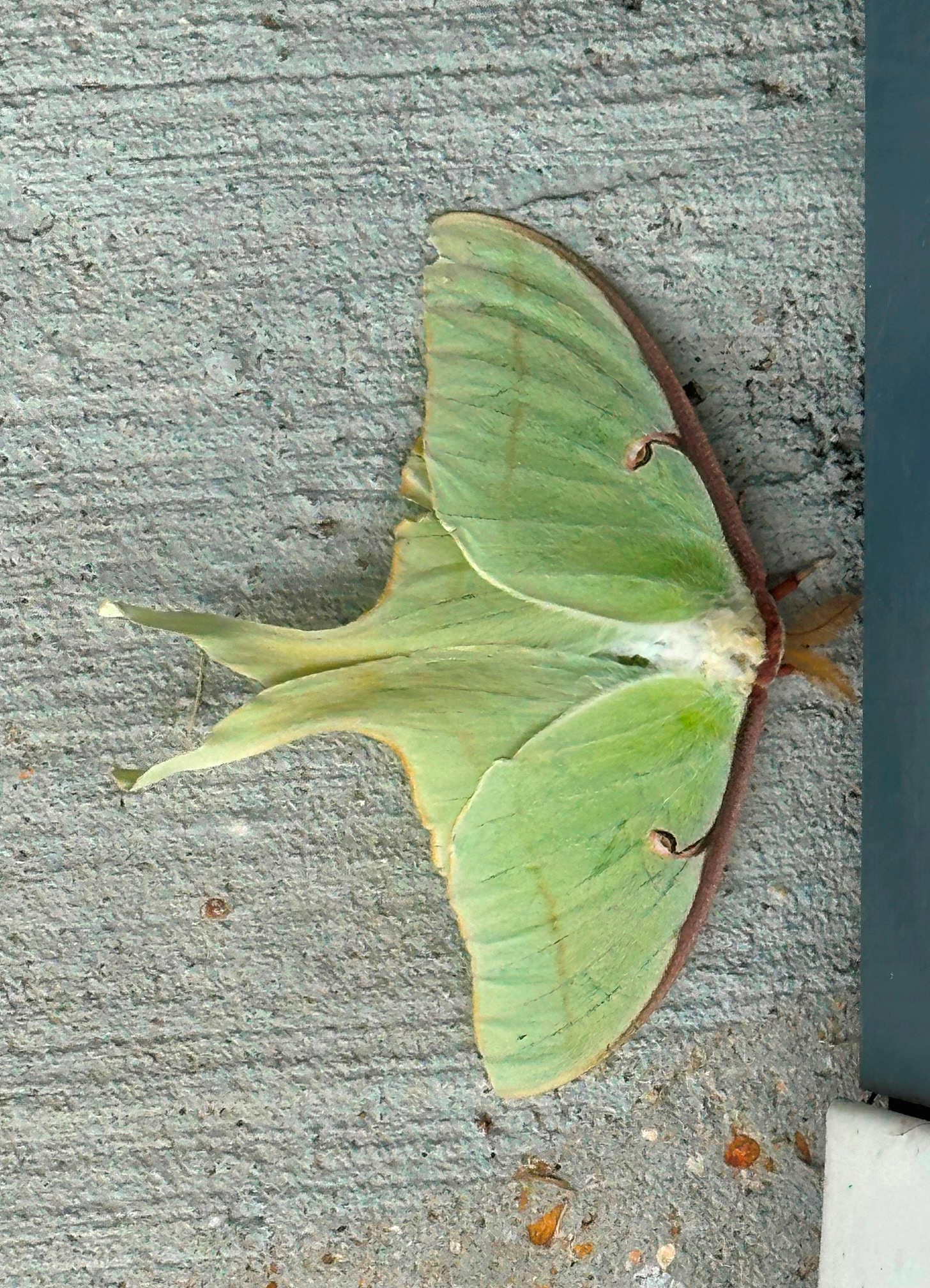
Amazing Moths

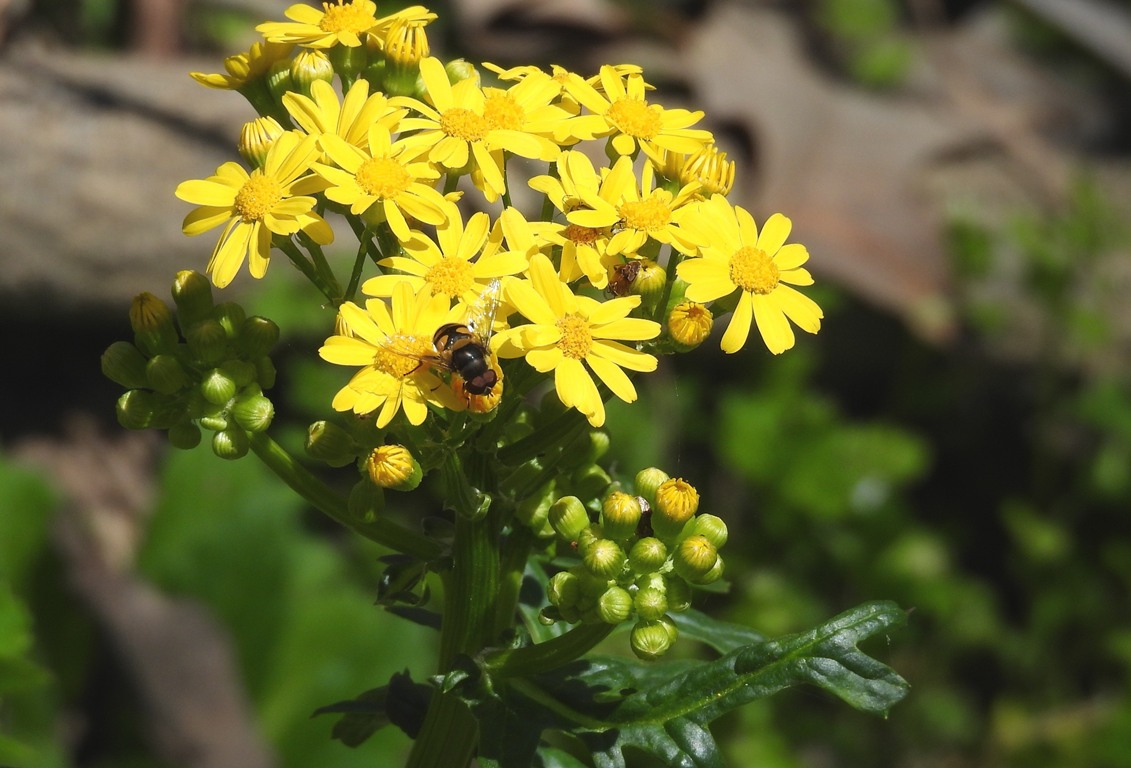
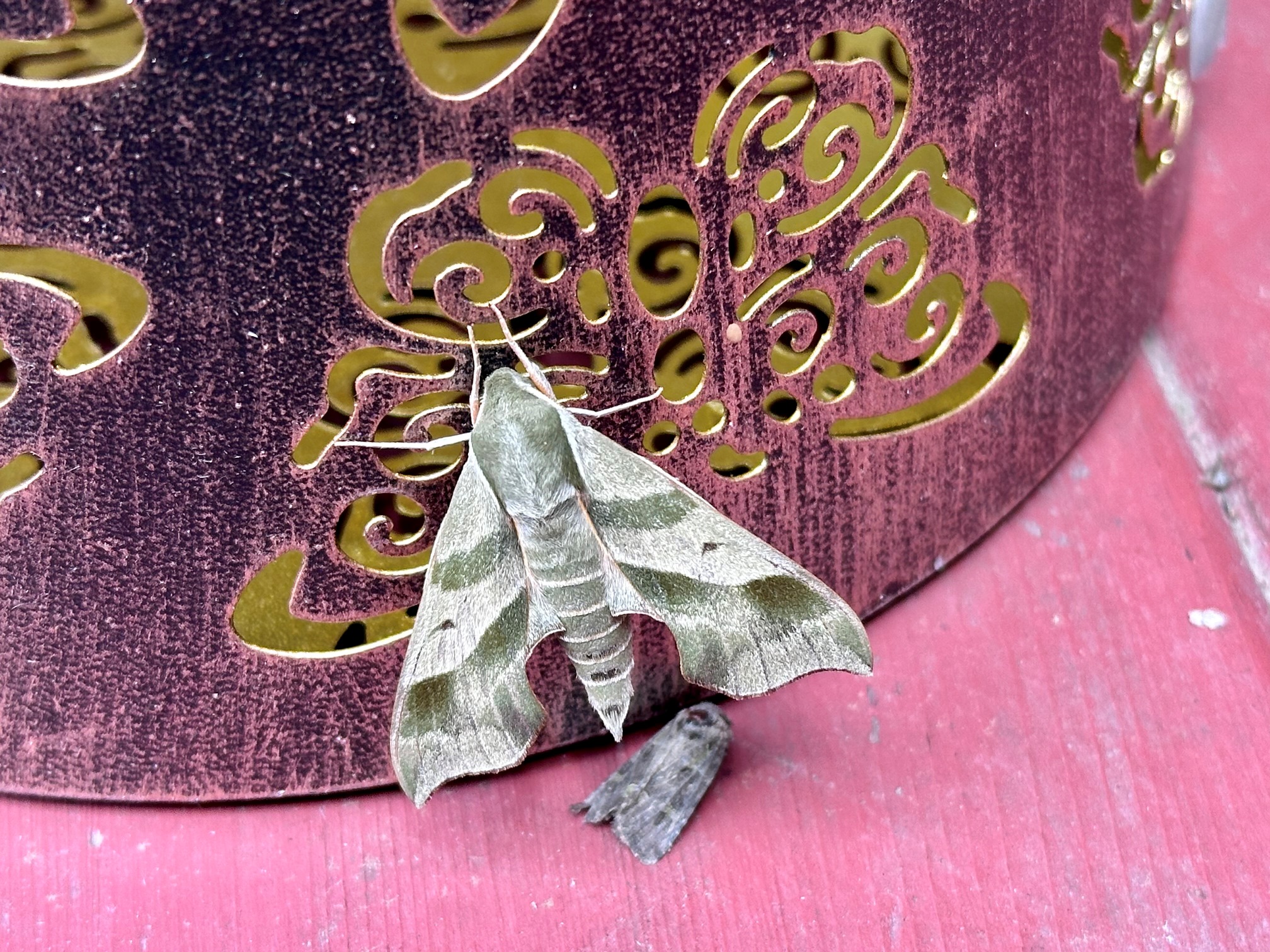
Although less conspicuous than butterflies, these frequently overlooked insects display a remarkable diversity in size, patterns, and colors. Some serve essential roles as nighttime pollinators and are a crucial food source for larger creatures.

“I would rather live in a world where my life is surrounded by mystery than live in a world so small that my mind could comprehend it.”  ~Harry Emerson Fosdick

Note: Credit goes to my husband for the Luna moth photo.

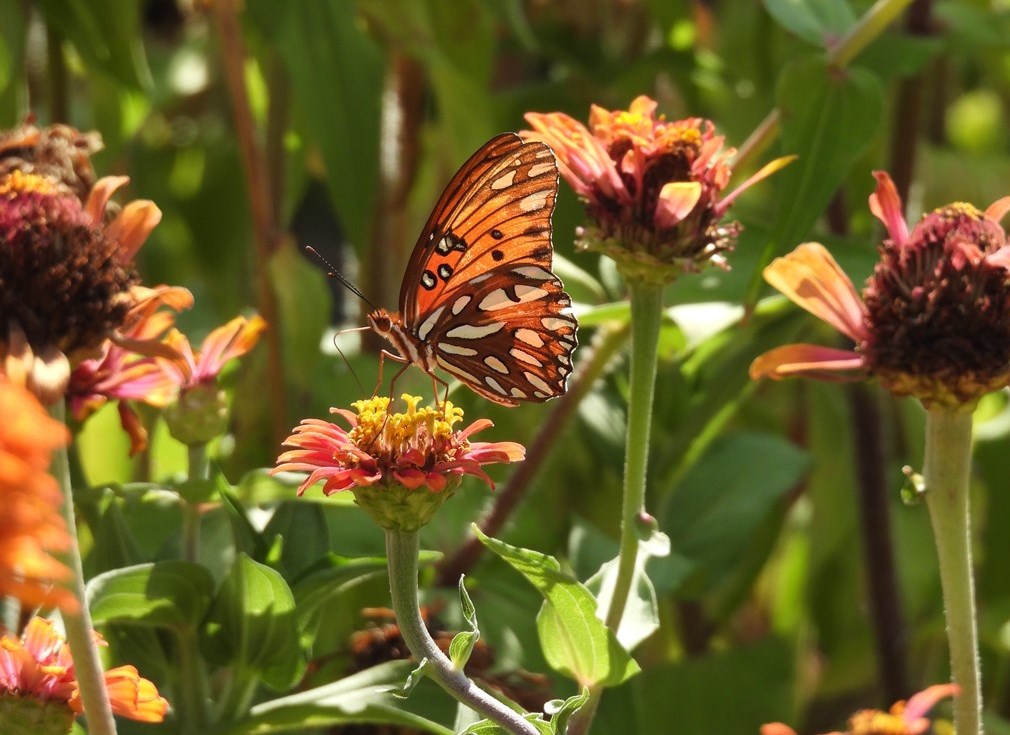
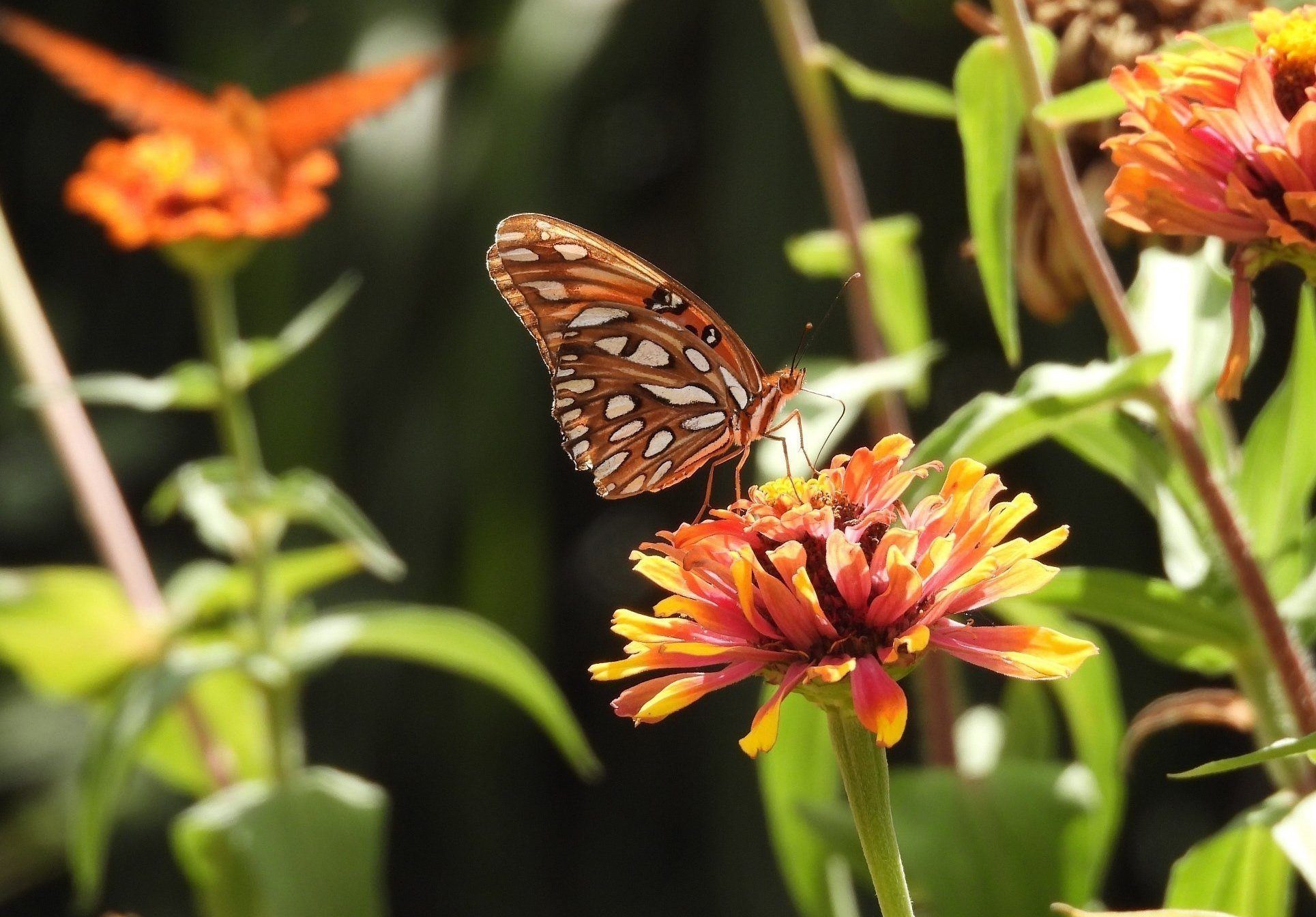
Gulf Fritillary

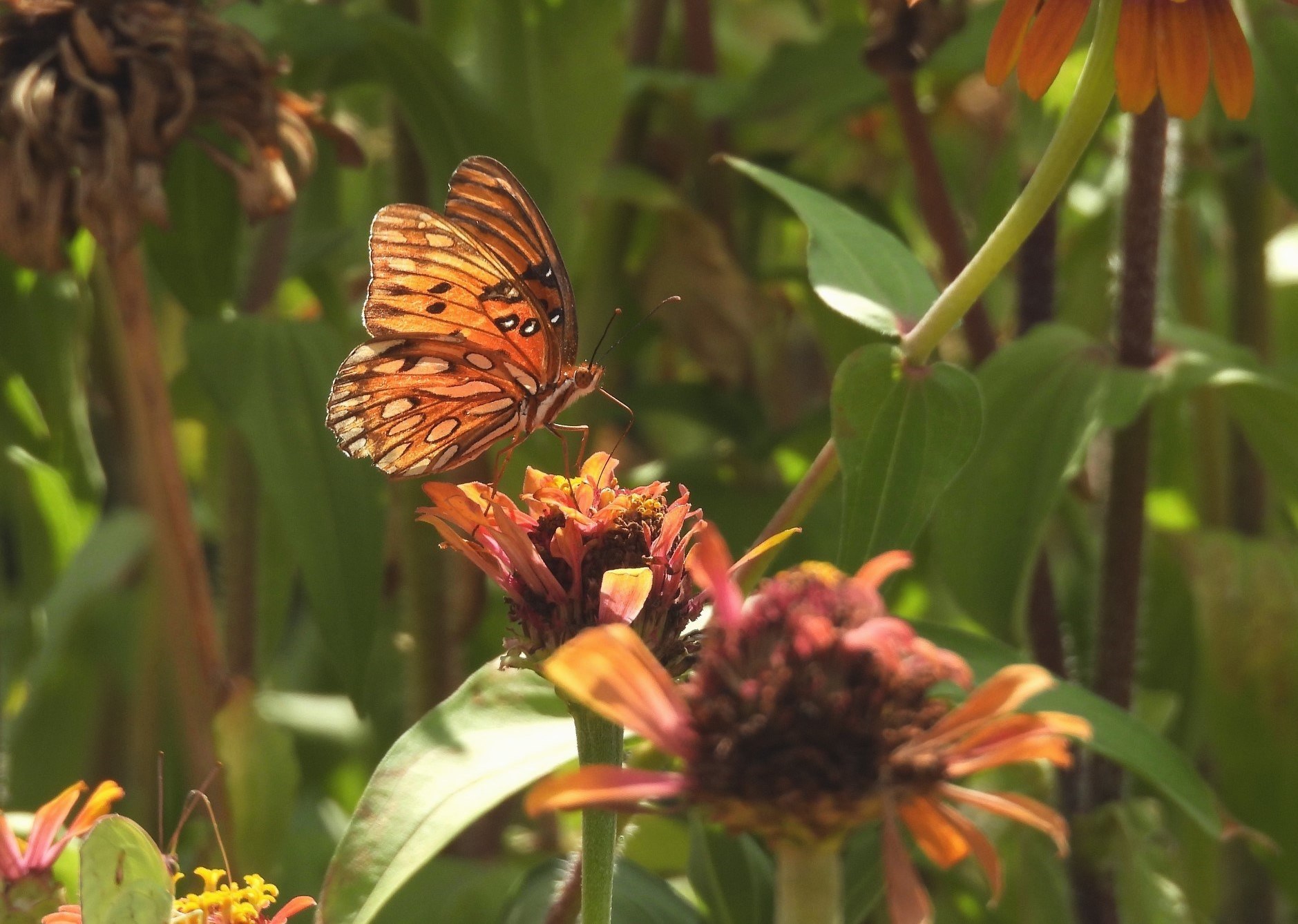
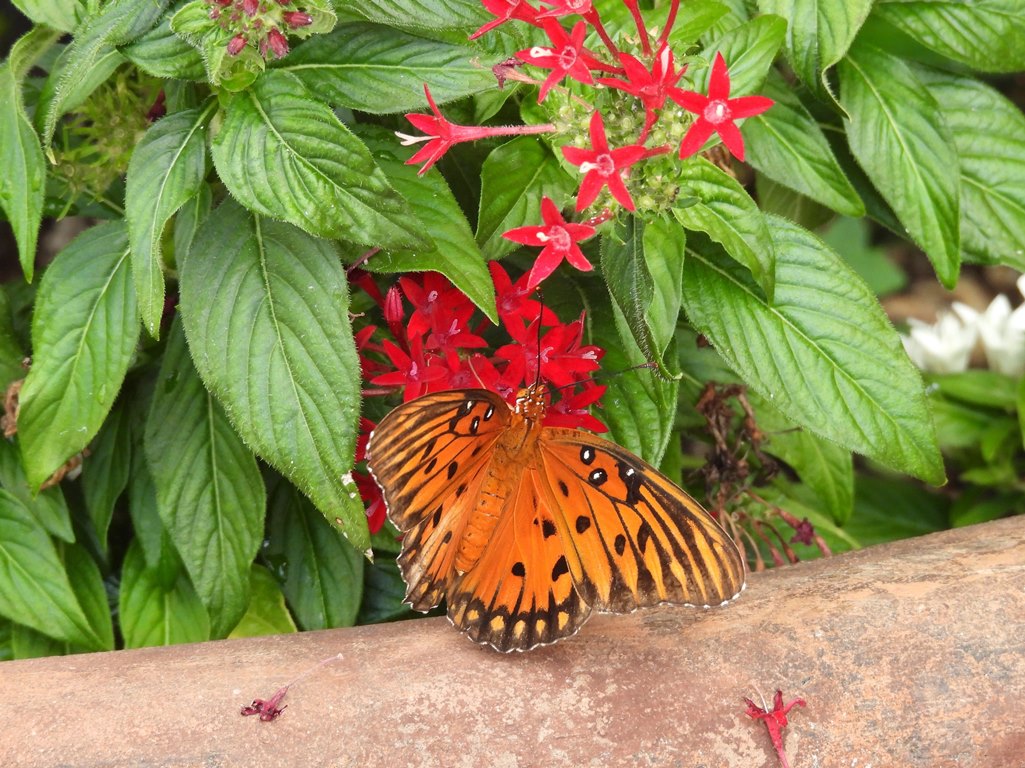
The Gulf Fritillary, also known as the longwing or passion butterfly, is a stunning and delicate insect. Its vibrant orange wings are accented with black streaks on top, while the undersides display white and brown spots. Their lives are brief, lasting only a few weeks. During this period, they spend their days feasting on nectar as one of their major sources of energy.

A butterfly just fluttered by
as little wings just kissed the sky.
And when it flew just out of view,
God whispered,
“I made that for you.”
~Anne Peterson

Praying Mantis

It’s impossible not to be fascinated by this alien-looking insect.  I spotted it crawling along the handrail of the lake’s boardwalk.  Busy on its prowl for prey, it paused long enough to give the human observer a curious glance.

From whence arrived the praying mantis? 
From outer space, or lost Atlantis?
glimpse the grin, green metal mug
at masks the pseudo-saintly bug,
Orthropterous, also carnivorous,
And faintly whisper, Lord deliver us. 
~Ogden Nash

Queen Anne’s Lace

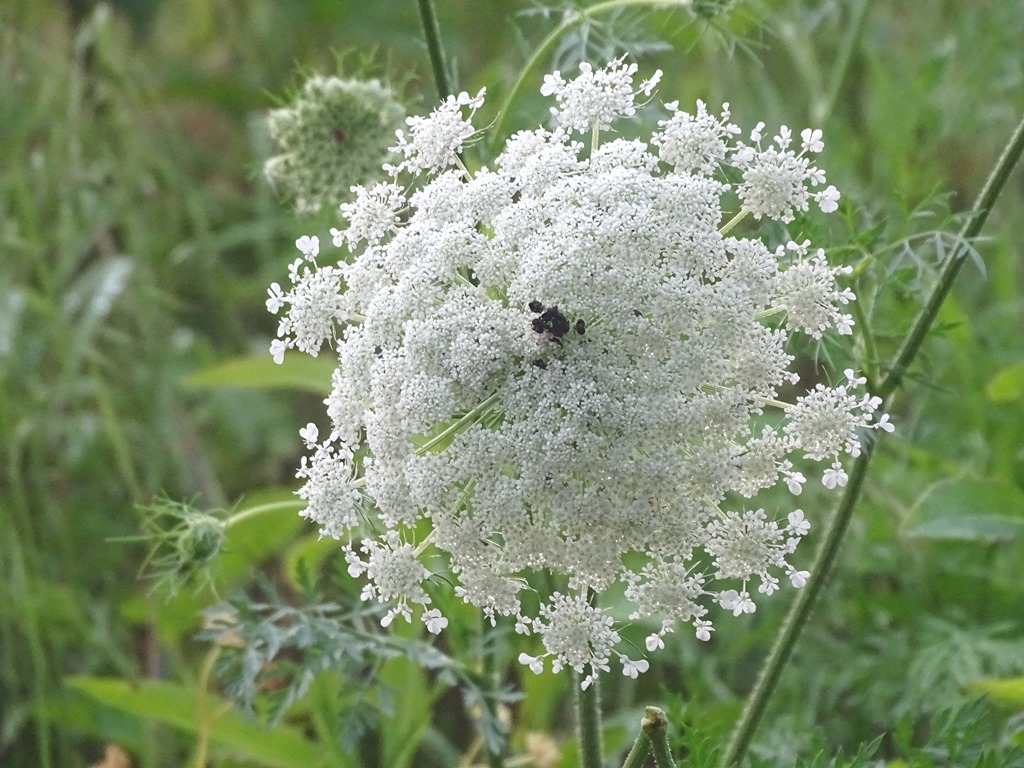
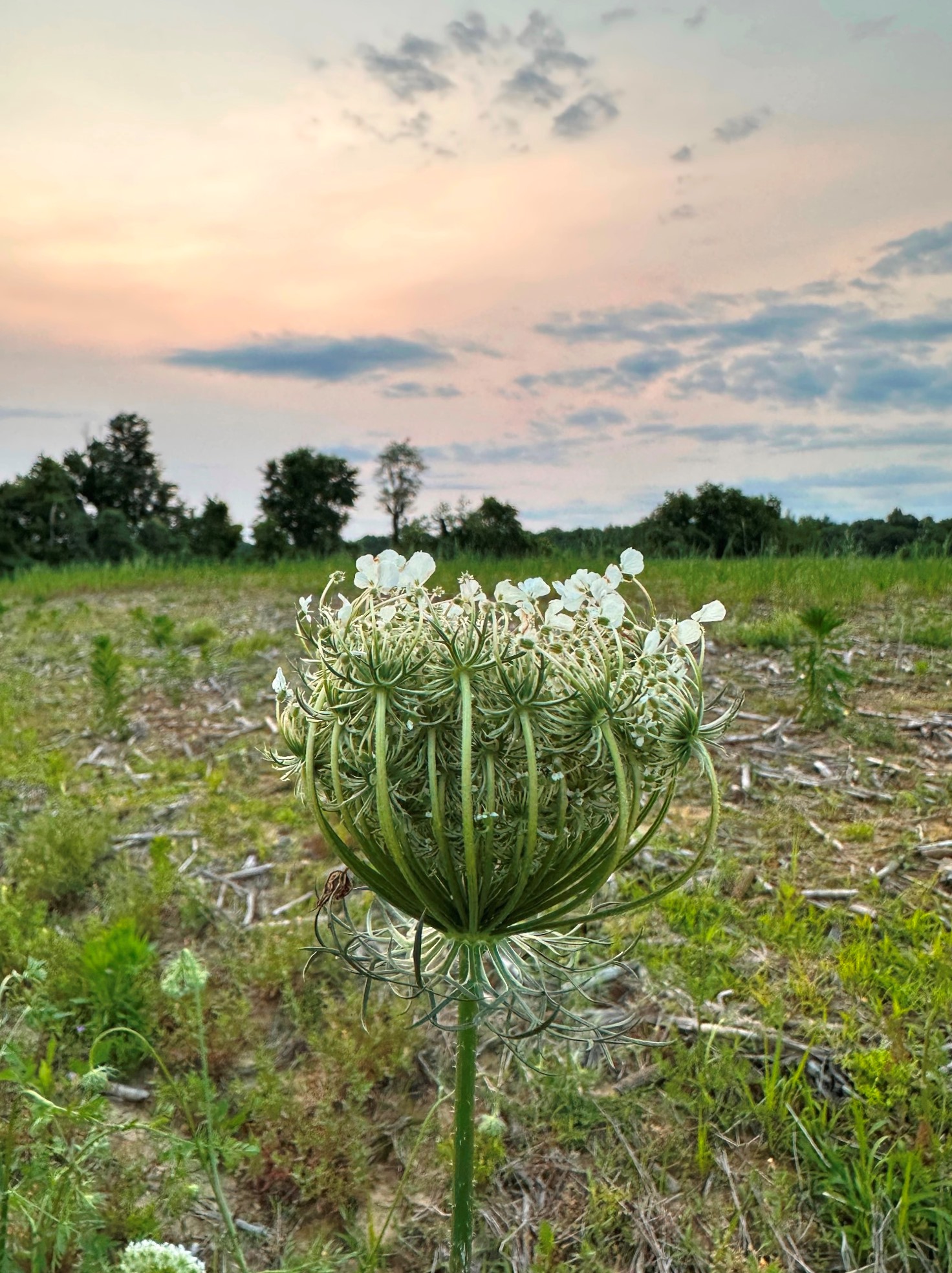
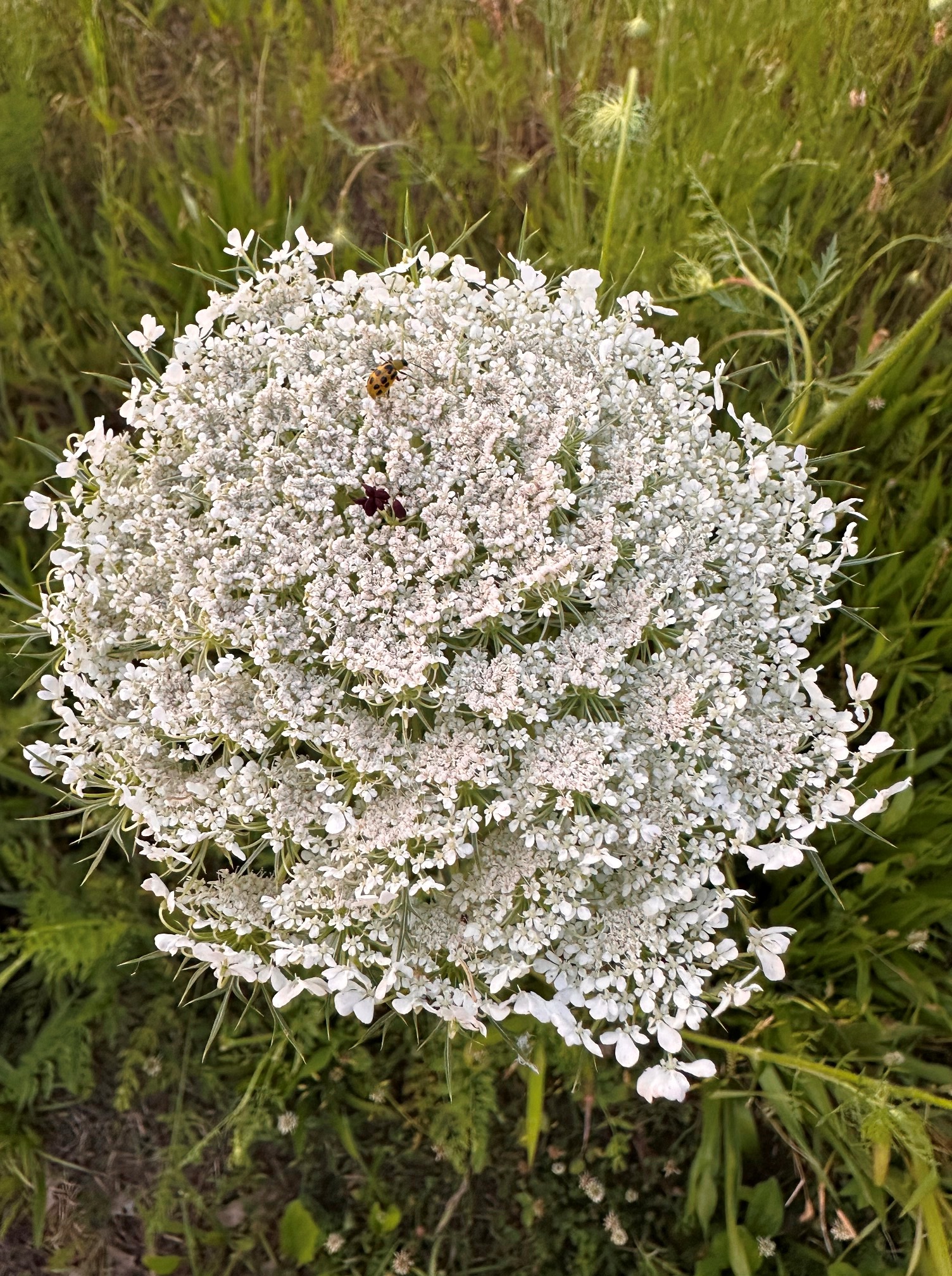
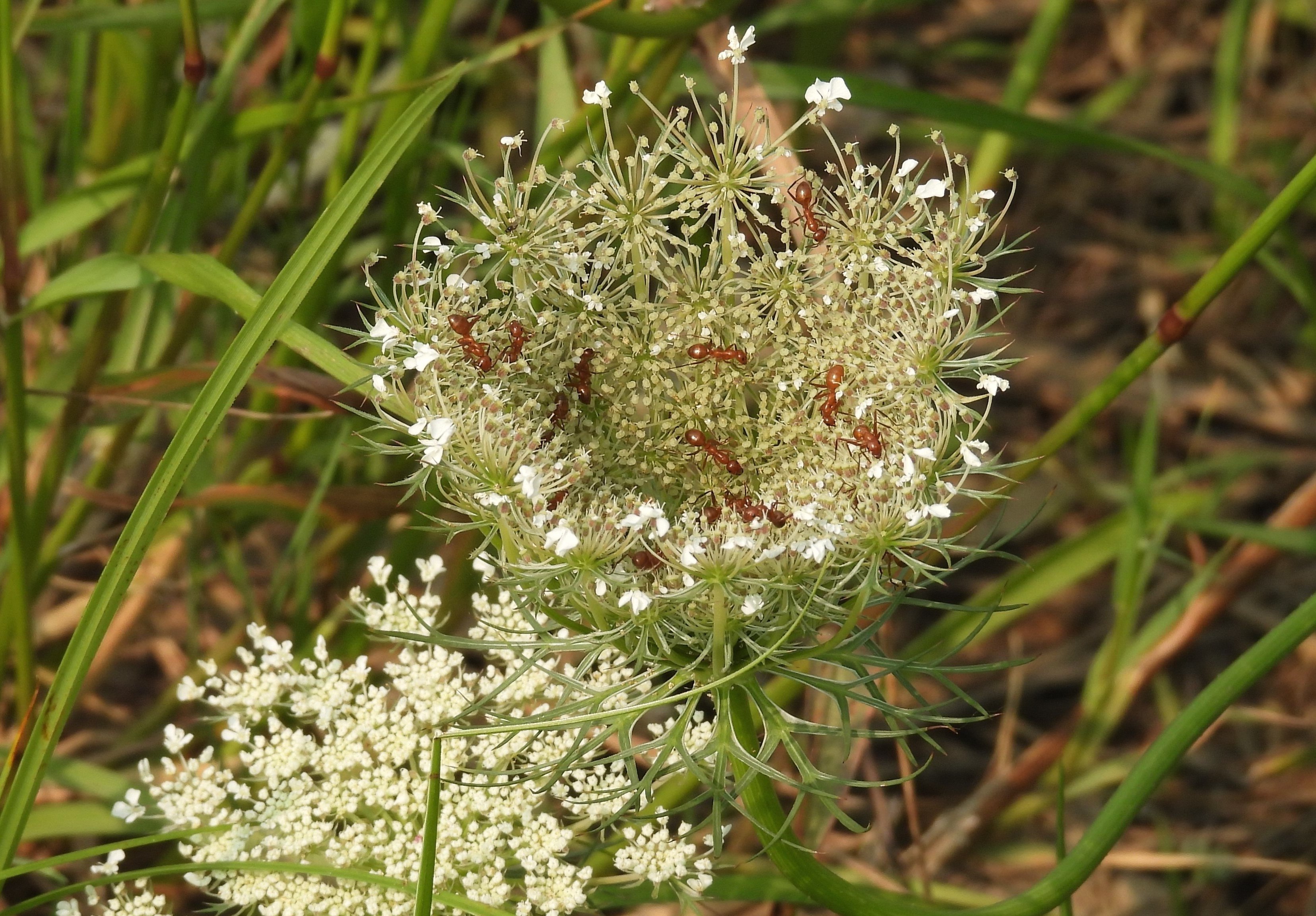
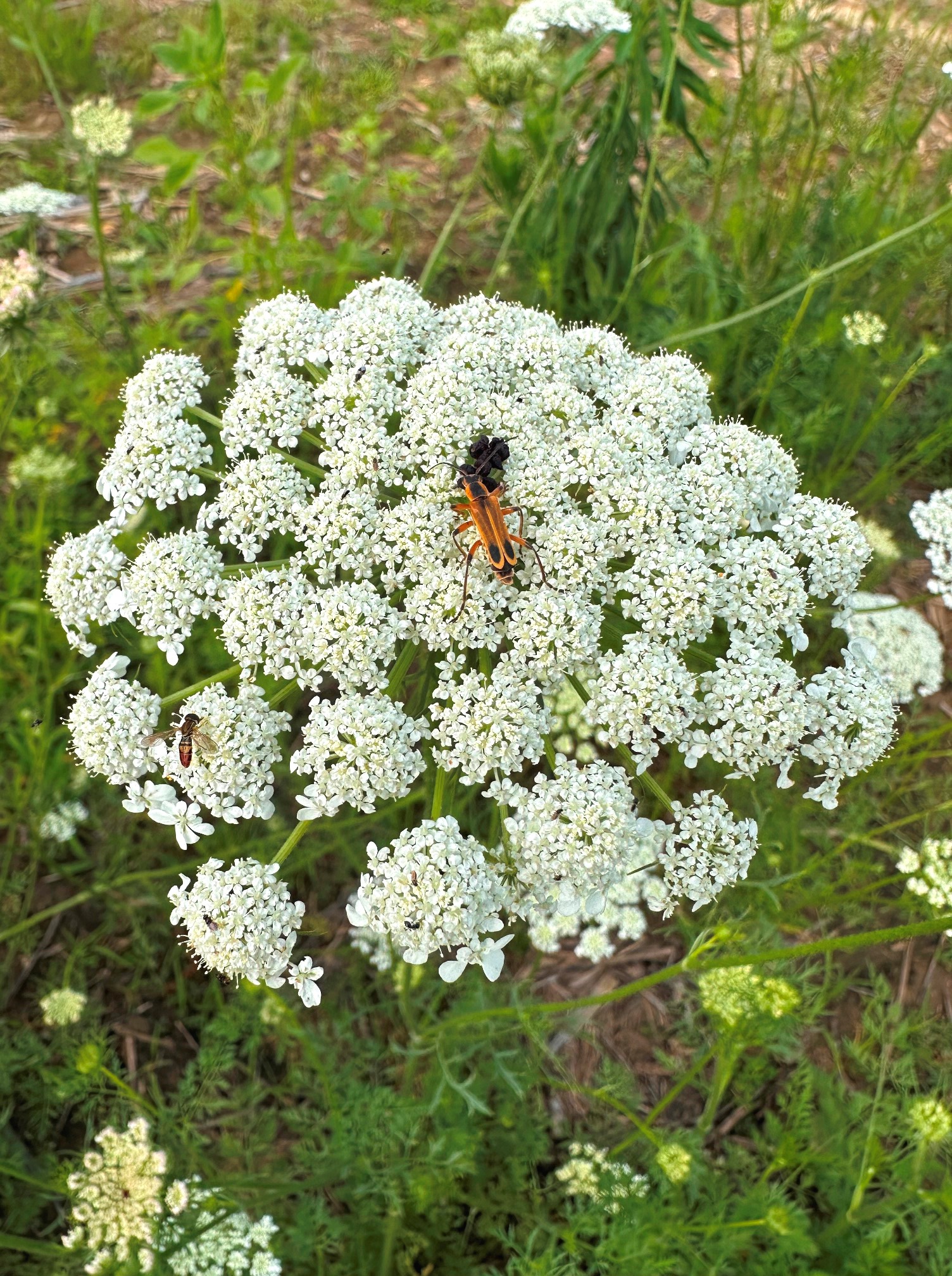
Each year I look forward to the season of the stately and charming Queen Anne’s Lace. The delicate lace-like flowers, which grow wild along our country road, beautify the landscape, attract pollinators and provide habitat for a variety of insects. Ants, attracted by the flower’s nectar, are beneficial since they help protect them from aphids.

“Not a weed but a seed that has blossomed into a flower indeed.” ~Deborah Parise