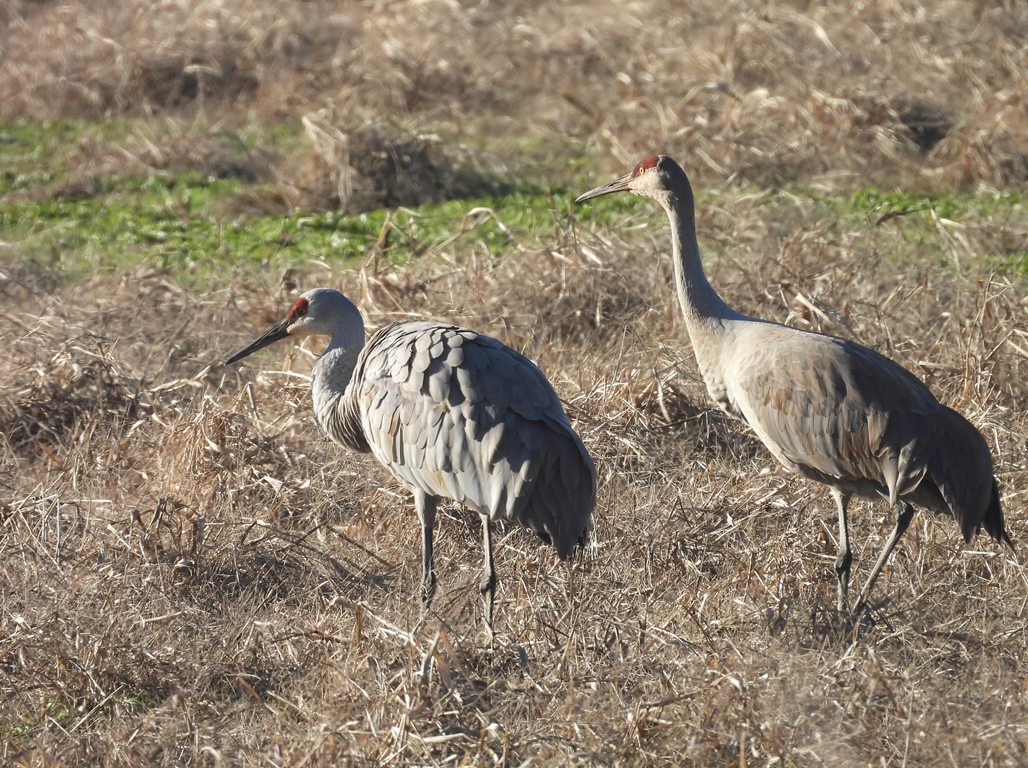
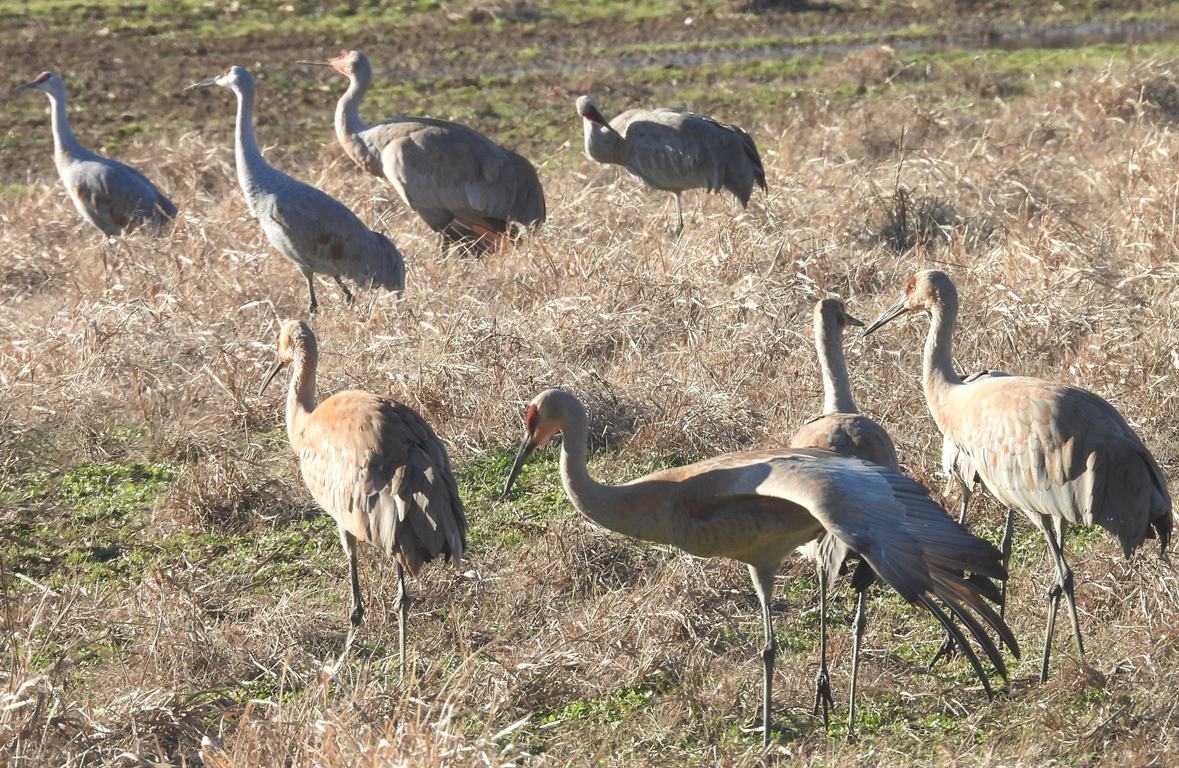
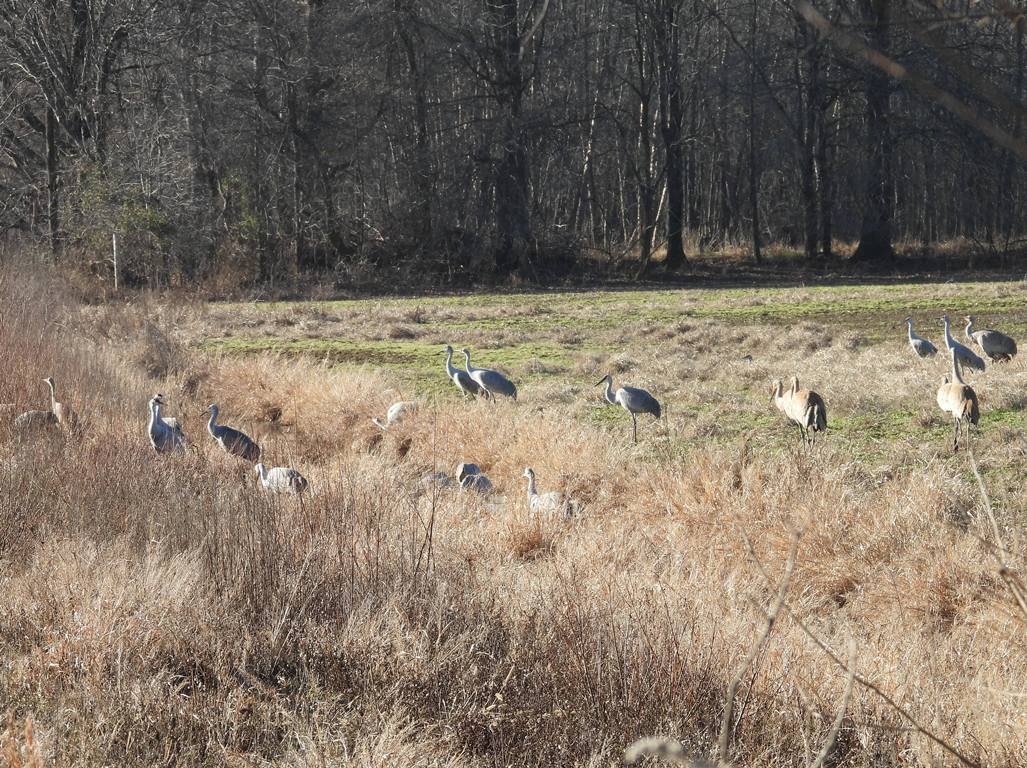
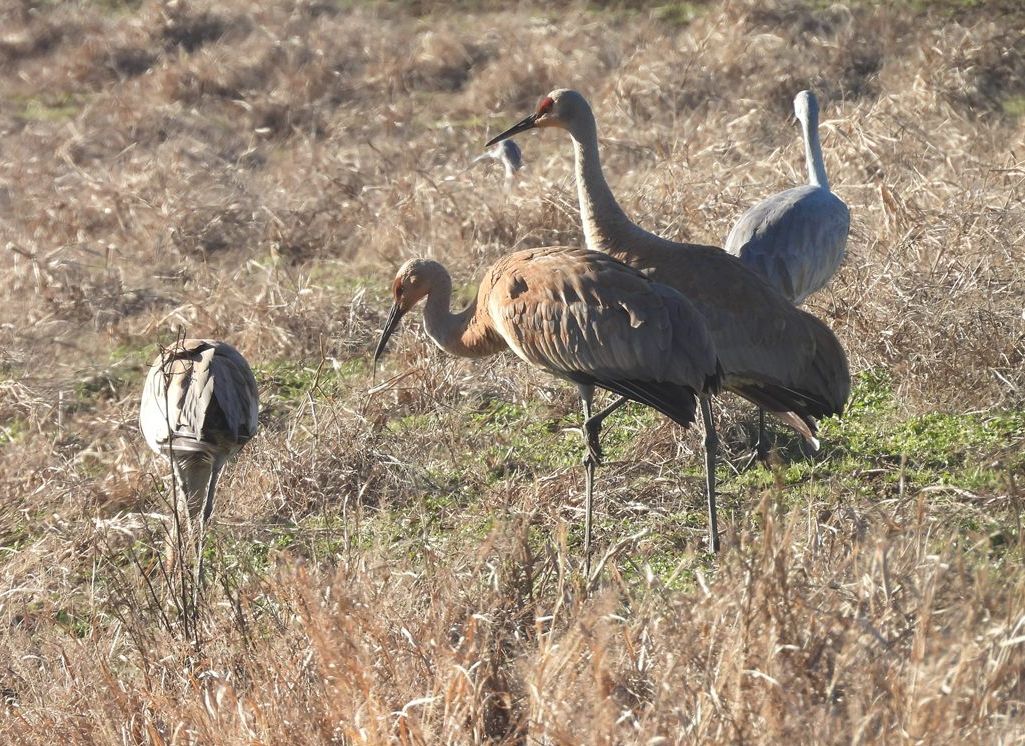
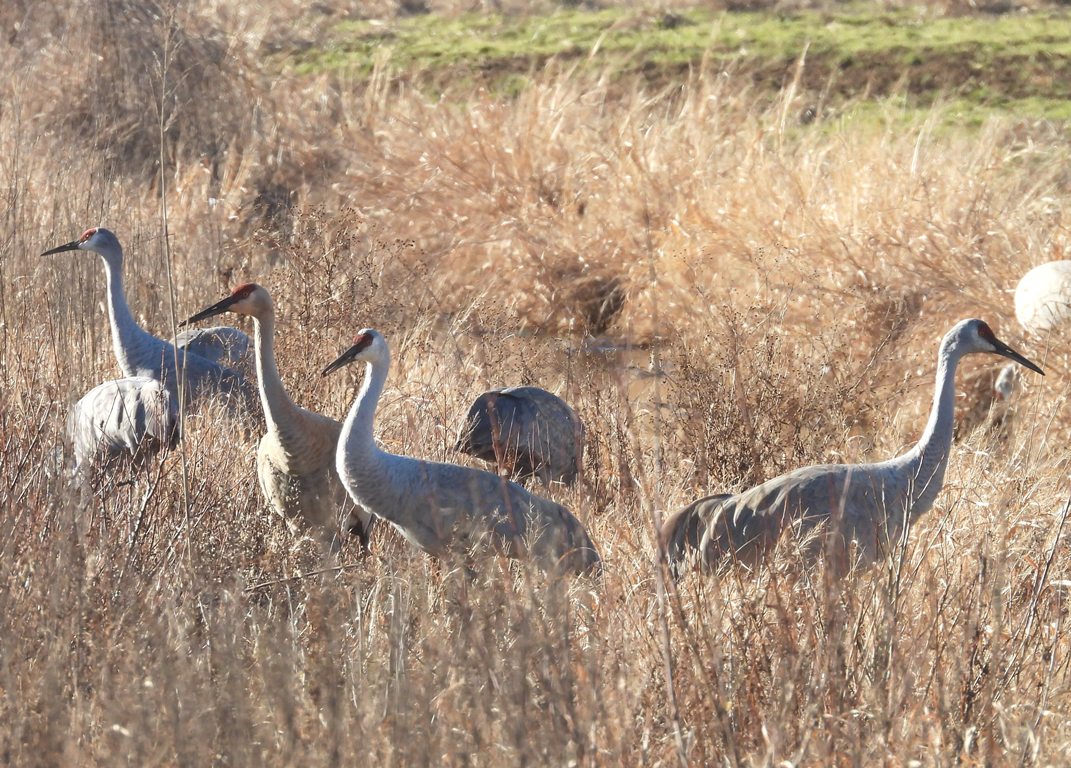
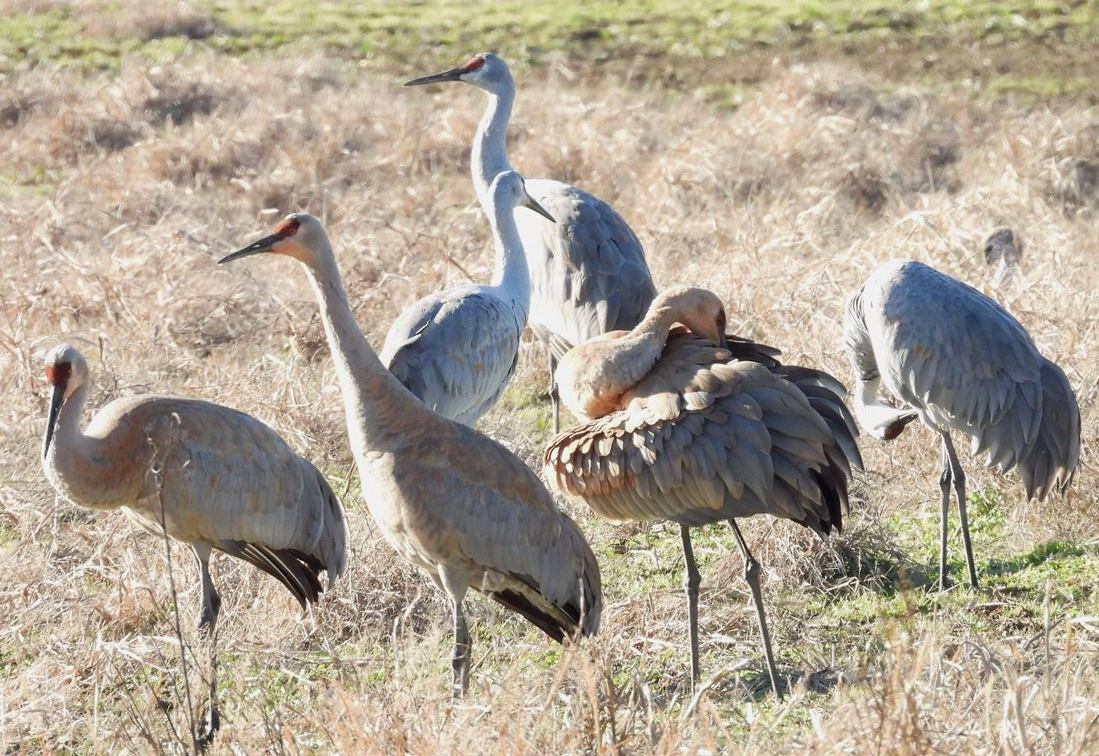
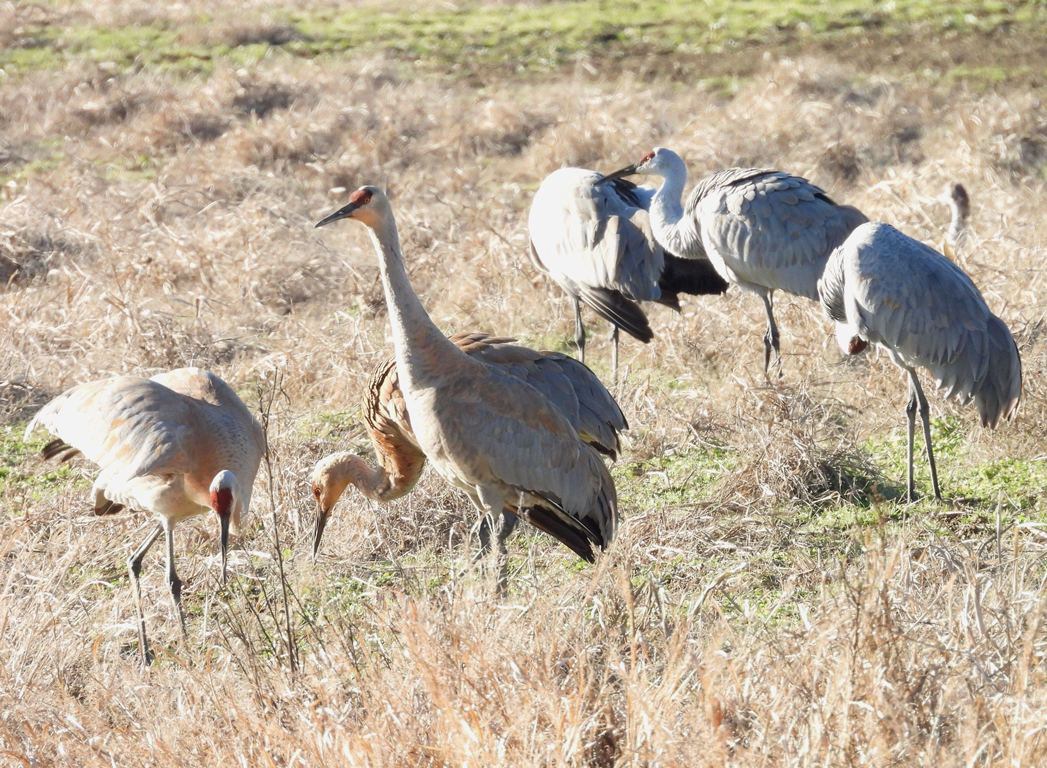
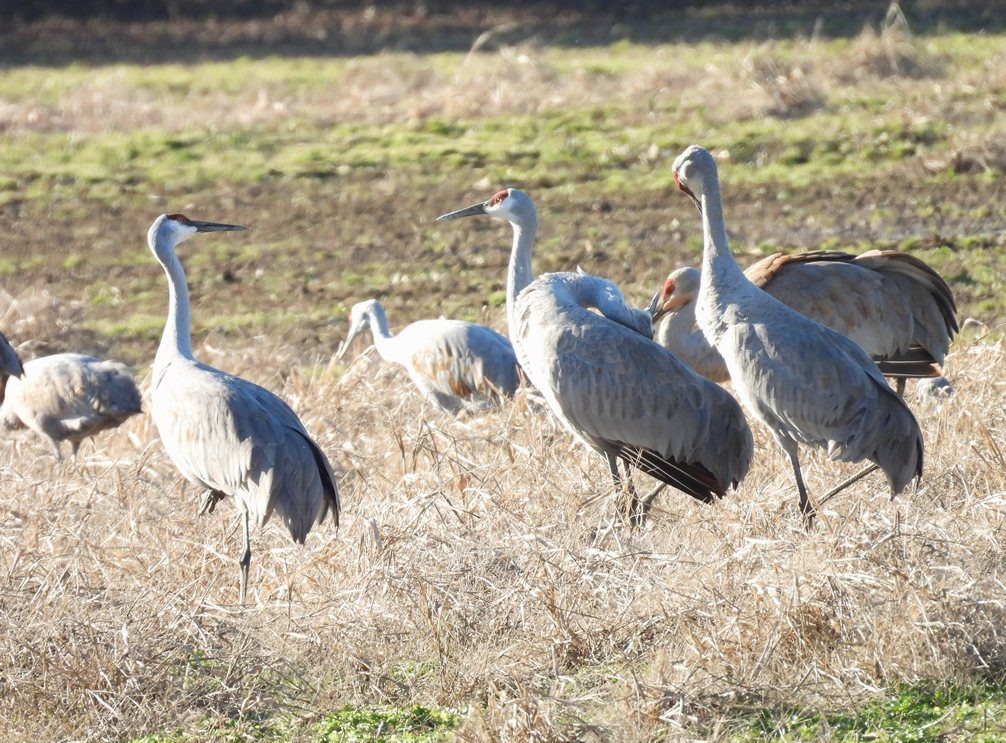
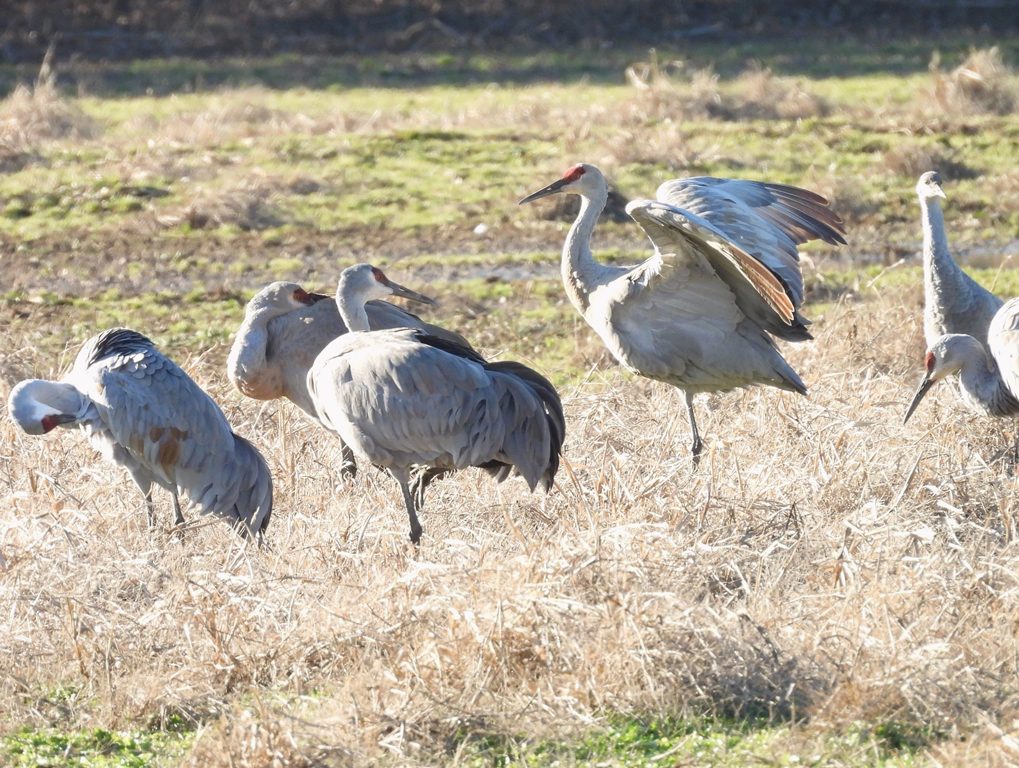
A group of Sandhill Cranes spent the winter at a nearby refuge, giving us the chance to see them during their stay.
Notice the rusty tint on some of these cranes’ feathers. Sometimes they stain their gray feathers with iron-rich mud during preening, resulting in this rusty coloration. Though it is not known exactly why this is done, various theories suggest that it may help with camouflage, enhance their appearance during mating season, serve as an alternative to dust bathing, or assist in controlling feather parasites. Regardless of the reason, this splash of color adds an interesting touch to their ash-gray feathers.
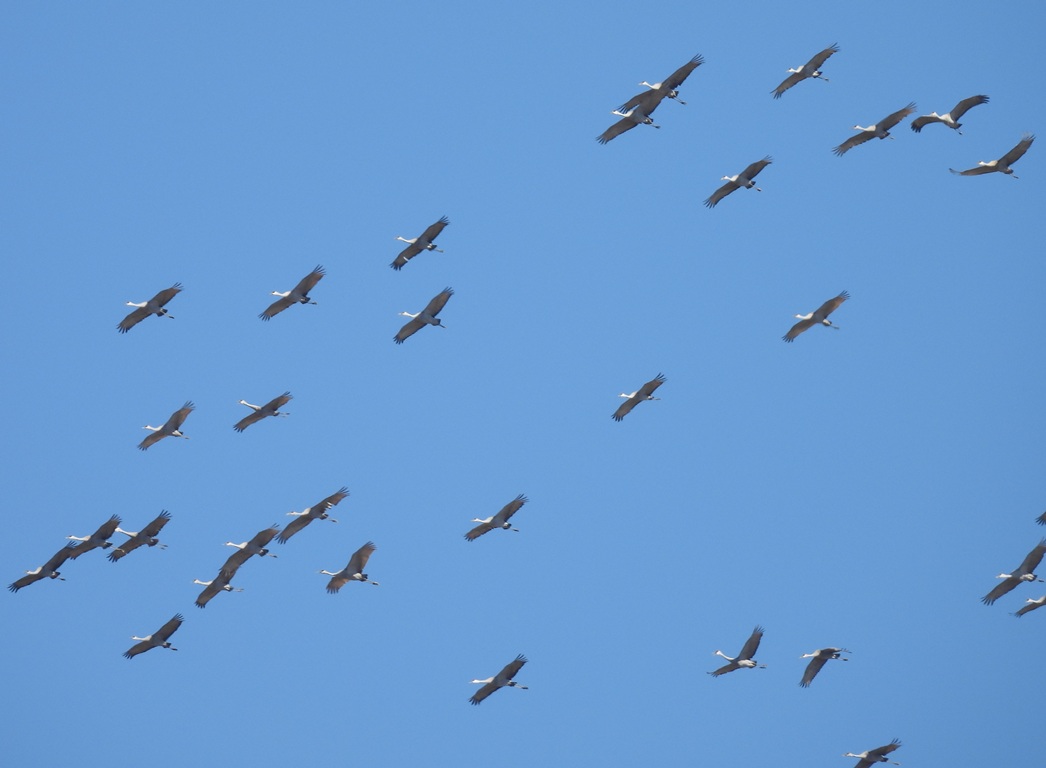
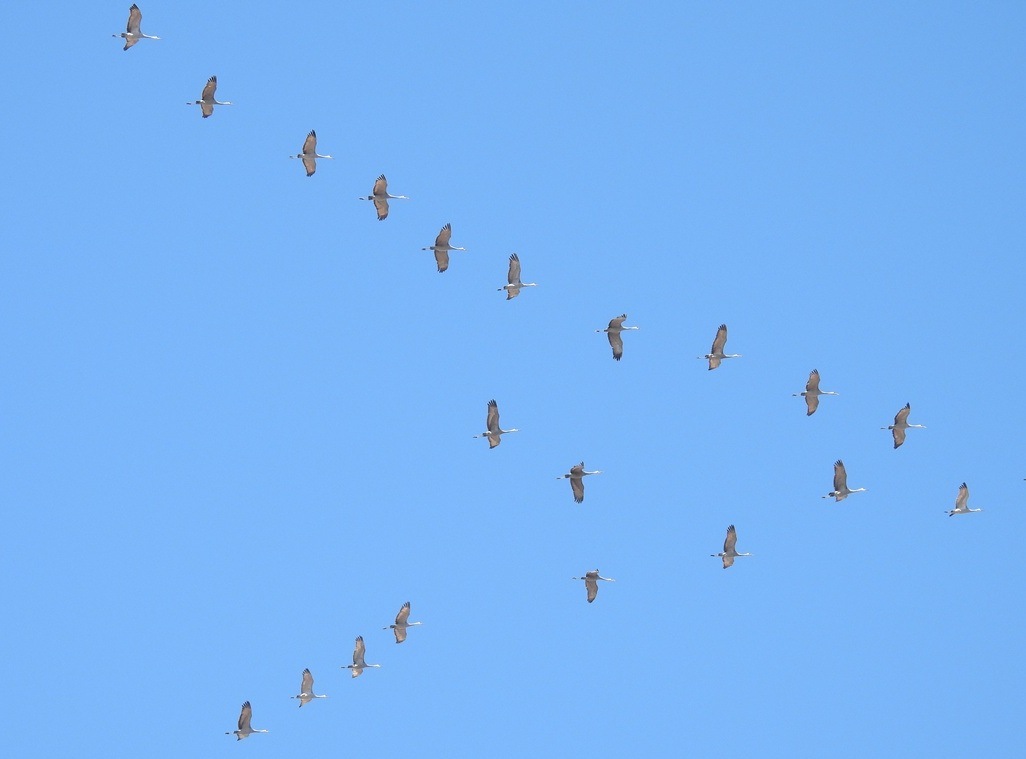
Below are a couple of photos of Sandhill Cranes we spotted flying over the fields near our house.
“When melodies dance and colors splash, the world becomes a little less gray.” ~Unknown
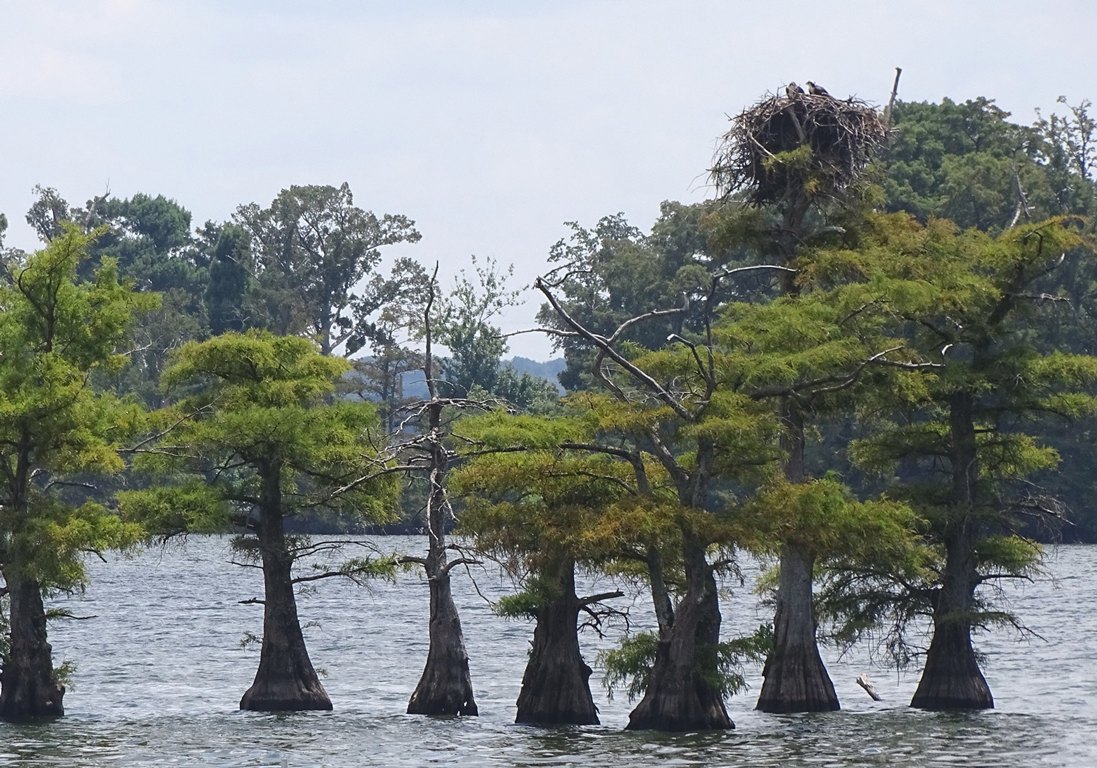
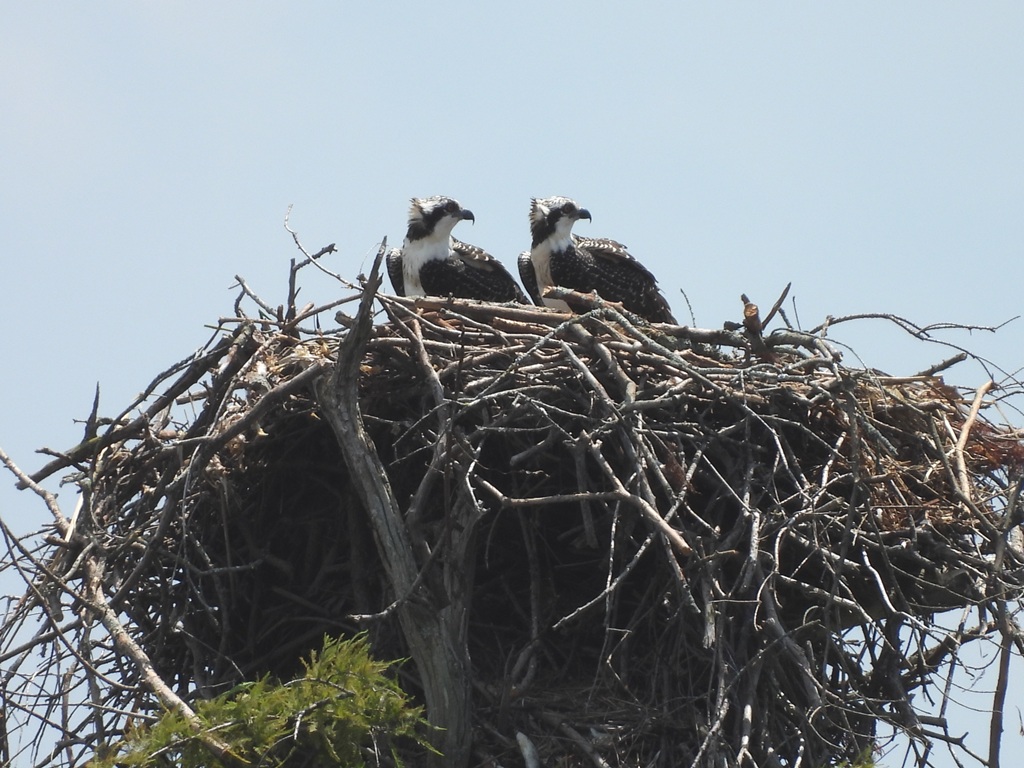
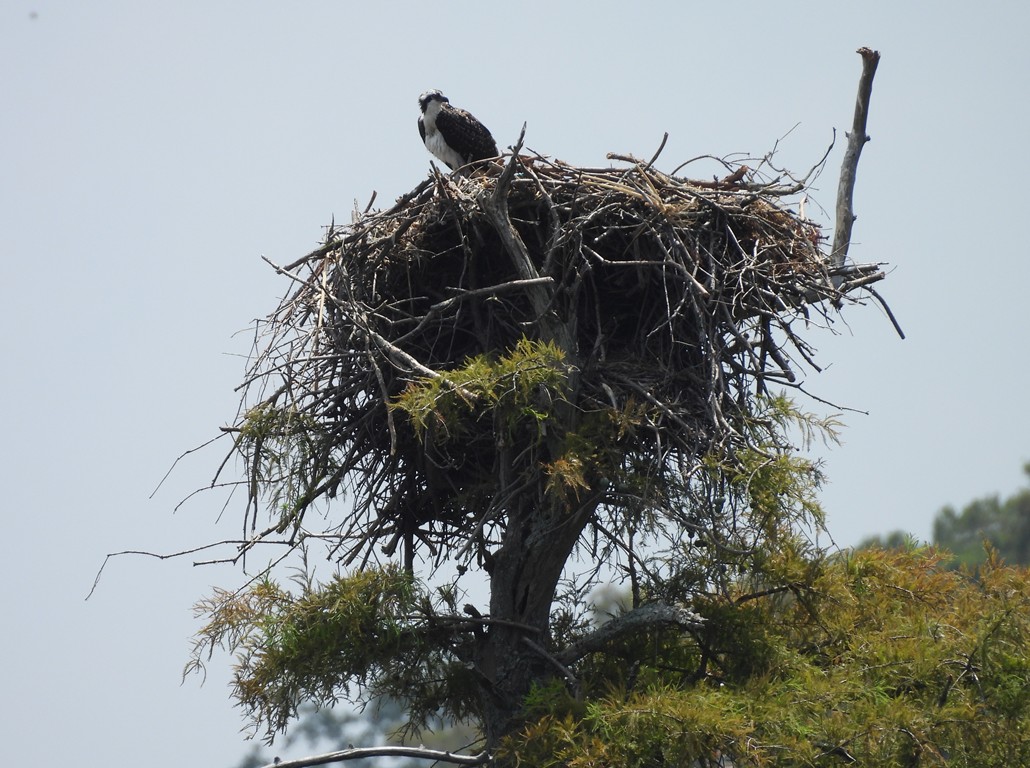
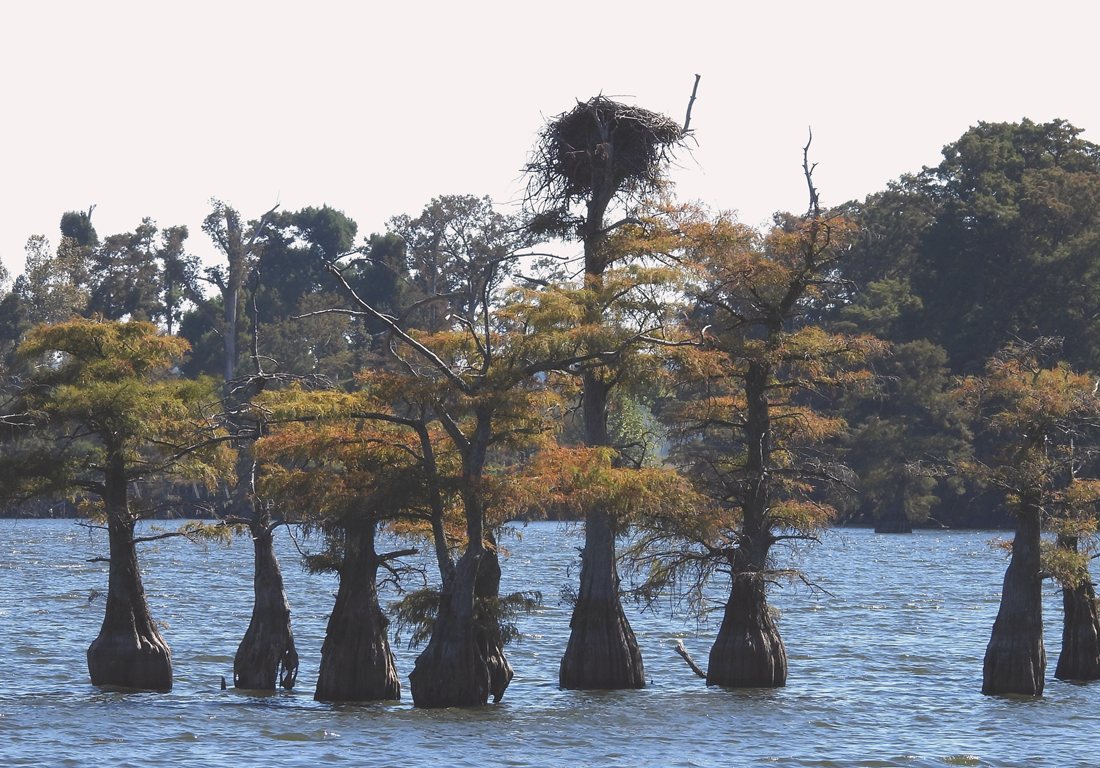
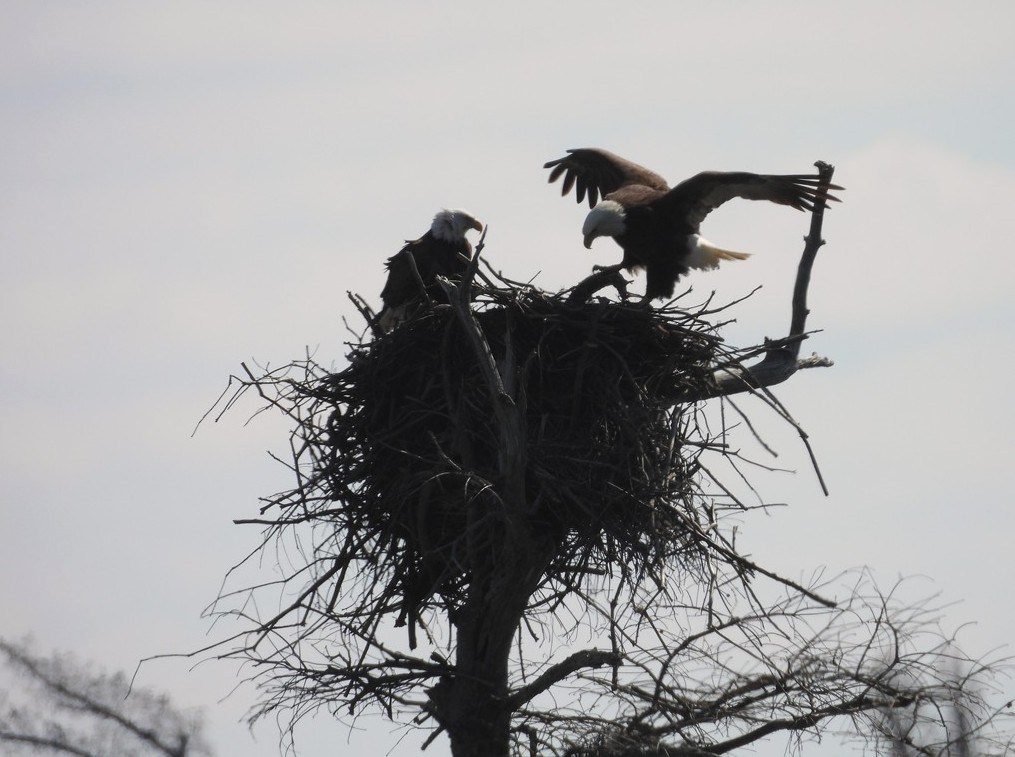
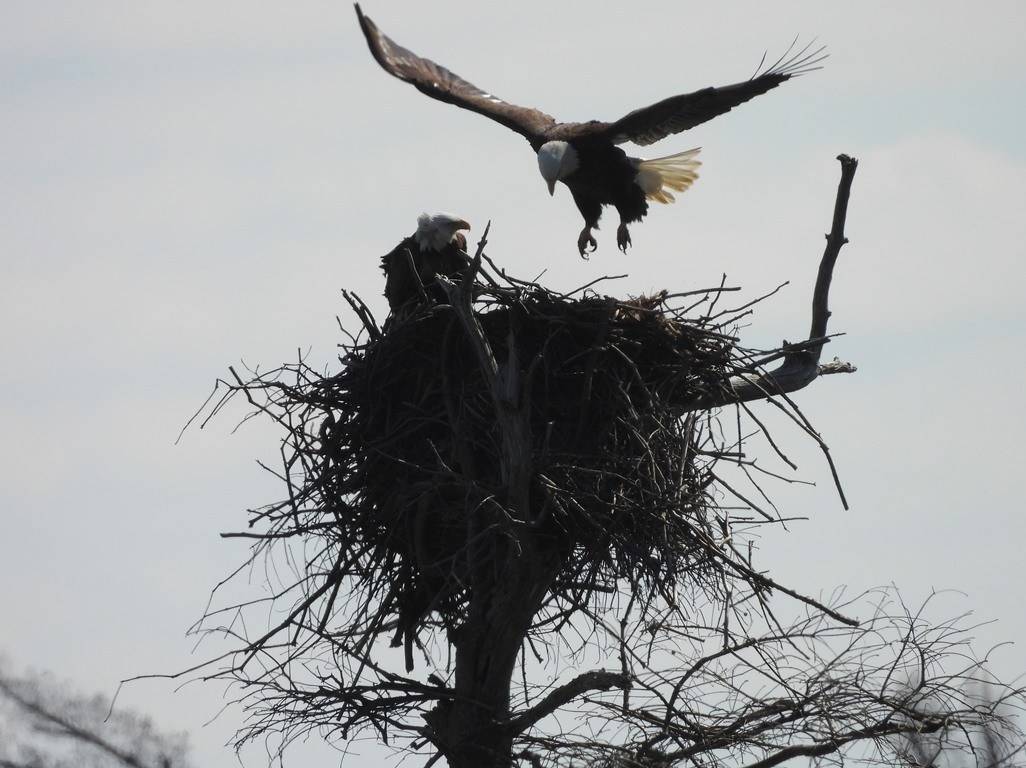
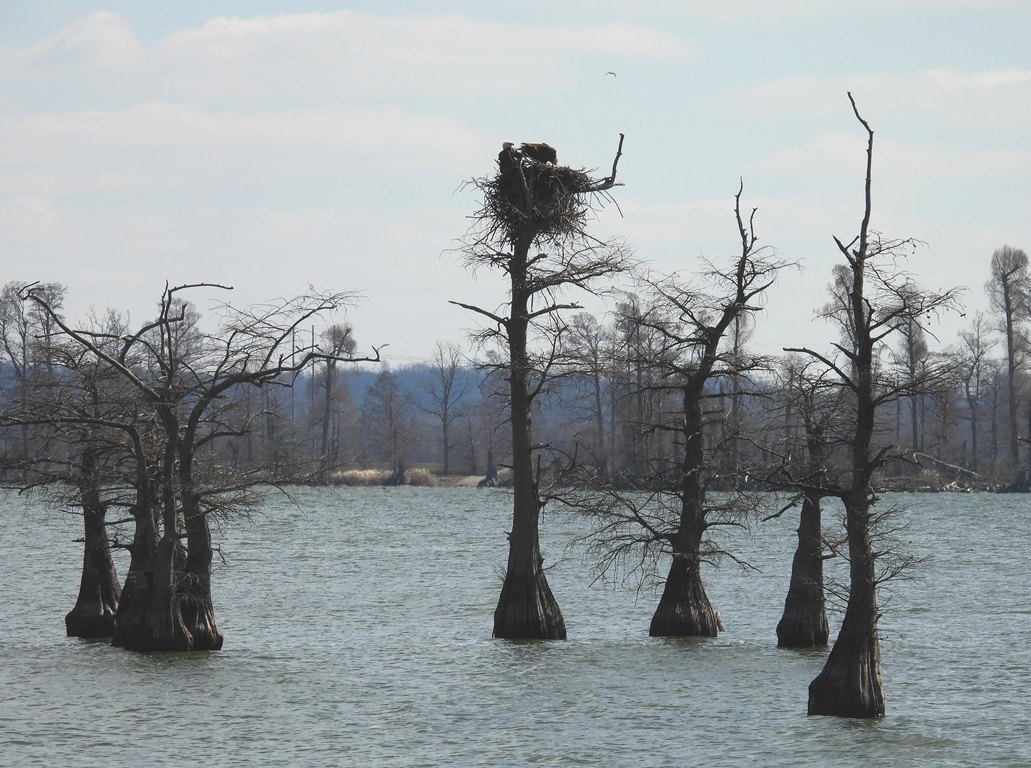
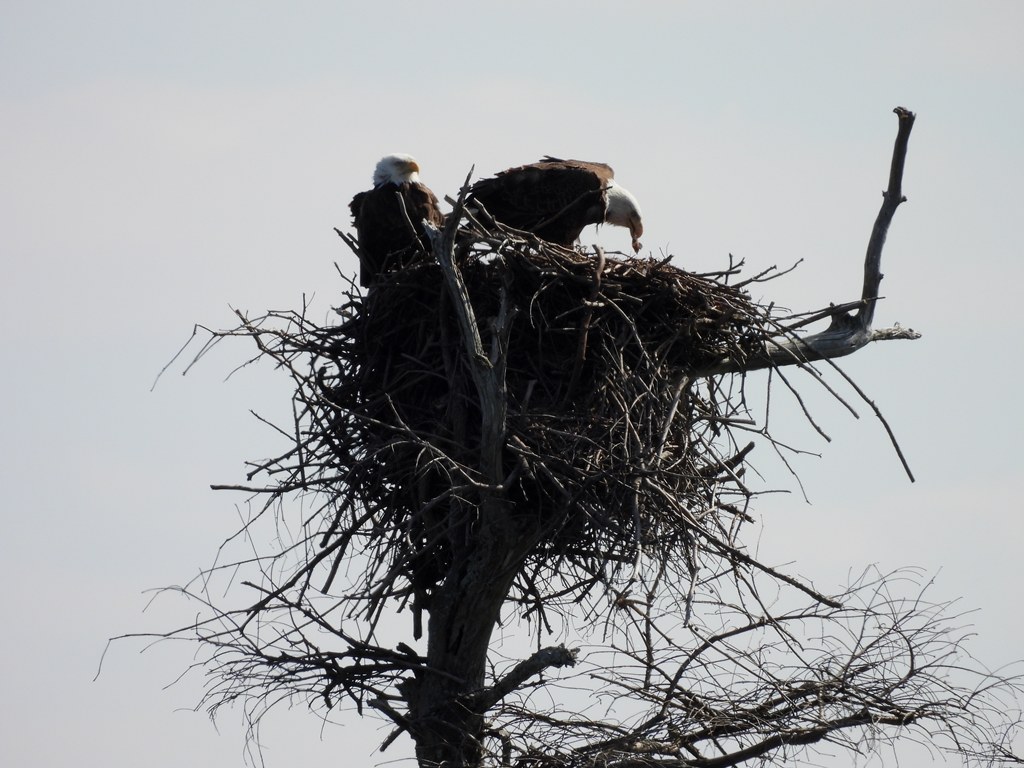
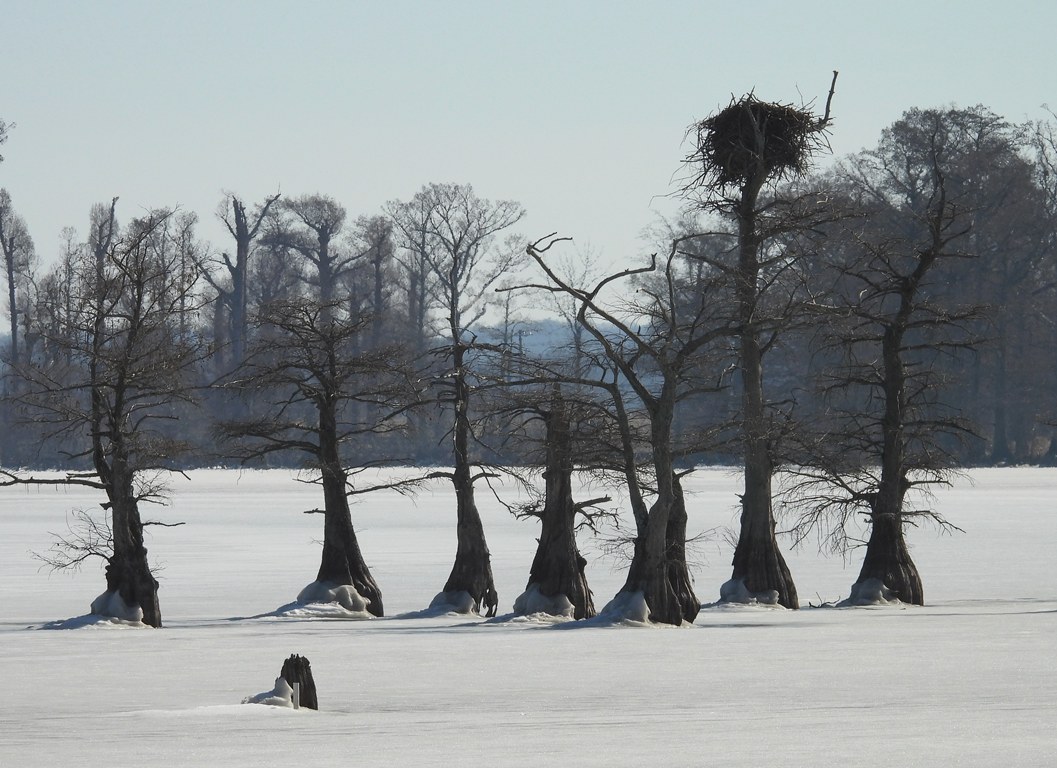
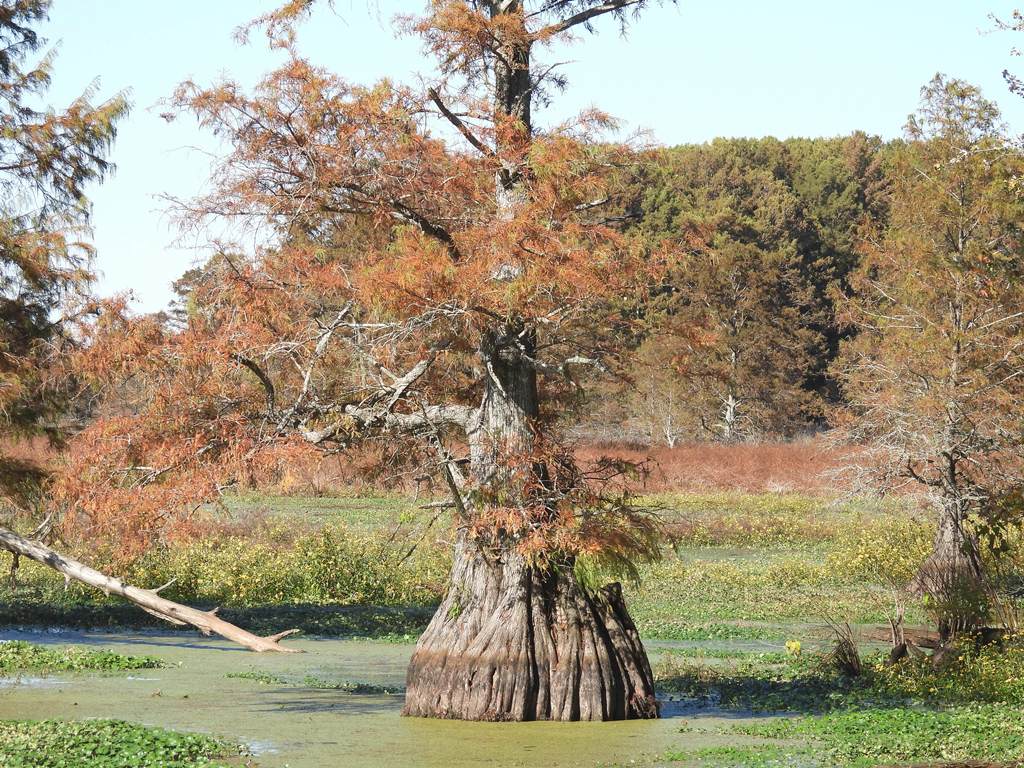
We enjoy watching a pair of ospreys that have built their nest in a cypress tree out on the lake, where they have spent their summers for the past several years.
By late autumn, the ospreys have migrated and the nest sits vacant, waiting for their return in the spring.
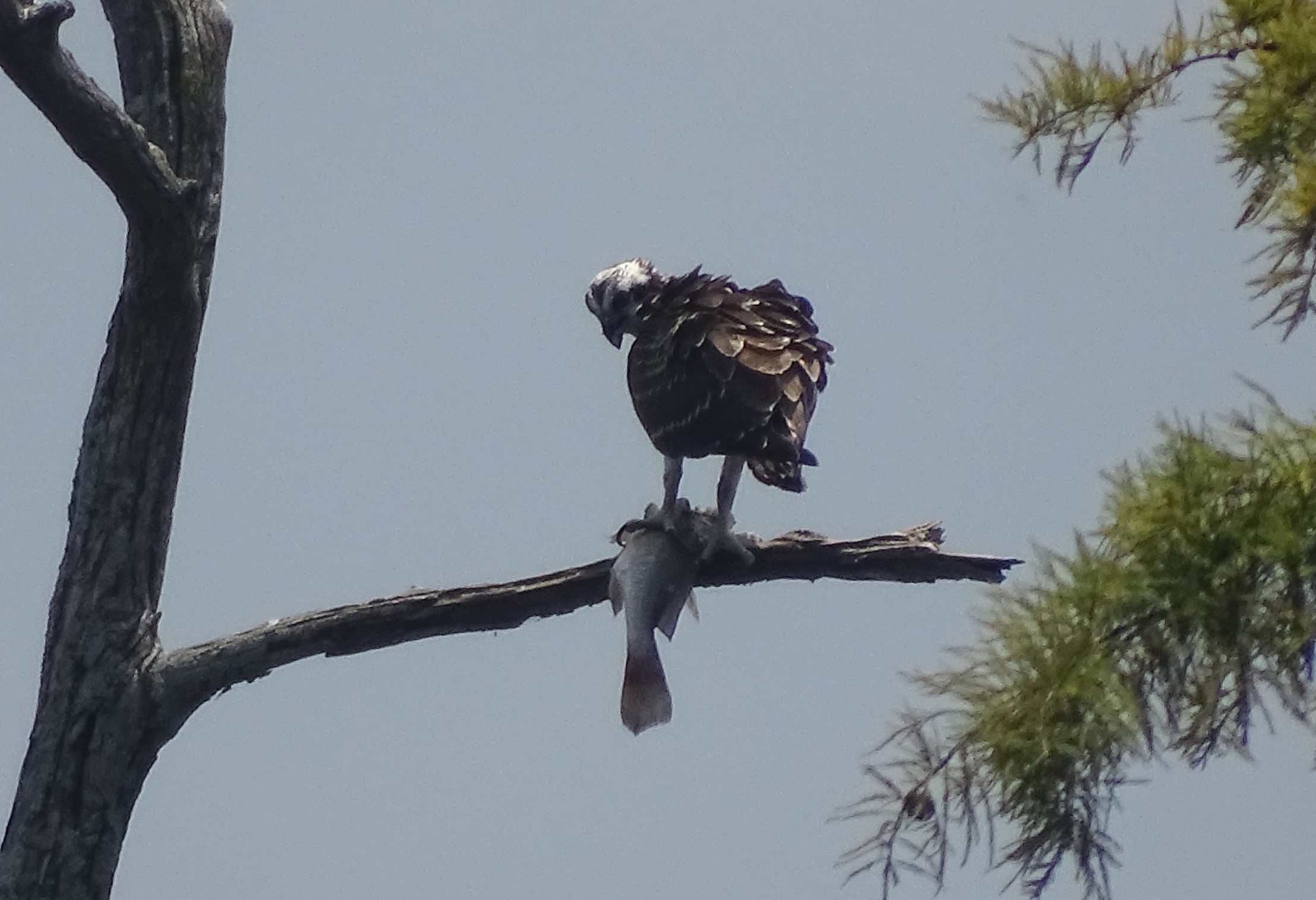
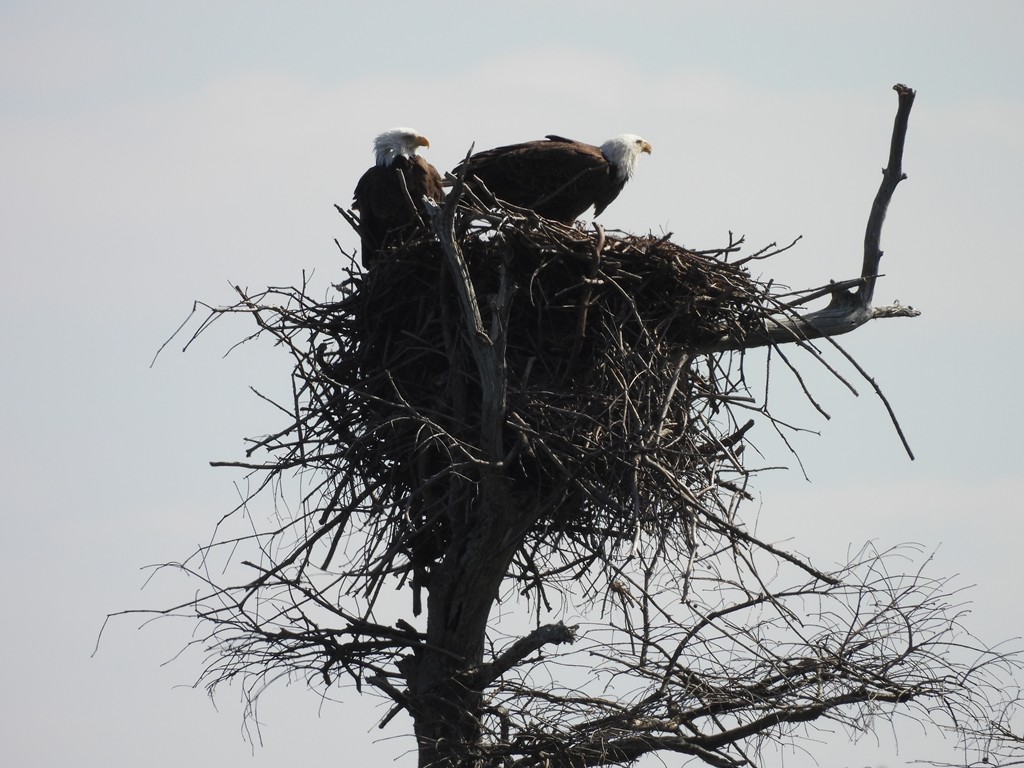
So, it was a surprise recently when we looked out and saw two black and white birds sitting snuggly in the nest. It was a pair of bald eagles making themselves very much at home in the osprey’s nest. One of the eagles had been hunting and had just returned with a small fish for its lunch.
“Houses are really quite odd things. They have almost no universally defining qualities: they can be of practically any shape, incorporate virtually any material, be of almost any size. Yet wherever we go in the world we recognize domesticity the moment we see it.” ~Bill Bryson
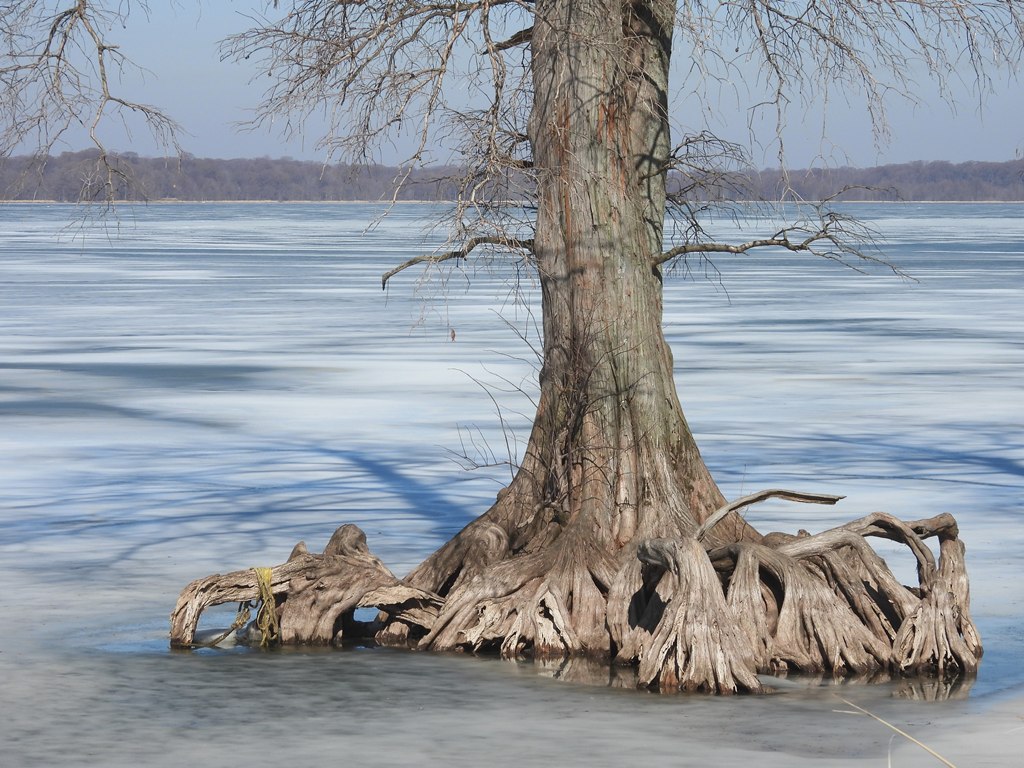
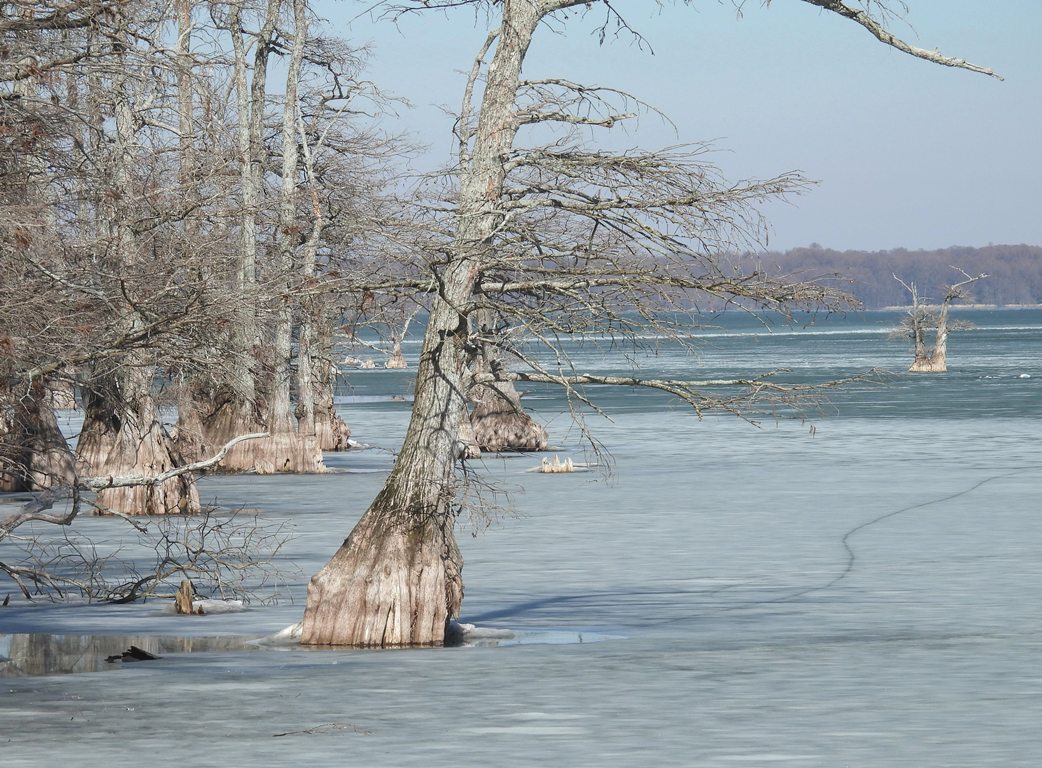
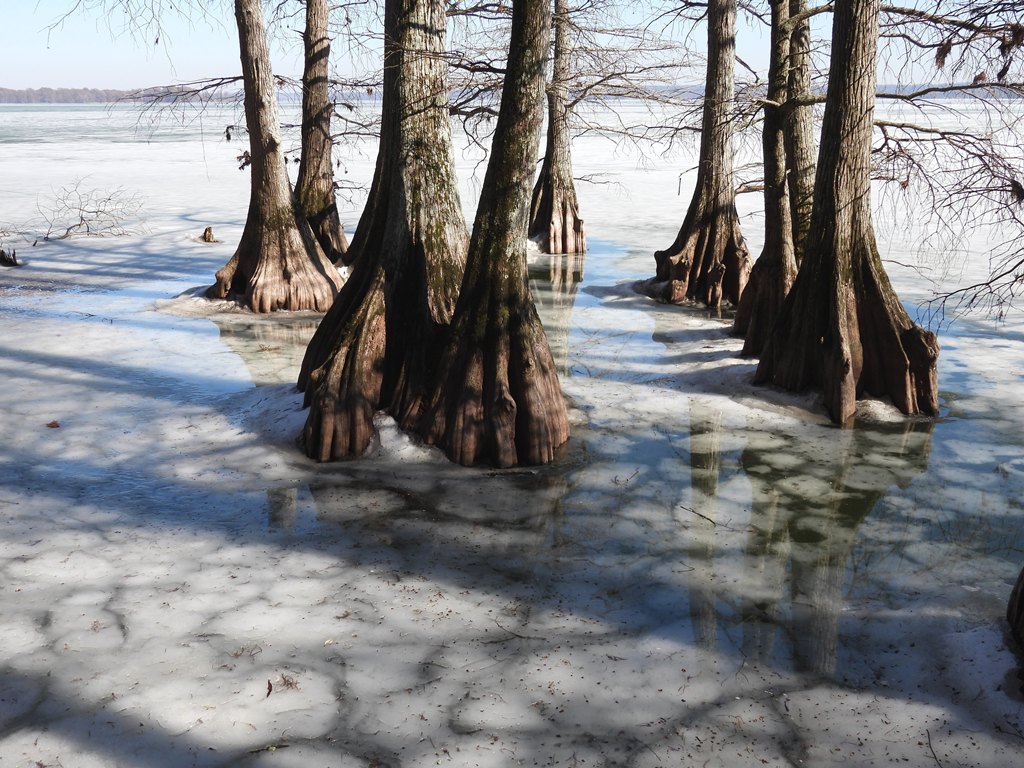
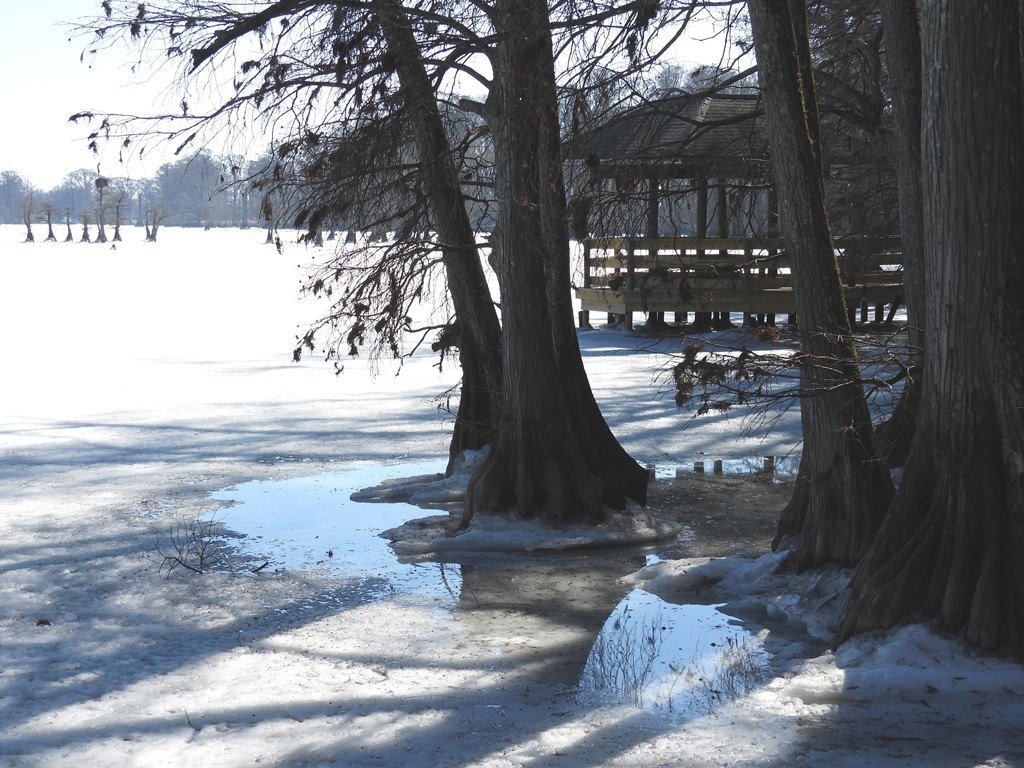
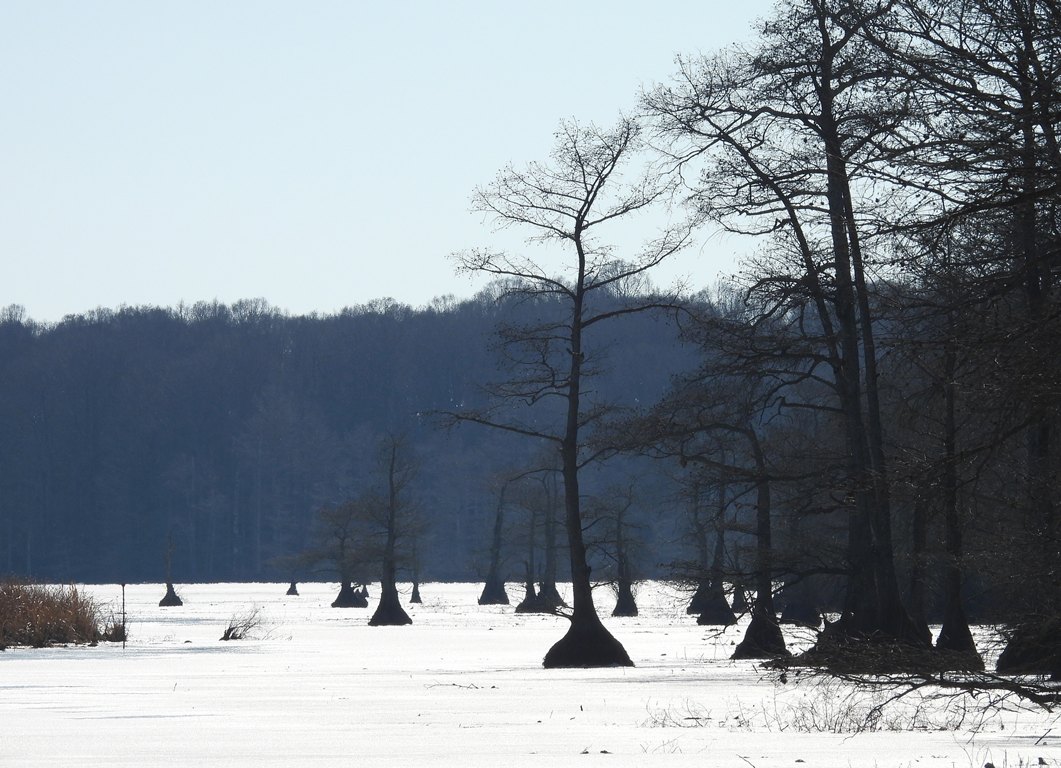
For a couple of weeks, the roads and lake were covered in ice. Once the temperatures rose and the ice started to melt, we ventured out to enjoy the lake’s beauty. The ice and snow added an extra layer of charm to a well-known setting.
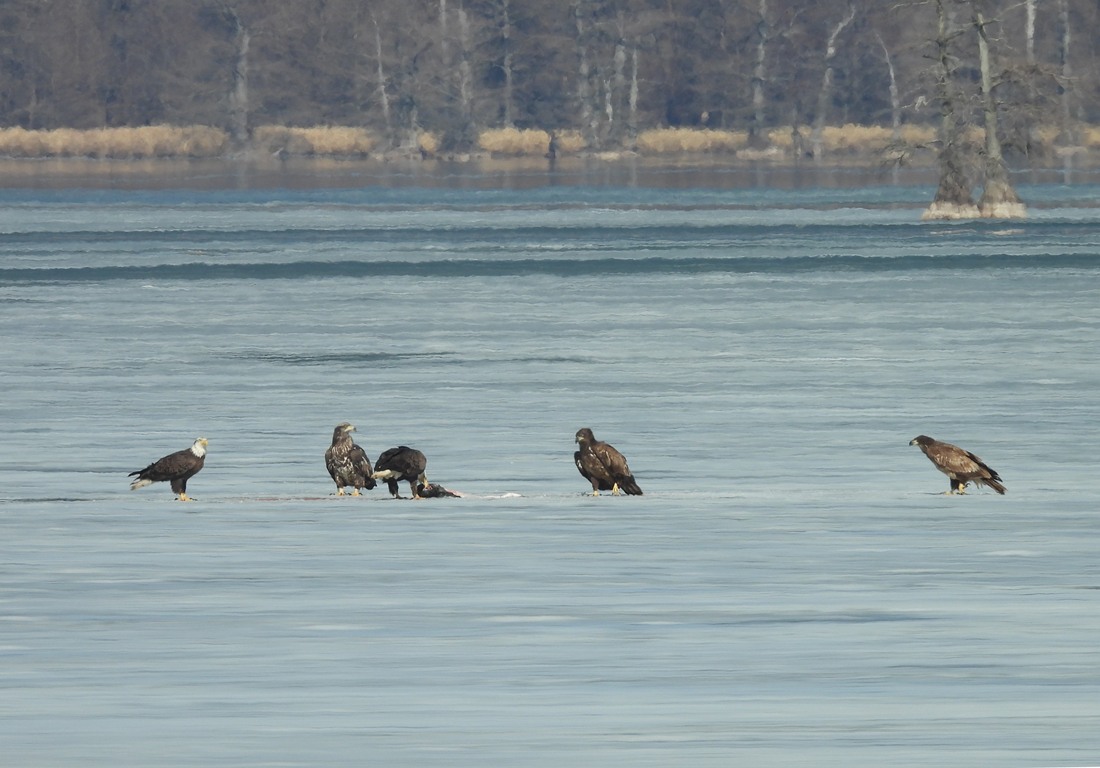
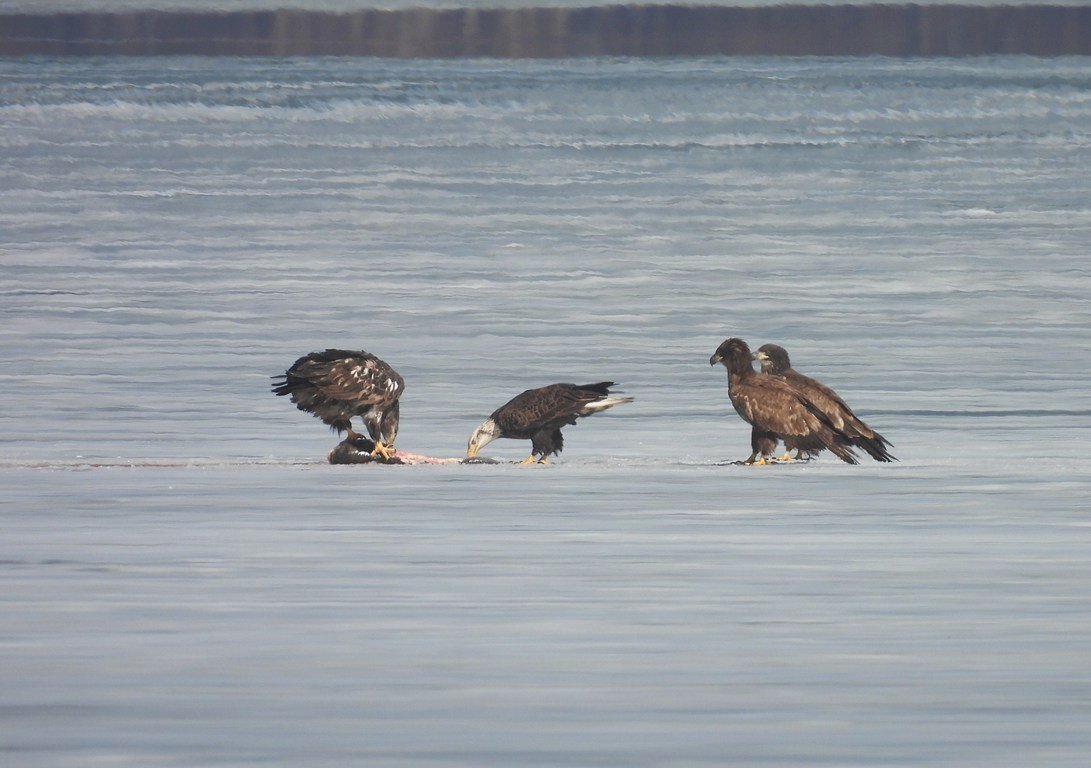
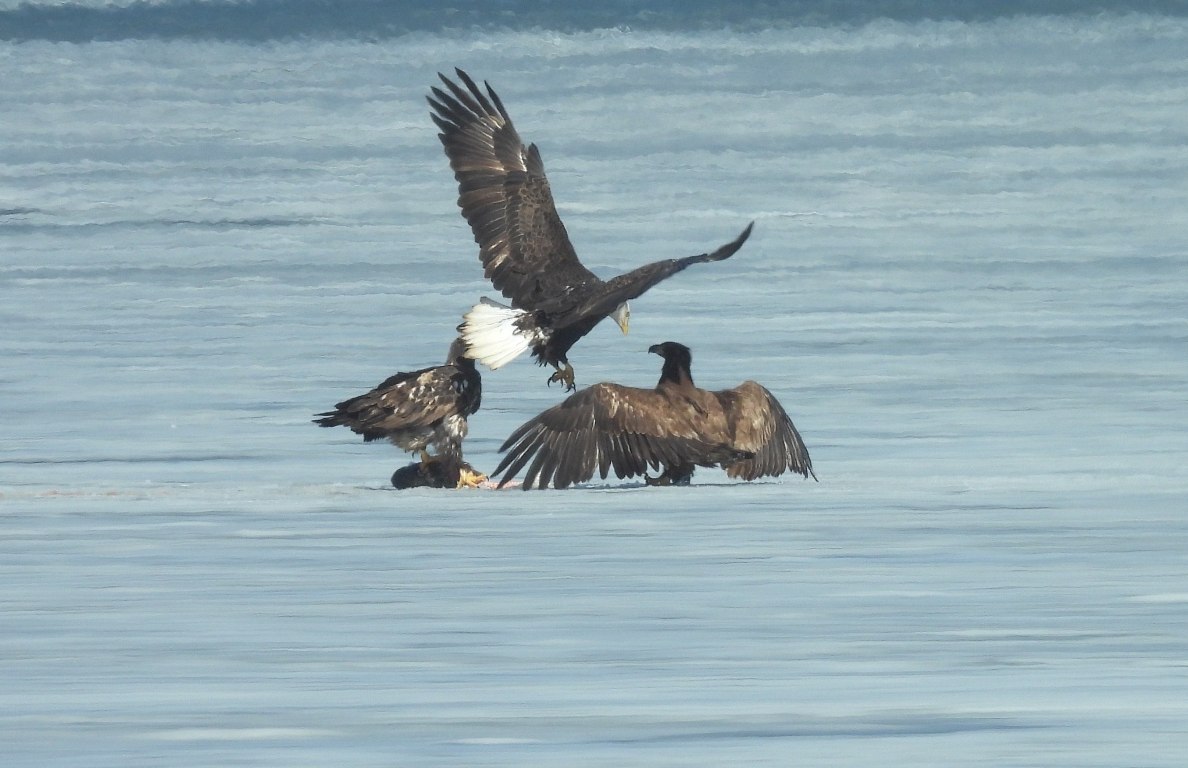
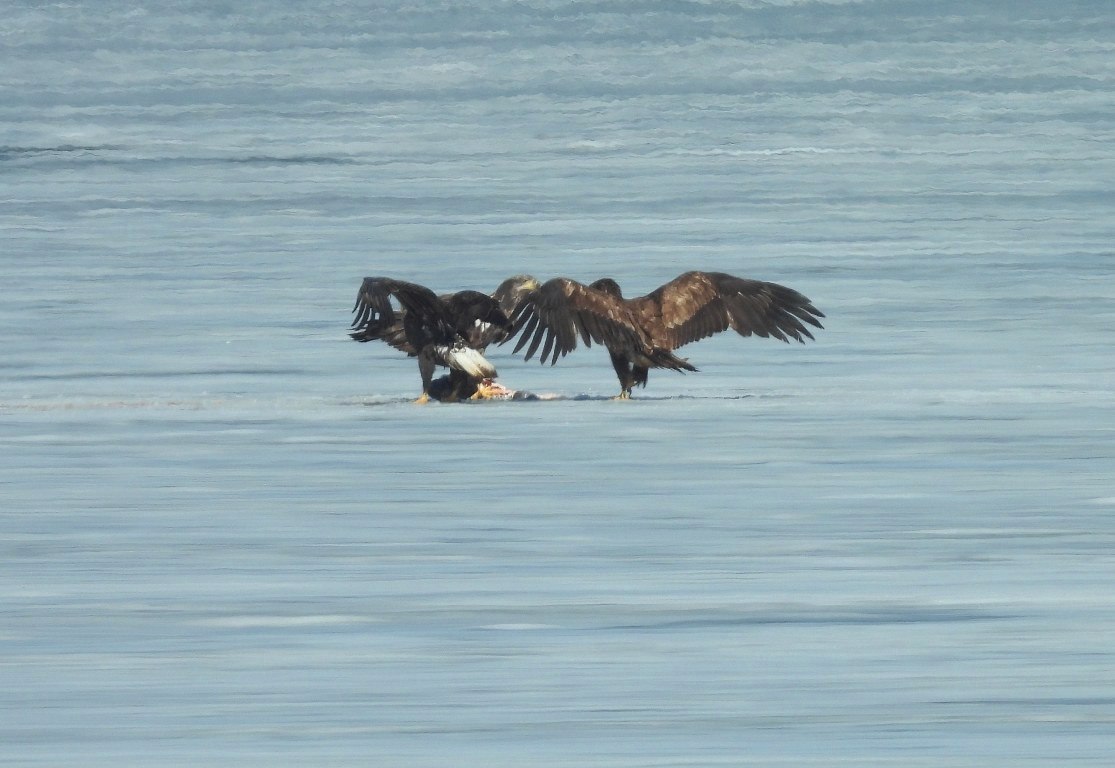
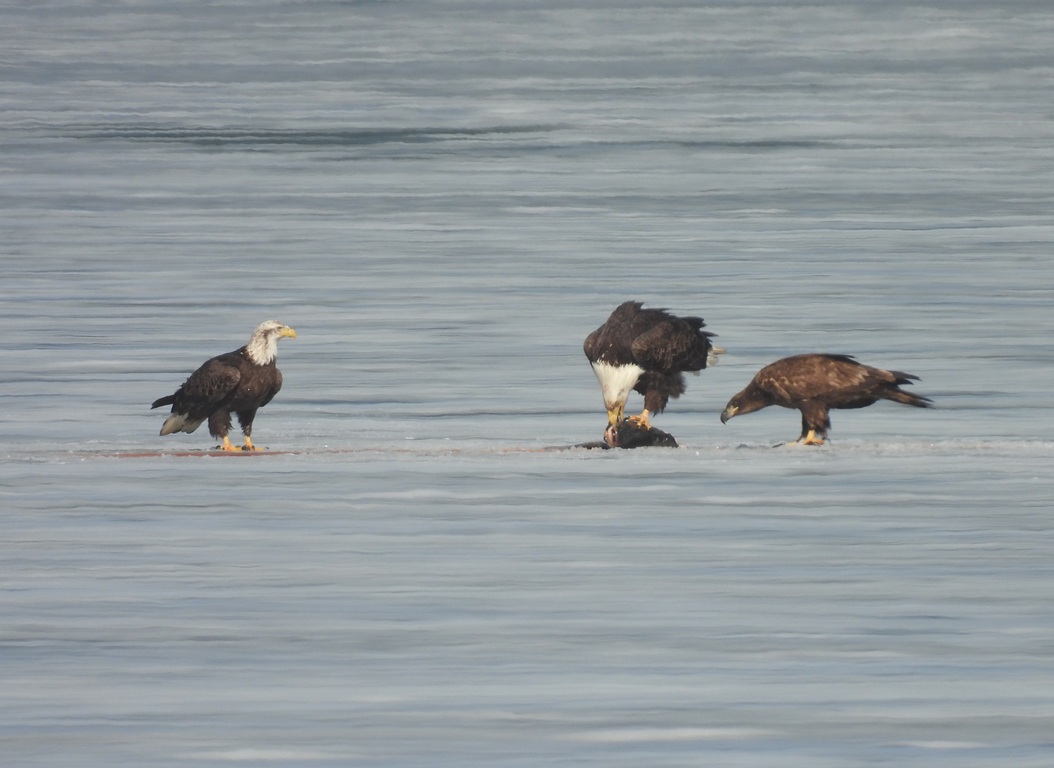
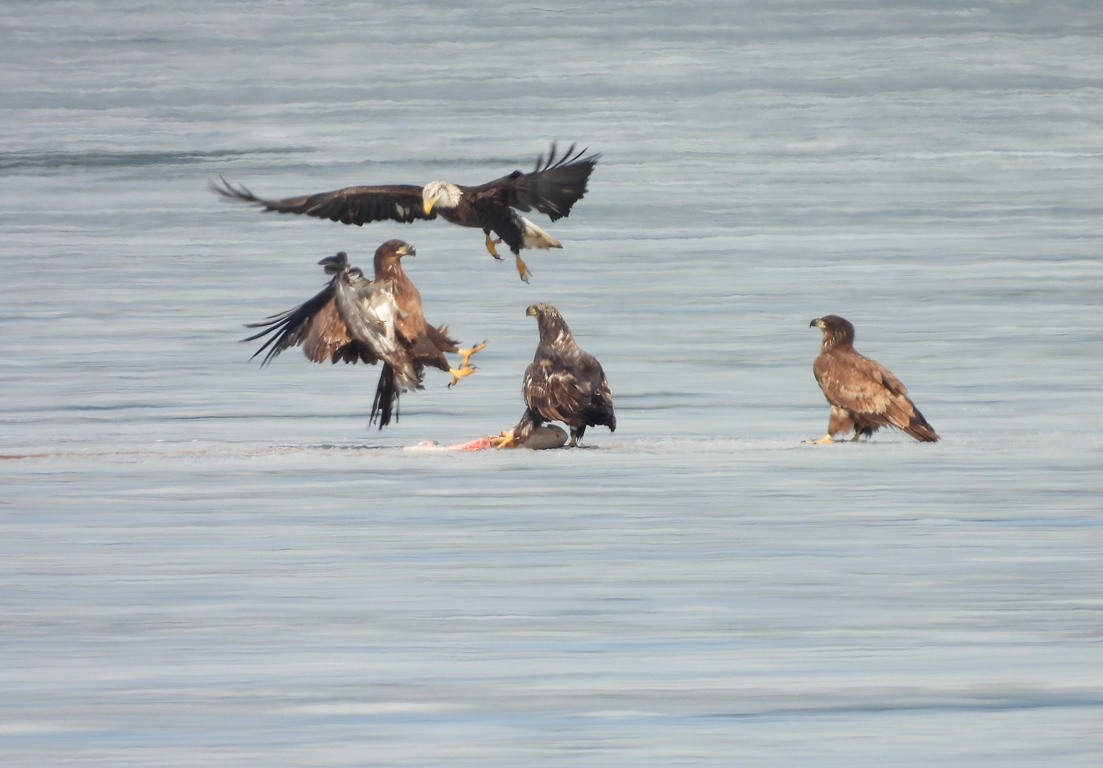
The highlight of the excursion was watching two adult and three juvenile bald eagles perched way out on the frozen lake. Each eagle was striving to secure its portion of a sizable fish that had been caught. They were certainly putting on a show with their posturing, prancing and high-pitched cries.
“Life is filled with treasures, if you’re a lucky one. Be grateful and be humble, and share them with someone.” ~Julie Hebert
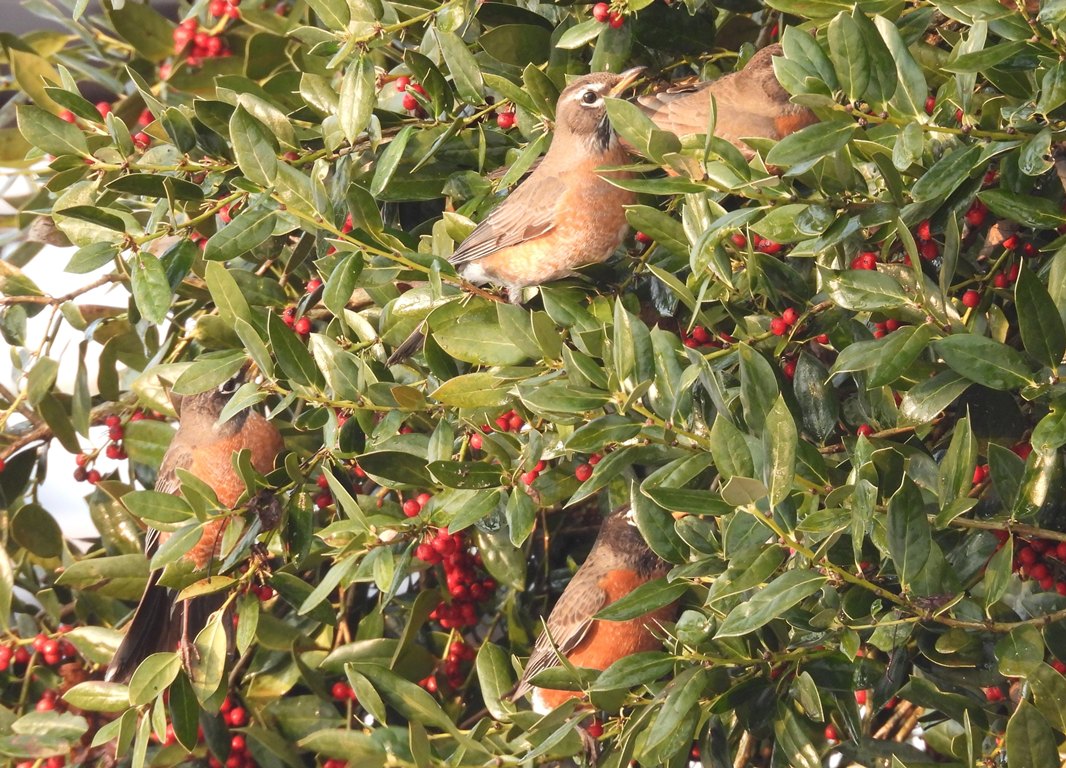
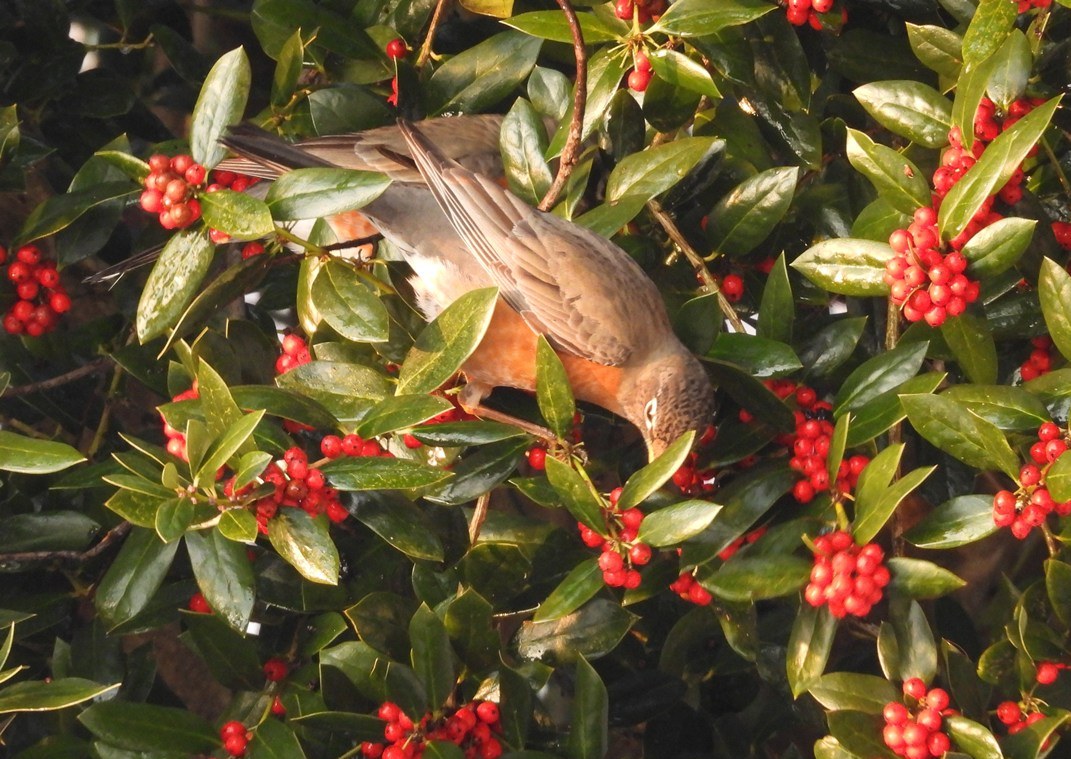
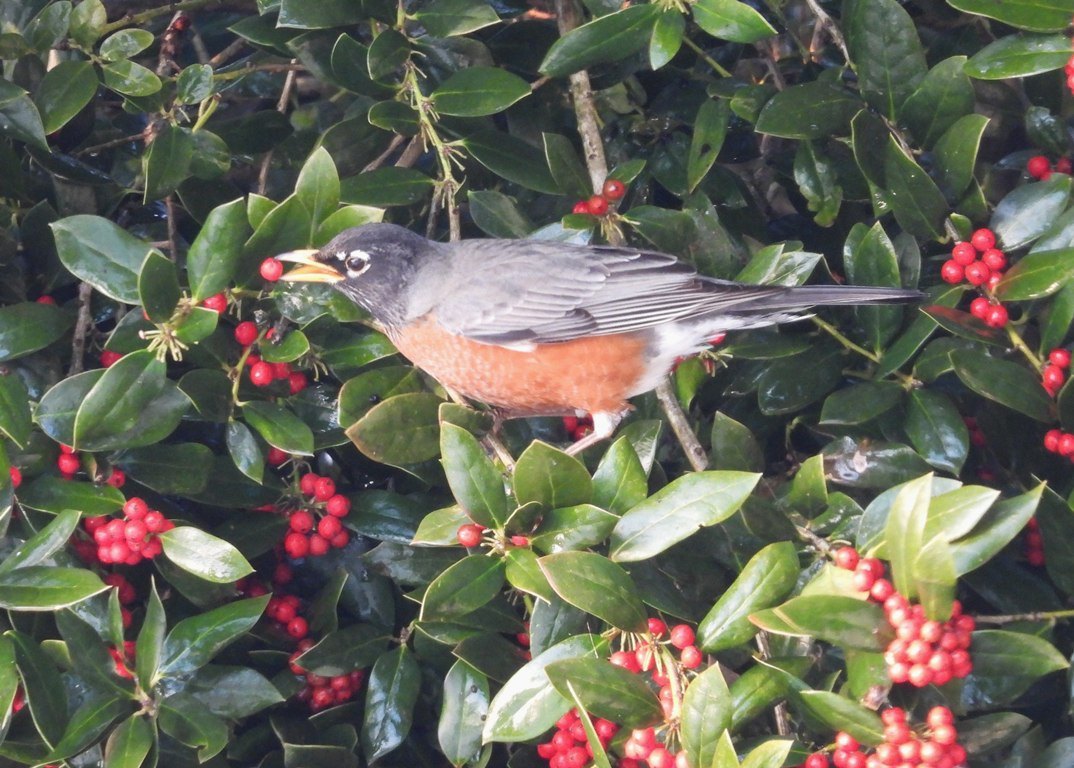
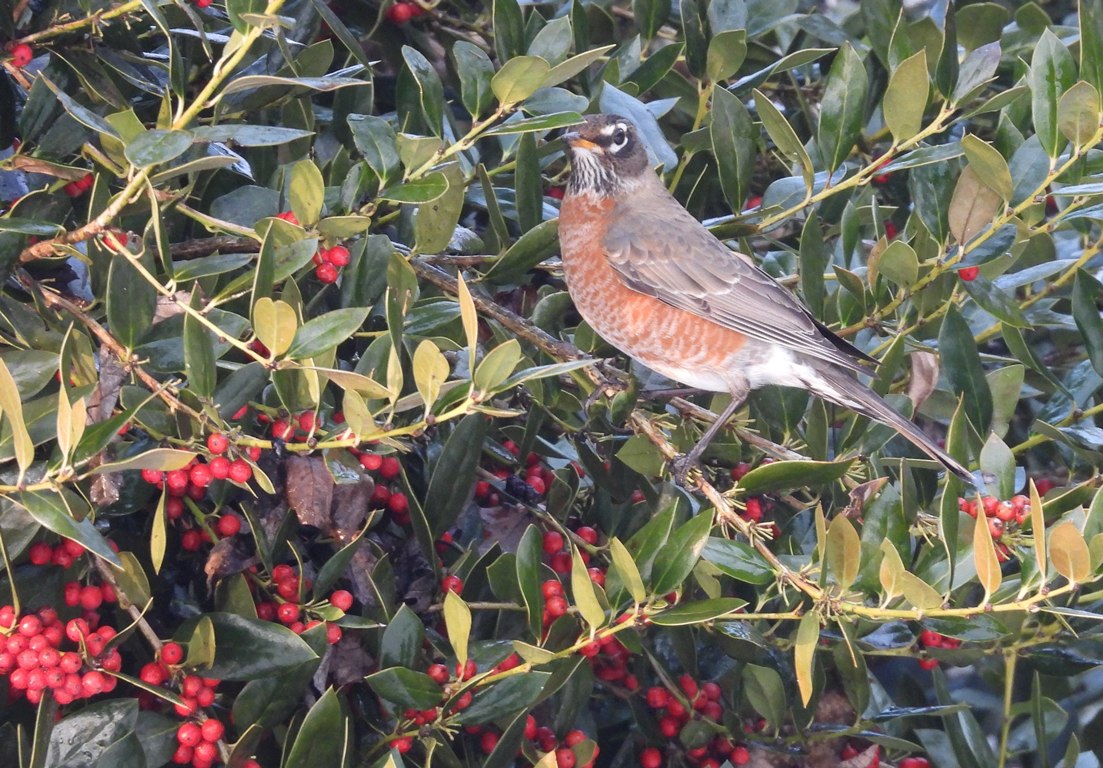
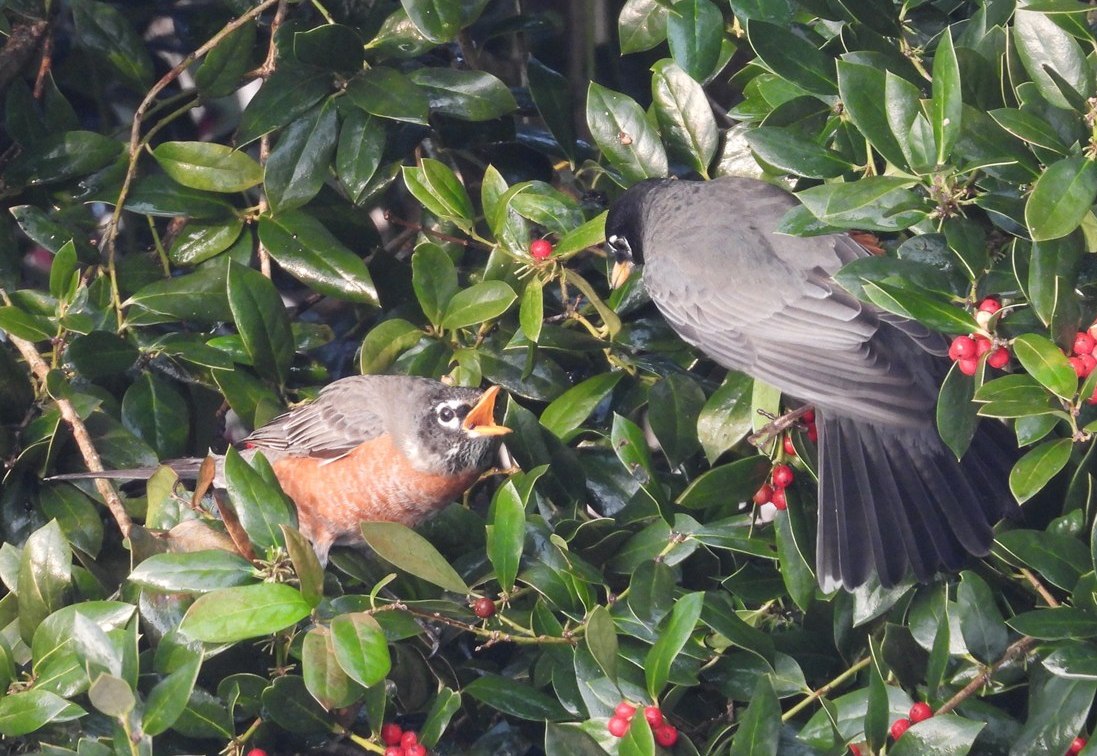
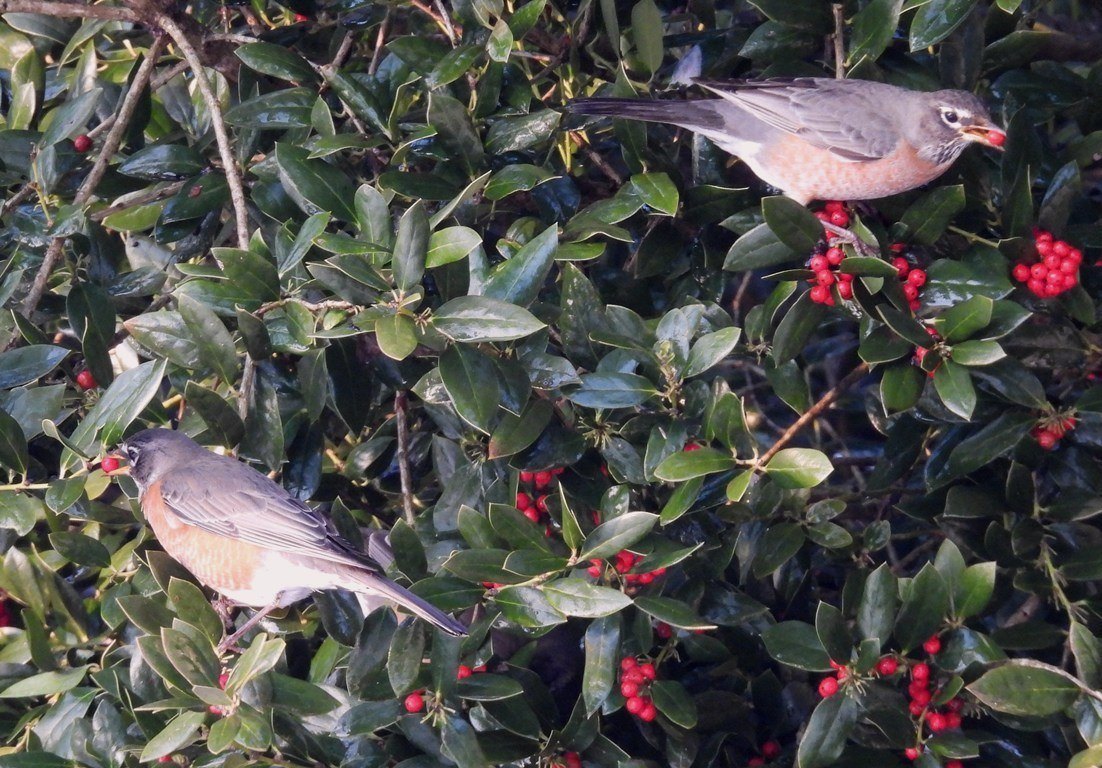
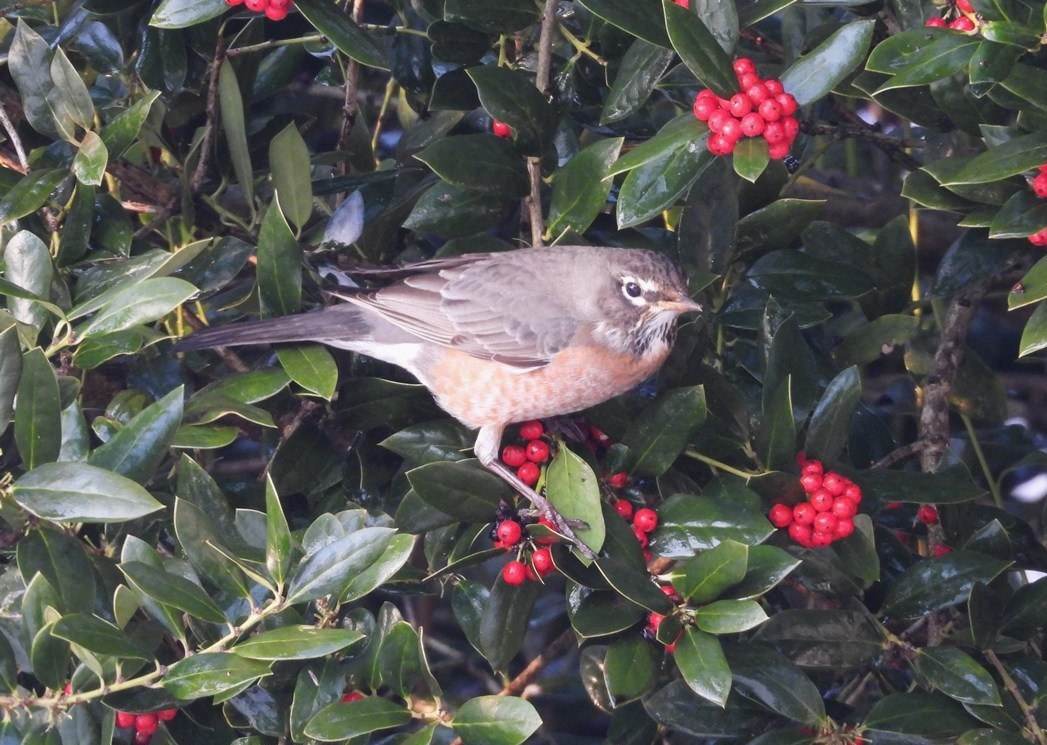
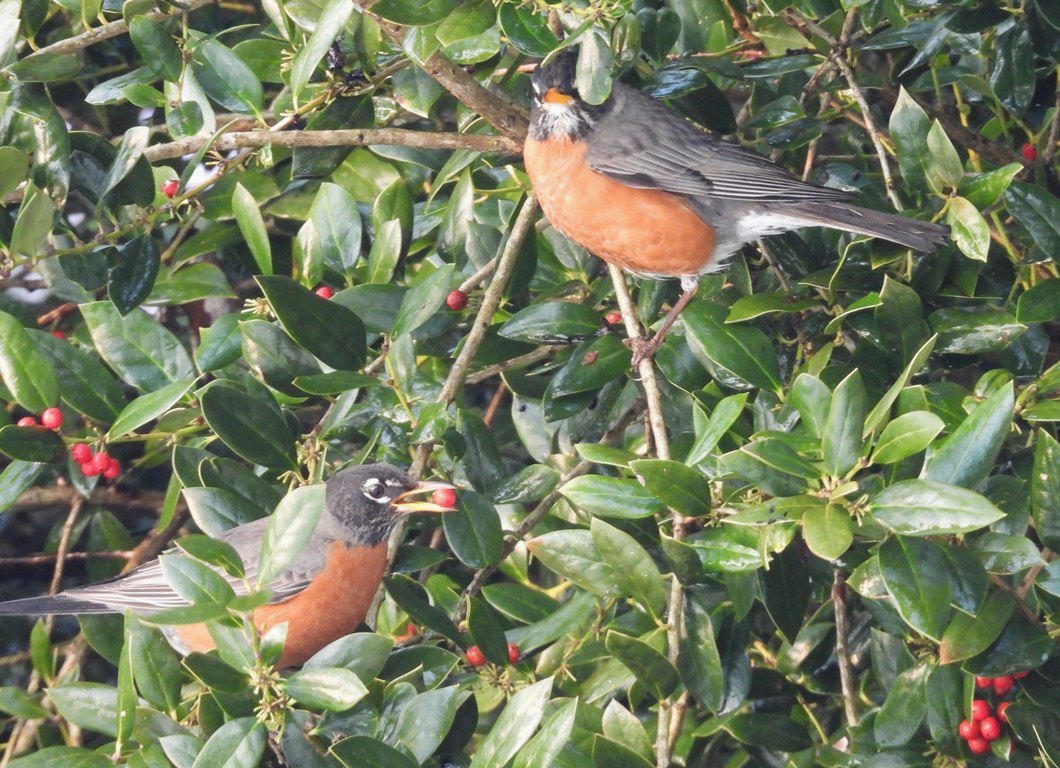
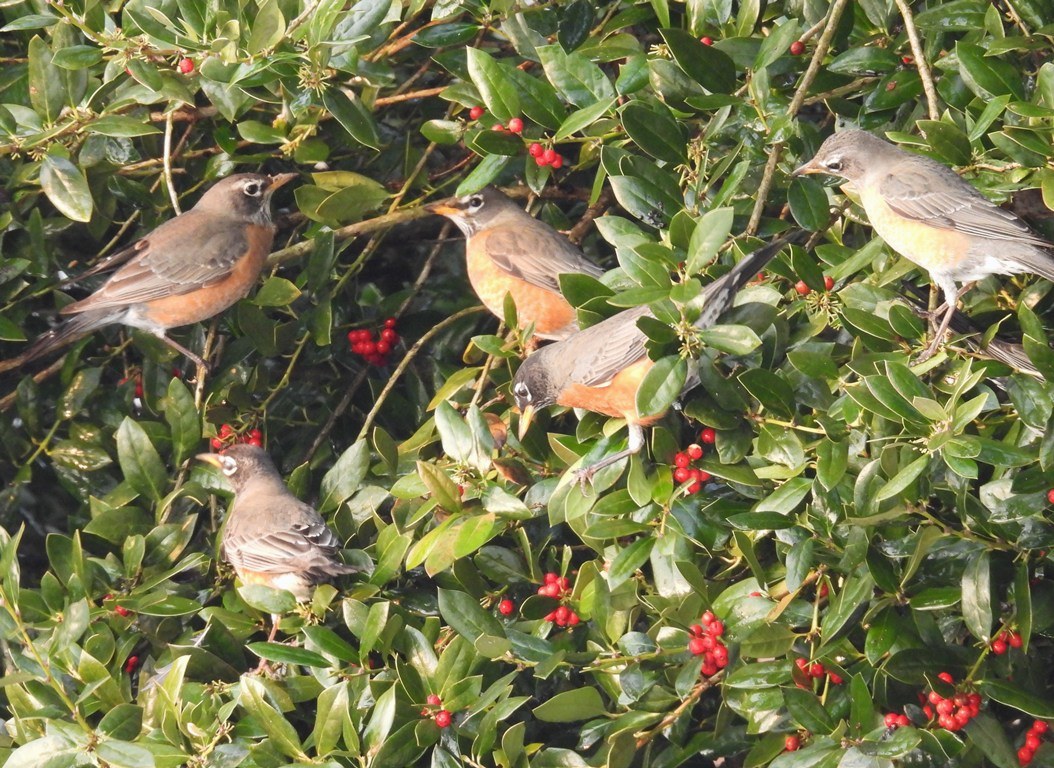
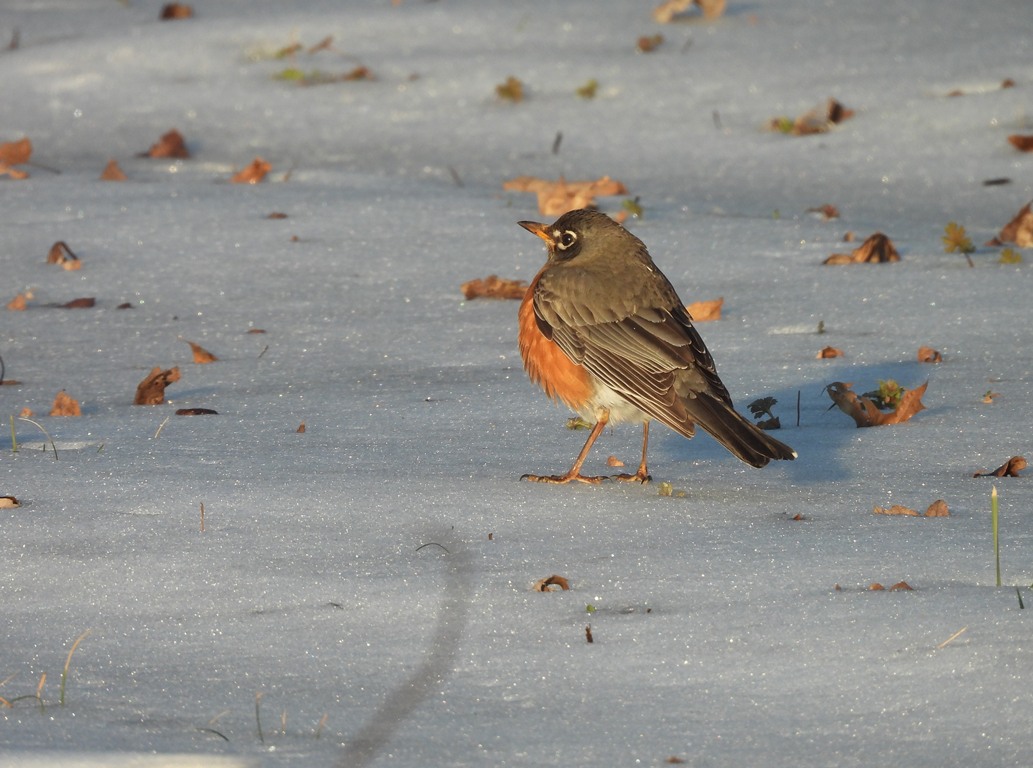
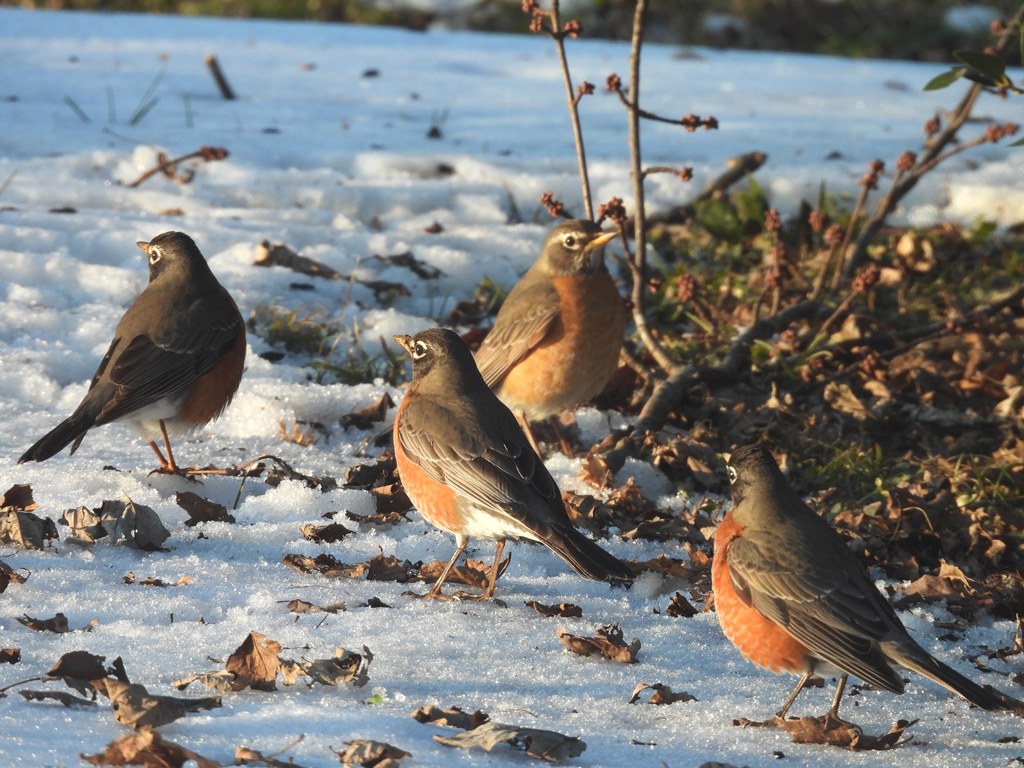
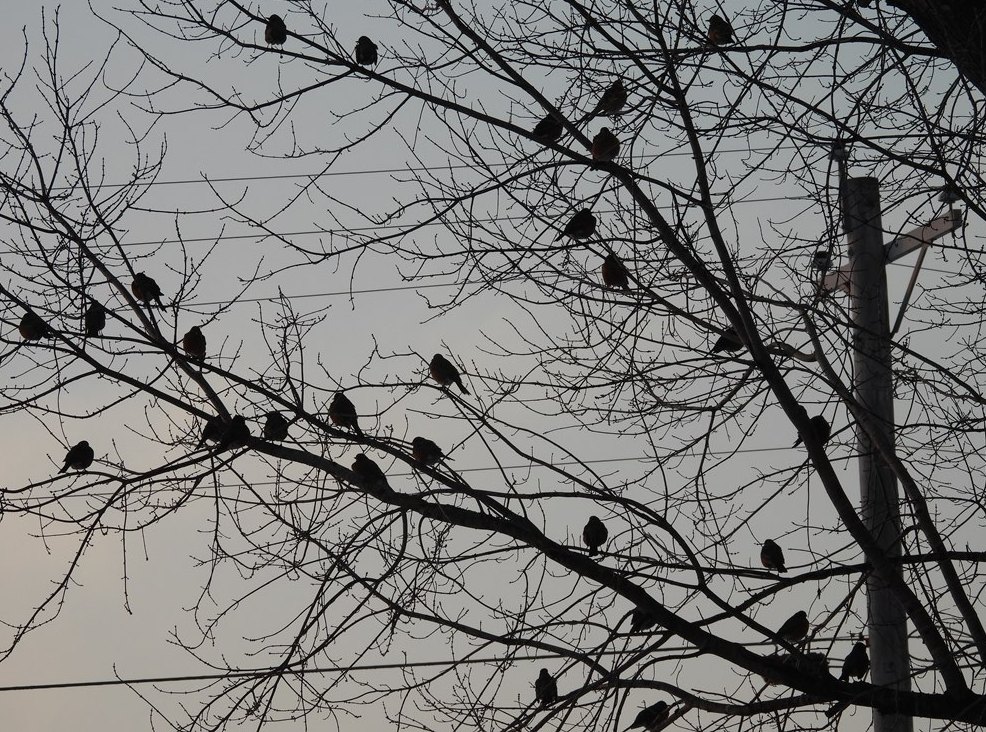
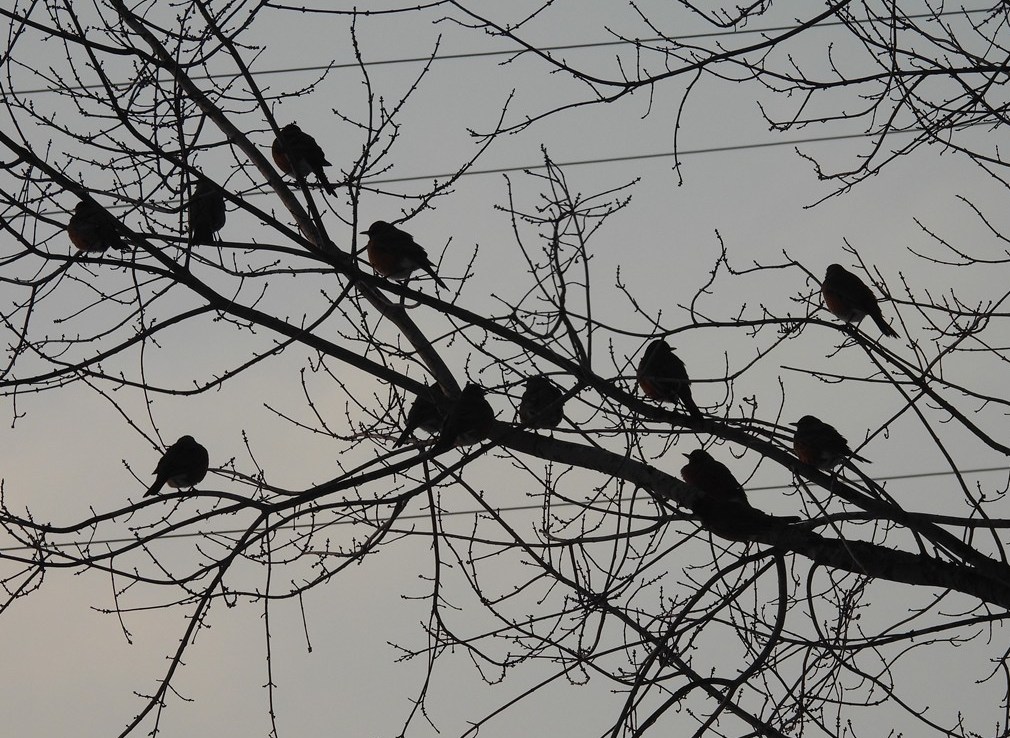
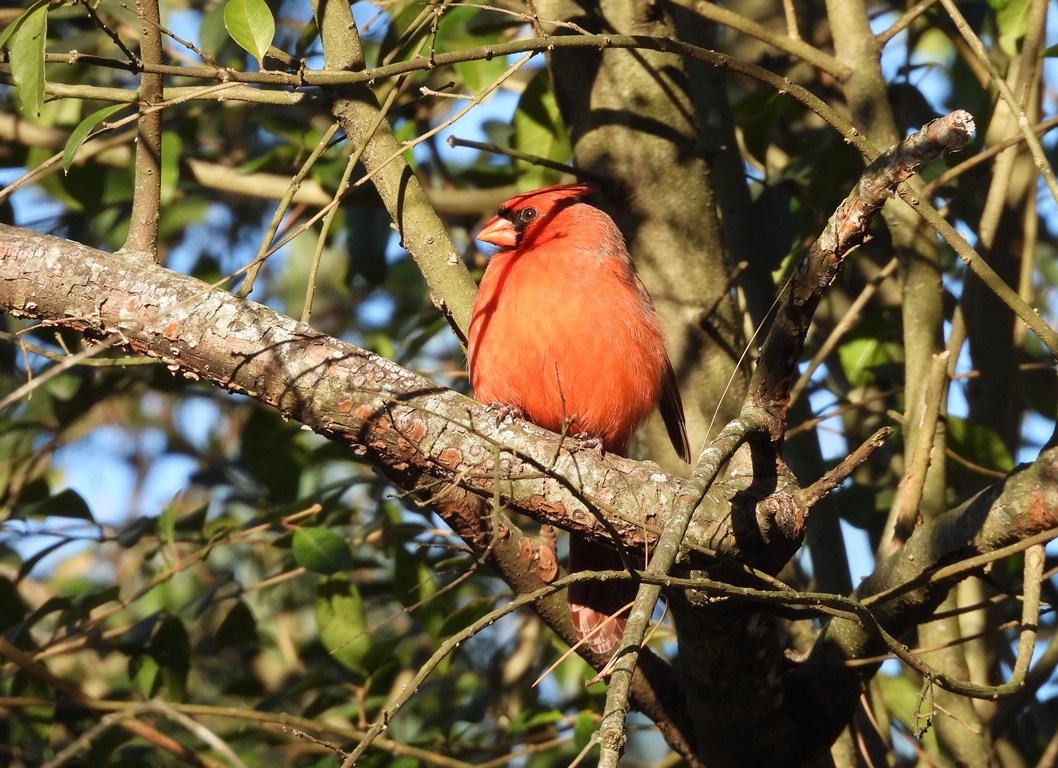
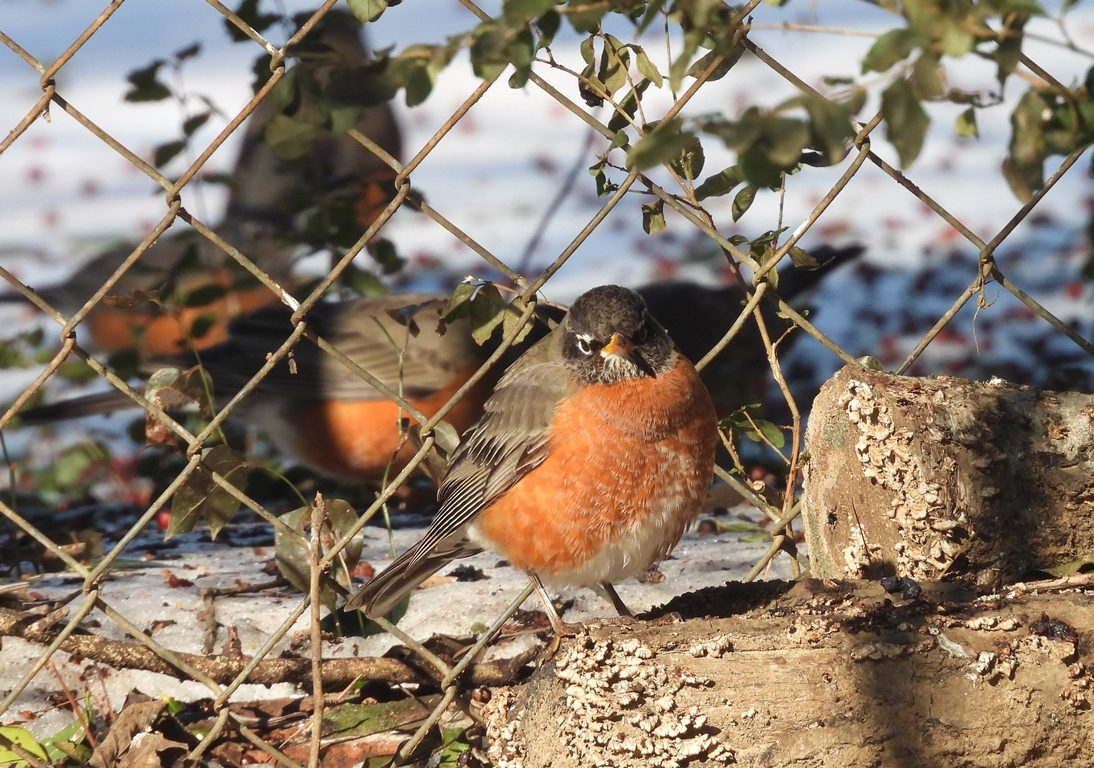
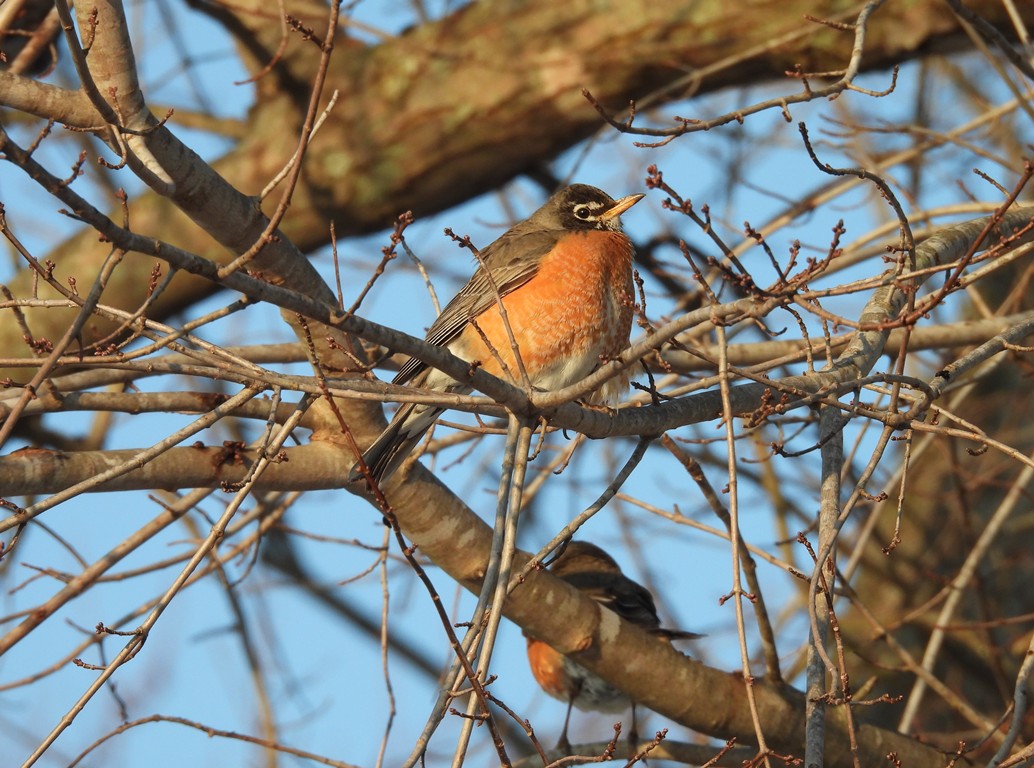
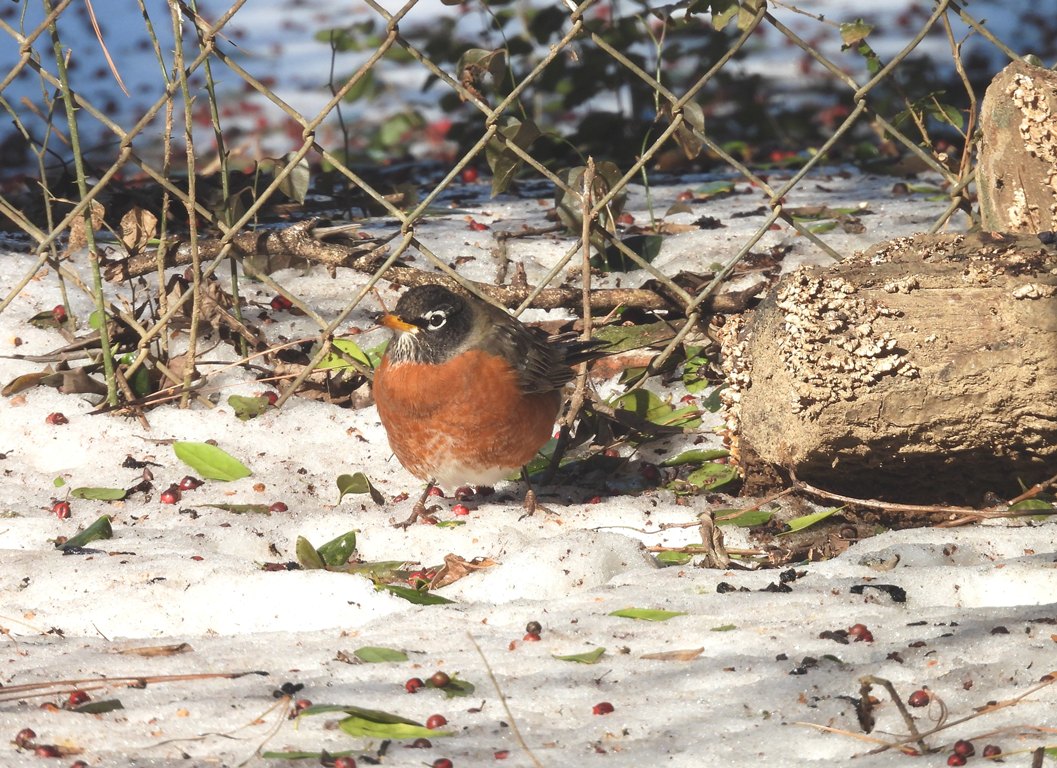
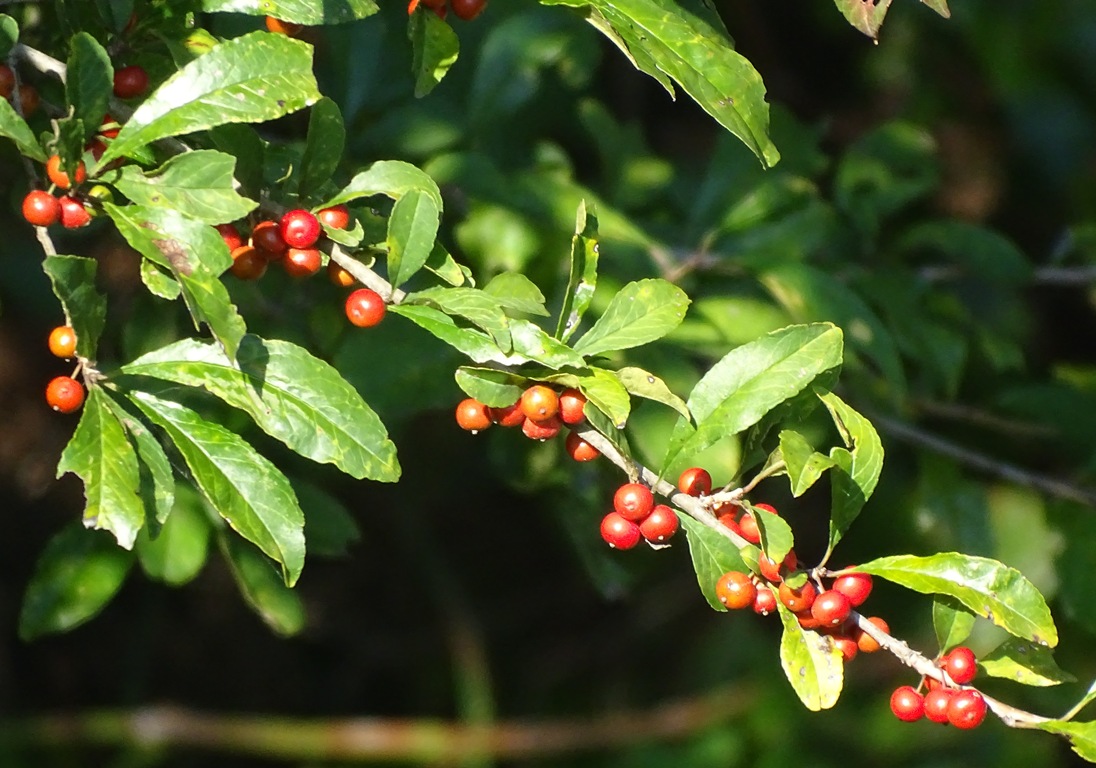
This last week, a flock of over a hundred American Robins unexpectedly descended upon our neighborhood, bringing with them noise and chaos. They appeared ravenously hungry, favoring the bright red berries on the holly bushes.
Besides eating berries, the robins foraged through the farm fields and along the roadsides for scattered grains and seeds, while also drinking from and bathing in puddles created by melting snow.
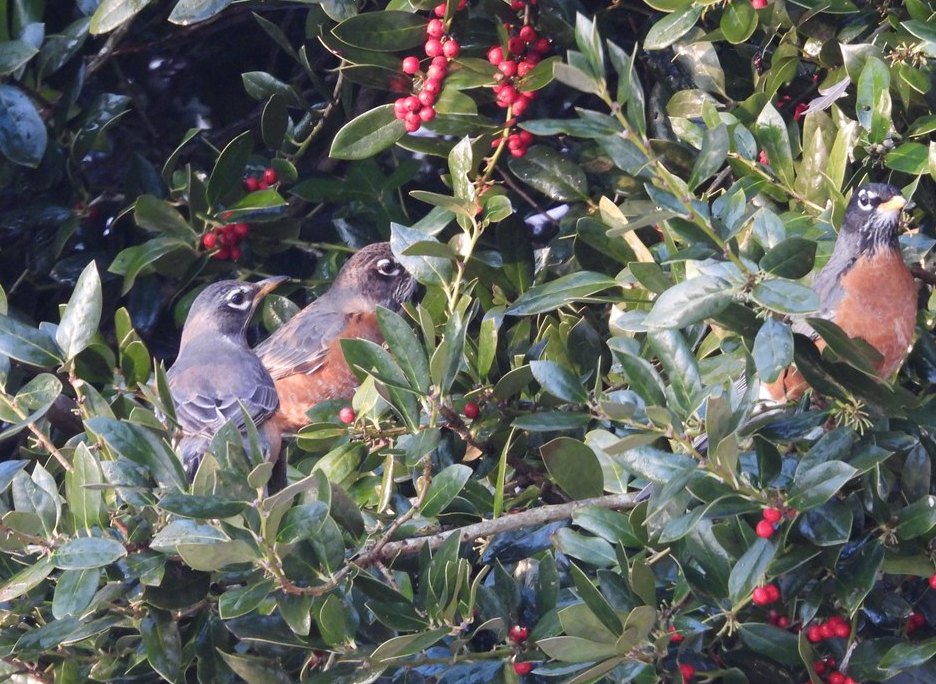
Once they had satisfied their appetite, they congregated on adjacent branches to roost for the night.
They lingered for a couple of days, systematically stripping the berries from the bushes and gathering those that had fallen to the ground.
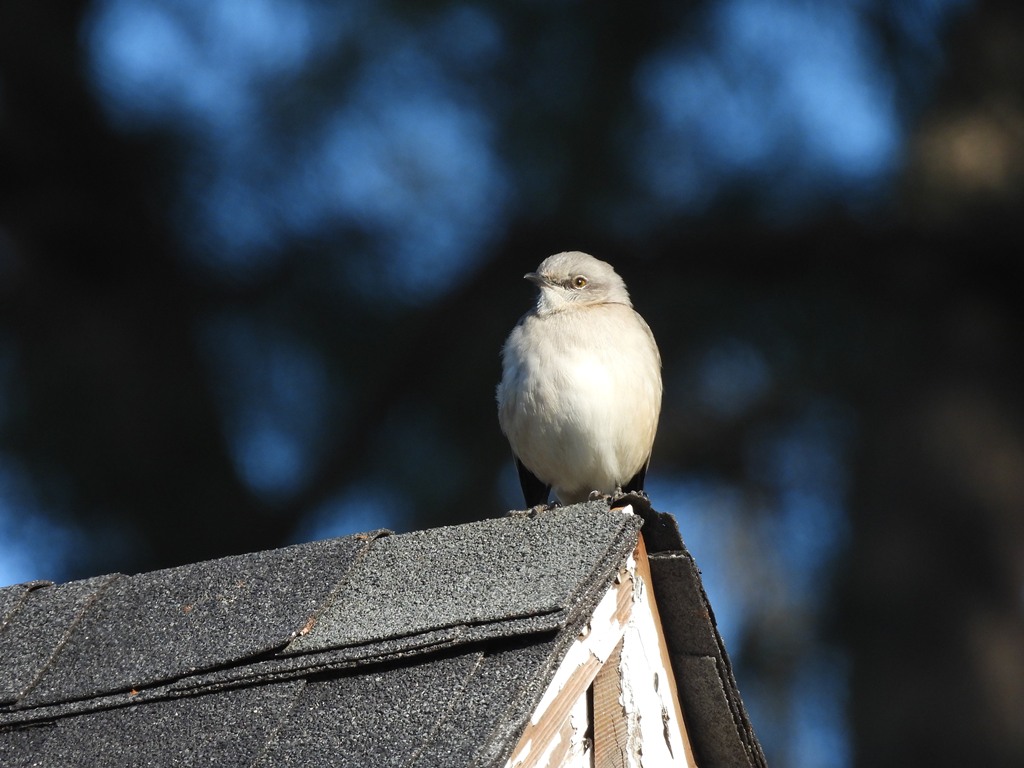
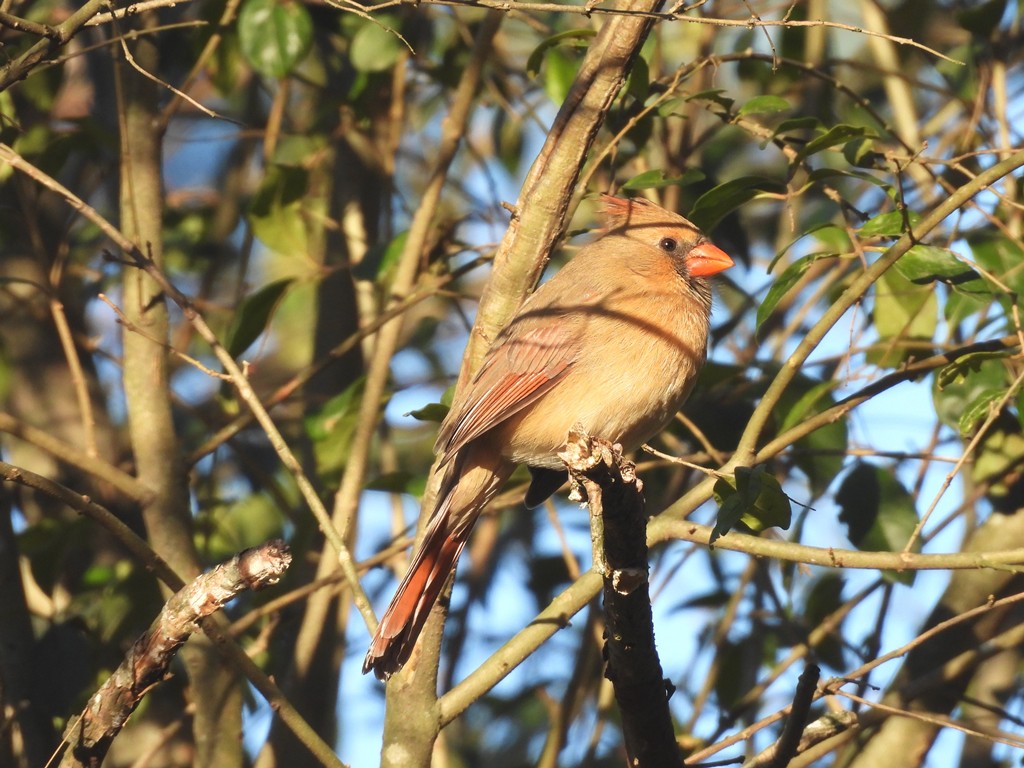
Our resident Mockingbird, quite displeased with the invasion of his turf, occasionally dived-bombed the bushes, vocally expressing his dissatisfaction with the circumstances. The native cardinals faded into the background and were often nowhere to be found.
Eventually, apart from a handful of stragglers remaining as part of the clean-up crew, the flock departed as swiftly as it had arrived.
Silence and tranquility prevailed once more.
“Four things to learn in life: To think clearly without hurry or confusion; To love everybody sincerely; To act in everything with the highest motives; To trust God unhesitatingly.” ~Helen Keler
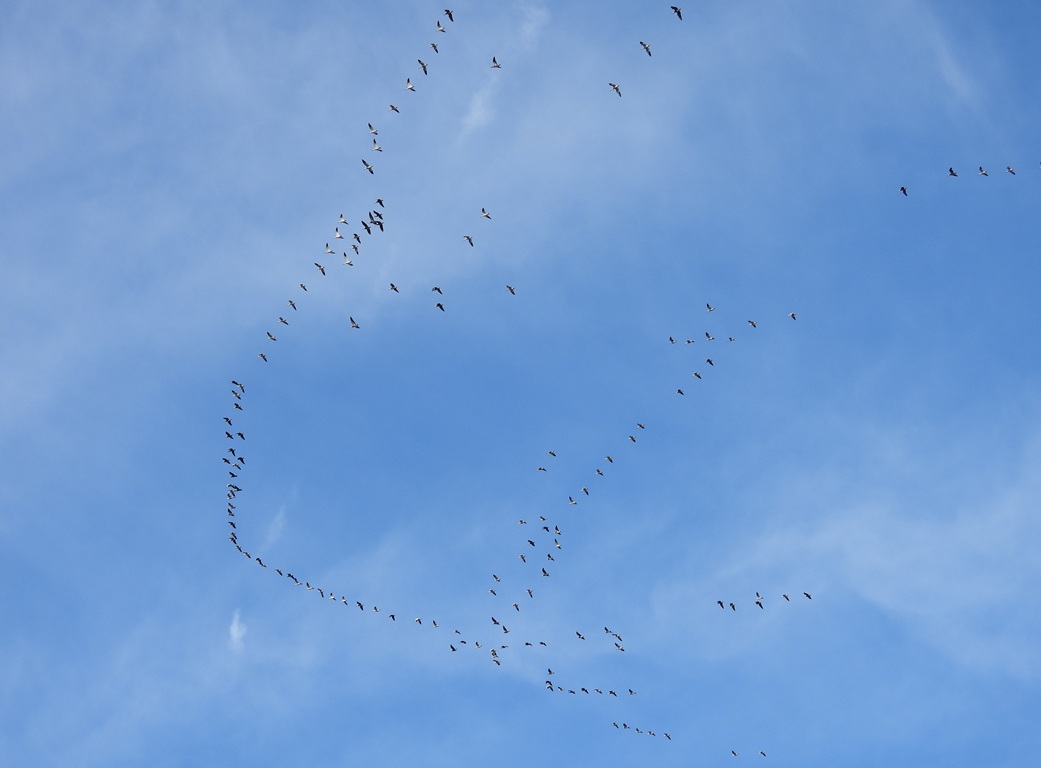
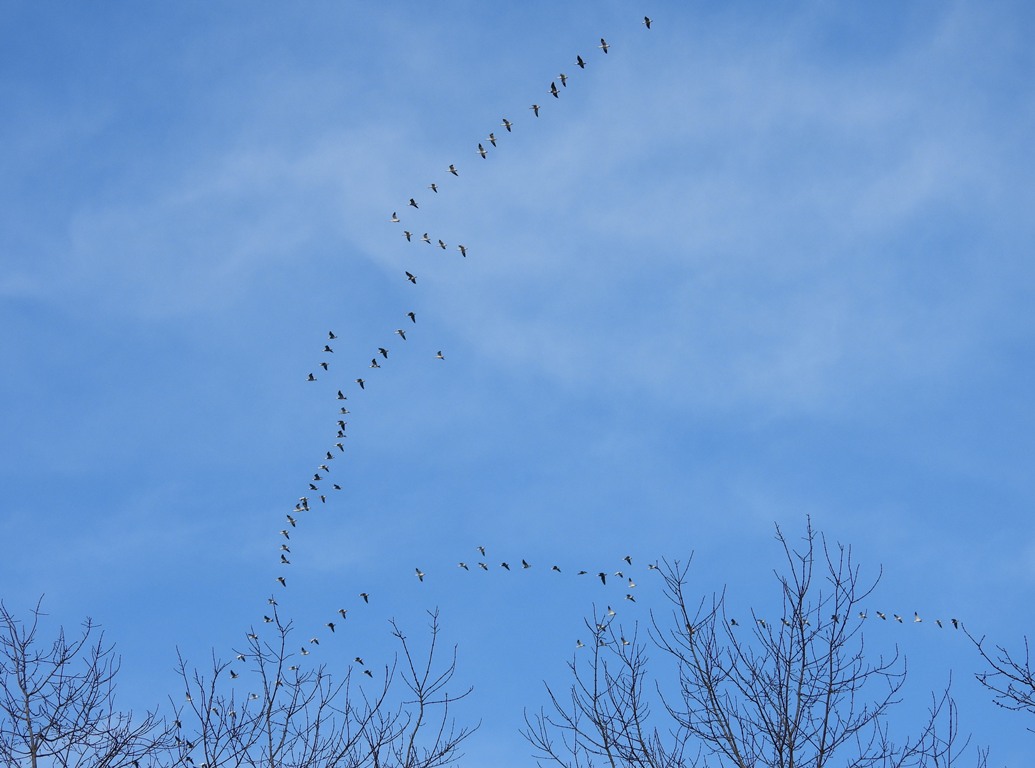
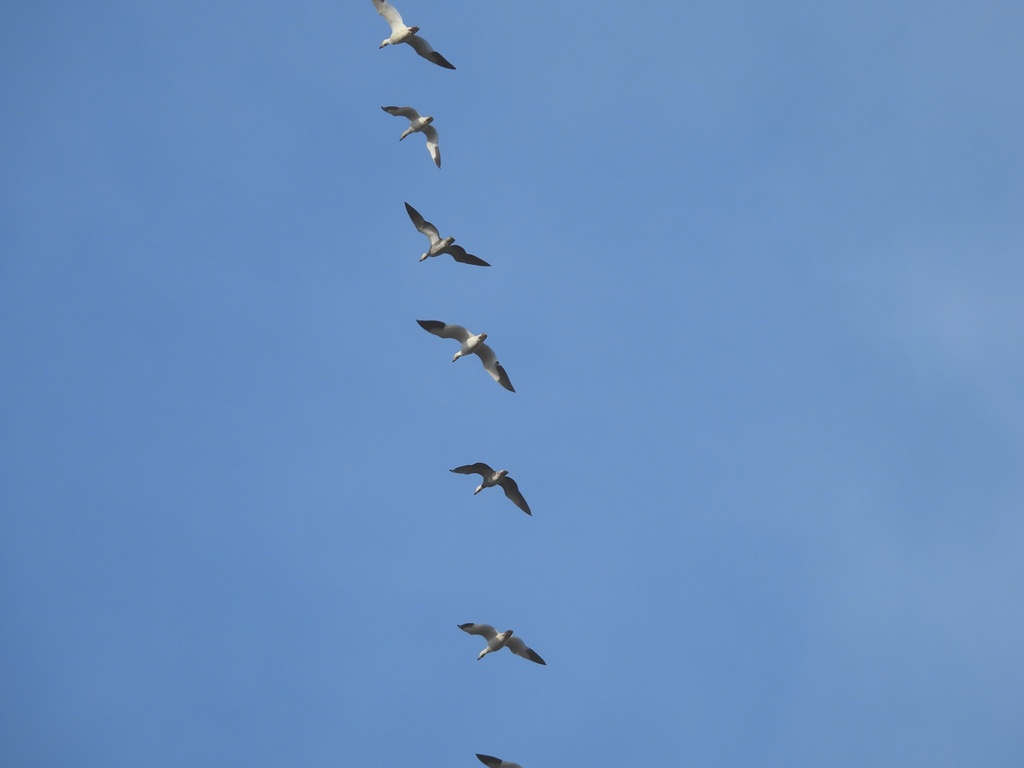
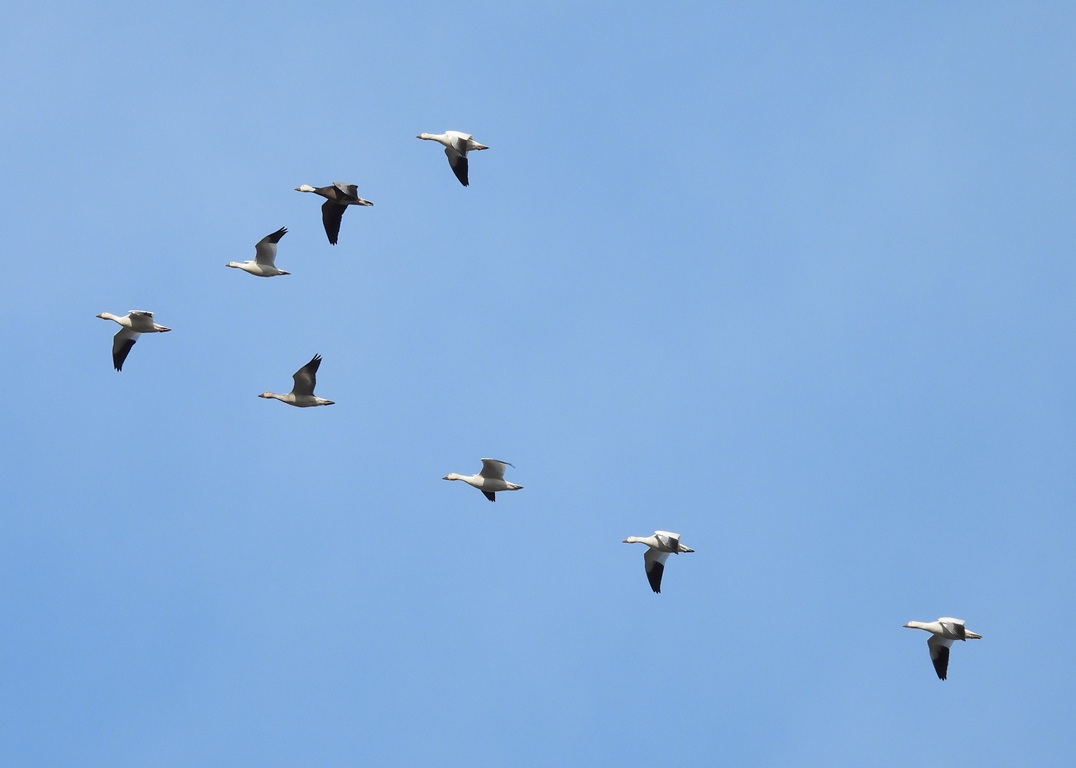
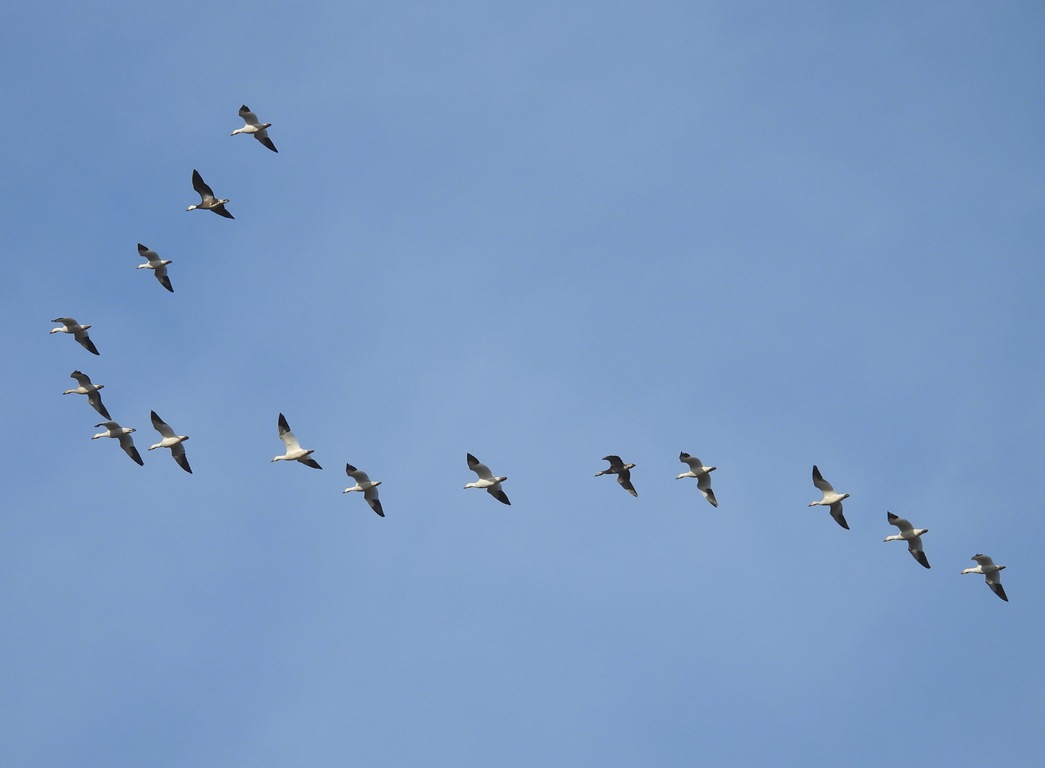
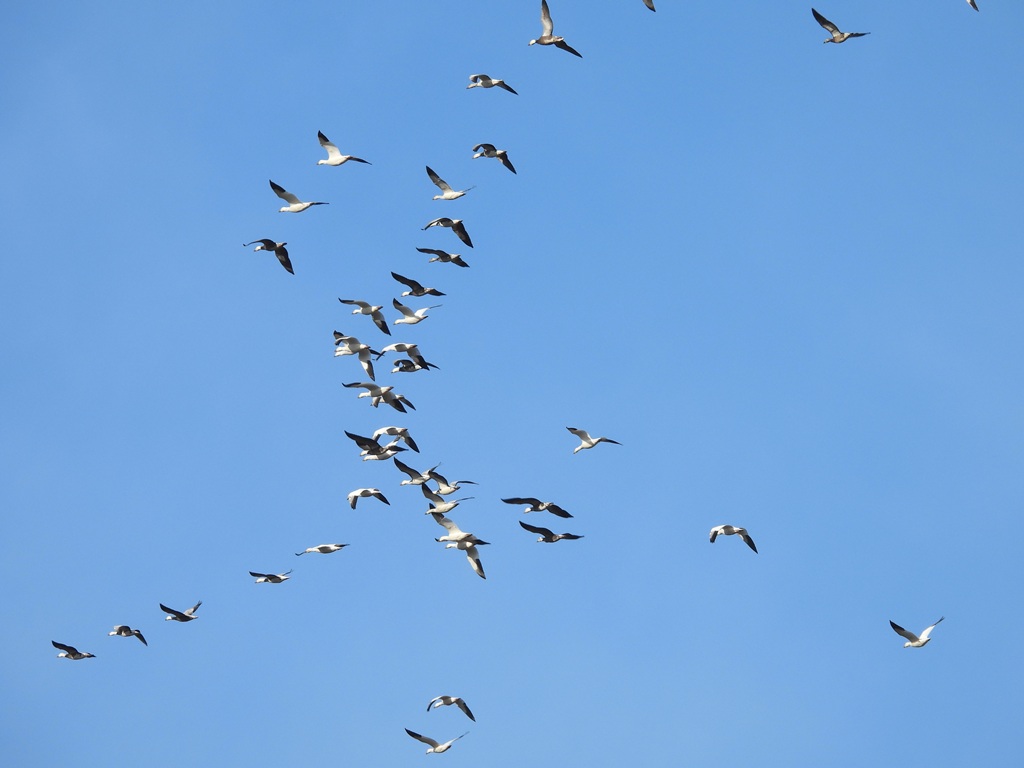
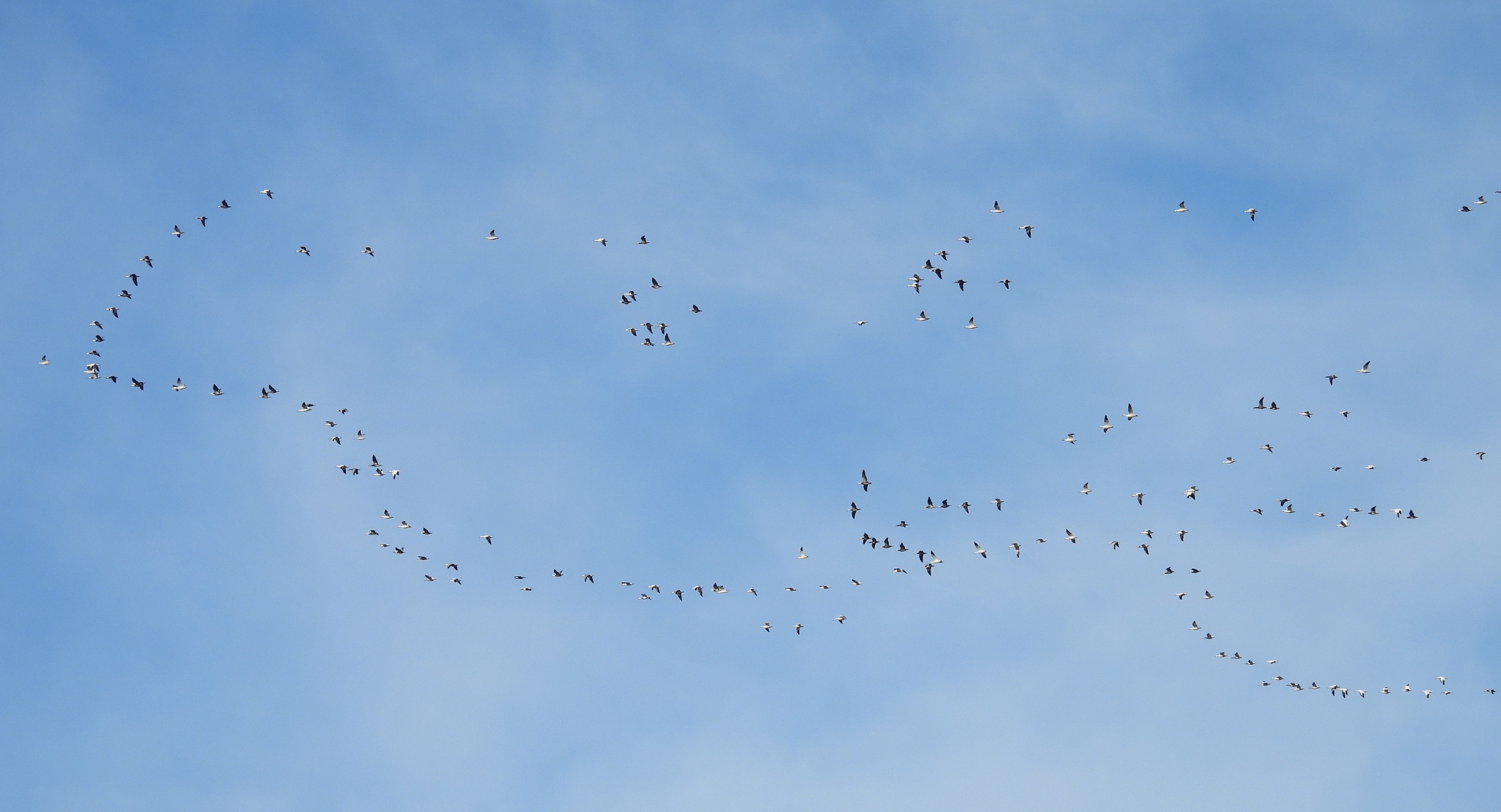
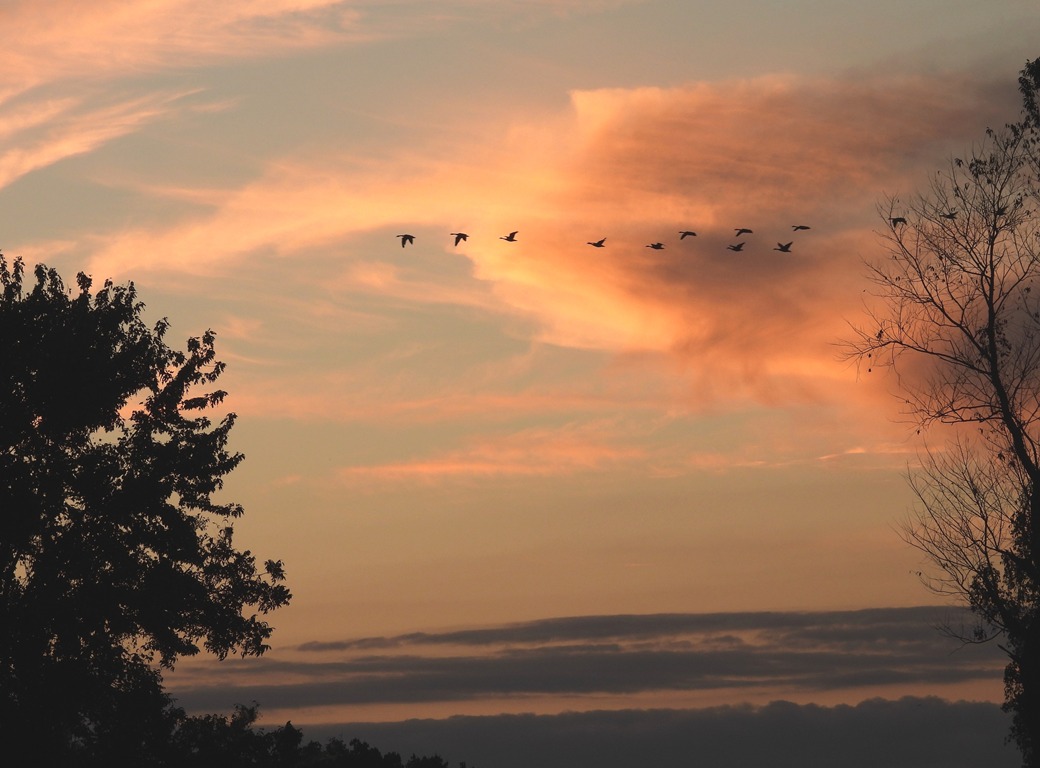
I was at home, going about my usual routine, when I heard a commotion outside. At first, I tried to ignore it, but the clamor continued. Curious, I looked out the front window and was thrilled to see long strings of Snow geese soaring high in the sky over the fields adjacent to my house. What an amazing sight! Occasionally, we drive for an hour or more just to see these beautiful birds. Apparently, sometimes you go looking for them, and sometimes, they come right to you.
Below is a small segment of the geese that passed overhead.
“Here again, I saw life in all its noisy excitement passing by me.” ~Arthur Golden
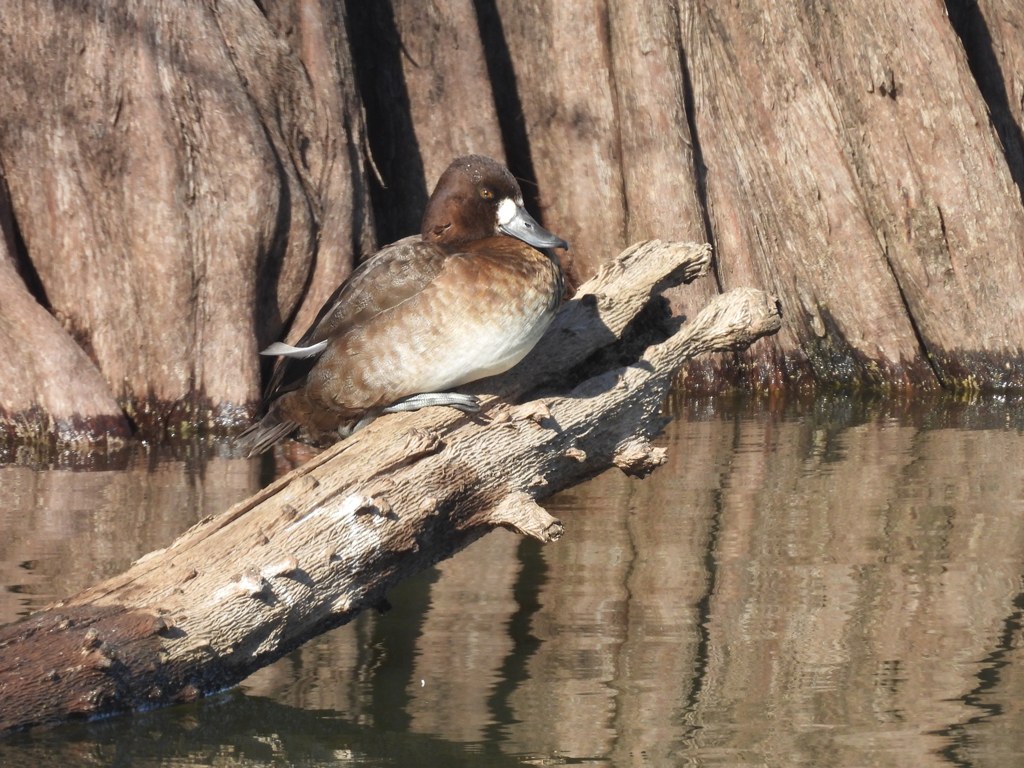
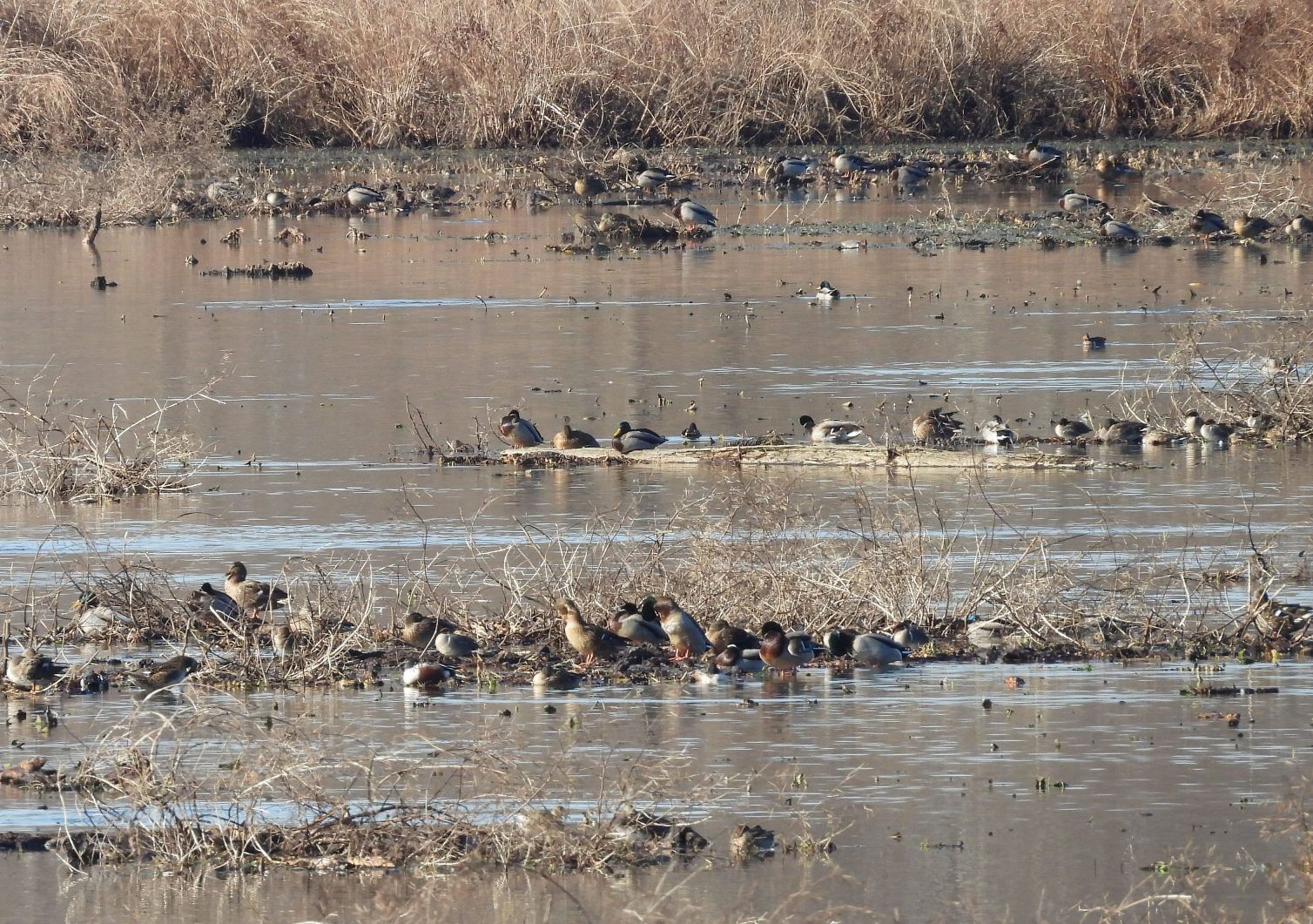
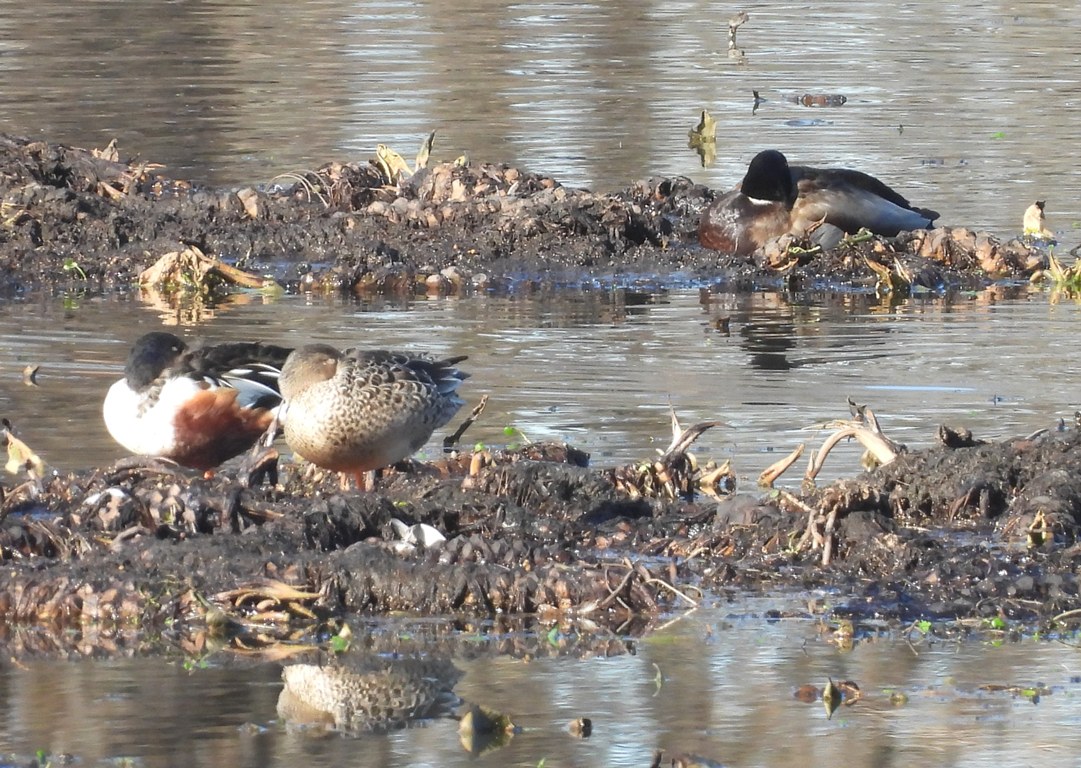
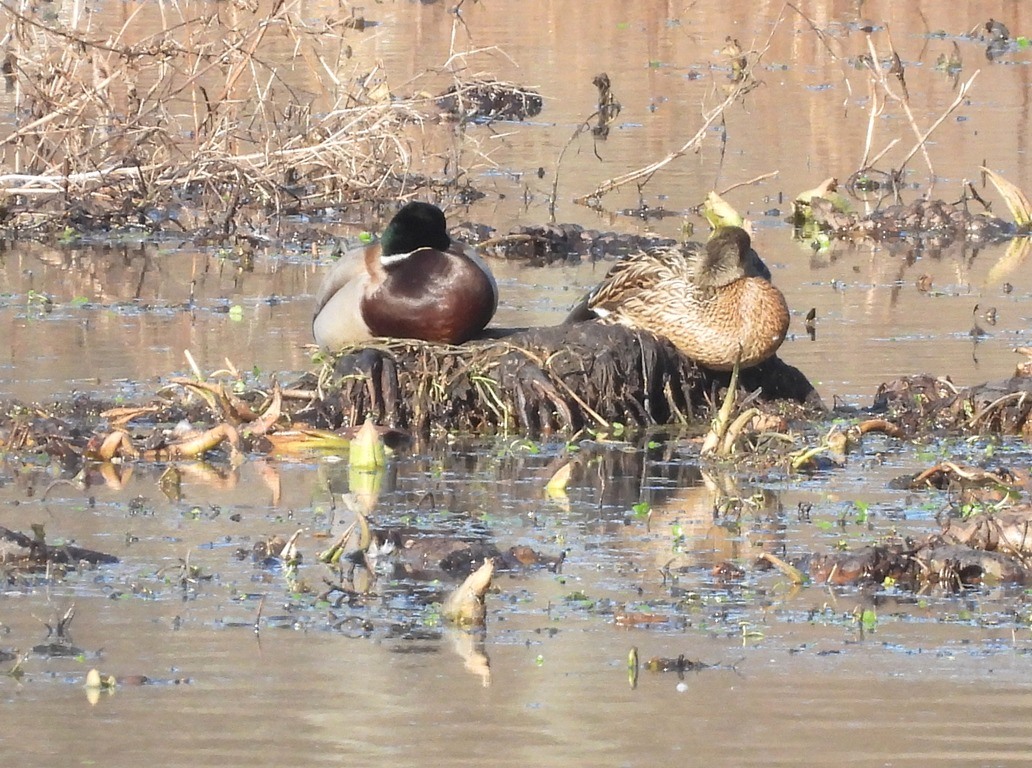
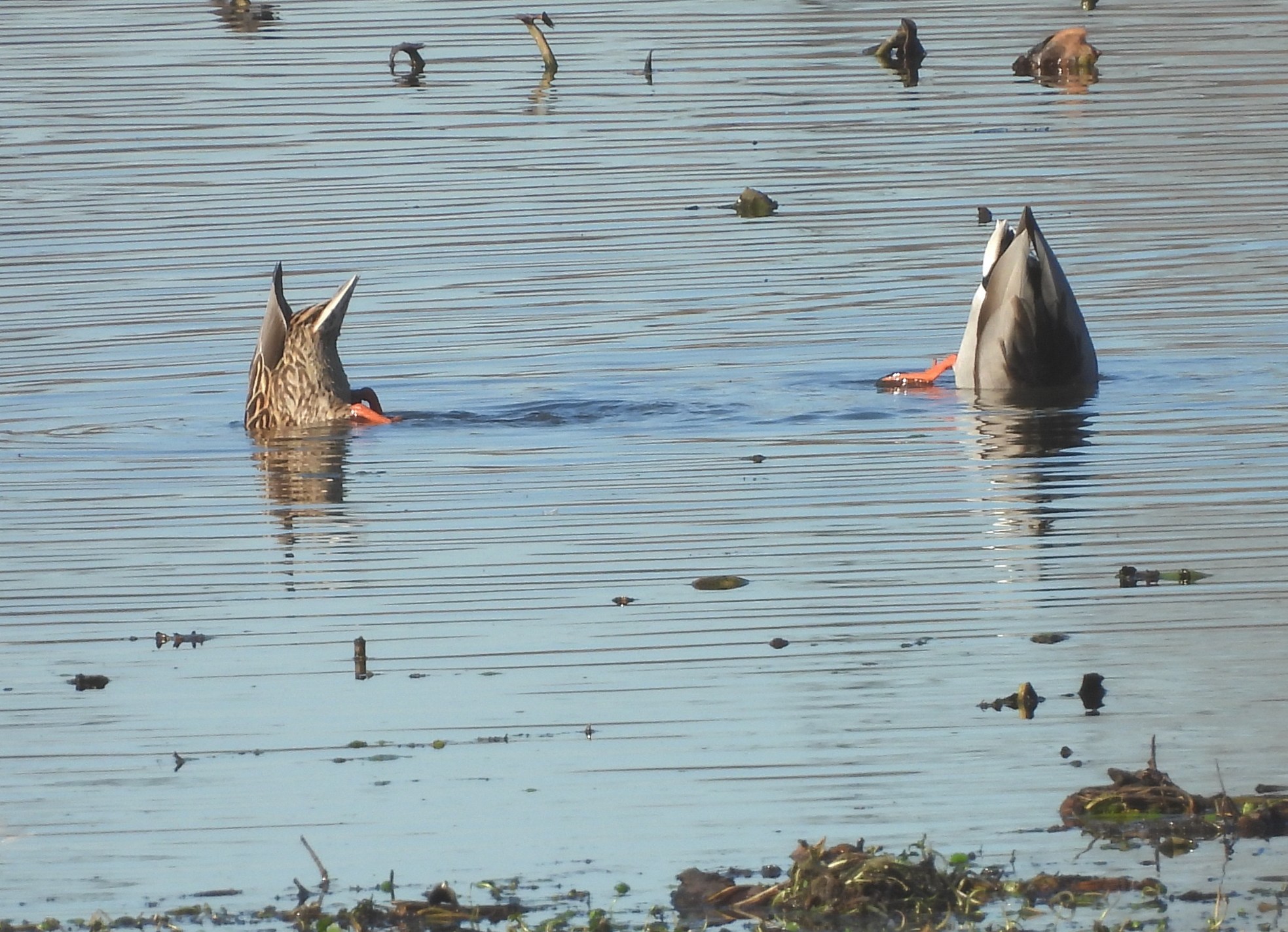
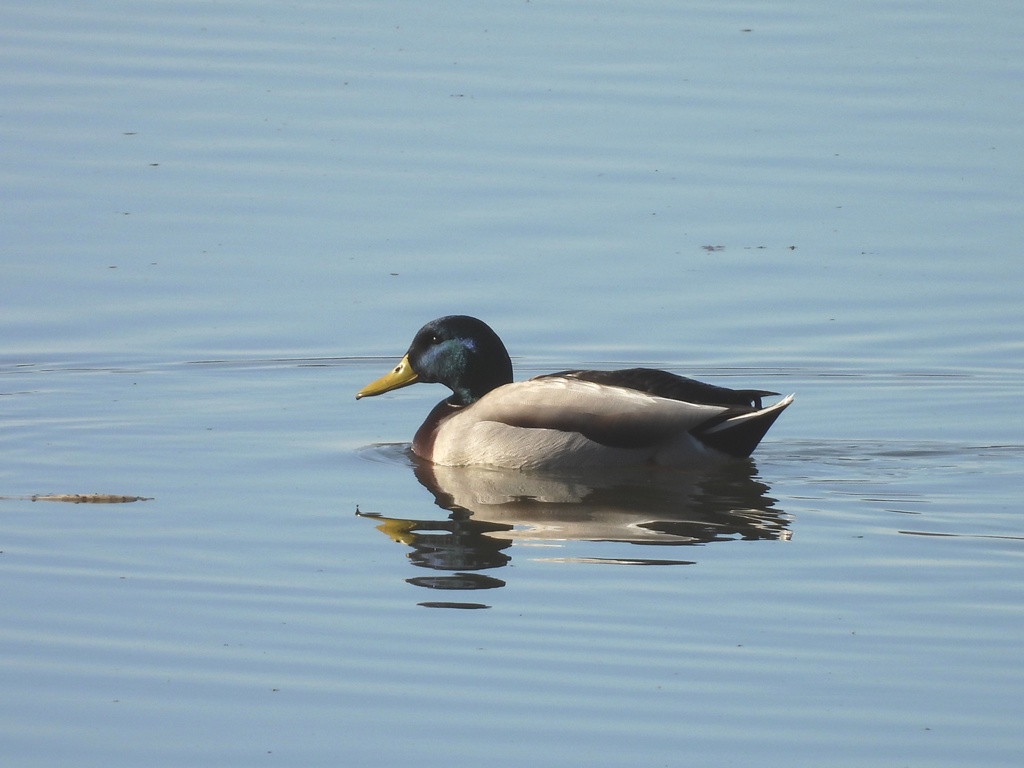
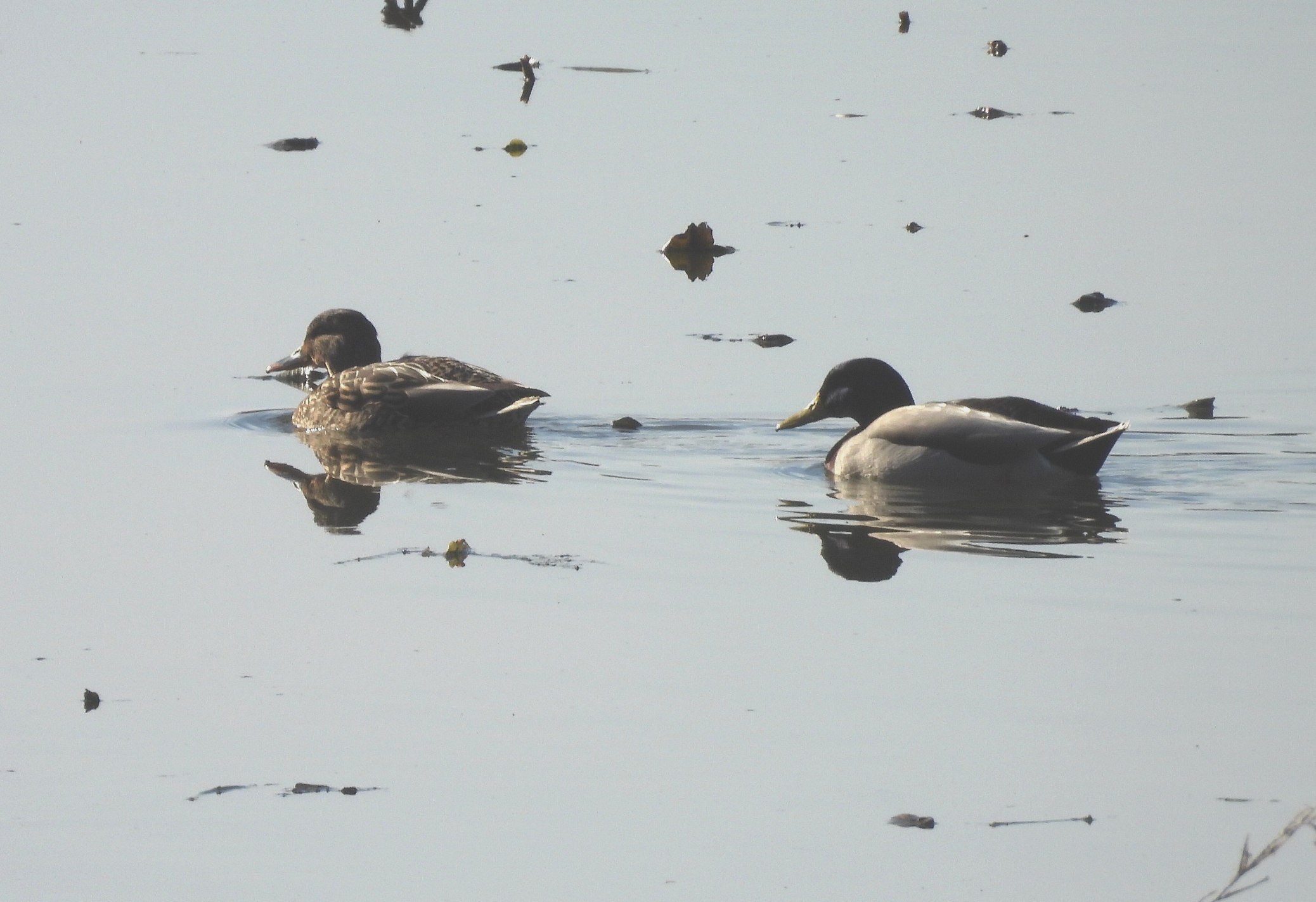
A diverse assortment of ducks stole the show on a recent visit to the lake. Their loud quacking resonated from across the lake where they were resting on accessible vegetation, logs and mudflats.
As social creatures, many ducks tend to prefer living in communal groups. They do this mainly for safety and to cultivate their social and foraging skills.
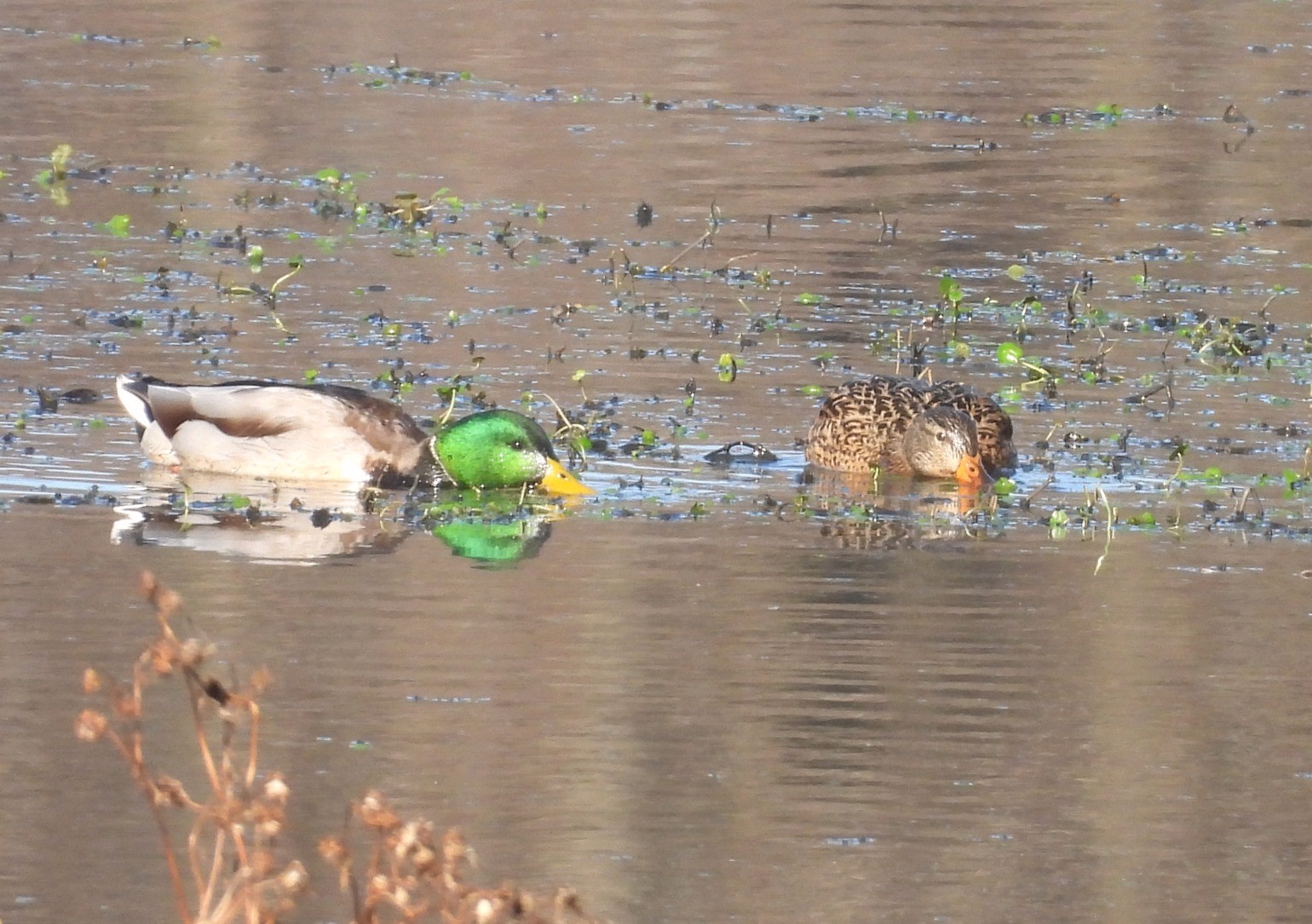
Ducks bob their heads as a form of nonverbal communication. This pair appear to be forming a bond, with the male nodding his head to convey interest and affection, while the female nods hers to show her acceptance. This behavior is a component of a courtship ritual, as ducks typically begin mating in late winter or early spring.
Ducks also move their heads up and down and employ rapid side-to-side head motions as they sift their bills through the lake water searching for aquatic plants and seeds. Additionally, they stir up mud to uncover insects, small fish, and crustaceans.
While feeding, ducks dunk their bills in the water to rinse their food, to facilitate swallowing and digestion, and to maintain the cleanliness of their bills.
What fun to spend a portion of the afternoon watching these beautiful and interesting birds, and how amazing to consider the role that something as simple as “head-bobbing” plays in the life of a duck.
“There is a way that nature speaks … Most of the time we are simply not patient enough, quiet enough, to pay attention to the story.” ~Linda Hogan
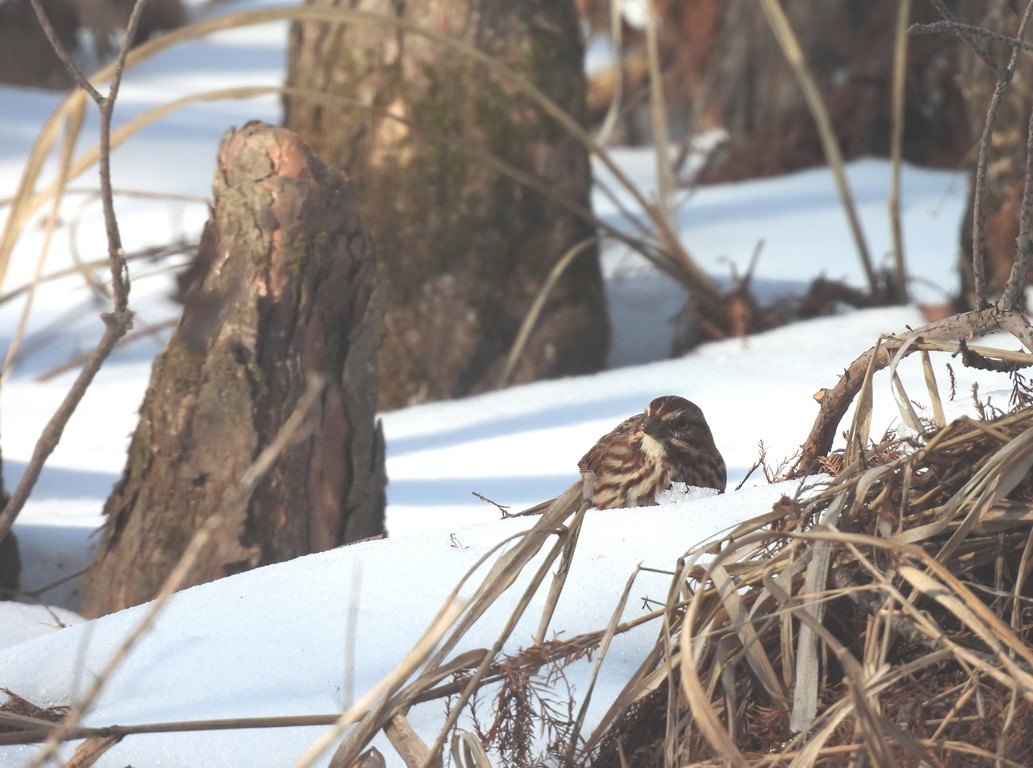
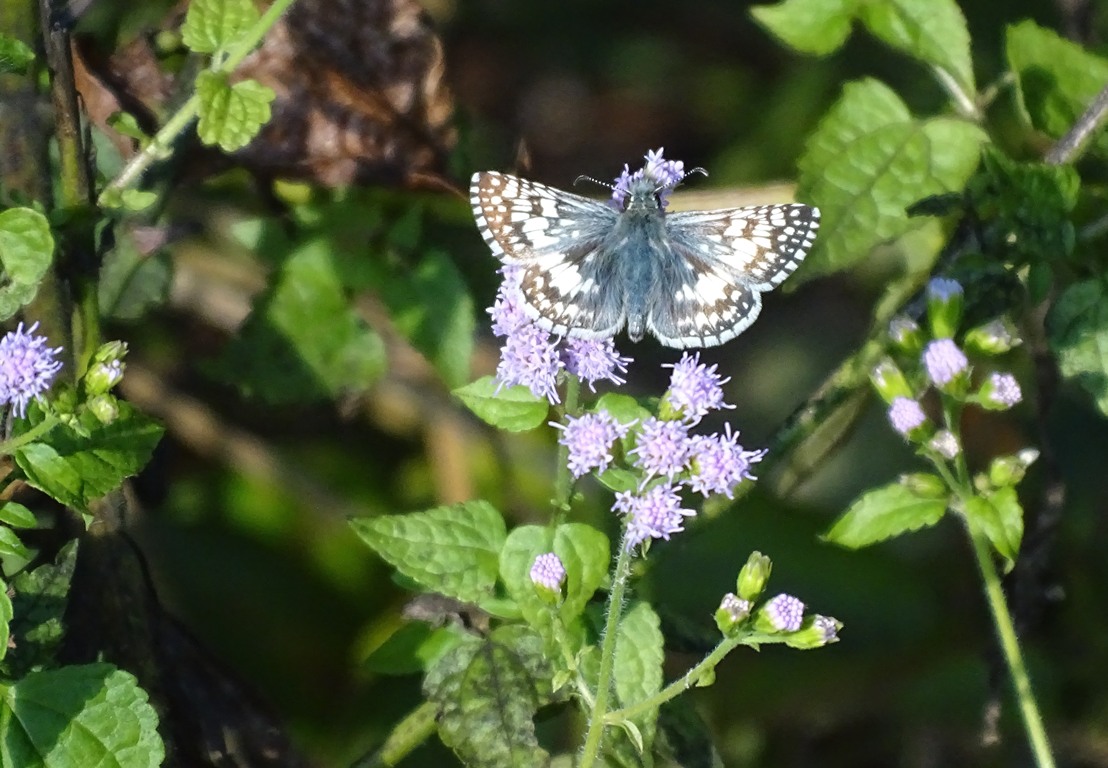
During the summer and autumn seasons, the swamp daisies attract a variety of bees and butterflies. However, by late November, their beauty fades, and the bees and butterflies are nowhere to be found. Recently, as I stood in my favorite spot on the board walk, gazing at the withered plants and bemoaning their decline, I noticed a swift flicker of wings — and then another. Flitting through the foliage were two birds that I seldom encounter.
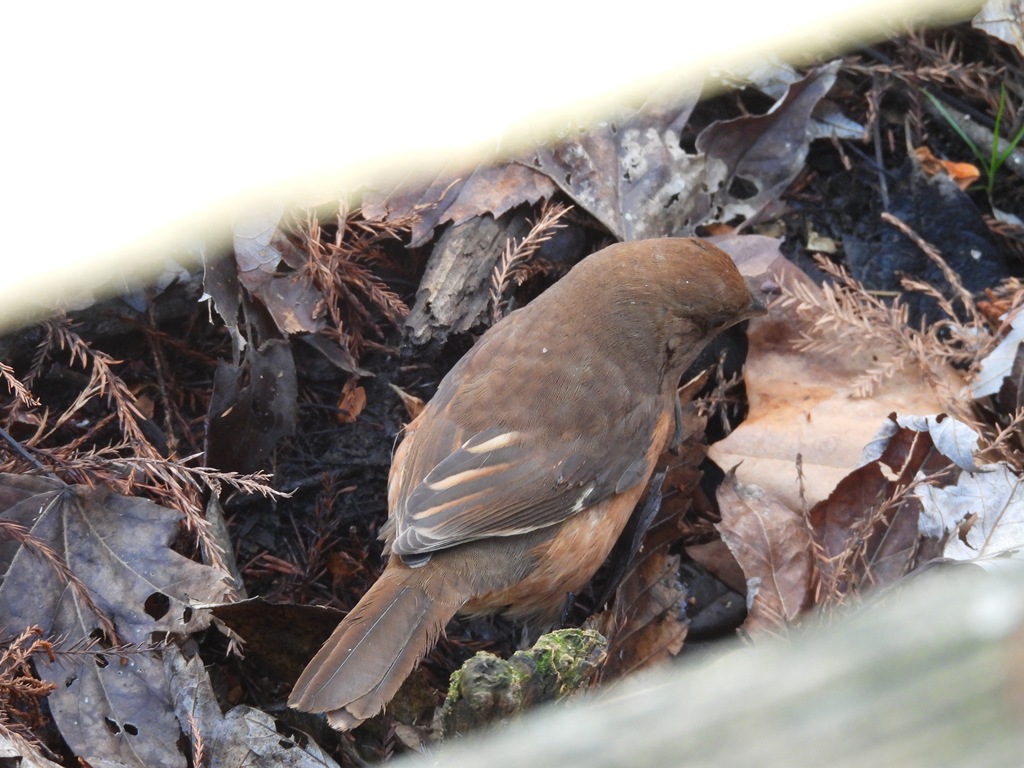
Initially, I noticed the Swamp Sparrow as it darted from one hiding spot to another, attempting to remain hidden among the marshy plants. This sparrow, characterized by its rusty hue, was searching for food along the water’s edge where dried plant seeds were plentiful. It is a winter inhabitant of our area, arriving in September and departing in May.
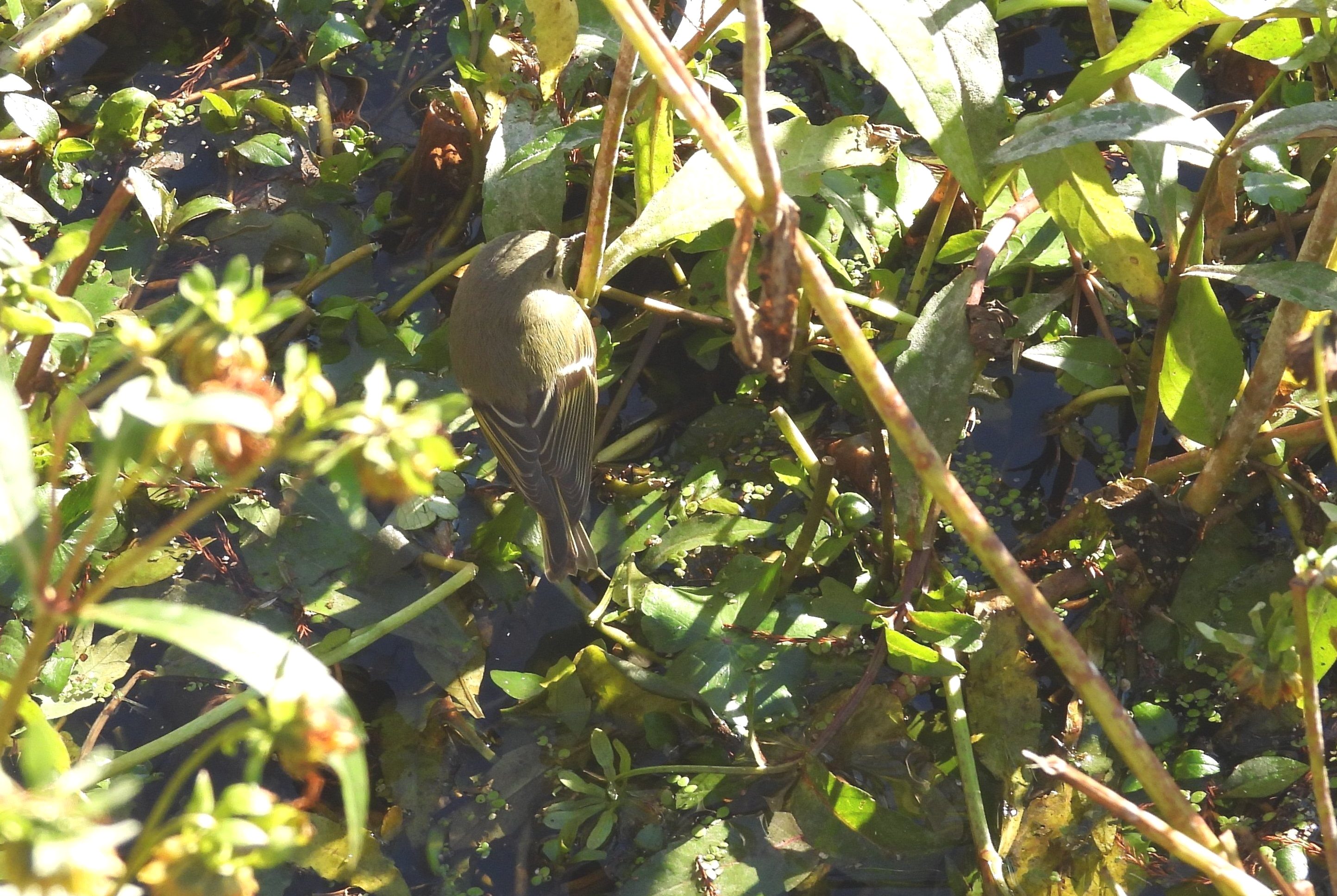
Then I spotted a female Ruby Crowned Kinglet — a tiny, agile bird. She was equally elusive as she flitted and hopped among the plants in an effort to remain hidden. Her wings, adorned with stunning olive green-gray plumage, flickered as she searched for tiny insects, berries and seeds. Like the Swamp Sparrow, it is also a winter resident.
As I watched these two evasive birds on one side of the boardwalk, I found it hard to ignore a loud scratching sound coming from the other side of the boardwalk. Peering through the wooden slats, I was delighted to discover a female Eastern Towhee using her feet to rummage through dried leaves and underbrush looking for food. Though not always obvious, the Towhee makes its home in our state year-round.
Nature is full of surprises. I had been in search of flowers and butterflies; however, I was instead blessed with the sight of three small birds. With every season that passes, new wonders emerge to provide delight and joy. Rather than lamenting the absence of the gifts from one season, we can turn our attention to the blessings of the upcoming season and be thankful.
Gratitude helps us to see what is there rather than what isn’t. ~Unknown
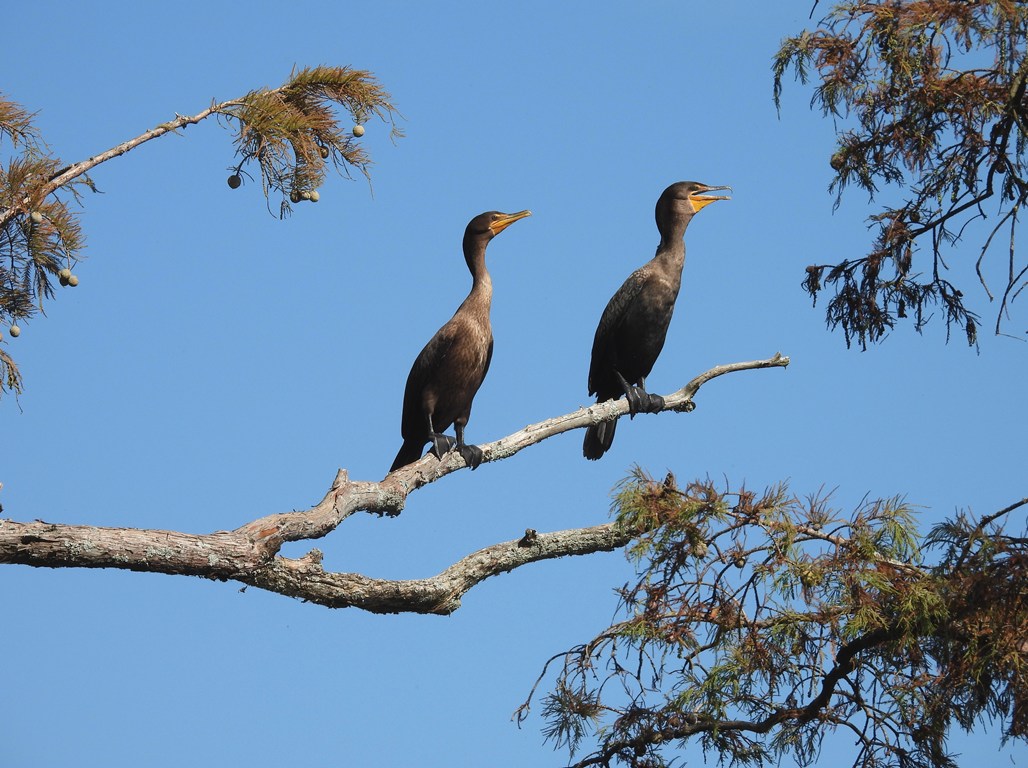
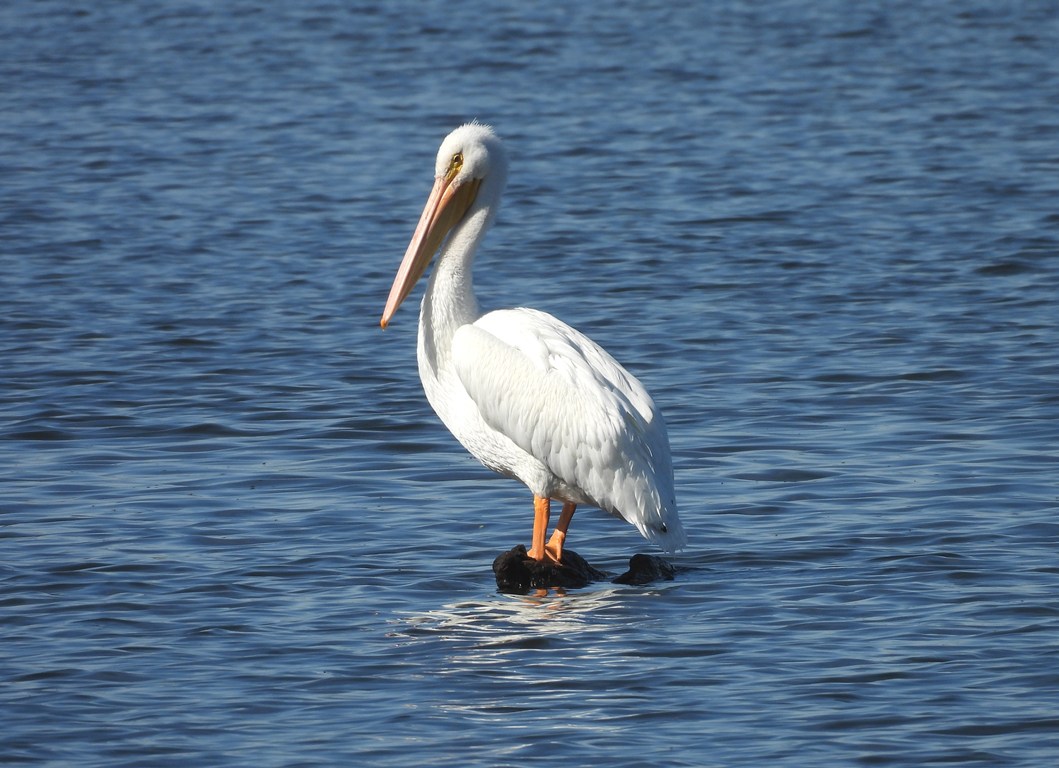
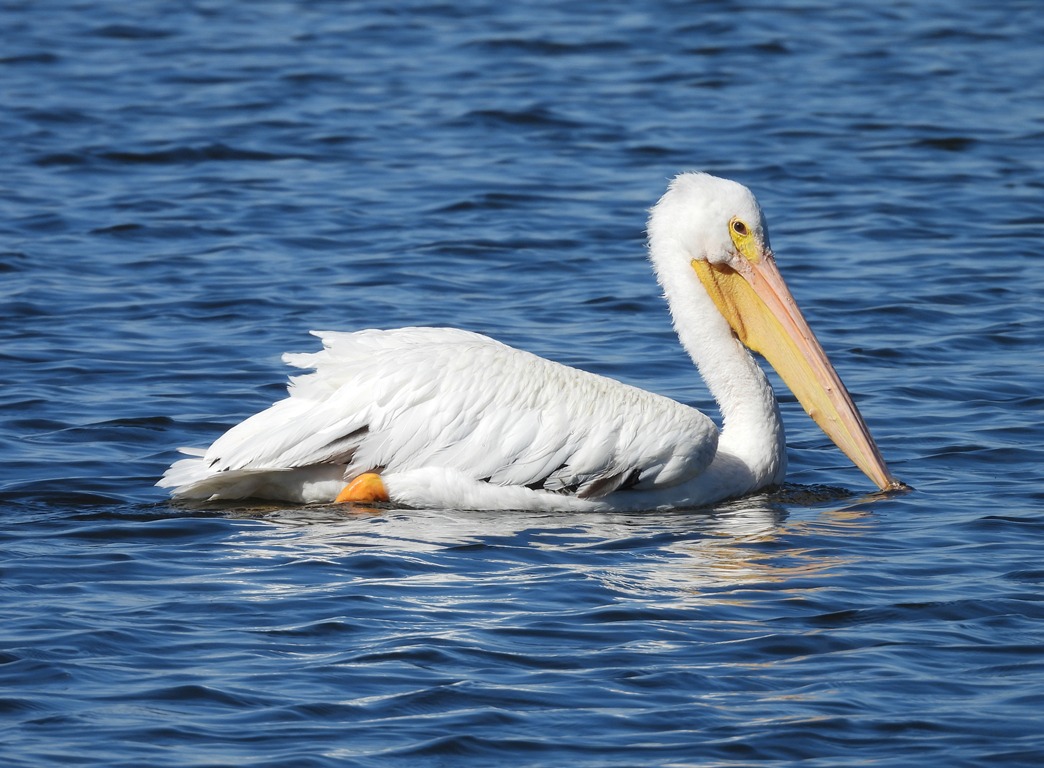
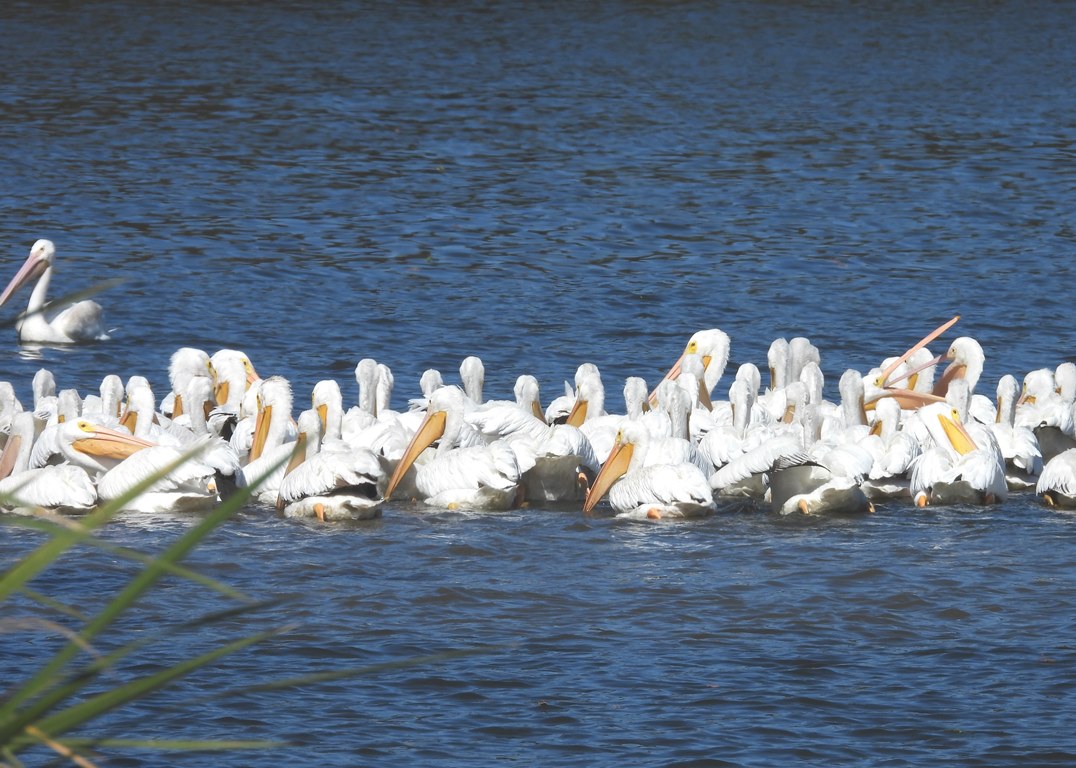
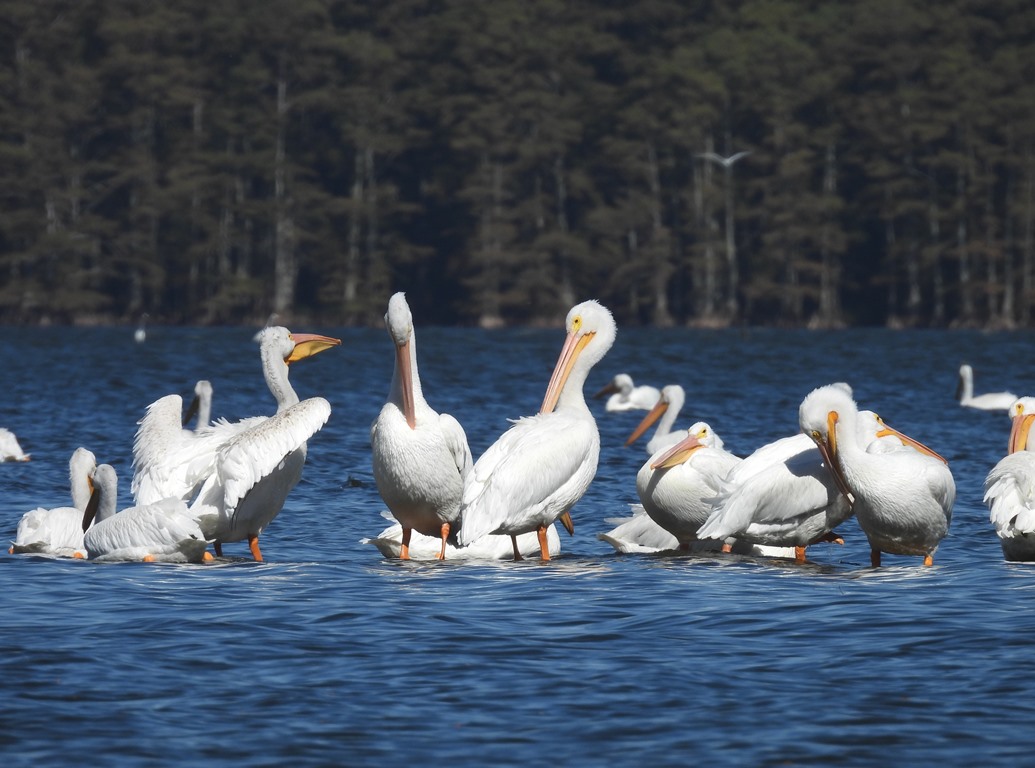
Recently, I watched a group of American white pelicans swimming alongside double-crested cormorants at the lake. This wasn’t the first time I had seen them together, which led me to wonder why these two birds, which seem to be an unlikely combination, would be hanging out.
Research revealed that both are fish-eaters that hunt together, assisting each other in finding food; however, their fishing techniques differ. Pelicans herd fish into shallow water where they are easy to catch, while cormorants are underwater fishers. Their diving causes the fish to rise to the surface, enabling the pelicans to swoop in and scoop them up with their large bills. While pelicans can at times exhibit greedy behavior, this collaborative approach to fishing is mutually beneficial for both species involved.
“I can do things you cannot, you can do things I cannot; together we can do great things.” ~Mother Teresa
Recently, we had the pleasure of watching the stunning beauty and graceful flight of white pelicans during their annual fall migration at Reelfoot Lake.
“To the sane and free it will hardly seem necessary to cross the continent in search of wild beauty, however easy the way, for they find it in abundance wherever they chance to be.” ~John Muir















 walking on a country road