Preening the Plumage

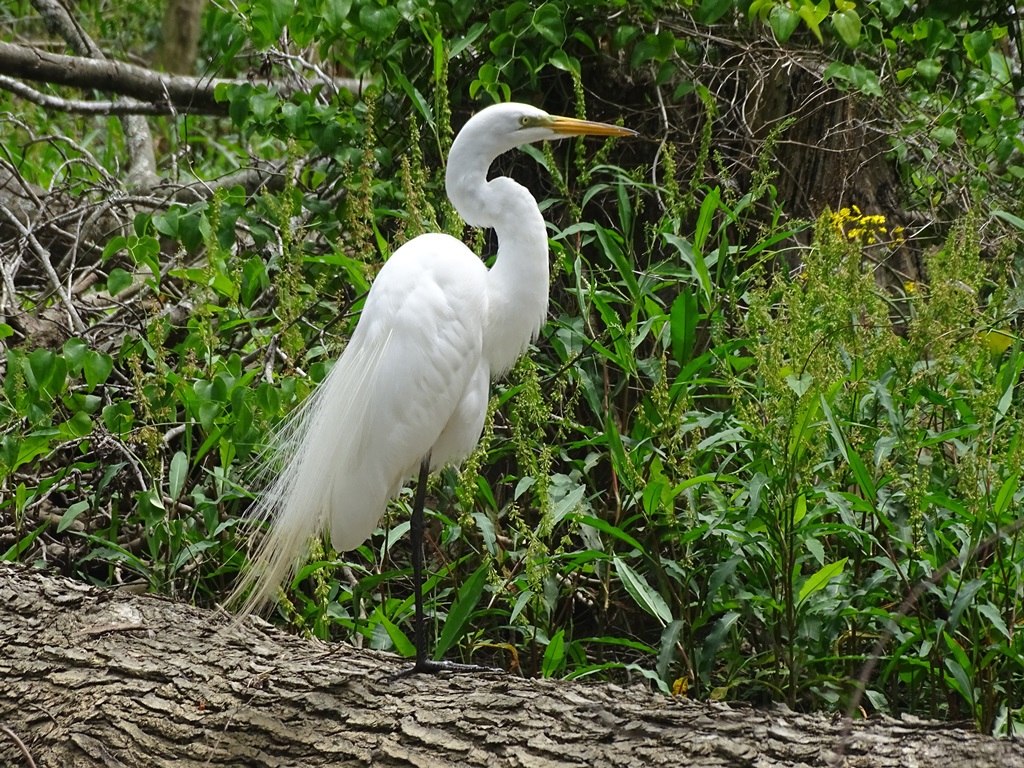
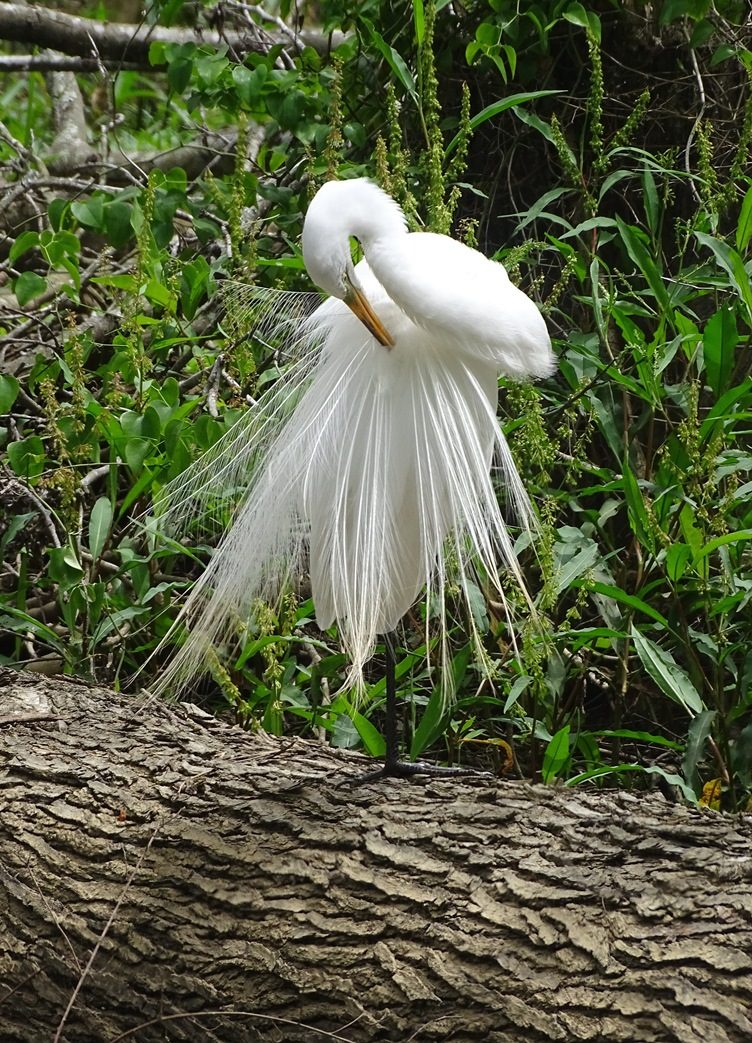
During the spring breeding season, the molted feathers of the Great Egret are replaced with bright white plumage and long ornamental feathers which are vital for attracting mates. Daily preening is crucial for maintaining feather condition, as well as providing insulation and waterproofing.
“Good grooming is integral, and impeccable style is a must …” ~Daymond John

A Young Barred Owl

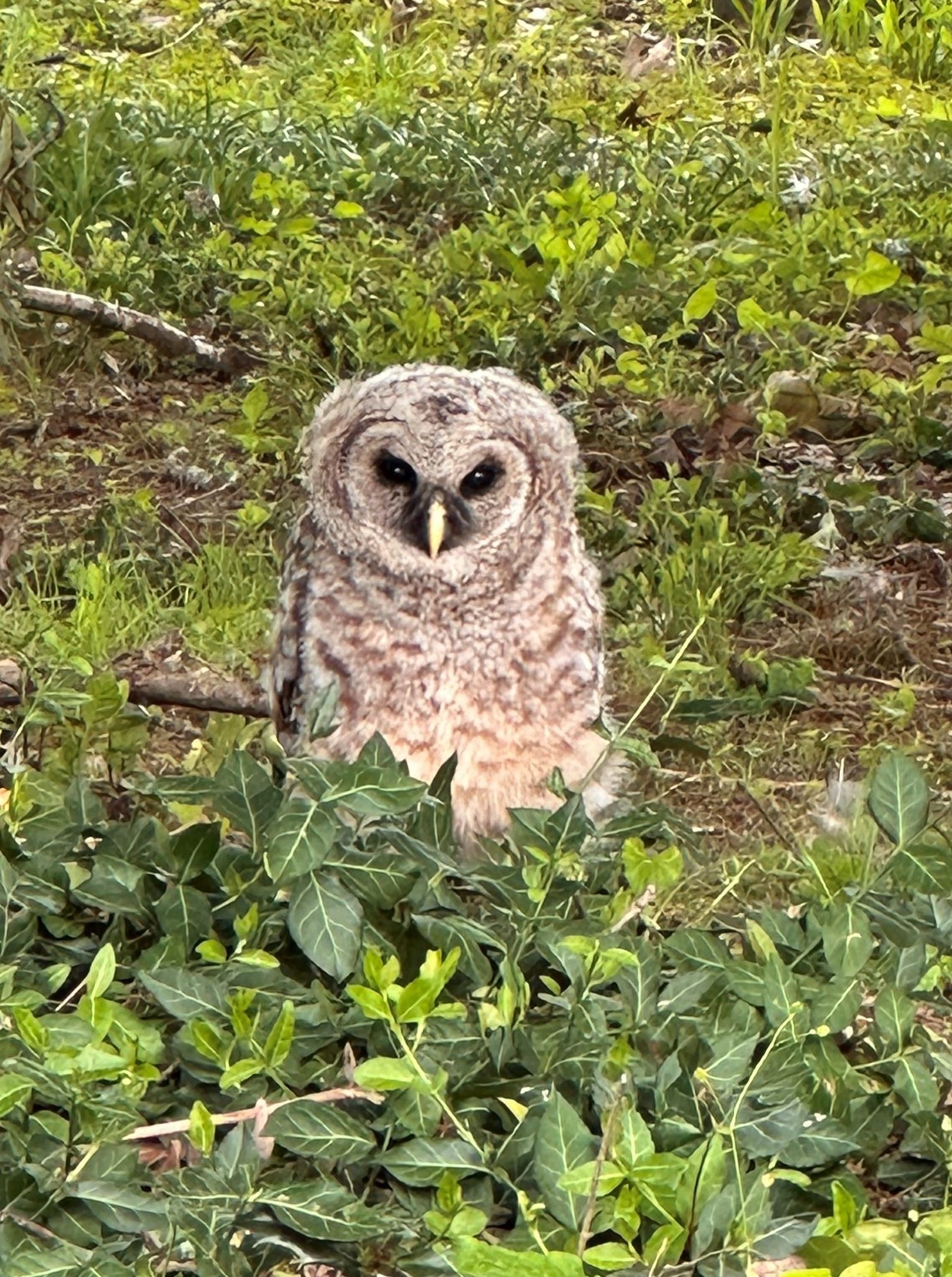
While driving down a familiar side street in our town, I noticed something out-of place, and looked again to see what it was. There, on a small branch on the ground, calmly sat an immature Barred Owl. What a nice, unexpected surprise.

“Nature is full for us of seeming inconsistencies and glad surprises.” ~Margaret Barber

Spring Around the Levee

The fields surrounding the levee were filled with chattering birds …

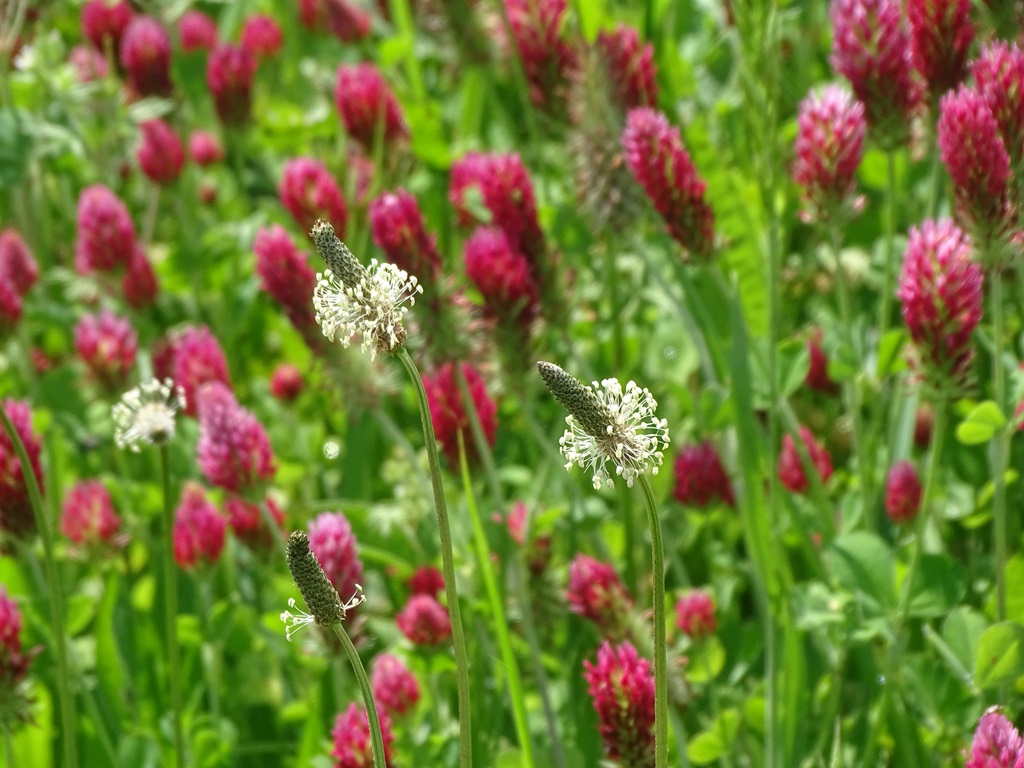
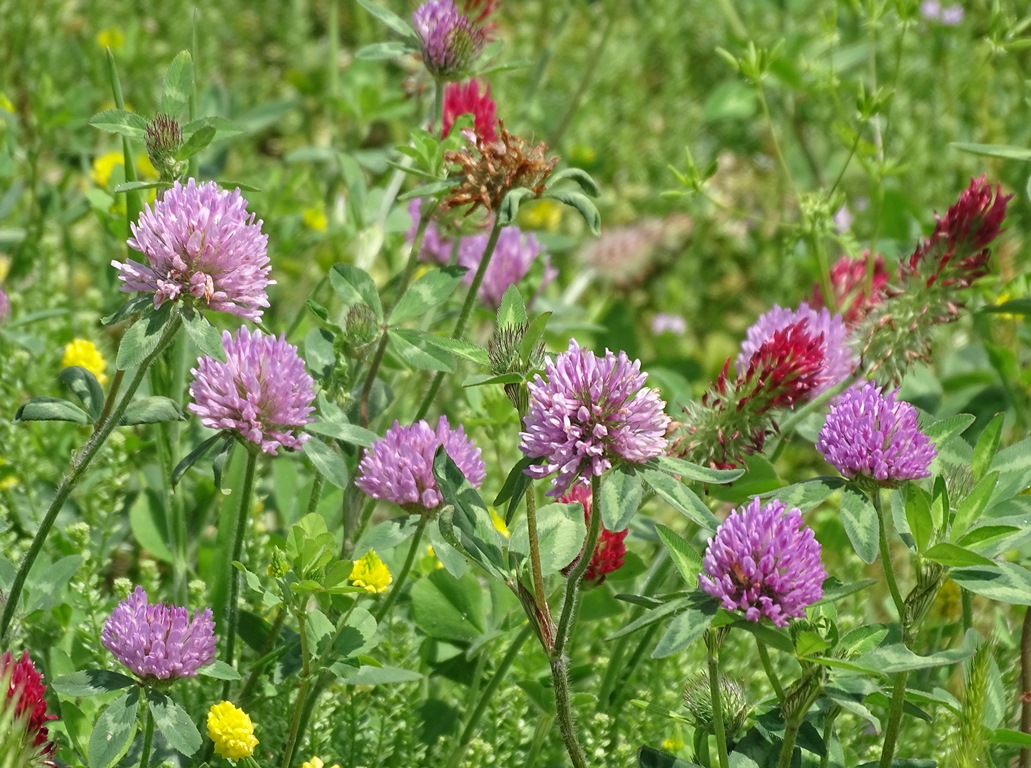
and adorned with vibrant spring wildflowers.

“Everything is blooming most recklessly; if it were voices instead of colors, there would be an unbelievable shrieking into the heart of the night.”  ~Rainer Maria Rilke

A Variety of Birds

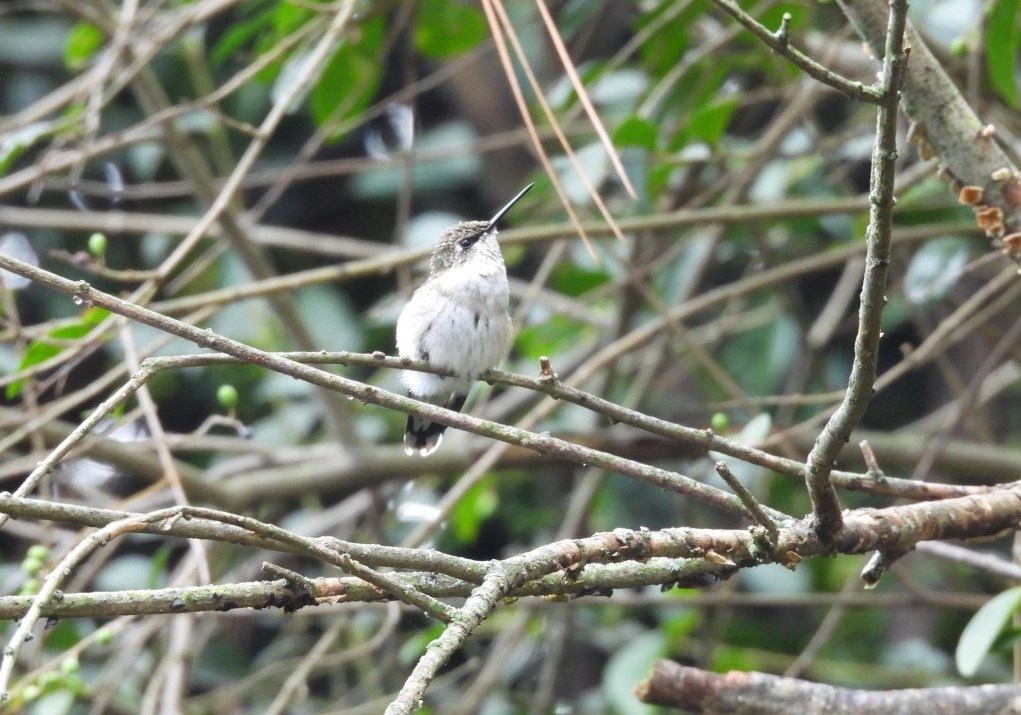
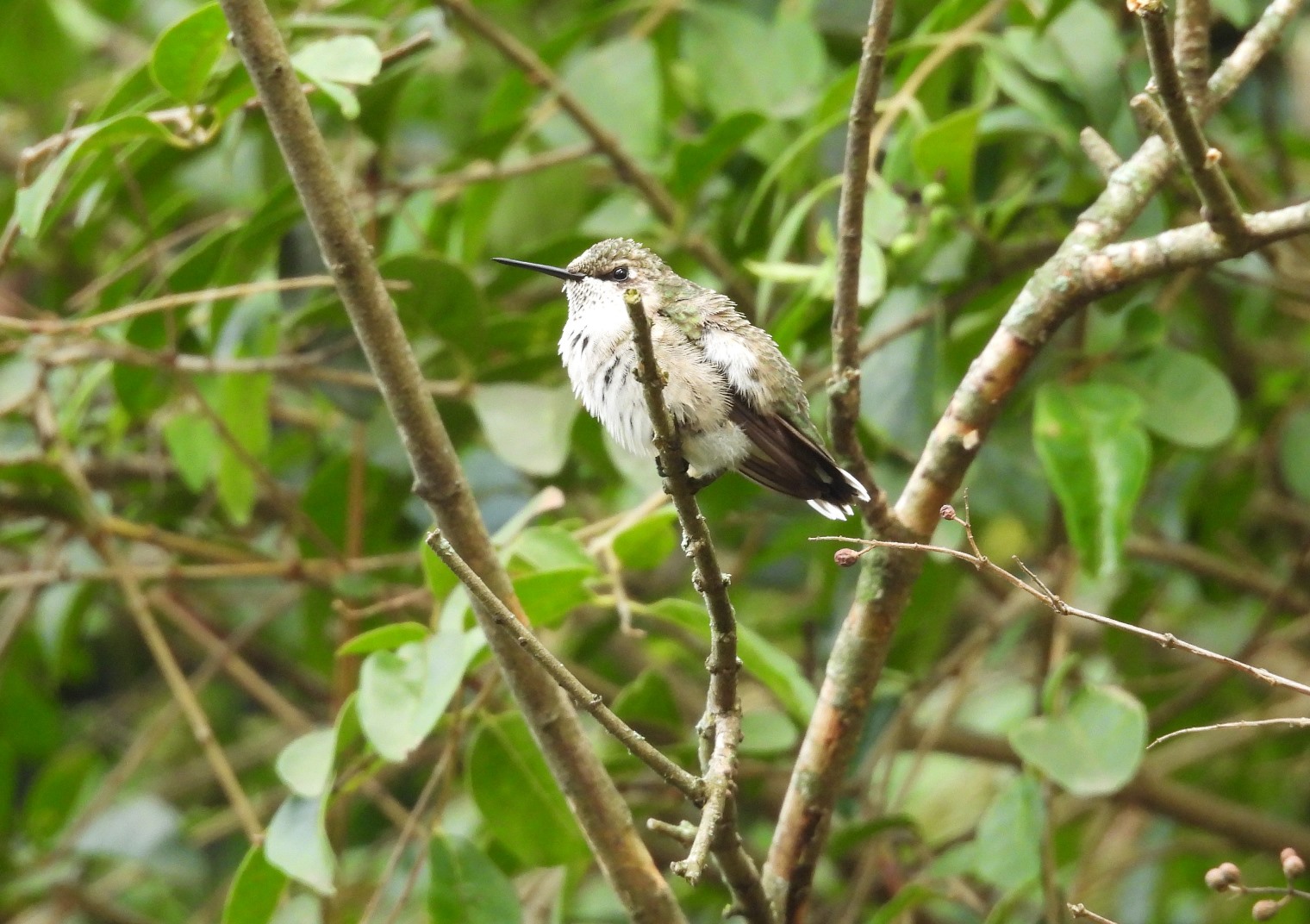
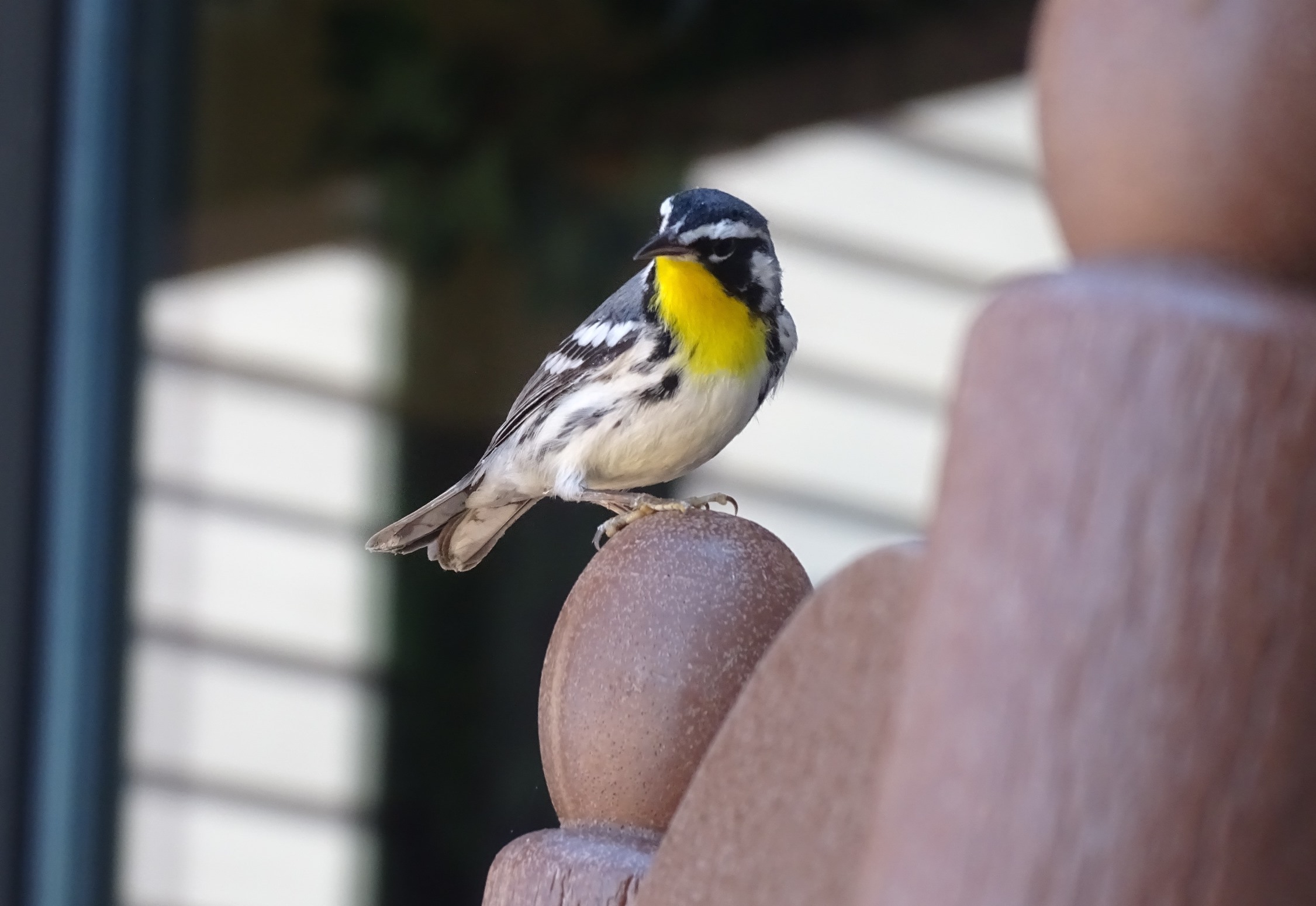
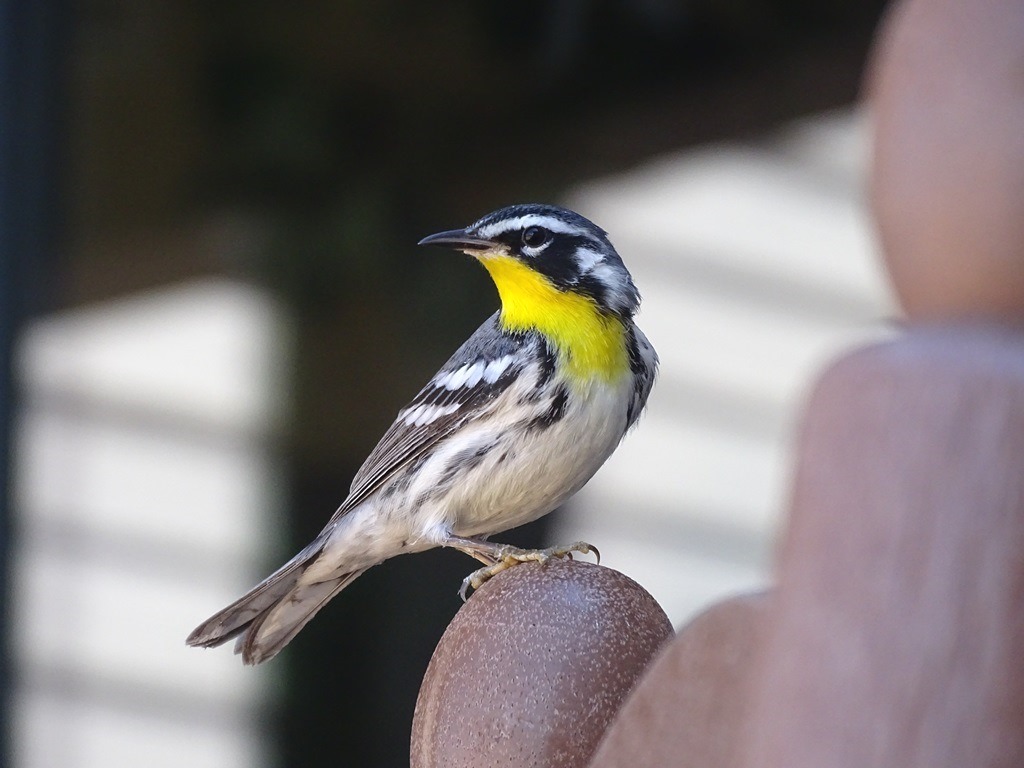
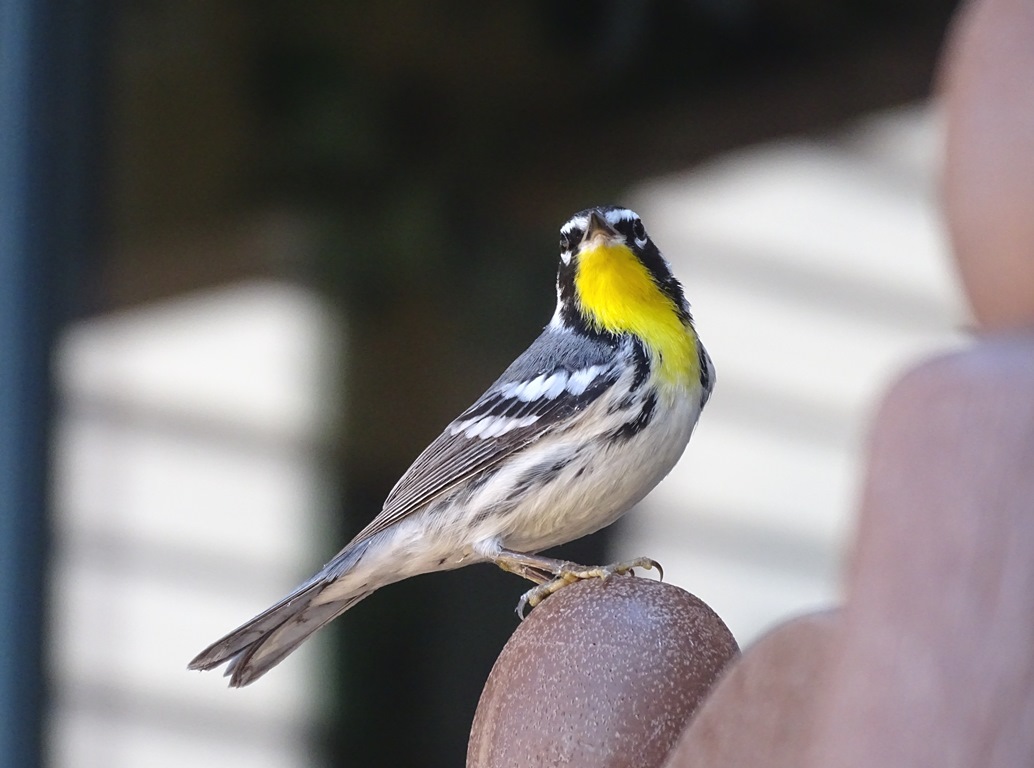
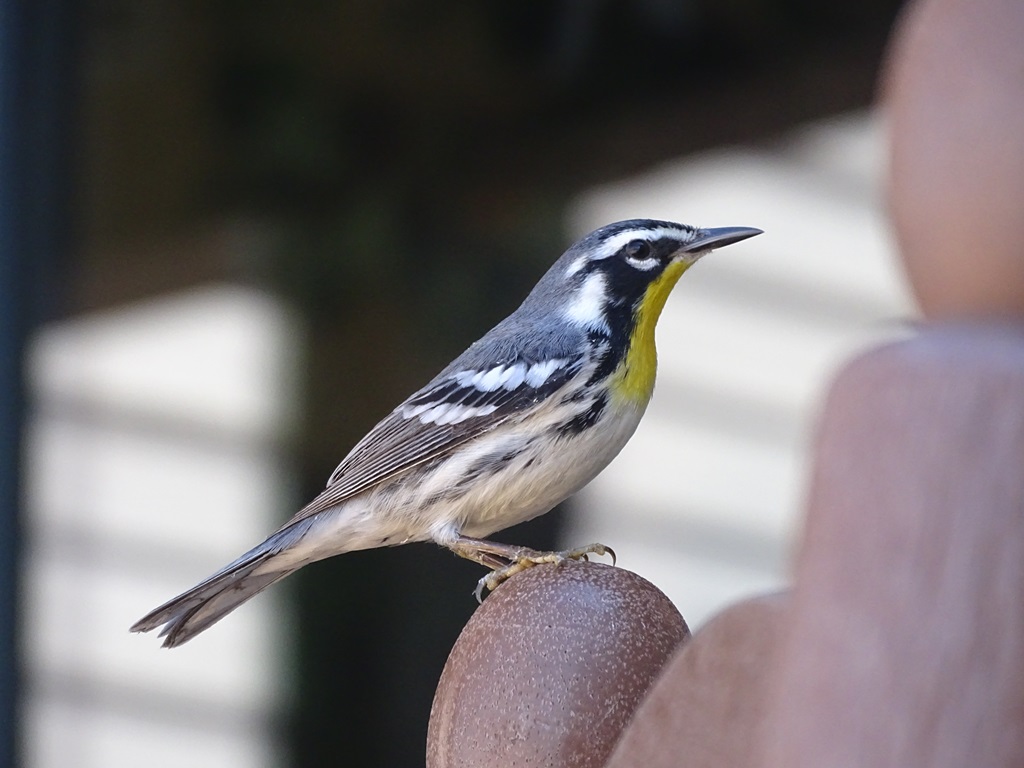
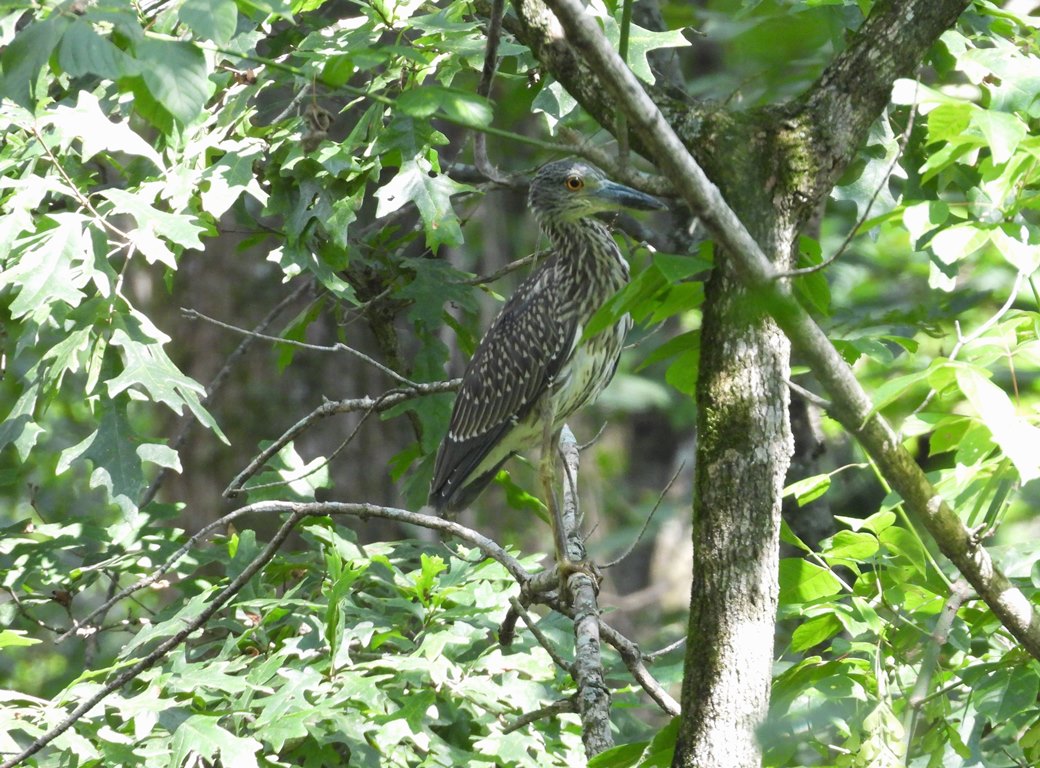
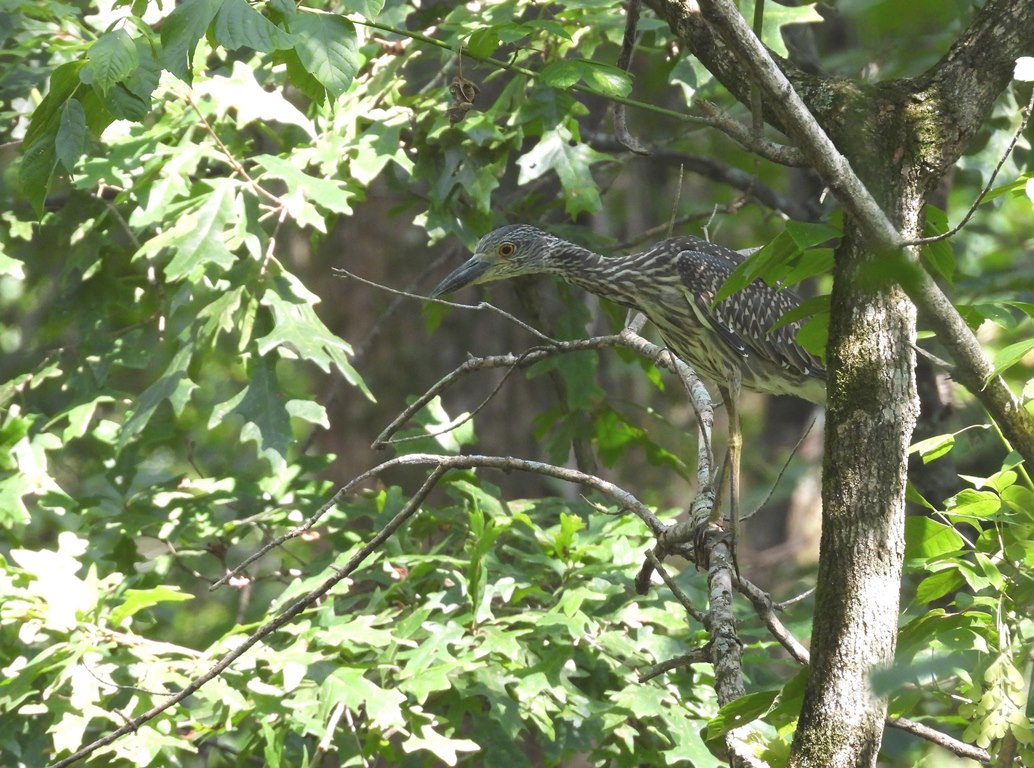
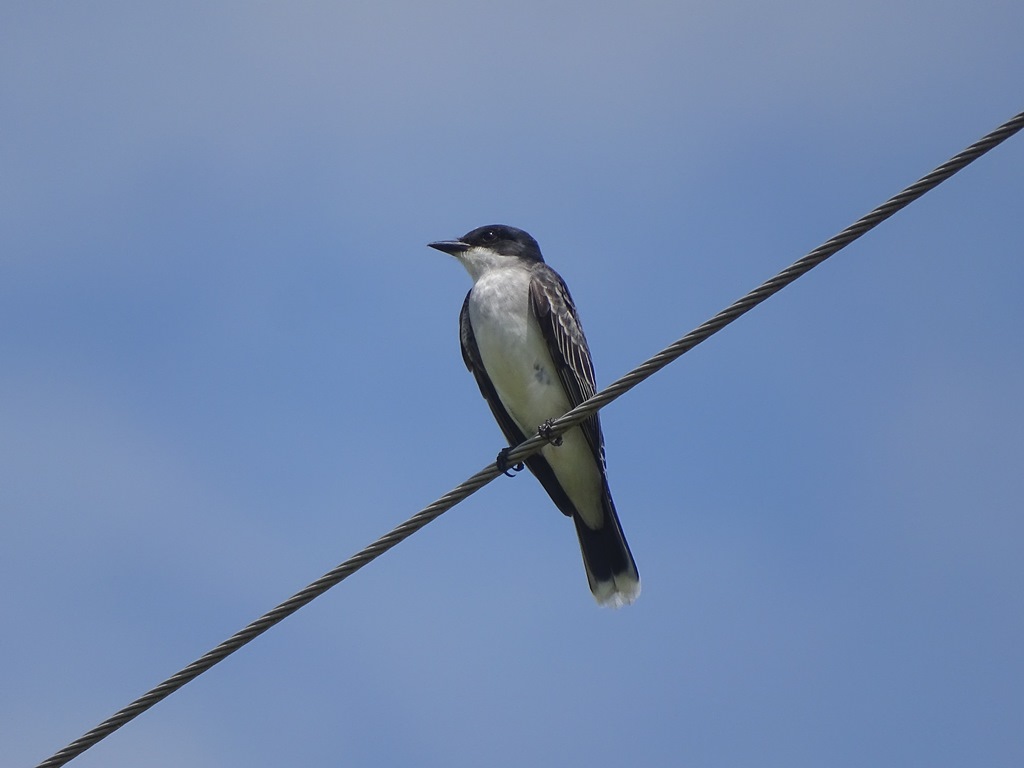
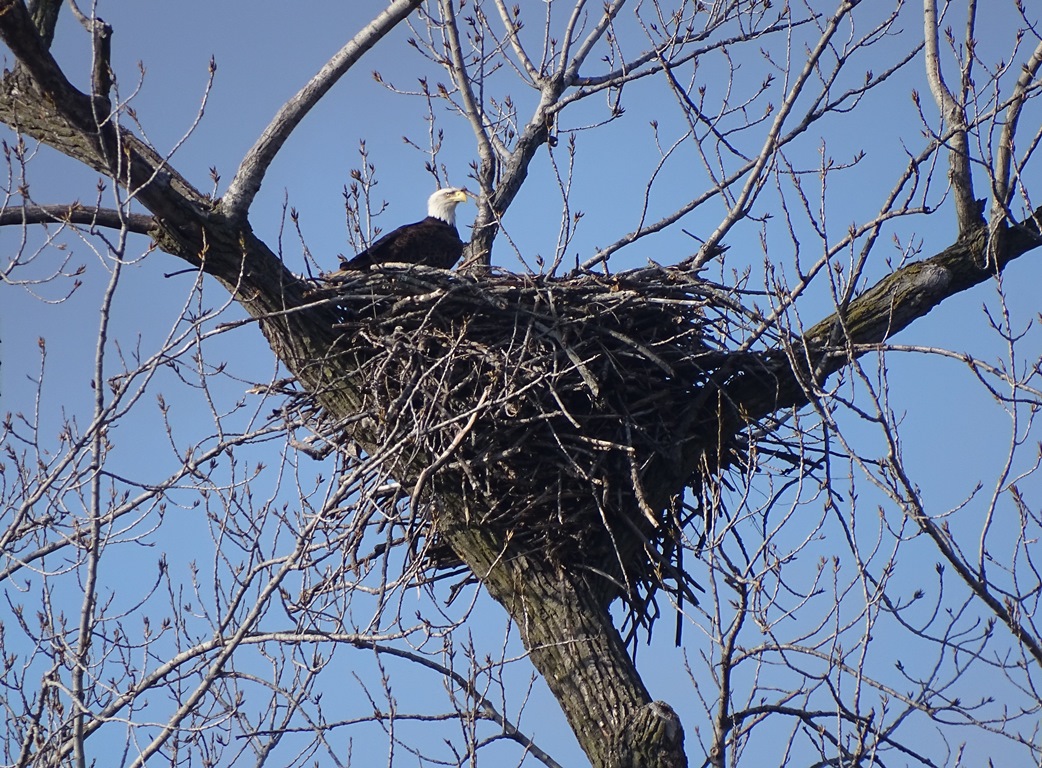
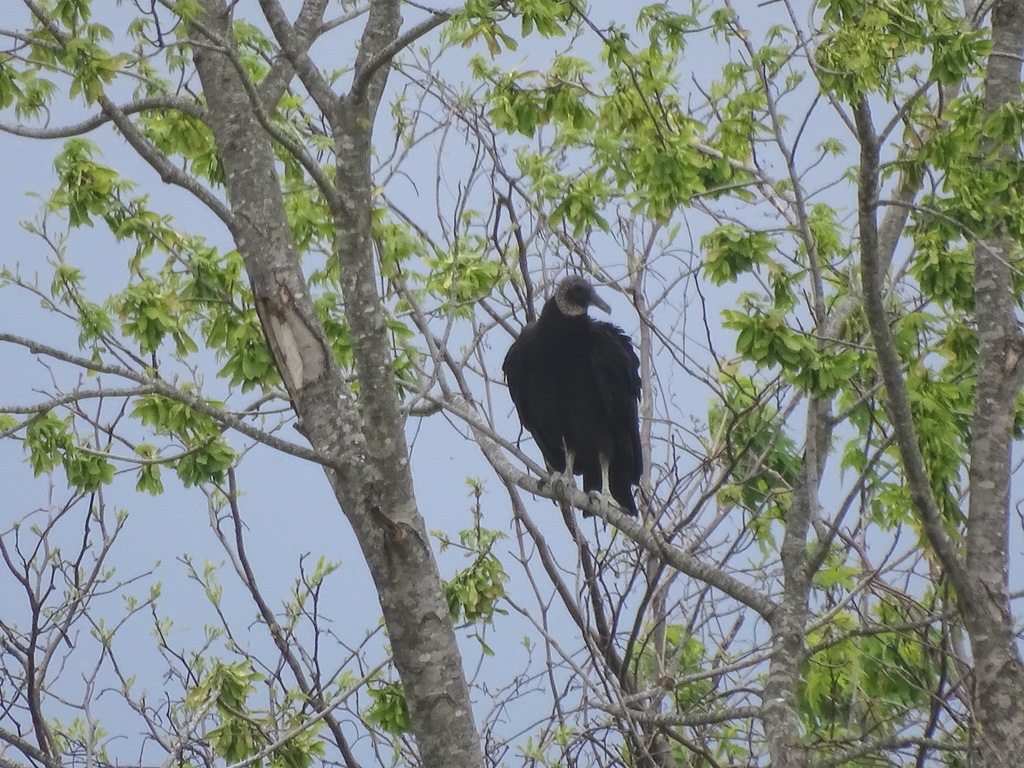
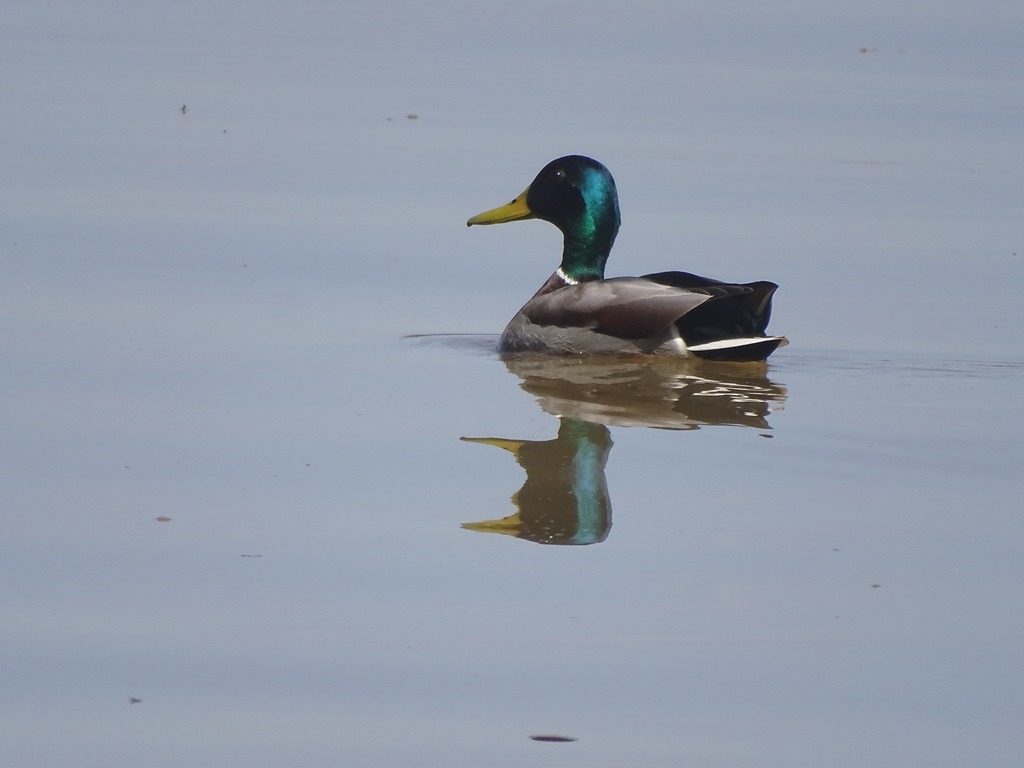
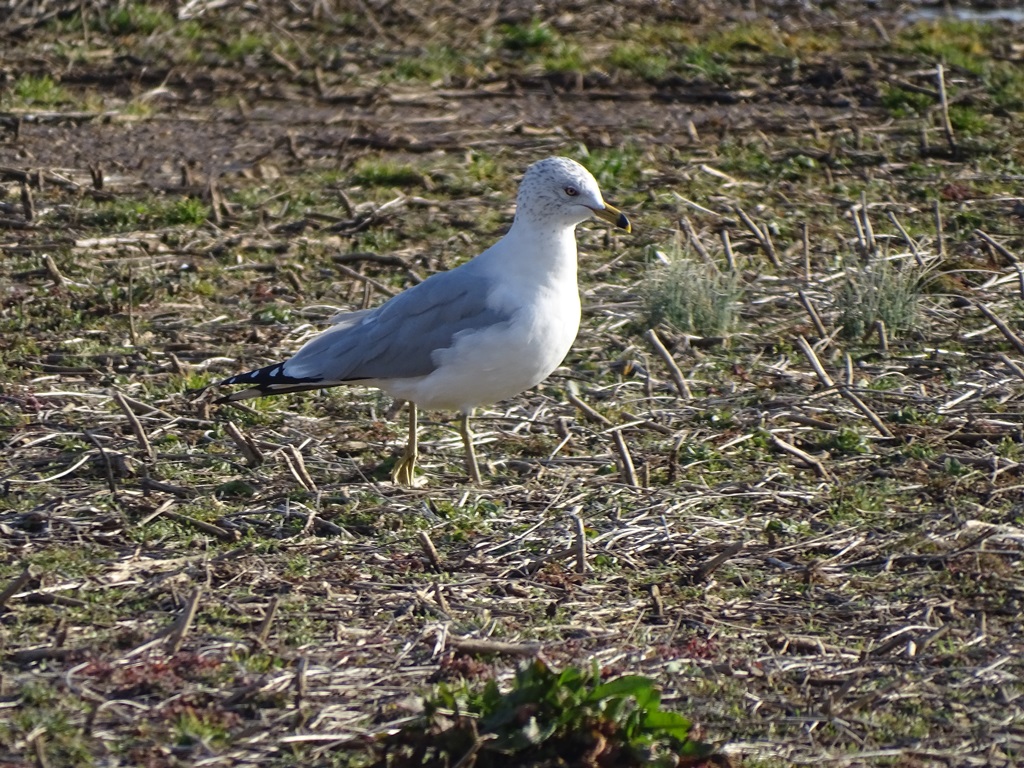
It’s always interesting to see what birds we can spot as we drive around the lake and the Mississippi levee. Here are some of our most recent finds.

You’ll get mixed up,
of course, as you already know.
You’ll get mixed up with
many strange birds as you go.
So be sure when you step.
Step with care and great
tact and remember that
Life’s A Great Balancing Act.
~Dr. Seuss

Feasting on Sumac Berries

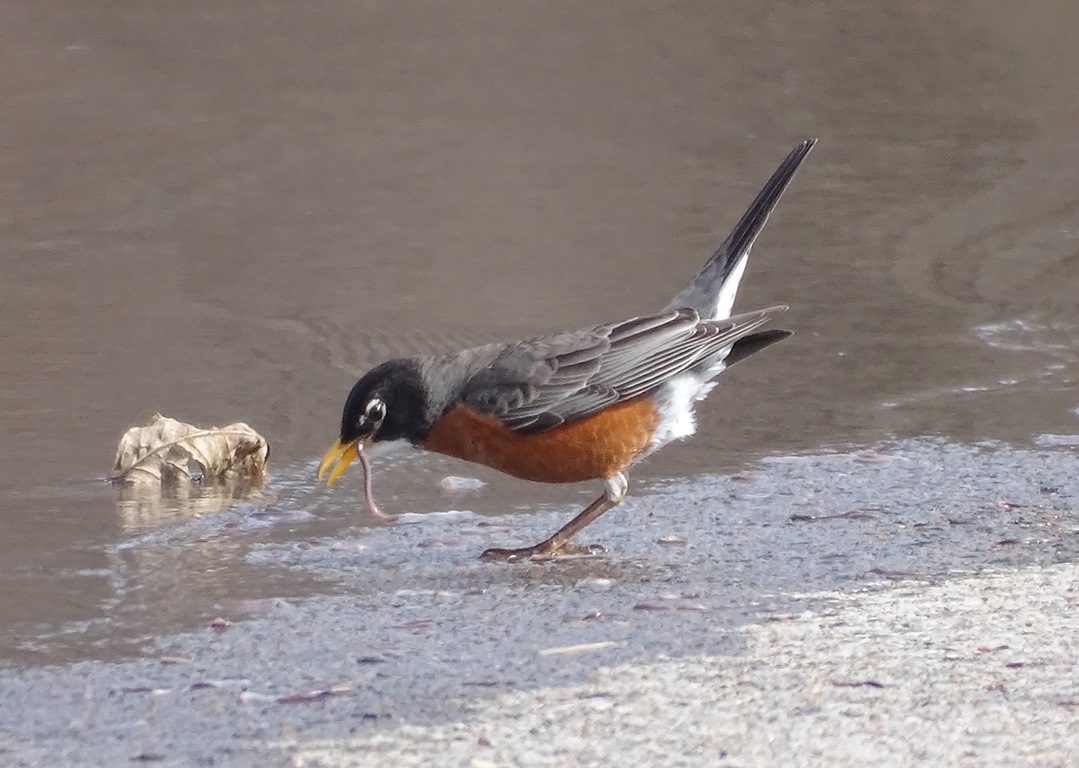
In February we spotted an American robin foraging on the vibrant red berries of sumac shrubs which were growing in a colony along the roadside.  The fruit of the sumac lasts throughout the winter and provides sustenance to our feathered friends that spend the winter here.

… Growing at field edges and in waste
places, most of us don’t notice the ruby glow.
Bluebirds, robins, and squirrels
know better, plucking at the jeweled lights
to keep their own fires burning.
~David K. Leff

Birds and Branches

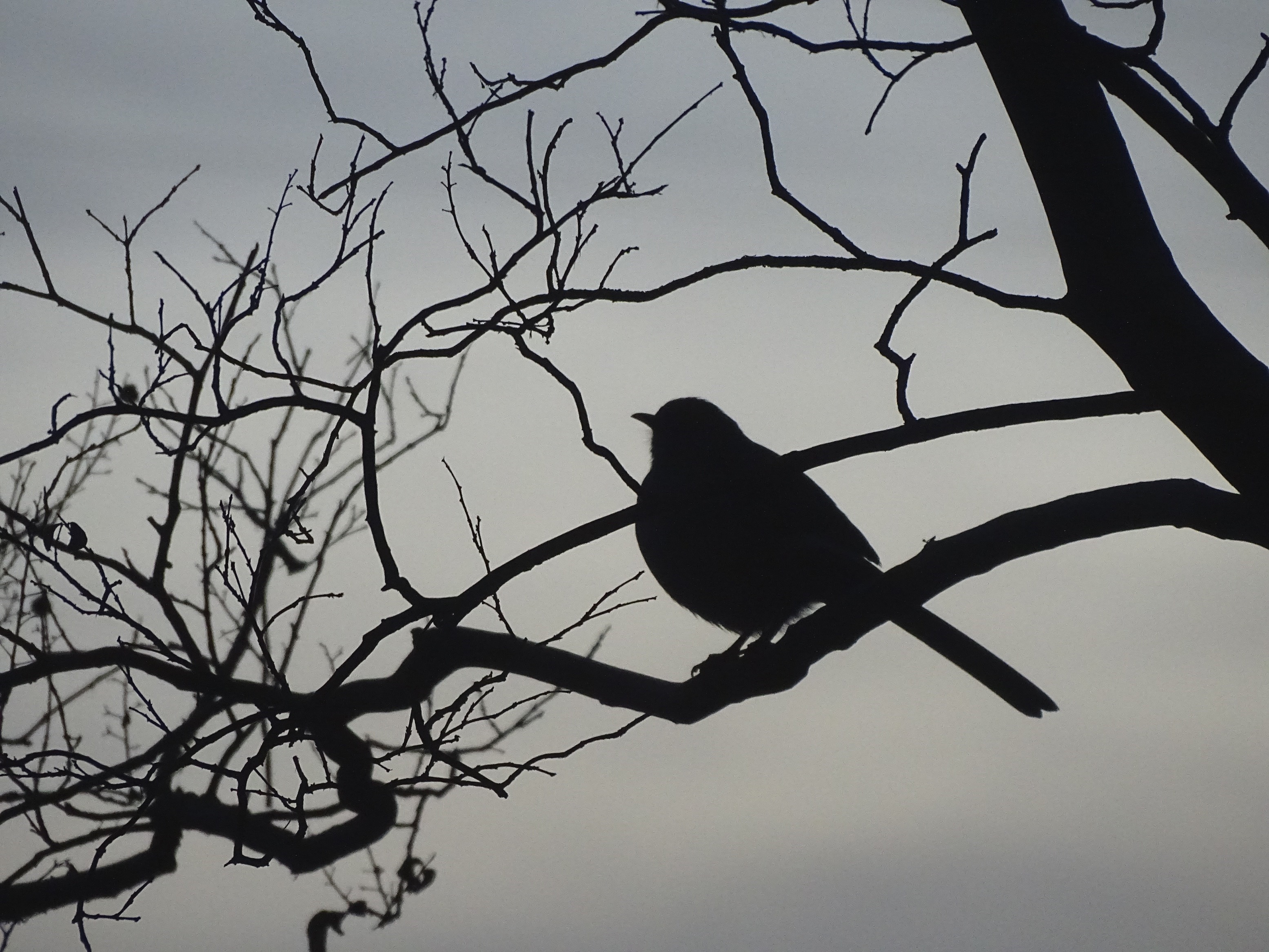
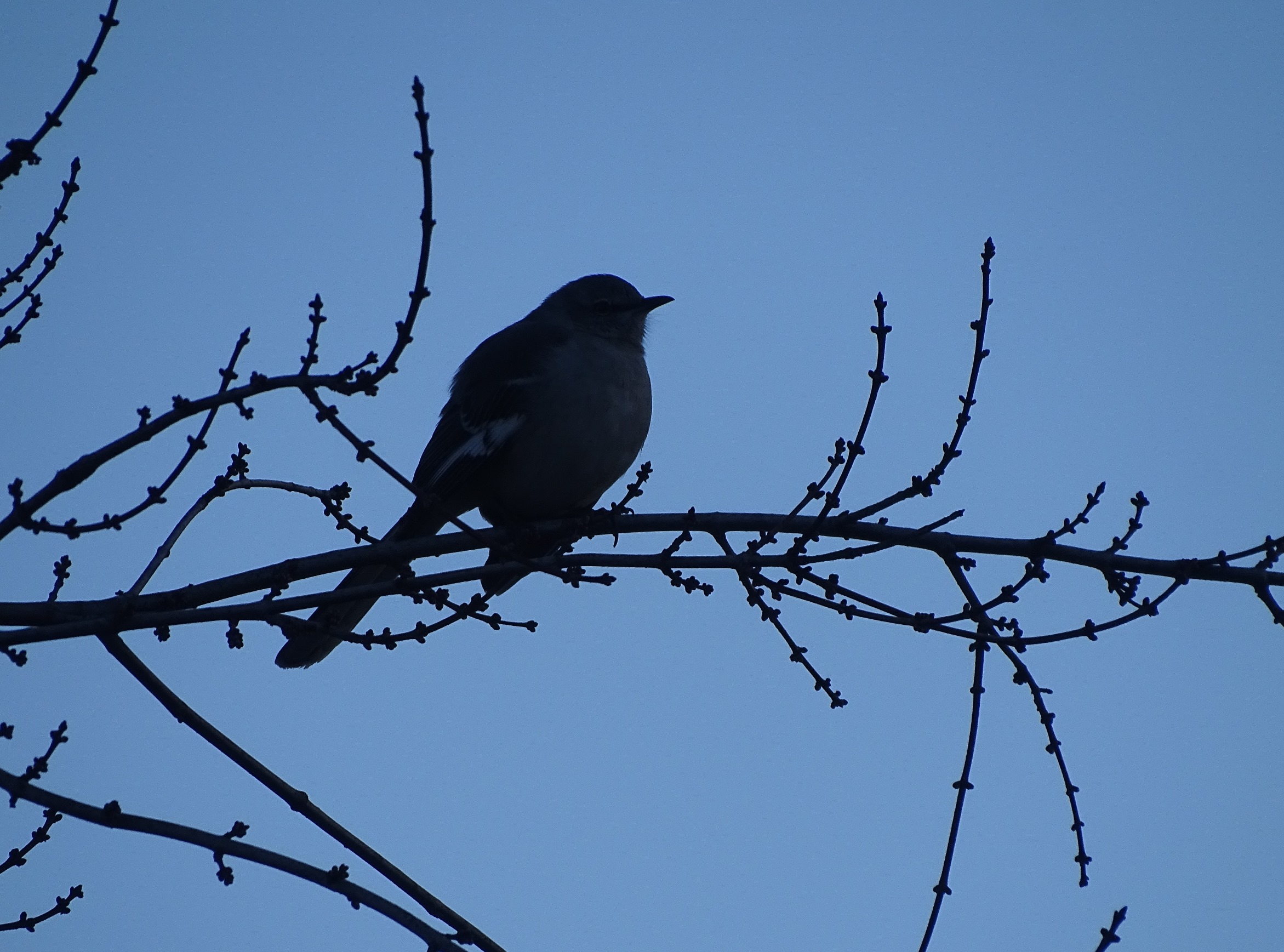
I enjoy bird watching while out in nature, especially during the winter months after the trees have shed their leaves and their branches are bare. The exposed landscape enhances visibility, allowing for a clearer view of the birds as well as the intricate designs formed by the branches, adding a unique beauty to the scenery.

“Winter perches like a bird.  Wings tucked in so the soul is heard.” ~Angie Weiland-Crosby

Annual Winter Migration

At this time of year, the flooded fields along the Mississippi Flyway are teeming with a variety of ducks. 

Mallards are seen most often,

but other types which winter in the area include Ruddy Ducks,

Northern Shovelers,

Green-winged Teal, Northern Pintail, Gadwall and many others. What a joy to be able to see these ducks during the time that they spend here.

“Wild ducks and tomorrow both come without calling.” ~Russian Proverb

Watching the Snow Geese

We are fortunate to have snow geese wintering in our area.  They enjoy feeding on kernels of corn that have been left behind in harvested fields.

Snow geese in the fields …

taking to the air …

in the air …

and taking off in simultaneous flight.

“What captivated me was they sounded of wild places and the Arctic. That was probably the moment that got them into my soul.” ~Andy Bloomfield

Eyes on the Berries

A pair of Northern Mockingbirds can be seen almost year-round in our front yard. At this time of year, they are especially attracted to the bright red berries that cover our holly bushes. Mockingbirds find them to be a tasty treat. In addition, they are high in fat and nutrients, which keep them warm and help them make it through the winter.

“Holly berries shining red,
Mean a long winter, ’tis said.
~The Old Farmer’s Almanac Book of Weather Lore

Meadowlarks in a Field

Meadowlarks are not a bird that I normally see, so I was excited to spot several out in a field near the Mississippi River. They were busily gathering grass seeds and grain. Their pop of yellow color livened up an otherwise dull landscape.

“The presence of a single bird can change everything for one who appreciates them.”  ~Julie Zickefoose