The fragrant white flowers of the Sweet Autumn Clematis attract a number of tiny creatures that find food and shelter among its vines.
“Many things grow in the garden that were never sown there.” ~Thomas Fuller
Occasionally during the summer a climbing milkweed vine will spring up in our backyard and cover another already established plant. Though considered a problem weed, sometimes I allow it to stay around for a while because I enjoy observing the variety of native insects that are attracted by its strongly scented, tiny white flowers and sappy stems.
“Leave part of the yard rough. Don’t manicure everything. Small children in particular love to turn over rocks and find bugs, and give them some space to do that …” ~Richard Louv
As you drive along the country roads of West Tennessee in the late summer and autumn, you are likely to see a burst of pale bluish-purple wildflowers growing along the way. The Mistflower grows in clusters, and its fluffy-looking flowers are magnets for butterflies, moths and other insects which are attracted to its nectar.
“There are many things in life that will catch you eye, but only a few will catch your heart. Pursue these.” ~Michael Nolan
Presently, the fragrant flowers of the White Snakeroot plant can be seen along the edges of the road, especially flourishing in the filtered sunlight of the tall oak trees. Being one of the last wildflowers to bloom in the autumn, it provides a valuable source of nectar for a variety of busy insects.
“It’s not so much how busy you are, but why you are busy. The bee is praised. The mosquito is swatted.” ~Mary Flannery O’Connor
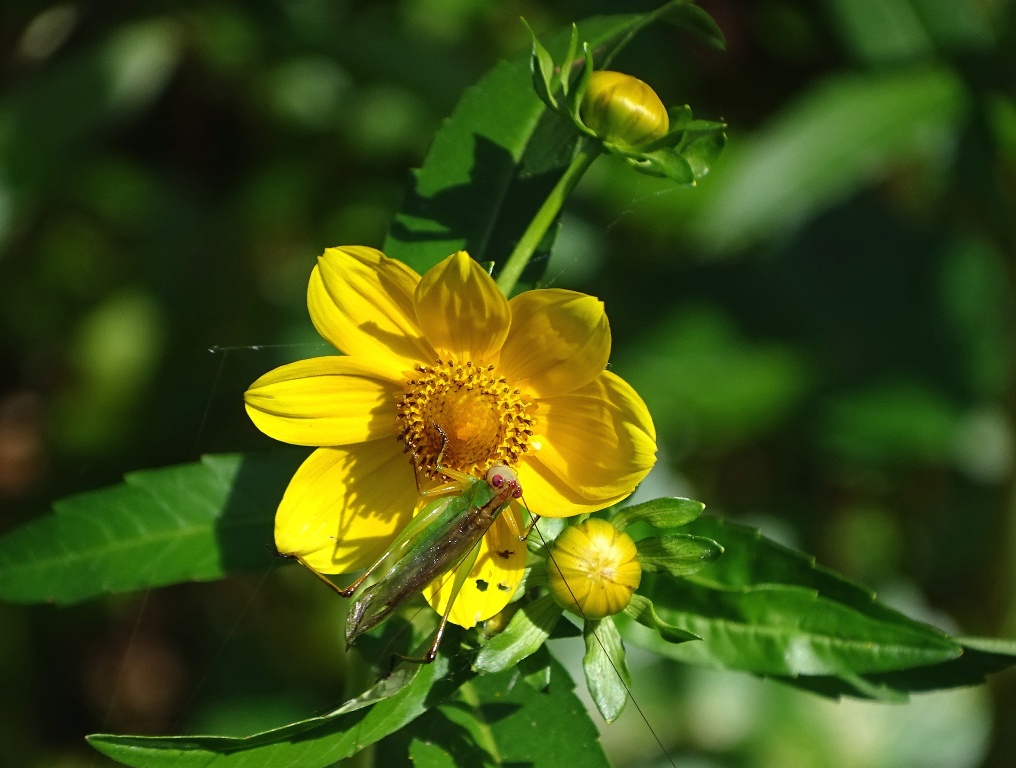
This is the time of year when the sedum plants are in bloom. I particularly enjoy the late afternoon, when the sun brings out the colors in the star-shaped flowers and a variety of small insects stop by for a visit.
“Nature is to be found in her entirety nowhere more than in her smallest creatures.” ~Pliny the Elder (Roman Scholar)