Changing Seasons

During the summer and autumn seasons, the swamp daisies attract a variety of bees and butterflies.  However, by late November, their beauty fades, and the bees and butterflies are nowhere to be found.  Recently, as I stood in my favorite spot on the board walk, gazing at the withered plants and bemoaning their decline, I noticed a swift flicker of wings — and then another.  Flitting through the foliage were two birds that I seldom encounter.

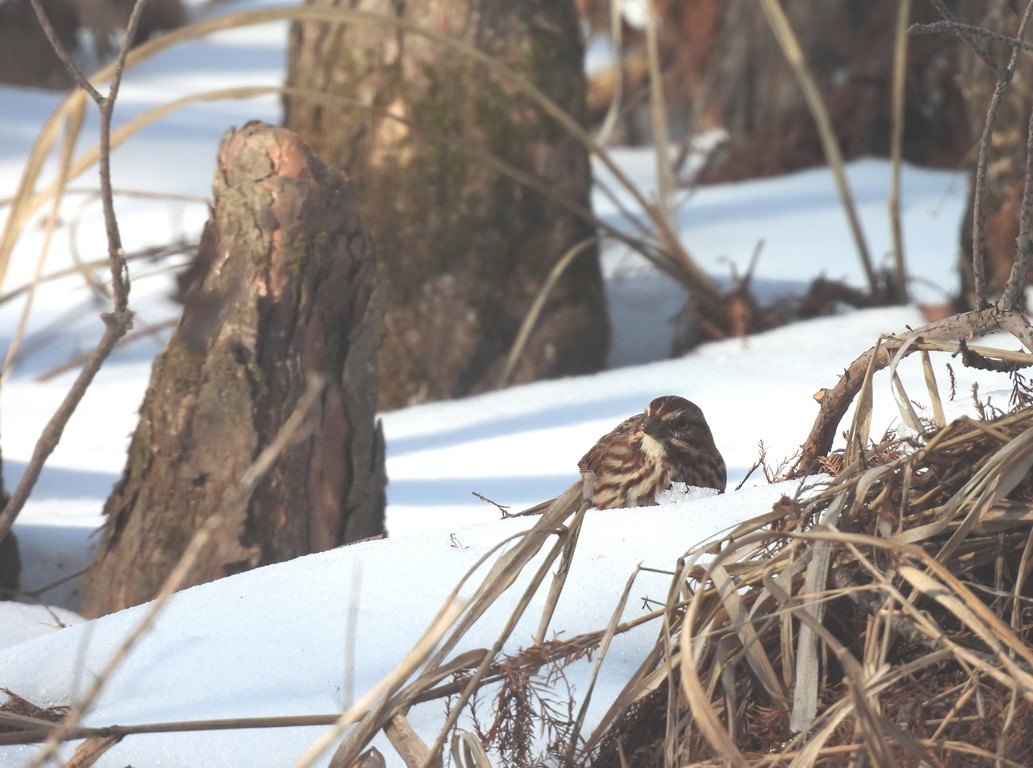
Initially, I noticed the Swamp Sparrow as it darted from one hiding spot to another, attempting to remain hidden among the marshy plants. This sparrow, characterized by its rusty hue, was searching for food along the water’s edge where dried plant seeds were plentiful.  It is a winter inhabitant of our area, arriving in September and departing in May.

Then I spotted a female Ruby Crowned Kinglet — a tiny, agile bird. She was equally elusive as she flitted and hopped among the plants in an effort to remain hidden. Her wings, adorned with stunning olive green-gray plumage, flickered as she searched for tiny insects, berries and seeds. Like the Swamp Sparrow, it is also a winter resident.

As I watched these two evasive birds on one side of the boardwalk, I found it hard to ignore a loud scratching sound coming from the other side of the boardwalk. Peering through the wooden slats, I was delighted to discover a female Eastern Towhee using her feet to rummage through dried leaves and underbrush looking for food. Though not always obvious, the Towhee makes its home in our state year-round.

Nature is full of surprises. I had been in search of flowers and butterflies; however, I was instead blessed with the sight of three small birds. With every season that passes, new wonders emerge to provide delight and joy. Rather than lamenting the absence of the gifts from one season, we can turn our attention to the blessings of the upcoming season and be thankful.

Gratitude helps us to see what is there rather than what isn’t. ~Unknown

November Blessings

Sometimes it is the simple, unexpected things that we encounter which fill our hearts with joy and make us thankful.

True wisdom lies in gathering the precious things out of each day as it goes by.” ~E. S. Bouton

““““““““““““““““““““““““““““““““““““““““““““““““““““““““““““““““““““““““““`

The poem below holds significance as Thanksgiving approaches and November comes to an end.

November

November comes
And November goes,
With the last red berries
And the first white snows.

With night coming early,
And dawn coming late.
And ice in the bucket
And frost by the gate.

The fires burn
And the kettles sing.
And earth sinks to rest
Until next spring.

~Clyde Watson

““““““““““““““““““““““““““““““““““““““““““““““““““““““““““““““““““““““““““`

Give thanks to the Lord, because he is good.
    His faithful love continues forever.

~Psalm 107:1 (NIrV)

Hanging Out Together

Recently, I watched a group of American white pelicans swimming alongside double-crested cormorants at the lake. This wasn’t the first time I had seen them together, which led me to wonder why these two birds, which seem to be an unlikely combination, would be hanging out. 

Research revealed that both are fish-eaters that hunt together, assisting each other in finding food; however, their fishing techniques differ. Pelicans herd fish into shallow water where they are easy to catch, while cormorants are underwater fishers. Their diving causes the fish to rise to the surface, enabling the pelicans to swoop in and scoop them up with their large bills. While pelicans can at times exhibit greedy behavior, this collaborative approach to fishing is mutually beneficial for both species involved.

“I can do things you cannot, you can do things I cannot; together we can do great things.” ~Mother Teresa

Walking On Water

As I stood on the boardwalk gazing out at the lake, a Fishing spider suddenly scampered across the water’s surface and came to rest on top of a lily pad. Its thin, lightweight legs covered with water-repellent hairs enabled it to move effortlessly across the water’s surface without breaking the surface tension. There it sat, waiting for some unsuspecting insect or small fish to pass by.

——————————————————————

Following are some of the other spiders that I have seen this year and some of the unique ways that each one is able to thrive and survive in their environment.

—————————————————————–

The female wolf spider transports her egg sac, which is affixed to her abdomen, allowing her to carry it wherever she goes. Once the spiderlings hatch, they climb up onto her abdomen, and she carries them with her until they are able to take care of themselves.

—————————————————————–

In order to capture their prey, funnel-weaving spiders construct flat, non-sticky webs featuring a funnel-shaped retreat on one side. The spider remains concealed at the rear of the web, hidden from view, until the silk threads are disturbed. Quickly it scurries out, seizes the prey, and takes it back to their funnel for feeding.

—————————————————————–

Long-bodied cellar spiders occasionally venture out of their webs to hunt for small insects and other spiders. When they feel threatened, they use a vibrating defense mechanism — shaking their web rapidly to disorient predators and make their location harder to pinpoint. If another spider approaches too closely, they raise themselves up on their long, slender legs to avoid bites, insert their venom, and quickly wrap the intruder in silk.

—————————————————————–

Orb-weaver spiders craft intricate, sticky, wheel-shaped webs that serve as their primary means of catching prey. The webs are strategically placed in spots that insects frequent. Remarkably, they can replace their entire web with a new one in just about an hour, ensuring it remains functional.

(Note: For the best viewing experience, watch the video in full-screen mode.)

—————————————————————–

The Black and Yellow Garden Spider is a well-known type of orb-weaver. Unlike other orb spiders, it has a unique zigzag band of silk running down the center of its web. This design is believed to attract insects and provide a hiding spot for the spider. When an insect becomes ensnared, the spider injects venom to paralyze it and then wraps it in silk to save for later. This spider also employs a vibrating motion as a defense mechanism.

—————————————————————–

It is remarkable to consider the various ways in which God’s small creatures are endowed with distinct strengths and abilities necessary for their self-sufficiency and survival within their specific habitats.

—————————————————————–

“Traveller, there is no path. Paths are made by walking” — Antonio Machado

A Gathering Place

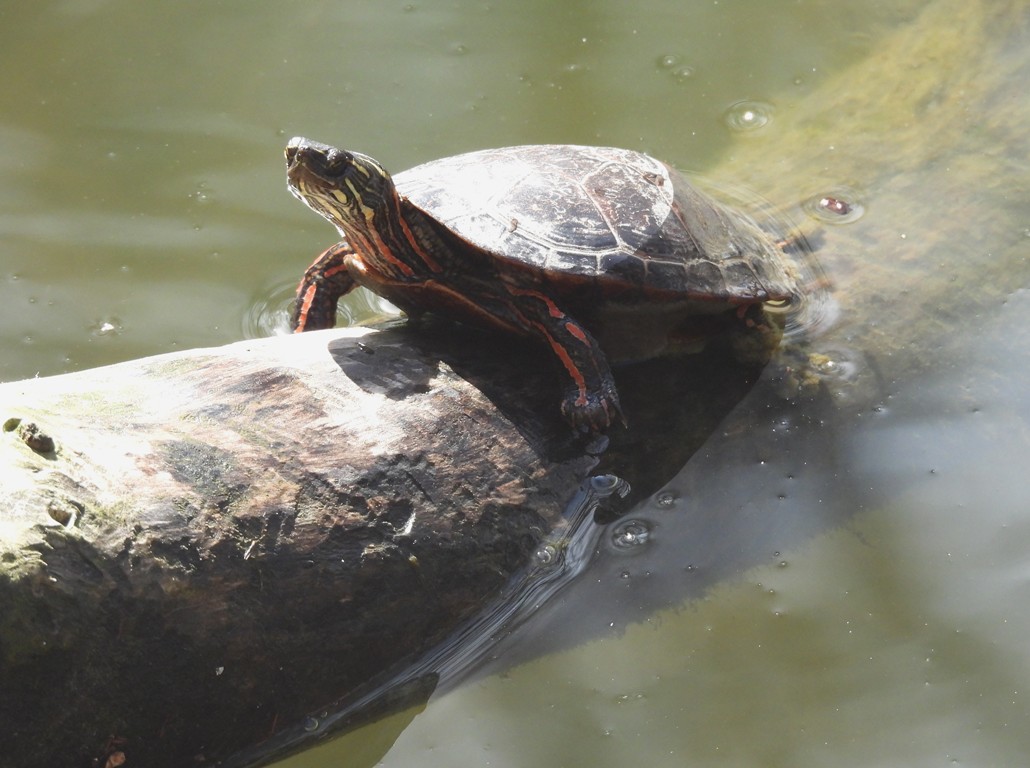
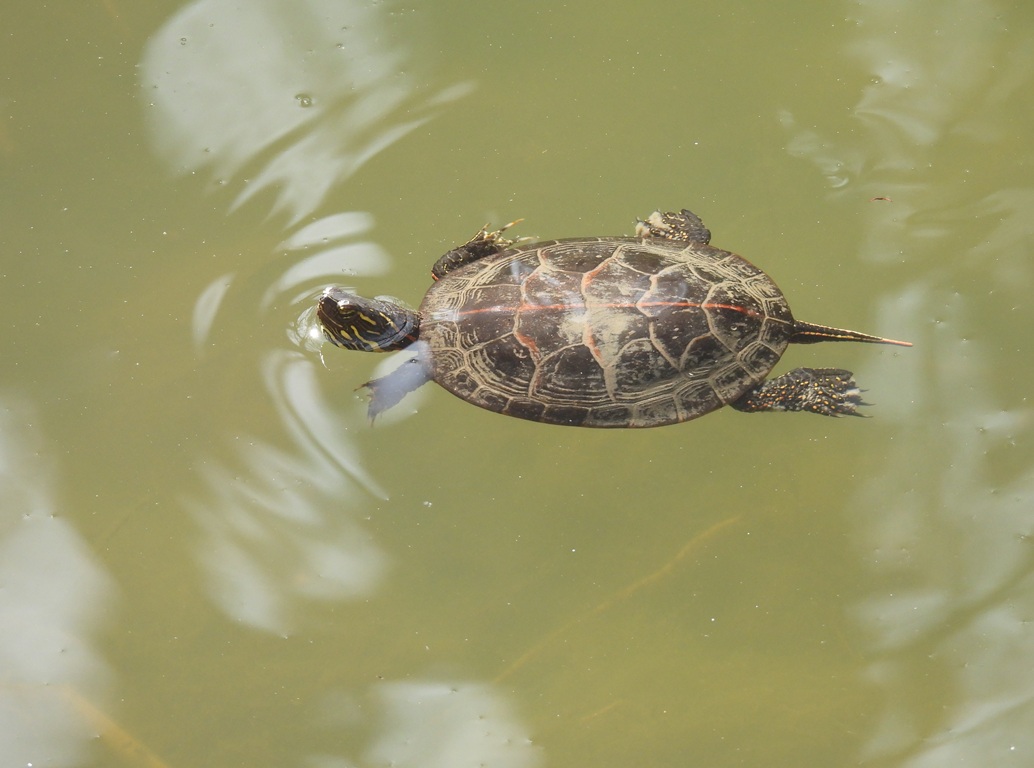
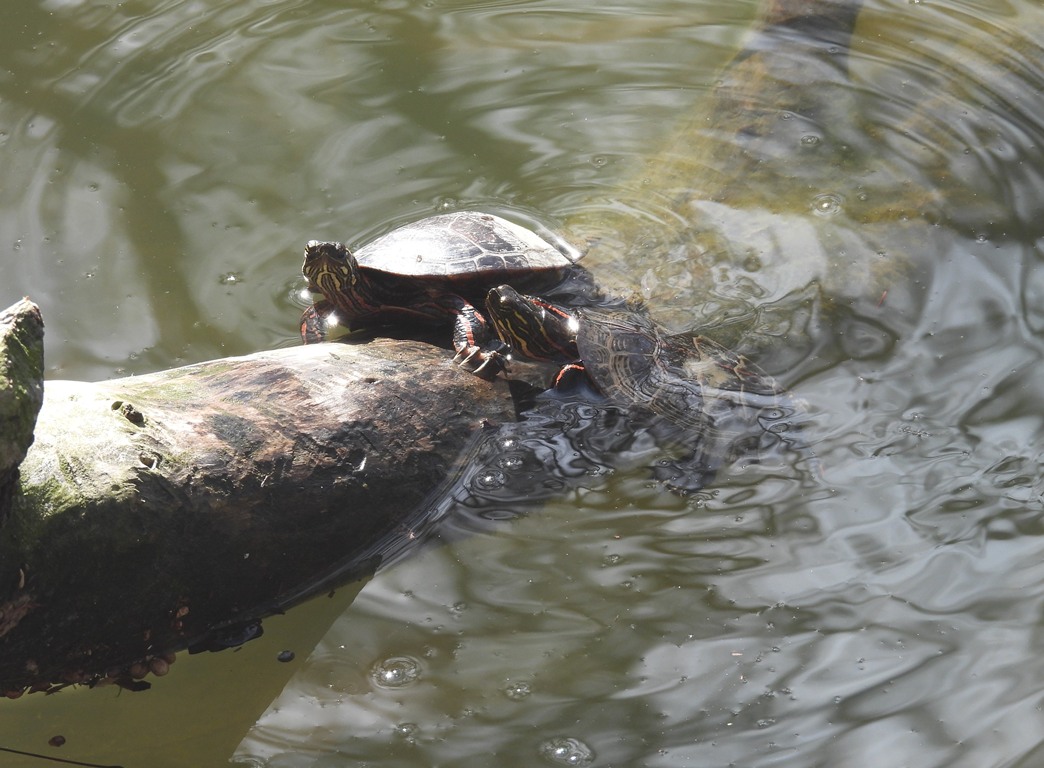
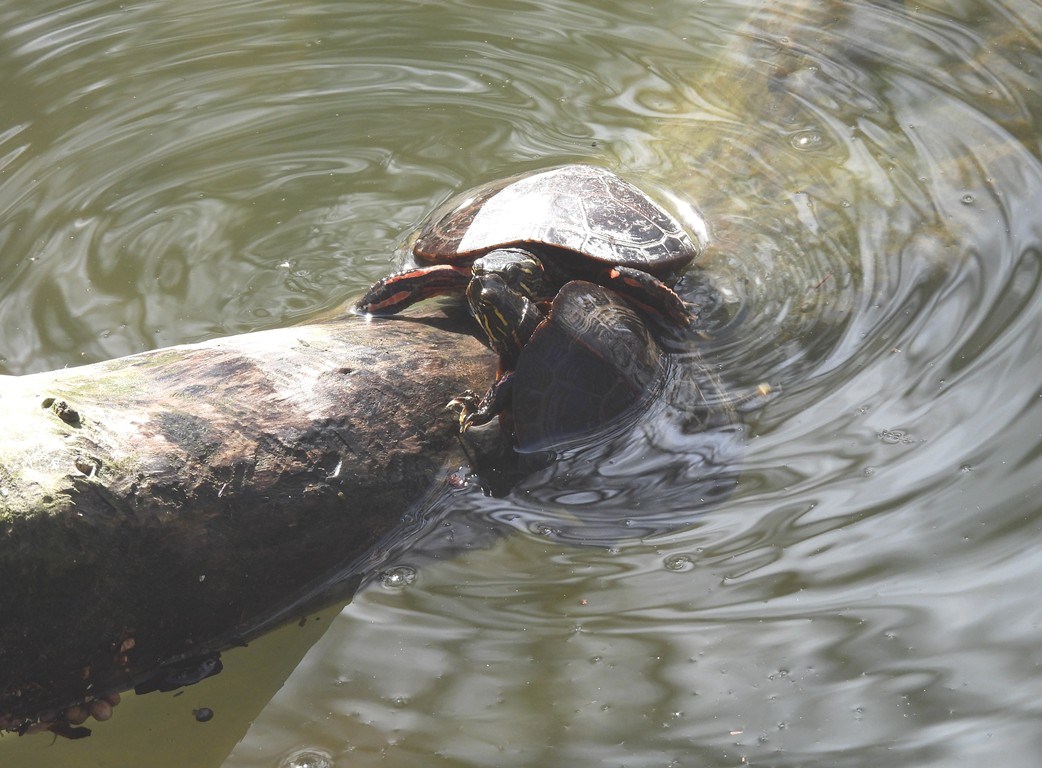
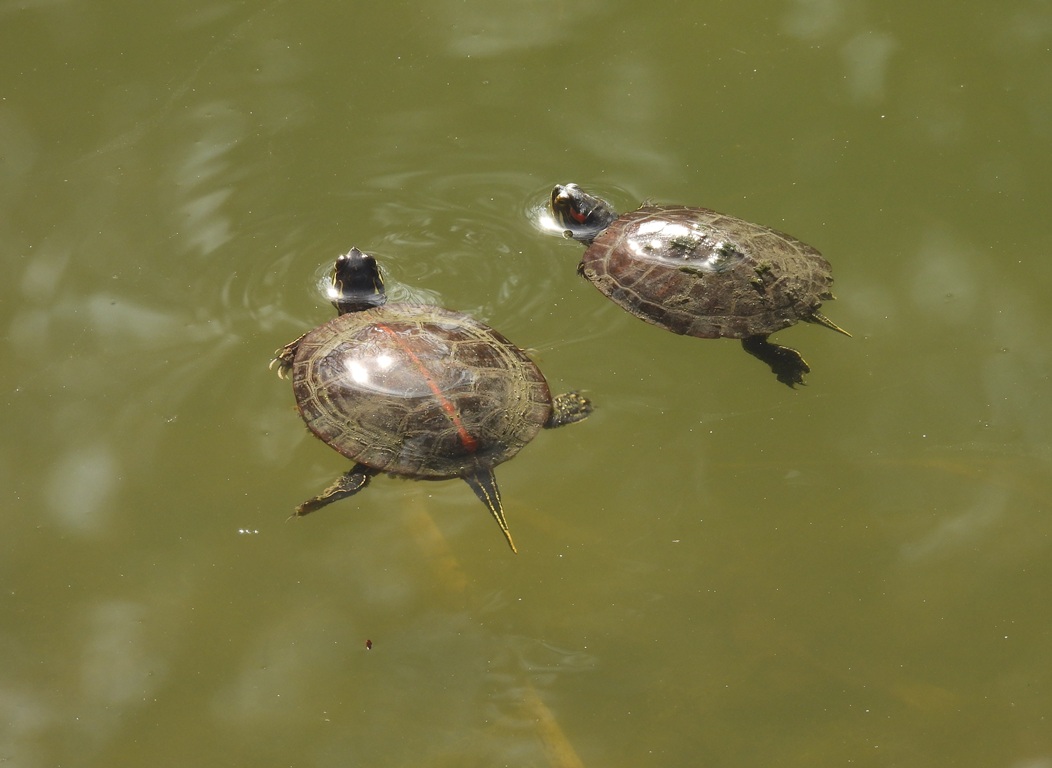
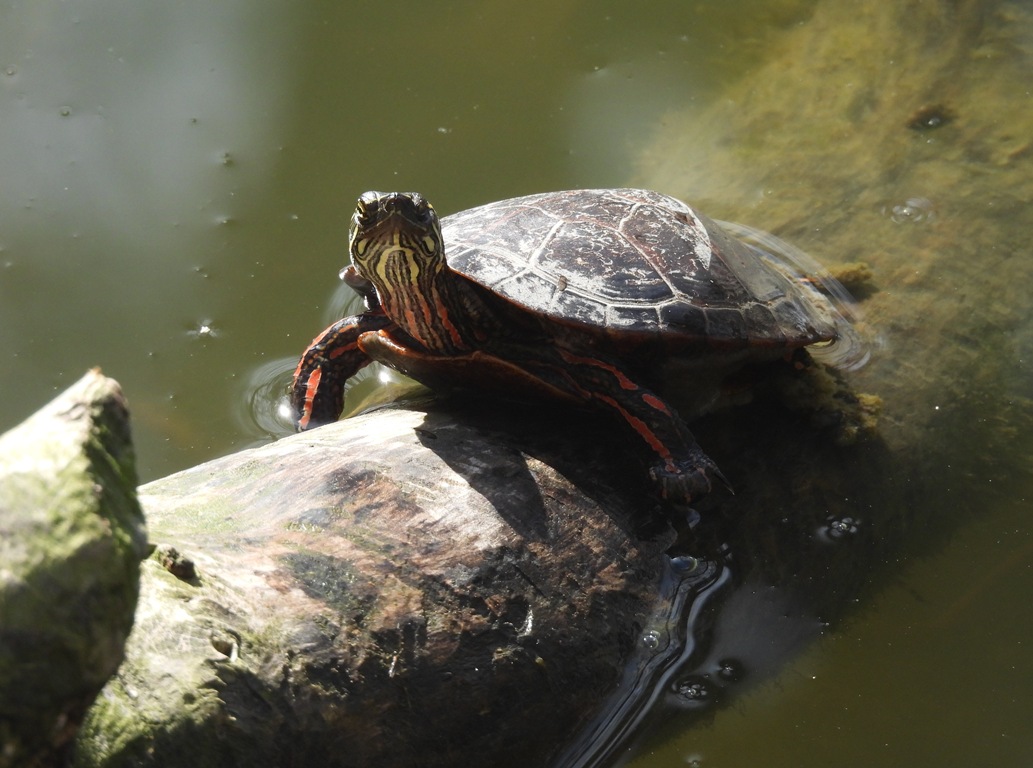
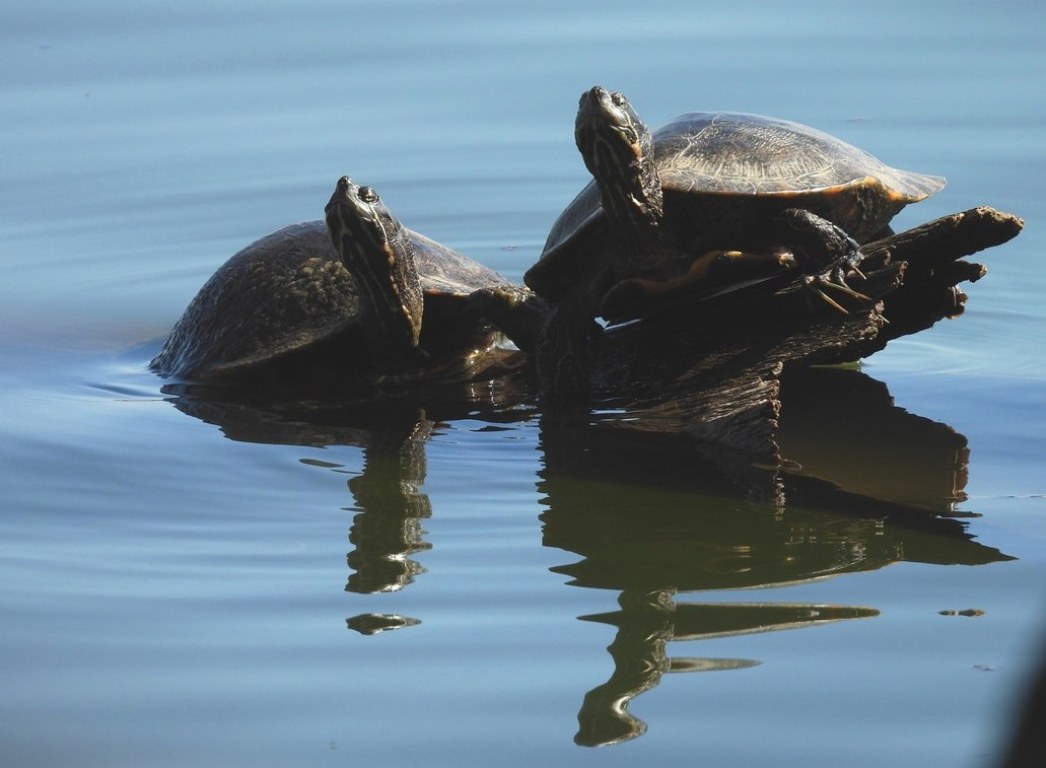
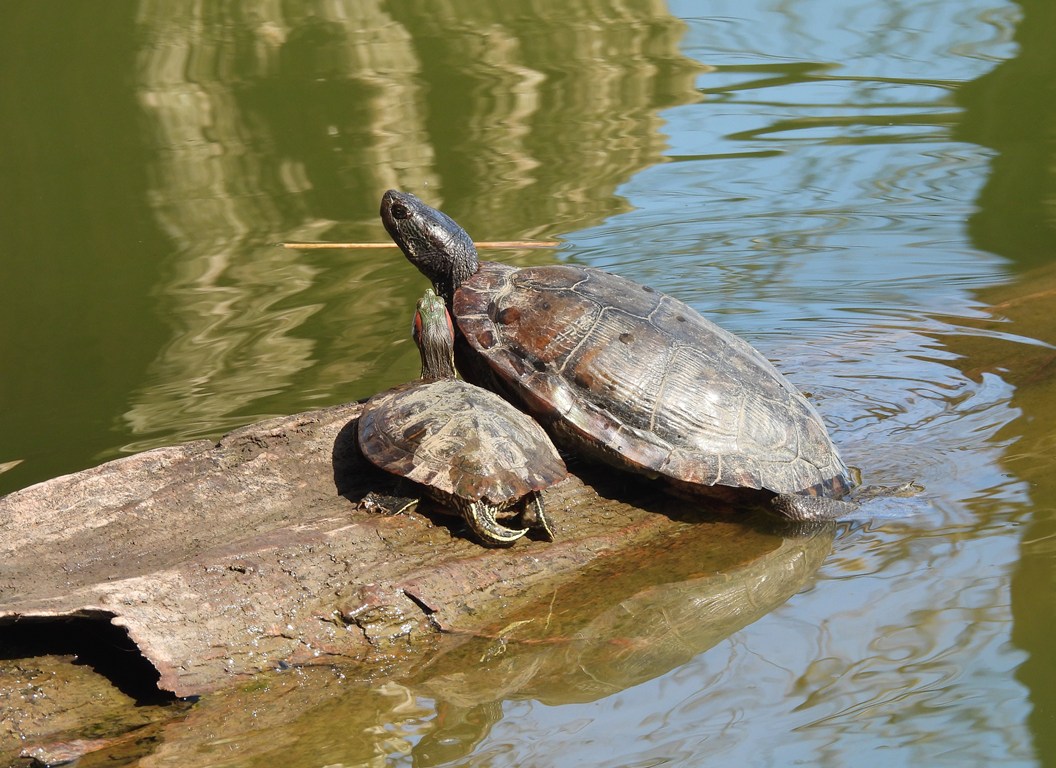
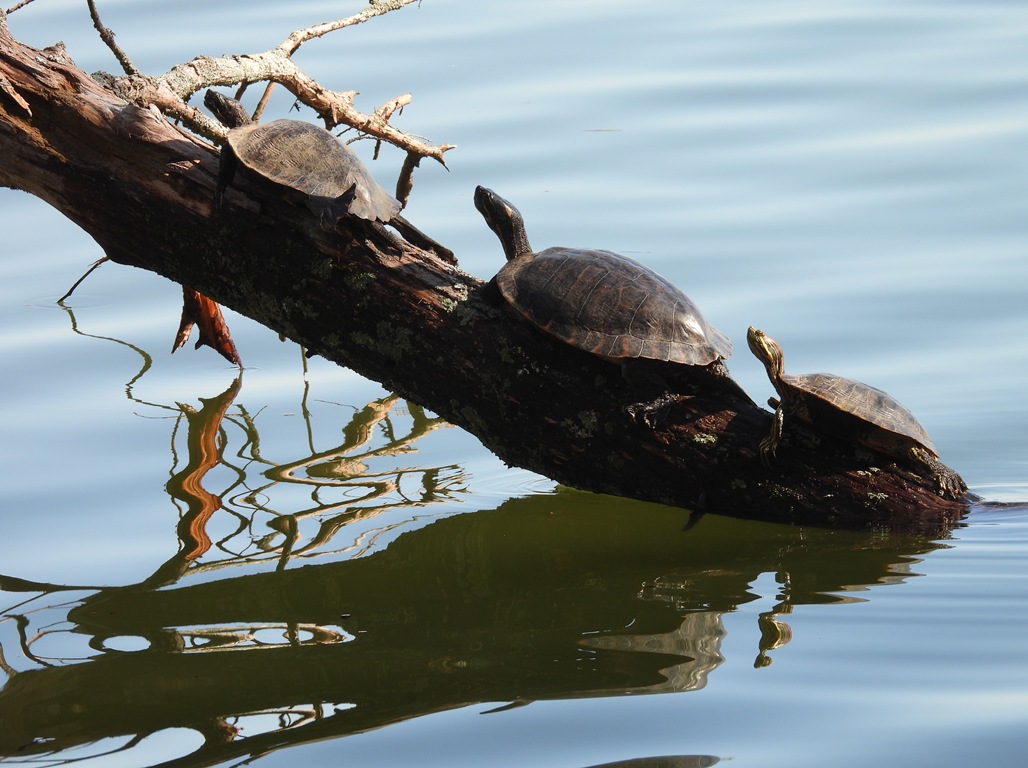
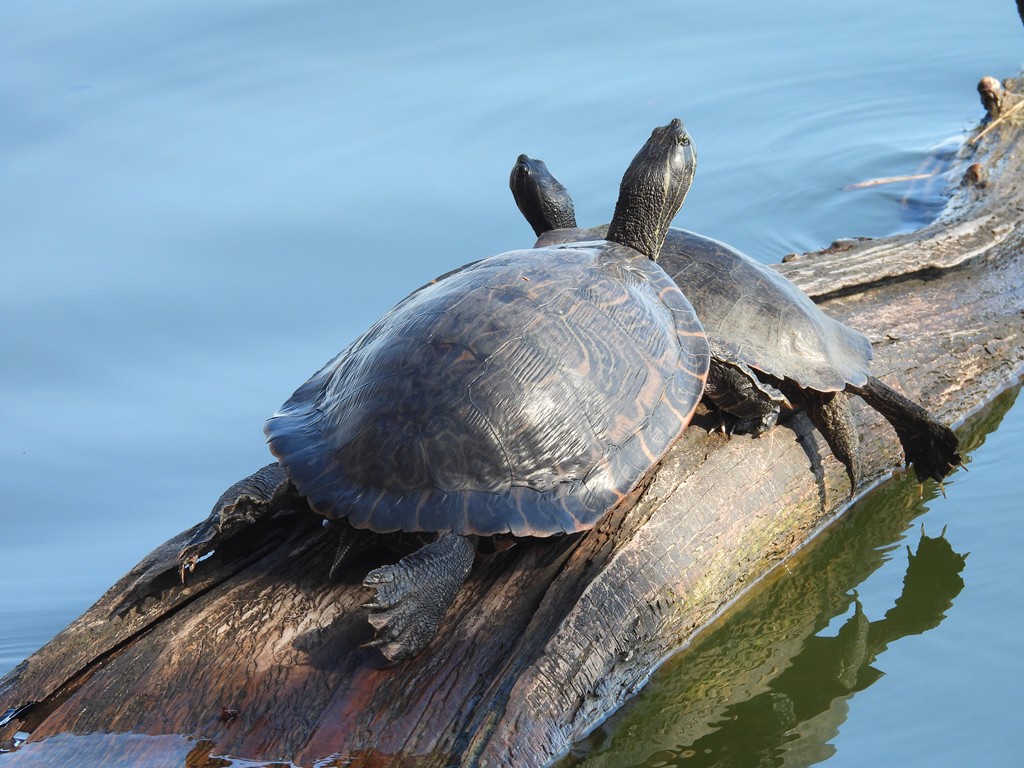
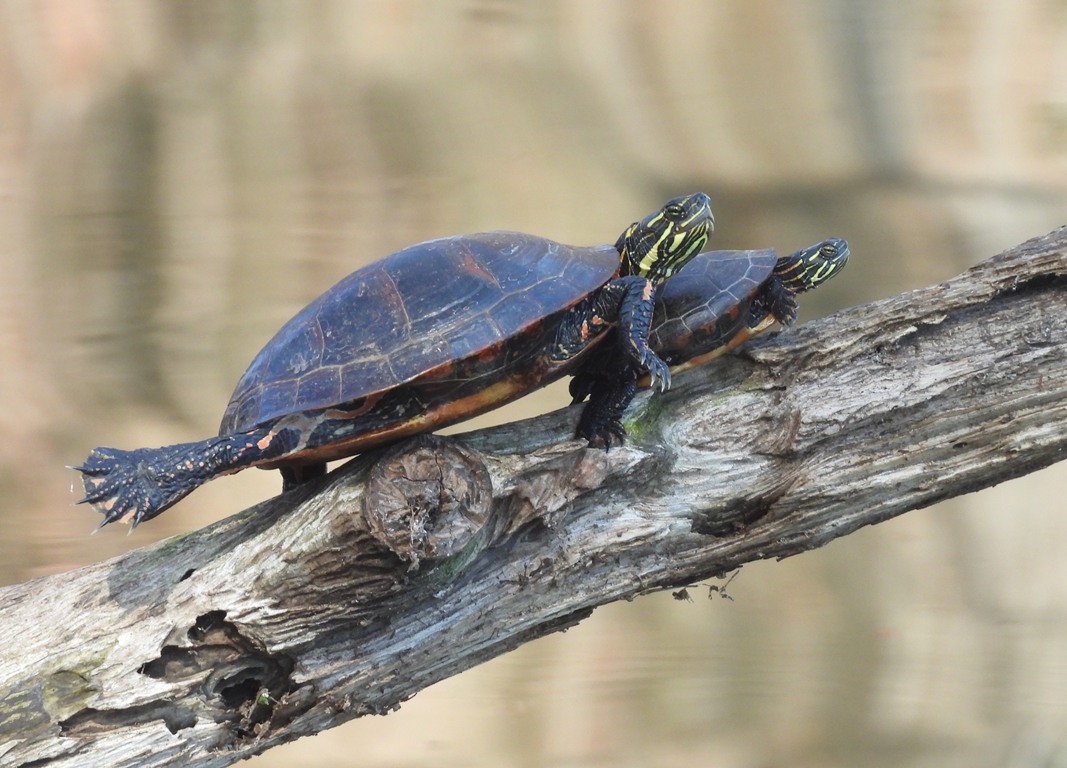
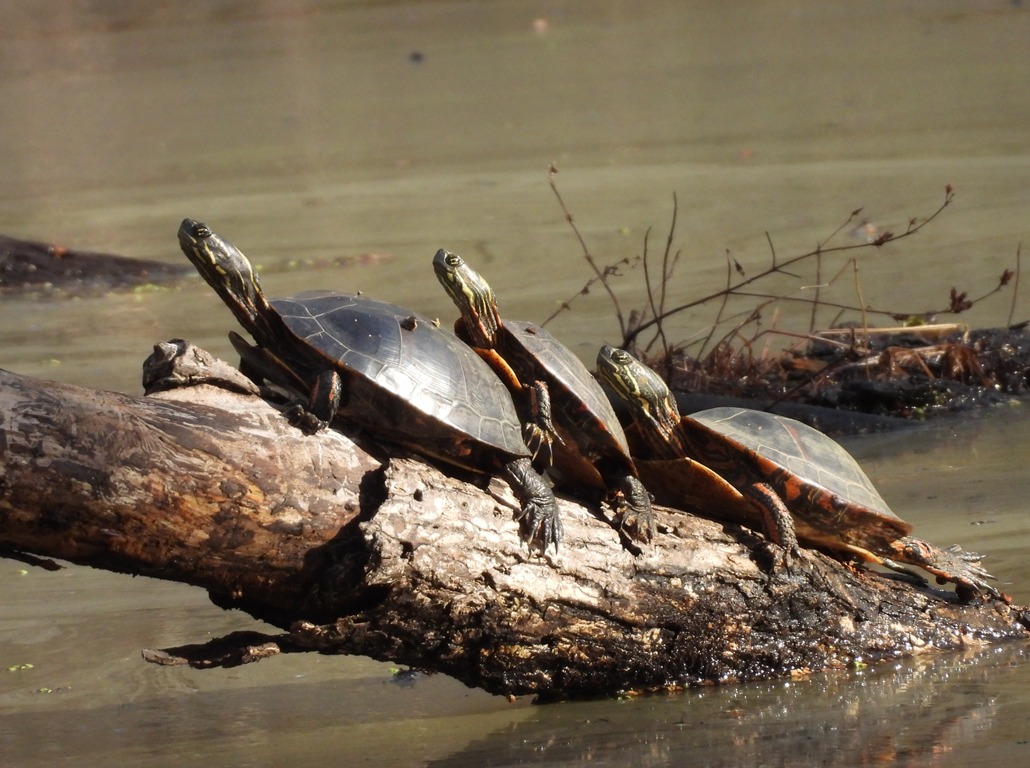
A small group of turtles bask in the gentle autumn sun, coming together not only to regulate their body temperature but also to socialize and assure greater safety.

“In a world where everything seems to move so fast, gathering with friends is like hitting the pause button and savouring the sweetness of life.”  ~Friendshipsy.com

American White Pelicans

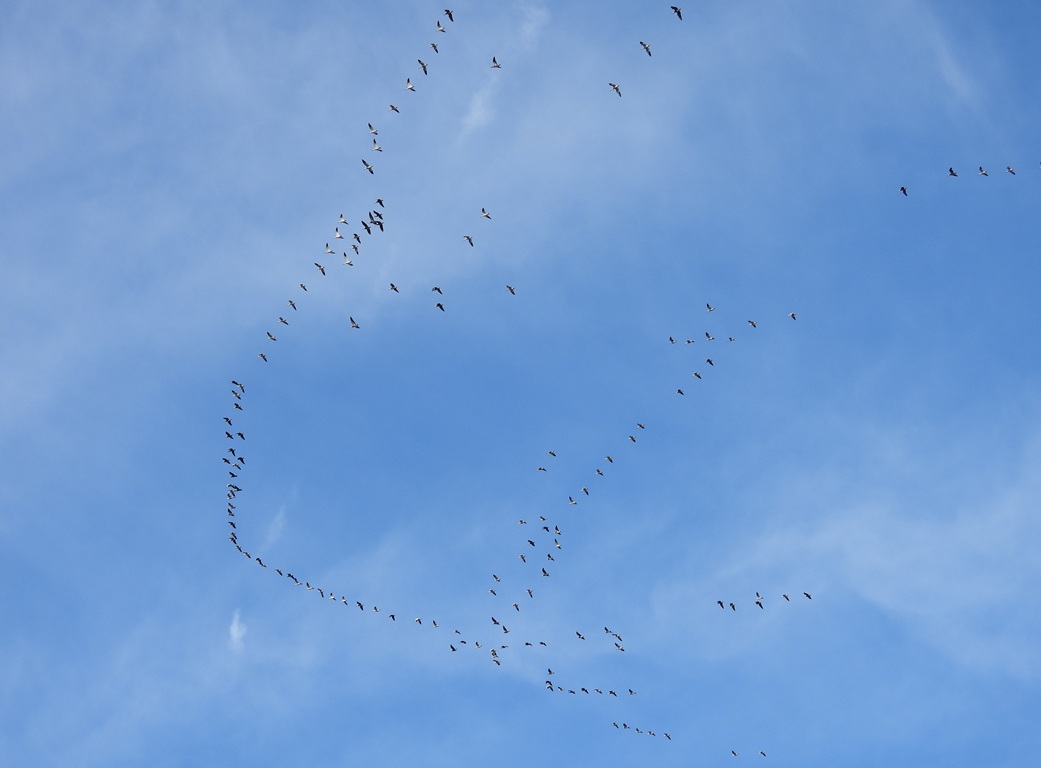
Recently, we had the pleasure of watching the stunning beauty and graceful flight of white pelicans during their annual fall migration at Reelfoot Lake.

“To the sane and free it will hardly seem necessary to cross the continent in search of wild beauty, however easy the way, for they find it in abundance wherever they chance to be.” ~John Muir

Busy Bees

Earlier this summer, as I was out walking, I heard a persistent buzzing sound I hadn’t noticed before. Curious, I looked around and discovered a hive of busy bees tucked behind vines inside a hollowed-out tree trunk beside the road, each one diligently working away.

“The hum of bees is the voice of the garden.”  ~Elizabeth Lawrence

—————————————————————————————————————————————————–

Throughout the summer, it was encouraging to see various types of bees diligently transferring pollen from flower to flower.

“For so work the honey bees, creatures that by a rule in nature teach the act of order to a peopled kingdom.” ~William Shakespeare

—————————————————————————————————————————————————–

I believe this was my favorite—the American Bumble Bee (Bombus pensylvanicus). Such a beauty! It plays an important role in pollinating many different plants.

The careful insect ‘midst his works I view,
Now from the flowers exhaust the fragrant dew,
With golden treasures load his little thighs,
And steer his distant journey through the skies.
~John Gay, Rural Sports (canto I, I. 82)

—————————————————————————————————————————————————–

This year, morning glories blossomed along my fence, and it was fascinating to observe the bees as they slept—with their heads tucked inside the flower blossoms and their tiny bottoms sticking out. When the flowers opened in the morning, the bees busily buzzed about, gathering nectar and pollen.

… Why are you so busy, pray?
Never still a minute,
hovering now above a flower.
Now half-buried in it!
by Julia Dorr

—————————————————————————————————————————————————–

“It is not how busy you are, but why you are busy – the bee is praised, the mosquito is swatted. ~Author Unknown

Amazing Moths

Although less conspicuous than butterflies, these frequently overlooked insects display a remarkable diversity in size, patterns, and colors. Some serve essential roles as nighttime pollinators and are a crucial food source for larger creatures.

“I would rather live in a world where my life is surrounded by mystery than live in a world so small that my mind could comprehend it.”  ~Harry Emerson Fosdick

Note: Credit goes to my husband for the Luna moth photo.

Female Ruby-throated Hummingbirds

“A beautiful sight that tickles the eyes and thrills the soul” is the phrase that came to mind while watching a group of female ruby-throated hummingbirds as they danced and weaved around the feeder and late September flowers.  Between their swift dips and dives, the hummingbirds jealously guarded their favorite resting spots in the nearby bushes. For the males, the seasonal stay here is over, and they have already migrated south toward a warmer climate.  These females may also be on the move, taking a brief stopover before continuing their journey.

“There are two ways of seeing: with the body and with the soul.  The body’s sight can sometimes forget, but the soul remembers forever.”  ~Alexandre Dumas

A Variety of Butterflies

The butterflies have been very busy the past couple of weeks. It’s been fun to watch as they enjoy the wildflowers and dance and flutter in the afternoon sun.

I took a short video of three of these beauties.

“We constantly wait in anticipation for a miracle to happen in our life, unaware that the miracle is actually life itself.” ~Daniel Chidiac