Birds and Branches

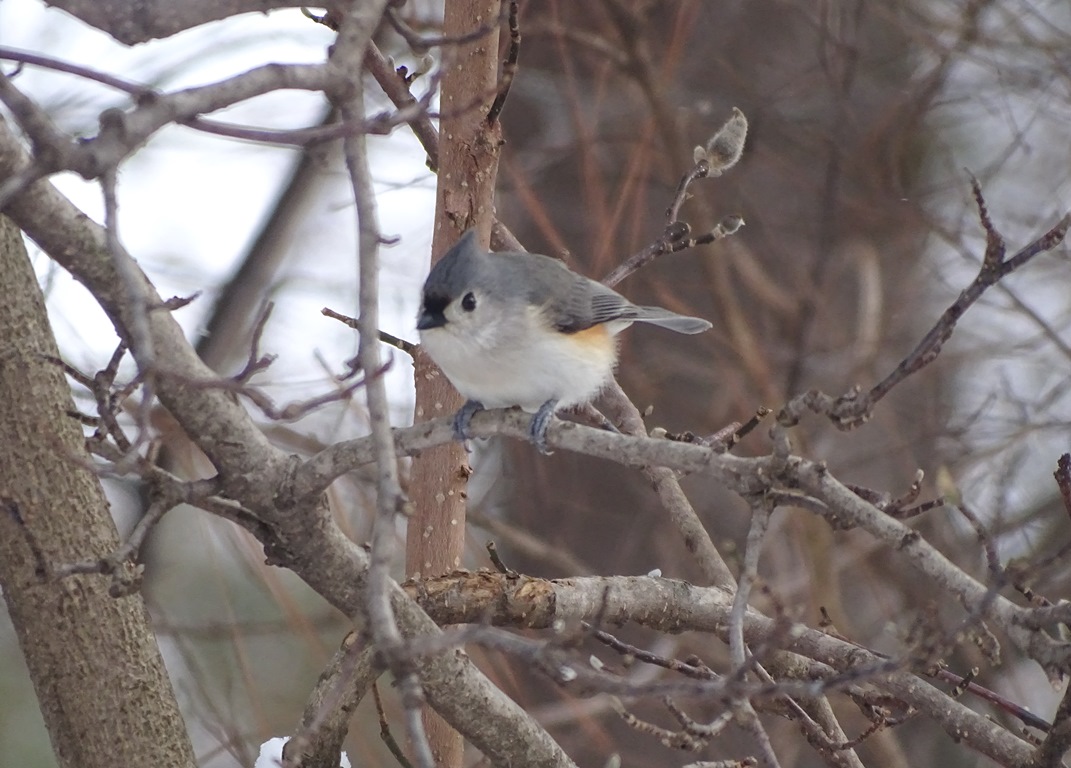
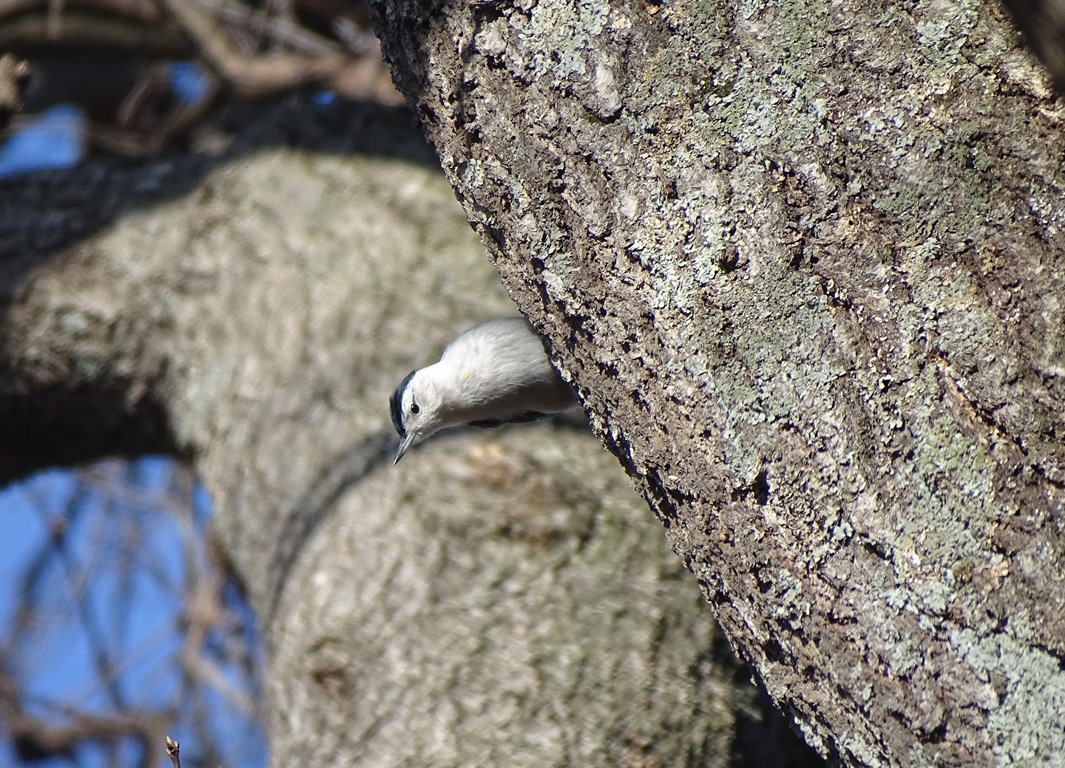
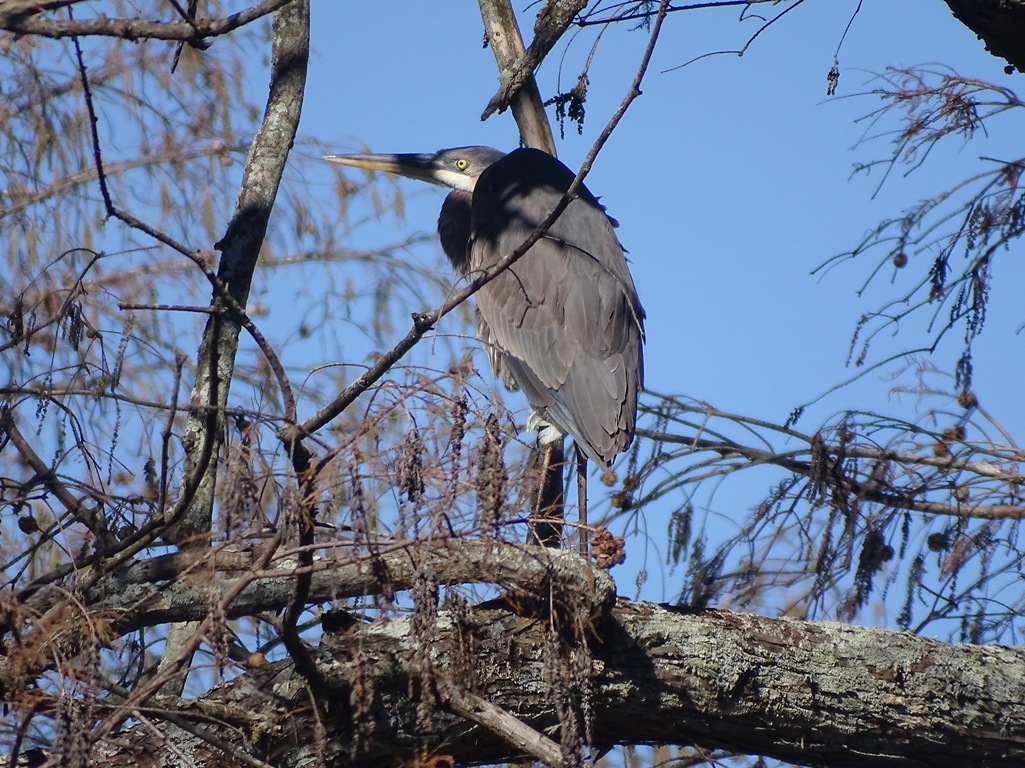
I enjoy bird watching while out in nature, especially during the winter months after the trees have shed their leaves and their branches are bare. The exposed landscape enhances visibility, allowing for a clearer view of the birds as well as the intricate designs formed by the branches, adding a unique beauty to the scenery.

“Winter perches like a bird.  Wings tucked in so the soul is heard.” ~Angie Weiland-Crosby

Annual Winter Migration

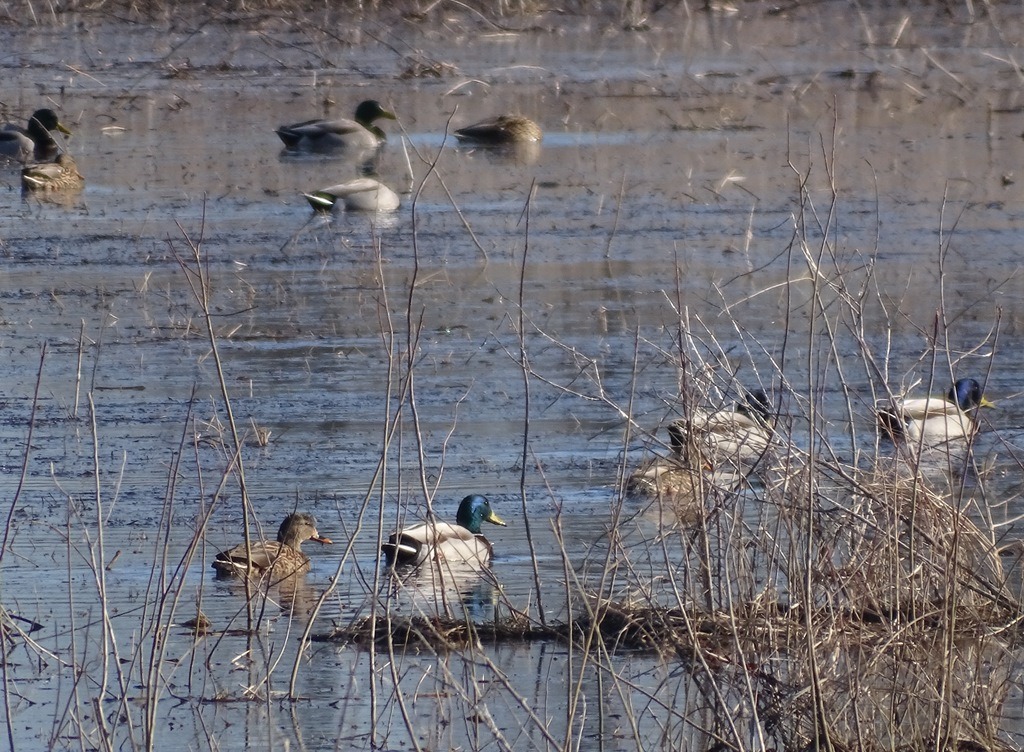
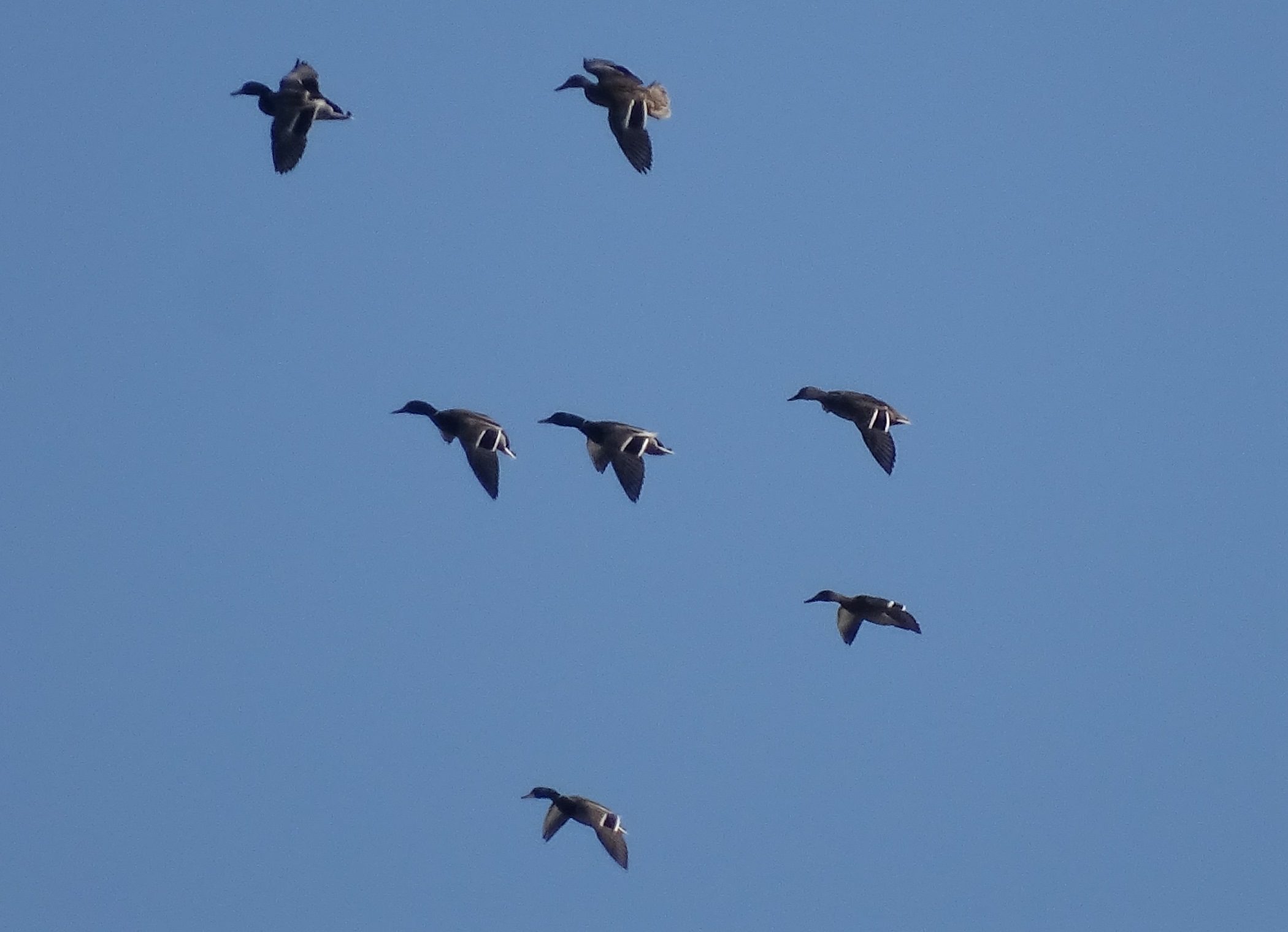
At this time of year, the flooded fields along the Mississippi Flyway are teeming with a variety of ducks. 

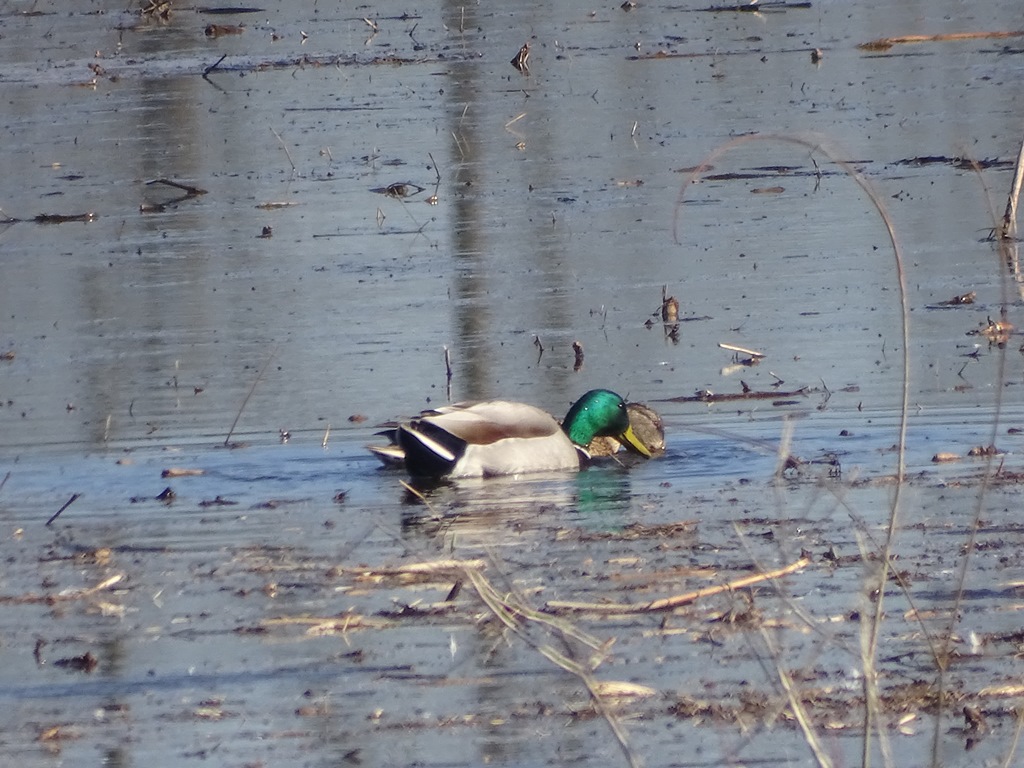
Mallards are seen most often,

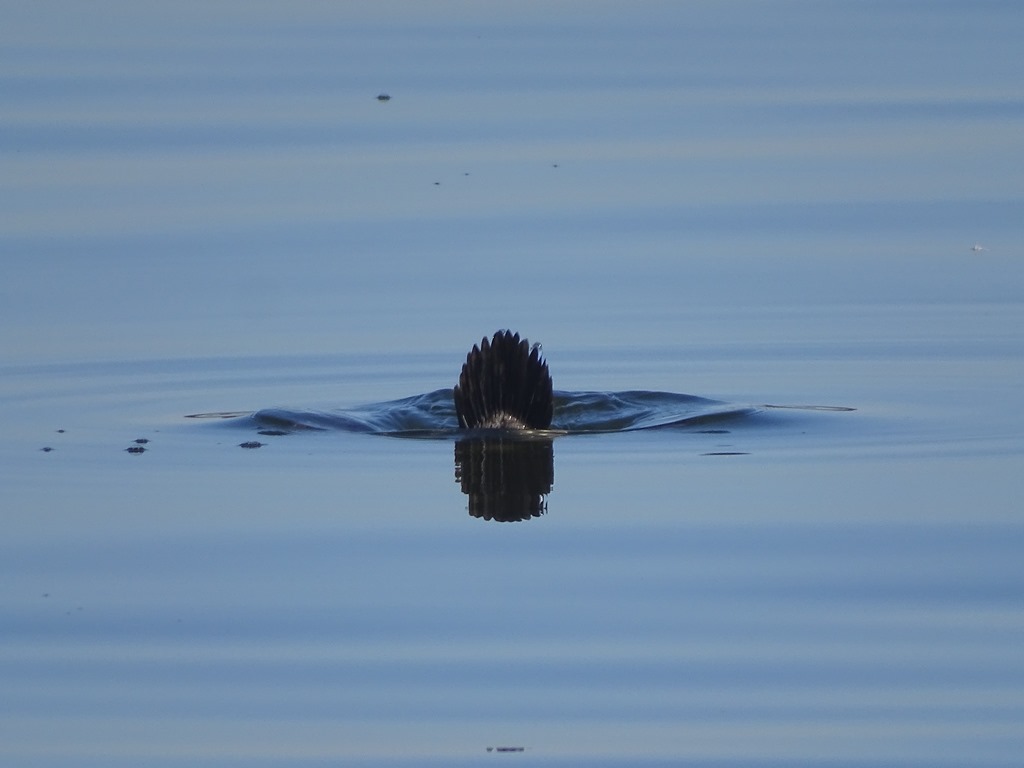
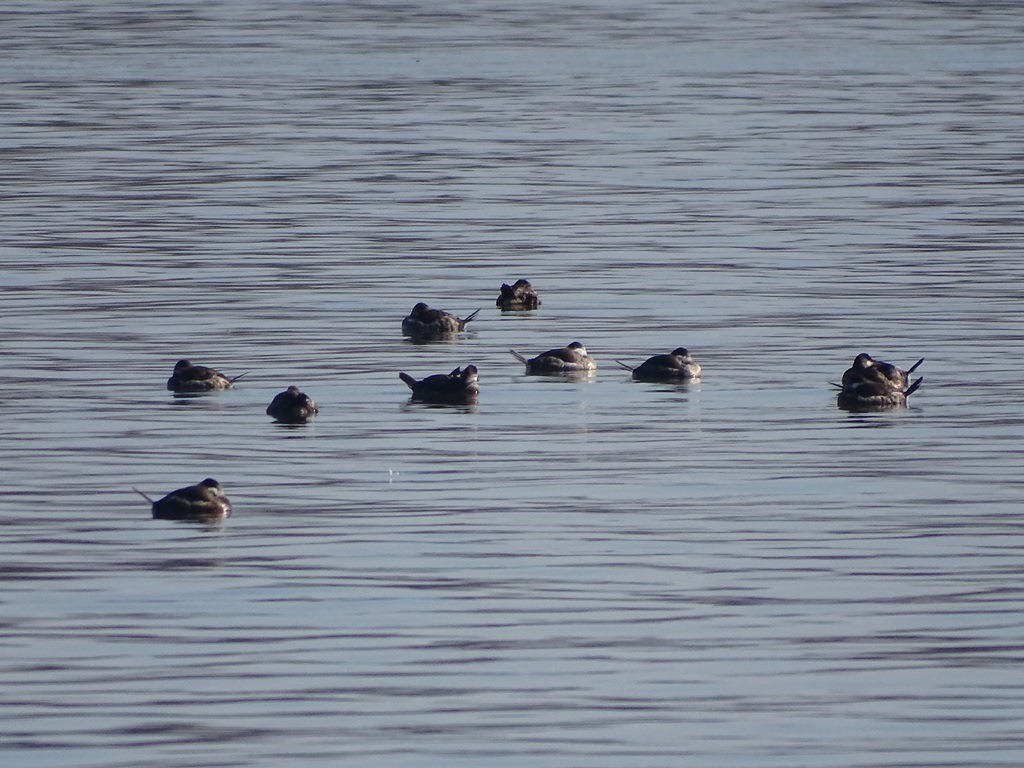
but other types which winter in the area include Ruddy Ducks,

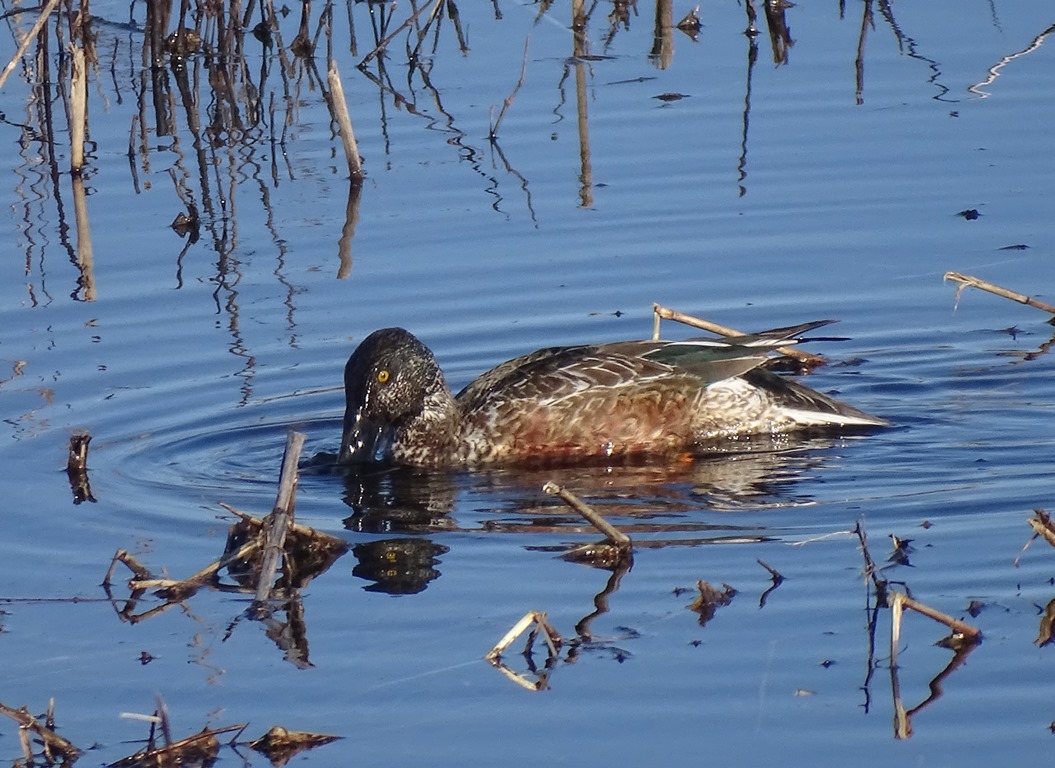
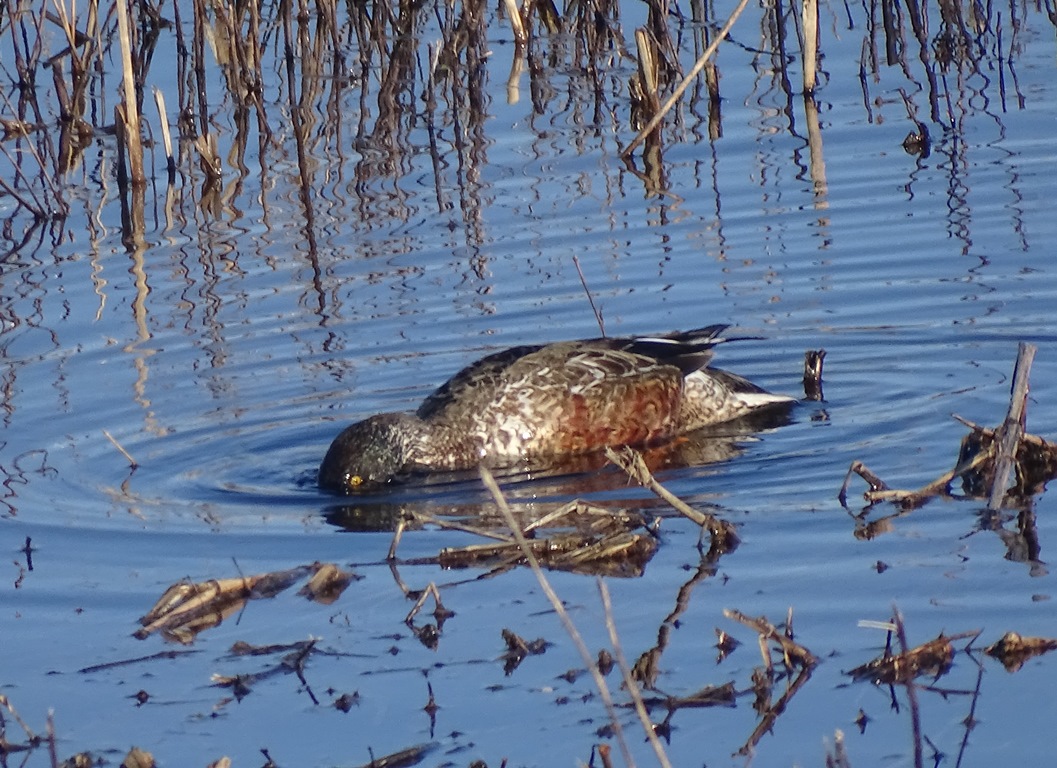
Northern Shovelers,

Green-winged Teal, Northern Pintail, Gadwall and many others. What a joy to be able to see these ducks during the time that they spend here.

“Wild ducks and tomorrow both come without calling.” ~Russian Proverb

Watching the Snow Geese

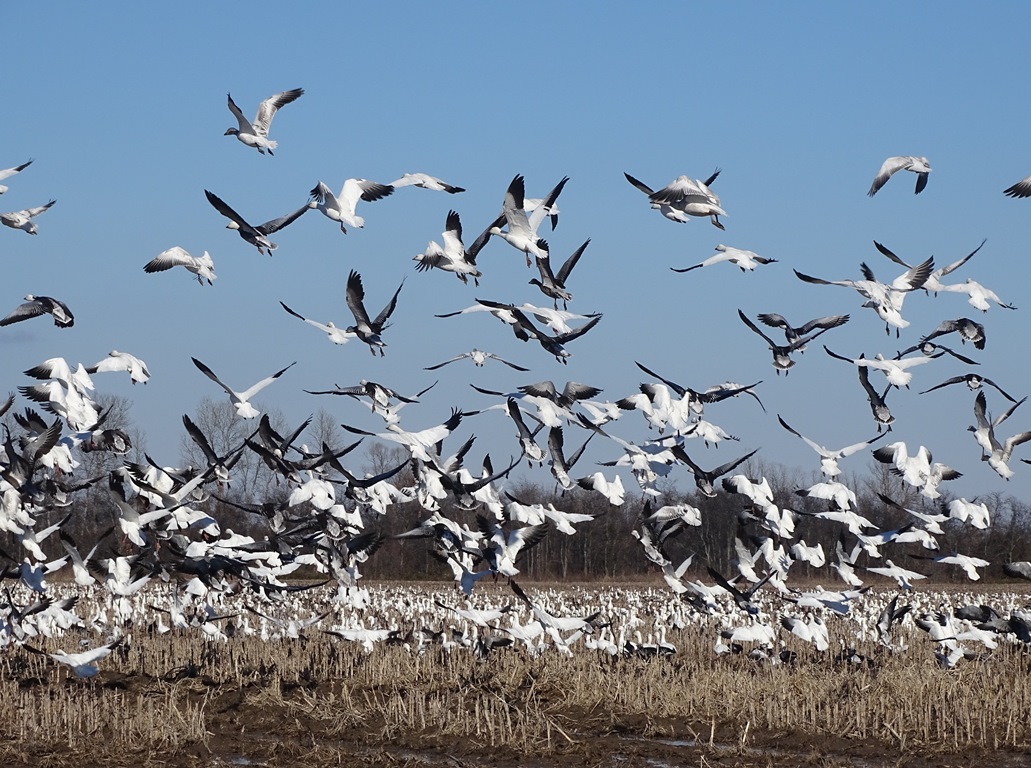
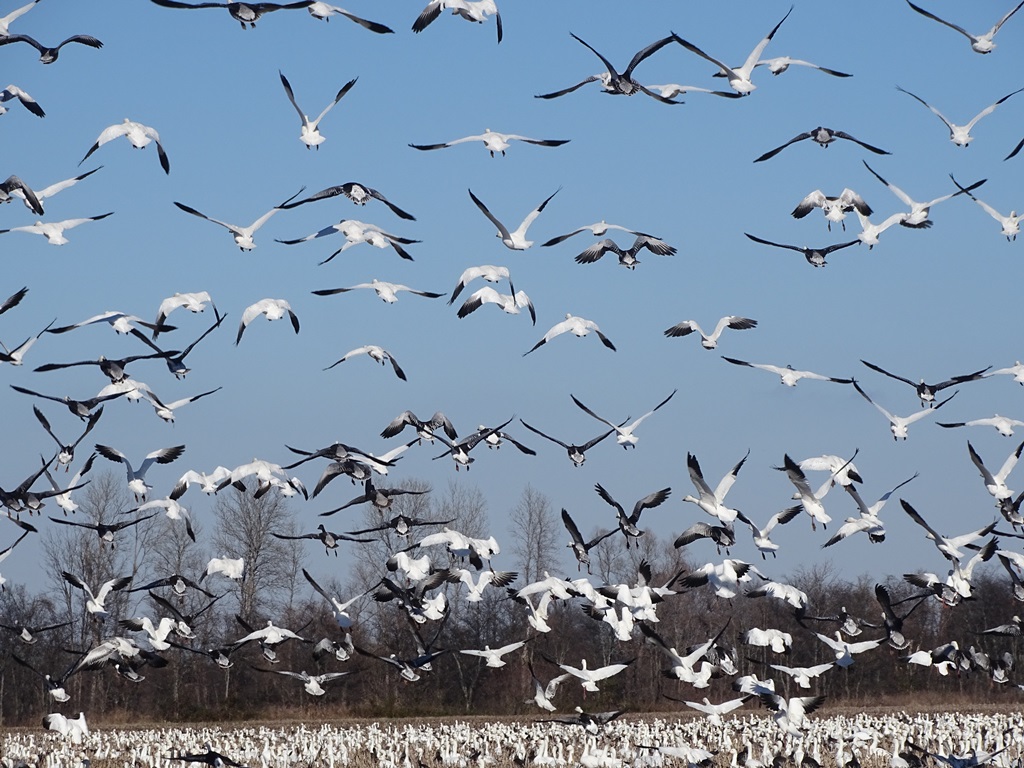
We are fortunate to have snow geese wintering in our area.  They enjoy feeding on kernels of corn that have been left behind in harvested fields.

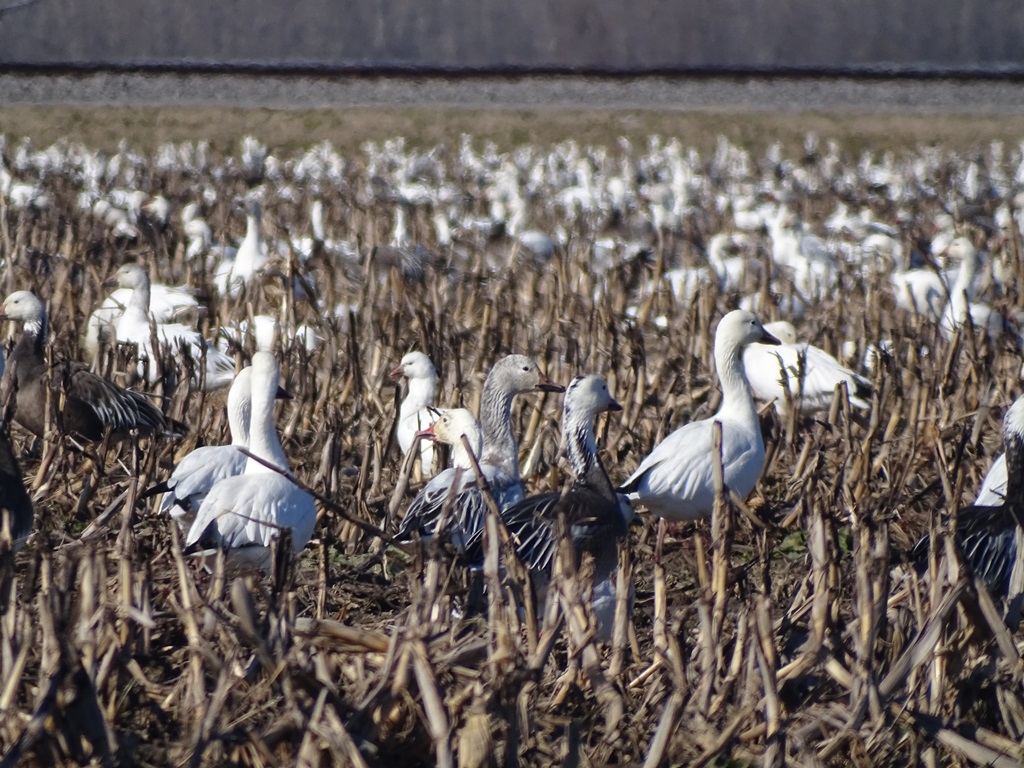
Snow geese in the fields …

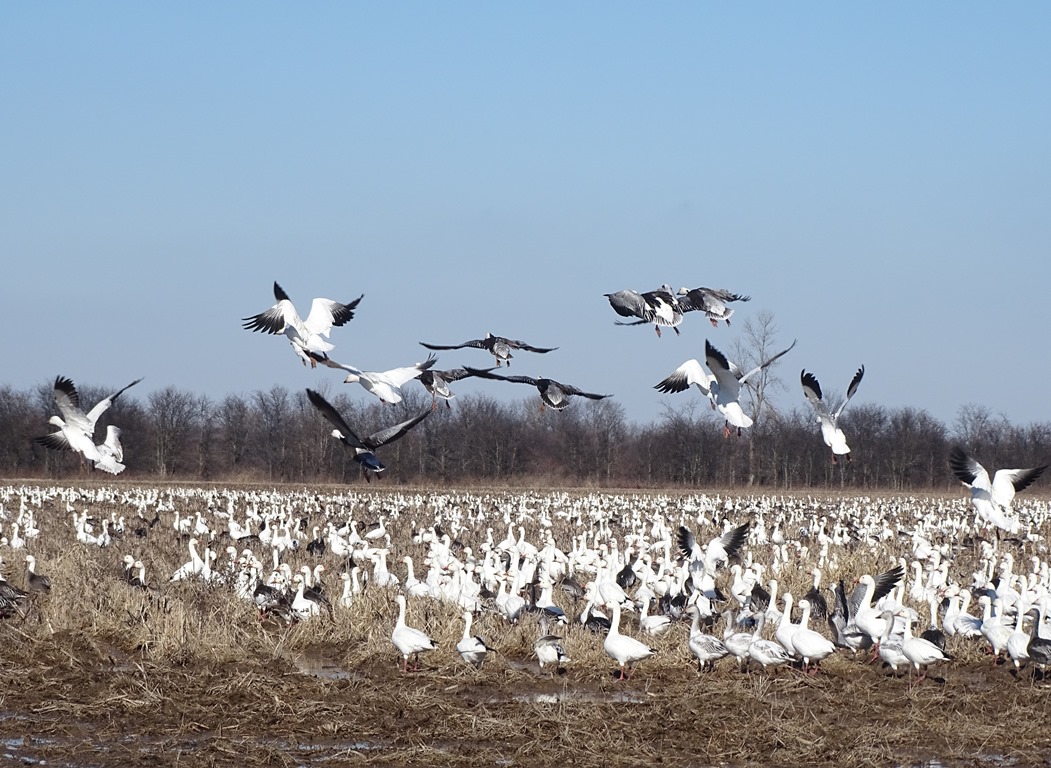
taking to the air …

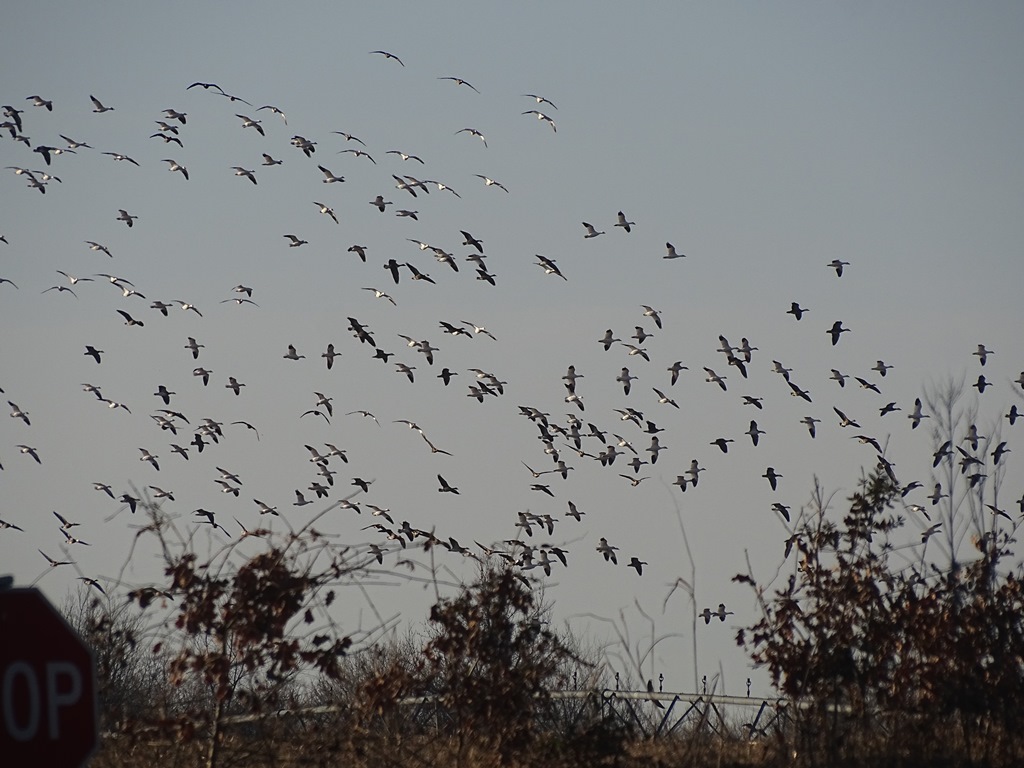
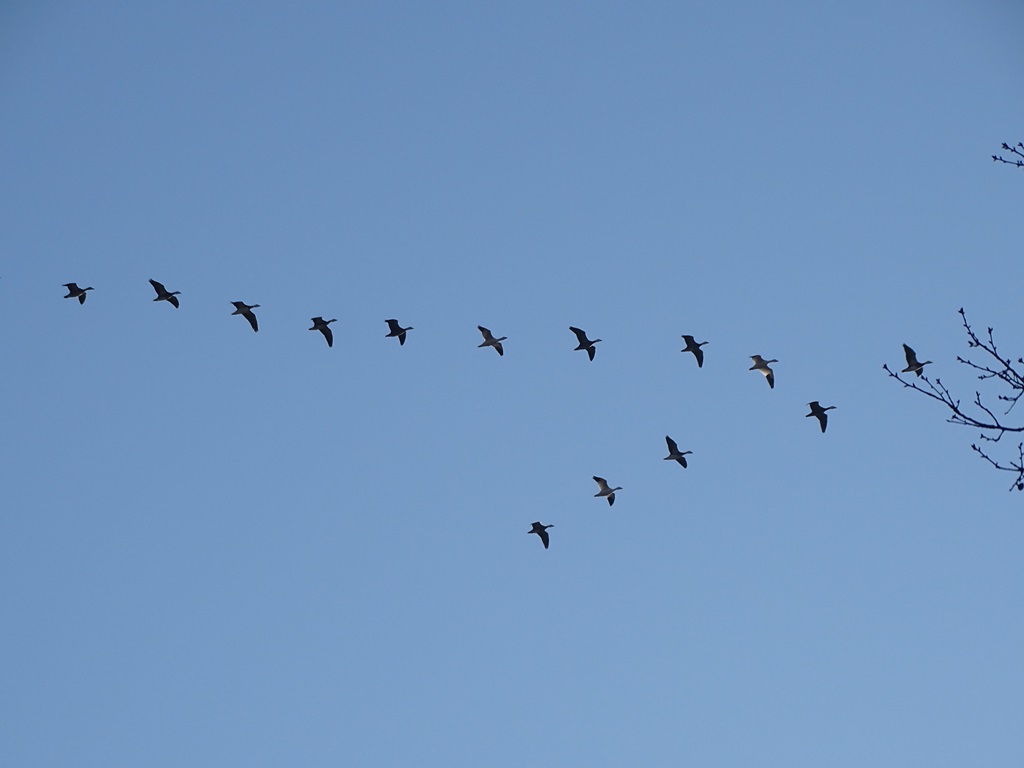
in the air …

and taking off in simultaneous flight.

“What captivated me was they sounded of wild places and the Arctic. That was probably the moment that got them into my soul.” ~Andy Bloomfield

Eyes on the Berries

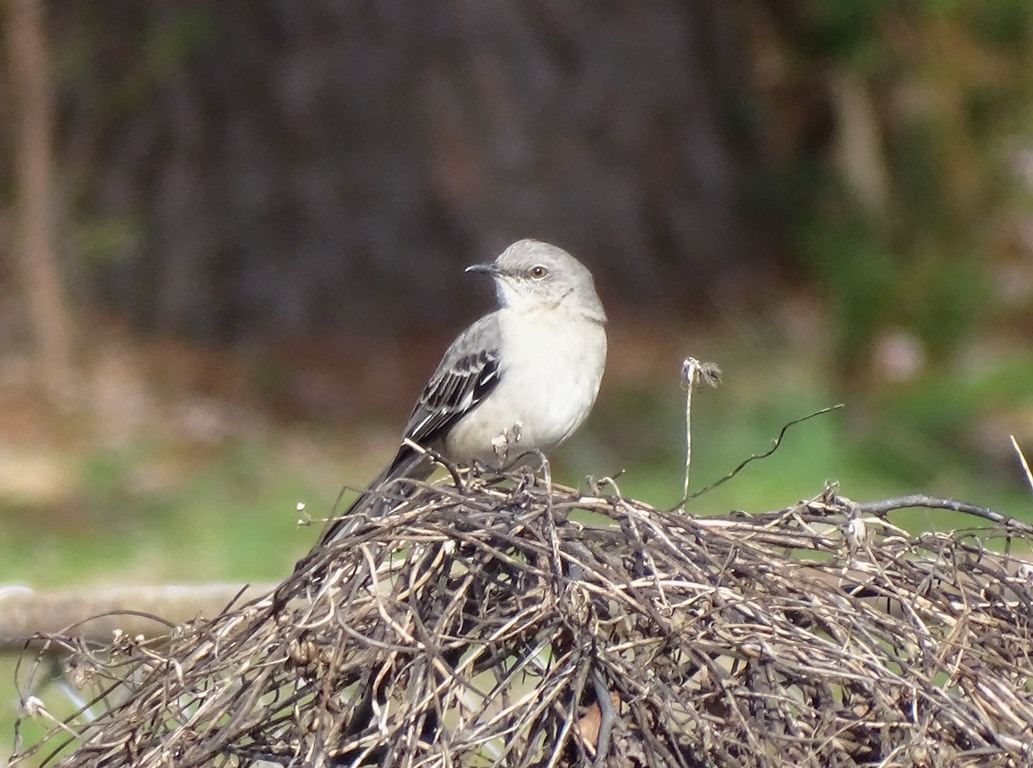
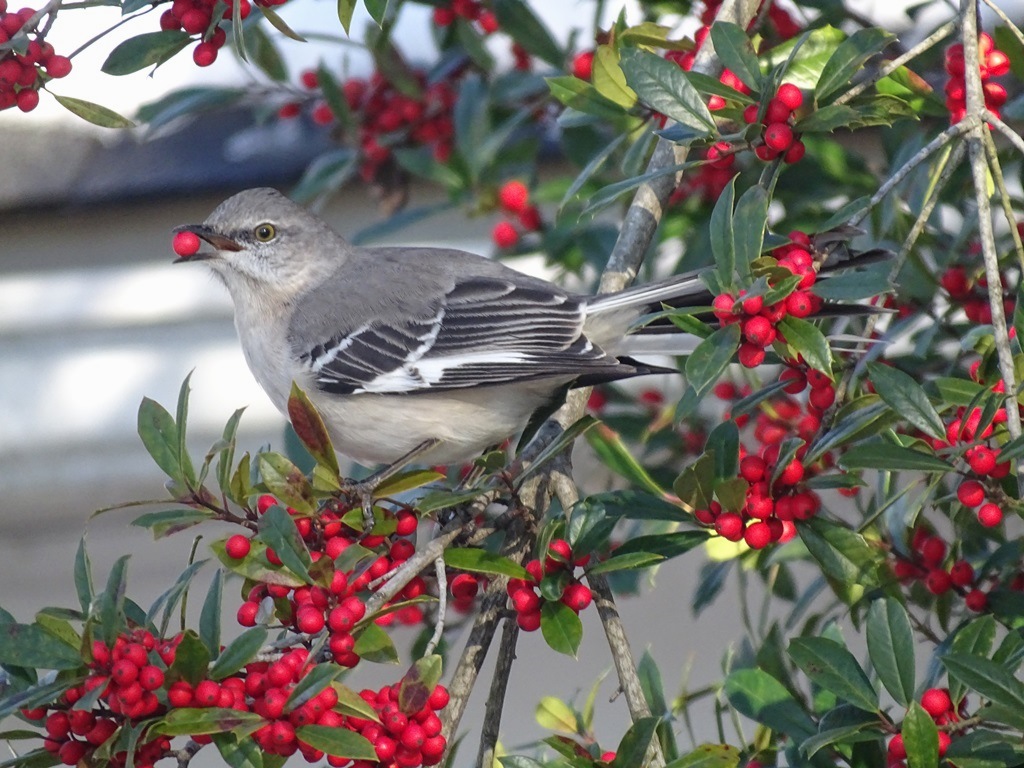
A pair of Northern Mockingbirds can be seen almost year-round in our front yard. At this time of year, they are especially attracted to the bright red berries that cover our holly bushes. Mockingbirds find them to be a tasty treat. In addition, they are high in fat and nutrients, which keep them warm and help them make it through the winter.

“Holly berries shining red,
Mean a long winter, ’tis said.
~The Old Farmer’s Almanac Book of Weather Lore

Meadowlarks in a Field

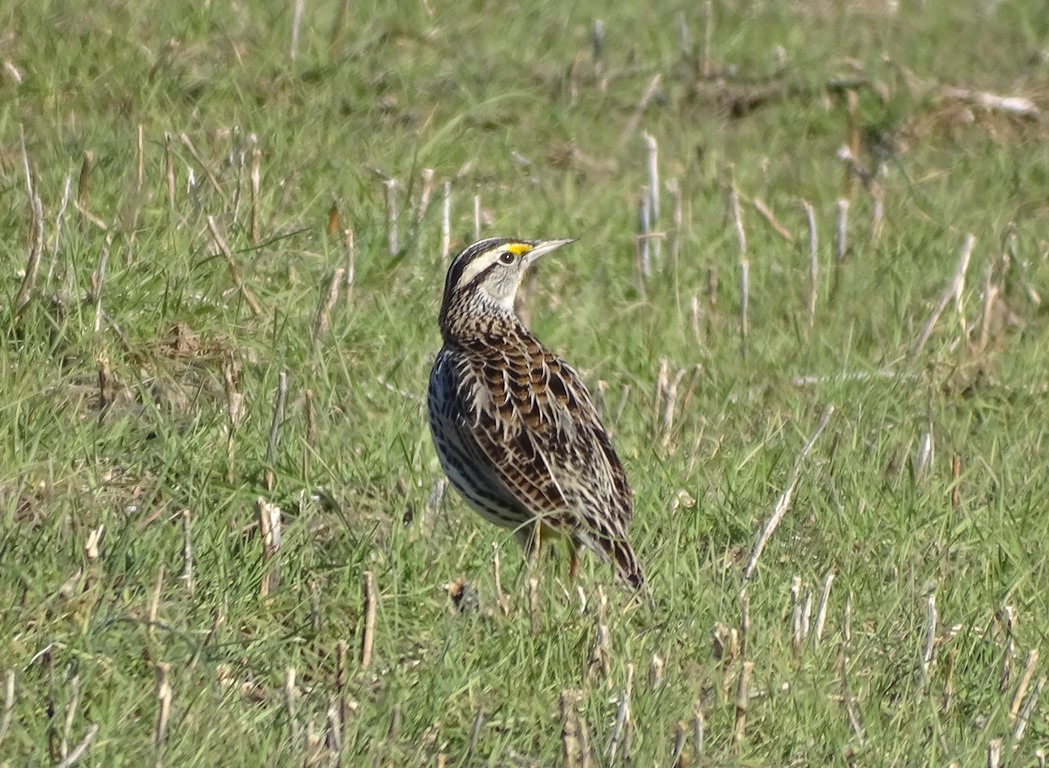
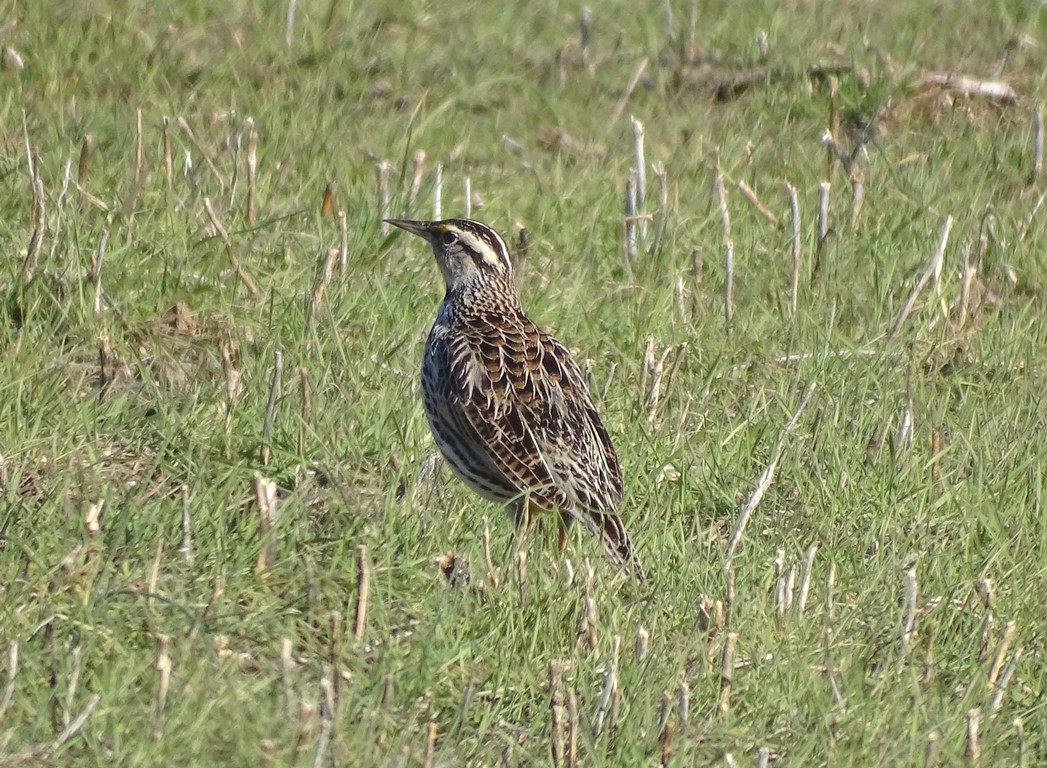
Meadowlarks are not a bird that I normally see, so I was excited to spot several out in a field near the Mississippi River. They were busily gathering grass seeds and grain. Their pop of yellow color livened up an otherwise dull landscape.

“The presence of a single bird can change everything for one who appreciates them.”  ~Julie Zickefoose

December Scenes

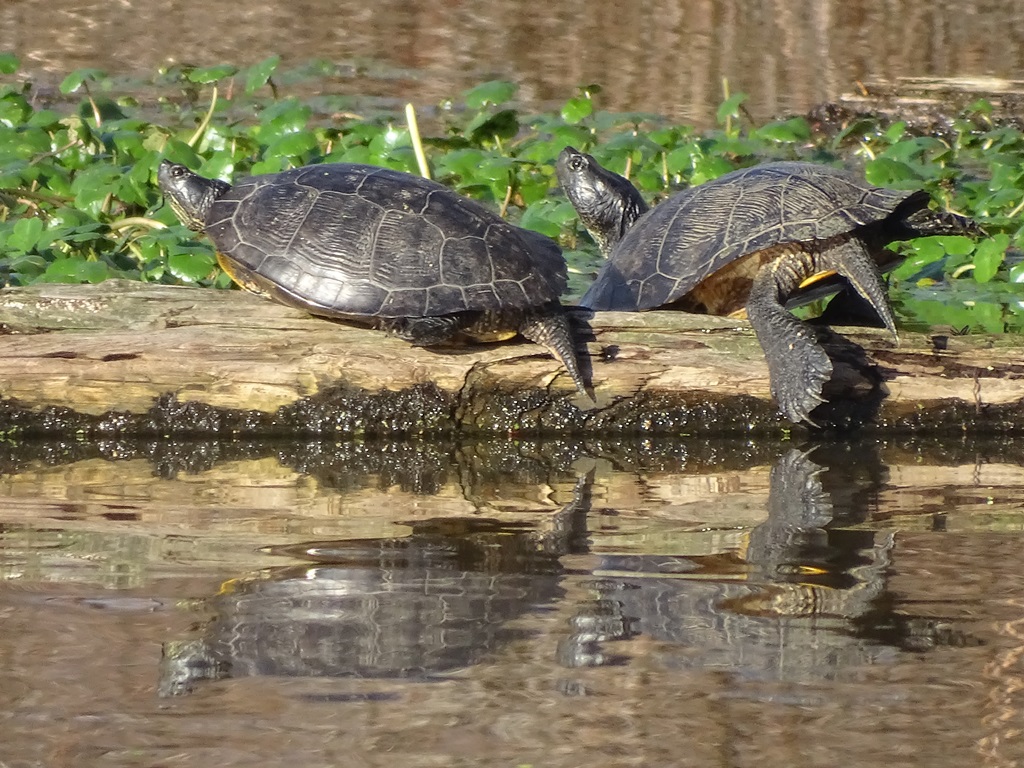
Several photos that were taken around the lake during December. I was surprised to see two turtles sunning on a log so late in the year. I’m sure they will find a warmer place underwater as the big cold front creeps in this weekend.

Below is a peaceful scene of cormorants and gulls gathered at a distance from the boardwalk.

“I like to think that to one in sympathy with nature, each season, in turn, seems the loveliest.” ~Mark Twain

Note: Credit goes to my husband for the colorful slug photo.

Birds and Their Nests

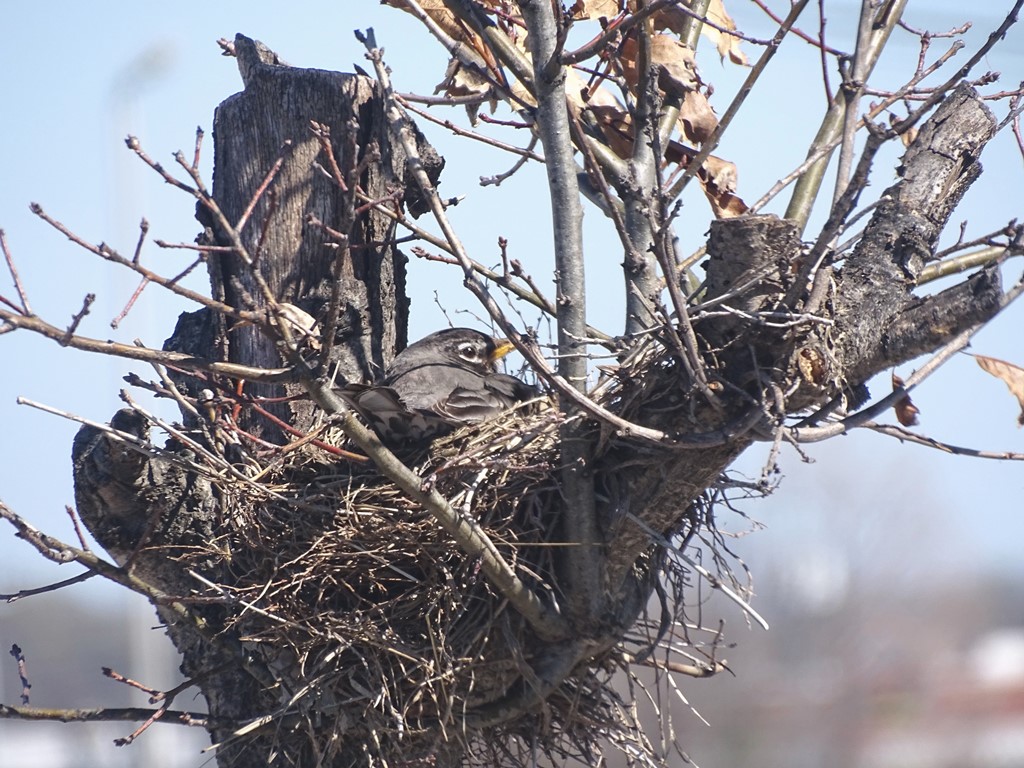
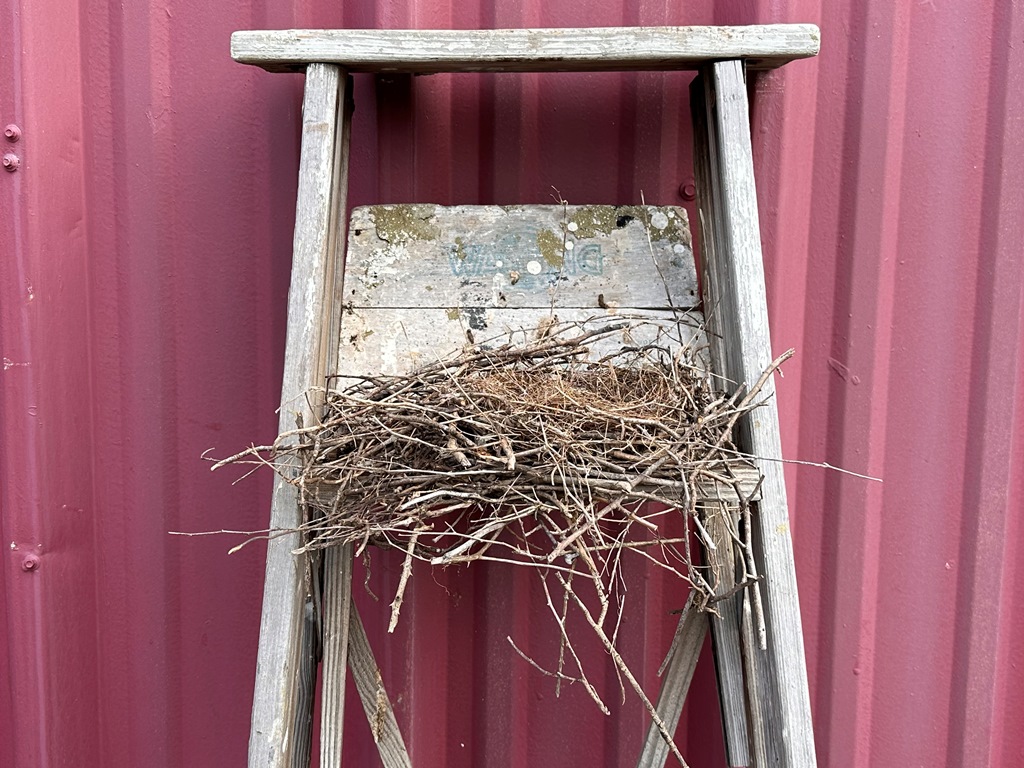
Discovering a bird’s nest tucked away among the branches is always fascinating, offering a glimpse into the varied shapes and materials they use to construct their homes. Here are several nests, both occupied and unoccupied, that I’ve come across this year.

… And every day the she-bird crouched on her nest, silent,
And every day I, a curious child, never too close, never disturbing them,
Cautiously peering, absorbing, translating …
~Walt Whitman

Sauntering and Savoring

Anyone who has ever taken a walk with me knows that I am not a fast walker. I prefer to move at a leisurely pace, allowing myself time to pause, absorb, and appreciate my surroundings. How much we miss in life by rushing past all of its little treasures.

It wasn’t until I slowed the car and rolled down the windows that I realized I spend most of my days driving ‘through’ life without driving ‘in’ life. So, I’ve decided to walk because the pace is slower and the windows are always down. ~Craig D. Lounsbrough

Autumn Reflections

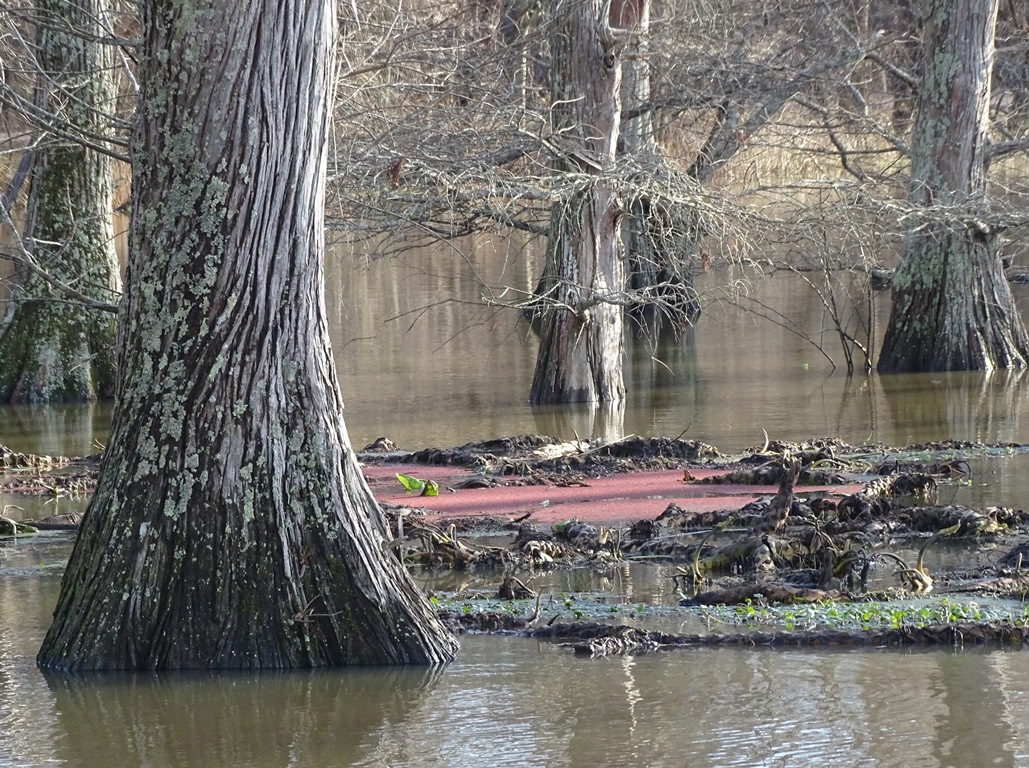
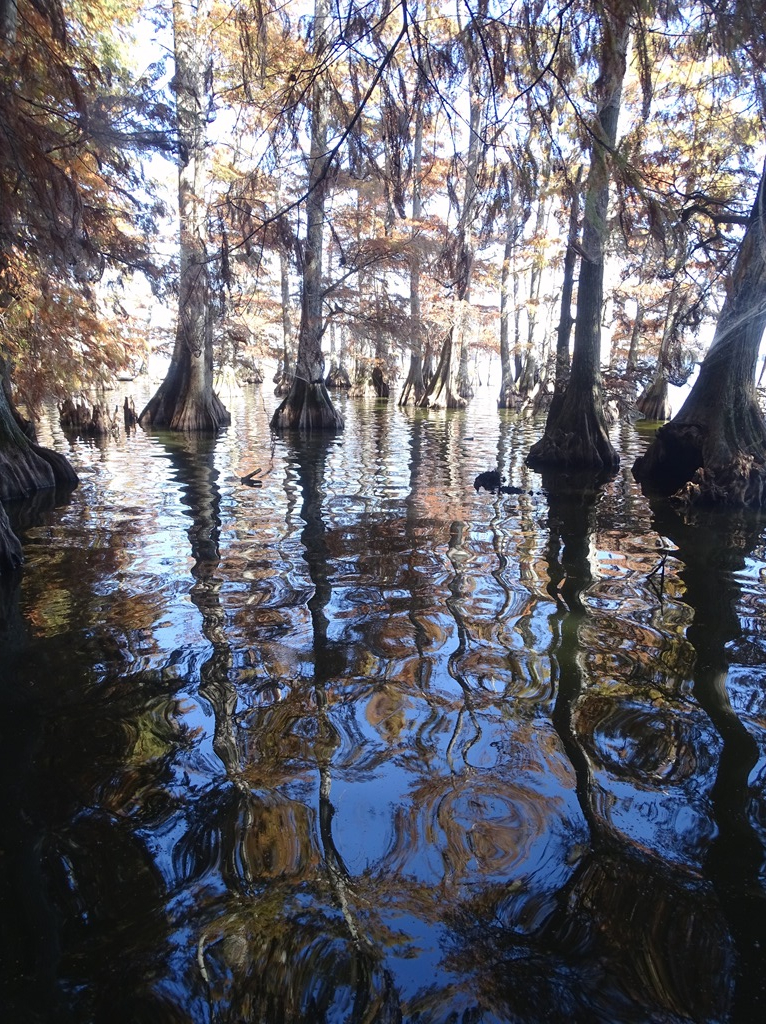
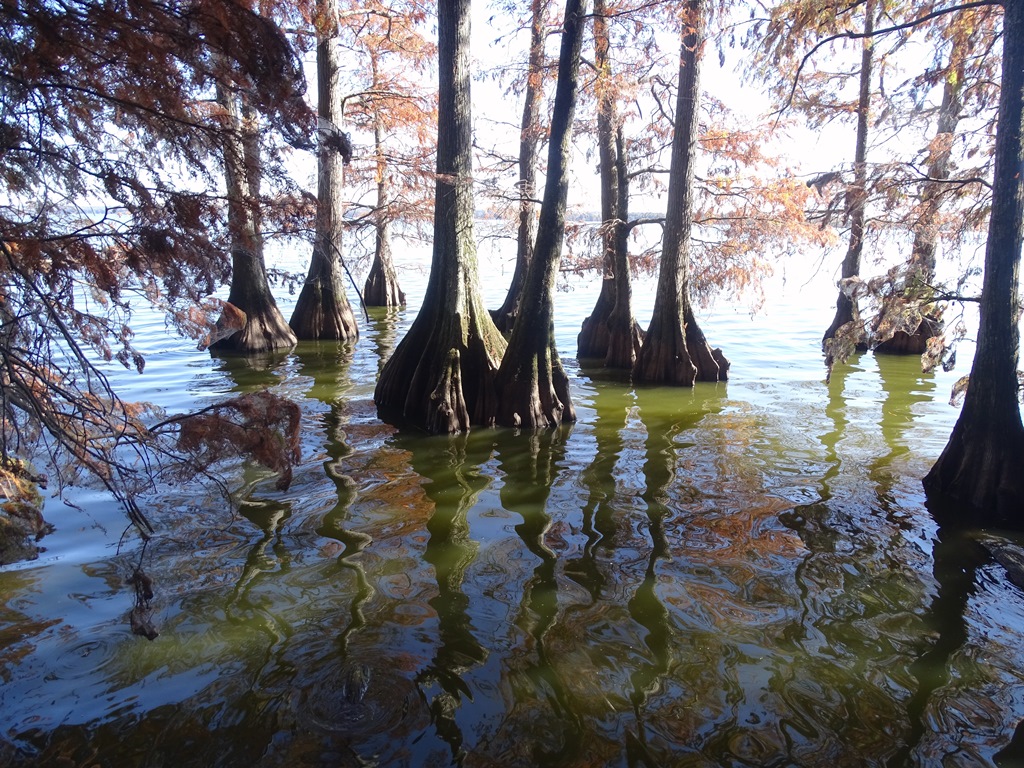
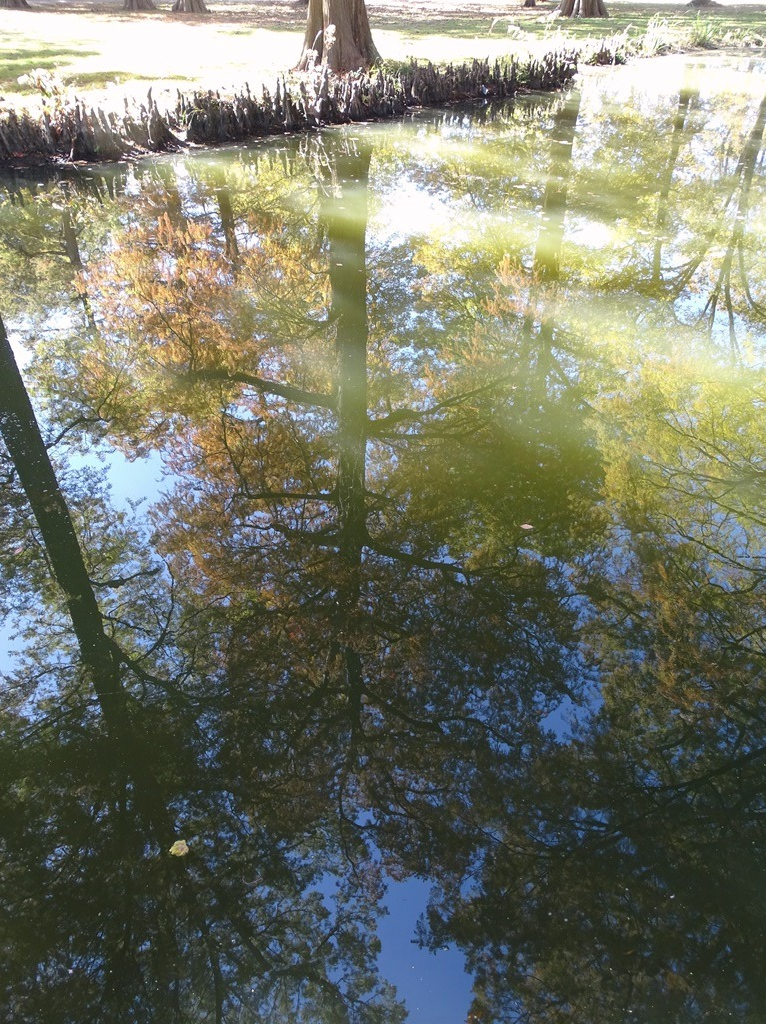
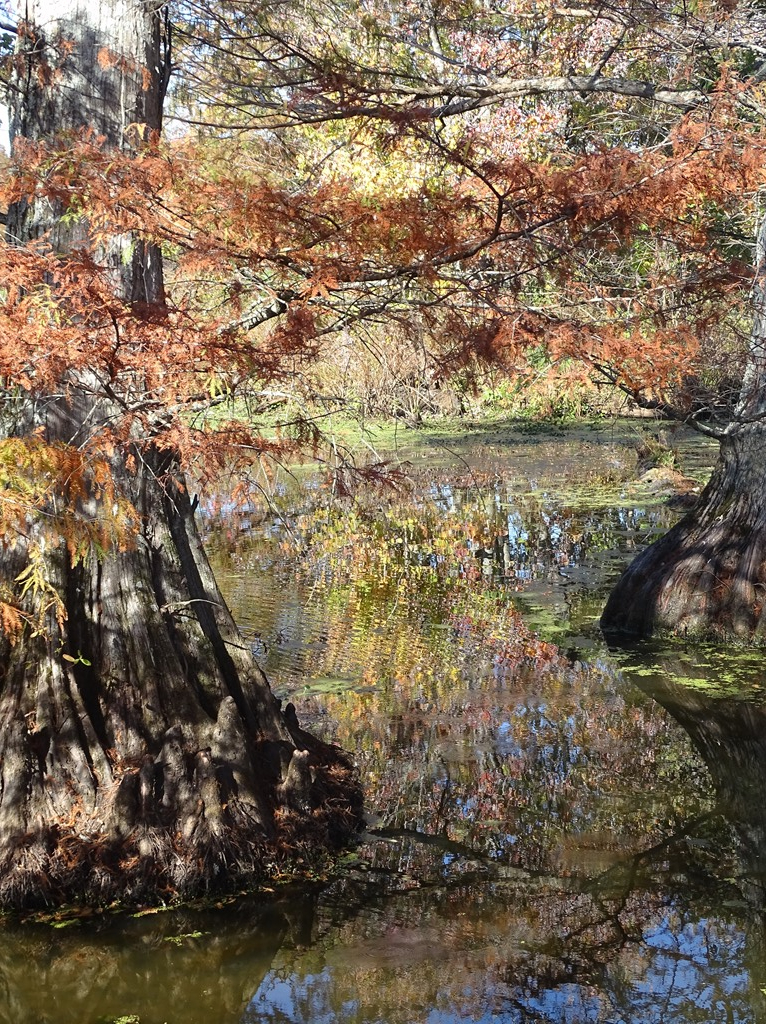
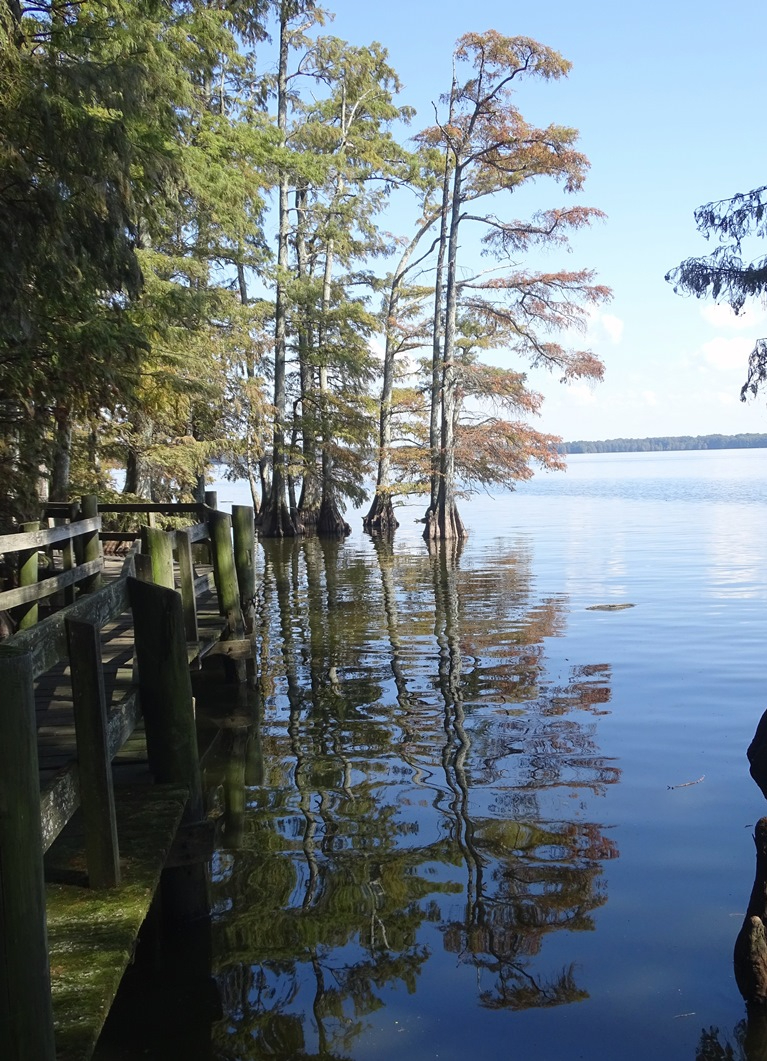
Cypress trees reflected on the still waters of the lake.

There is something more beautiful than a beautiful thing and that is a beautiful thing which has a beautiful reflection on the water.” ~ Mehmet Murat Ildan

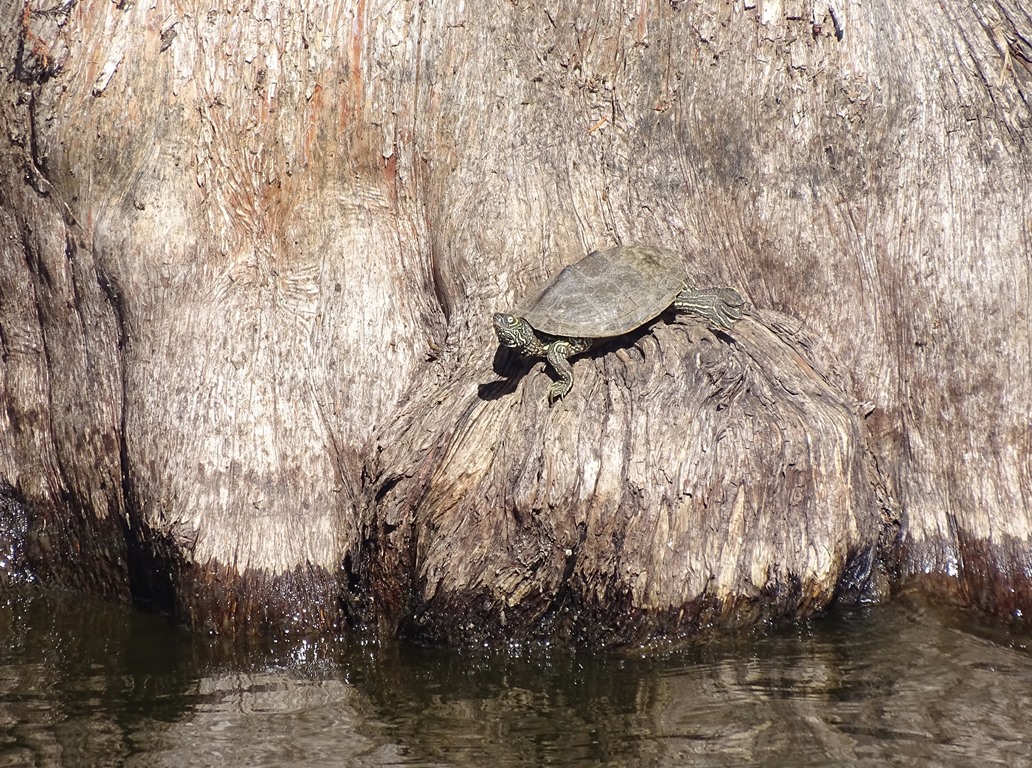
Mississippi Map Turtle Basking in the Sun

We spotted a Mississippi map turtle basking near the base of a cypress tree in the lake. These turtles inhabit waters along the Mississippi River and are identifiable by their shell patterns, which resemble the contoured lines of a map. They feature vivid yellow markings, yellow eyes, and a serrated ridge down the center of their shells. Their diet consists of aquatic plants, fish, and invertebrates.

“Picture me then idle, basking, plump, and happy, stretched on a cushioned deck, warmed with constant sunshine, rocked by breezes indolently soft.” ~Charlotte Bronte