Mealtime

The barred owl, with intent focus, glided over the flooded forest floor, stretching out its talons to swiftly snatch up its prey. Then it landed on a nearby tree branch to examine its prize. Carefully, it extricated its catch from collected debris. Aware of my presence, the owl took flight deeper into the woods to savor its snack in solitude.

“One of the very nicest things about life is the way we must regularly stop whatever it is we are doing and devote our attention to eating.”
– Luciano Pavarotti

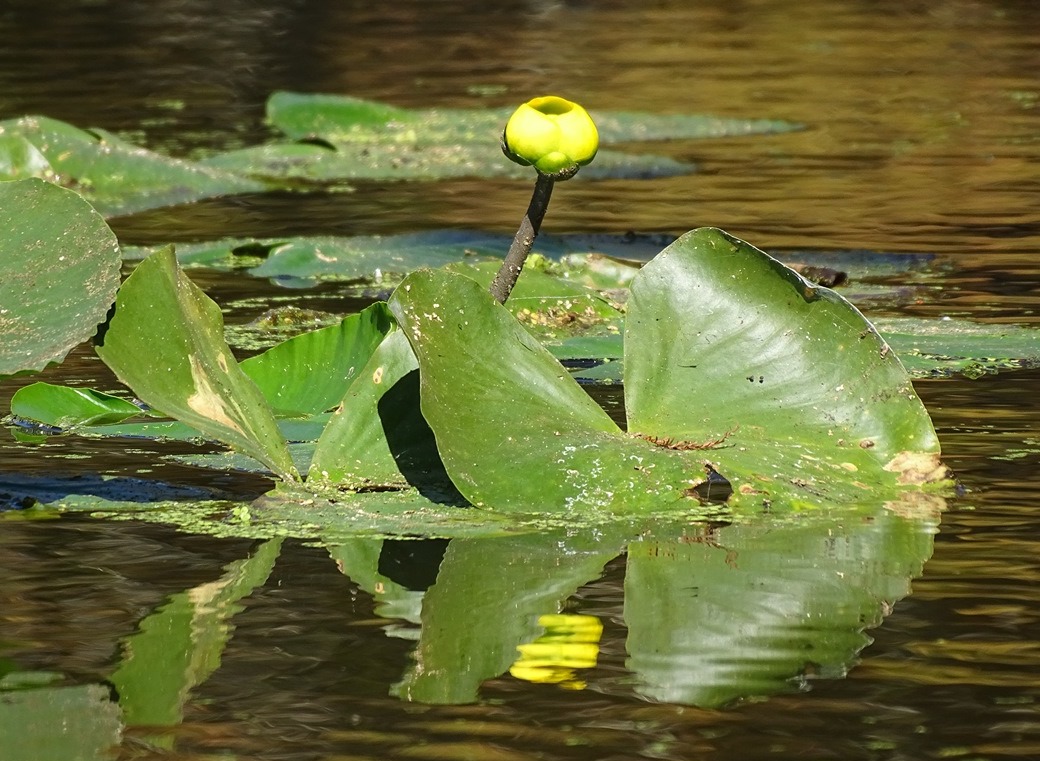
Spatterdock (Yellow Pond Lily)

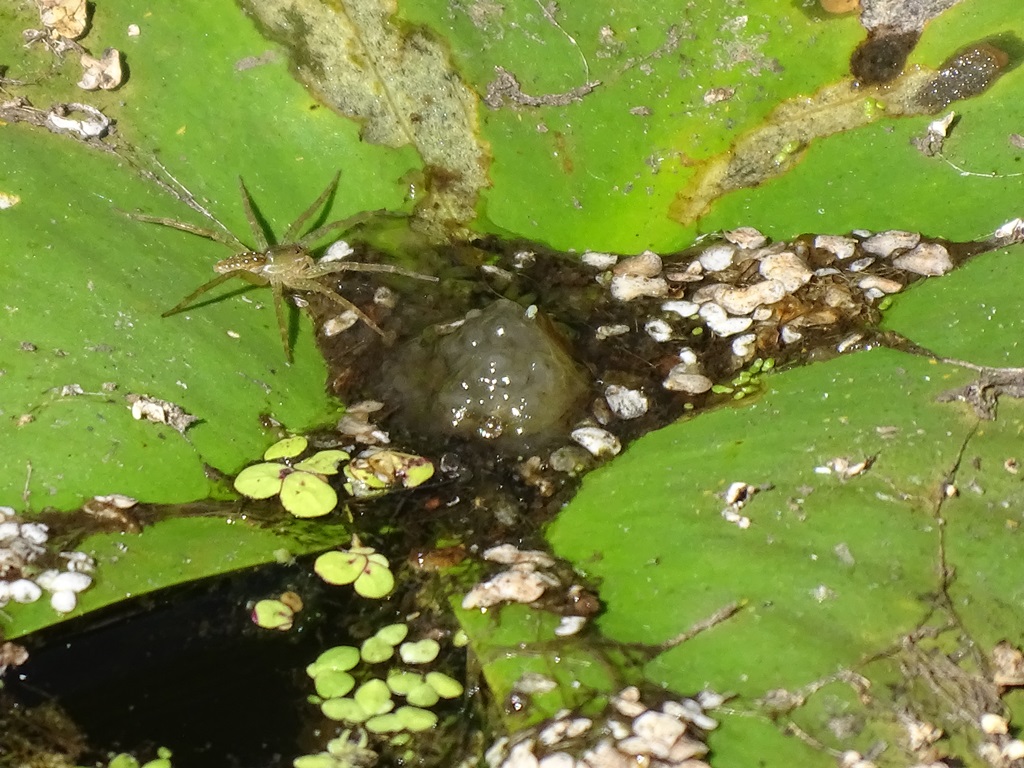
Spatterdock can be found growing around parts of the lake, providing a habitat for a variety of creatures and serving as nourishment for others.

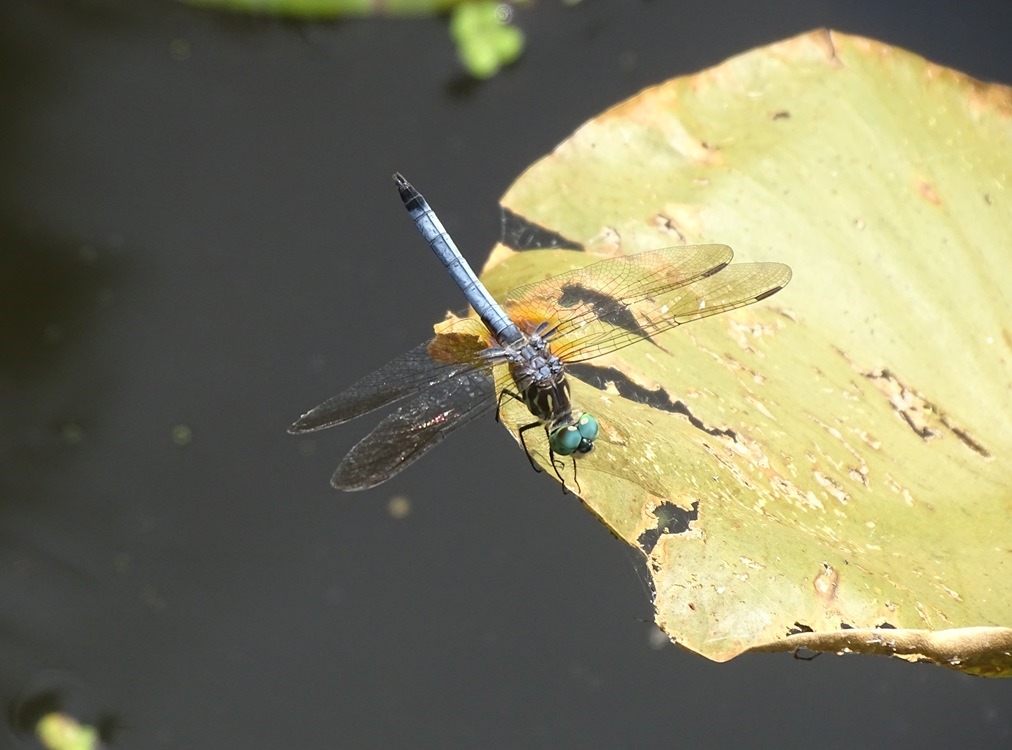
Below is a dragonfly laying eggs on one of the leaves.

“The most beautiful gift of nature is that it gives one pleasure to look around and try to comprehend what we see.” ~Albert Einstein

Dragonflies

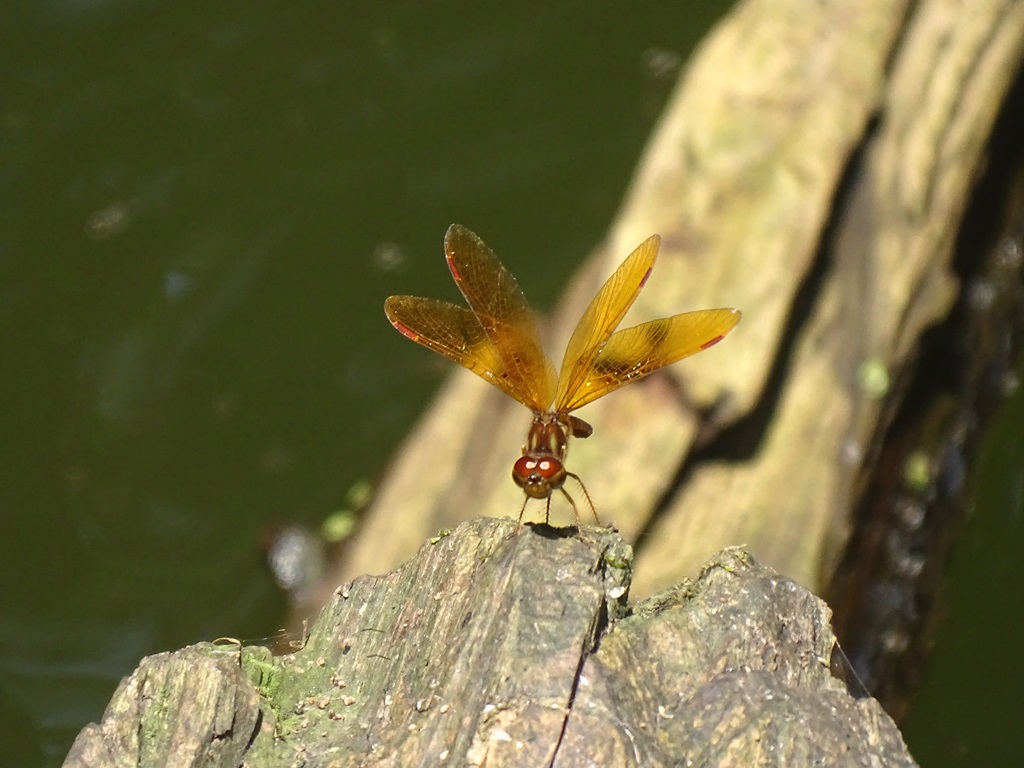
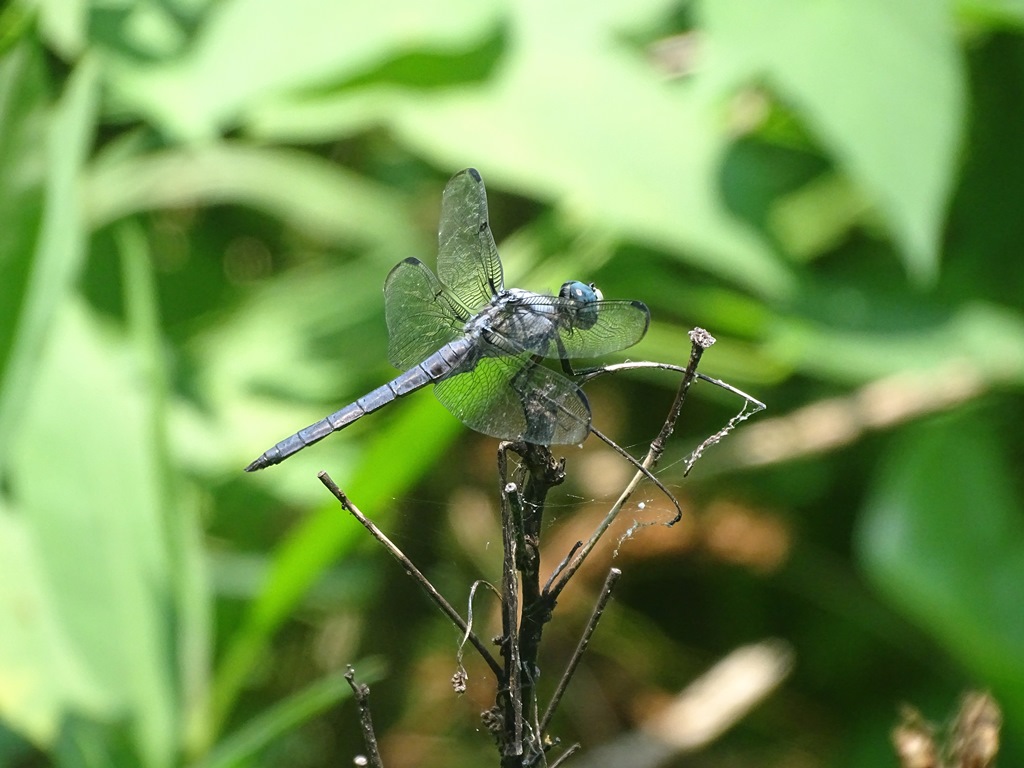
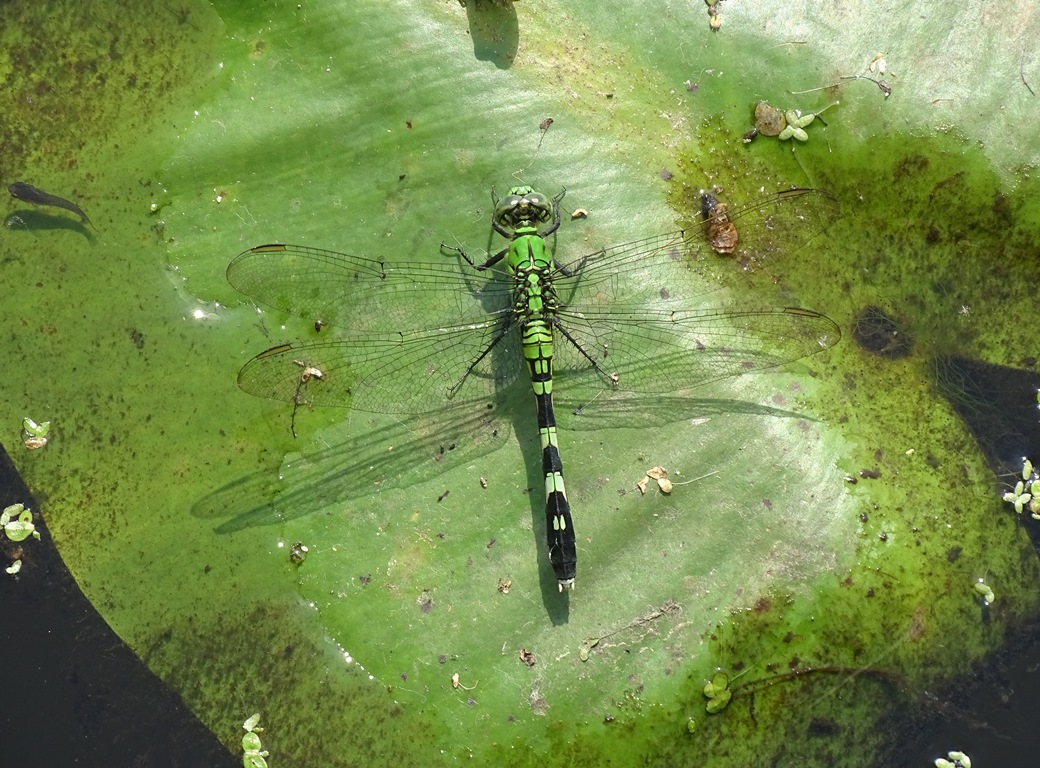
During these hot and humid days of summer, while other critters are hidden away in shady, cooler places, dragonflies seem to be out in good number, enjoying the sun.

“When the heat of the summer
Made drowsy the land,
A dragon-fly came
And sat on my hand.”
~Eleanor Farjeon

Finding Shelter

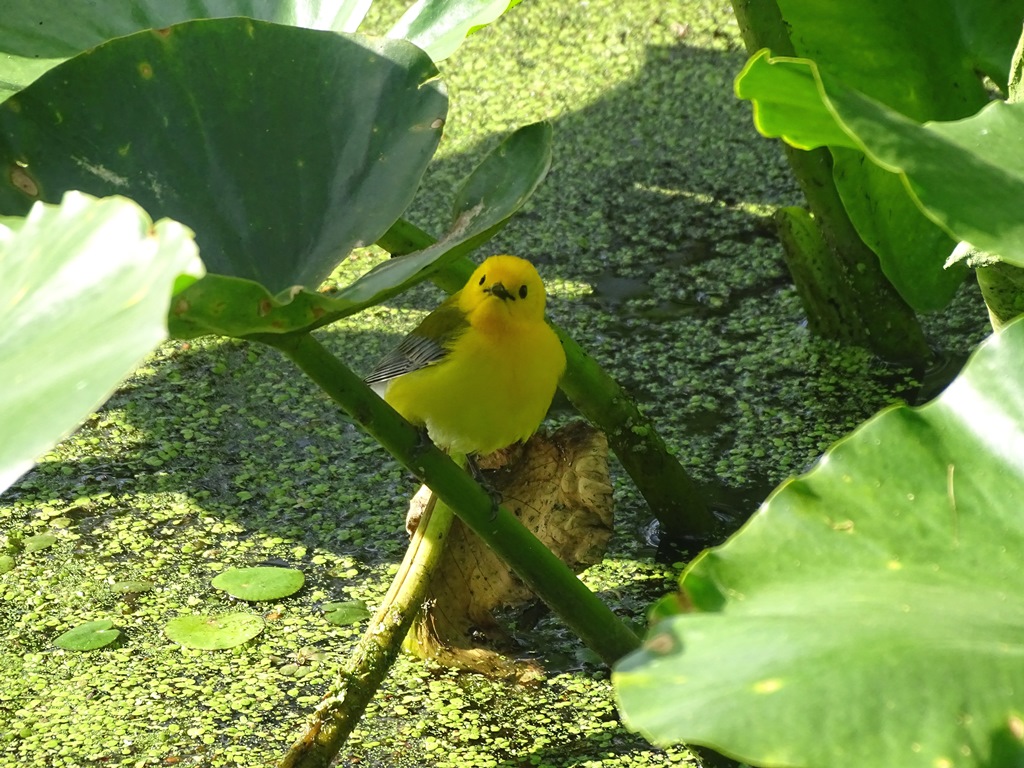
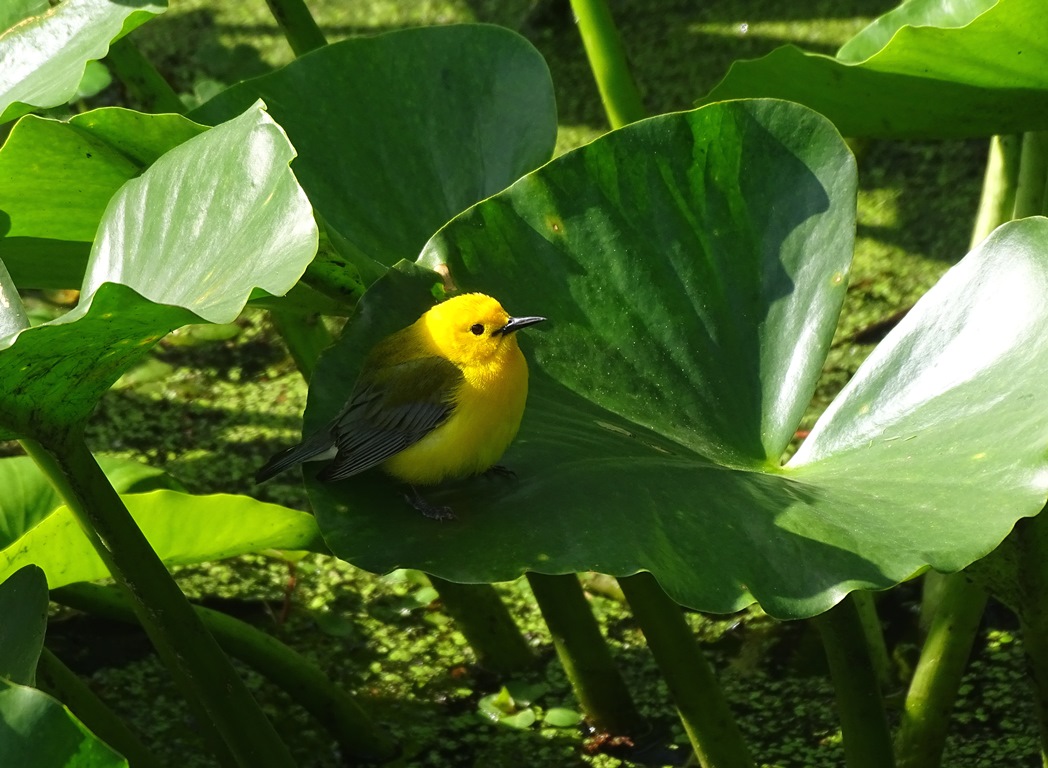
It was a chilly, windy day out on the lake. This young Prothonotary Warbler found shelter among the water lilies, flittering from leaf to leaf and occasionally sitting peacefully and soaking up the warmth of the sun.

“We should all find a quiet place, a peaceful space, to bury the chaos and rest for a while.” ~Christy Ann Martine

Soaking Up the Sun

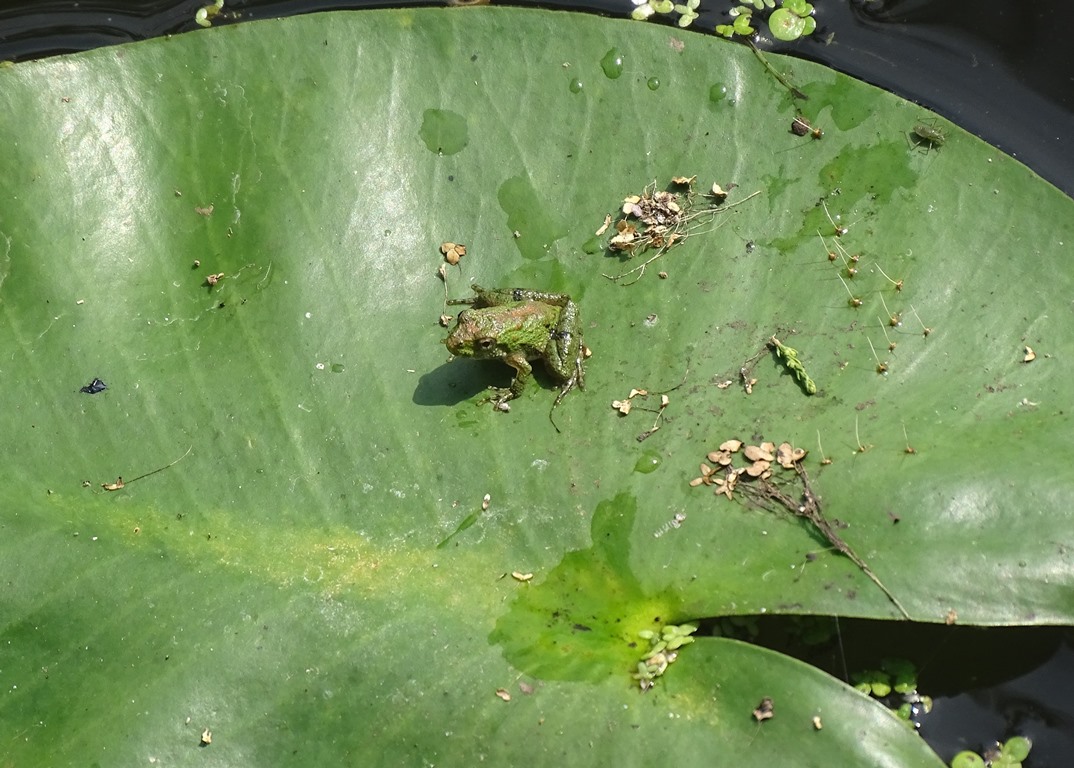
While driving down the road at the refuge, we spotted this frog resting on a branch and soaking up the late afternoon sun.

“Get off the track of doubt and gloom, get on the sunshine track, there’s room.” ~ Unknown

Bird Watching

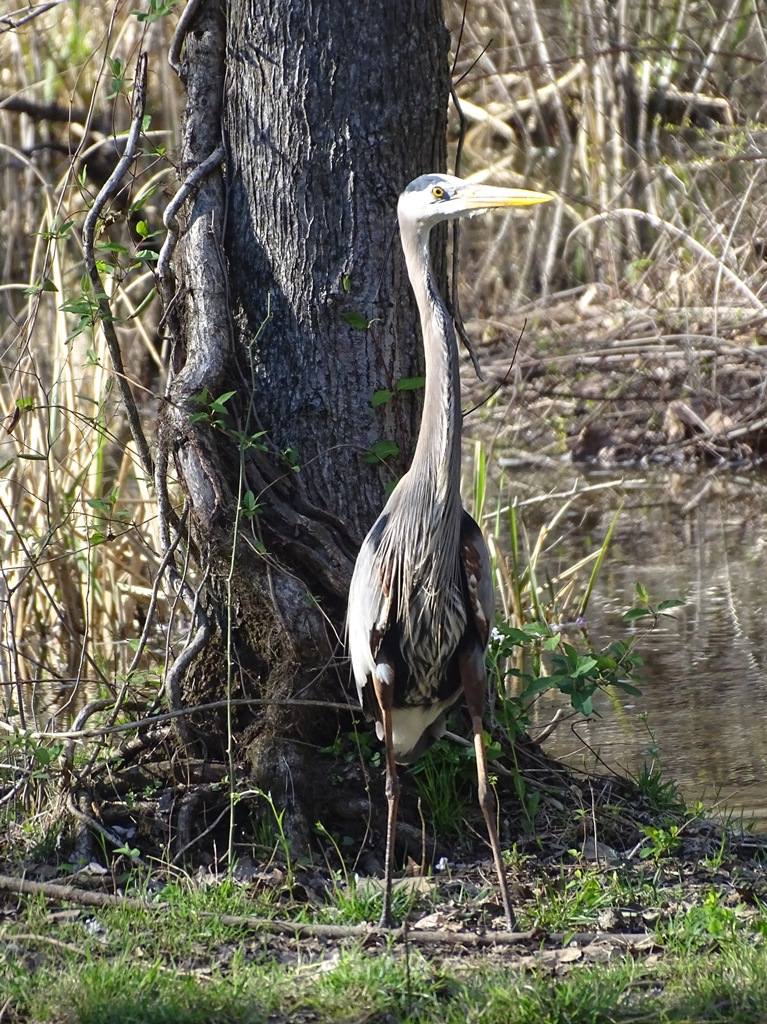
Birds seen recently around the levee and lake.

“If you’re not a bird watcher you won’t be very excited, though gulls are graceful in flight and striking in appearance. If you’re a bird watcher this makes you weak in the knees.” ~Bryan Pfeiffer

Calm Reflections

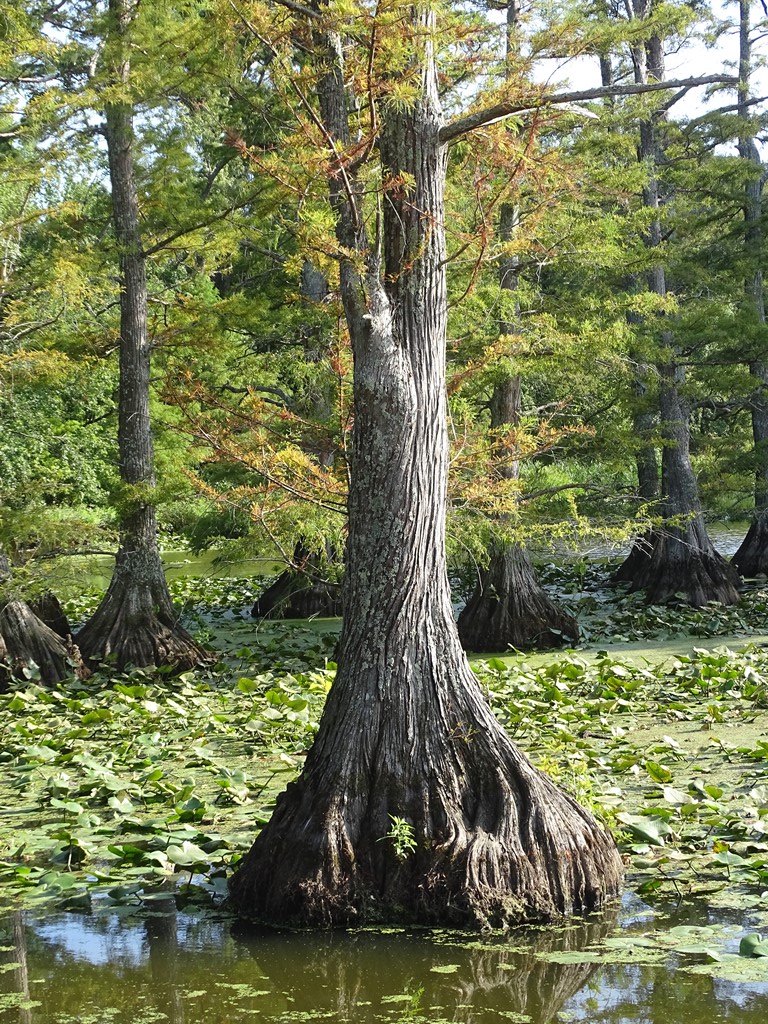
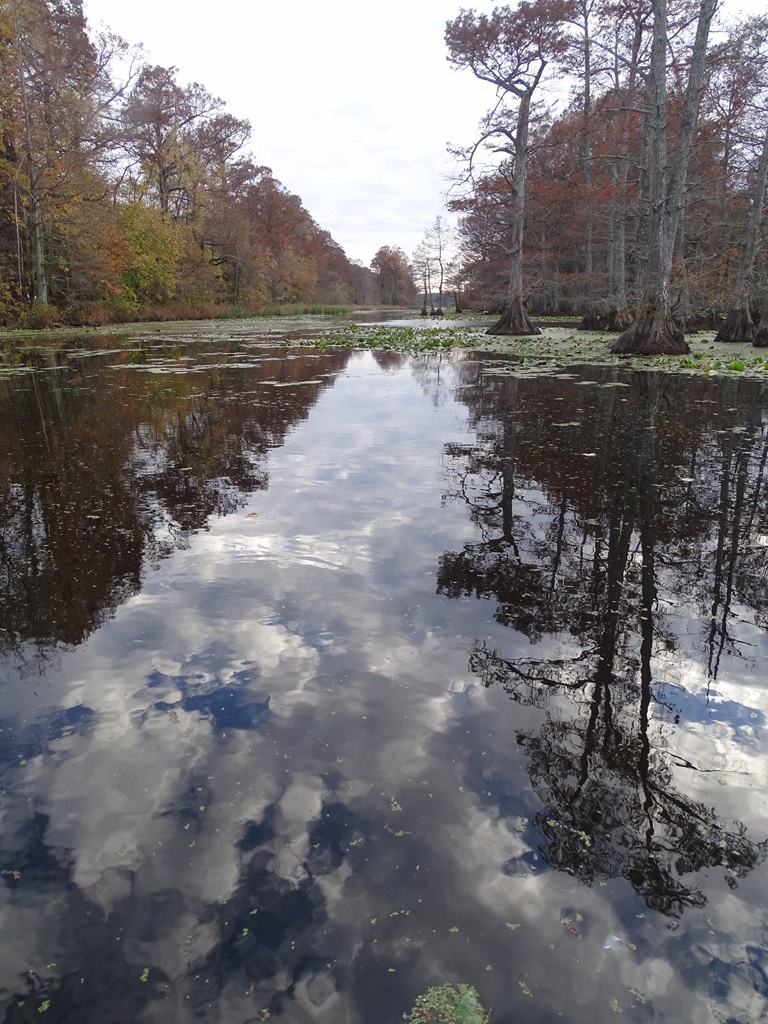
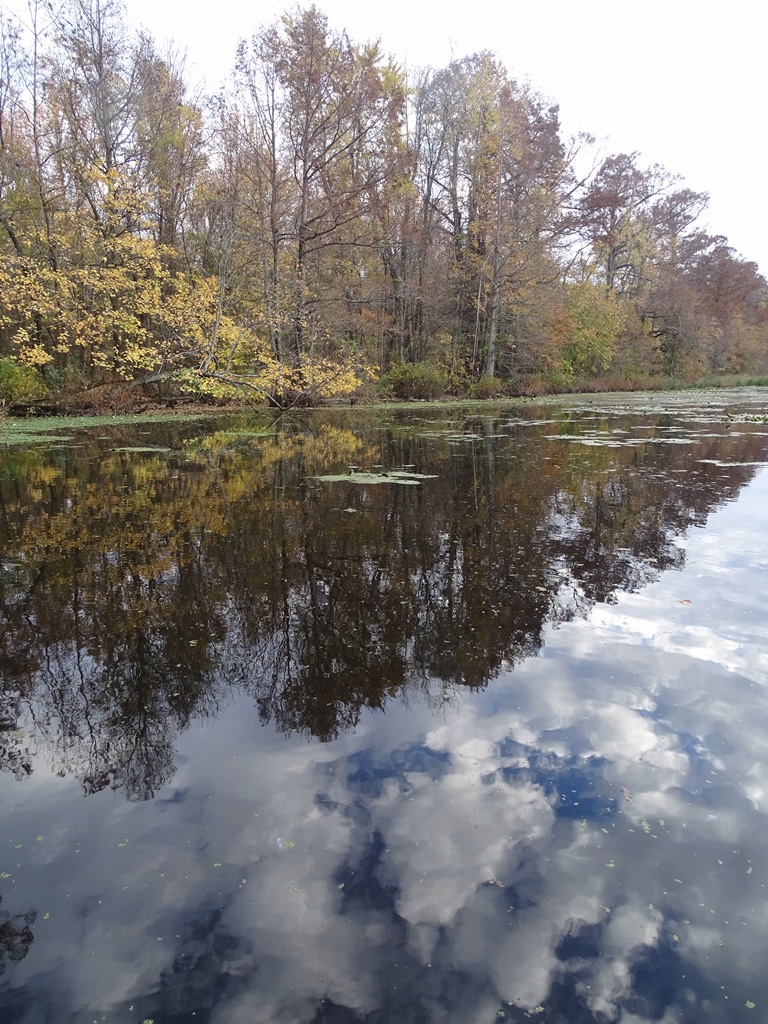
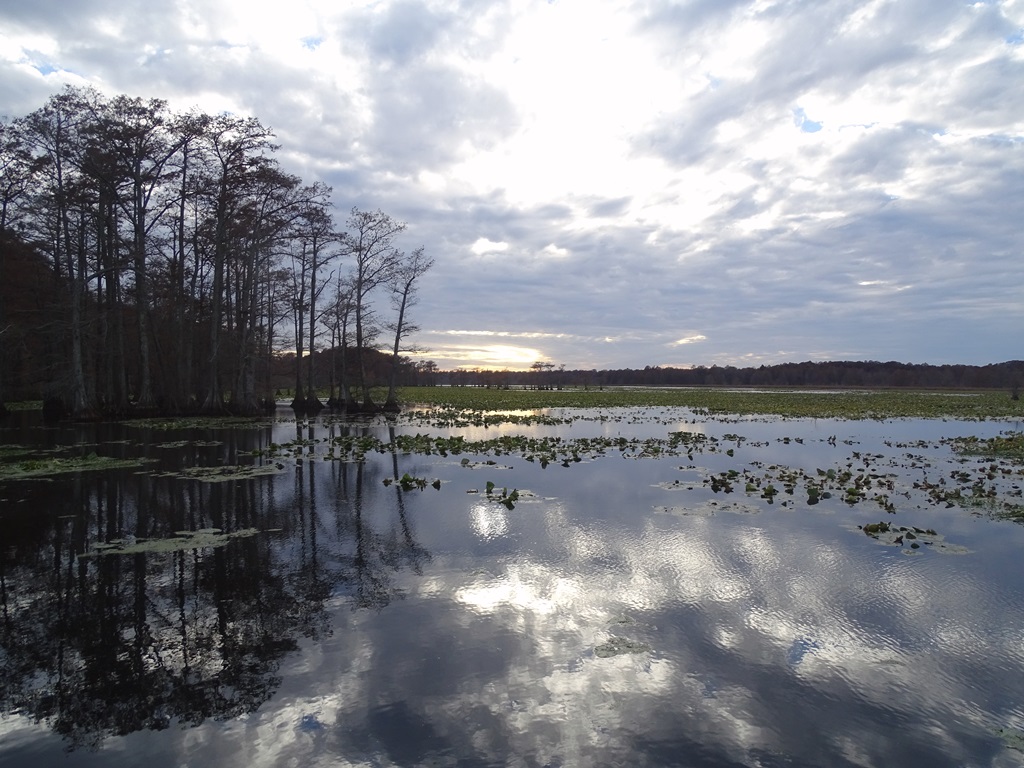
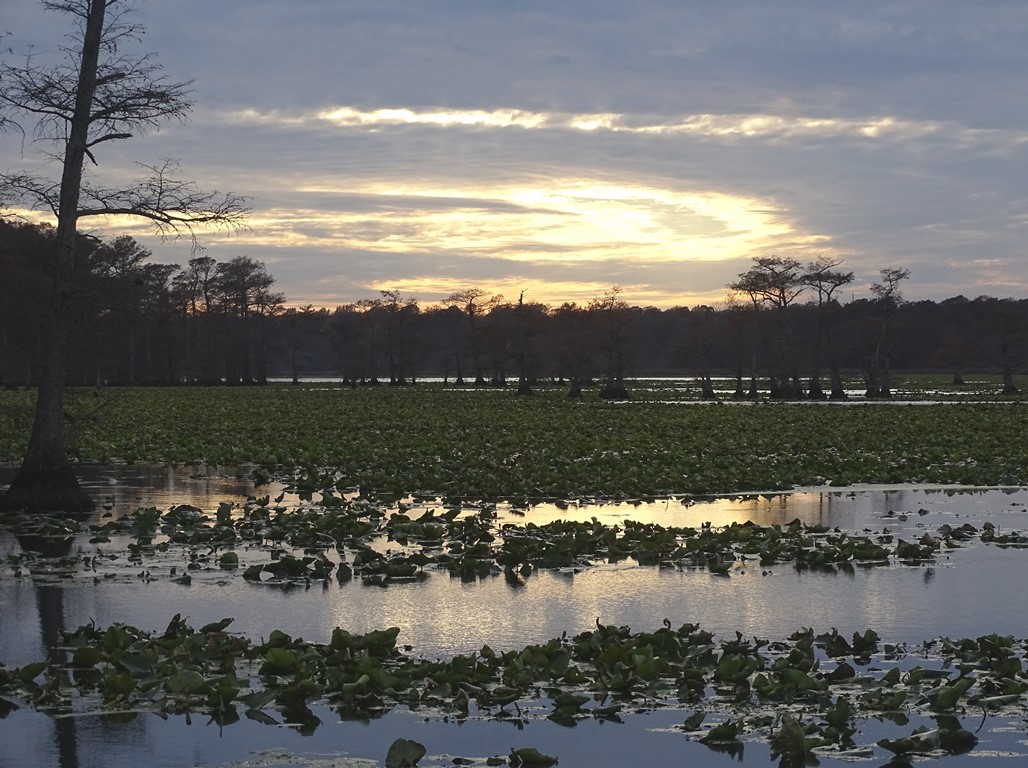
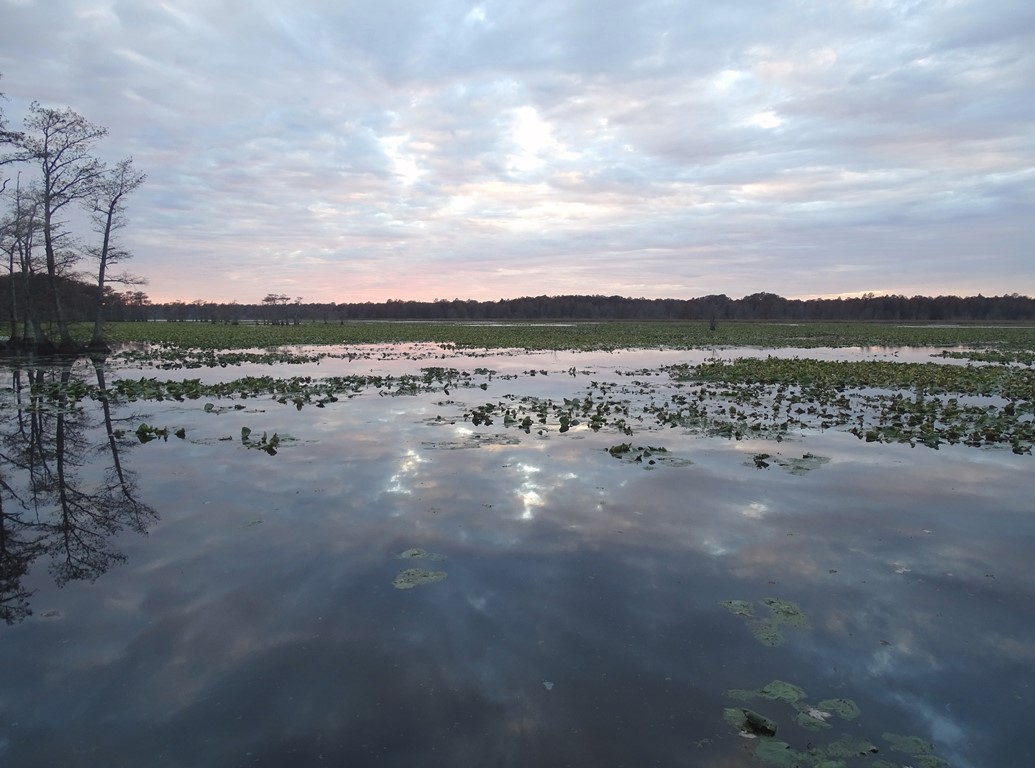
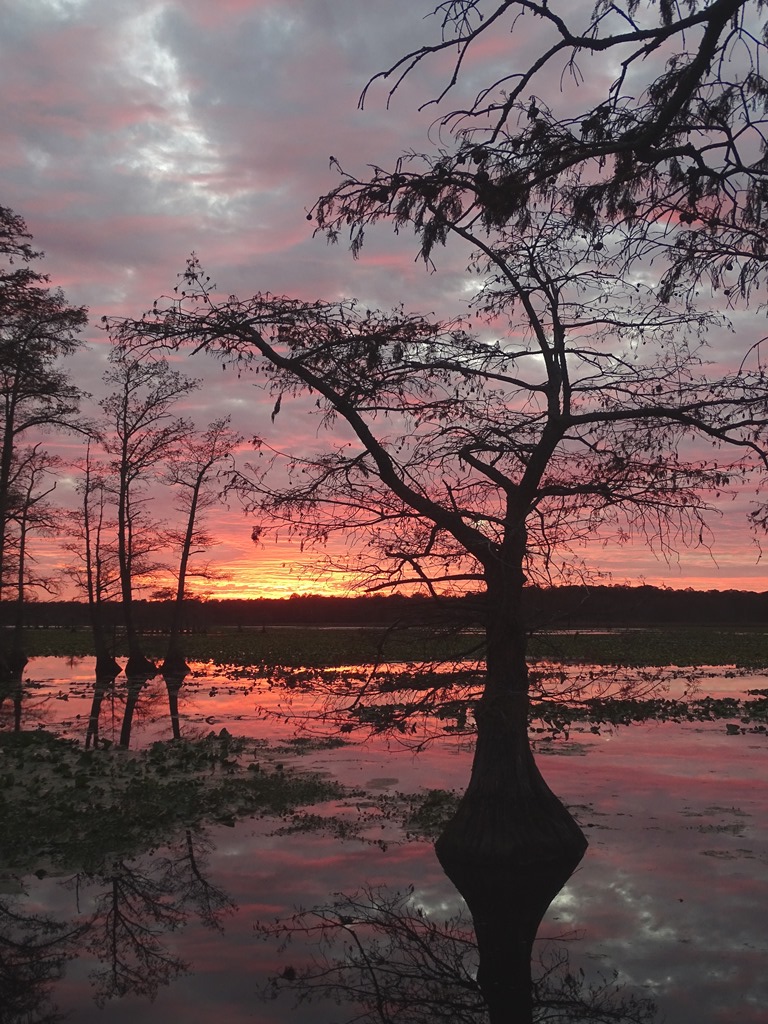
Such a beautiful autumn day at the lake.  The reflections in the still water continued to impress as the day slowly faded into darkness.

“Swept into nature’s calm, the soul stills as clouds move on.” ~Angie Weiland-Crosby

Annoyed

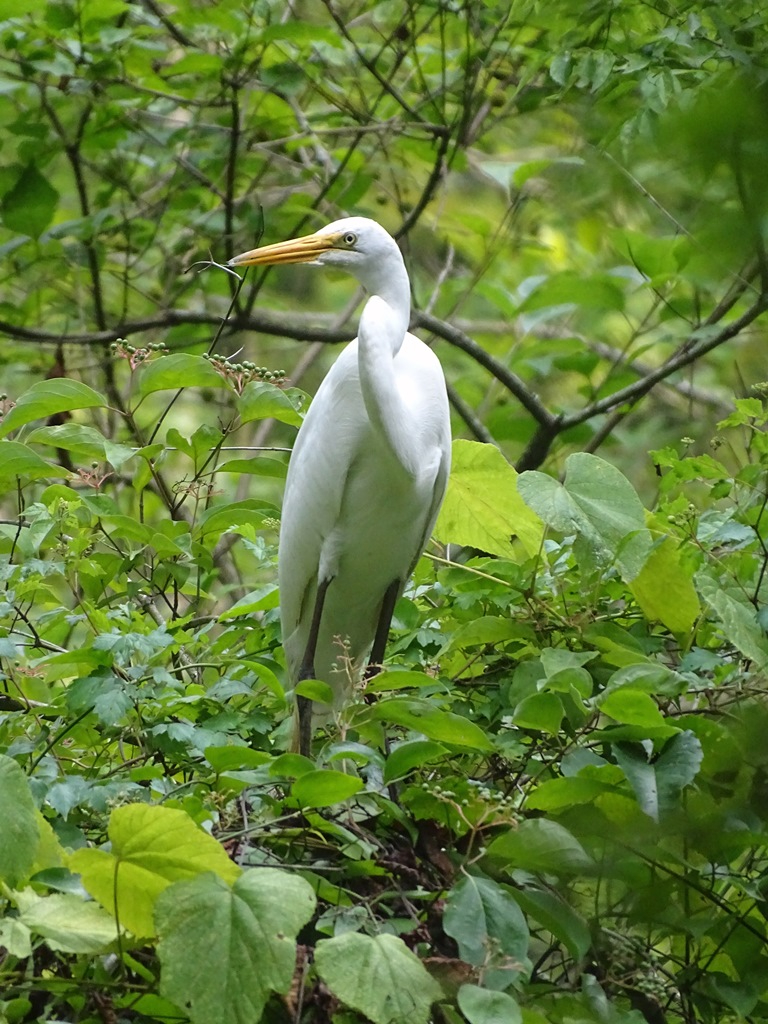
As we drove through the refuge, I spotted a beautiful butterfly on a flower beside the road, and we stopped for photos.  As I stepped out of the car, a very startled and annoyed Great Egret, which had previously gone undetected, let out a loud squawk and abruptly propelled itself from its concealed spot in the tall grass to the safety of a nearby tree.  And there it sat waiting, all sullen and sulky, greatly annoyed that its peaceful afternoon had been disturbed.

“The unexpected may annoy us, but may also wake us up.”  ~Scott Sanders

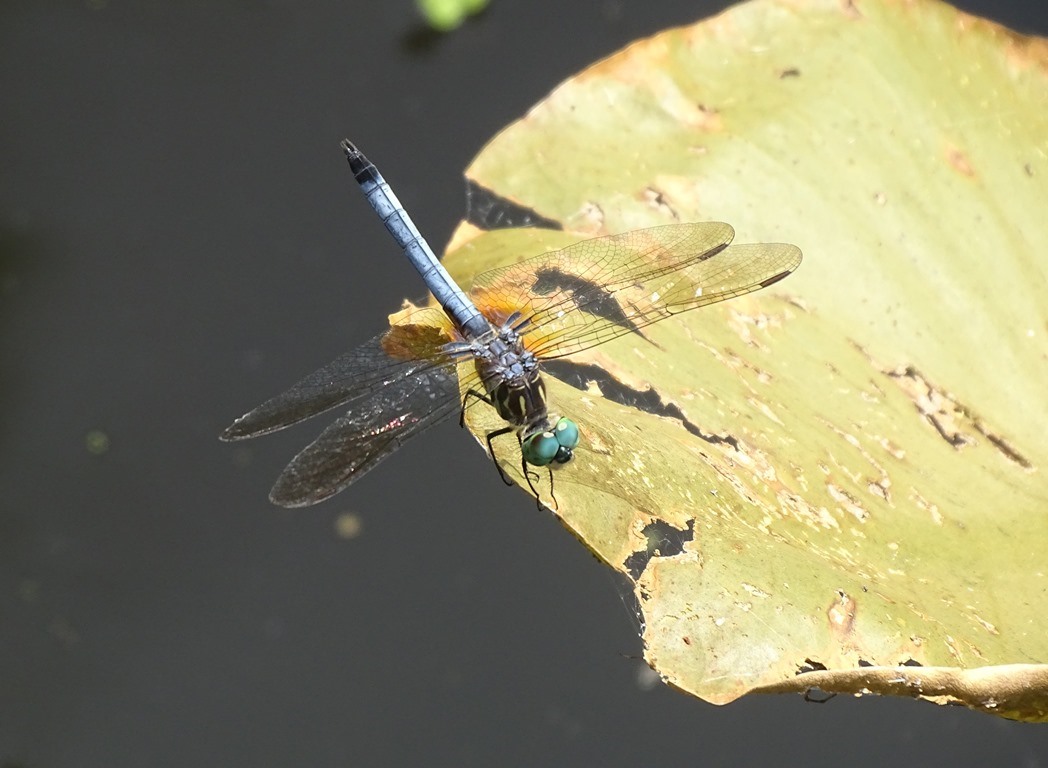
Dragonflies

Some of the beautiful dragonflies hanging around the lake.

Below are dragonfly nymphs on the underside of leaves near the water.

Curious dragonfly with
Wings of stained glass,
Oh, ancient bearer
Of secret dreams,
Your delicate beauty
Keeps wonder in my heart.
~Grace Edwards

Nutria

We saw an interesting animal at the refuge that we had never seen before.  From a distance, it looked like a muskrat or beaver, but a local landowner told us that it was a Nutria.  He said that he sees them in the wintertime out walking on the ice.

Larger than a muskrat but smaller than a beaver, Nutria have brown shaggy fur and whiskers, and can be found both on land and in the water.  They also have orange front teeth, long, round, hairless tails, five-toed front feet and webbed hind feet. 

When we first saw this one, it was swimming in the water, stopping to nibble on vegetation. 

Notice that it appears to have lost part of its long, rat-like tail.

Eventually, it climbed up on the shore and proceeded to scratch or groom its fur. Oil, produced by glands near its mouth, is used in grooming and waterproofing the fur.

You can see an orange tooth in the fourth photo.

Although Nutria resemble the muskrat and beaver, they are an invasive wildlife species that was brought in from South America by fur traders hoping to profit off of their undercoats.  When the fur industry was unsuccessful, many of these animals were released into the wild or escaped.  Now the population has expanded, and they are considered a nuisance.  They eat all parts of aquatic plants, including the roots, making the plants less likely to grow back. This makes the soil unstable and destroys food and habitat needed by native animals.

“Visitors should behave in such a way that the host and hostess feel at home.” ~J. S. Farynski