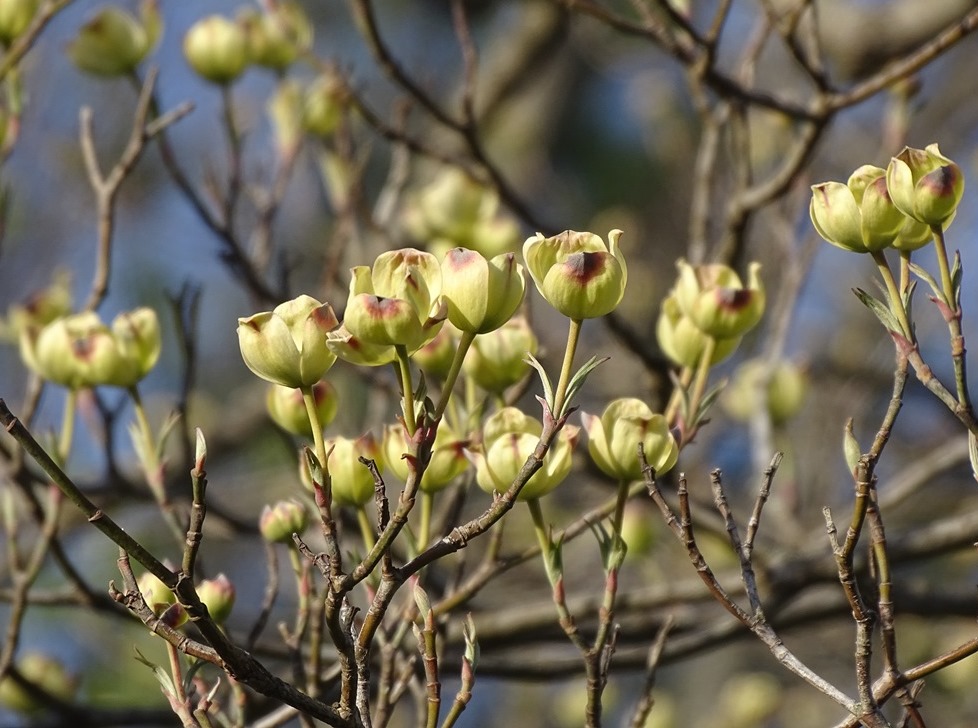
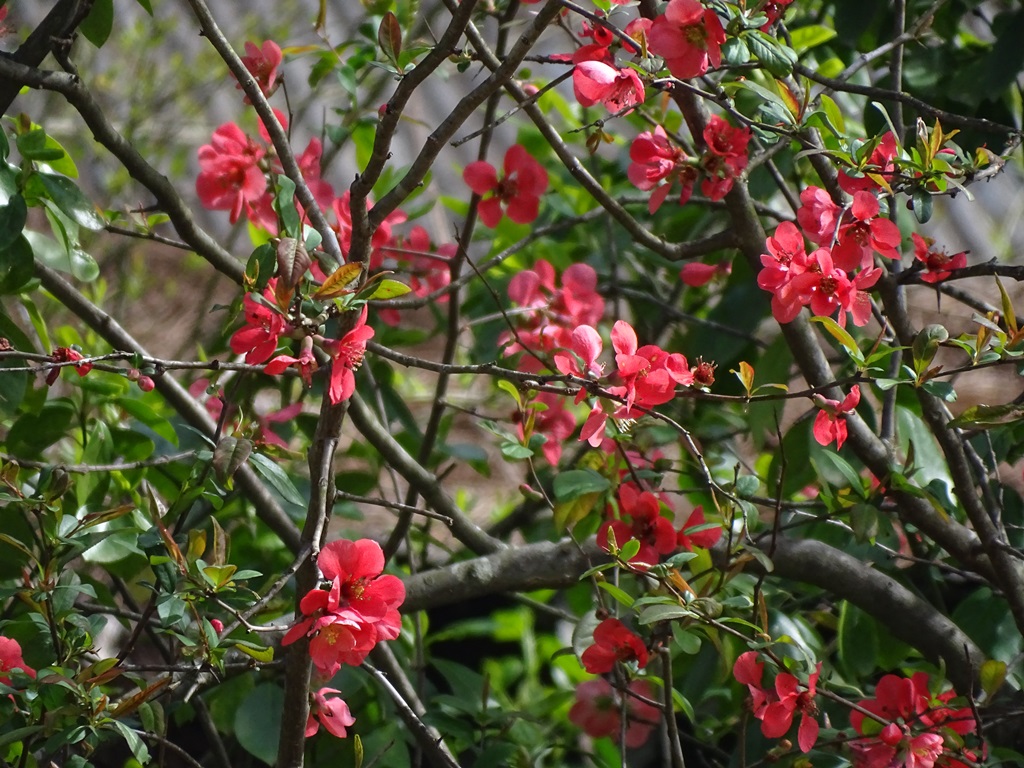
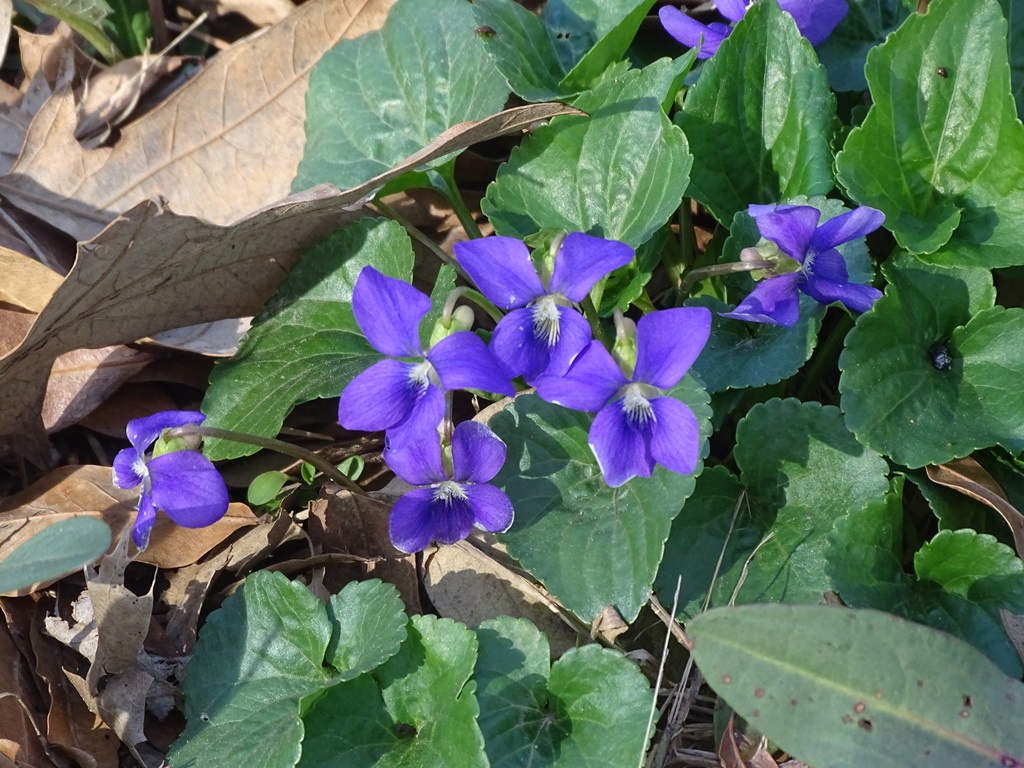
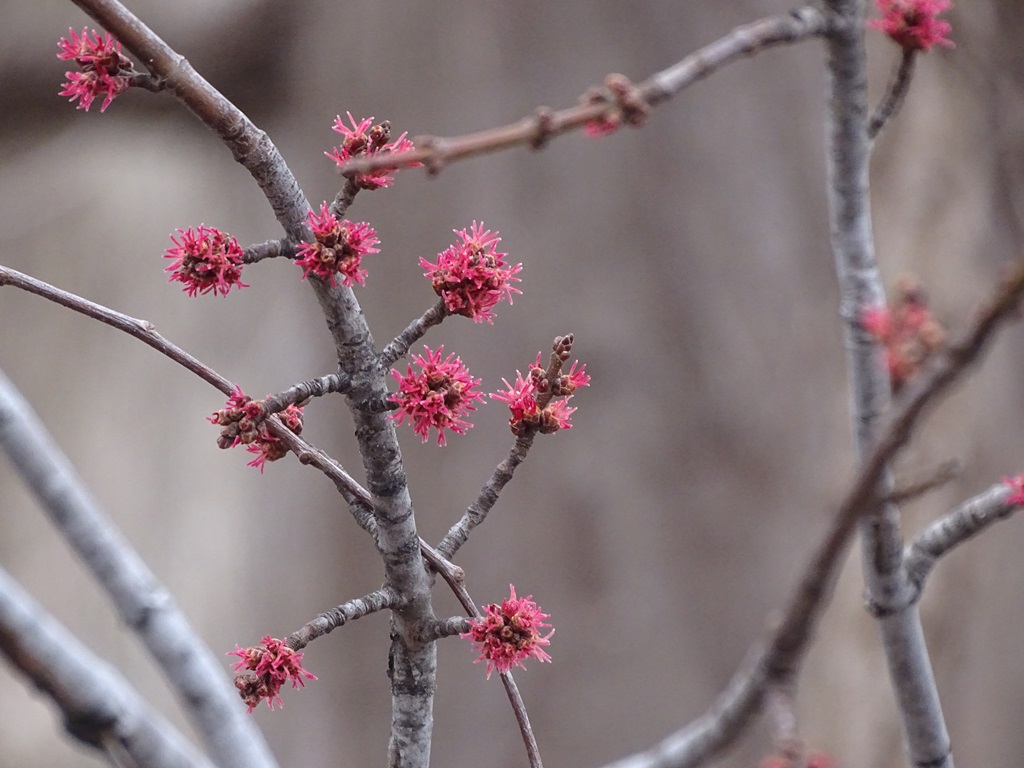
Every day presents fresh indications that spring is right around the corner, filling the heart with thankfulness and joy for every new blessing that appears. Unfortunately, winter isn’t quite ready to relinquish its reign just yet. We hope the little plants can hold on as winter makes another appearance and the cold temperatures return next week.
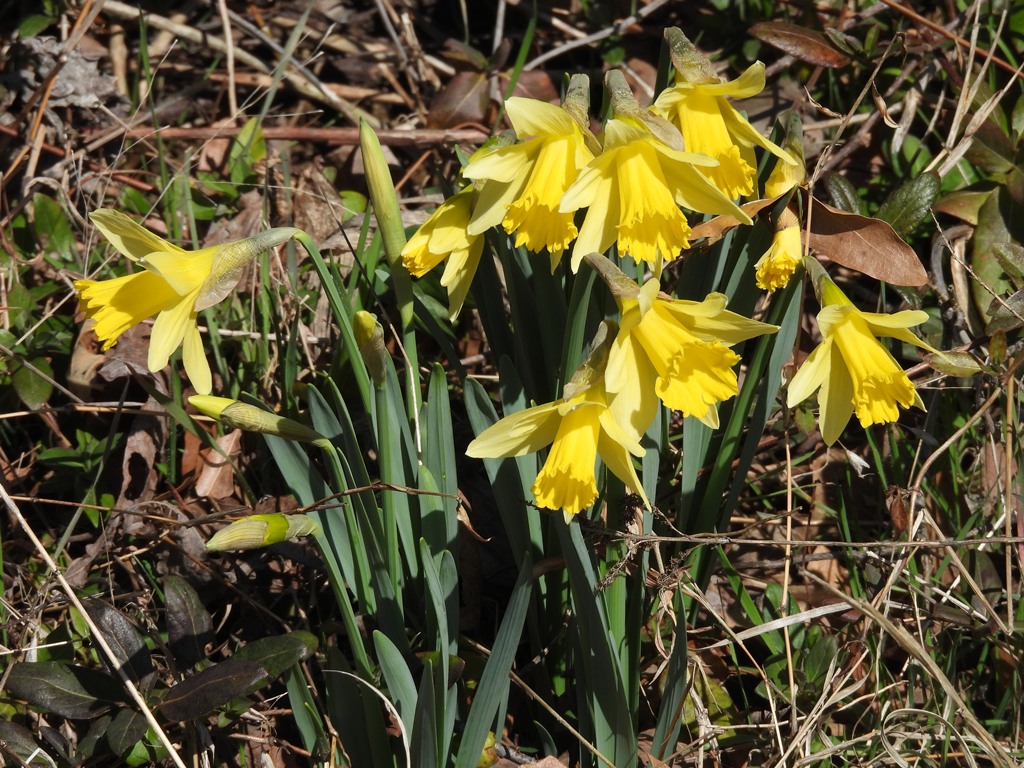


“And just like that … winter opened cold bleary eyes to the newborn colors of spring.” ~Angie Weiland-Crosby
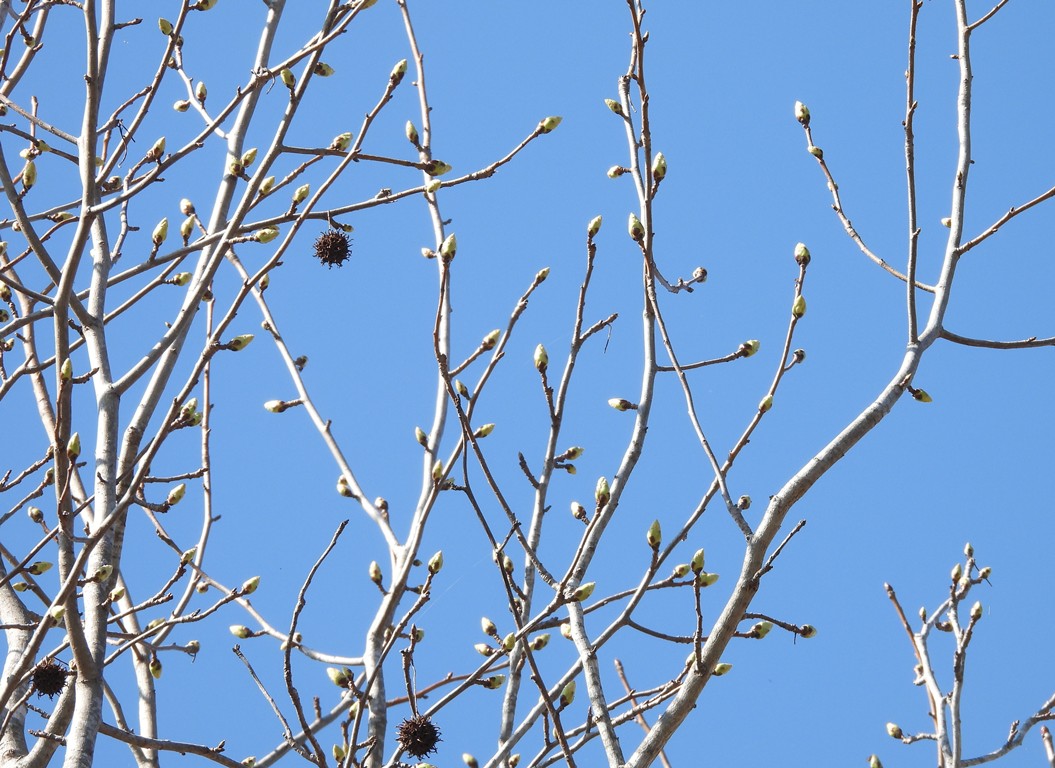


“Every gardener knows that under the cloak of winter lies a miracle.” ~Barbara Winkler

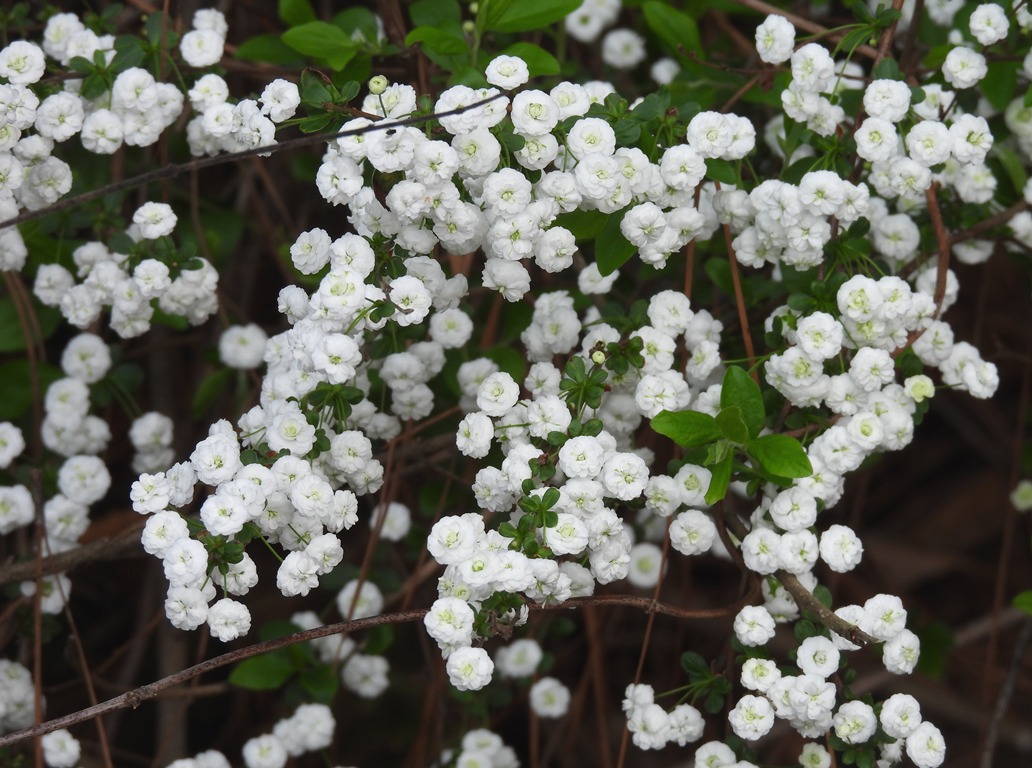

“The flowers of late winter and early spring occupy places in our hearts well out of proportion to their size.” ~Gertrude S. Wister


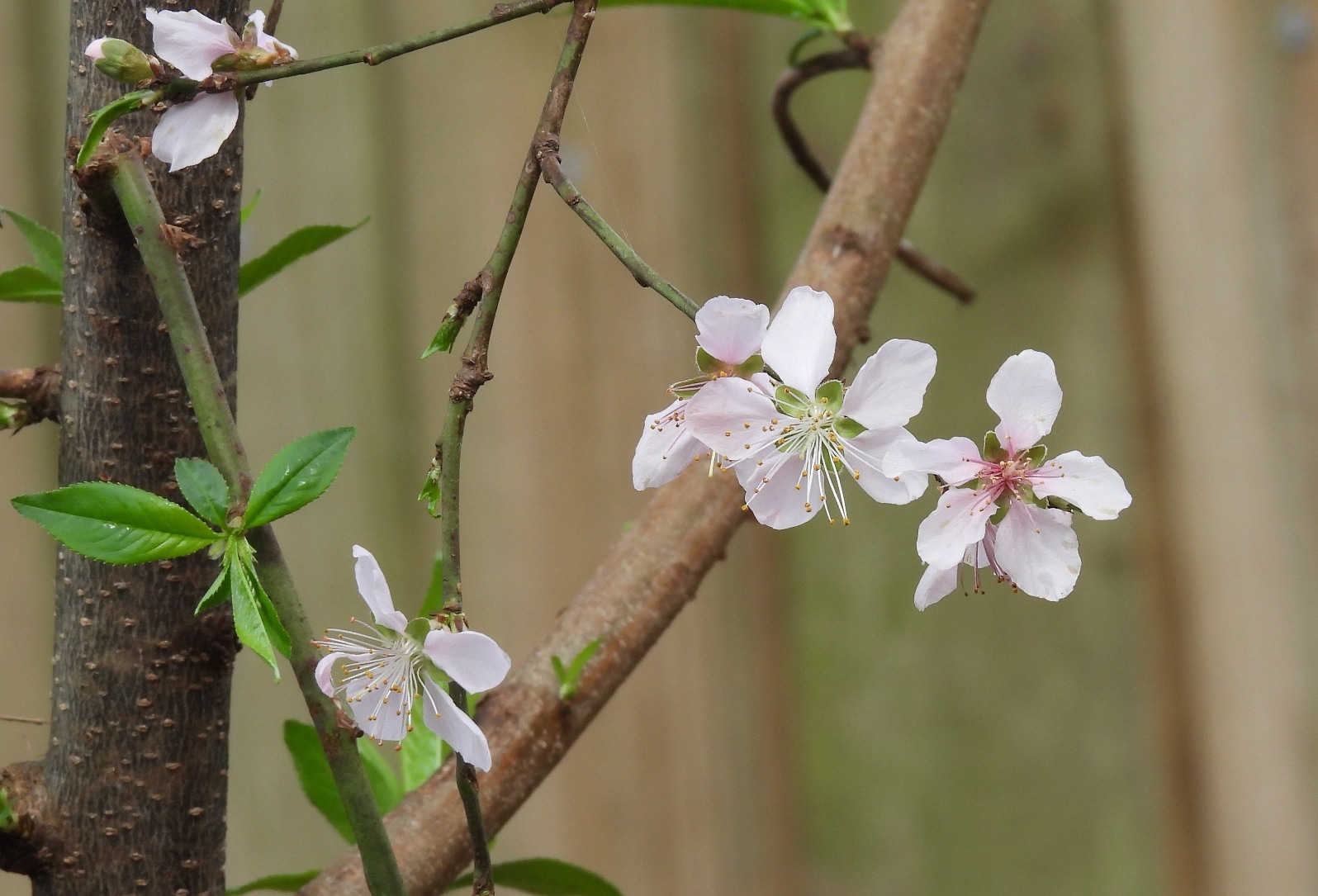
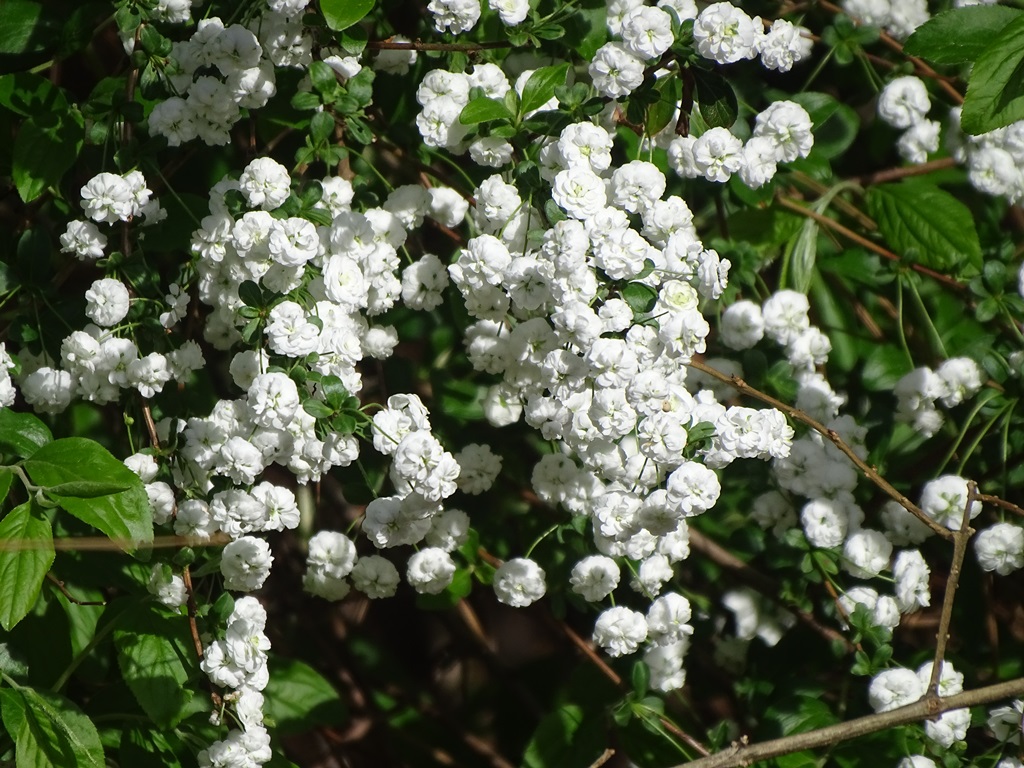
White Blossoms falling, falling from on high
Before the bitter Winter has gone past,
Can it perchance be that beyond the Sky
The Spring — the longed for Spring has come at last.
~Shotaro Kimura and Charlotte M. A. Peake














 walking on a country road