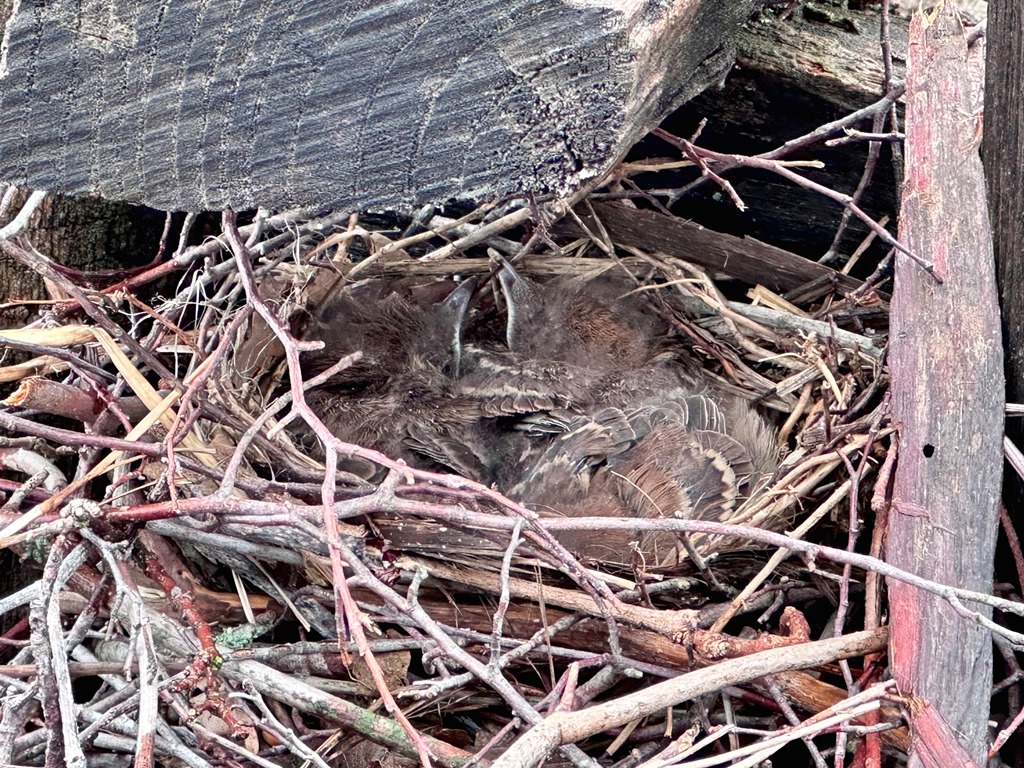
A devoted brown thrasher standing guard over a nest of babies which was tucked between the rails and posts of a split-rail fence.


“The battle, sir, is not to the strong alone; it is to the vigilant, the active, the brave.” ~Patrick Henry
A devoted brown thrasher standing guard over a nest of babies which was tucked between the rails and posts of a split-rail fence.
“The battle, sir, is not to the strong alone; it is to the vigilant, the active, the brave.” ~Patrick Henry
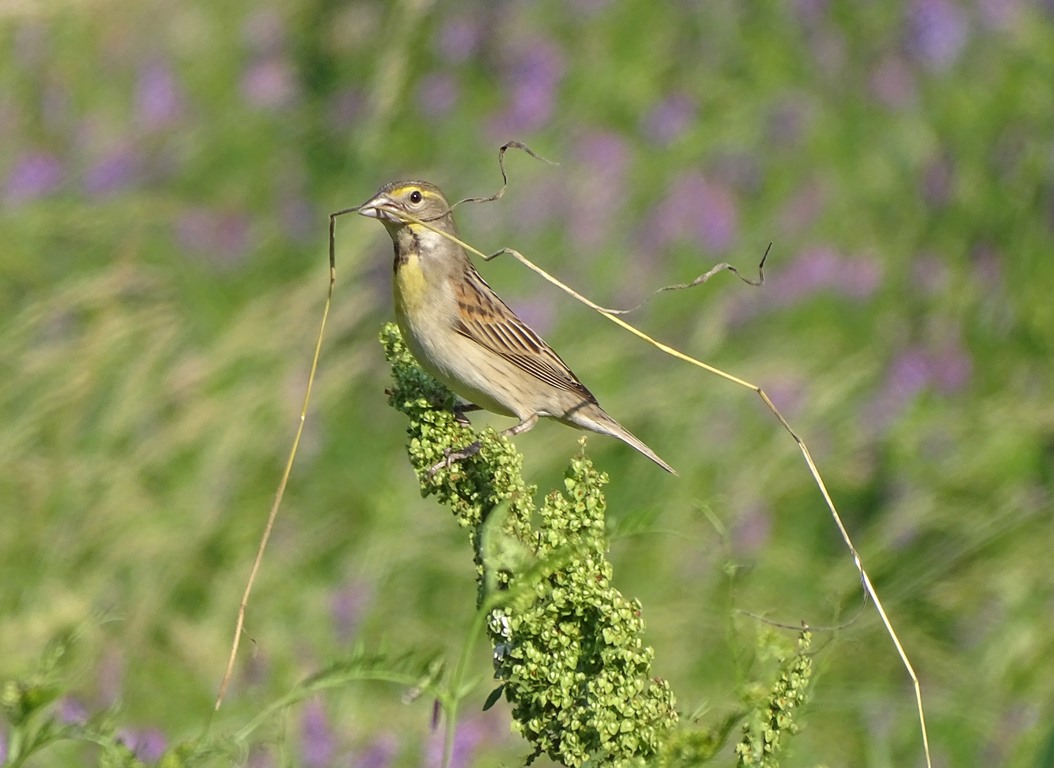
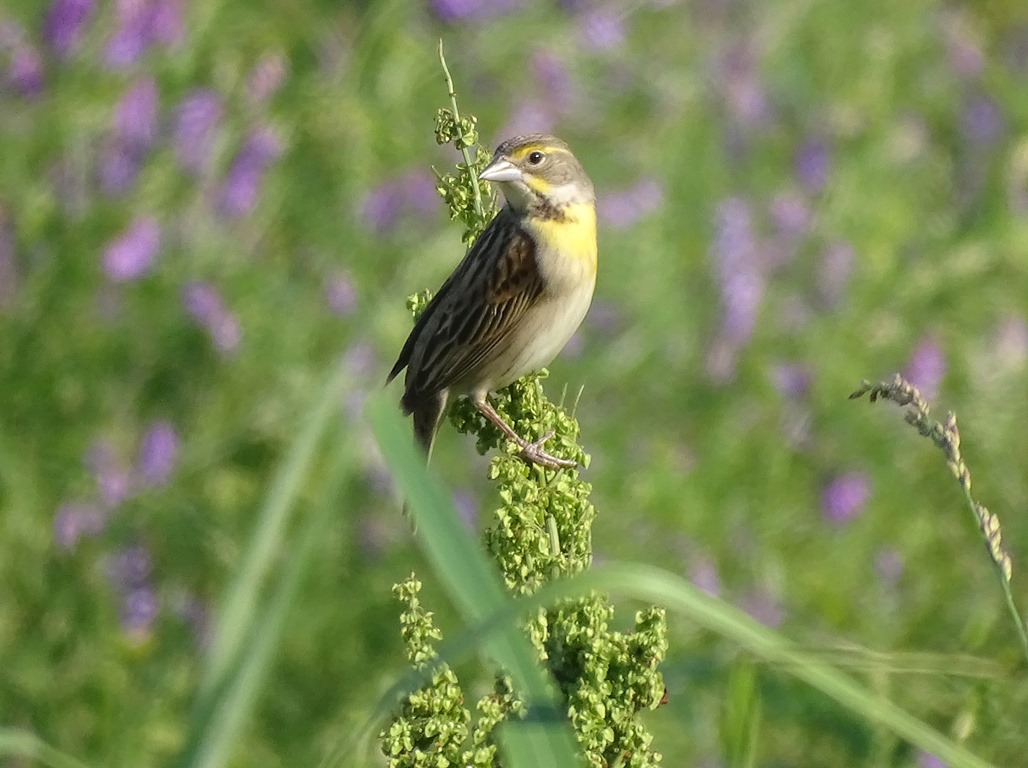
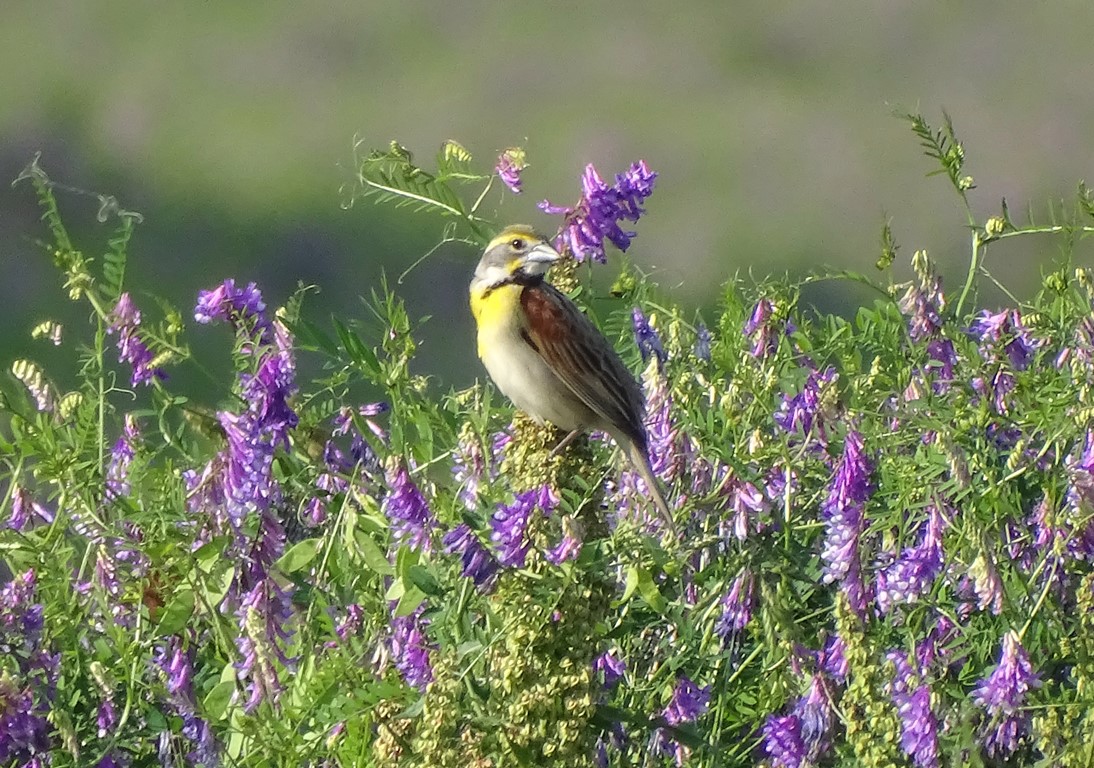
As you drive along the levee in the late spring, you can hear them calling to one another from among the dense, tall vegetation that grows along the embankment. Finally, you spot one perched on top of a plant stalk that’s swaying in the wind. He throws out his chest, tilts his head back and bellows a loud, sharp song. The dickcissels have once again arrived to nest and raise their young.

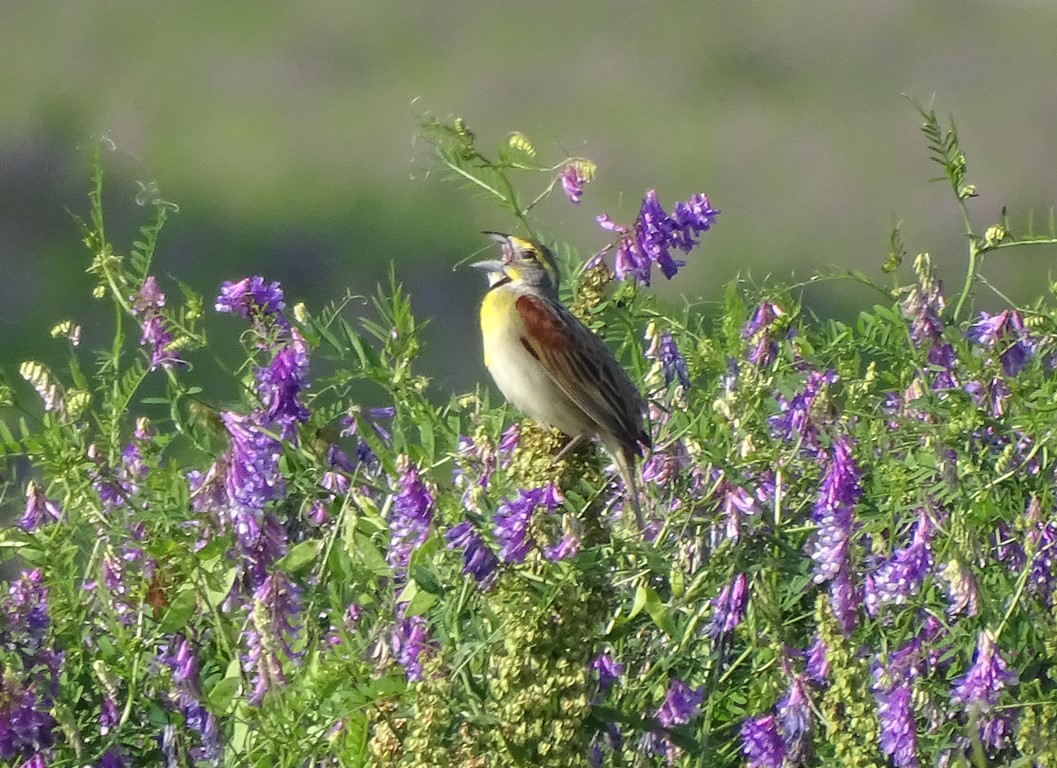
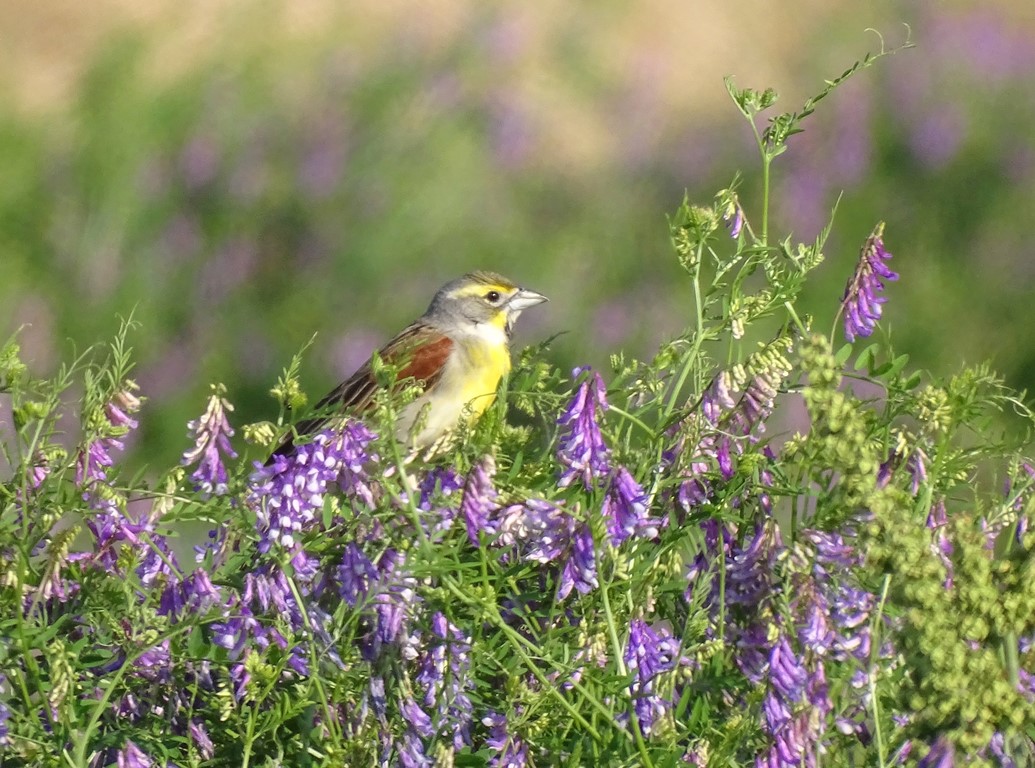

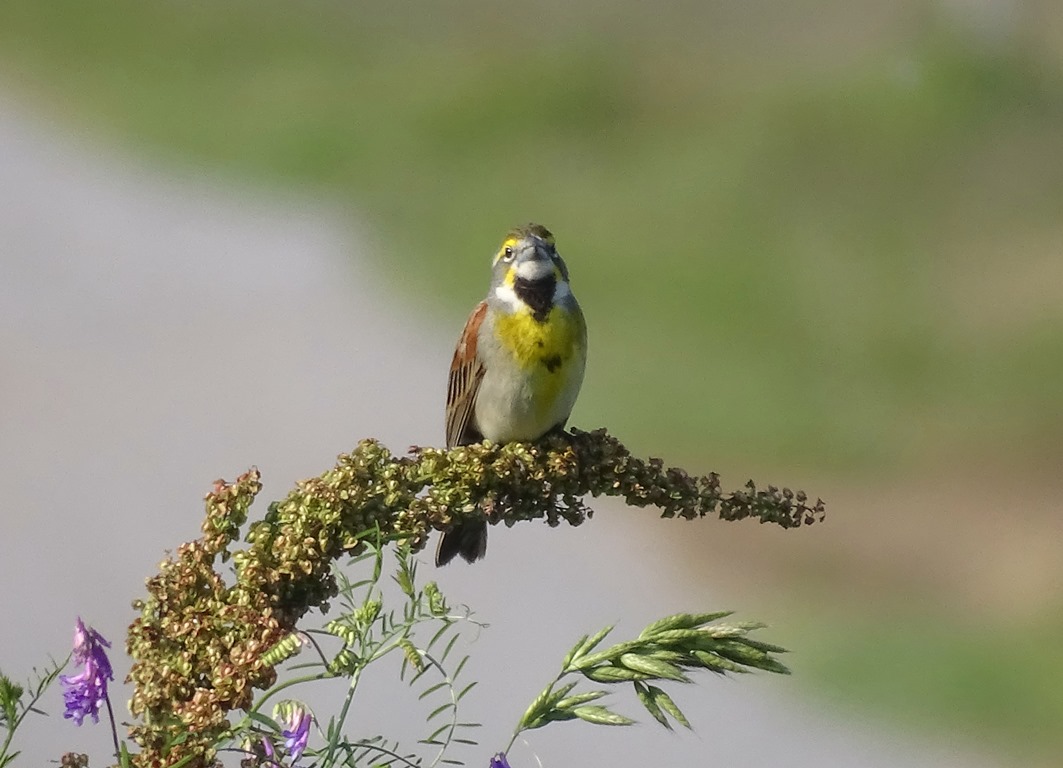


“In spring birds return from their tropical vacation. Six months later they regret their decision and go back.” ~Unknown
The area around Reelfoot Lake was once again busy with a variety of birds, some of which were passing through during spring migration.
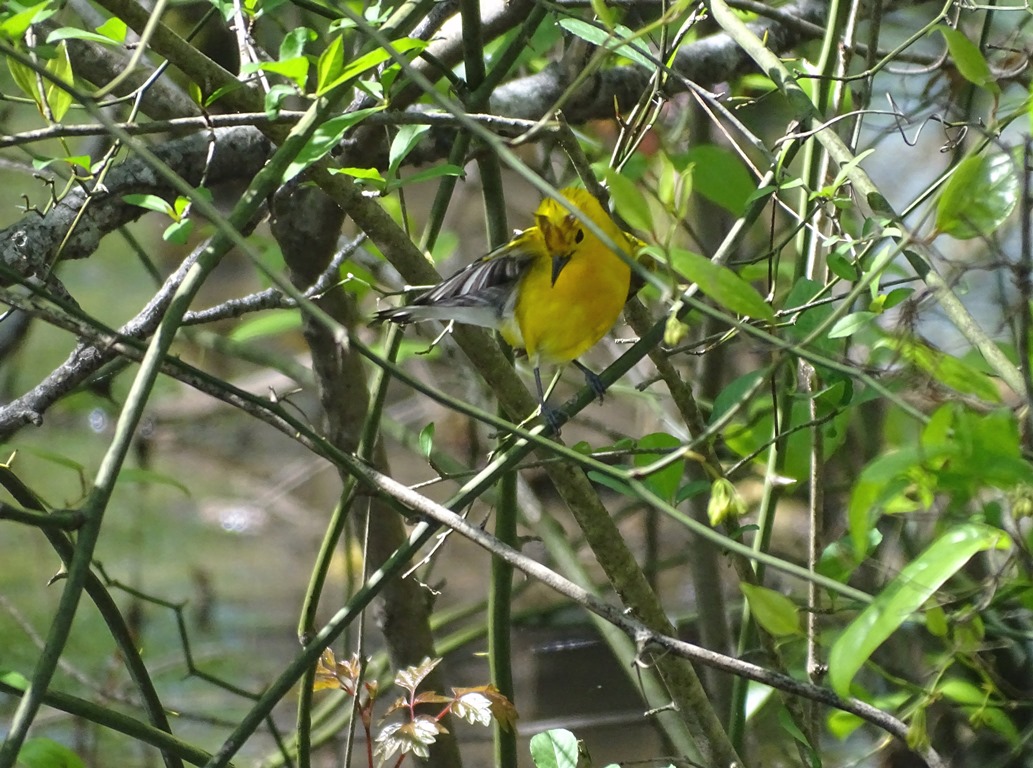
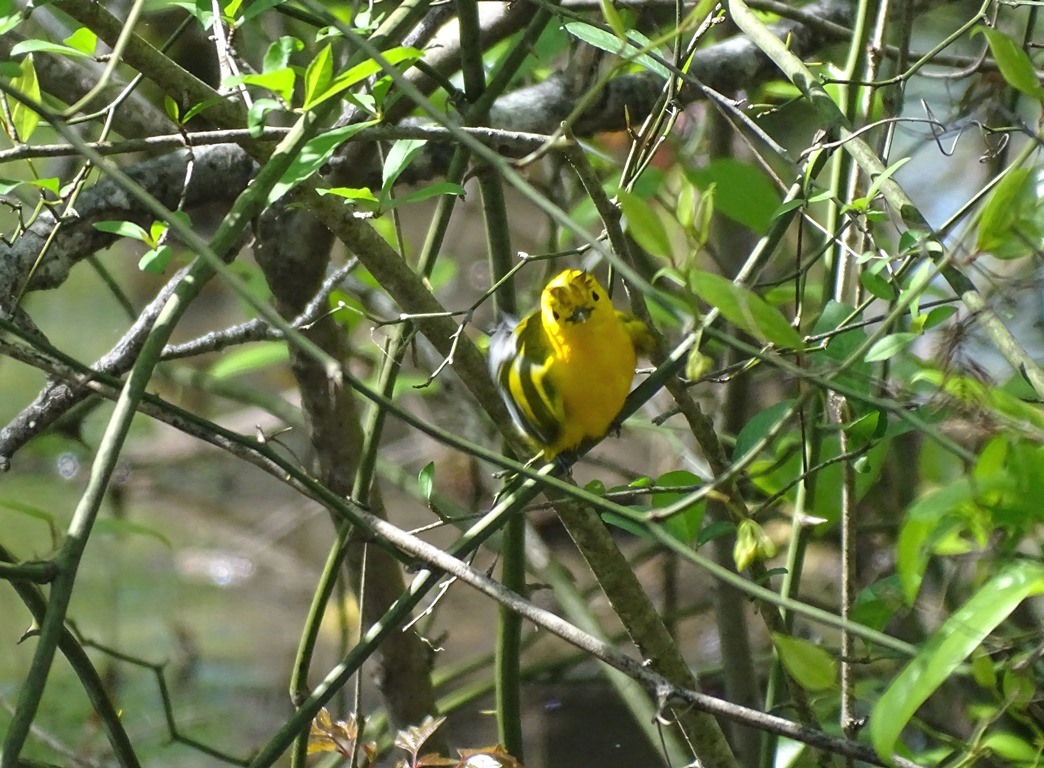
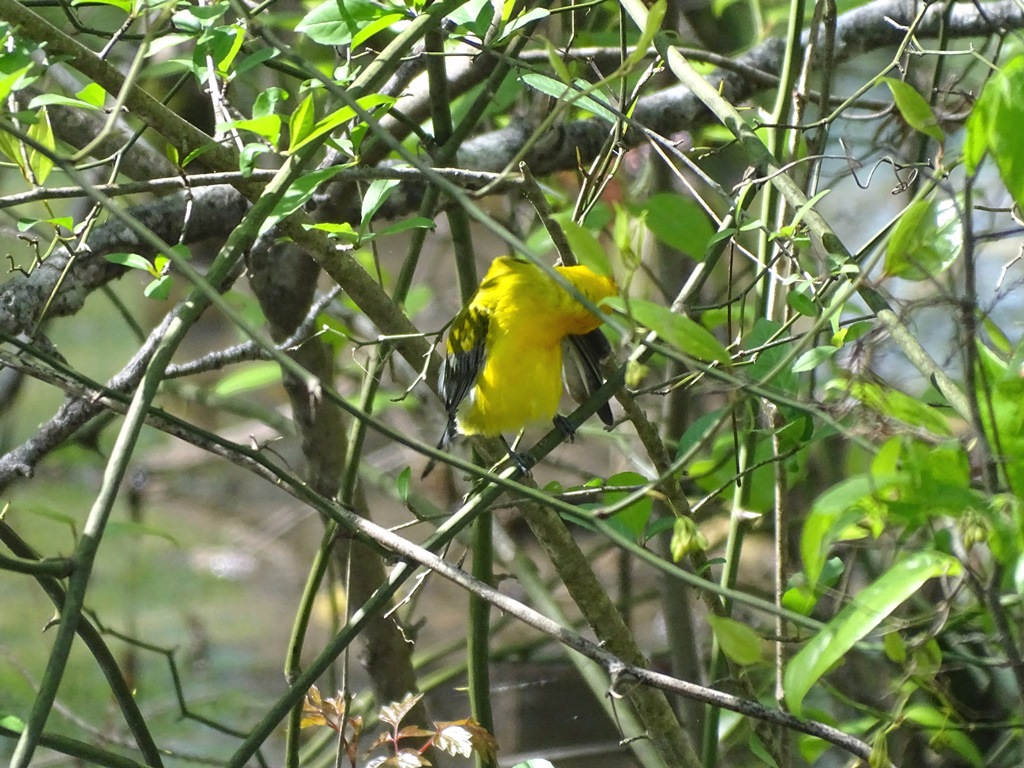
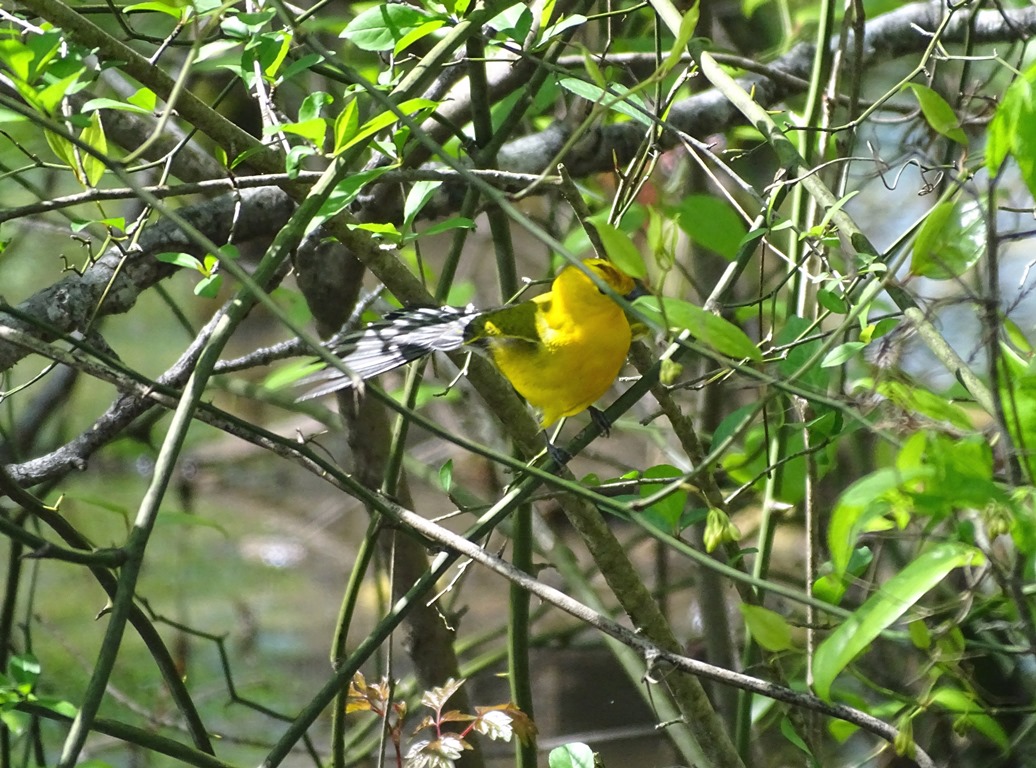
One of my favorites to look for each year is the Prothonotary Warbler with its bright yellow plumage. I spotted this one in a wooded area, busily preening its feathers.


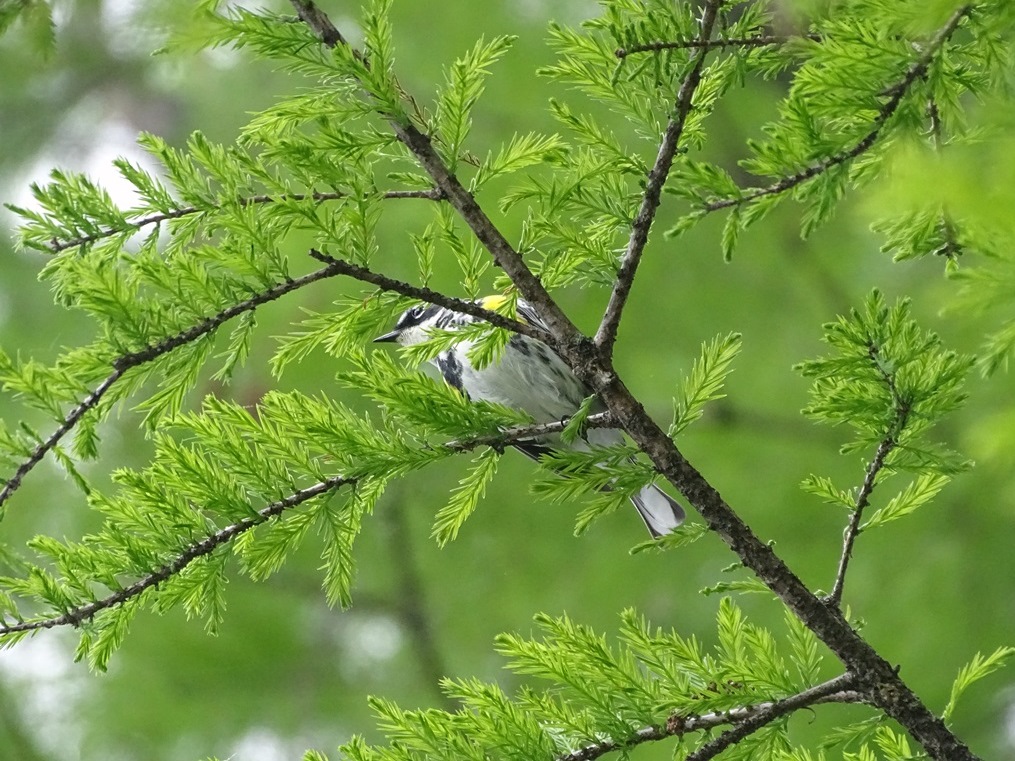
Flitting about in the top of the Cypress trees were the Yellow-rumped warblers flashing their beautiful yellow patches …
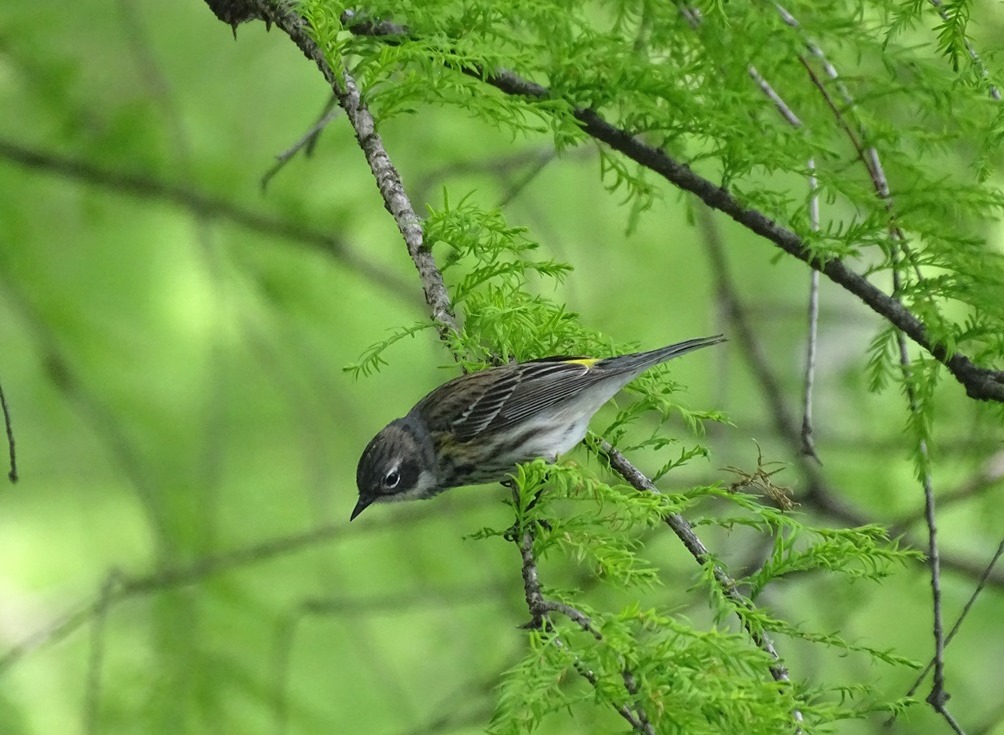

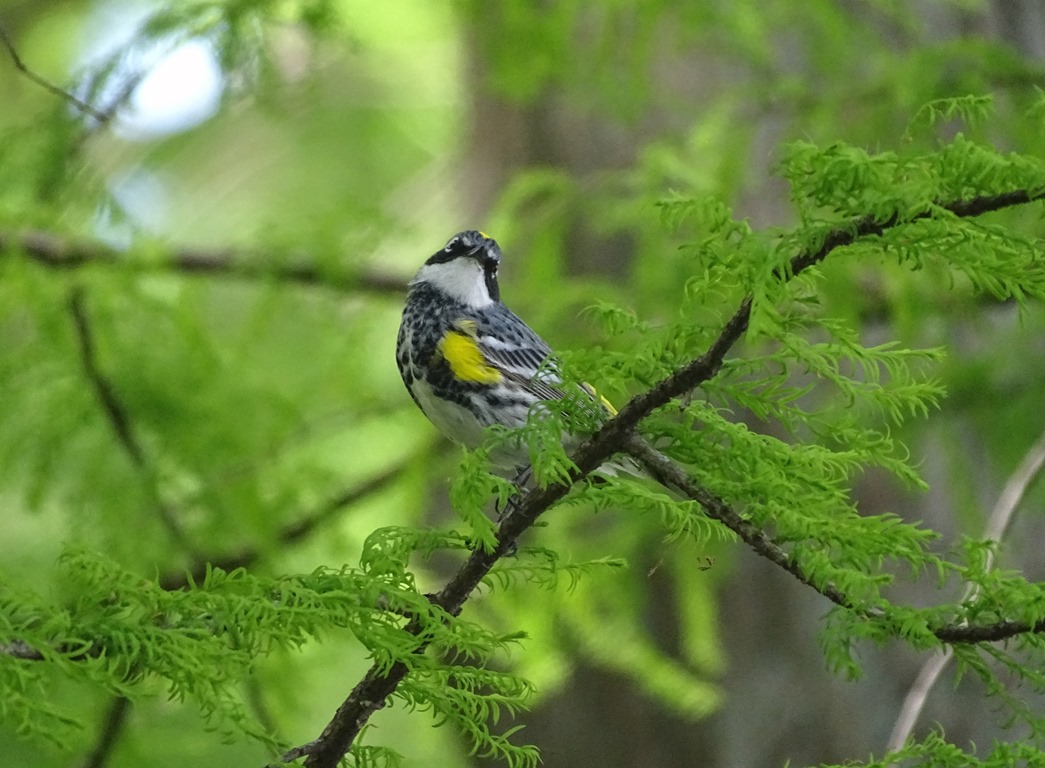
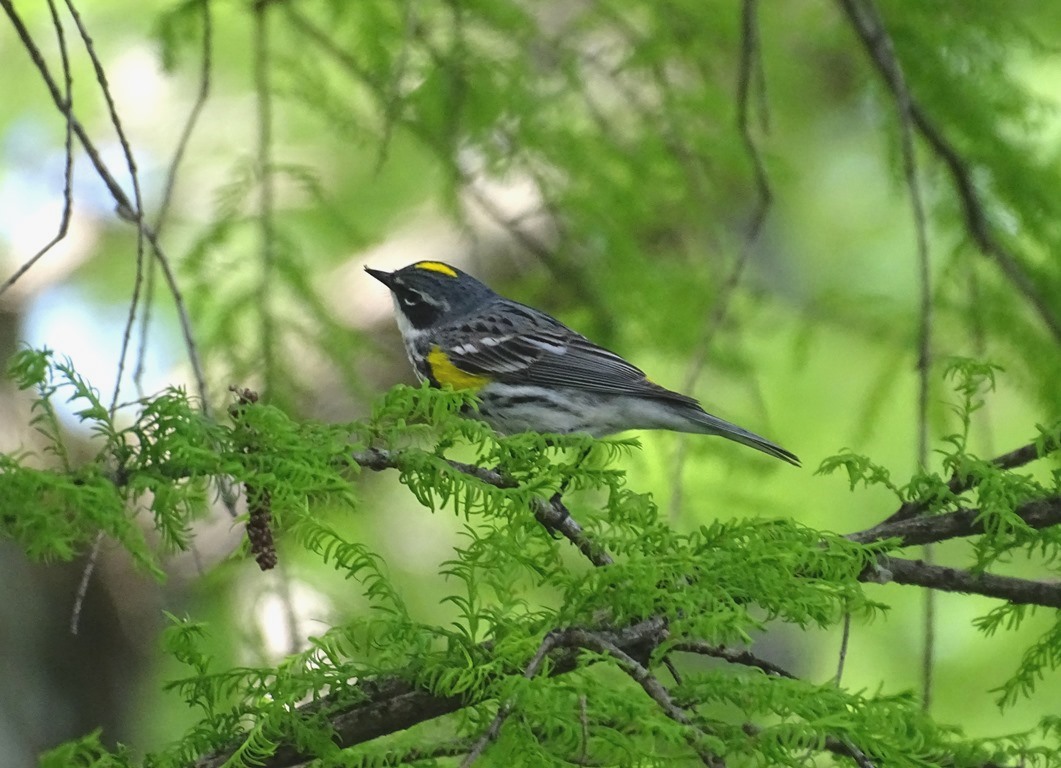
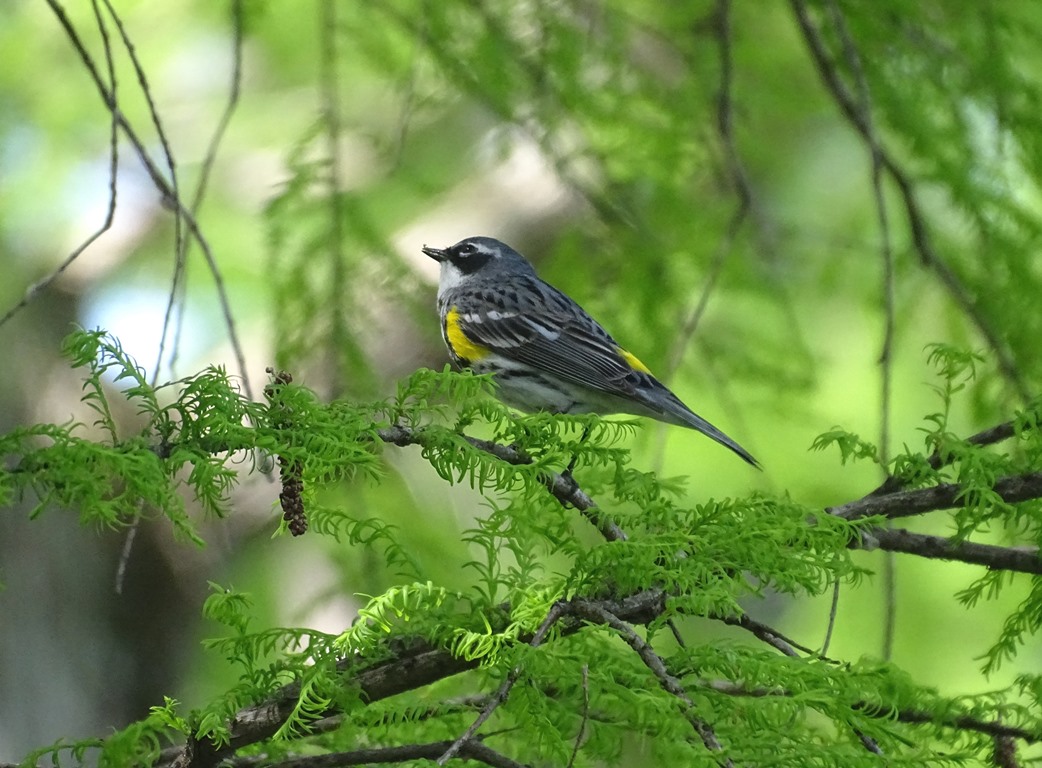
and the larger gray and white Eastern Kingbird on the lookout for flying insects.


Down closer to the water we spotted a shy thrush sitting on a cypress knee …

and a male and female Red-winged blackbird, catching insects and guarding nests among the swampy vegetation.
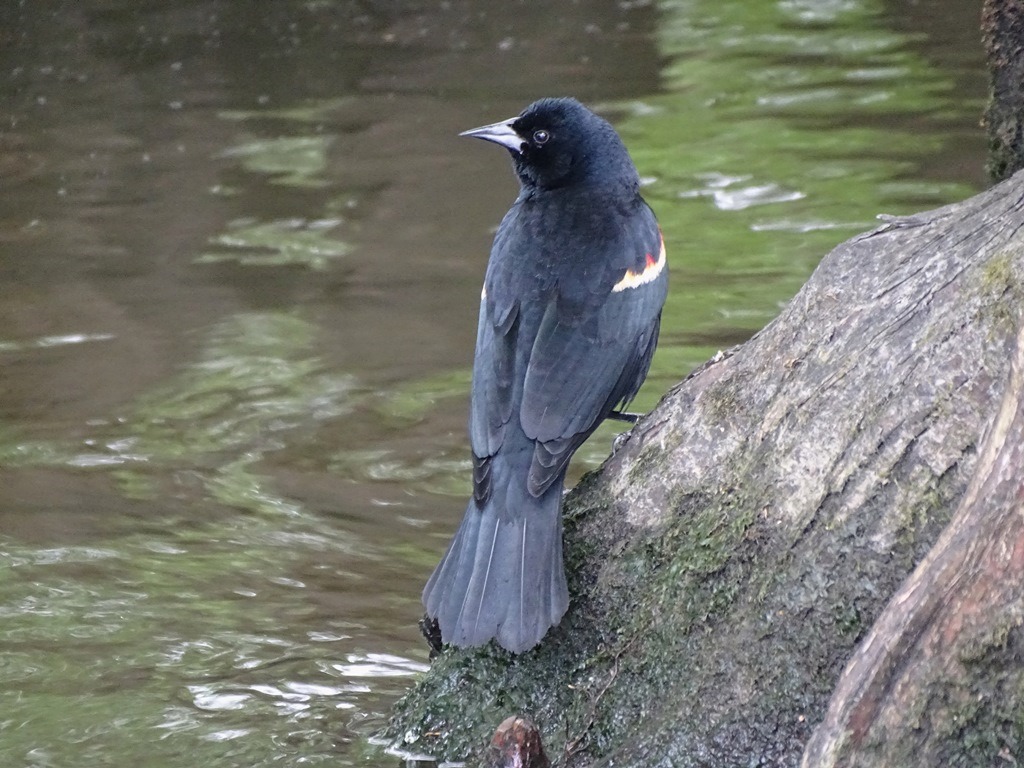
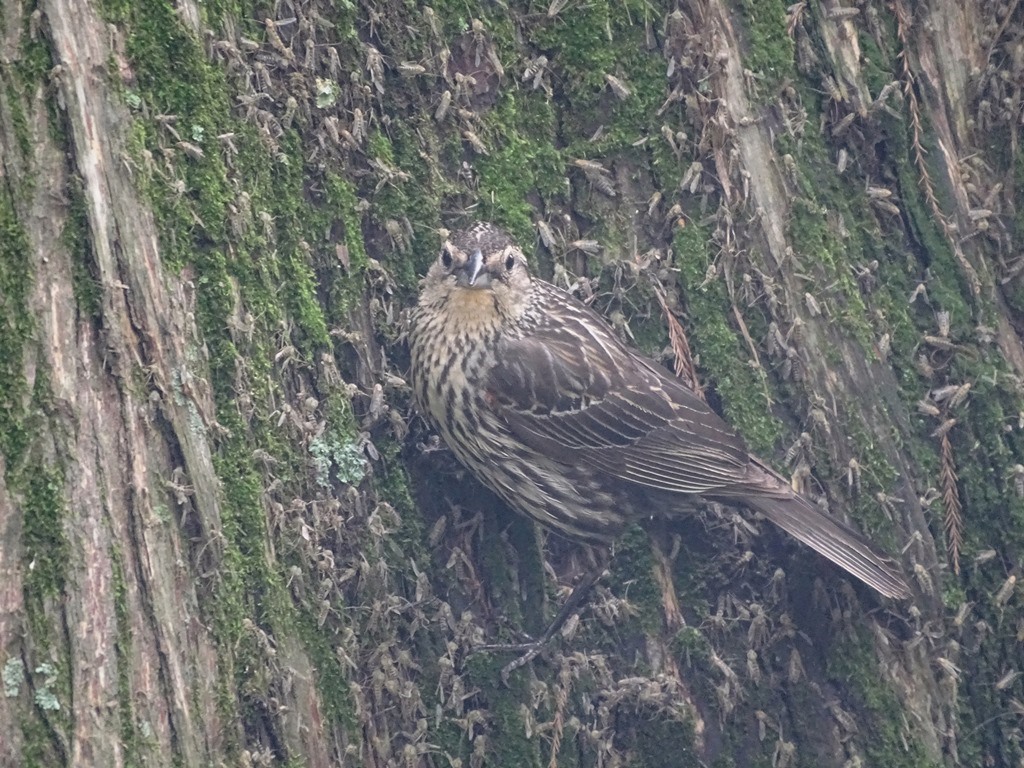
“In a world where thrushes sing and willow trees are golden in the spring, boredom should have been included among the seven deadly sins.” ~Elizabeth Goudge
It is common for the Rose-breasted Grosbeak to migrate through our area in the spring. I heard reports of them being here in late April, but only spotted them in my yard this past week. The male, with his bright red patch, was the first to make an appearance, followed shortly by the brown and white female. Seeing these birds is one of the highlights of my spring.
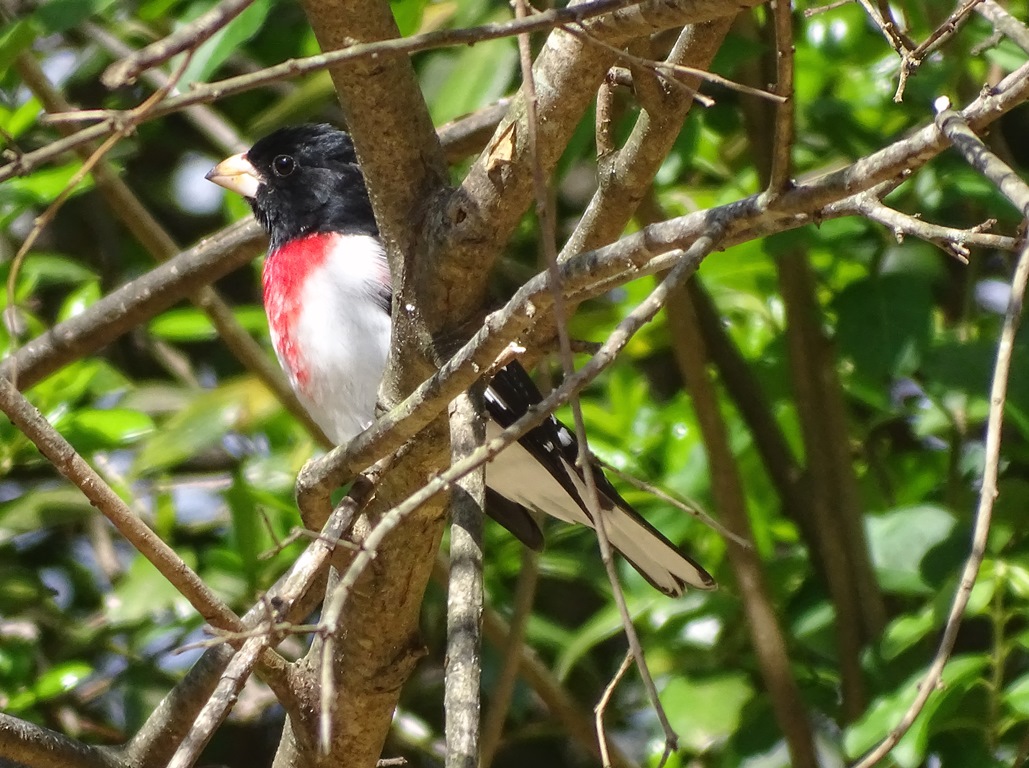


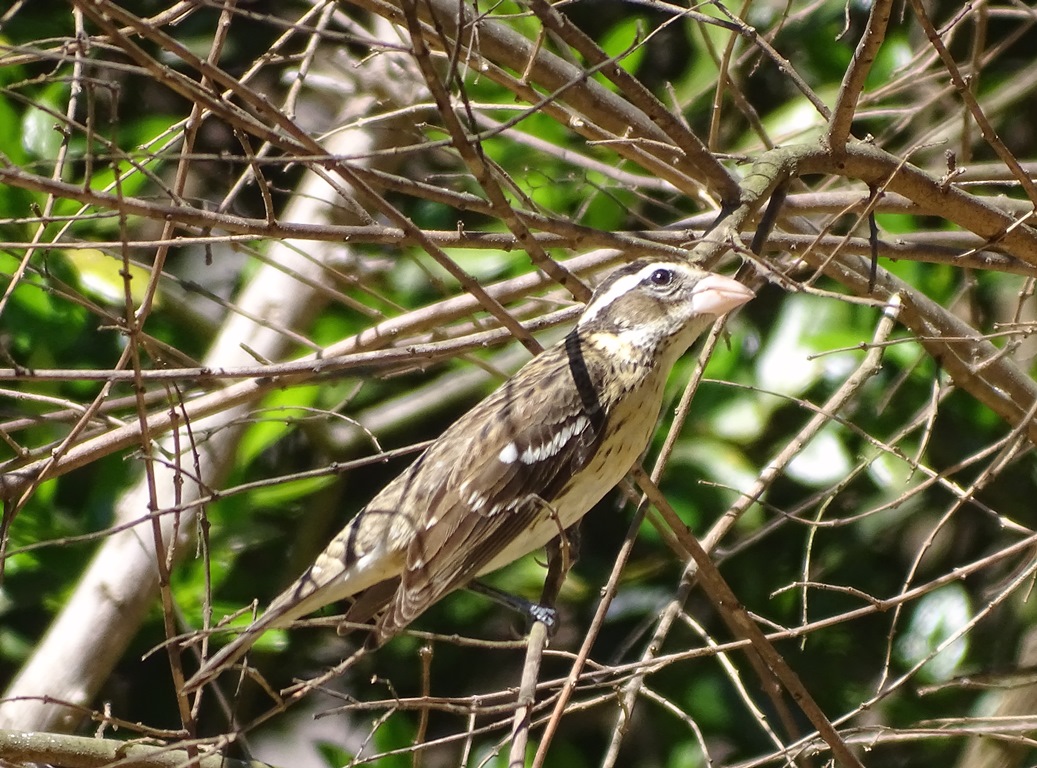
“Last week, when I went early into my garden, a rose-breasted grosbeak was sitting on the fence. Oh, he was beautiful as a flower. I hardly dared to breathe, I did not stir, and we gazed at each other fully five minutes before he concluded to move.” ~Celia Thaxter
There’s a certain beauty about nature in silhouette. A silhouette leaves room for the imagination and seems to create a mood and story of its own.


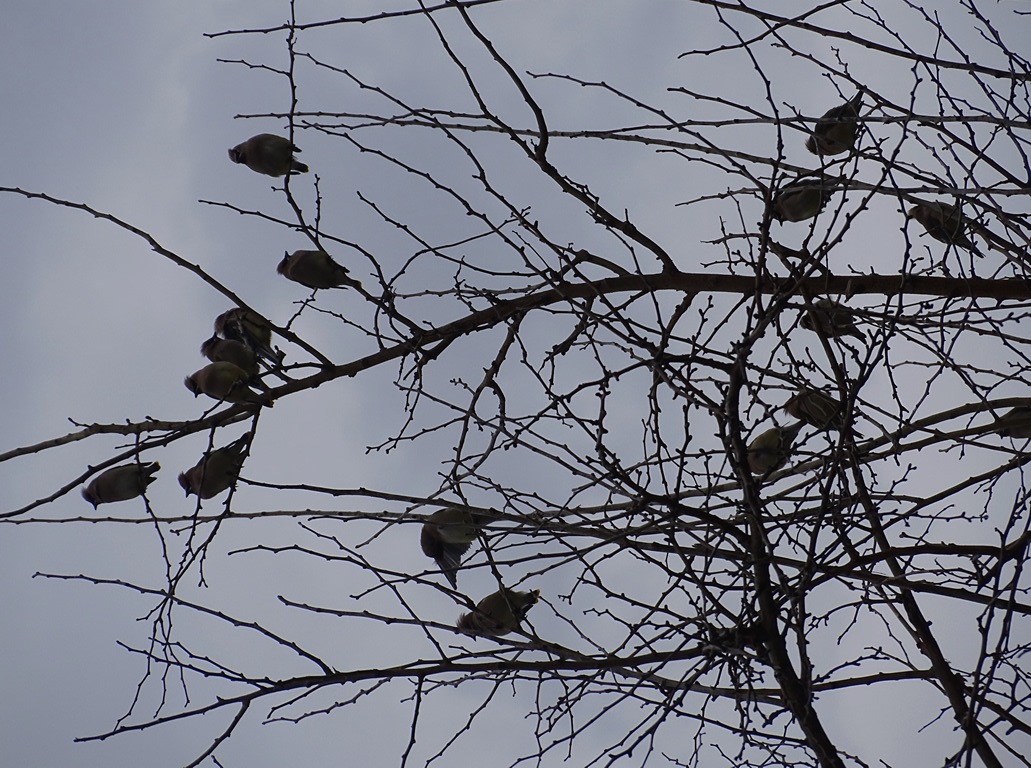


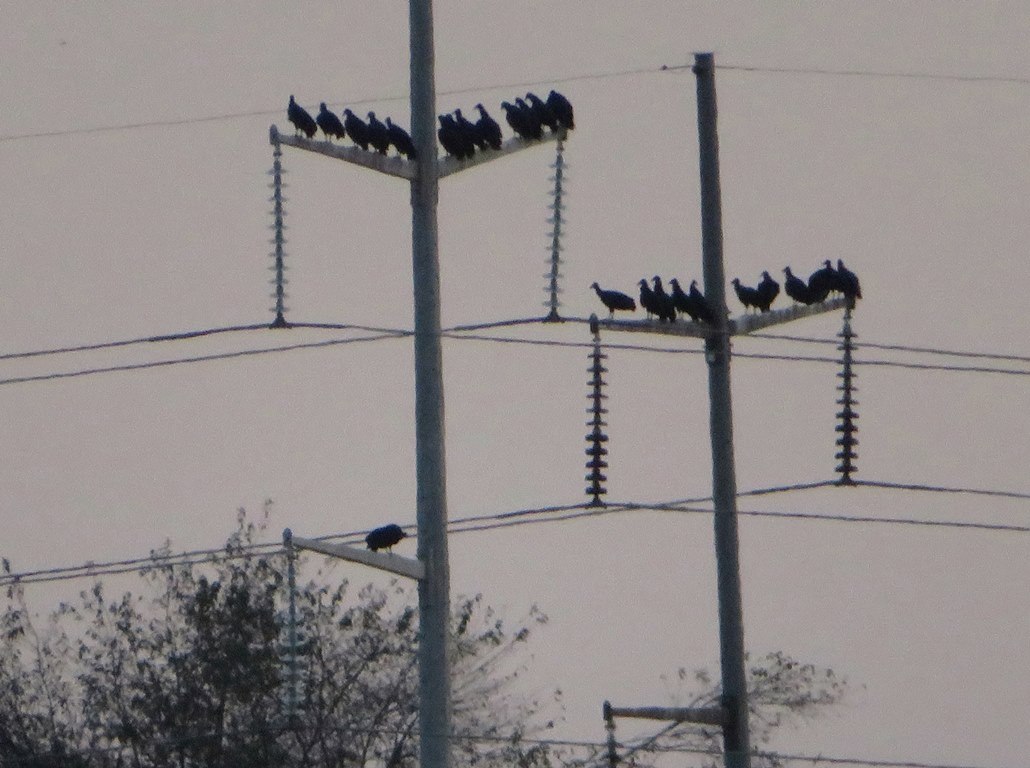
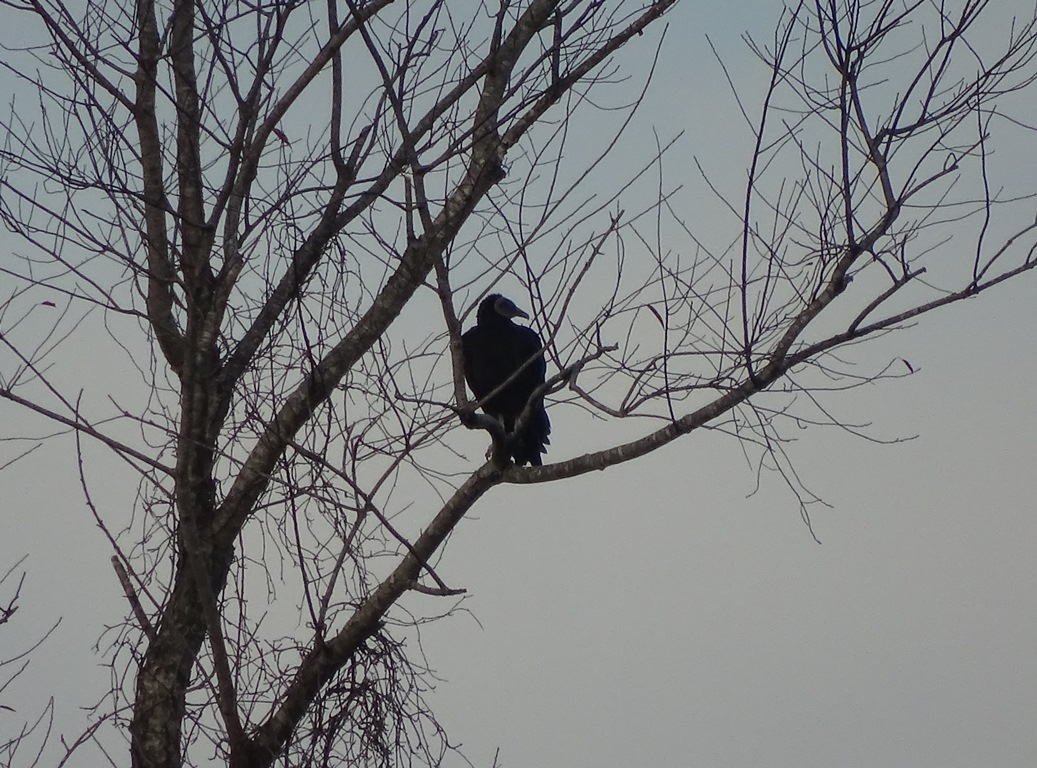
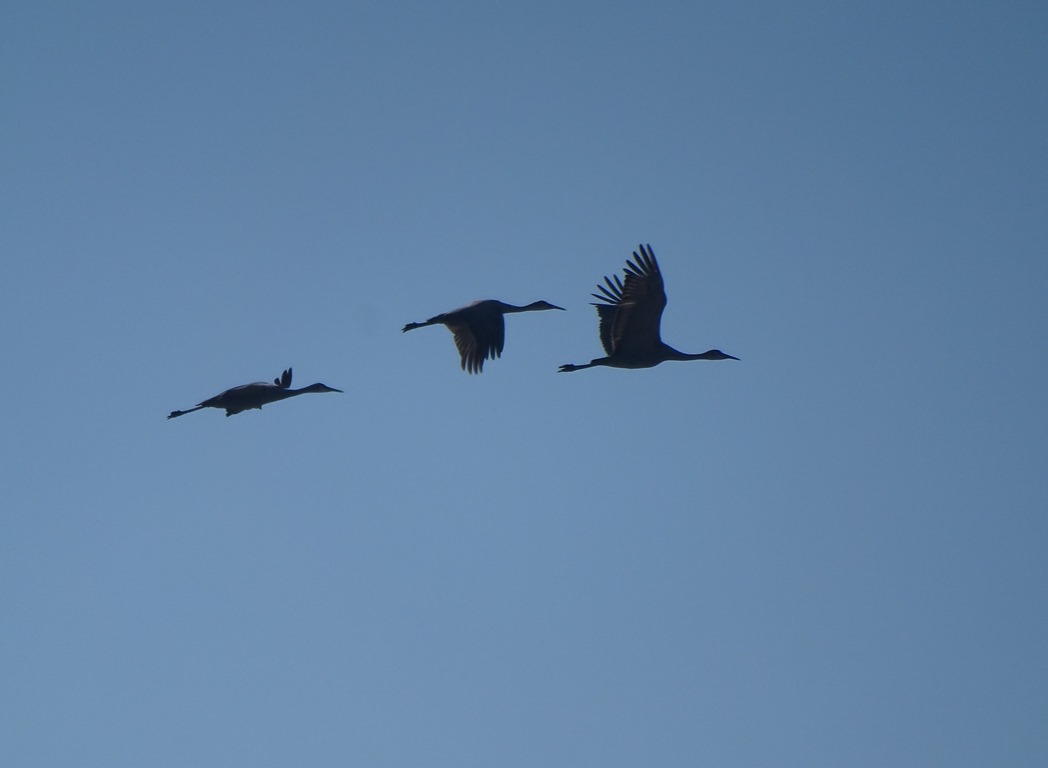
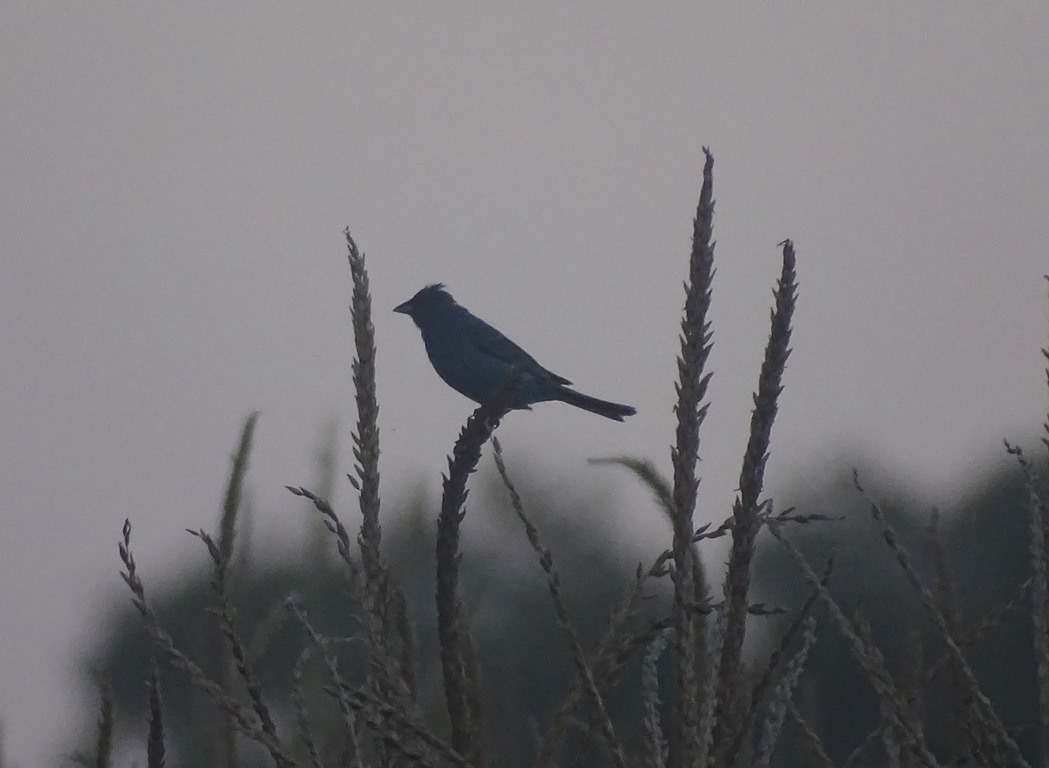


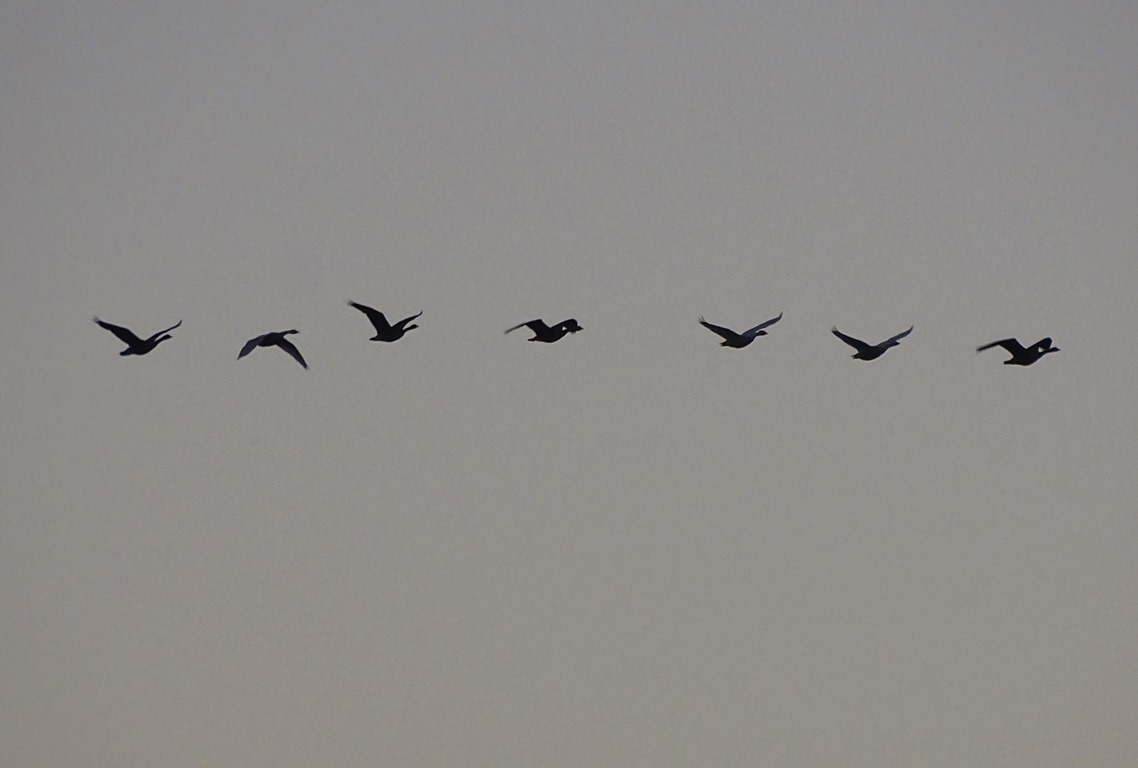

“My imagination has always been inspired by nature’s vision.” ~Gregory Colbert
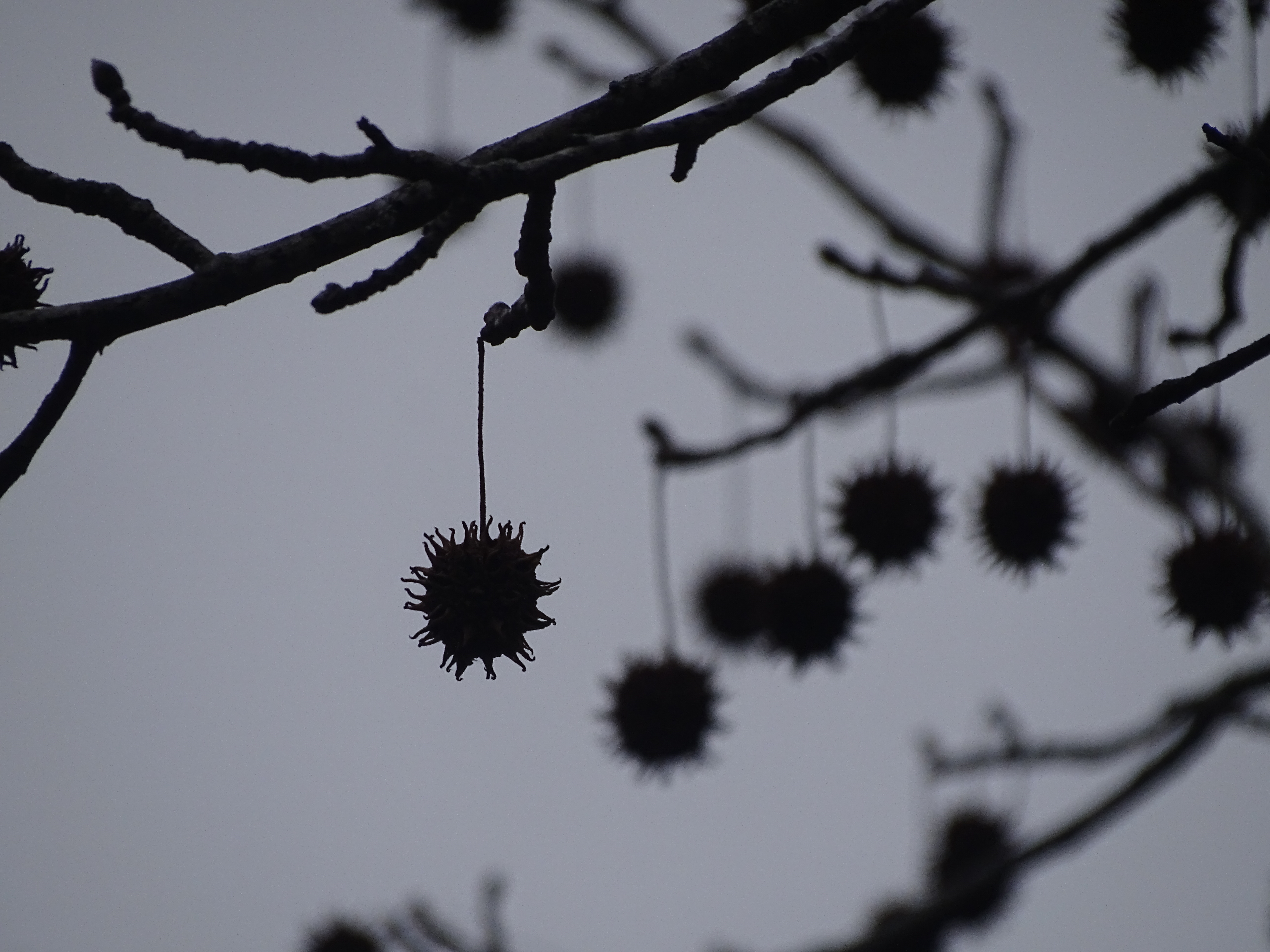

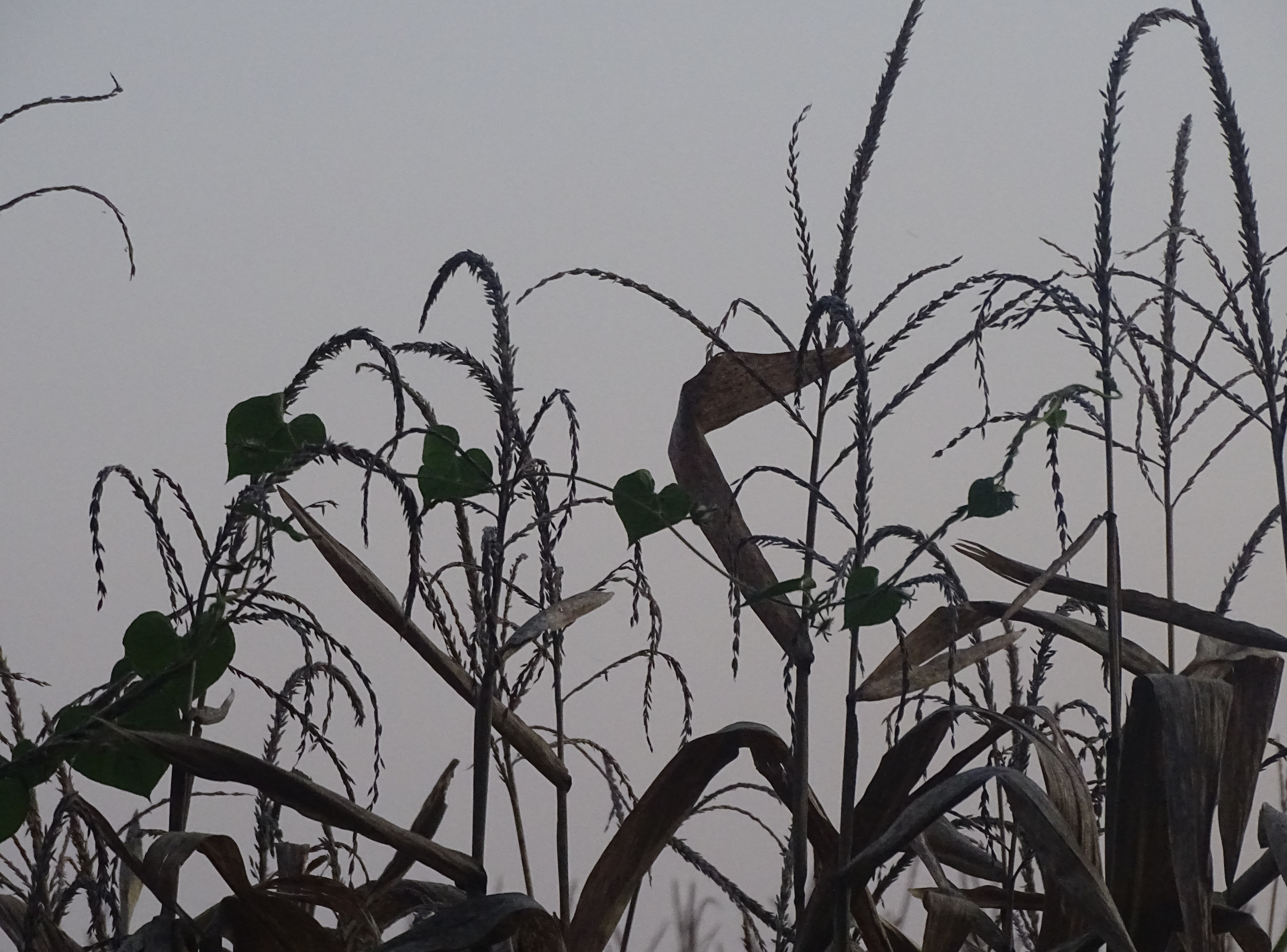


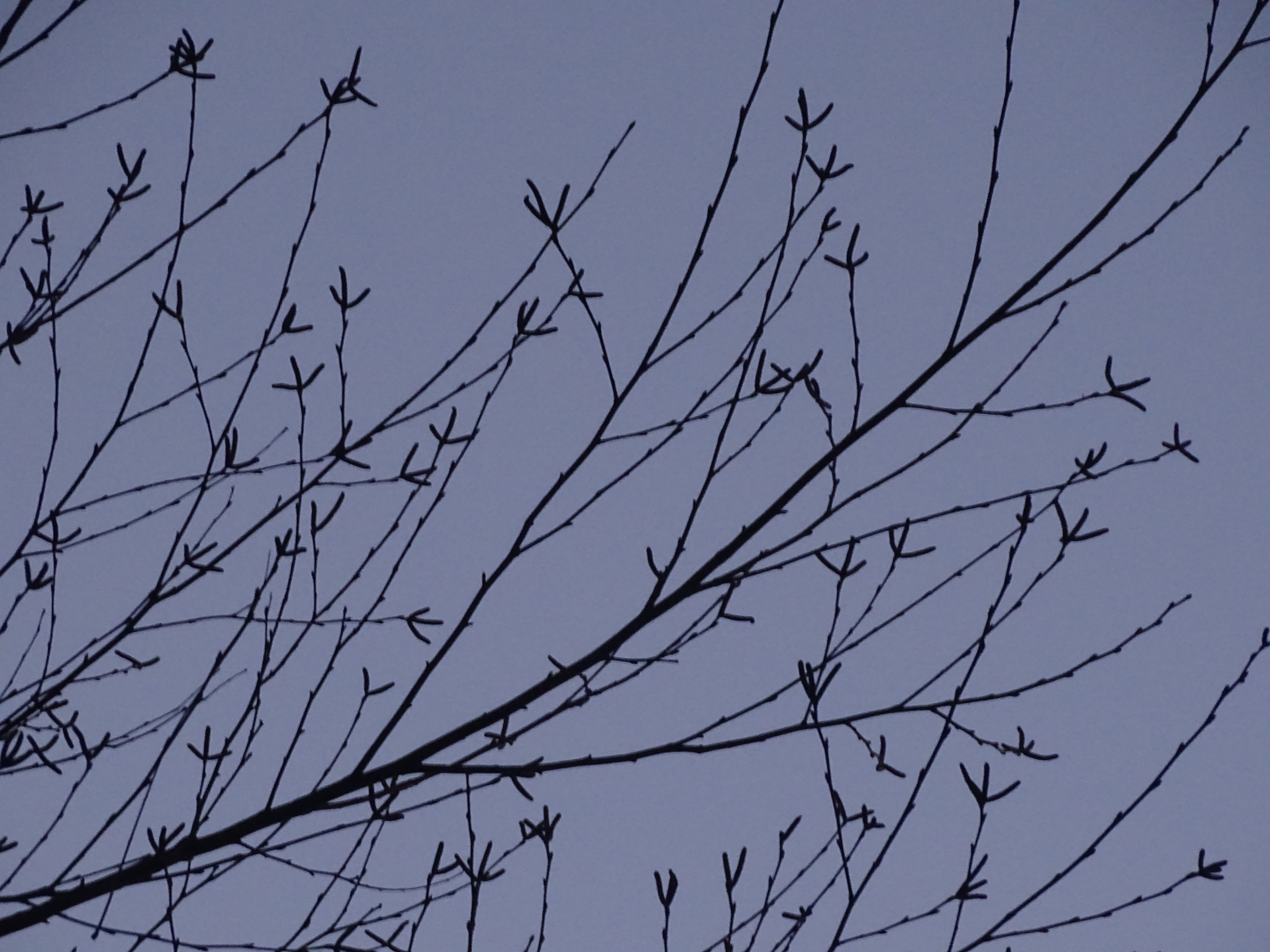
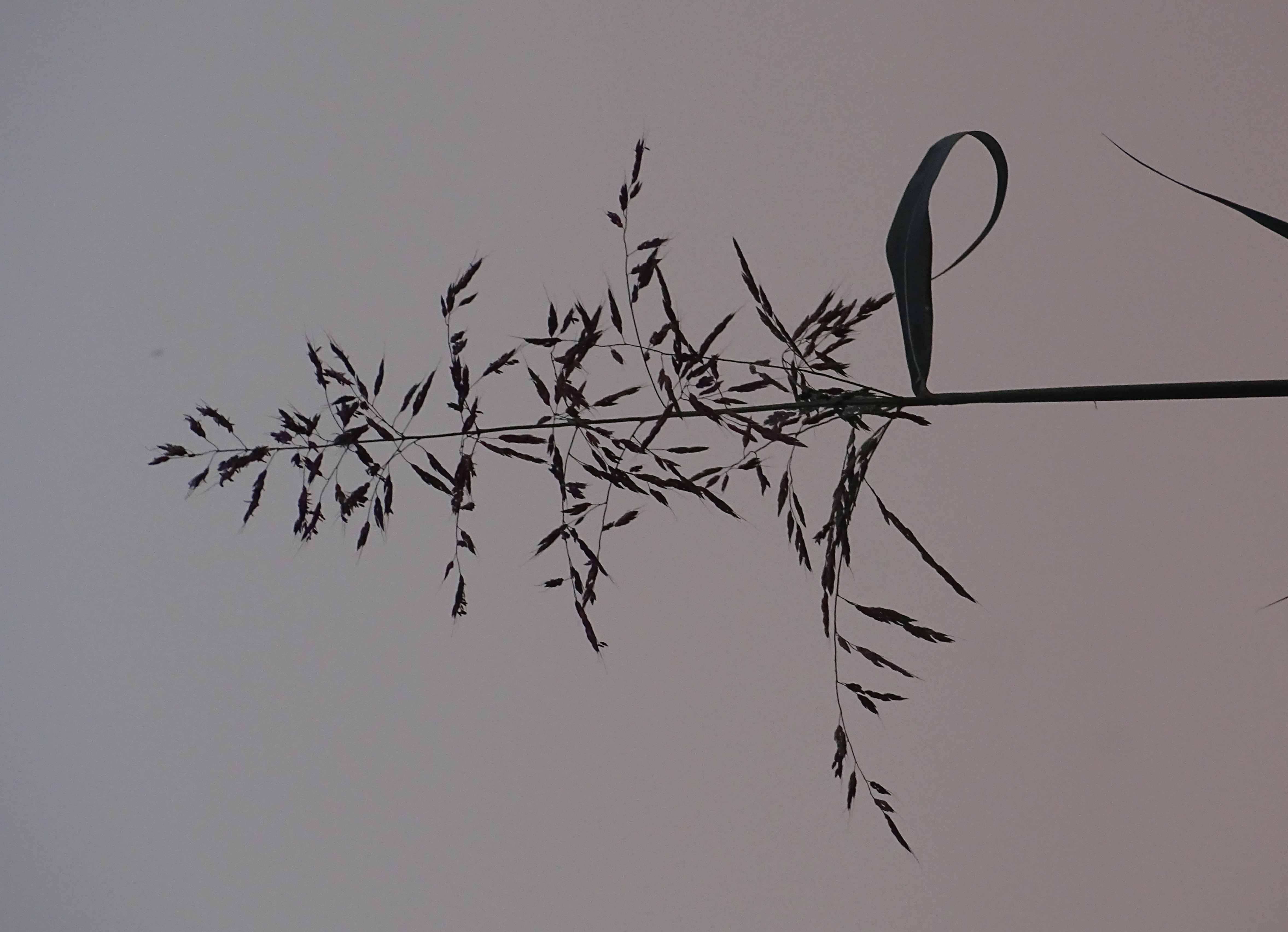
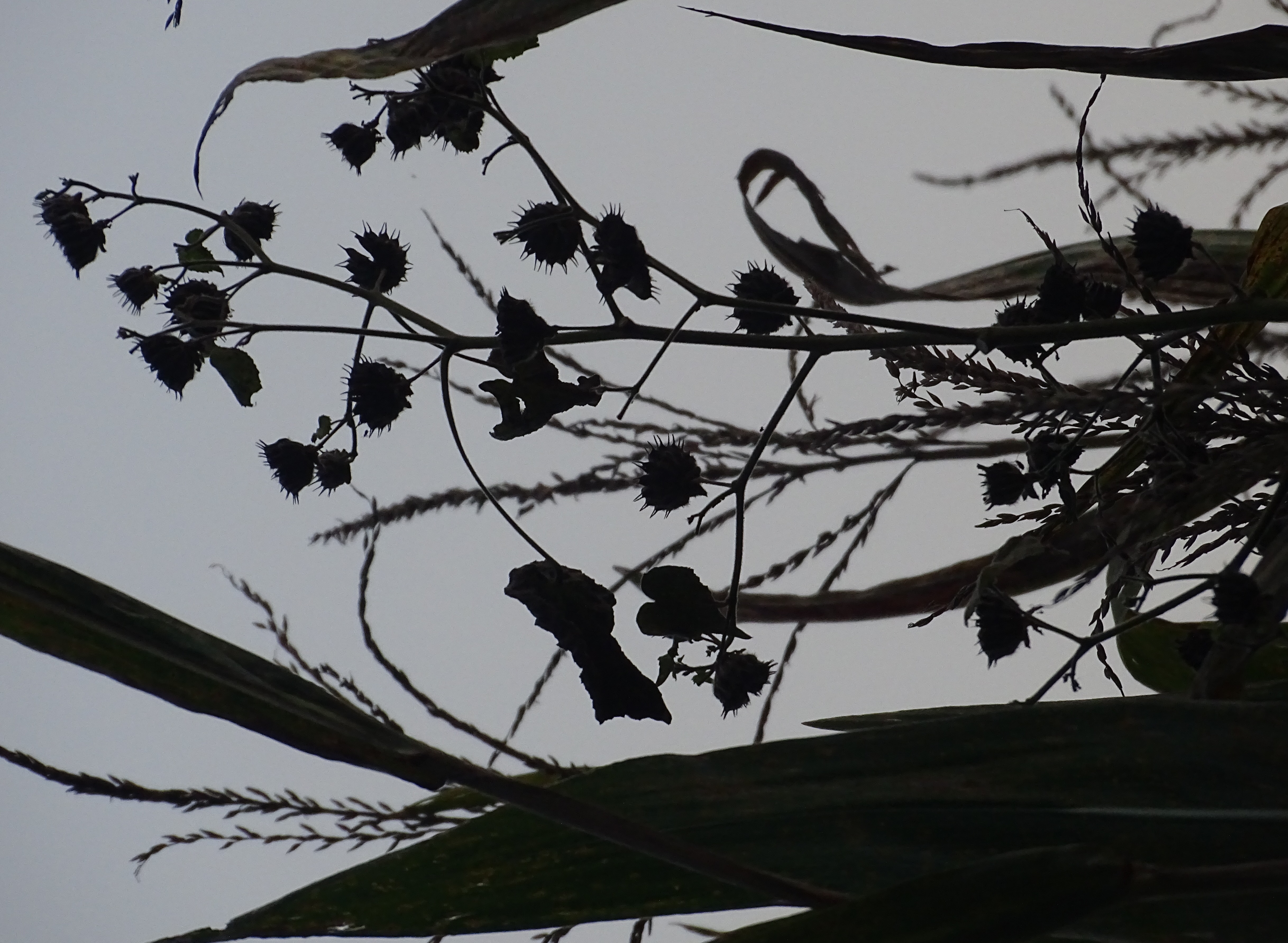
“When you are describing,
A shape, or sound, or tint;
Don’t state the matter plainly,
But put it in a hint;
And learn to look at all things,
With a sort of mental squint.”
~Lewis Carroll
Each spring these slender shorebirds return to flooded farm fields around the lake and levee to forage. It is interesting to watch as they dart about plucking invertebrates from the shallow water.
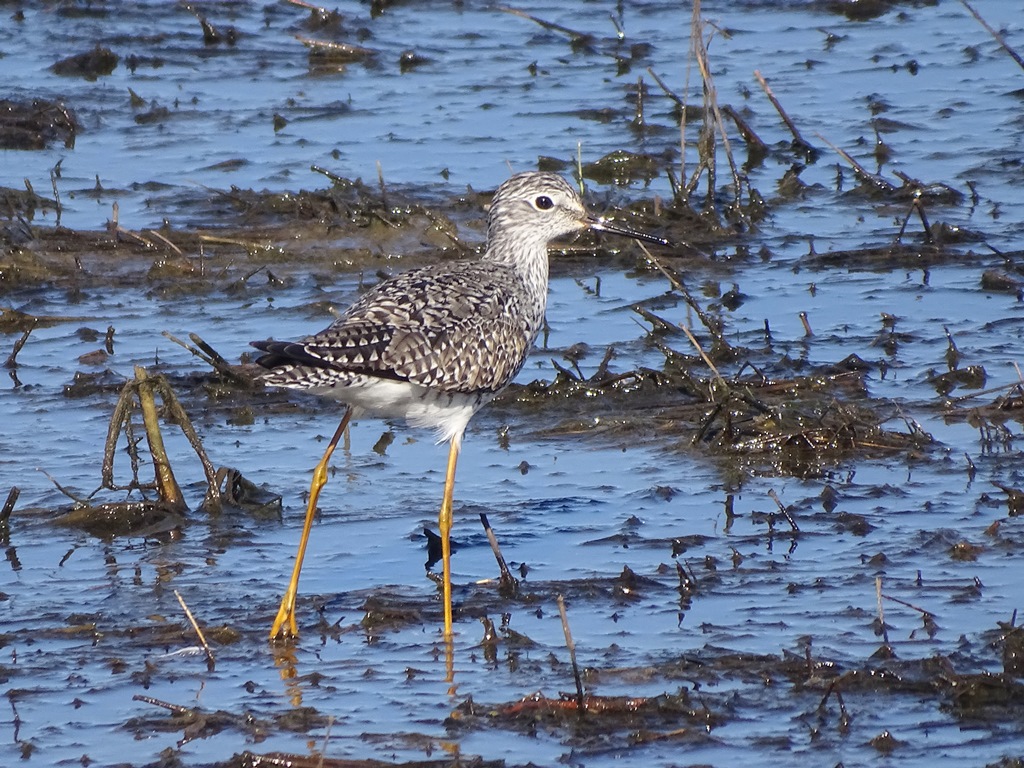
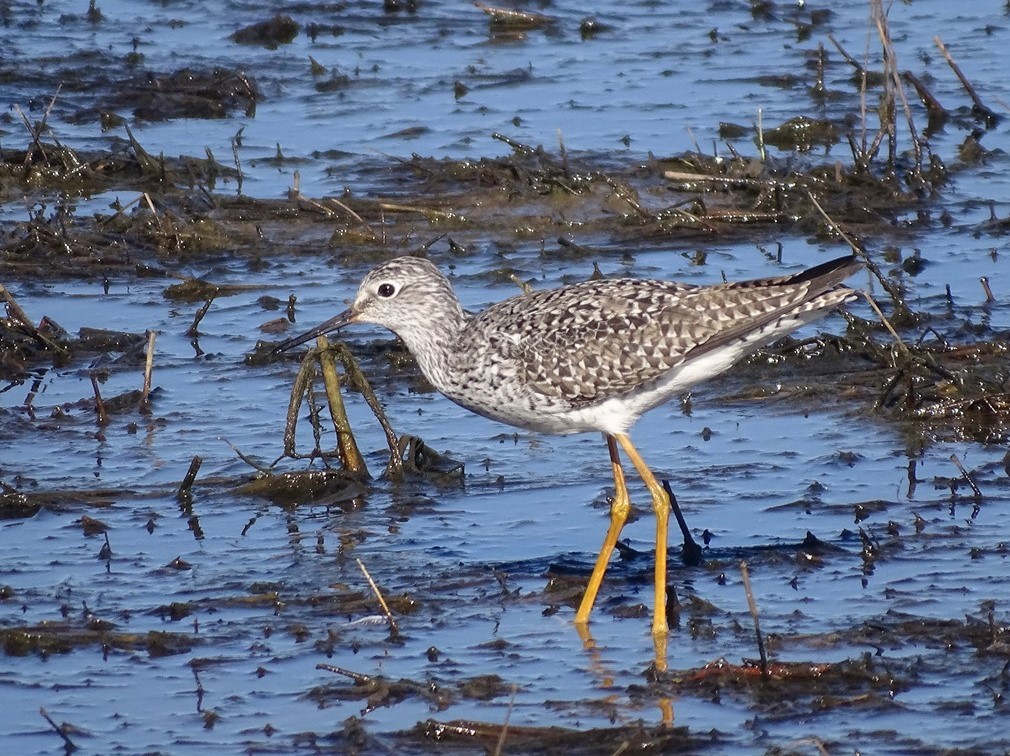


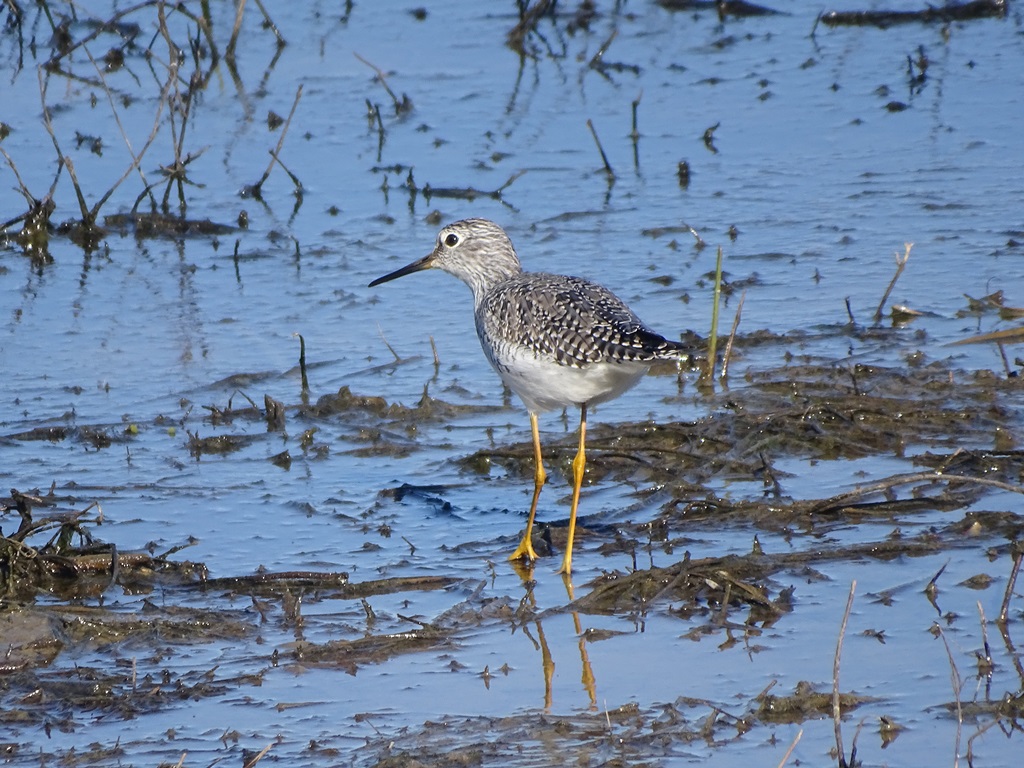

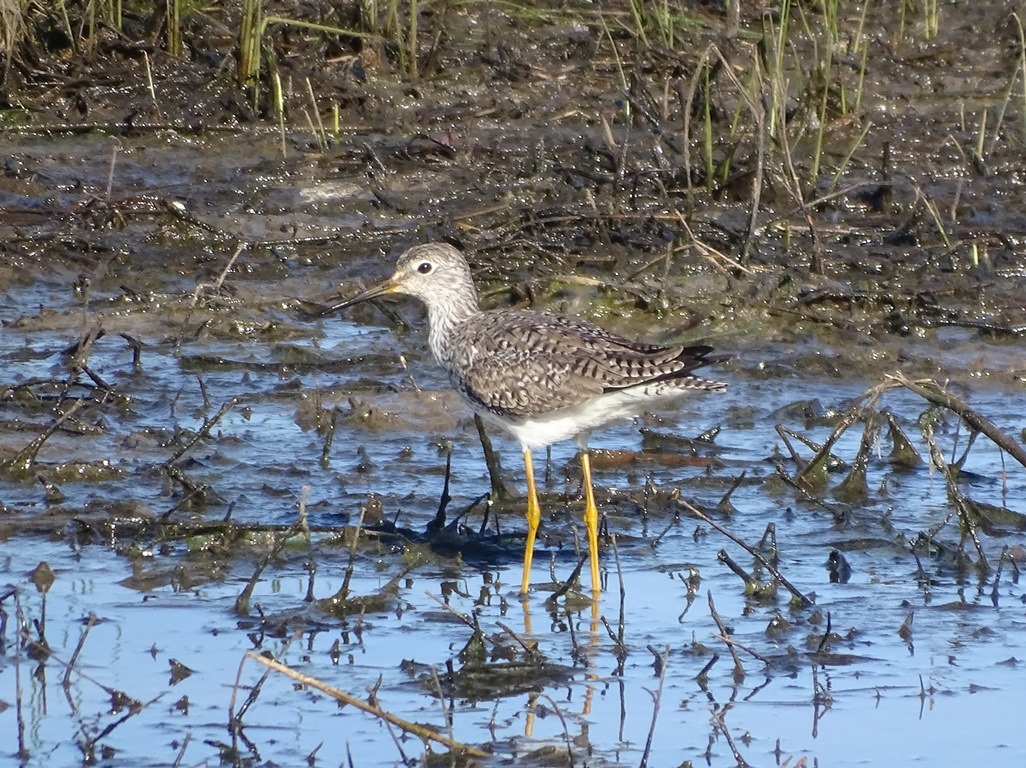

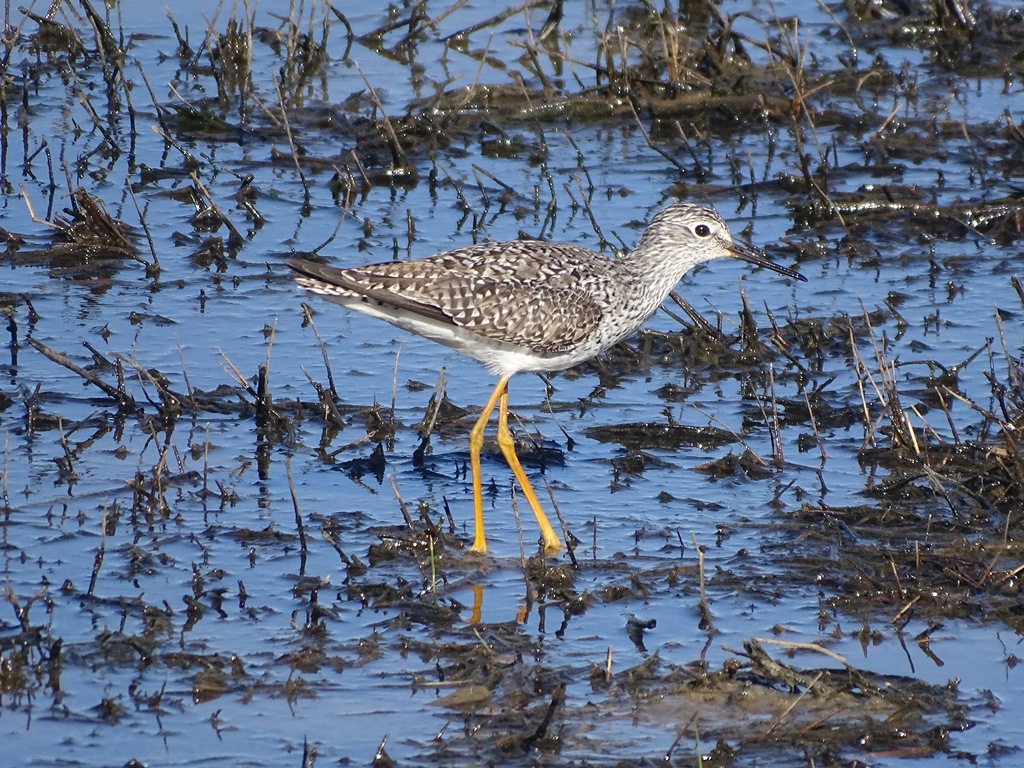
“I never for a day gave up listening to the songs of our birds, or watching their peculiar habits, or delineating them in the best way I could.” ~John James Audubon
Scattered throughout the forest of the refuge, a number of beautiful and graceful Great Egrets stealthily meander about the swampy waters in search of their next unsuspecting meal.
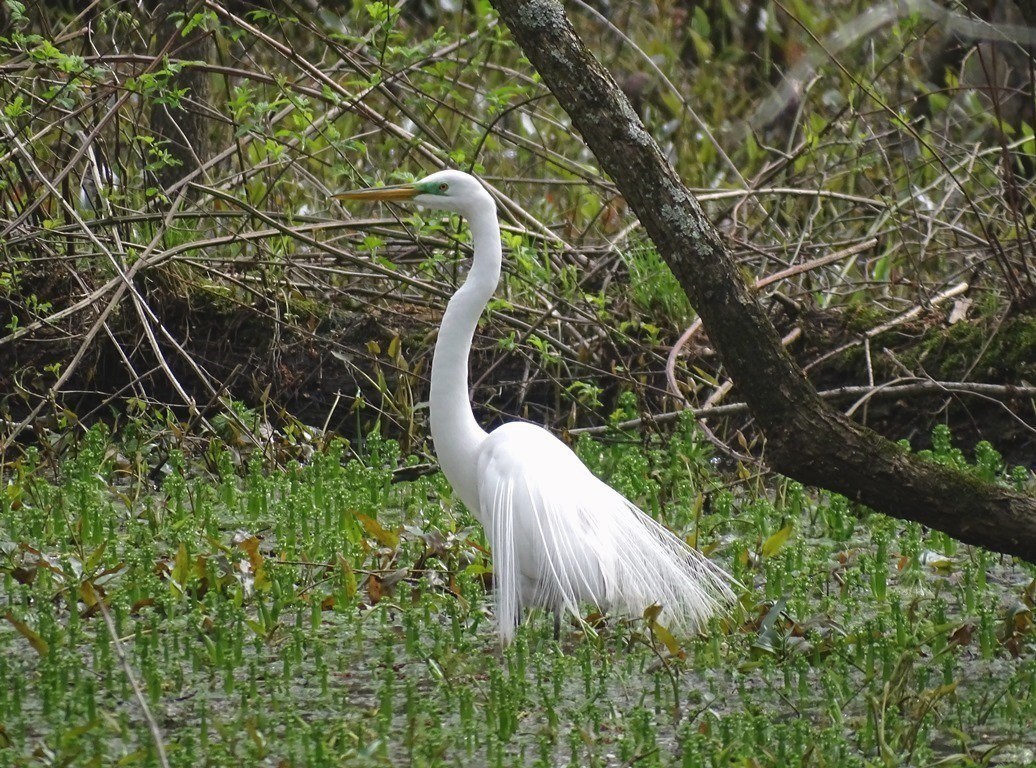
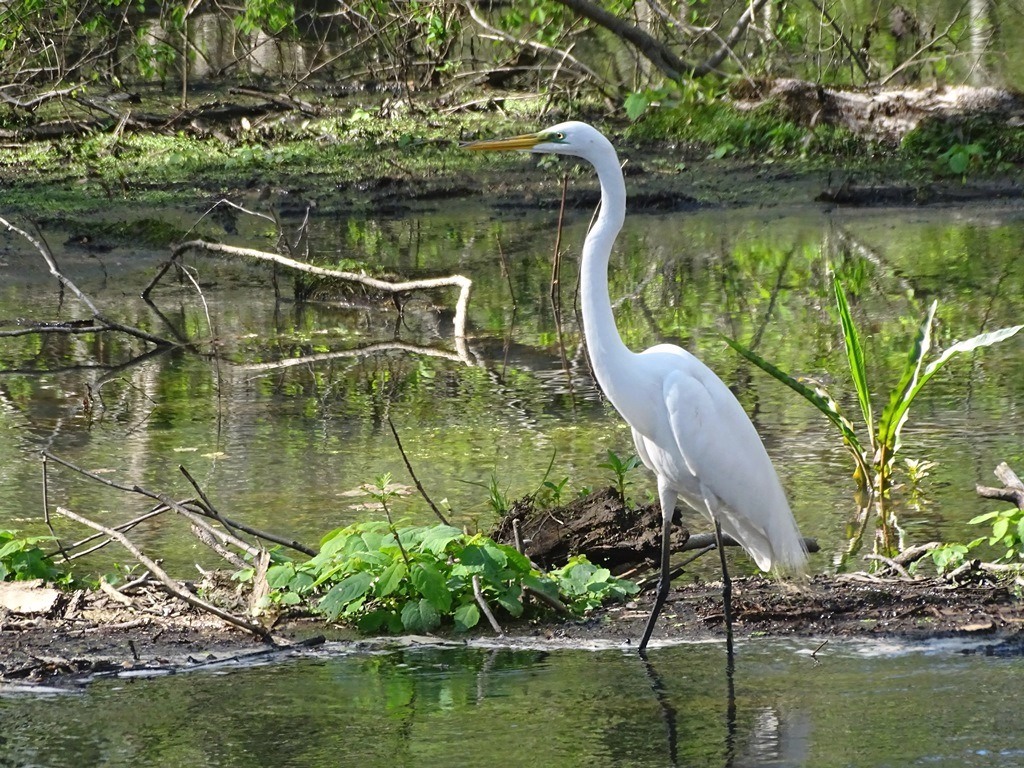

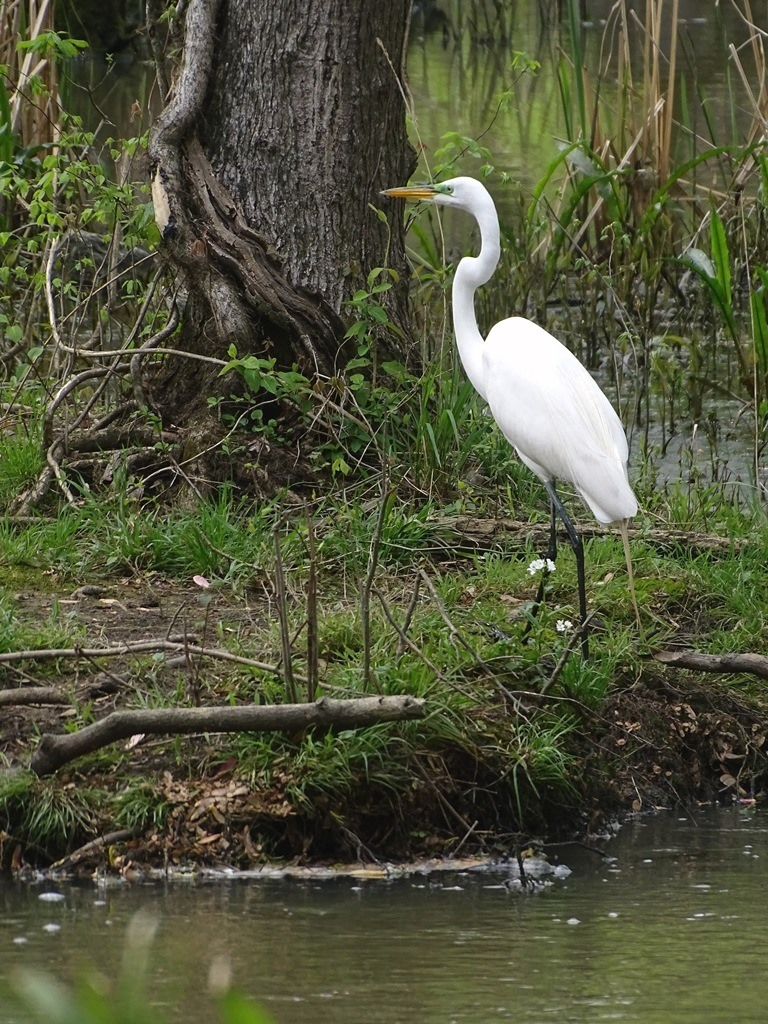


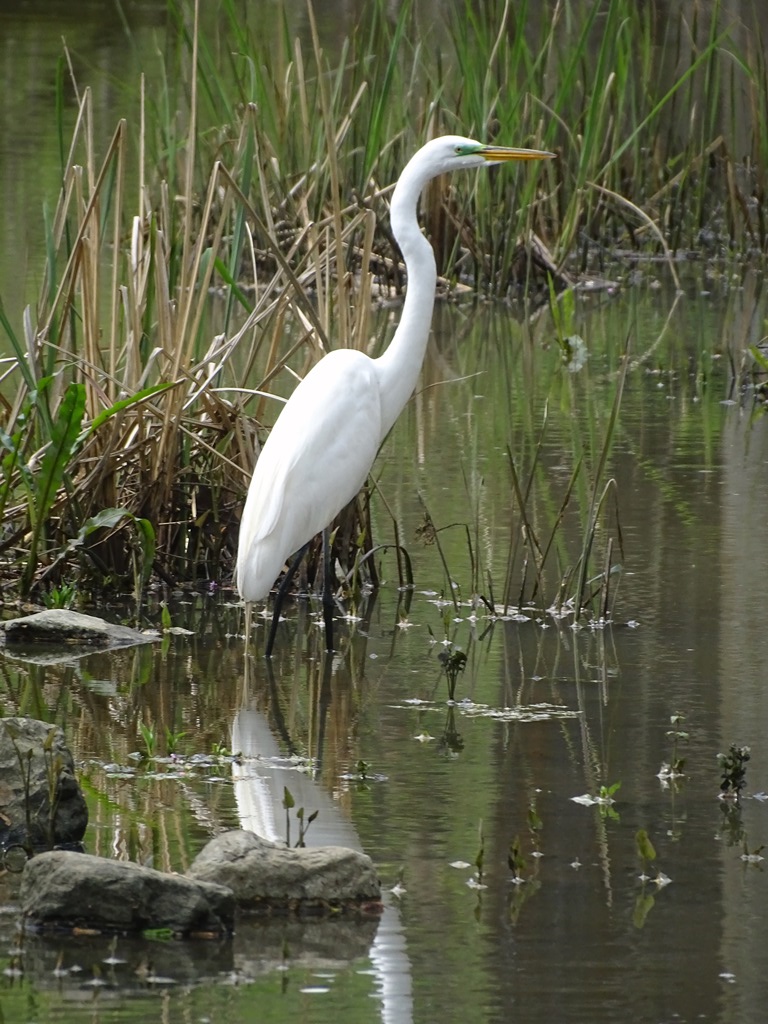
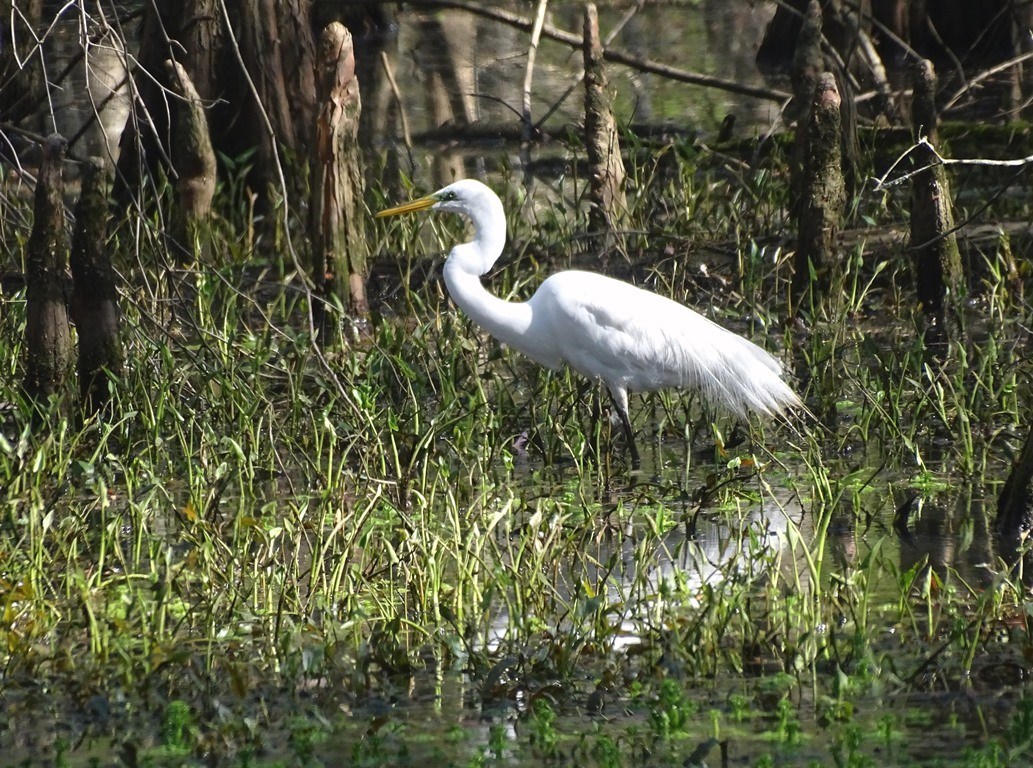
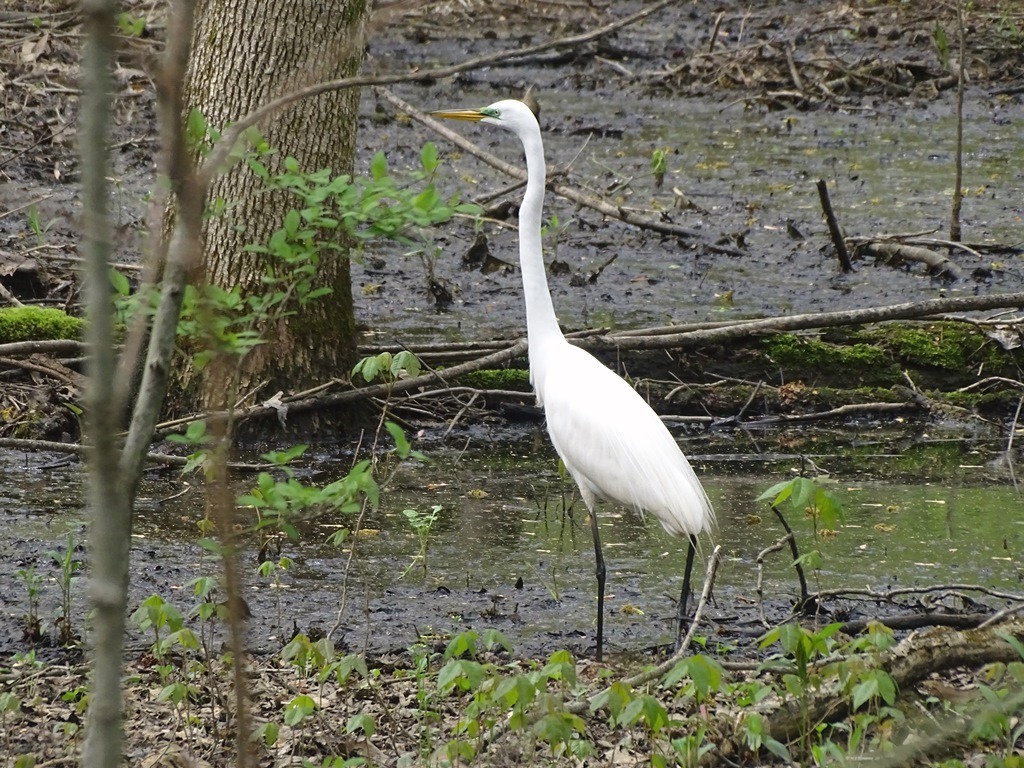
“The trick to not being discovered until it is too late is to become part of the expected surroundings. Stealth is more the art of blending in with the background than sneaking through dark shadows.” ~Raymond E. Feist
In search of crawfish, insects and a variety of aquatic invertebrates, this heron quietly hunted in a swampy, forested area of the refuge.
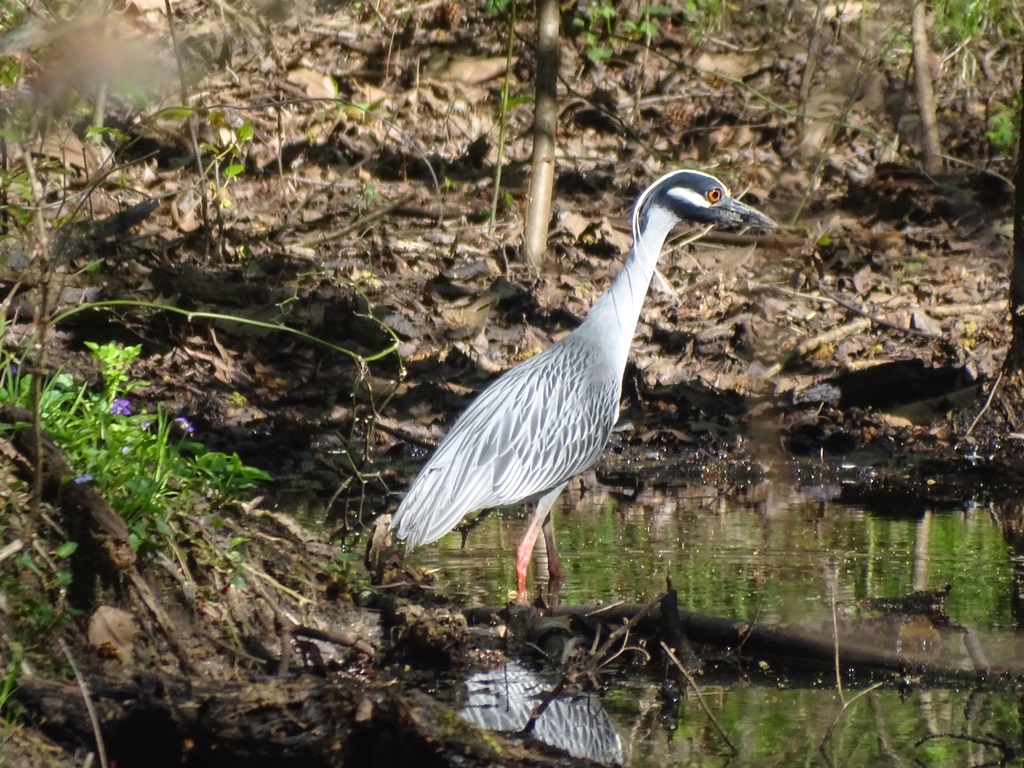
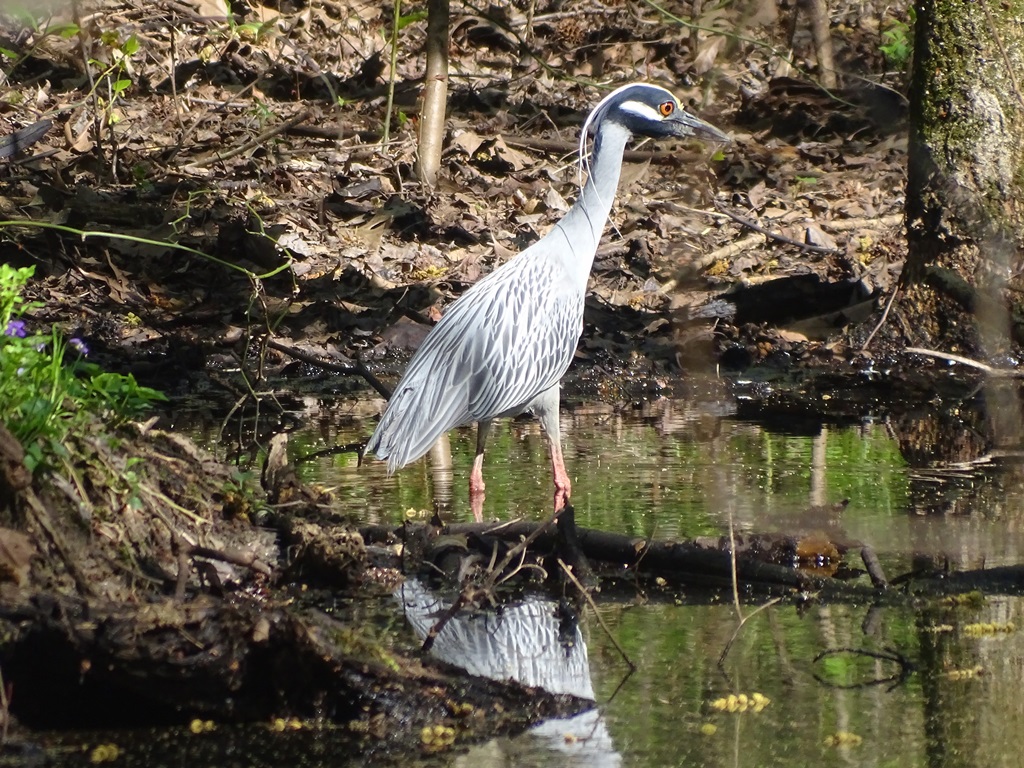

“I have always found thick woods a little intimidating, for they are so secret and enclosed. You may seem alone but you are not, for there are always eyes watching you. All the wildlife of the woods … are well aware of your presence no matter how softly you may tread, and they follow your every move although you cannot see them.” ~Thalassa Cruso
While out driving in the country, we were surprised to see three guinea fowls scuttle across a roadside ditch and up into a yard.
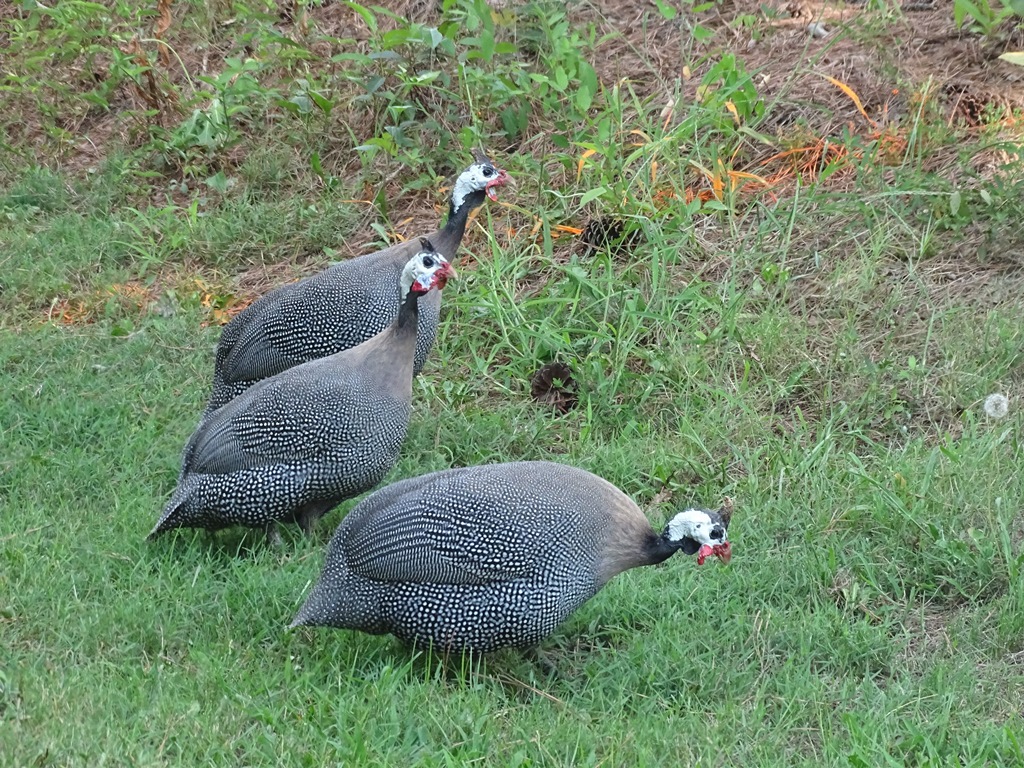
Also surprised by our unexpected presence, they let out a unique and rather loud bunch of screeches as they quickly headed in the opposite direction.
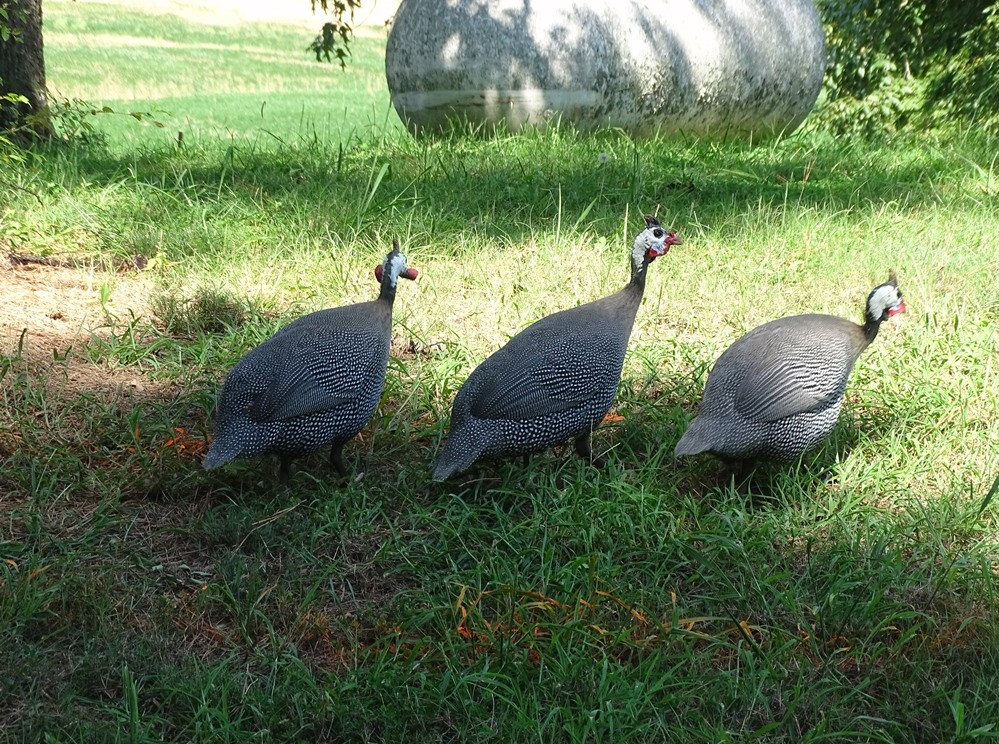
Being a native of Africa, and previously only having seen them at a zoo, they were one of the last birds that we had expected to come upon.
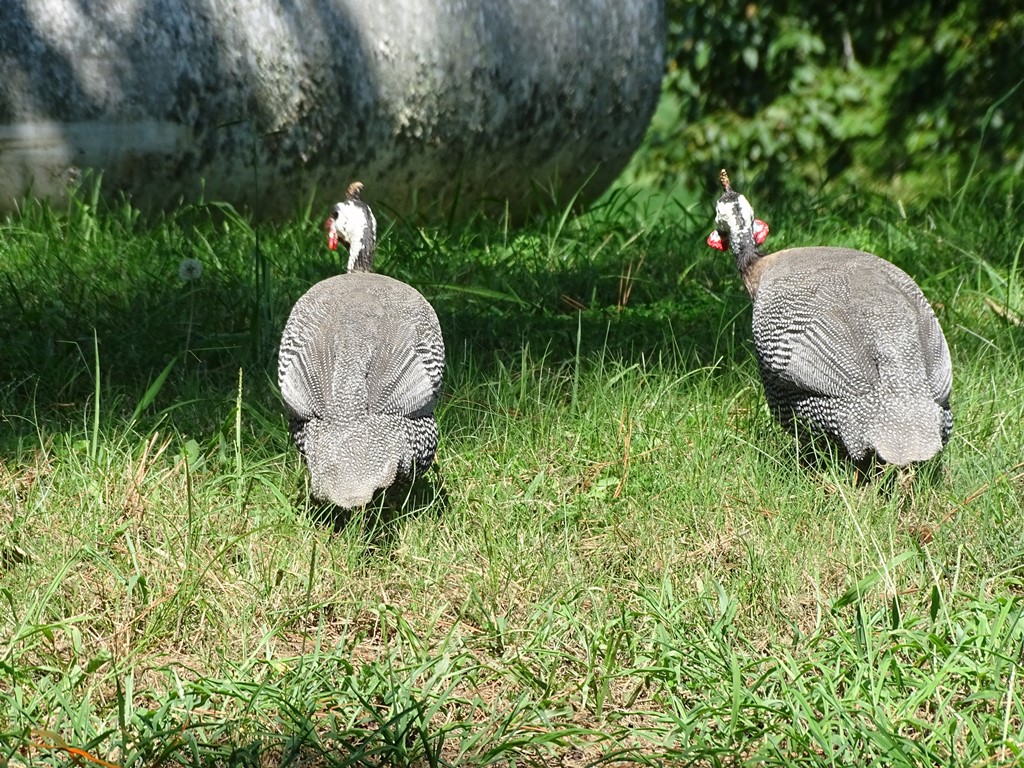
This raised my curiosity about why guinea fowls would be roaming around in a yard way out in such a rural area. It turns out that raising guineas is becoming more common and has several benefits. They roam free in yards and gardens and are persistent in their pursuit of pesky insects (including fleas, ticks, flies, and mosquitoes), spiders and small animals such as rodents. They are also excellent at sounding the alarm if predators such as snakes, foxes or raptors or intruders such as unexpected humans are about. And, of course, they are a good source of eggs and meat. While raising guineas has many positive benefits, it’s also a good idea to keep in mind that these birds tend to be very noisy, are not very domesticated and can harass smaller birds and chickens which also live on the property.
“I’ll see you when the road decides it’s time for our paths to cross again.” ~Ben Maxfield
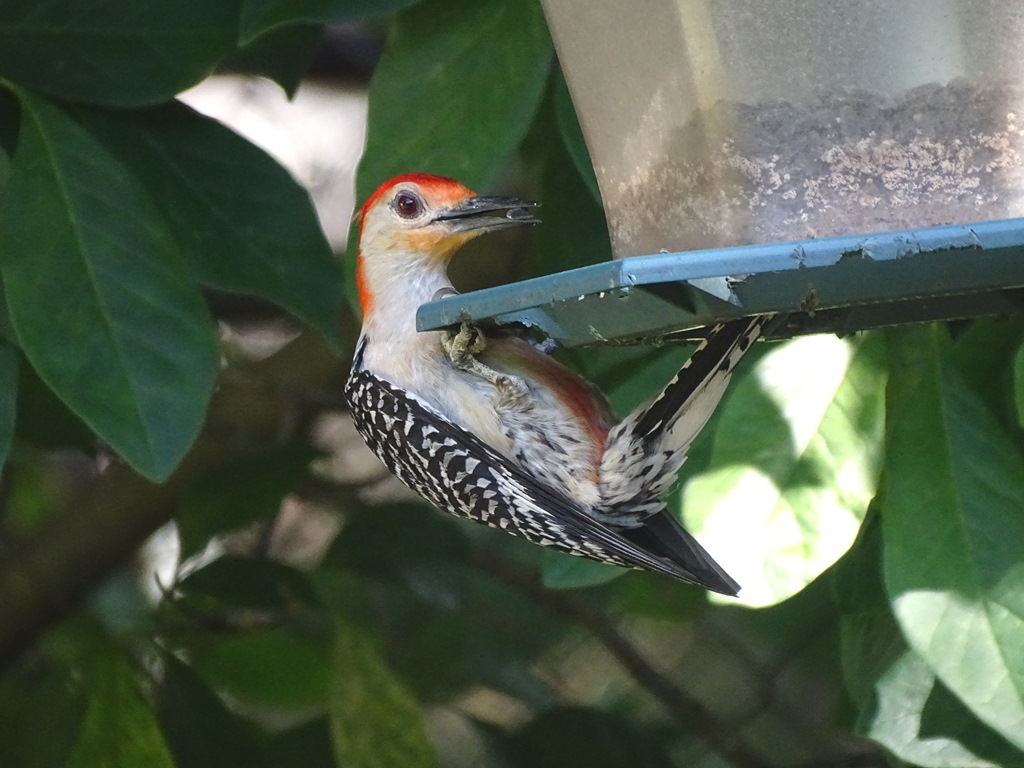
I’ve been seeing a male Red-bellied Woodpecker flying from tree to tree in the backyard. Occasionally he ventures to the feeder to grab a sunflower seed. The other day, he took a seed and flew to a high branch of one of the pine trees, where an immature woodpecker was waiting. It was fun watching the two interact and then fly off in the same direction.



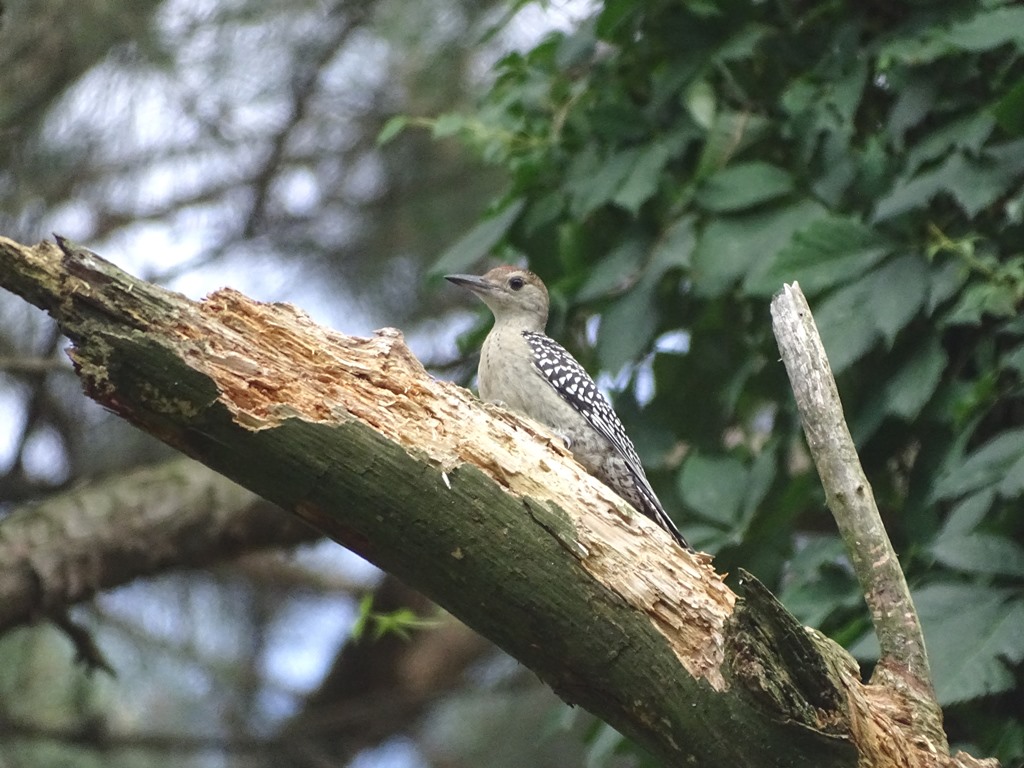

“My father didn’t tell me how to live; he lived, and let me watch him do it.” – Clarence Budington Kelland
 walking on a country road