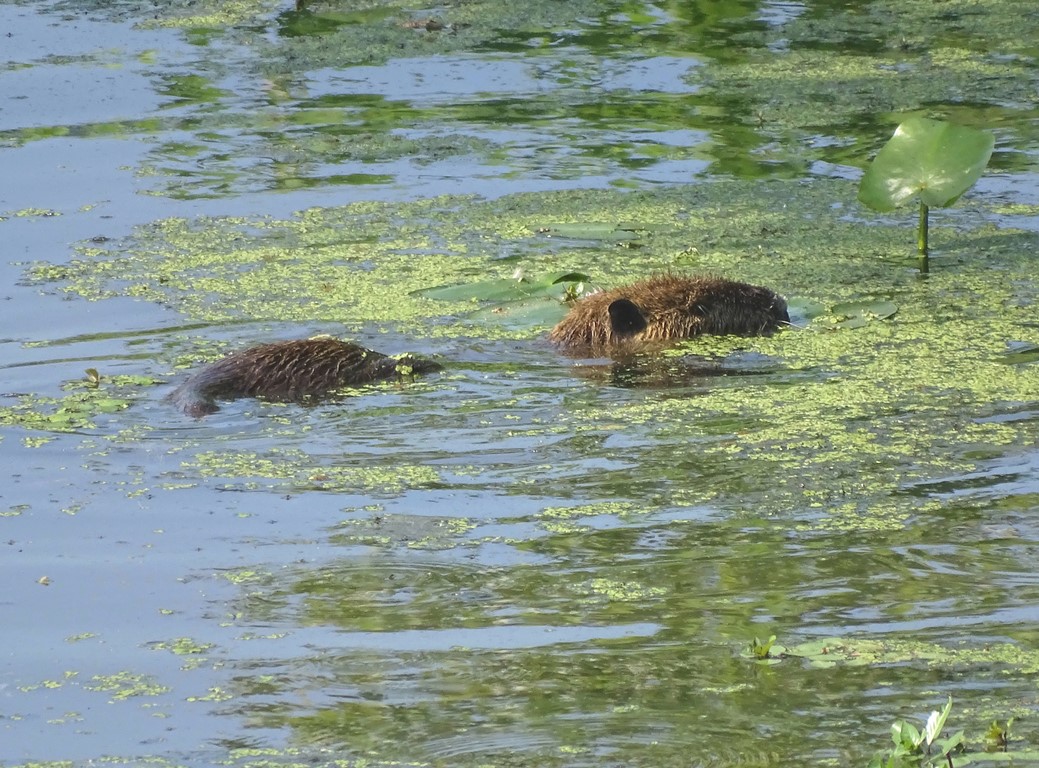
We saw an interesting animal at the refuge that we had never seen before. From a distance, it looked like a muskrat or beaver, but a local landowner told us that it was a Nutria. He said that he sees them in the wintertime out walking on the ice.
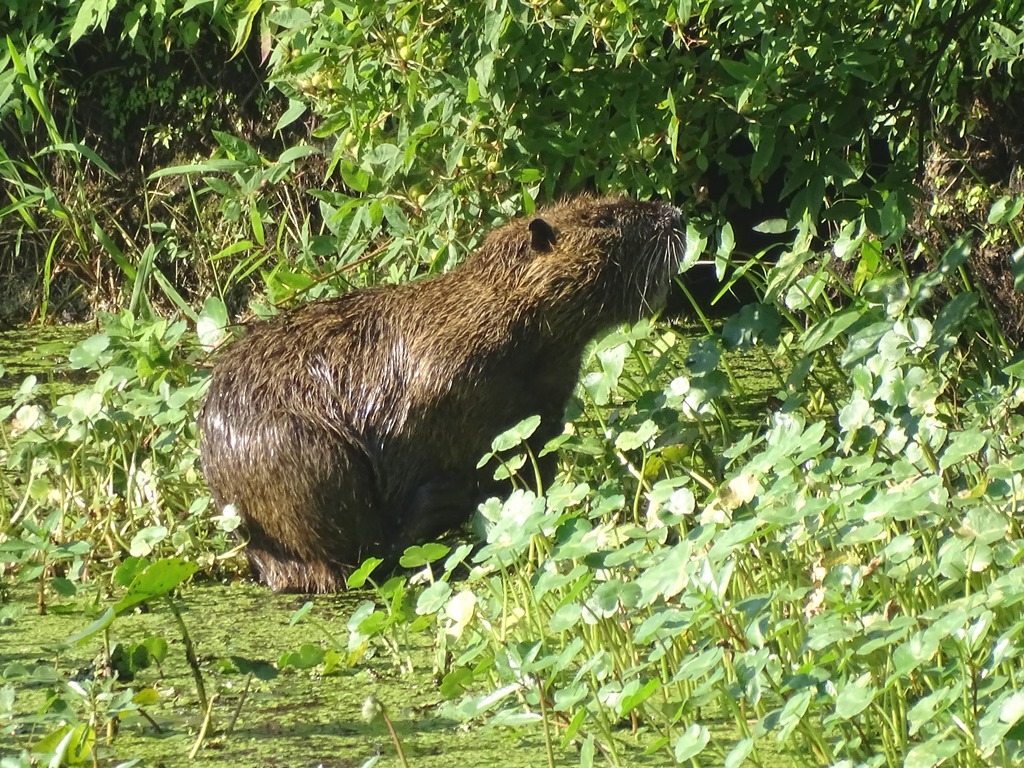
Larger than a muskrat but smaller than a beaver, Nutria have brown shaggy fur and whiskers, and can be found both on land and in the water. They also have orange front teeth, long, round, hairless tails, five-toed front feet and webbed hind feet.
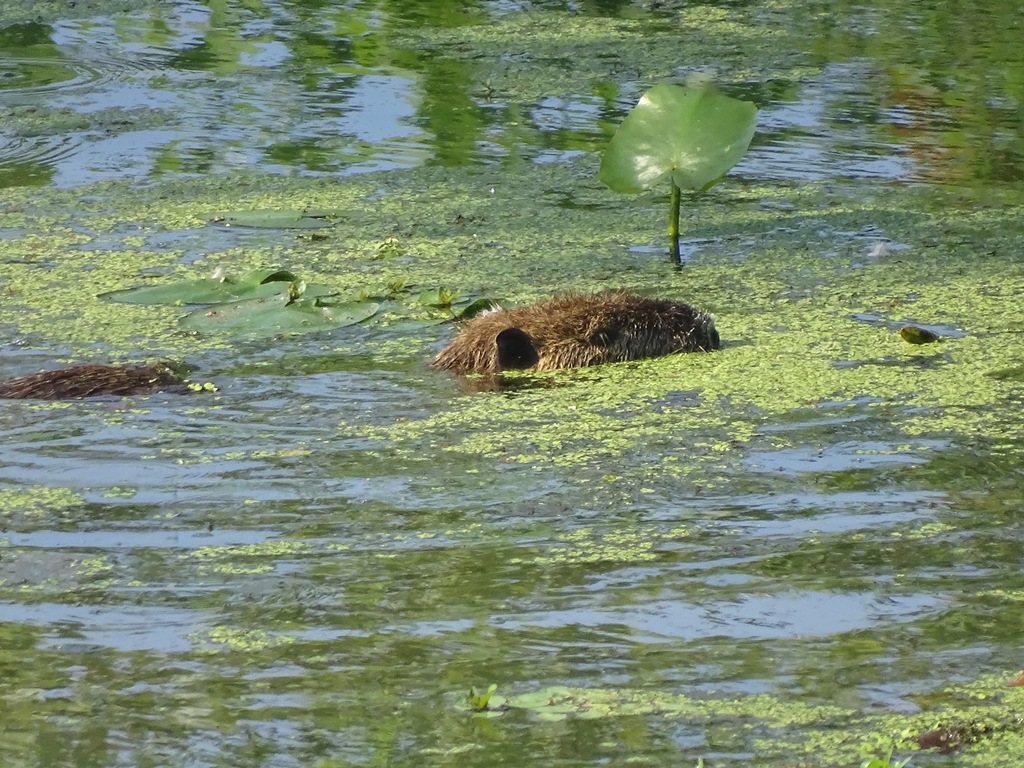
When we first saw this one, it was swimming in the water, stopping to nibble on vegetation.
Notice that it appears to have lost part of its long, rat-like tail.
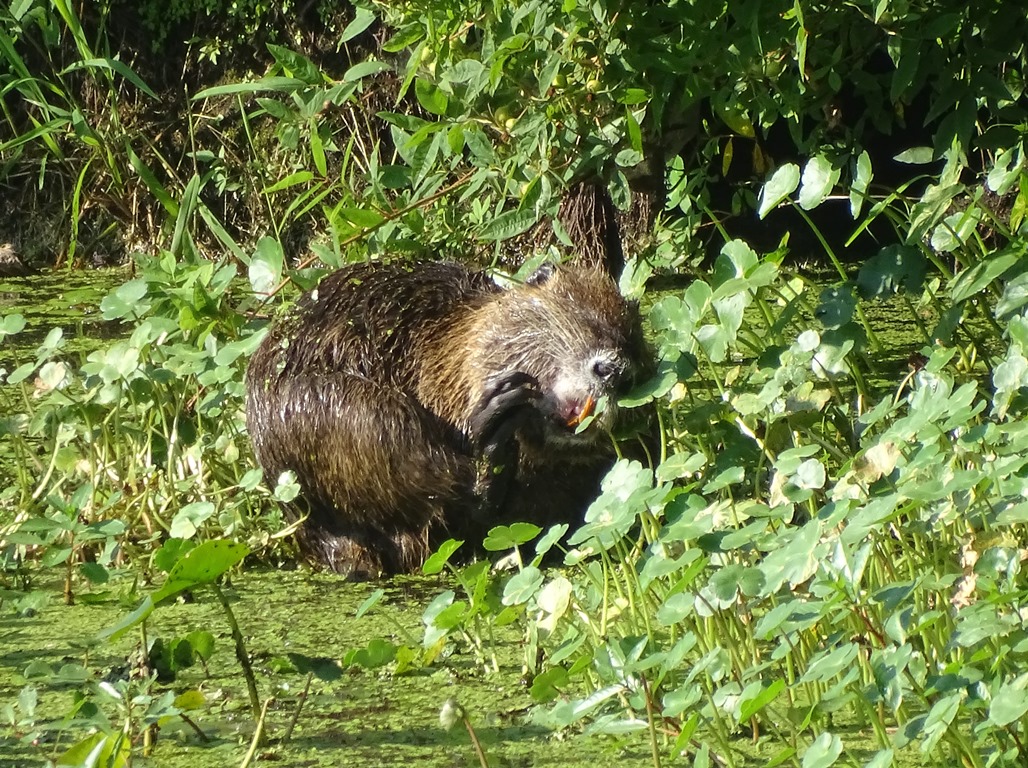
Eventually, it climbed up on the shore and proceeded to scratch or groom its fur. Oil, produced by glands near its mouth, is used in grooming and waterproofing the fur.
You can see an orange tooth in the fourth photo.
Although Nutria resemble the muskrat and beaver, they are an invasive wildlife species that was brought in from South America by fur traders hoping to profit off of their undercoats. When the fur industry was unsuccessful, many of these animals were released into the wild or escaped. Now the population has expanded, and they are considered a nuisance. They eat all parts of aquatic plants, including the roots, making the plants less likely to grow back. This makes the soil unstable and destroys food and habitat needed by native animals.
“Visitors should behave in such a way that the host and hostess feel at home.” ~J. S. Farynski
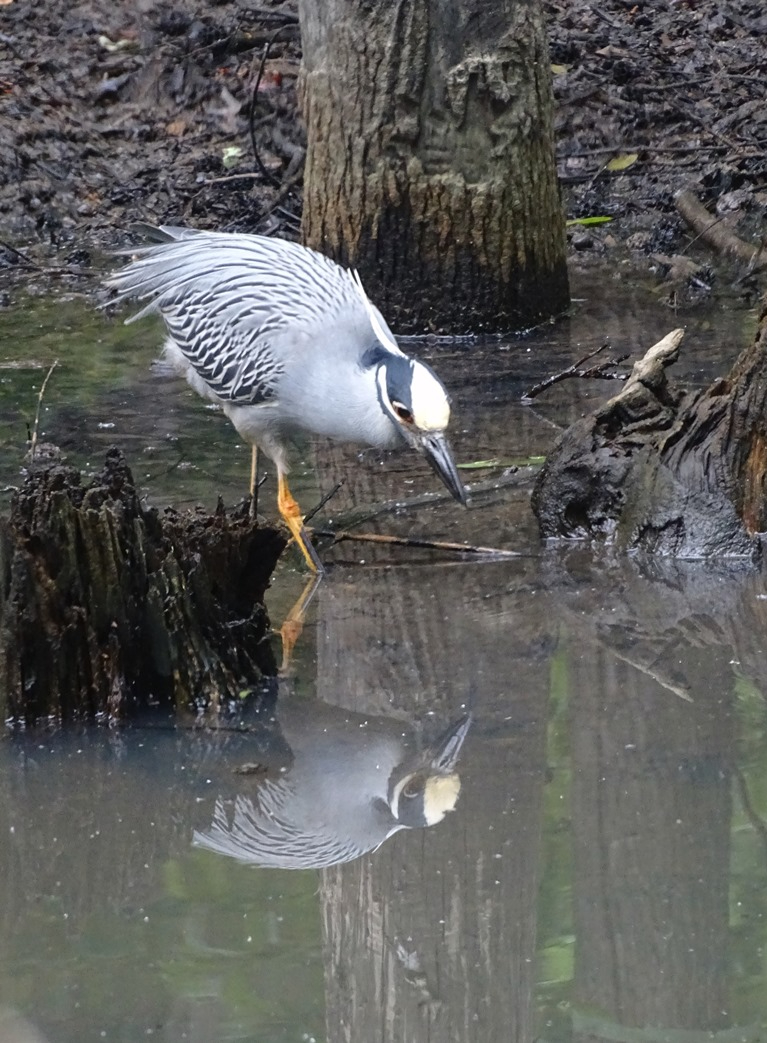
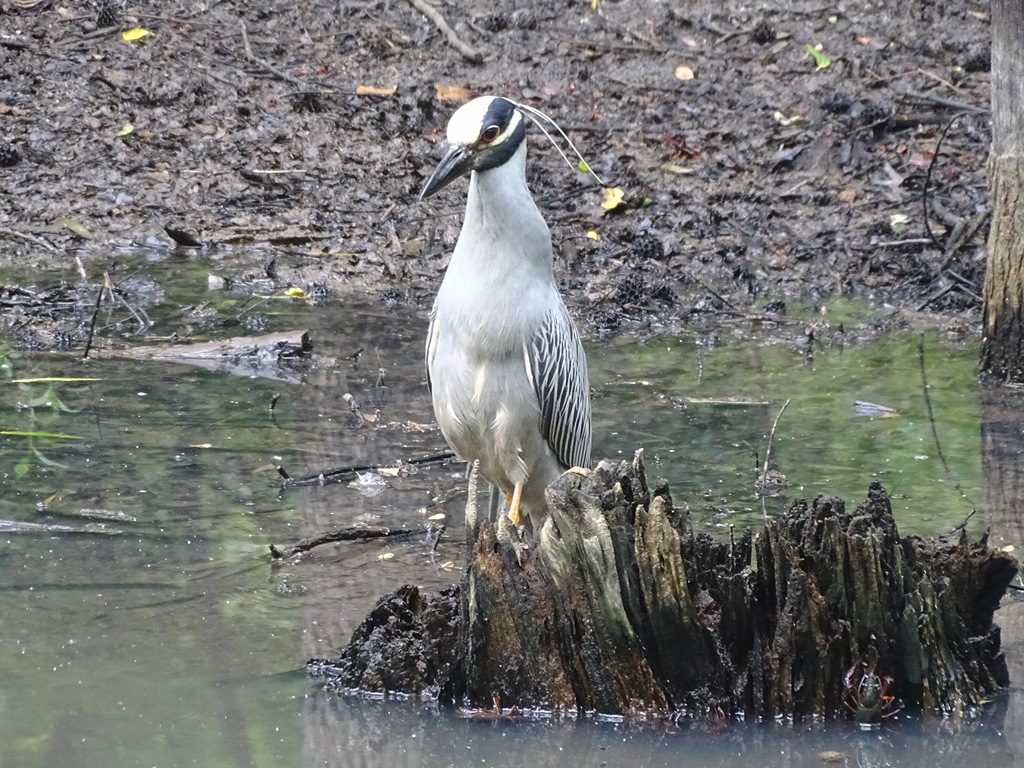
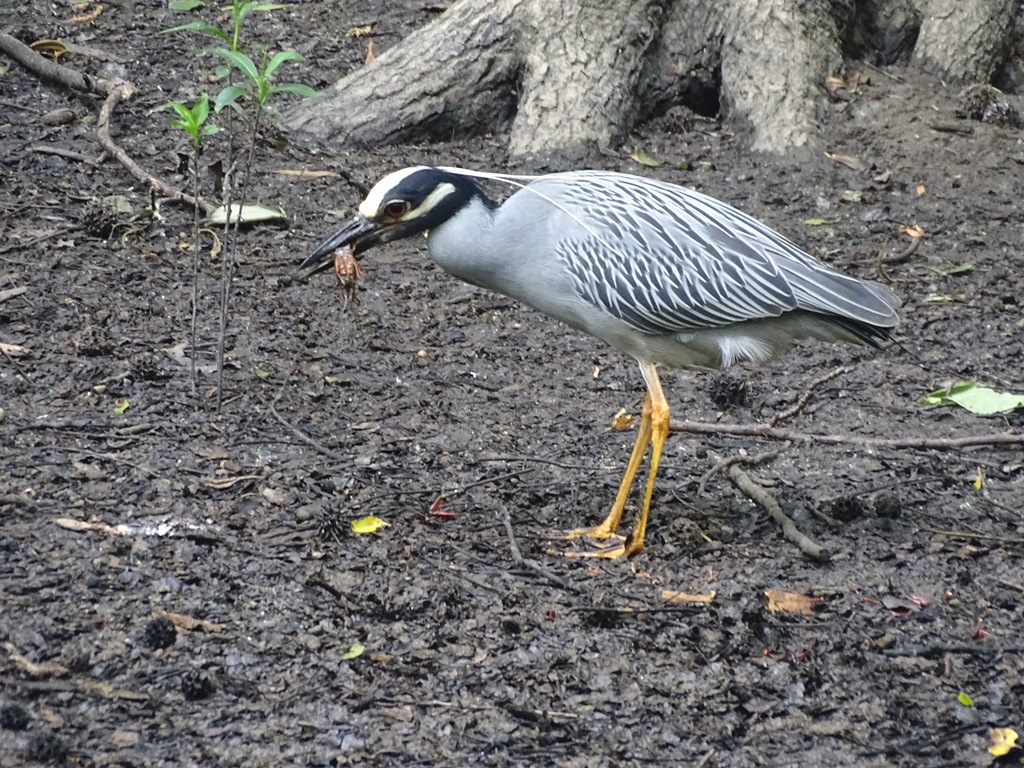
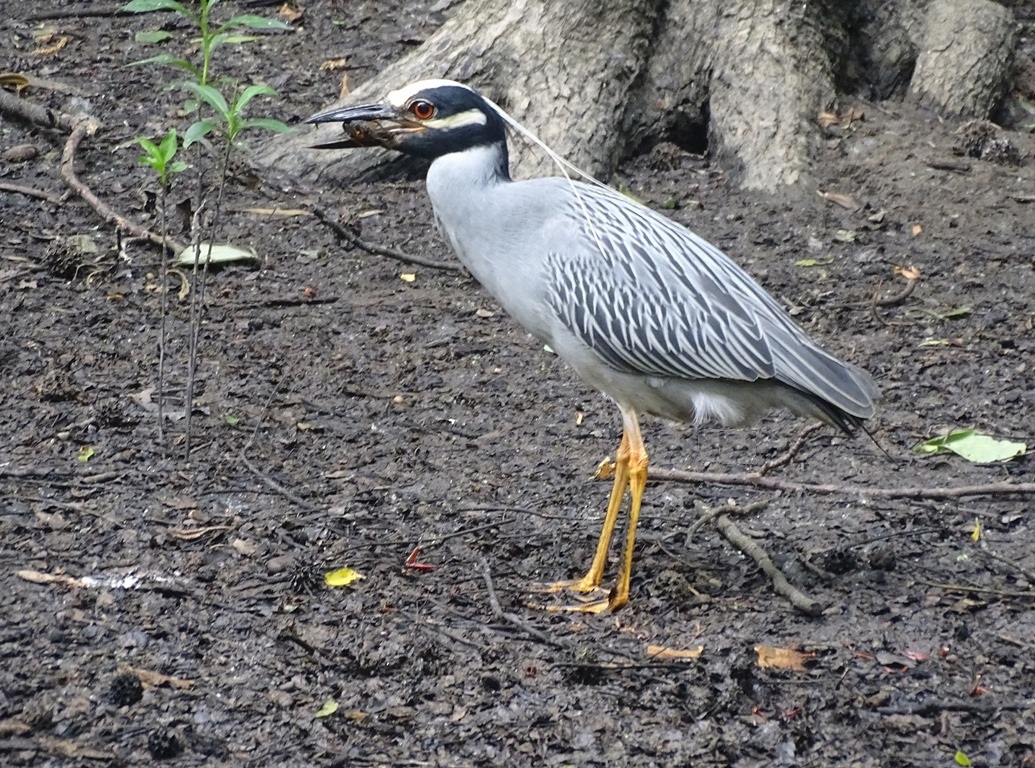
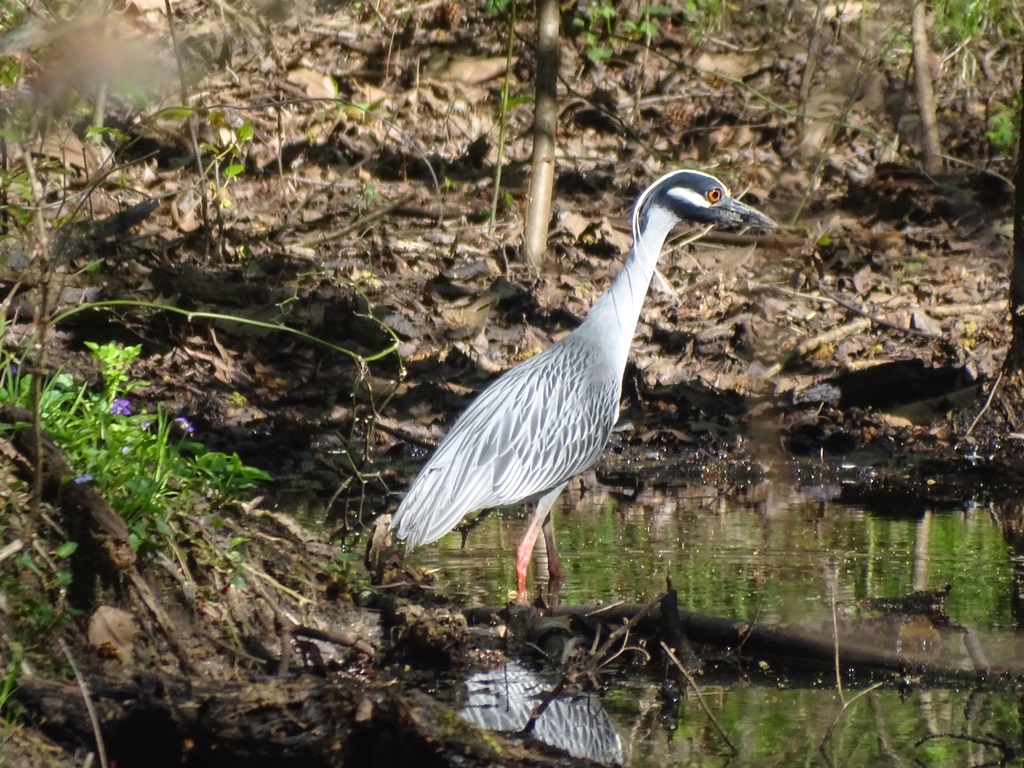
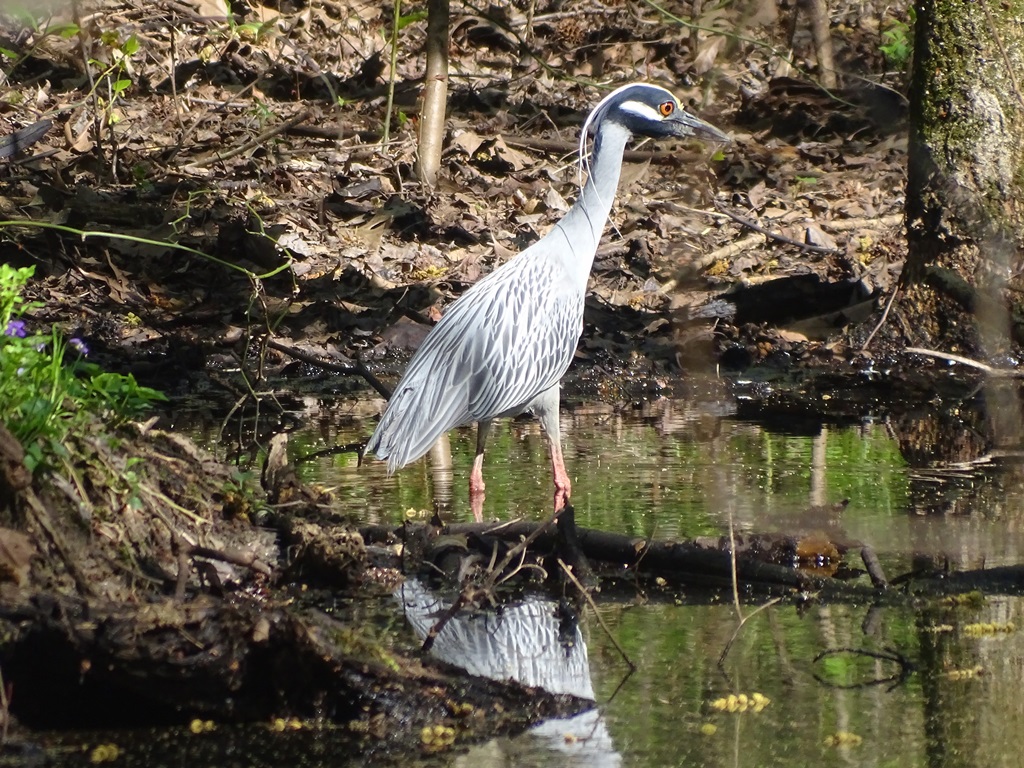
This Yellow-crowned Night-Heron is usually timid when we see him in the refuge. However, on this day, he had found the perfect fishing hole and wasn’t willing to give up his spot with its abundance of food. Paying no attention to our presence, he stood intently, watching and waiting, before methodically pulling out one crawfish after another.
“If you spot an opportunity and are really excited by it, throw yourself into it with everything you’ve got.” ~Richard Branson
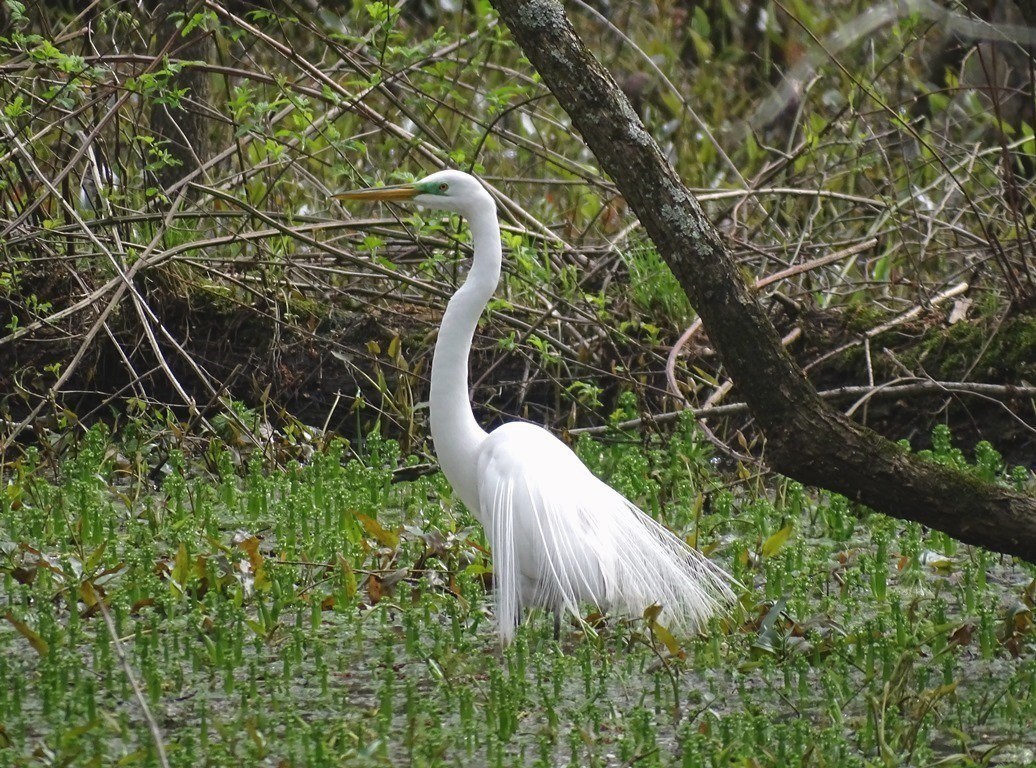
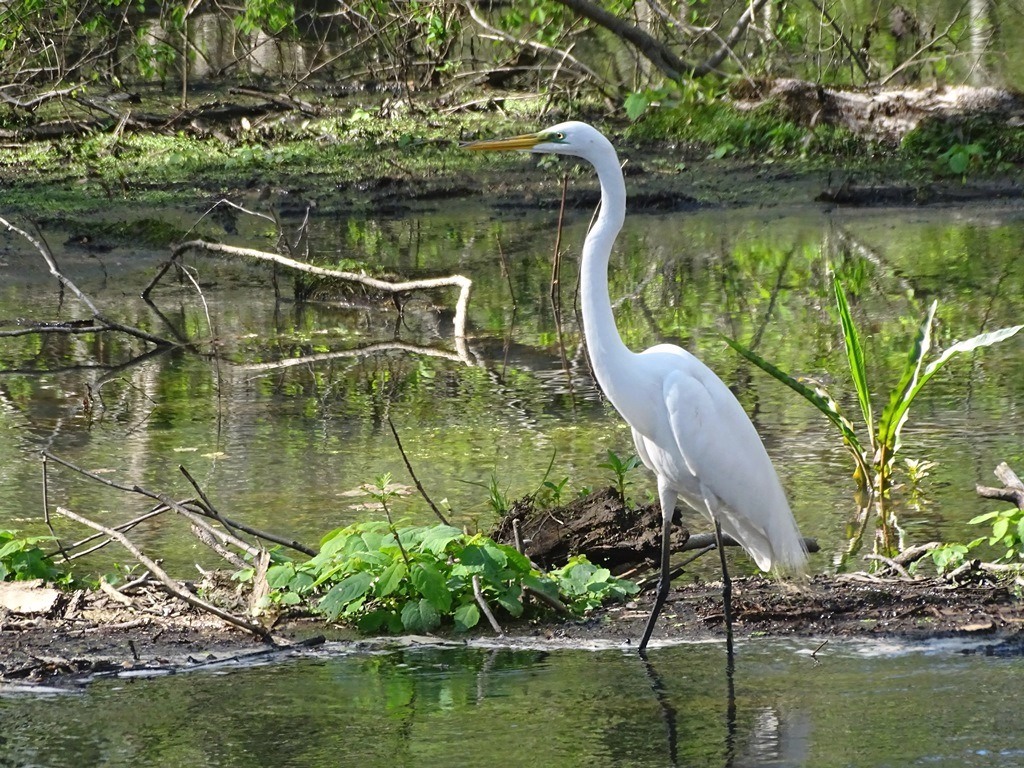
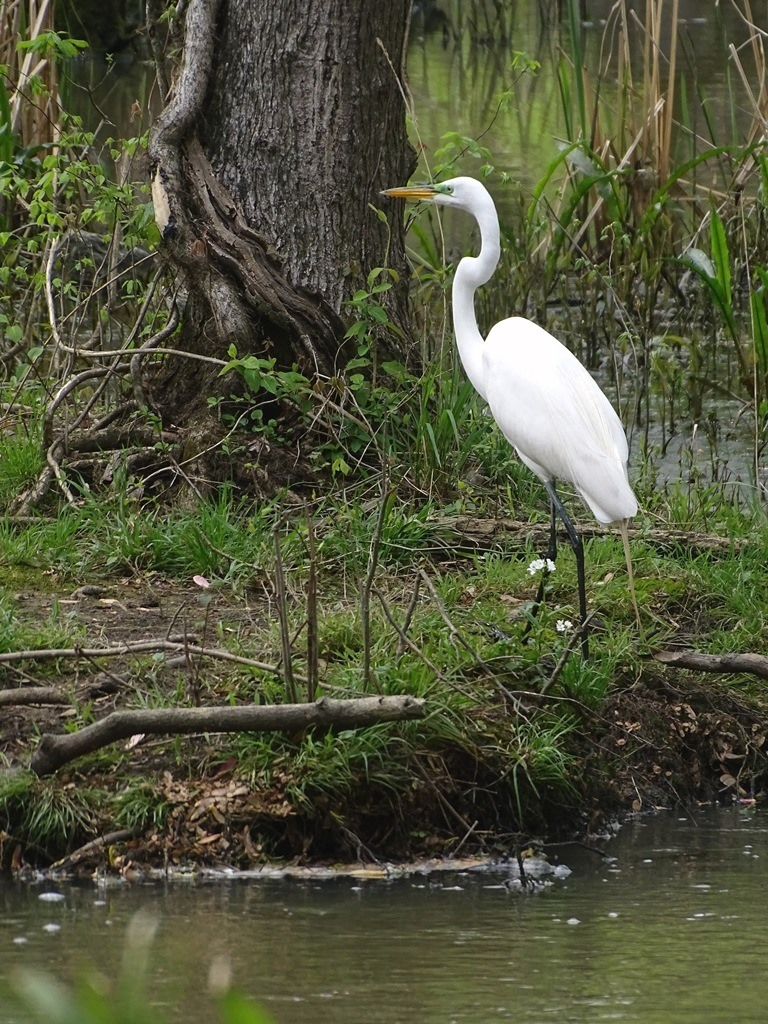
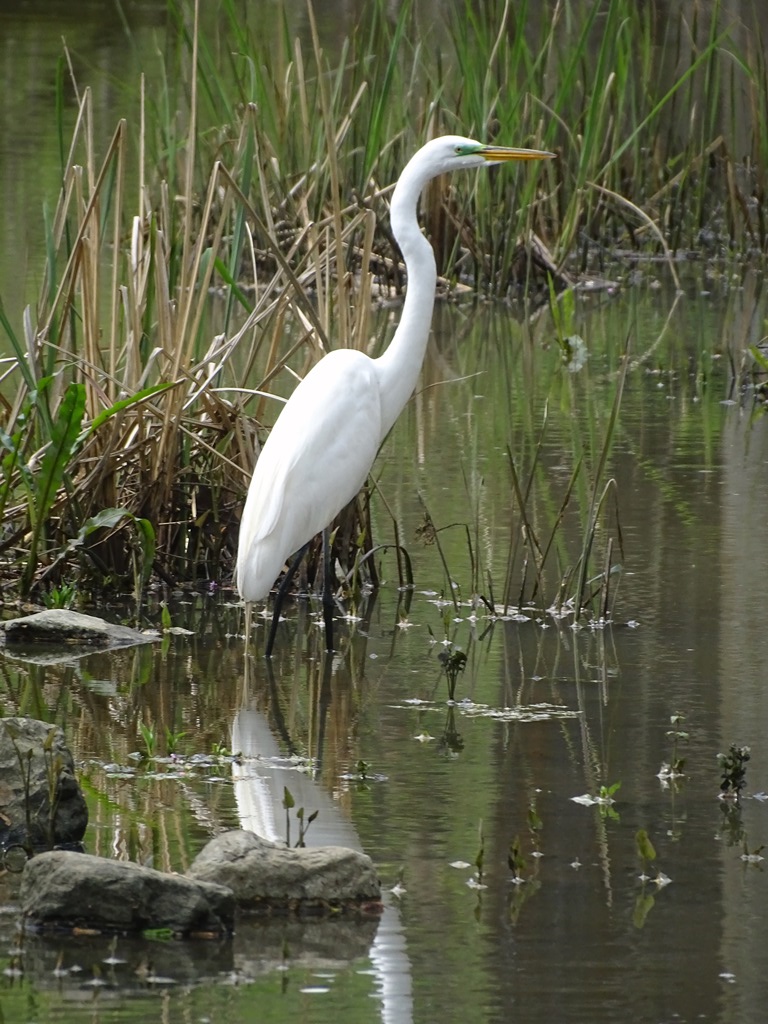
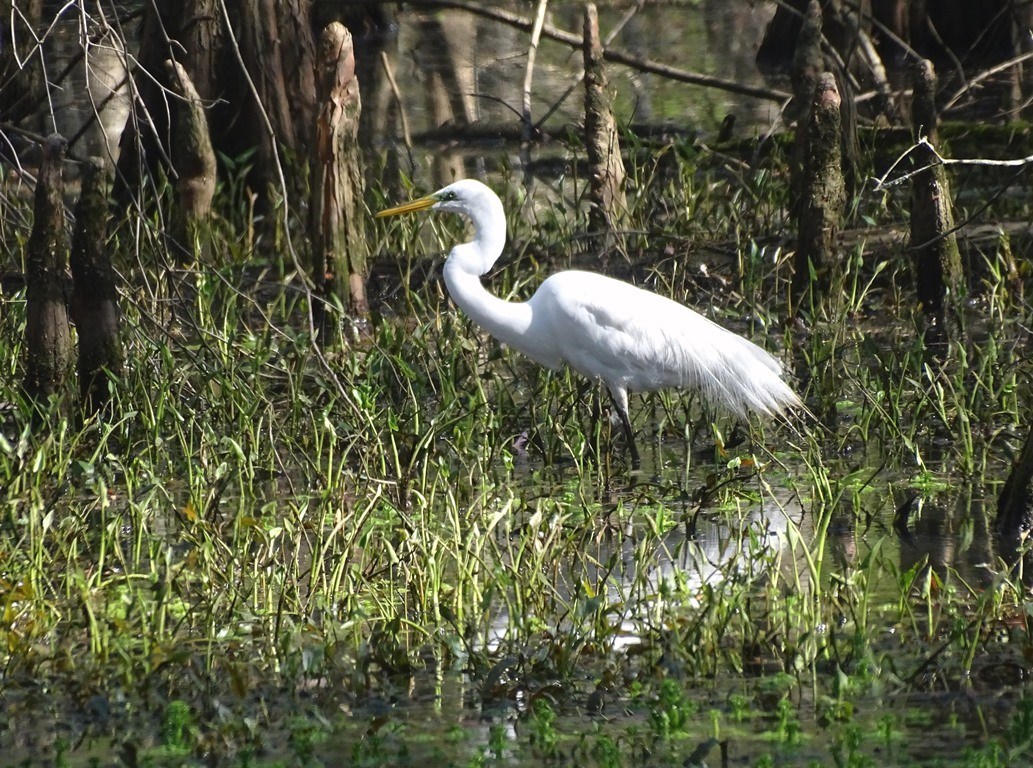
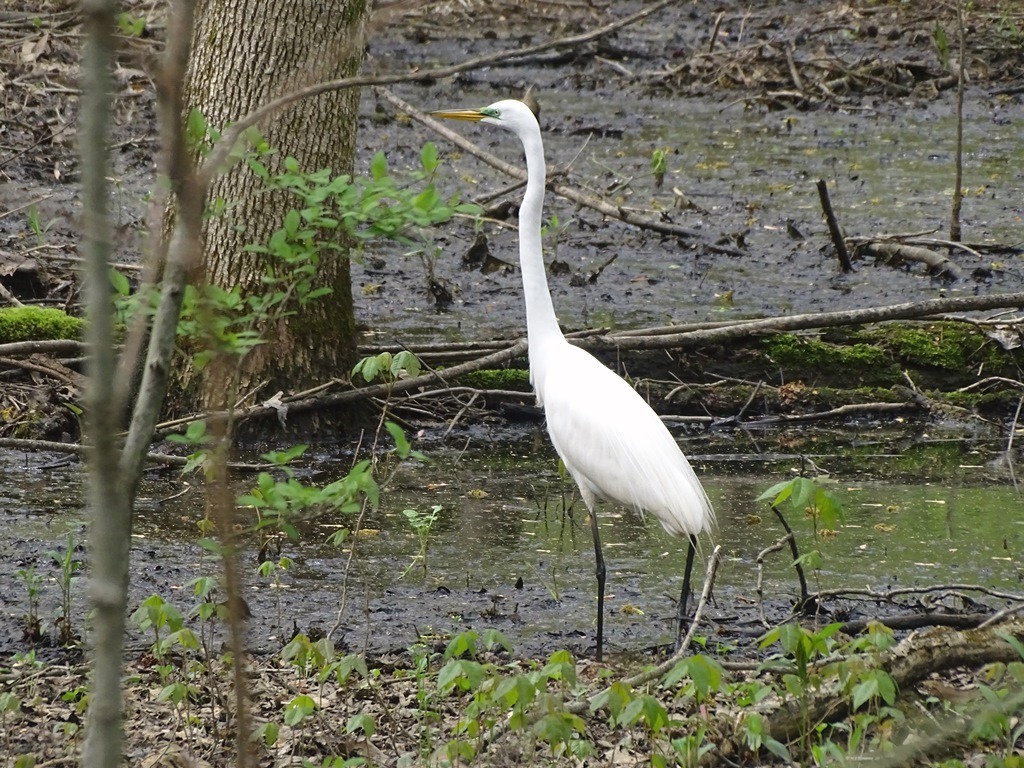
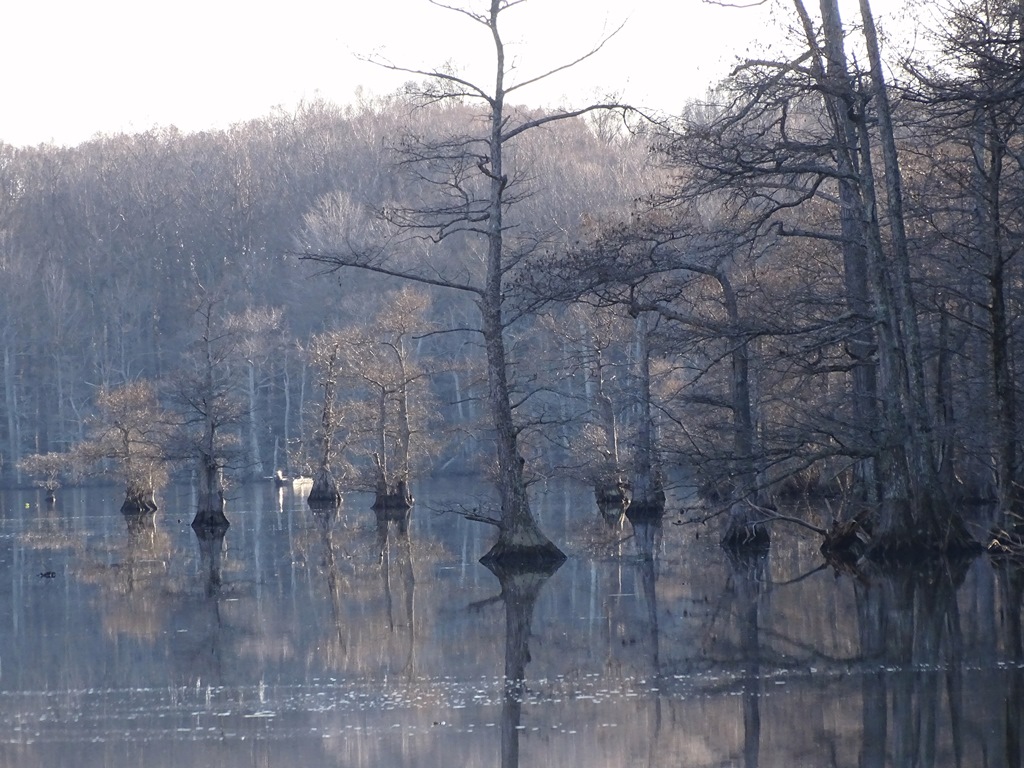
Scattered throughout the forest of the refuge, a number of beautiful and graceful Great Egrets stealthily meander about the swampy waters in search of their next unsuspecting meal.
“The trick to not being discovered until it is too late is to become part of the expected surroundings. Stealth is more the art of blending in with the background than sneaking through dark shadows.” ~Raymond E. Feist
In search of crawfish, insects and a variety of aquatic invertebrates, this heron quietly hunted in a swampy, forested area of the refuge.
“I have always found thick woods a little intimidating, for they are so secret and enclosed. You may seem alone but you are not, for there are always eyes watching you. All the wildlife of the woods … are well aware of your presence no matter how softly you may tread, and they follow your every move although you cannot see them.” ~Thalassa Cruso
I almost missed it. This nonvenomous water snake was well-hidden, wrapped around the top of a broken tree trunk which was standing out in swampy water. It was lounging in the afternoon sun, but was undoubtedly well-positioned and patiently waiting for prey.
“Position yourself well enough, and circumstances will do the rest.” ~Mason Cooley
The final moments of golden light before the shore faded into the shadows of night.
“You know that great pause that comes upon things before the dusk, even the breeze stops in the trees. To me there is always an air of expectation about that evening stillness.” ― H. G. Wells
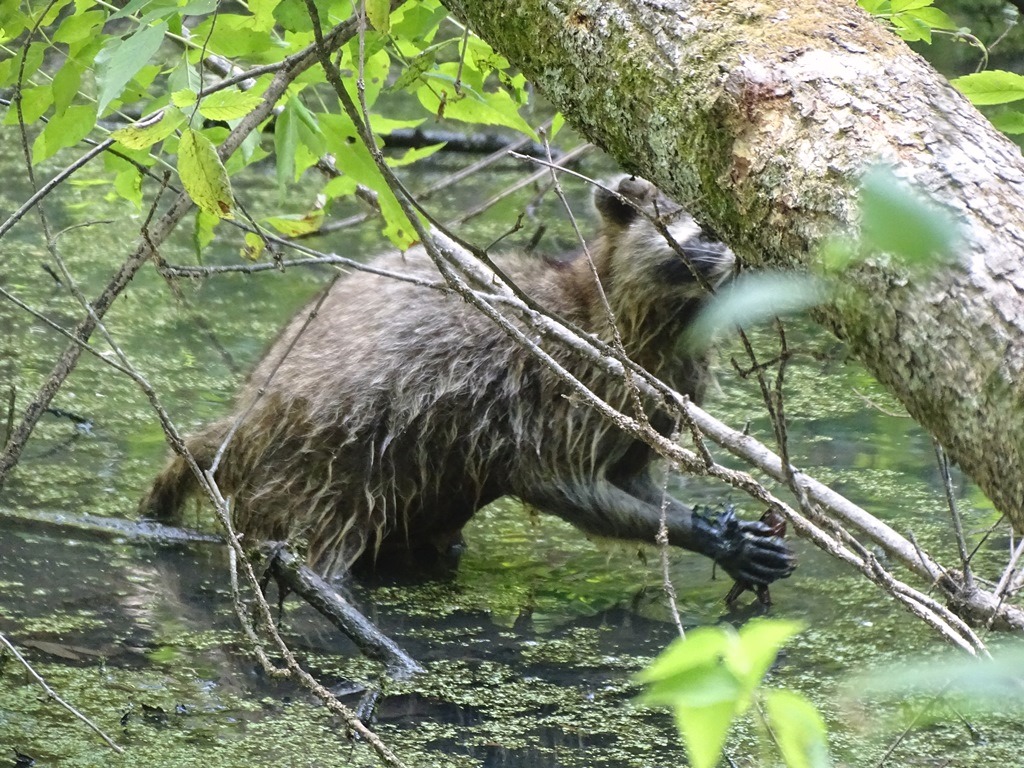
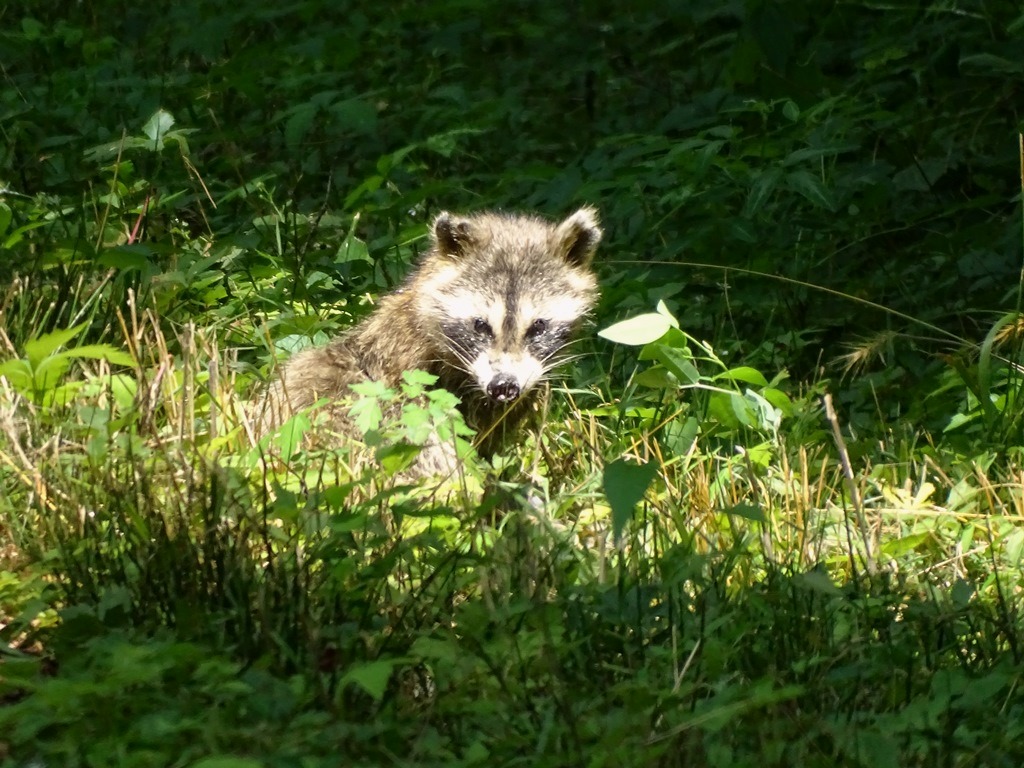
While driving along a road that runs through the refuge, we spotted several different raccoons, including young ones, walking around in shallow swampy water. With the extremely hot temperatures and sparse rain, the pools were a popular place. At first appearance, the raccoons seemed to be wandering aimlessly around in the water. However, after watching for a while, it became obvious that they were very methodically scanning the bottom of the pools with their sensitive paws in search of food. It was interesting to watch the raccoons use their human-like hands to catch and handle the crayfish and frogs that they pulled from the water.
“An objective is an ambition, and life without ambition is … well, aimless wandering.” ~Alfred Wainwright


























 walking on a country road