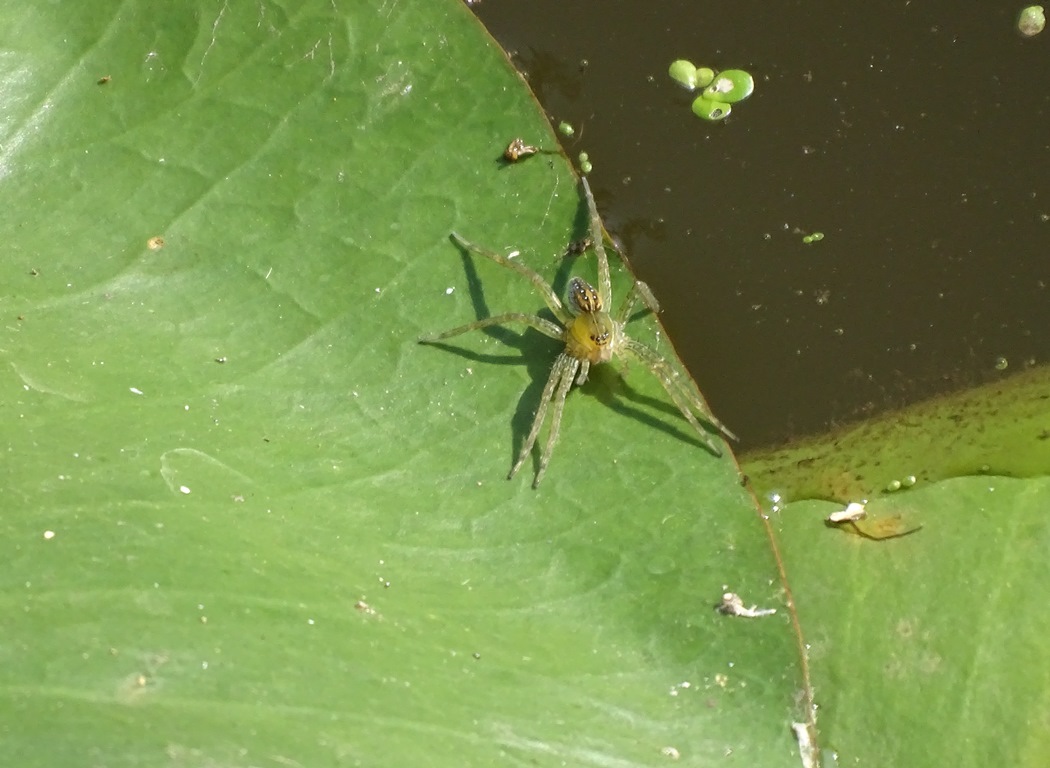
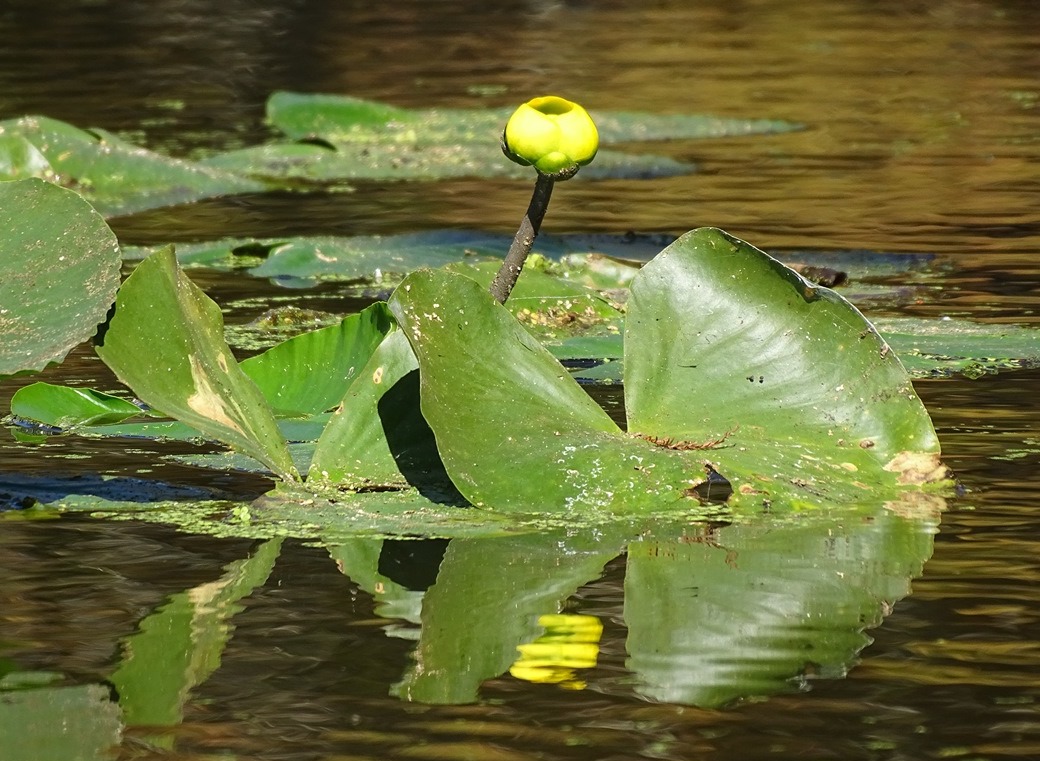
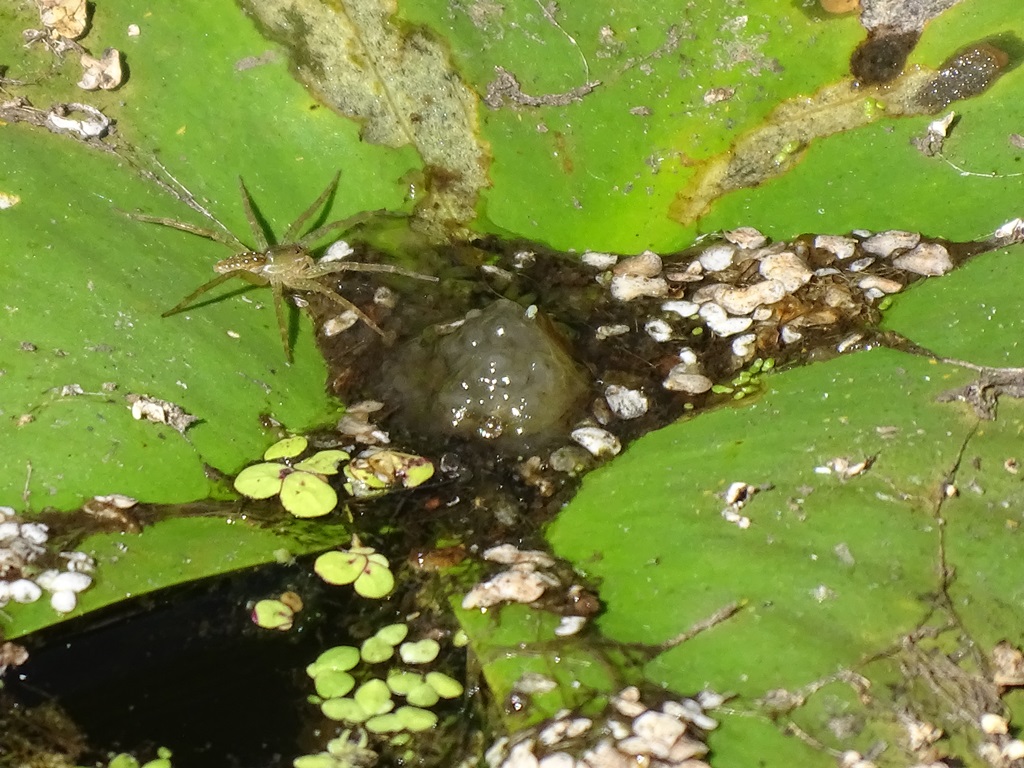
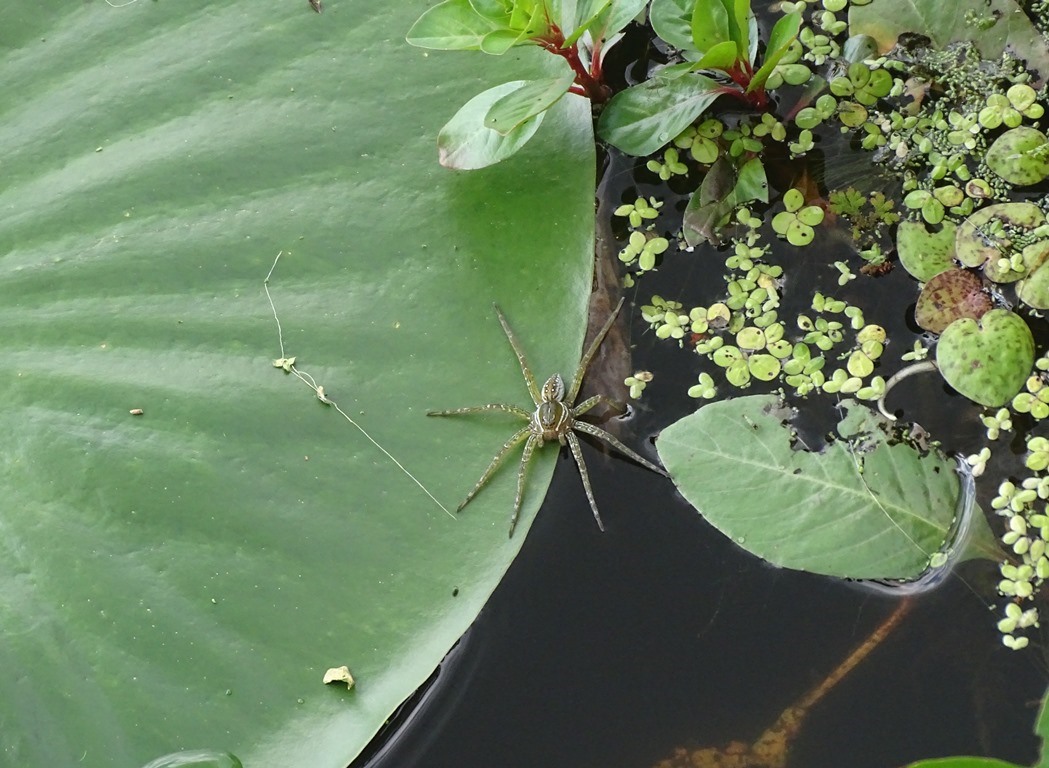
As I stood on the boardwalk gazing out at the lake, a Fishing spider suddenly scampered across the water’s surface and came to rest on top of a lily pad. Its thin, lightweight legs covered with water-repellent hairs enabled it to move effortlessly across the water’s surface without breaking the surface tension. There it sat, waiting for some unsuspecting insect or small fish to pass by.

——————————————————————
Following are some of the other spiders that I have seen this year and some of the unique ways that each one is able to thrive and survive in their environment.
—————————————————————–
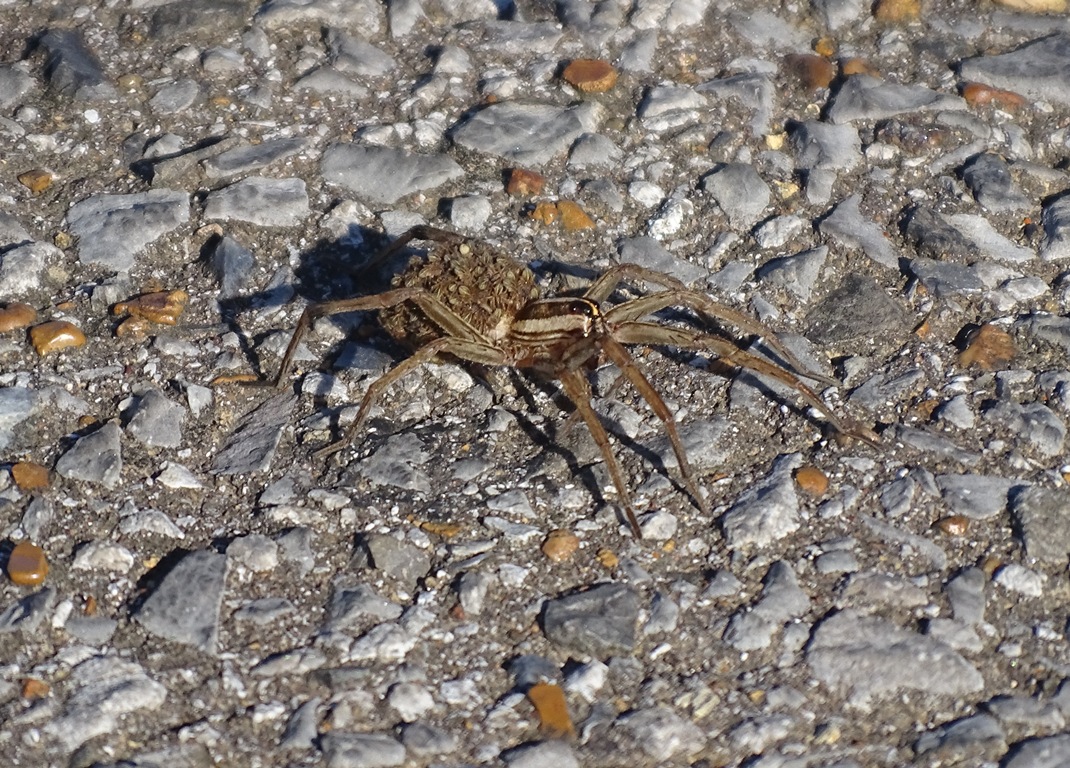
The female wolf spider transports her egg sac, which is affixed to her abdomen, allowing her to carry it wherever she goes. Once the spiderlings hatch, they climb up onto her abdomen, and she carries them with her until they are able to take care of themselves.
—————————————————————–
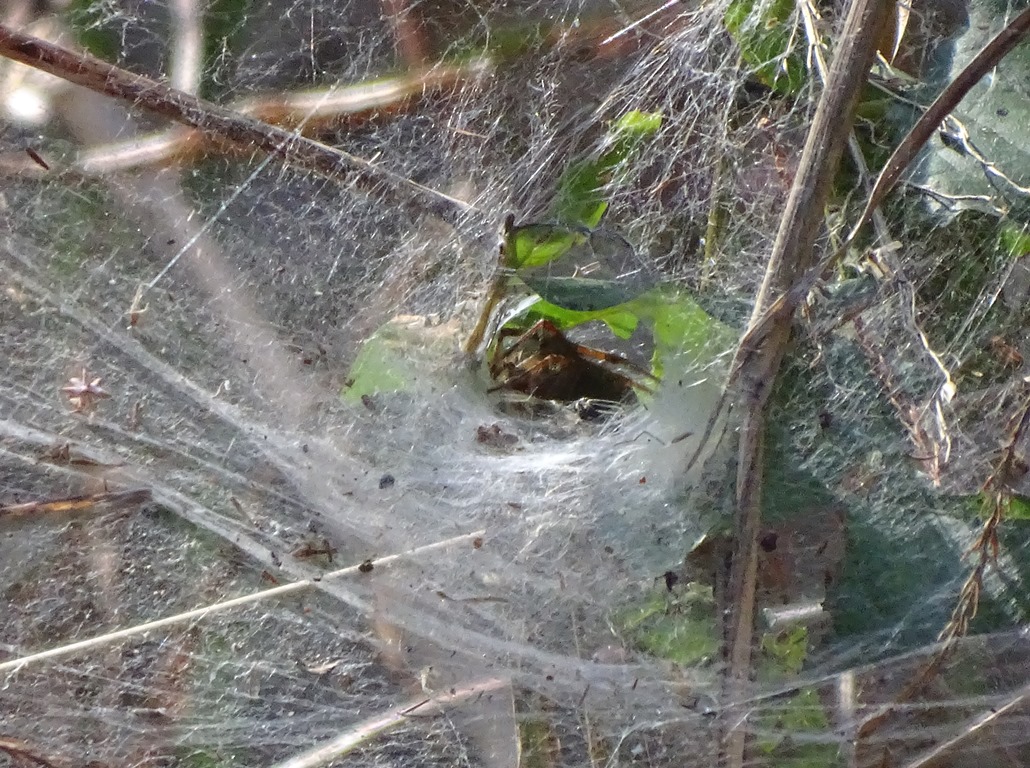
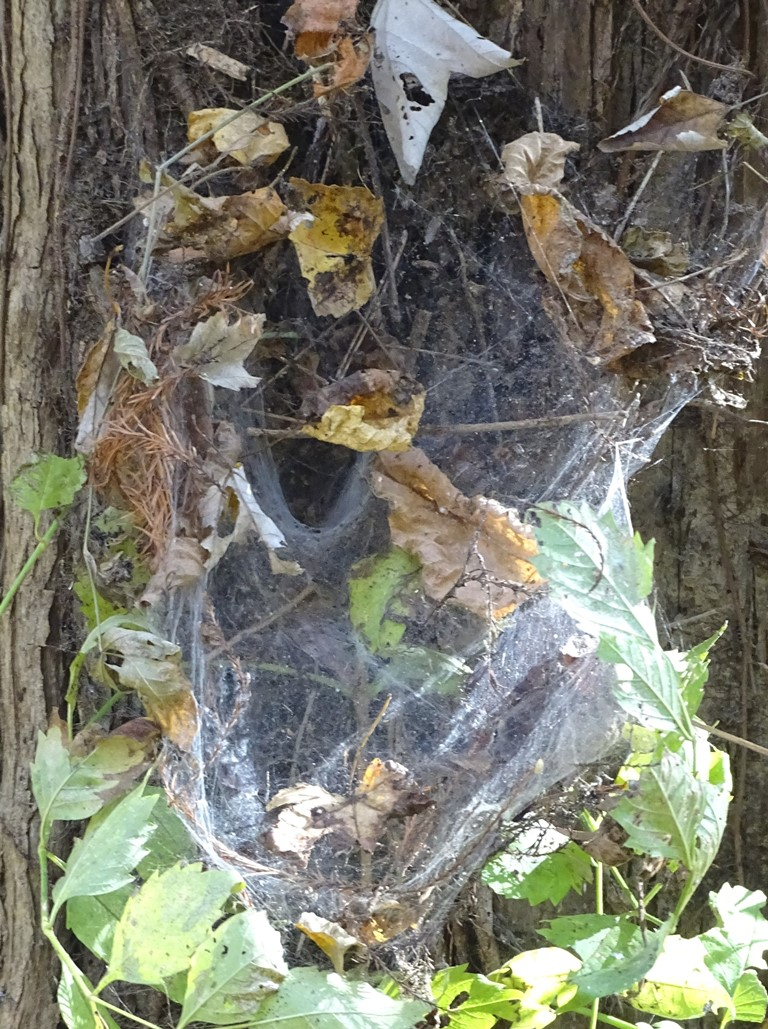
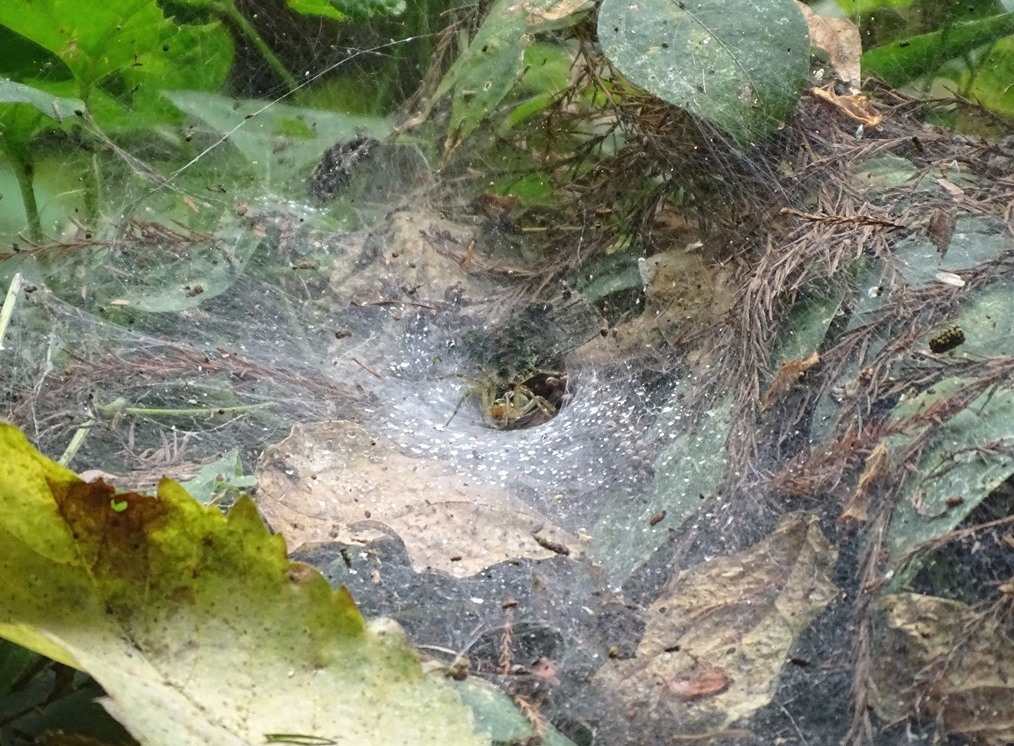
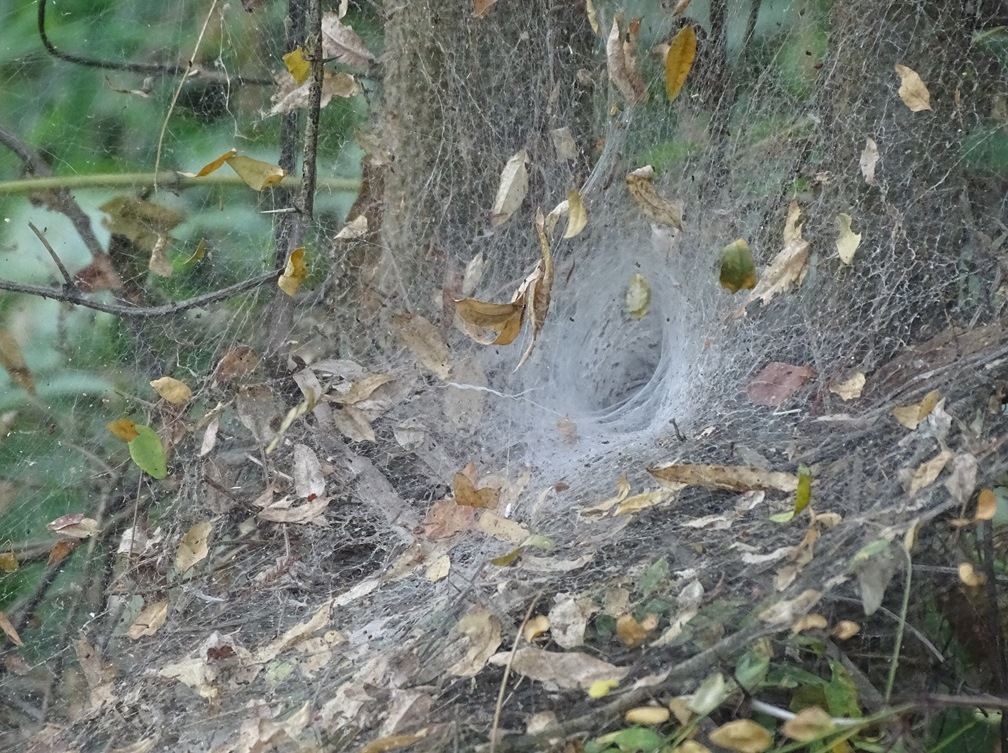
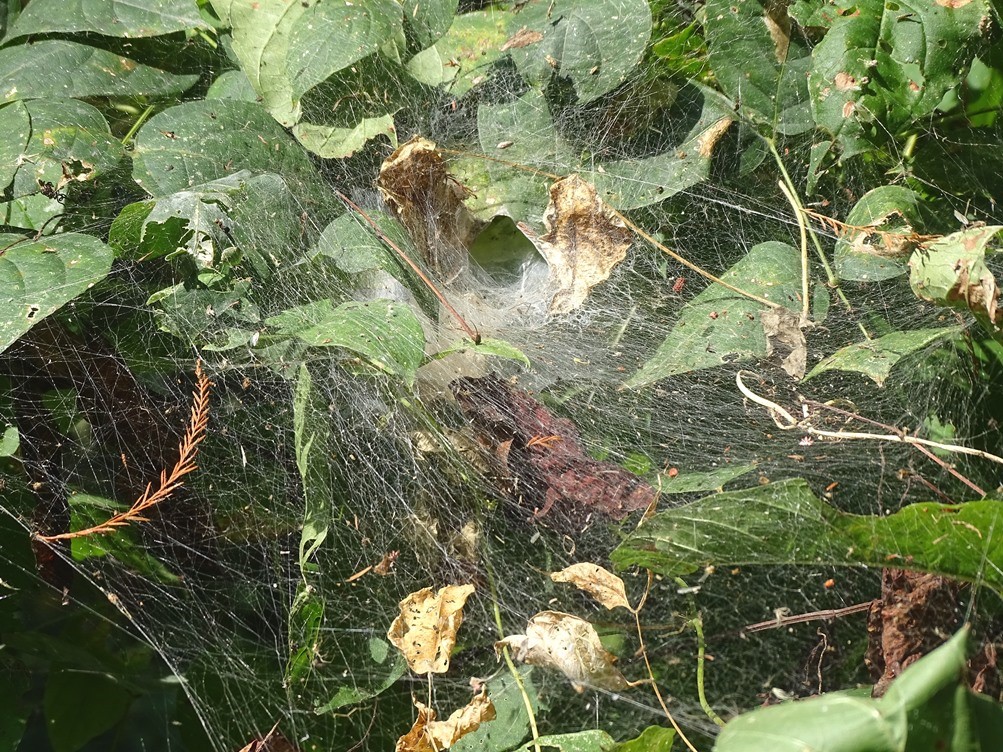
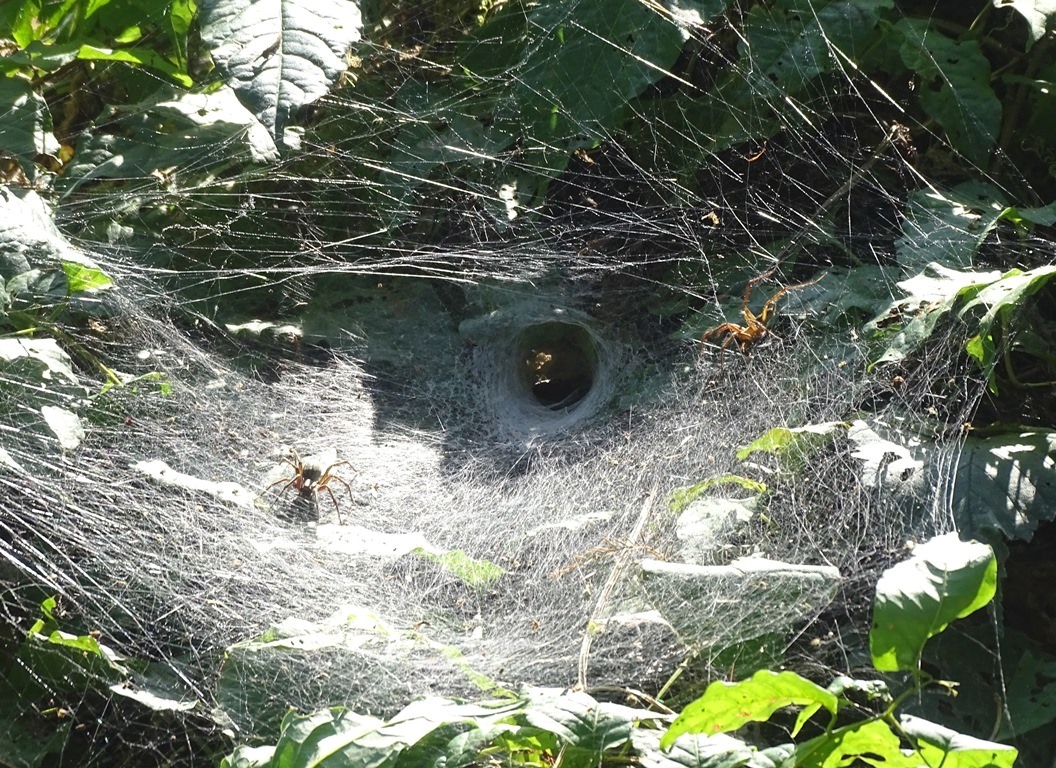
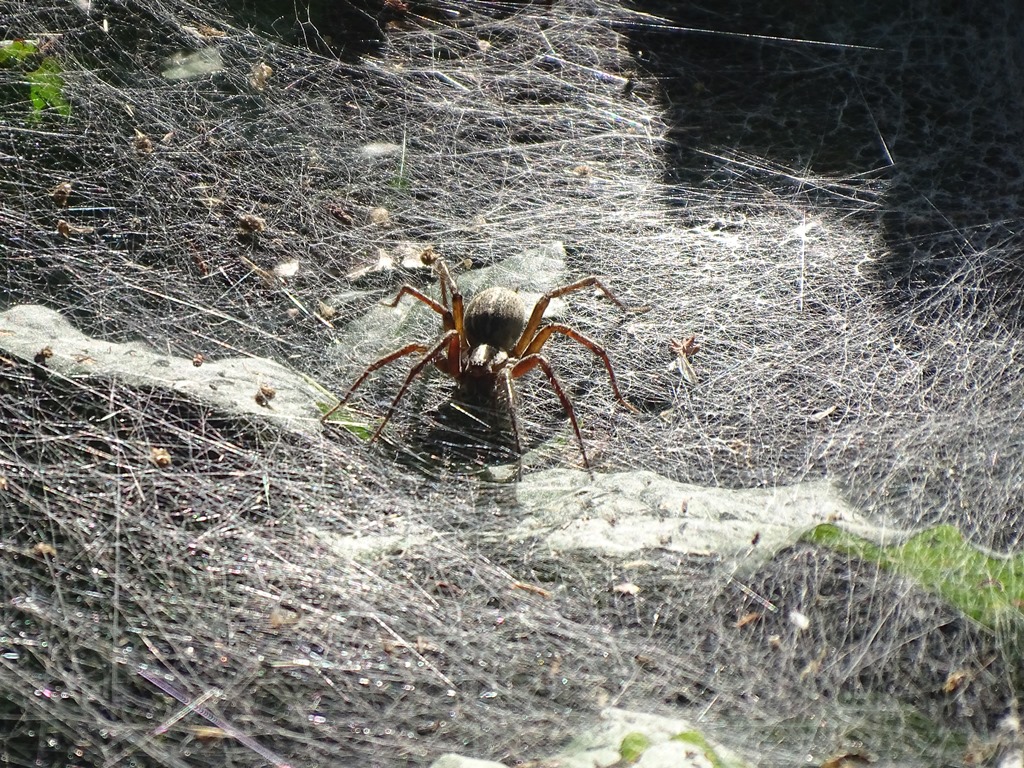
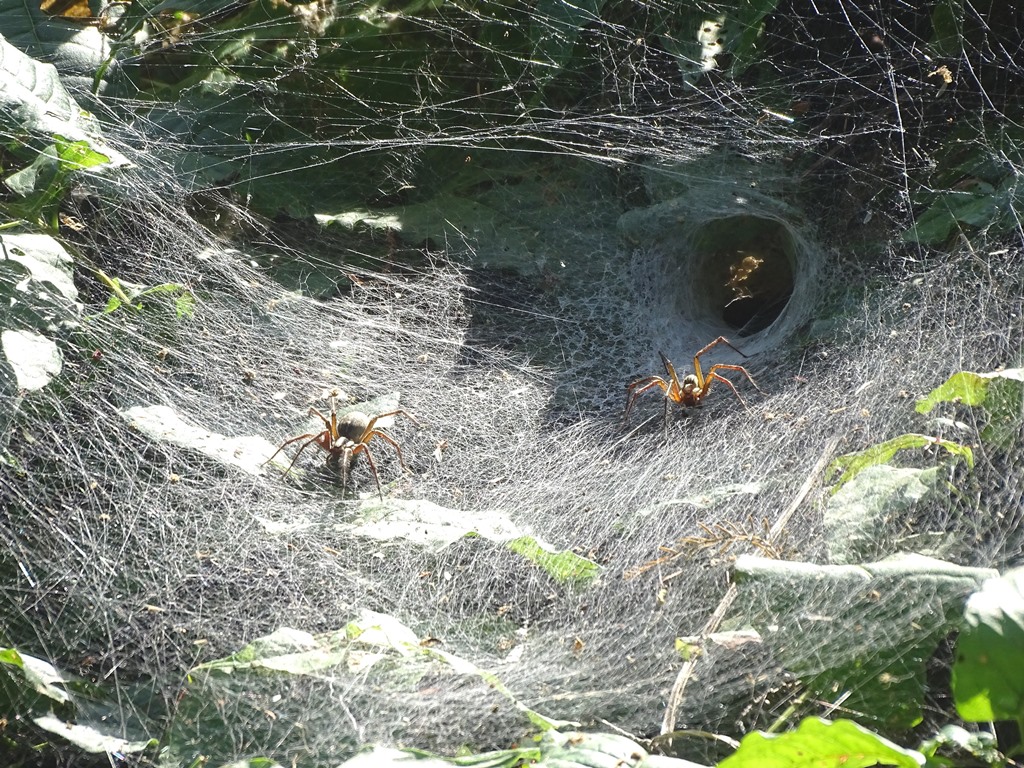
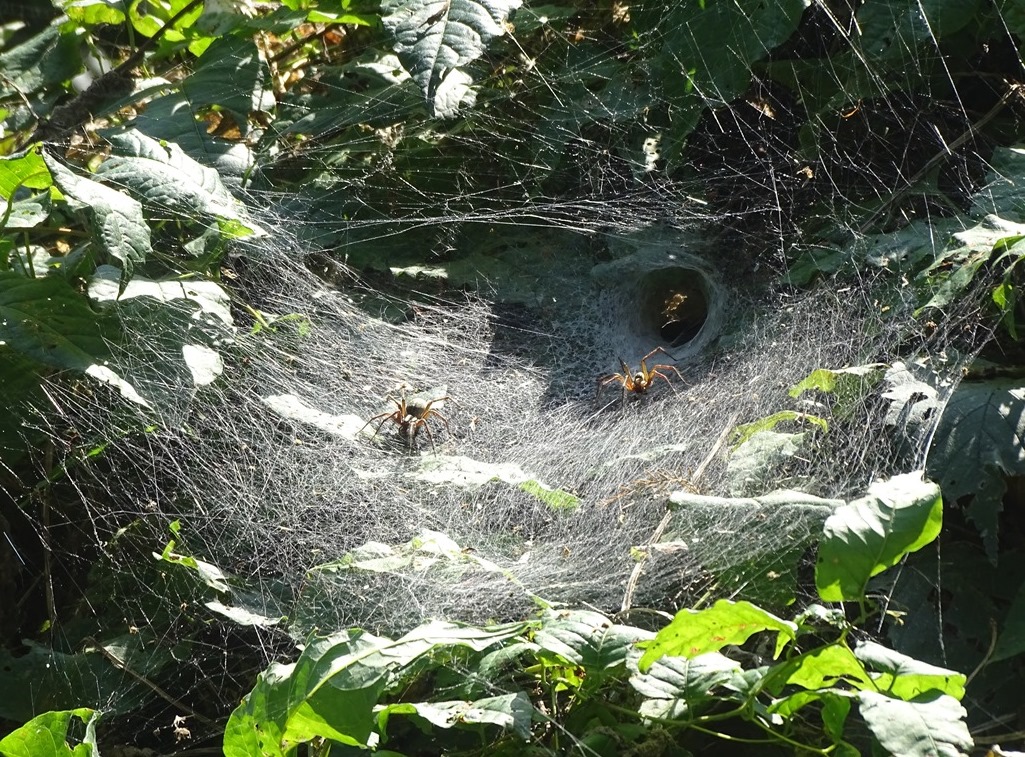
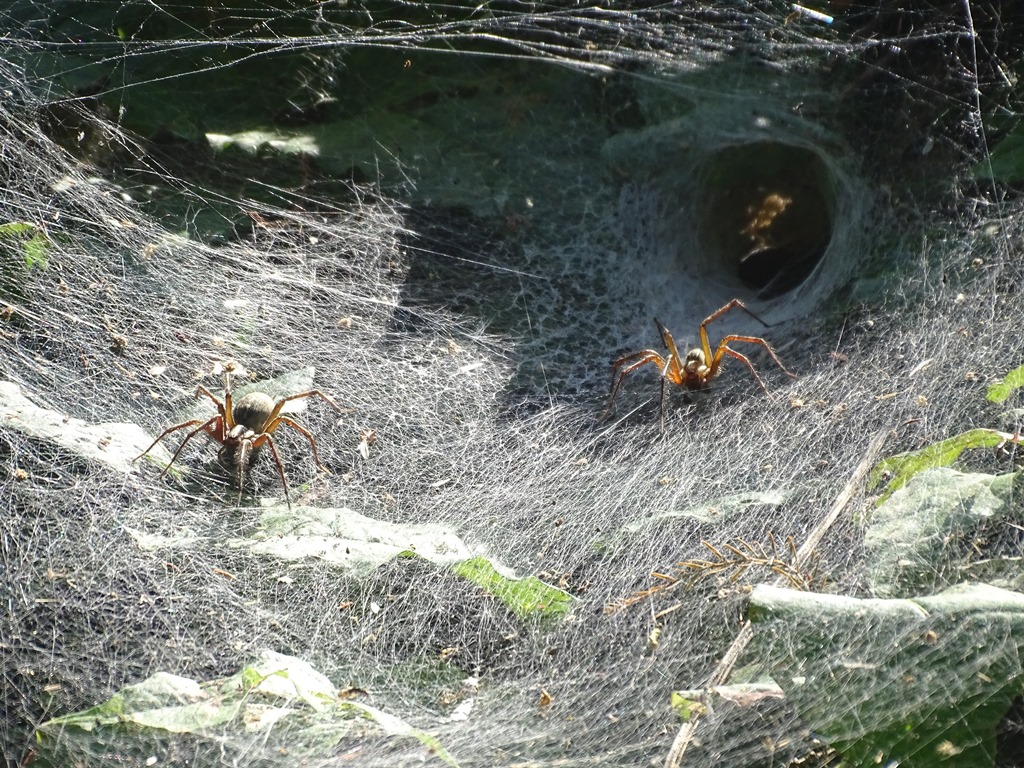
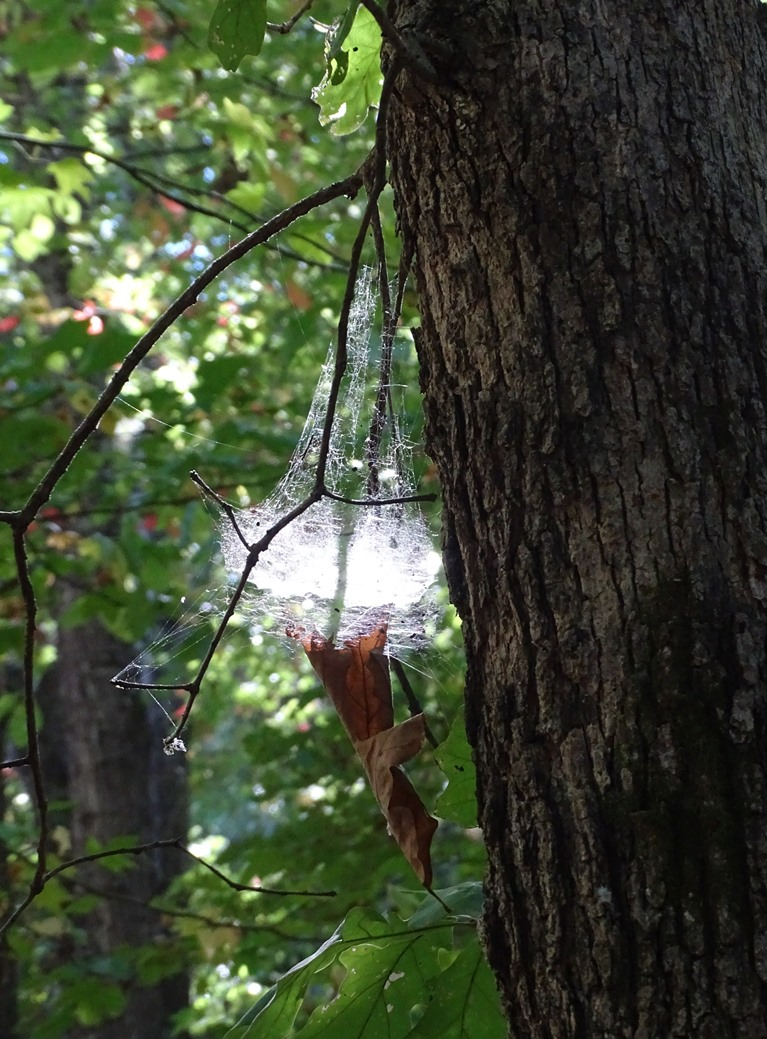
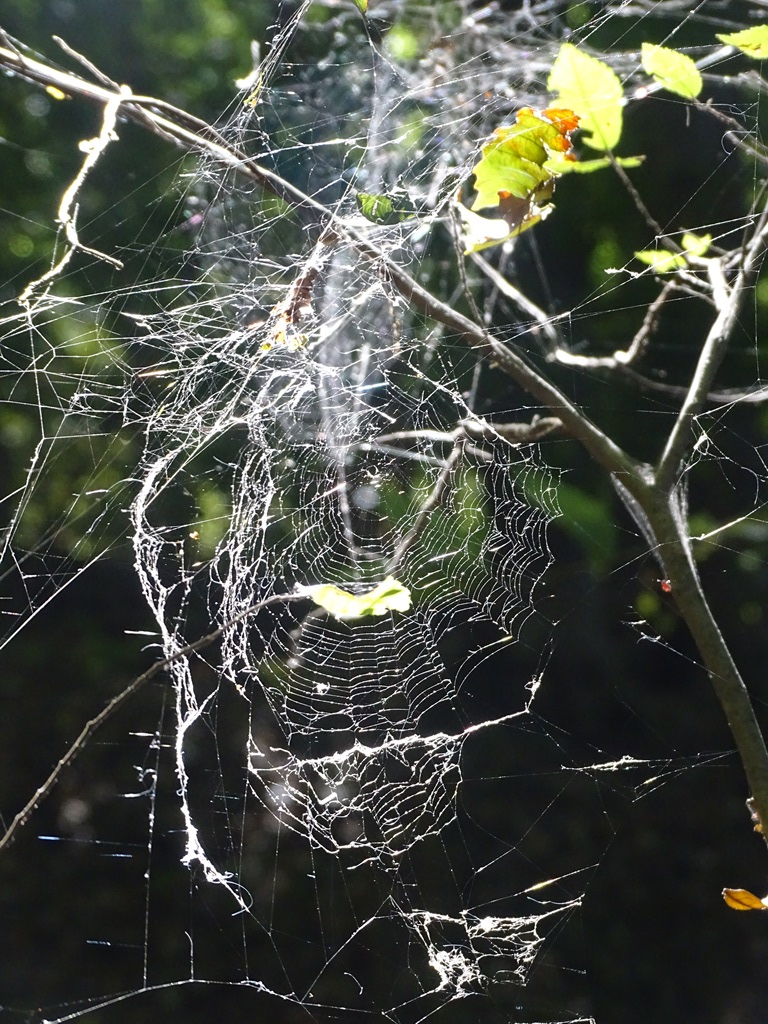
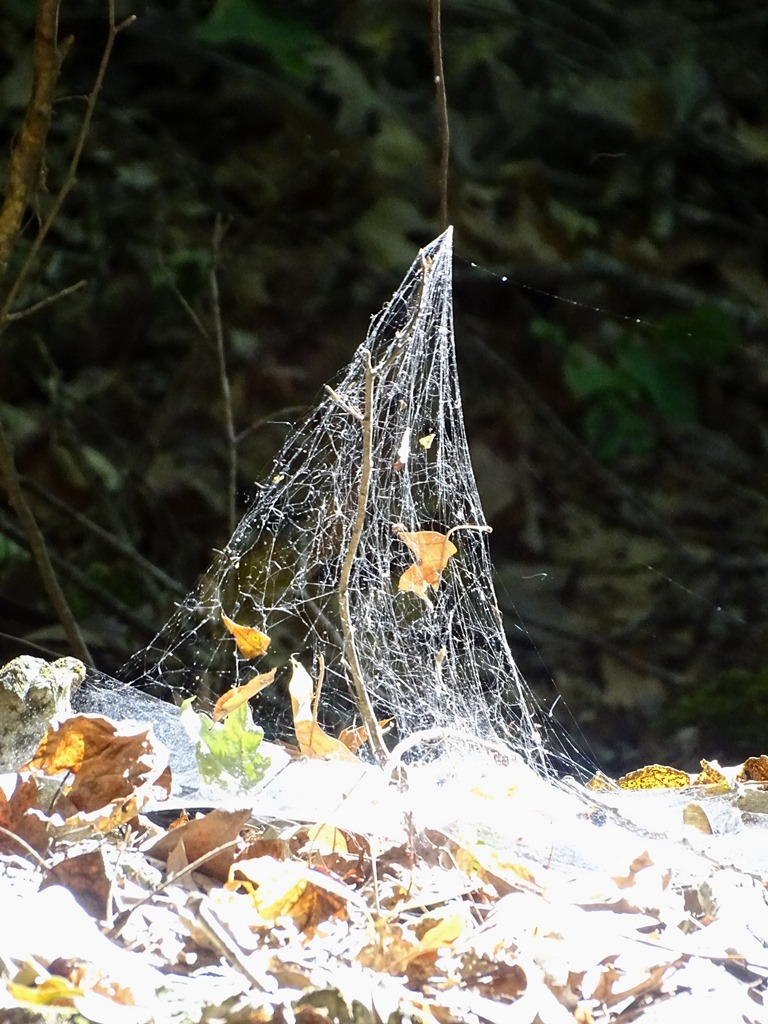
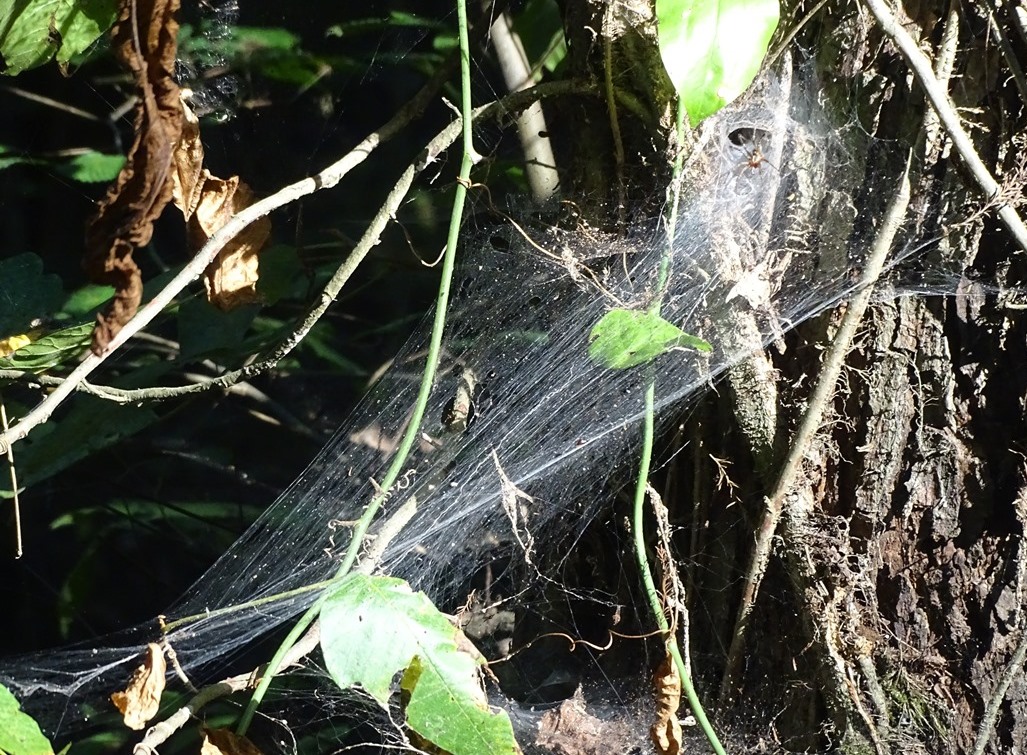
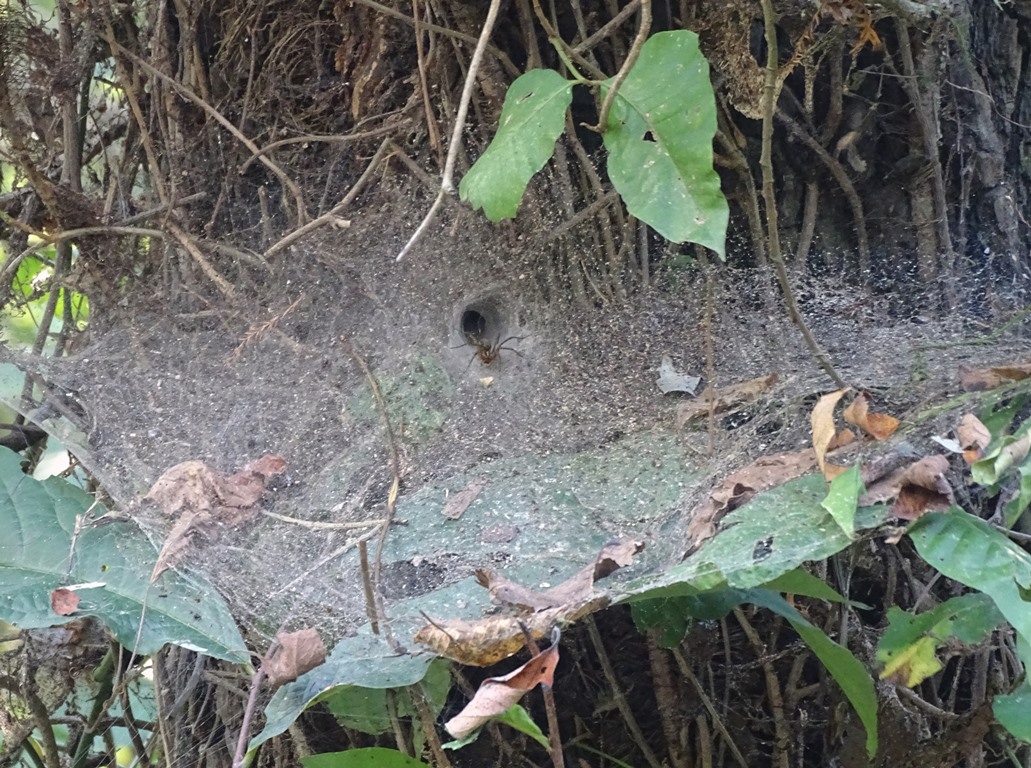
In order to capture their prey, funnel-weaving spiders construct flat, non-sticky webs featuring a funnel-shaped retreat on one side. The spider remains concealed at the rear of the web, hidden from view, until the silk threads are disturbed. Quickly it scurries out, seizes the prey, and takes it back to their funnel for feeding.

—————————————————————–
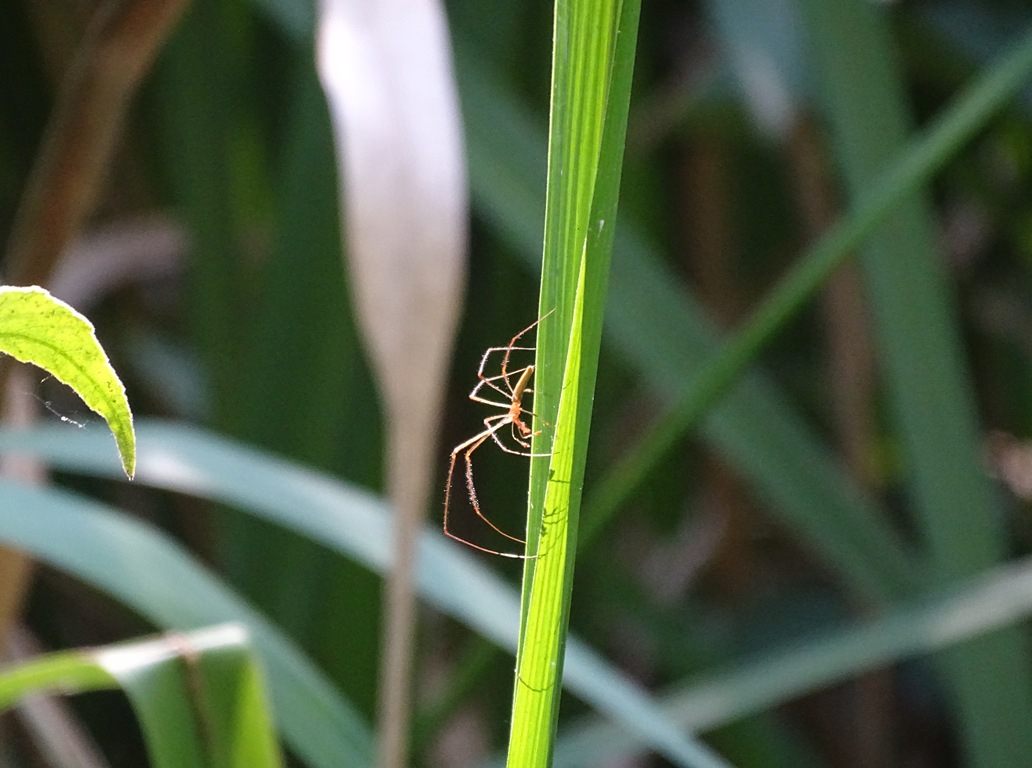
Long-bodied cellar spiders occasionally venture out of their webs to hunt for small insects and other spiders. When they feel threatened, they use a vibrating defense mechanism — shaking their web rapidly to disorient predators and make their location harder to pinpoint. If another spider approaches too closely, they raise themselves up on their long, slender legs to avoid bites, insert their venom, and quickly wrap the intruder in silk.
—————————————————————–
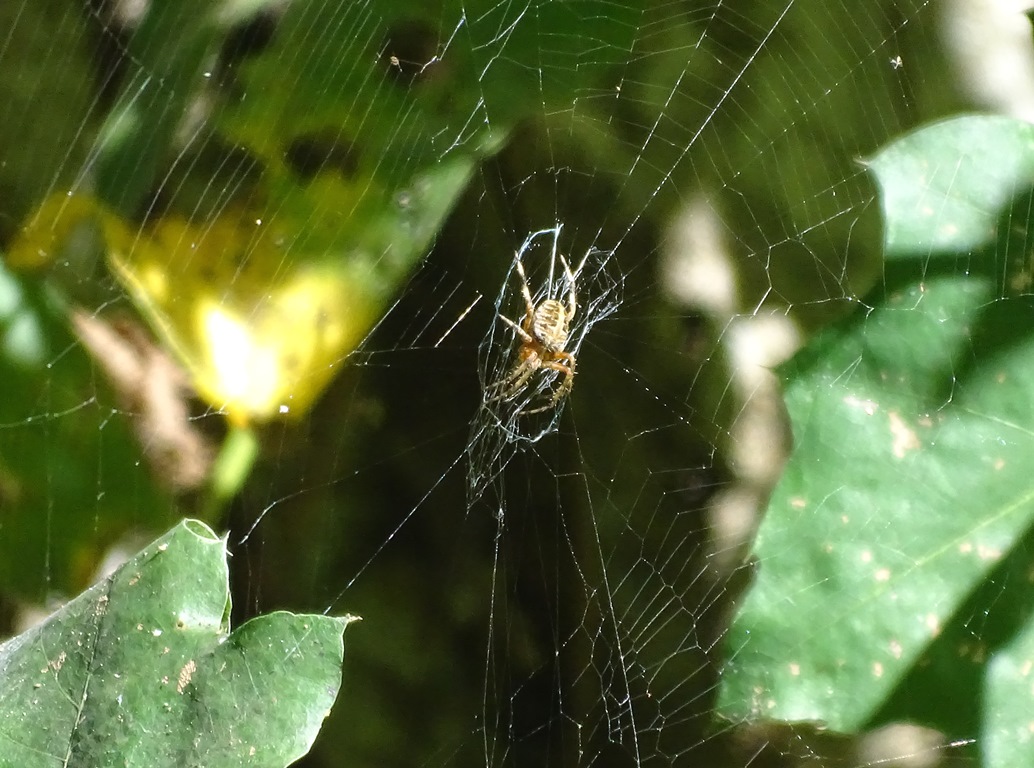
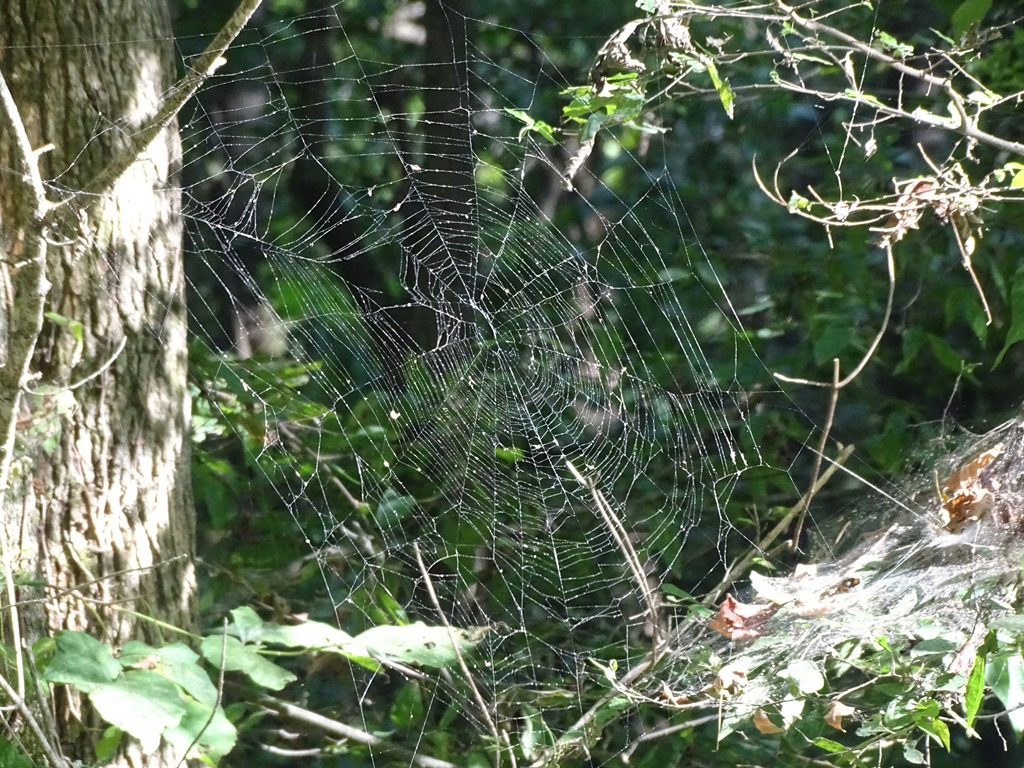
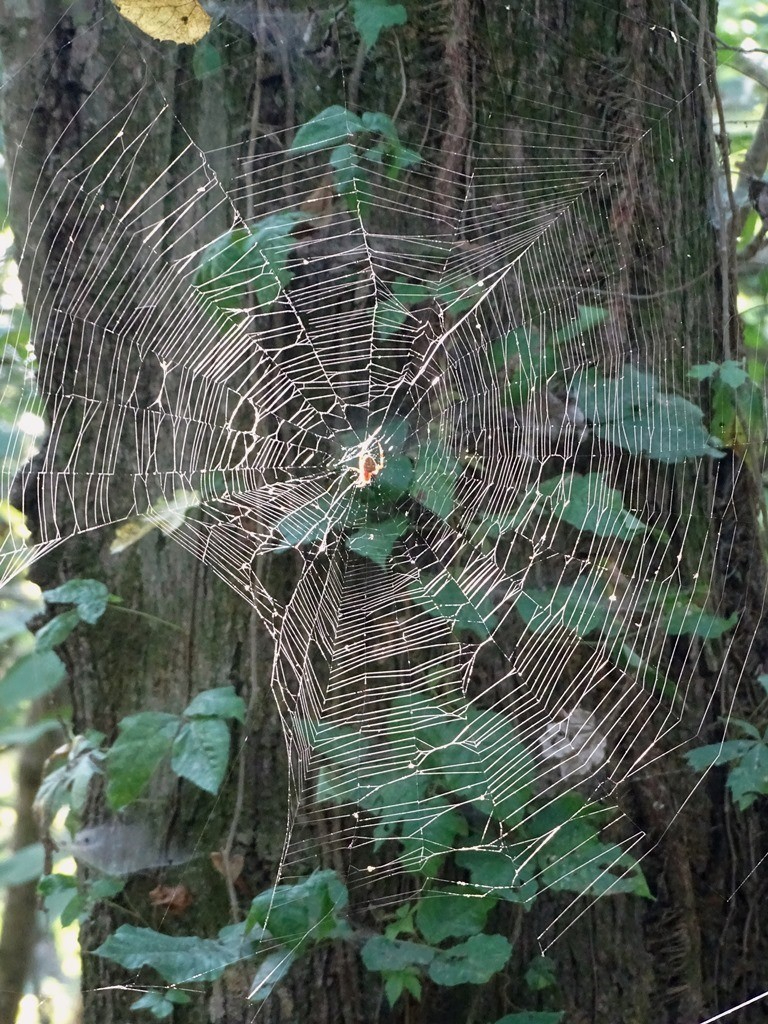
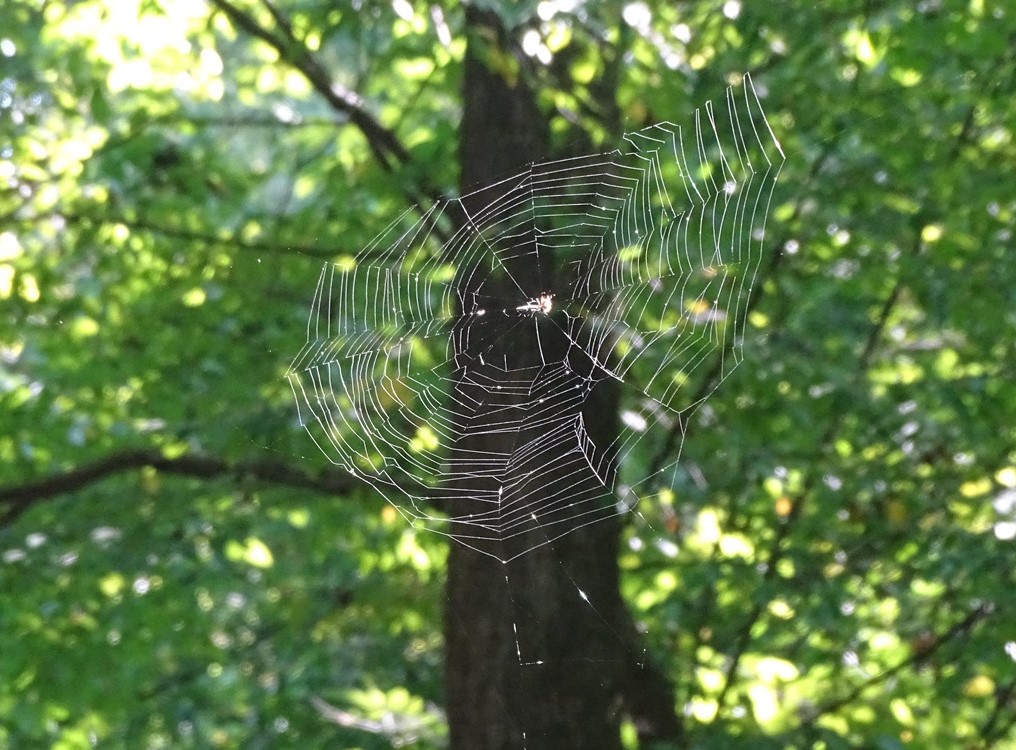
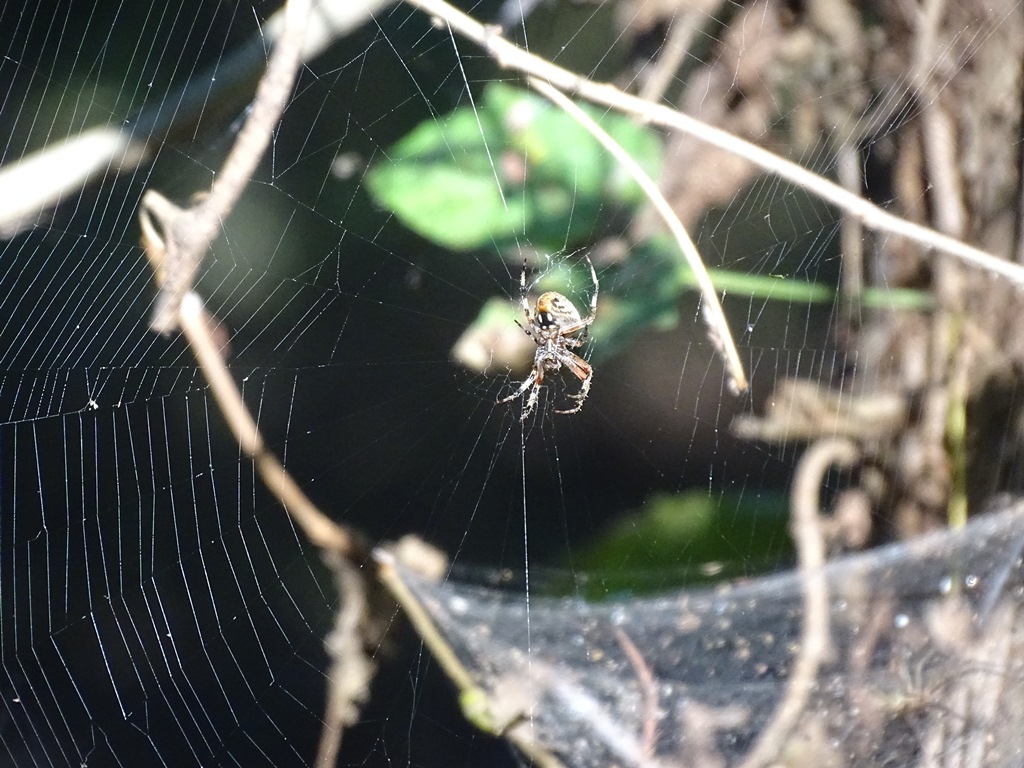
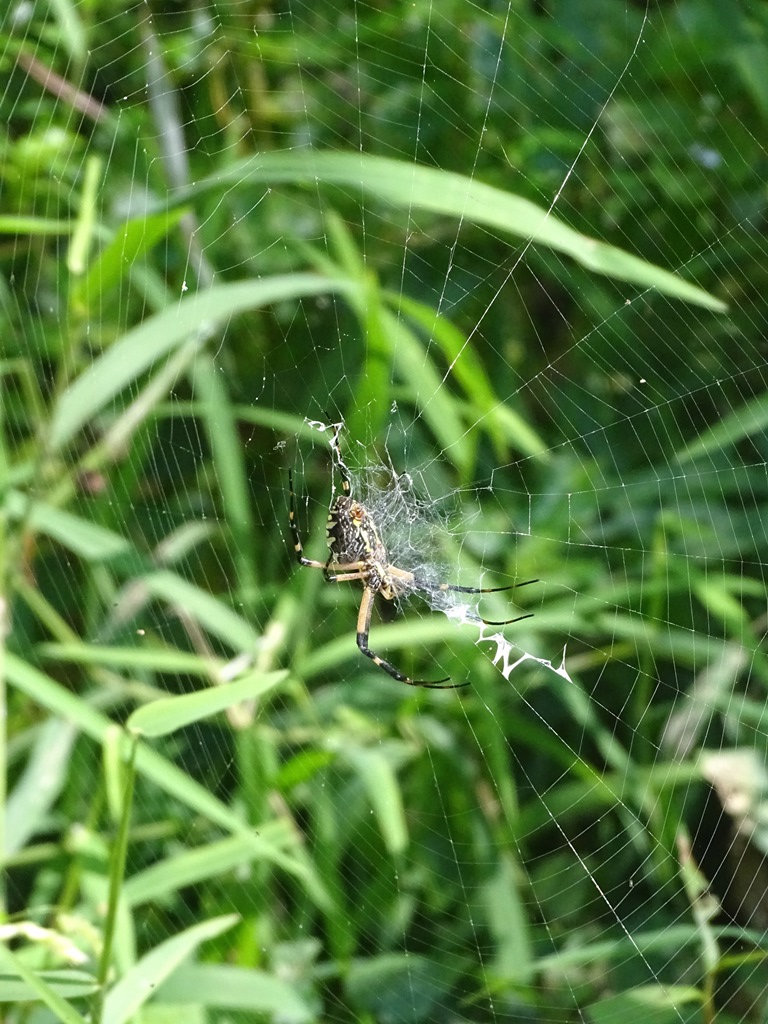
Orb-weaver spiders craft intricate, sticky, wheel-shaped webs that serve as their primary means of catching prey. The webs are strategically placed in spots that insects frequent. Remarkably, they can replace their entire web with a new one in just about an hour, ensuring it remains functional.
(Note: For the best viewing experience, watch the video in full-screen mode.)
—————————————————————–
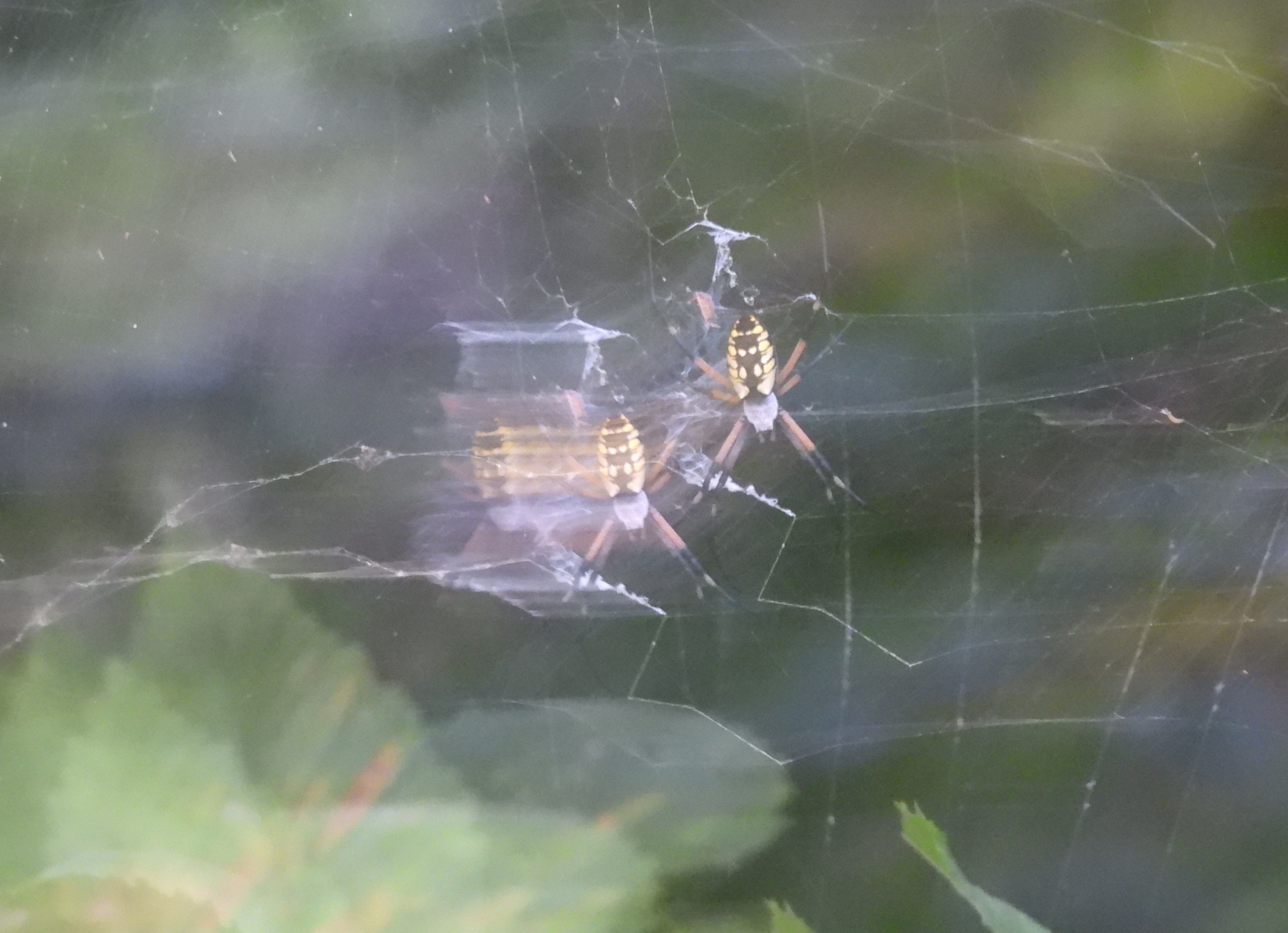
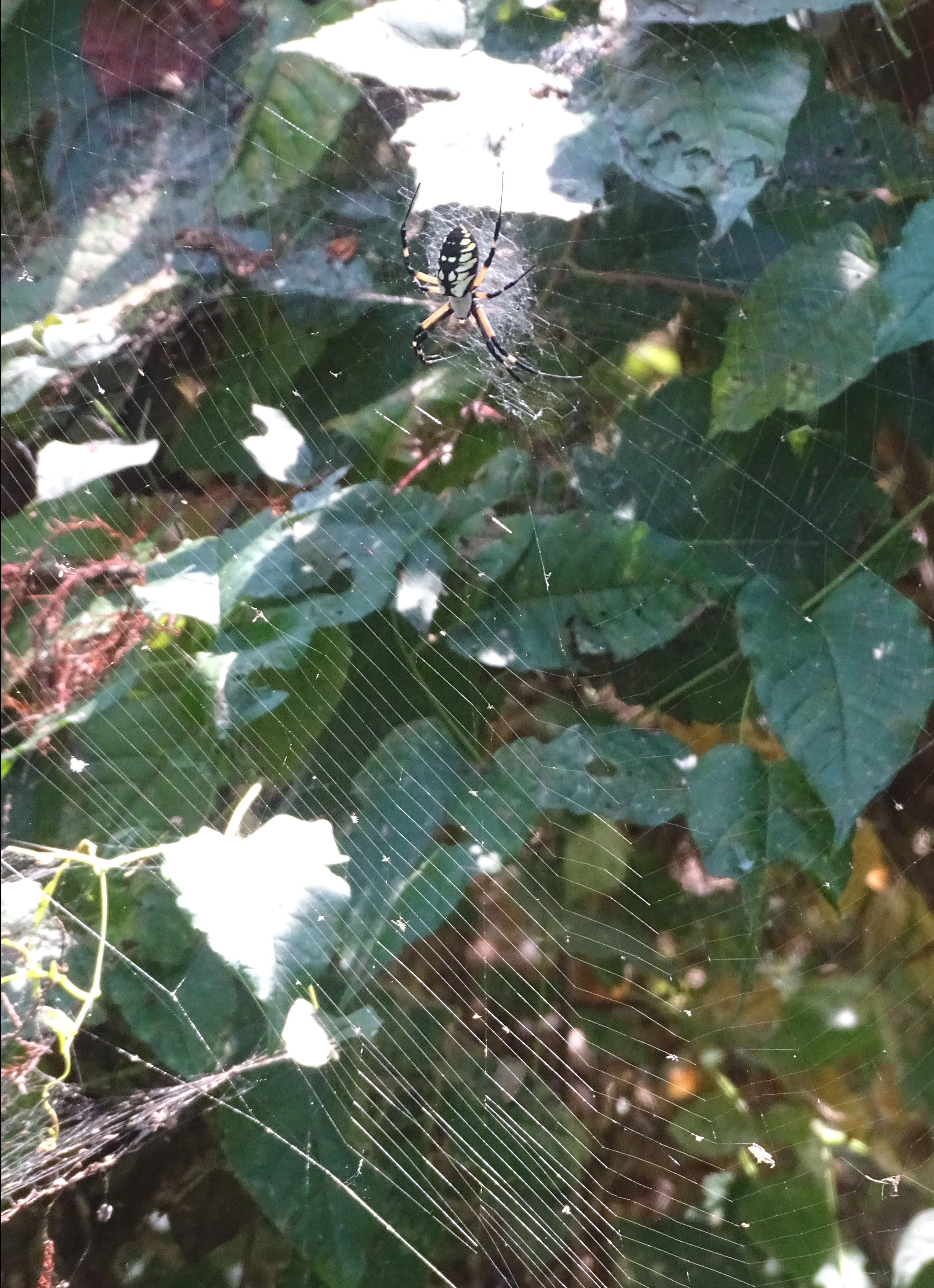
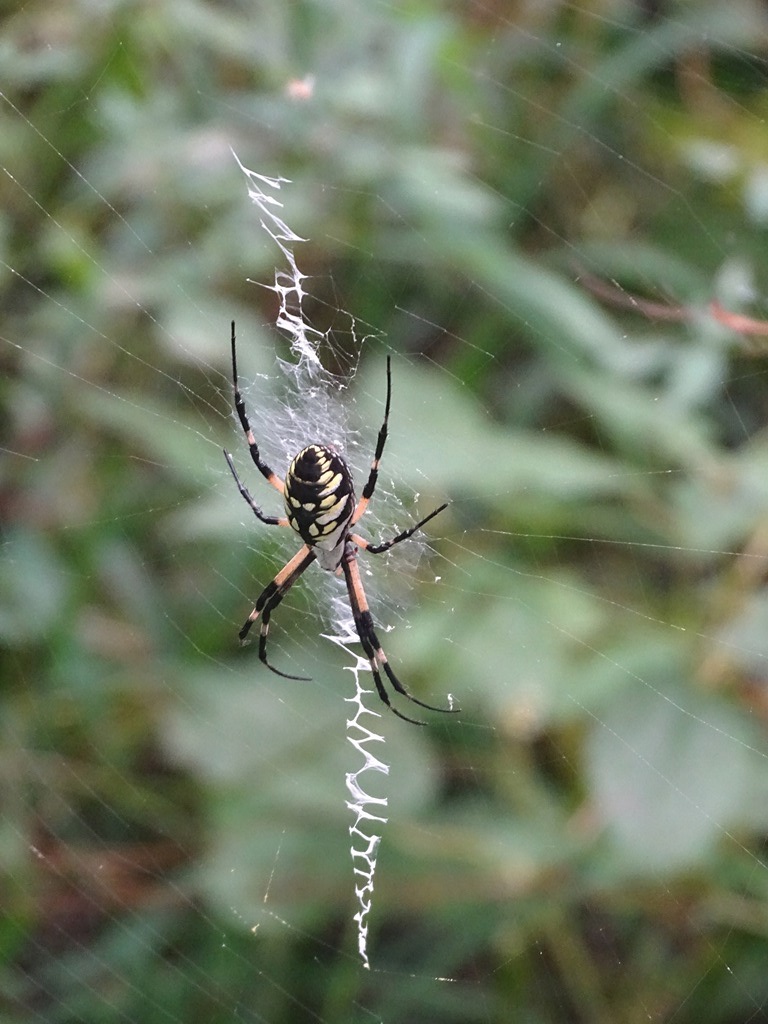
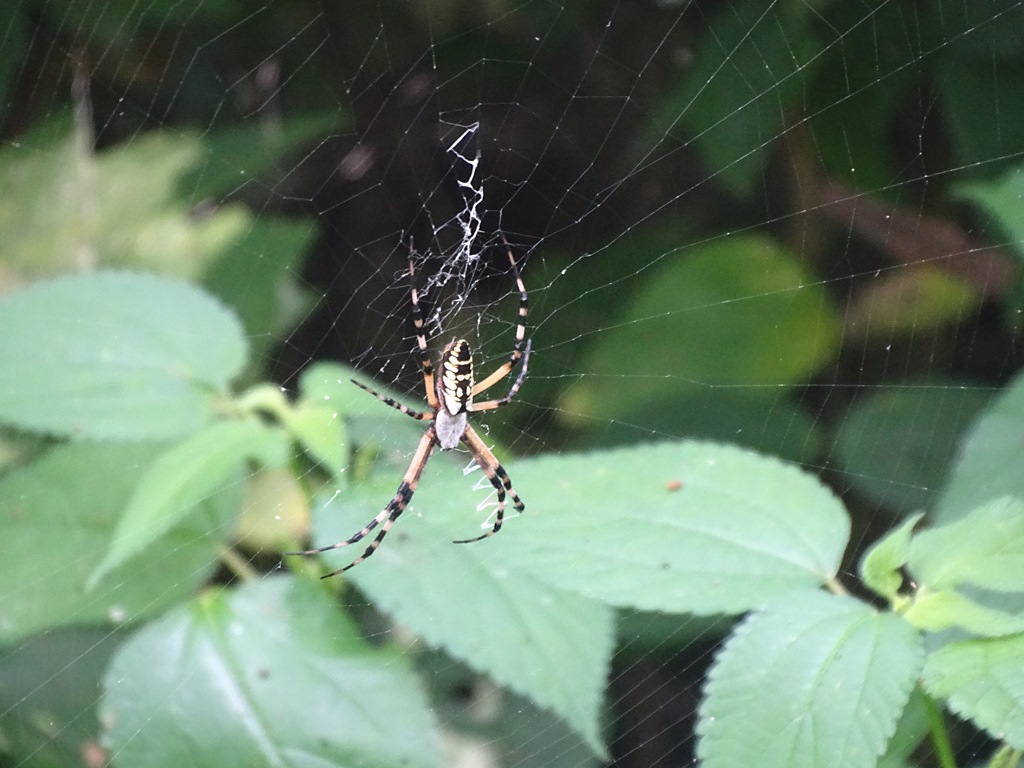
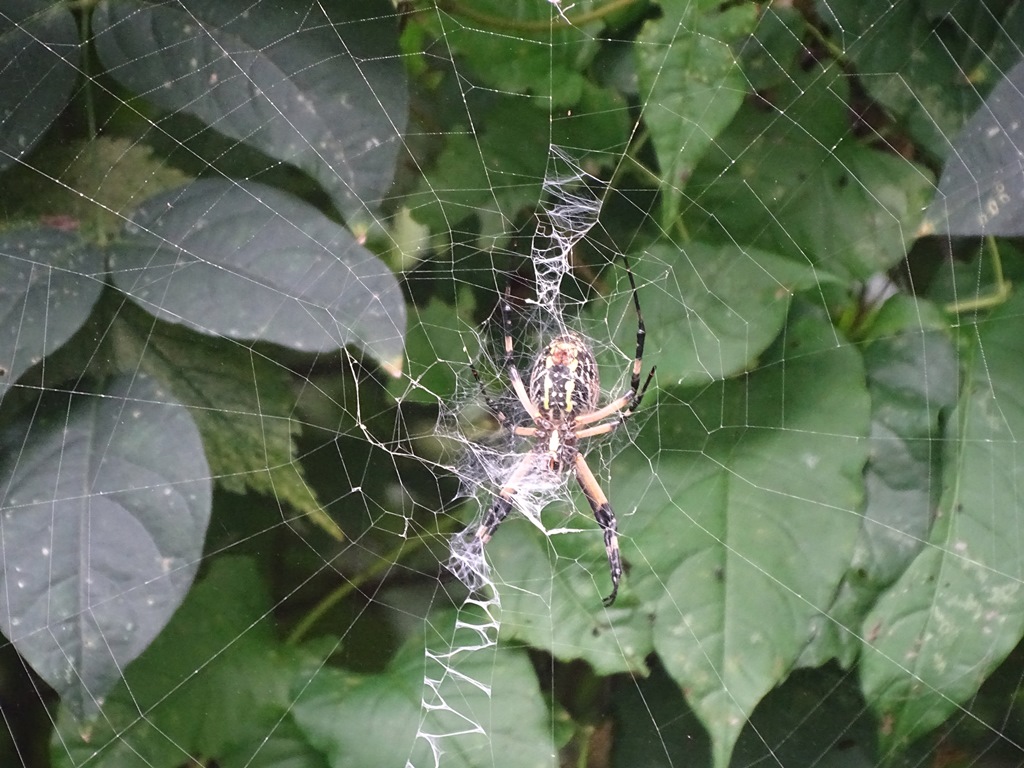
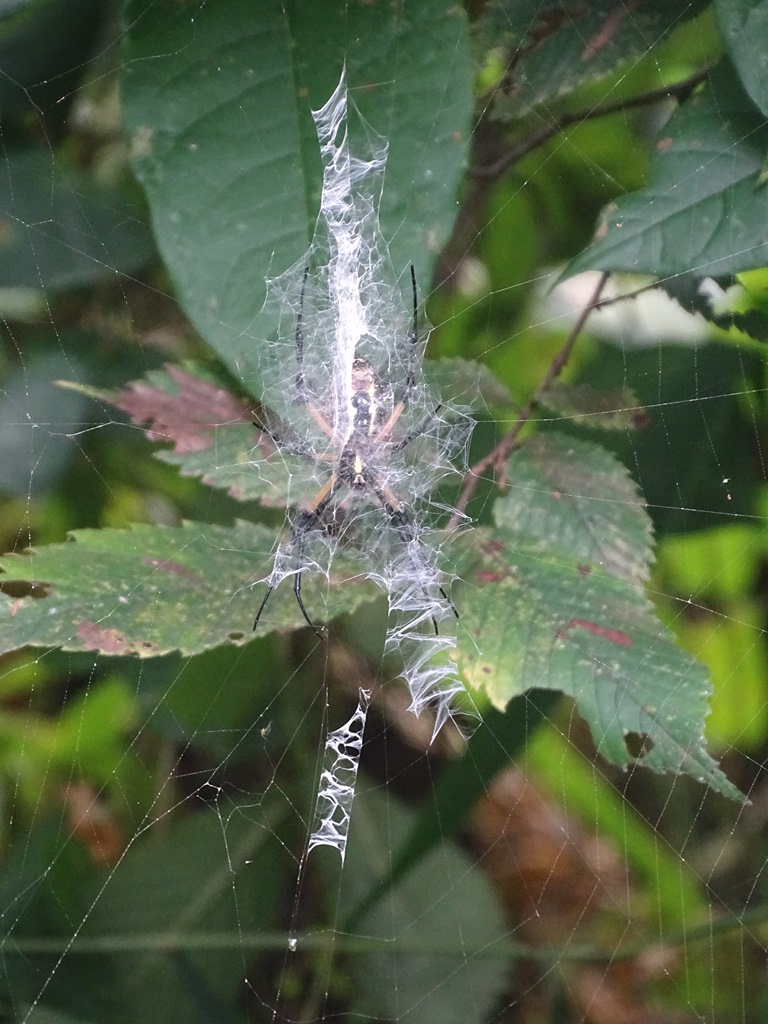
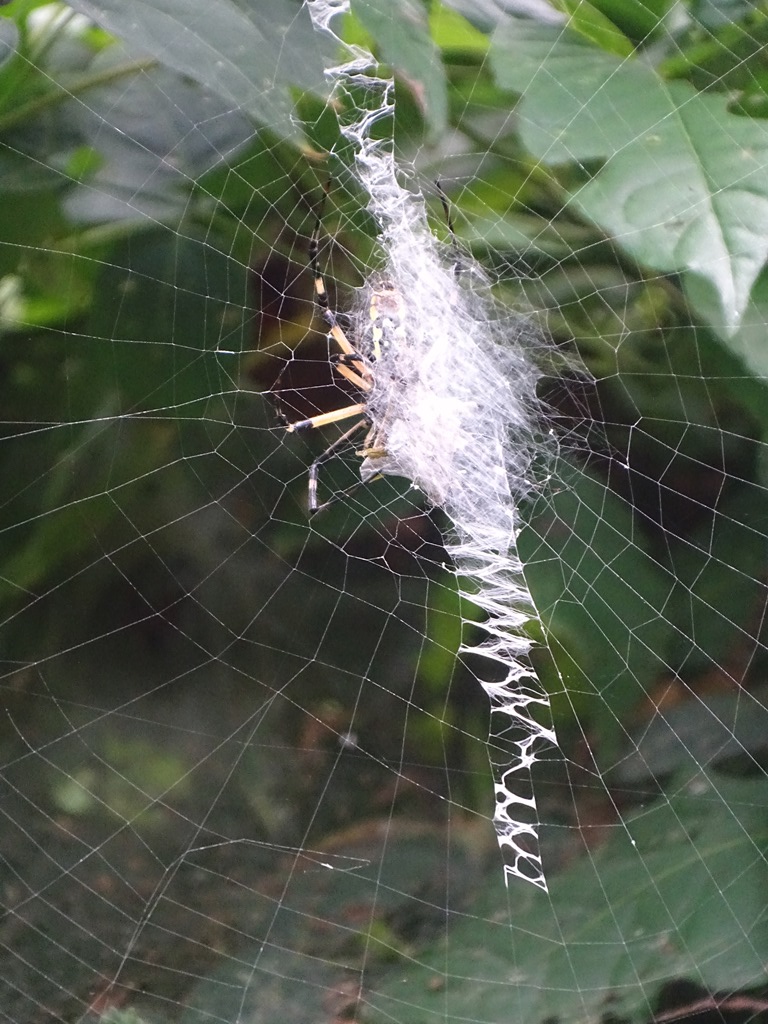
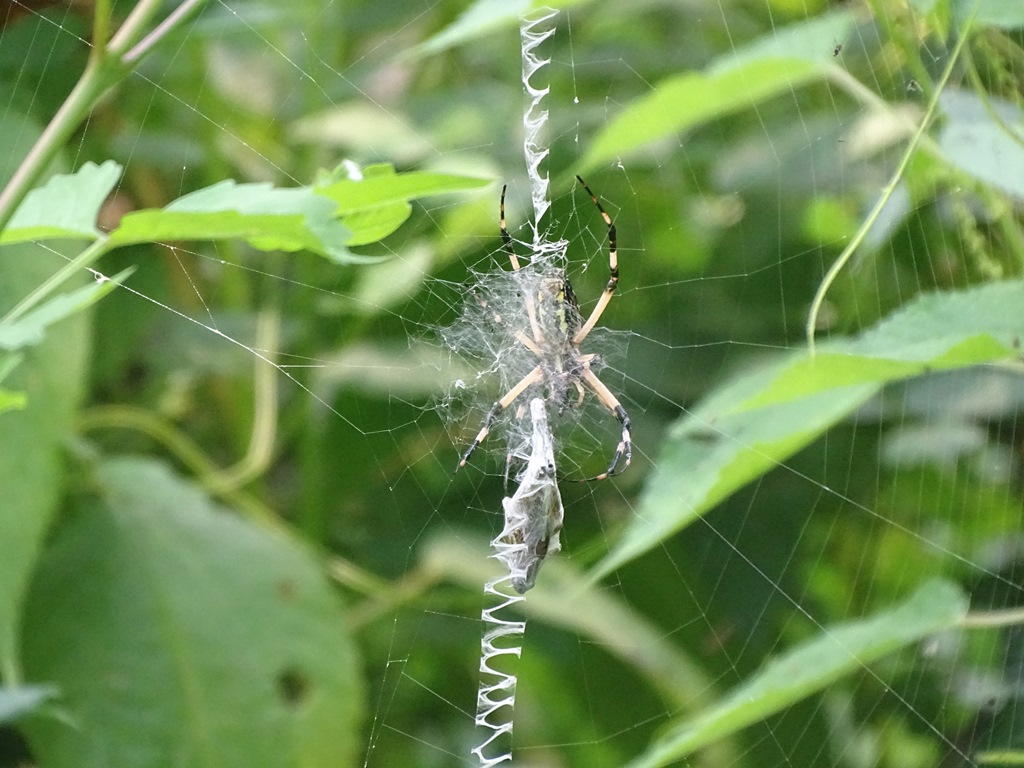
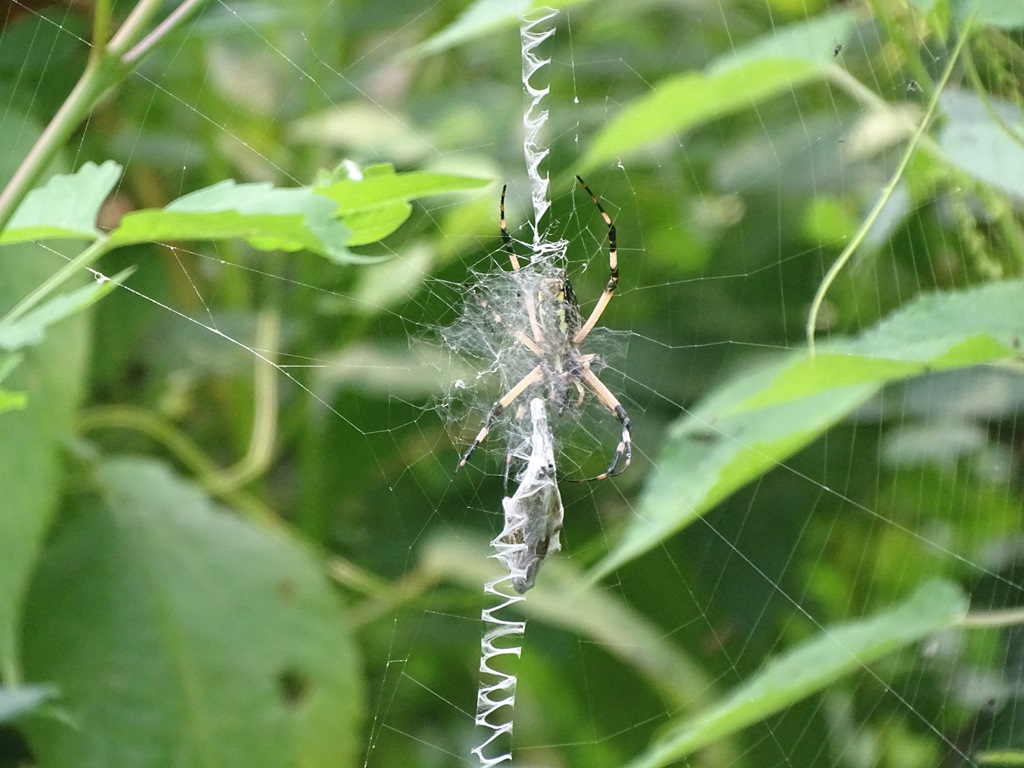
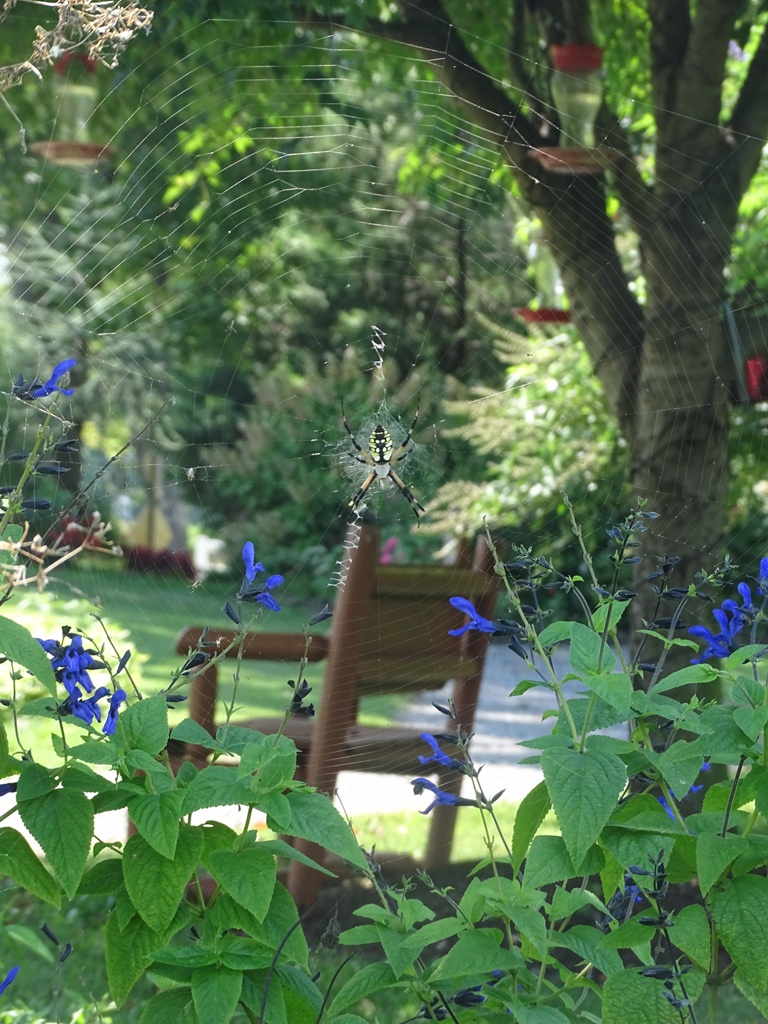
The Black and Yellow Garden Spider is a well-known type of orb-weaver. Unlike other orb spiders, it has a unique zigzag band of silk running down the center of its web. This design is believed to attract insects and provide a hiding spot for the spider. When an insect becomes ensnared, the spider injects venom to paralyze it and then wraps it in silk to save for later. This spider also employs a vibrating motion as a defense mechanism.


—————————————————————–
It is remarkable to consider the various ways in which God’s small creatures are endowed with distinct strengths and abilities necessary for their self-sufficiency and survival within their specific habitats.
—————————————————————–
“Traveller, there is no path. Paths are made by walking” — Antonio Machado















































 walking on a country road