This young raccoon came ambling out of a soybean field just as I was walking past on our country road. Sensing my presence, it lay down and tried to hide in the grass. Realizing that it had been spotted, it quickly turned and headed back for the cover of the soybeans.
“It is not the strongest of the species that survive, nor the most intelligent, but the one most responsive to change.” ~Charles Darwin
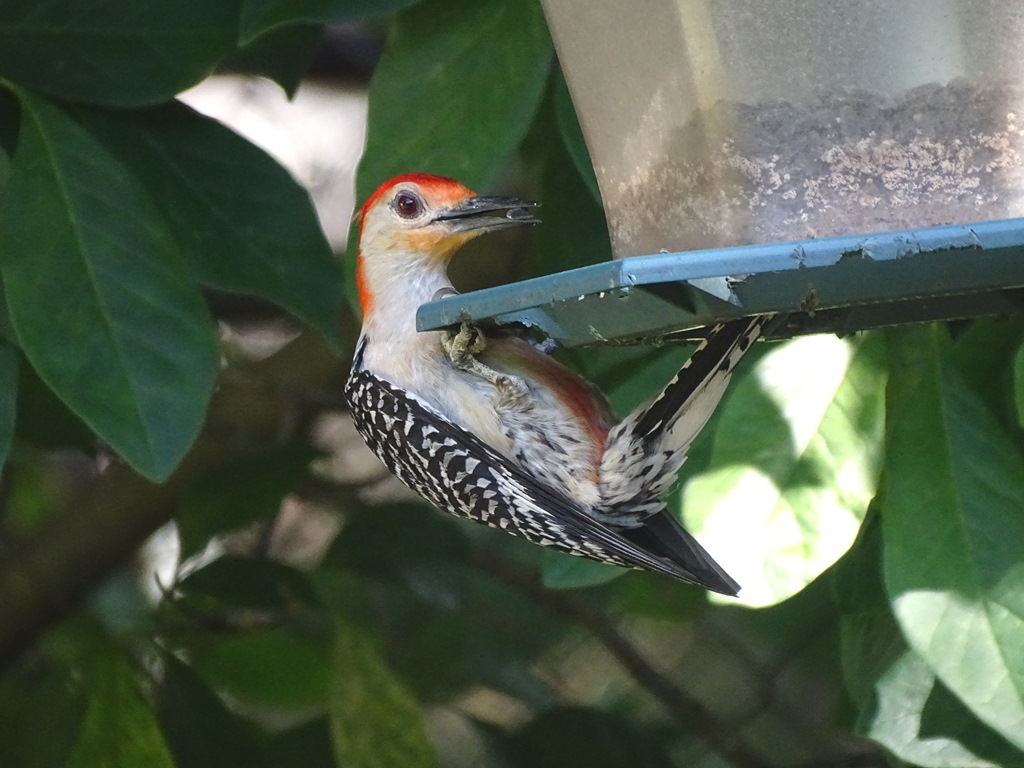
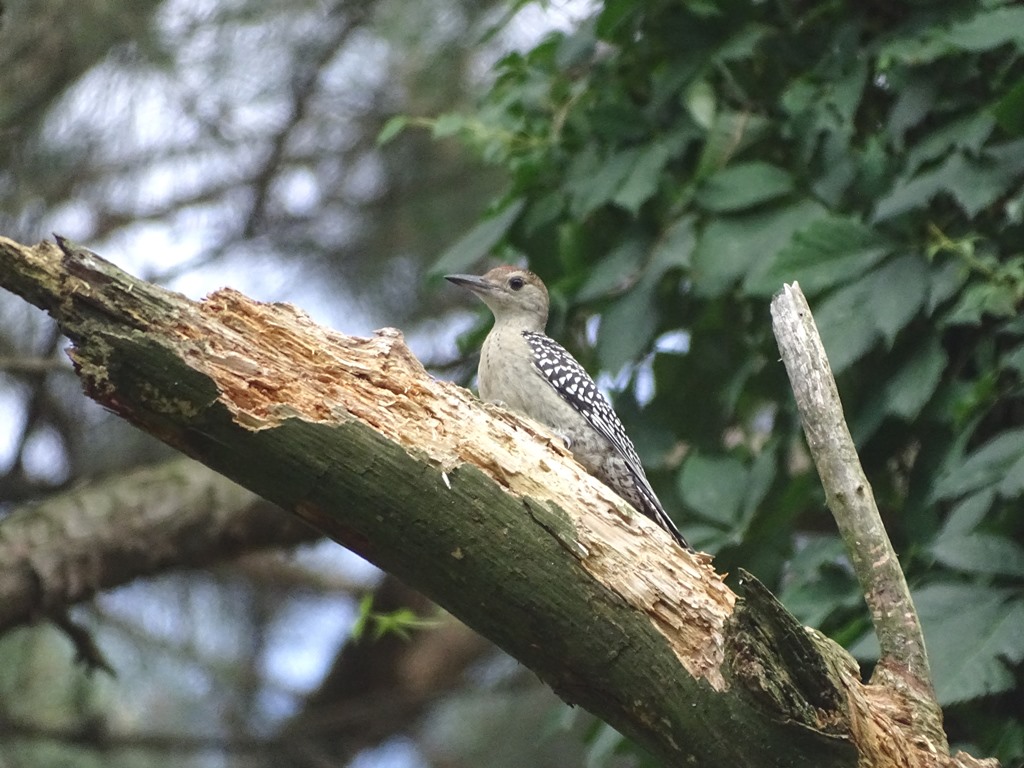
I’ve been seeing a male Red-bellied Woodpecker flying from tree to tree in the backyard. Occasionally he ventures to the feeder to grab a sunflower seed. The other day, he took a seed and flew to a high branch of one of the pine trees, where an immature woodpecker was waiting. It was fun watching the two interact and then fly off in the same direction.
“My father didn’t tell me how to live; he lived, and let me watch him do it.” – Clarence Budington Kelland
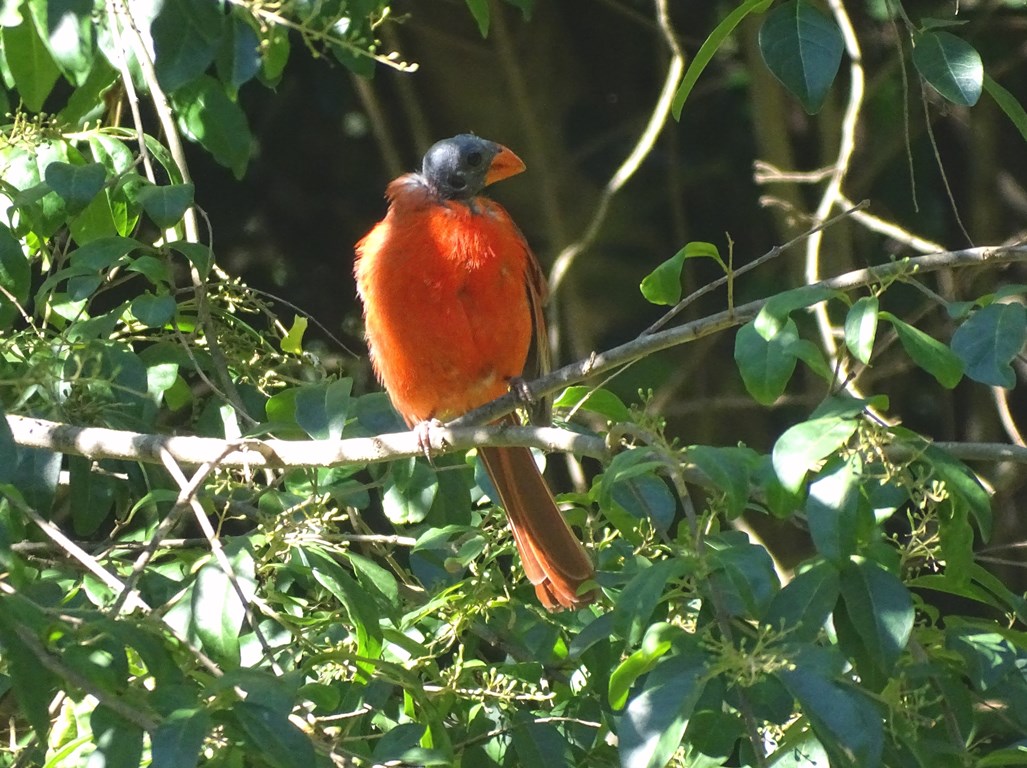
One day this week, I looked out of my kitchen window and thought I saw a black-headed cardinal in the backyard but then decided that I was probably imagining it. But yesterday, with camera in hand, I was able to get a photo of the bird. I have found two main theories about the baldness. It seems that after nesting season, cardinals molt and a number lose all their head feathers, revealing their skin beneath. The other theory is that the condition could be caused by mites. In both cases, the feathers will grow back in time. I found it interesting that the circle seen below and slightly behind the eye is actually an ear hole.
“I love bald men. Just because you’ve lost your fuzz don’t mean you ain’t a peach.” ~Dolly Parton
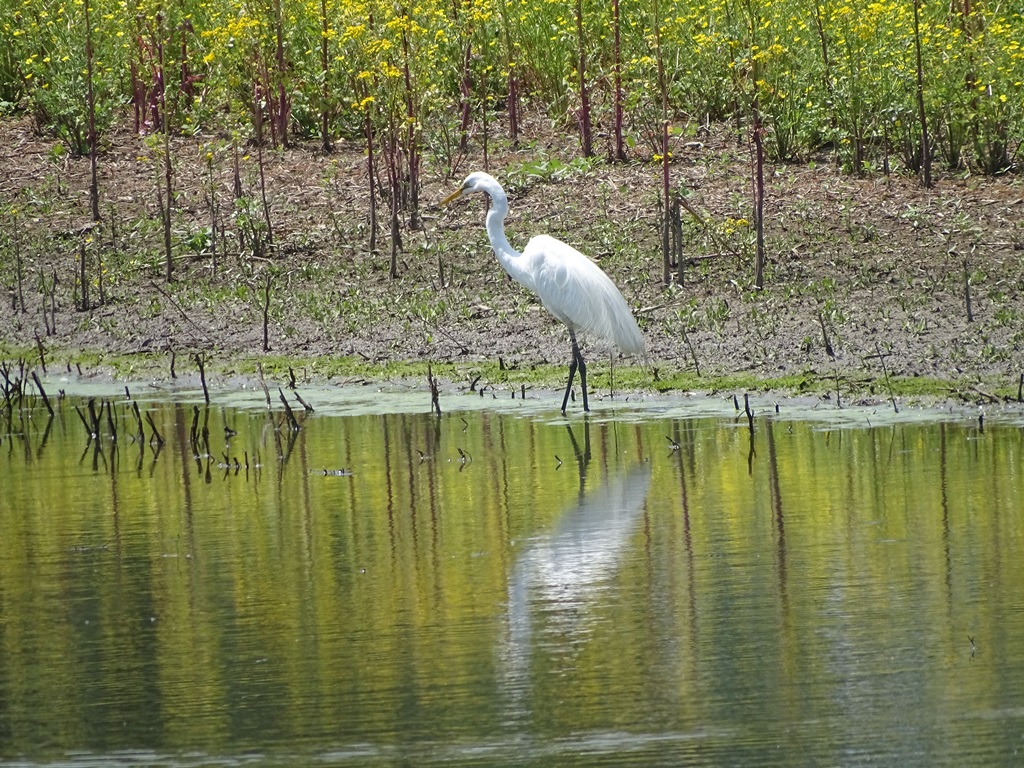
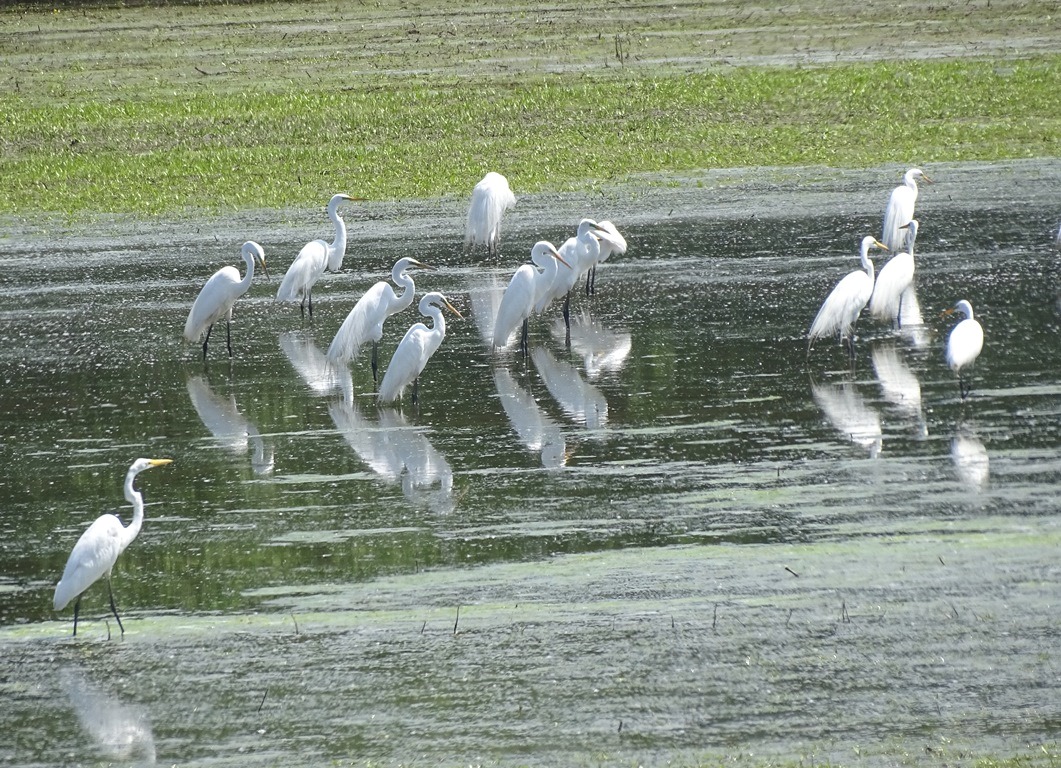
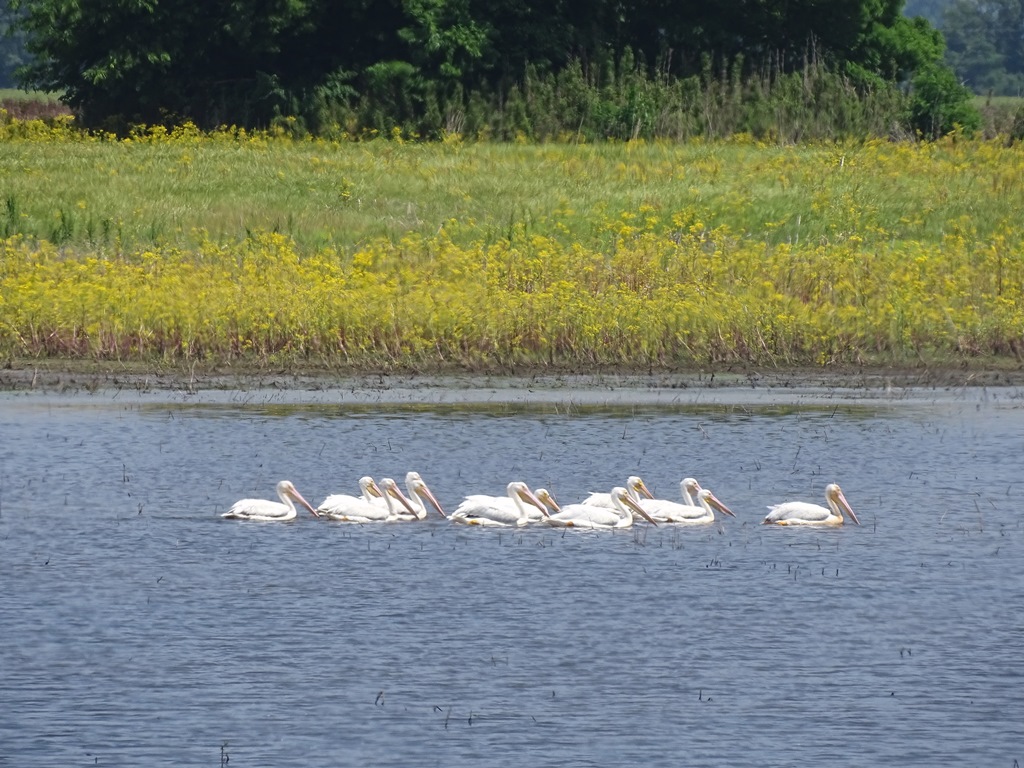
Sometimes when we drive along Mississippi River farmland we see very little. On our last drive, however, we hit the jackpot. A field dotted with beautiful Great Egrets and a single string of White Pelicans fishing in standing water graced the landscape.
“A philosophy of life: I’m an adventurer, looking for treasure.” ~Paulo Coelho
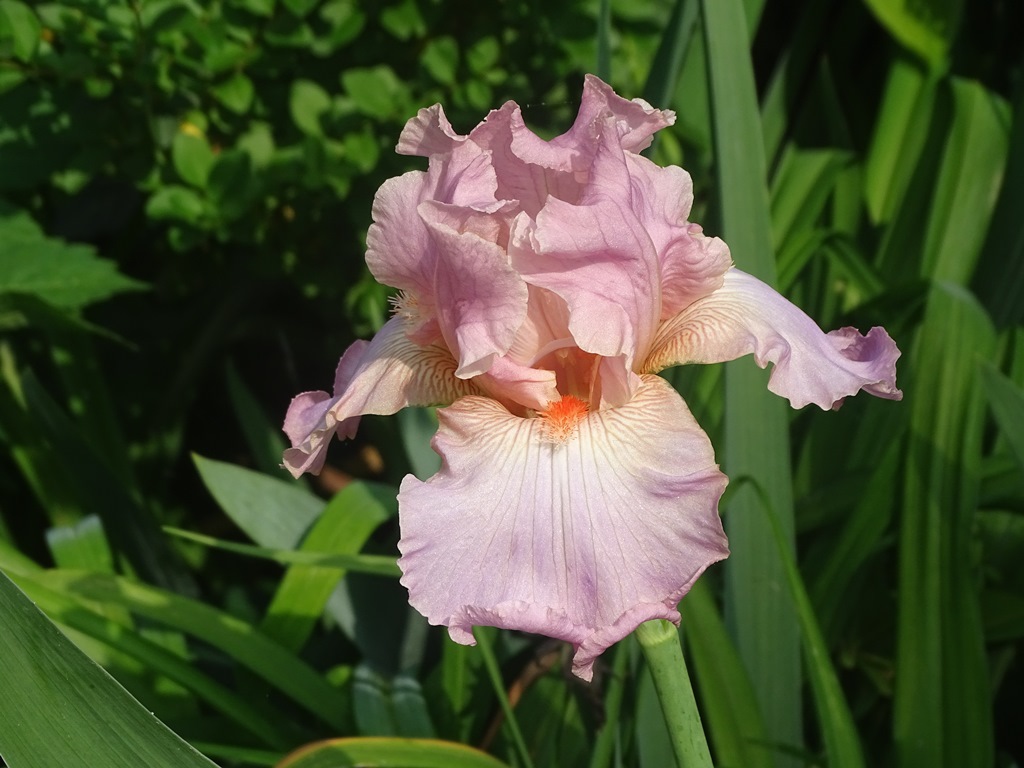
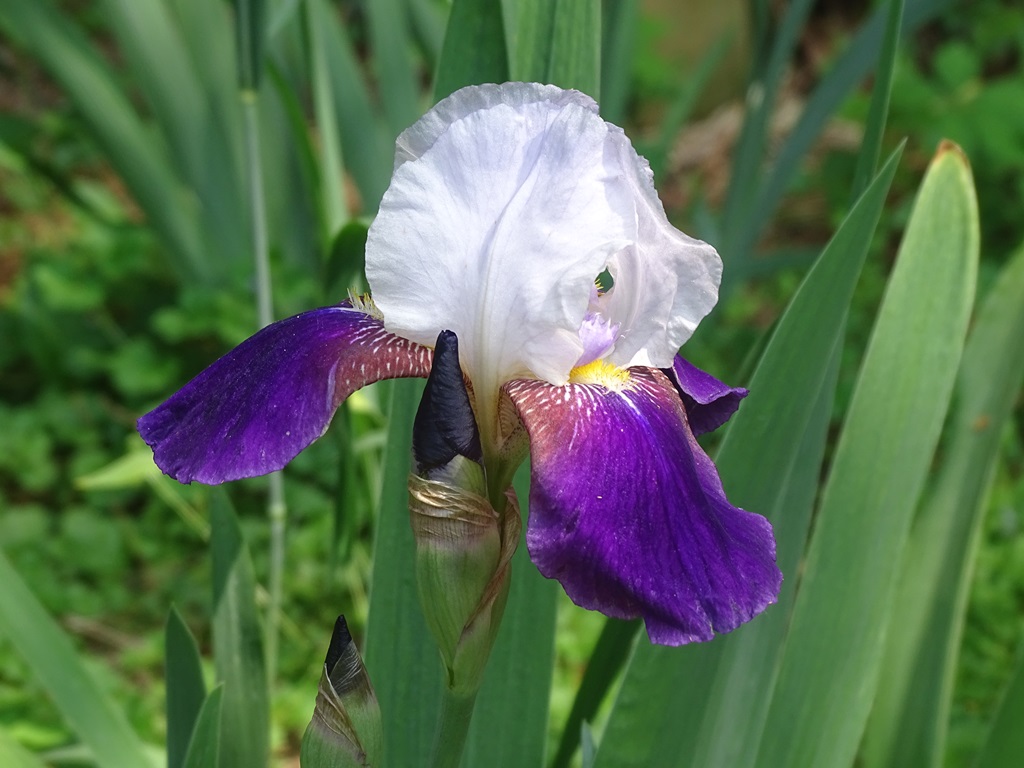
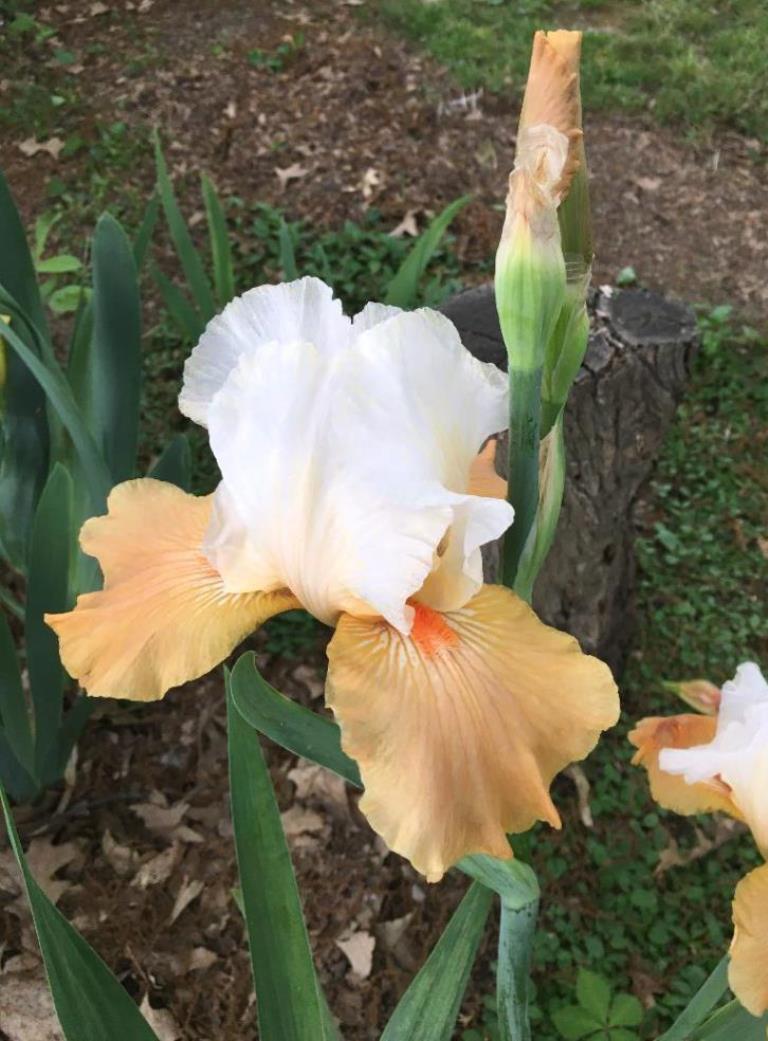
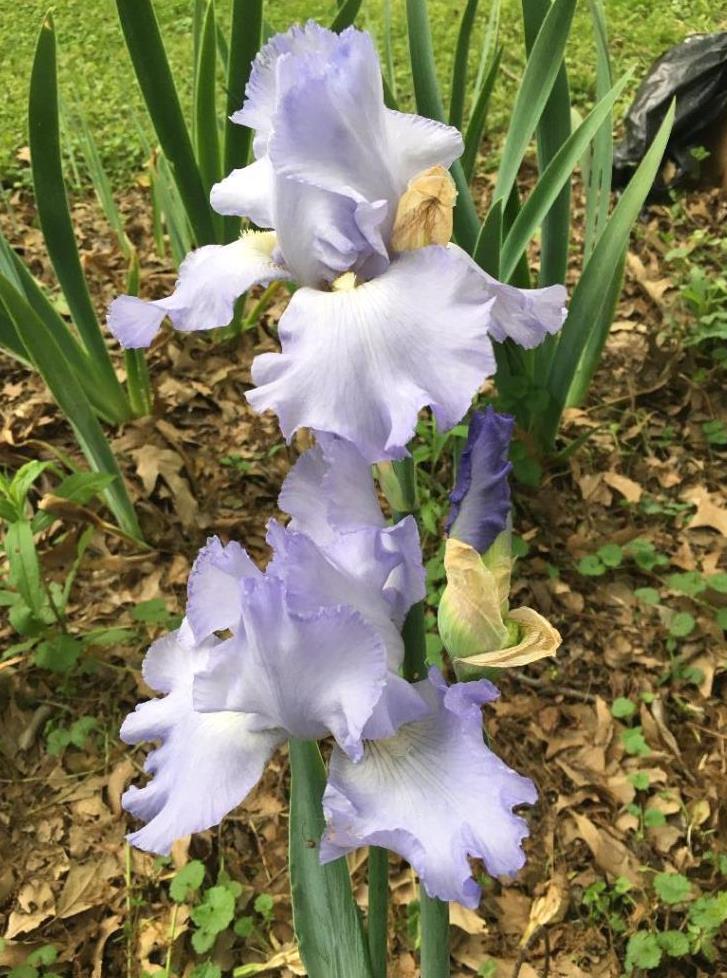
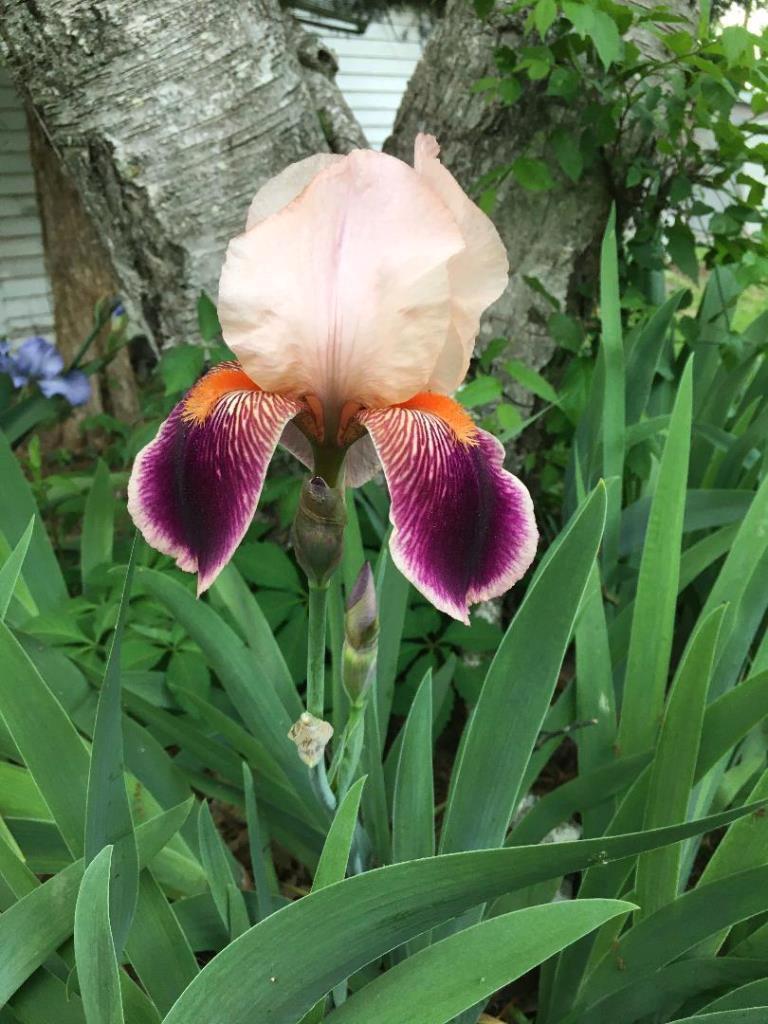
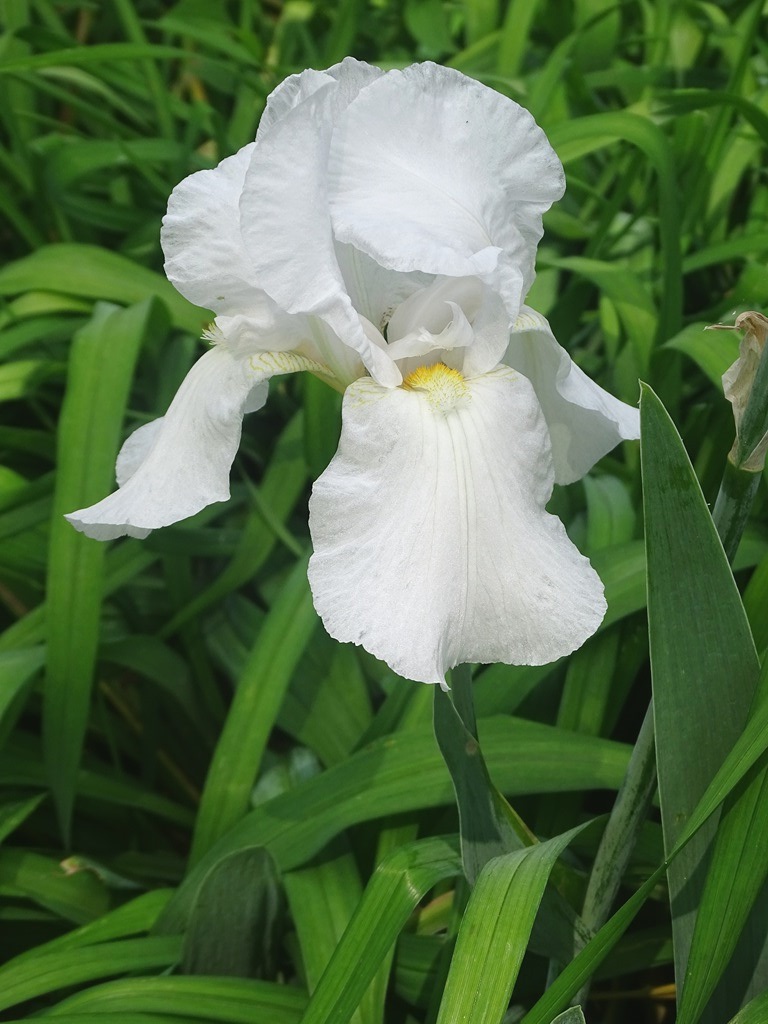
The month of May brings with it many beautiful colors of Iris flowers to the gardens — a most magical time.
“A little flower that blooms in May A lovely sunset at the end of a day Someone helping a stranger along the way That’s heaven to me.” ~ Sam Cooke, “That’s Heaven To Me”
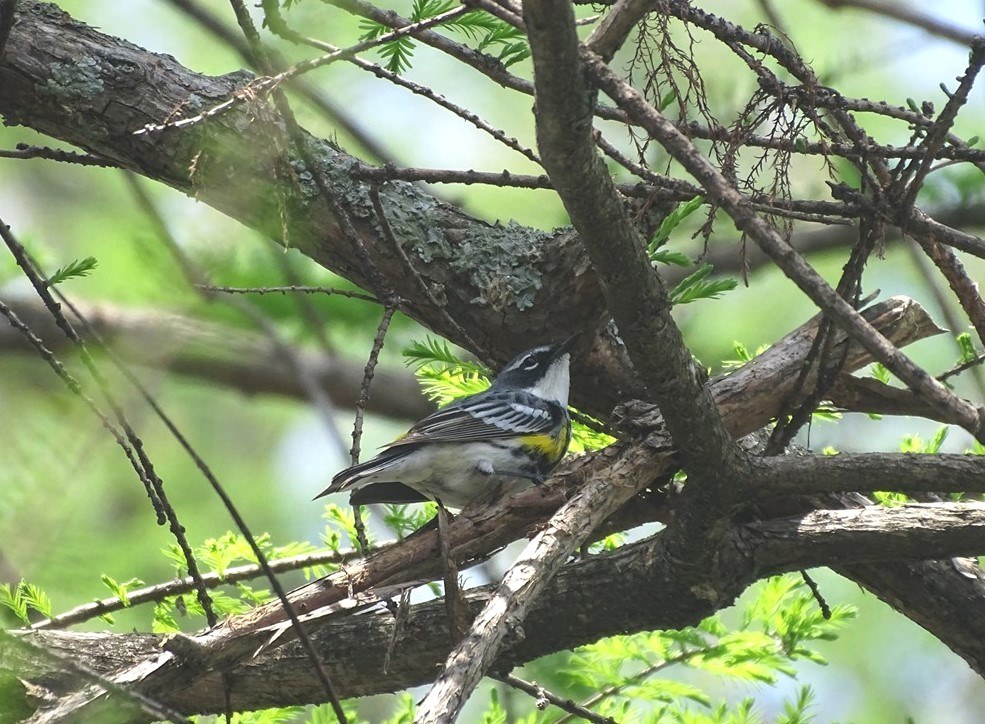
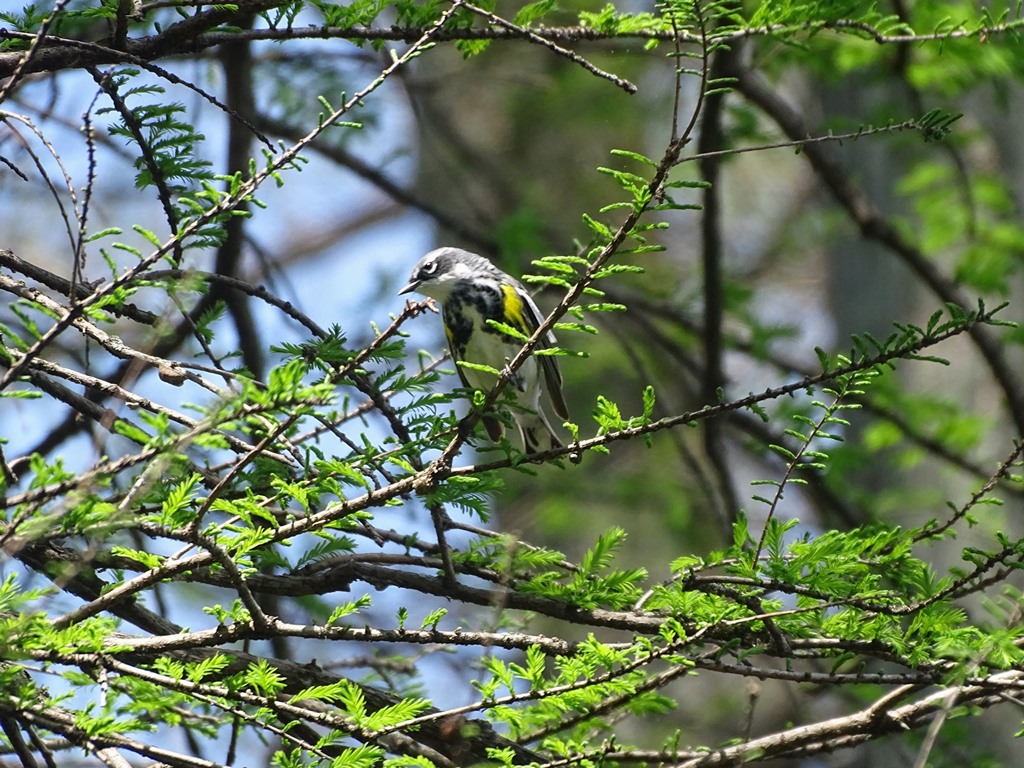
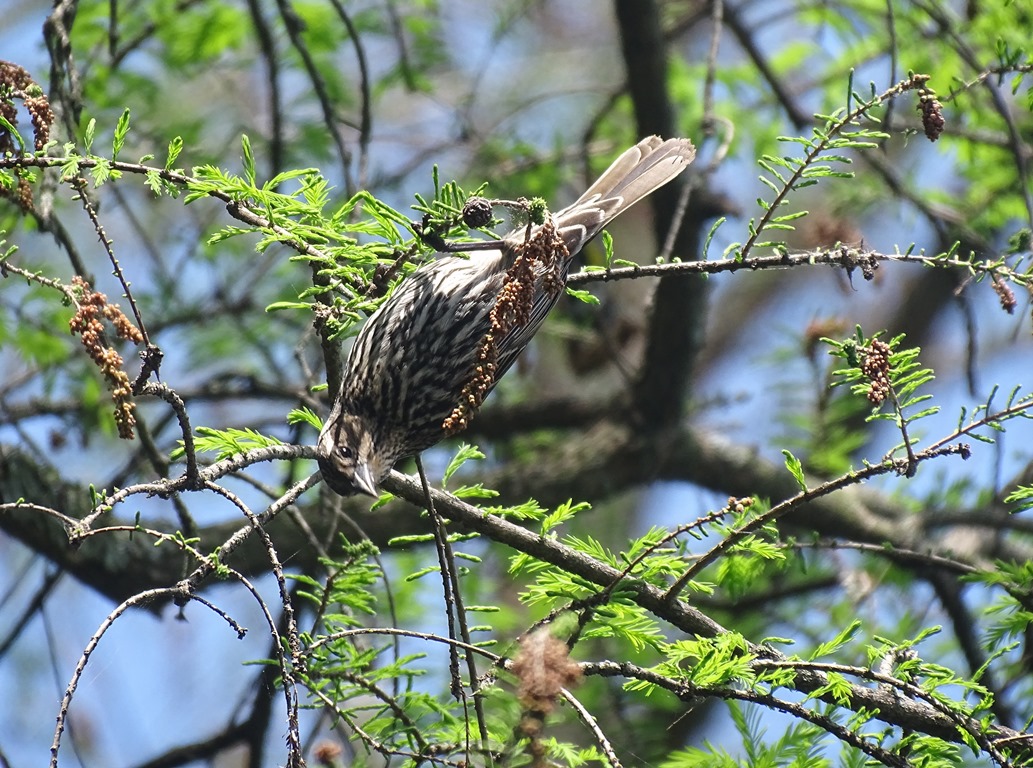
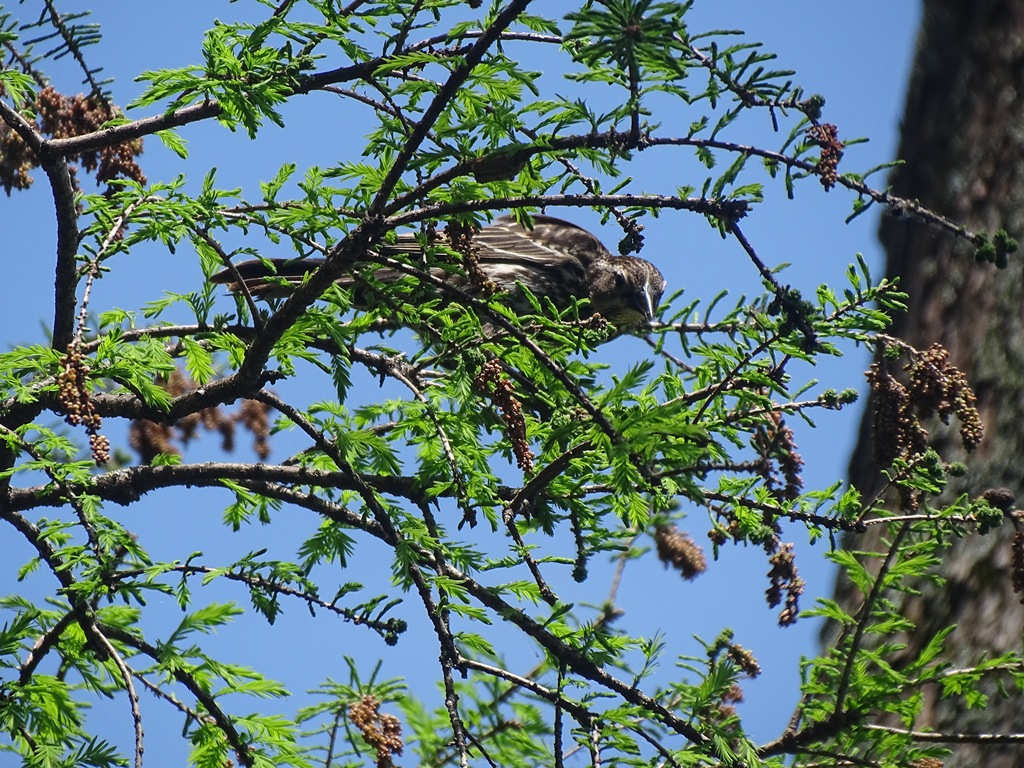
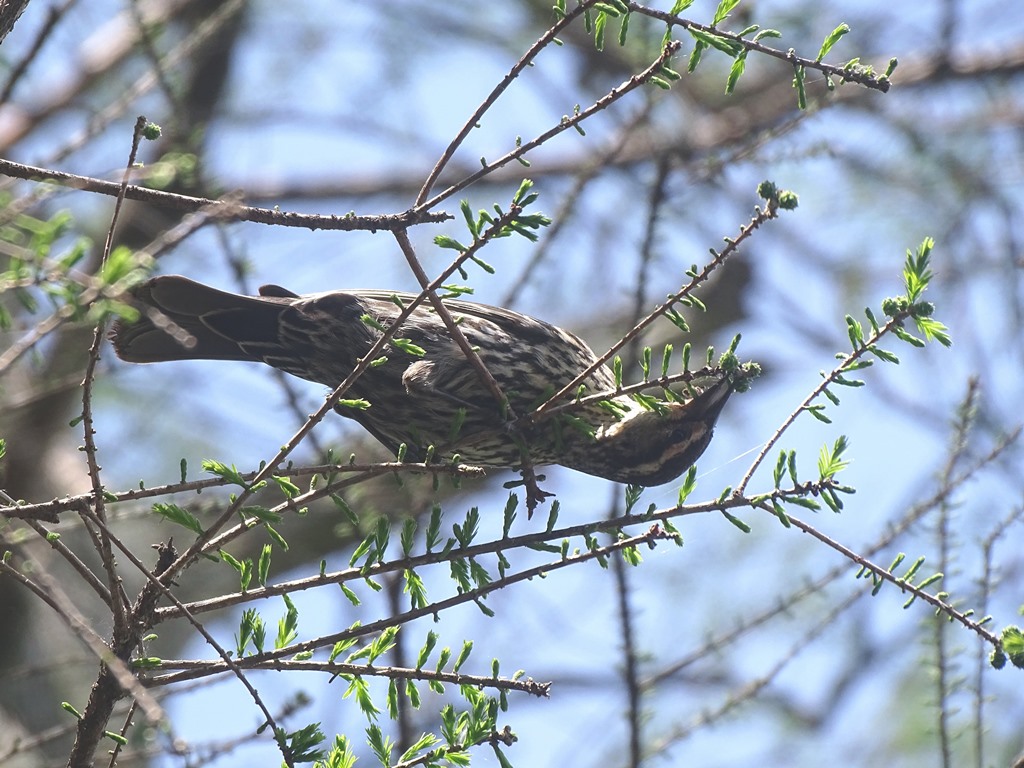
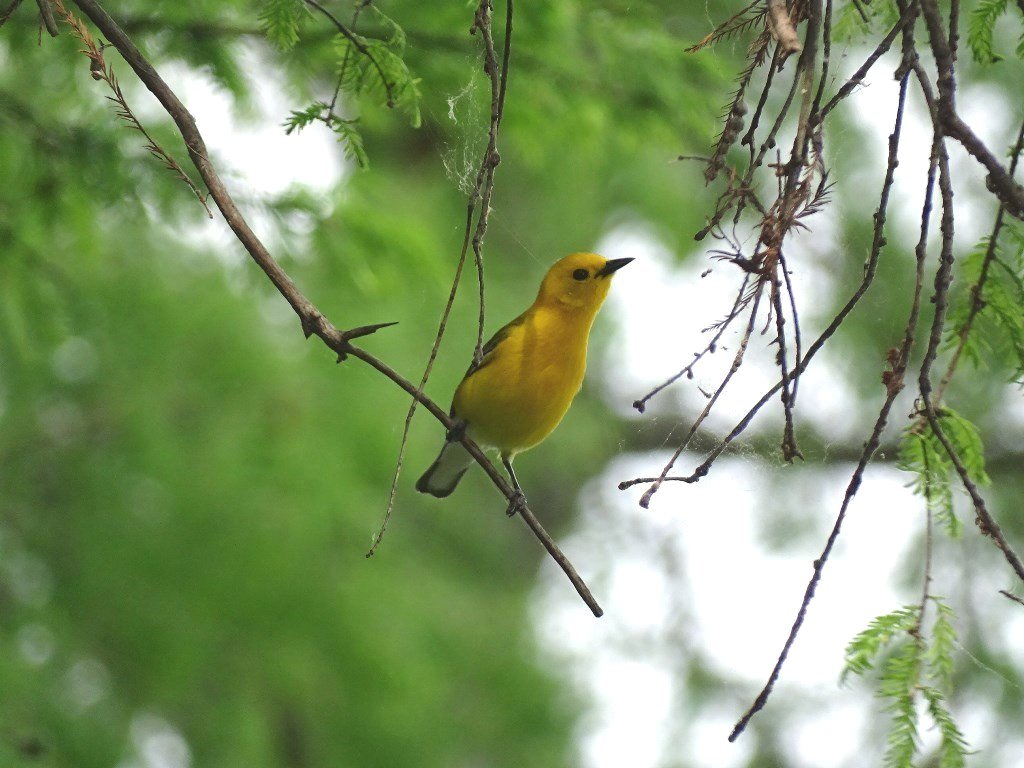
Walking along the boardwalk, you could hear the lively chirping of birds as they fluttered among the branches high up in the tops of the bald cypress trees.
One of the most visible was the Yellow-rumped (Myrtle) Warbler which weaved in and out of the branches, flashing its bright yellow rump and sides as it searched for insects.
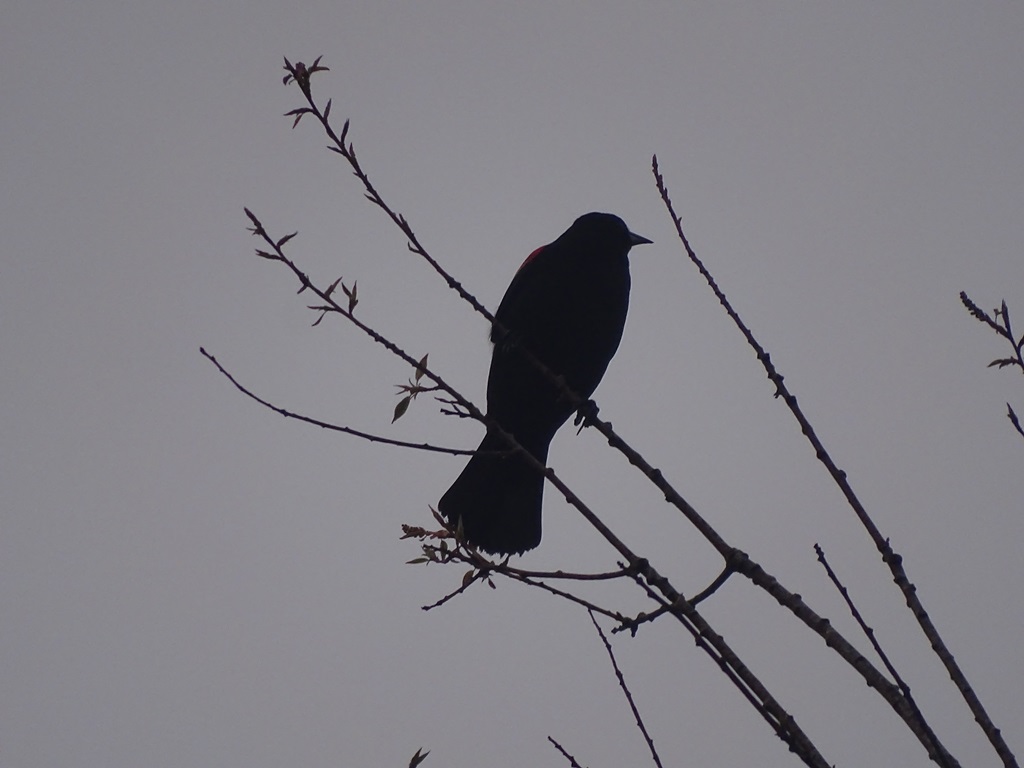
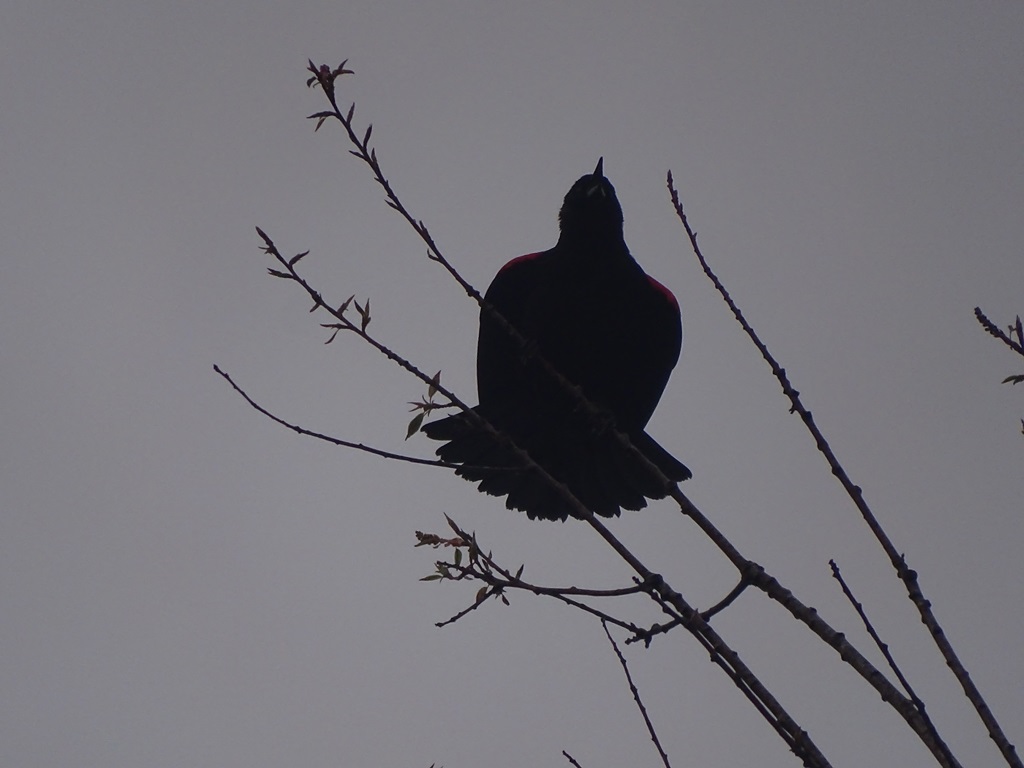
An energetic female Red-winged Blackbird clung to branches and did acrobatics as she used her beak to pick treats from among the greenery.
The most flashy of the birds was the Prothonotary Warbler with its bright yellow feathers. Migrating here in early spring, it spends the breeding season nesting and hunting for its favorite diet of insects and snails.
What a delight to be able to hear and observe these busy little birds.
“Spring would not be spring without bird songs.” ~Francis M. Chapman
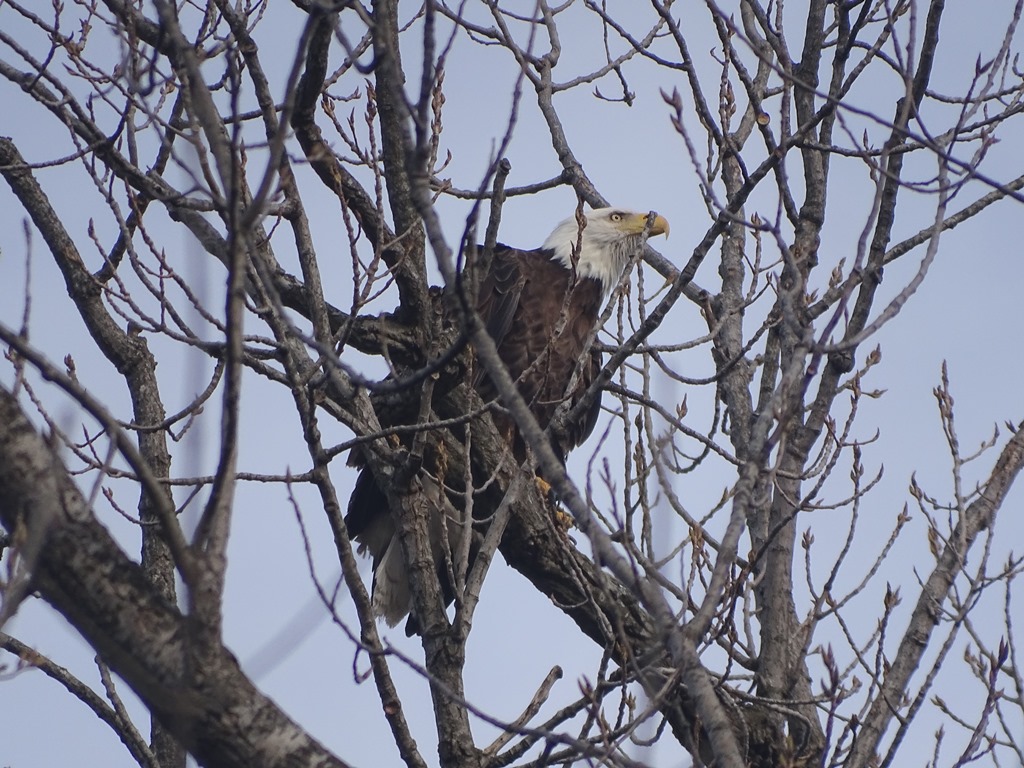
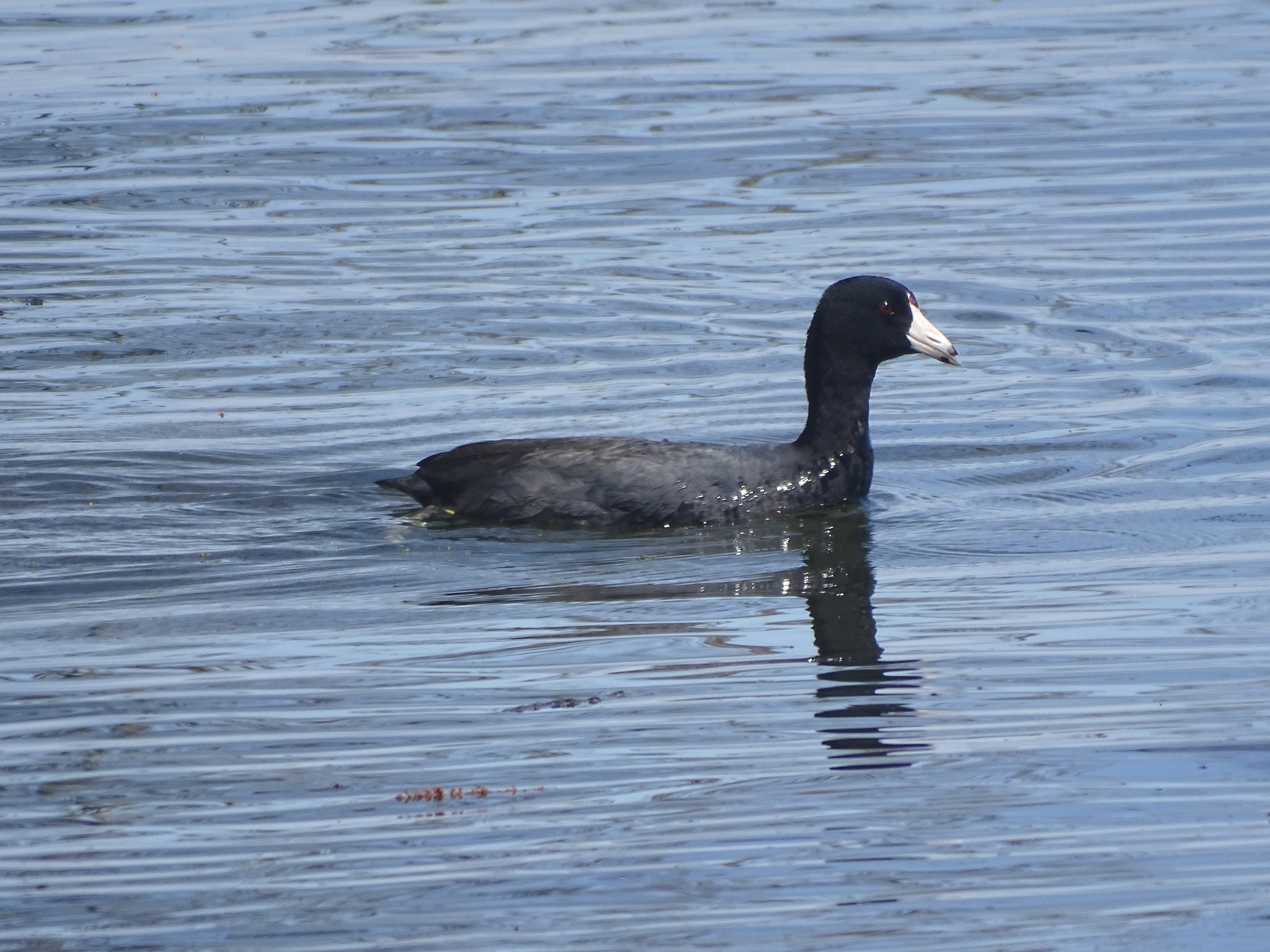
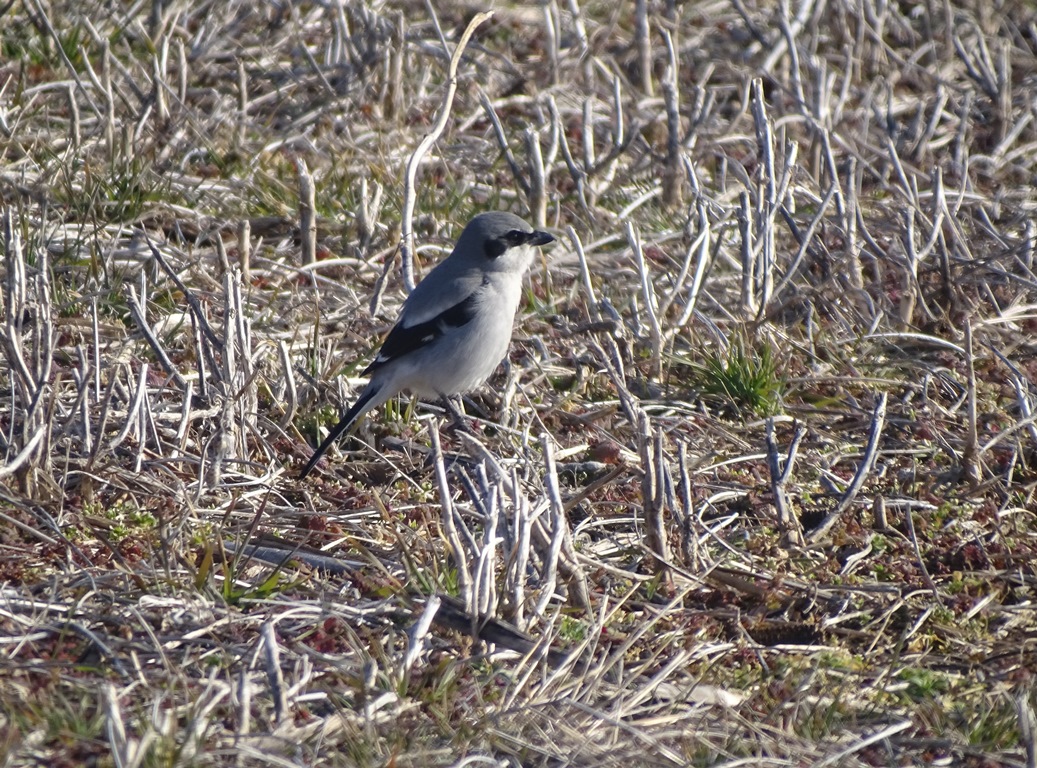
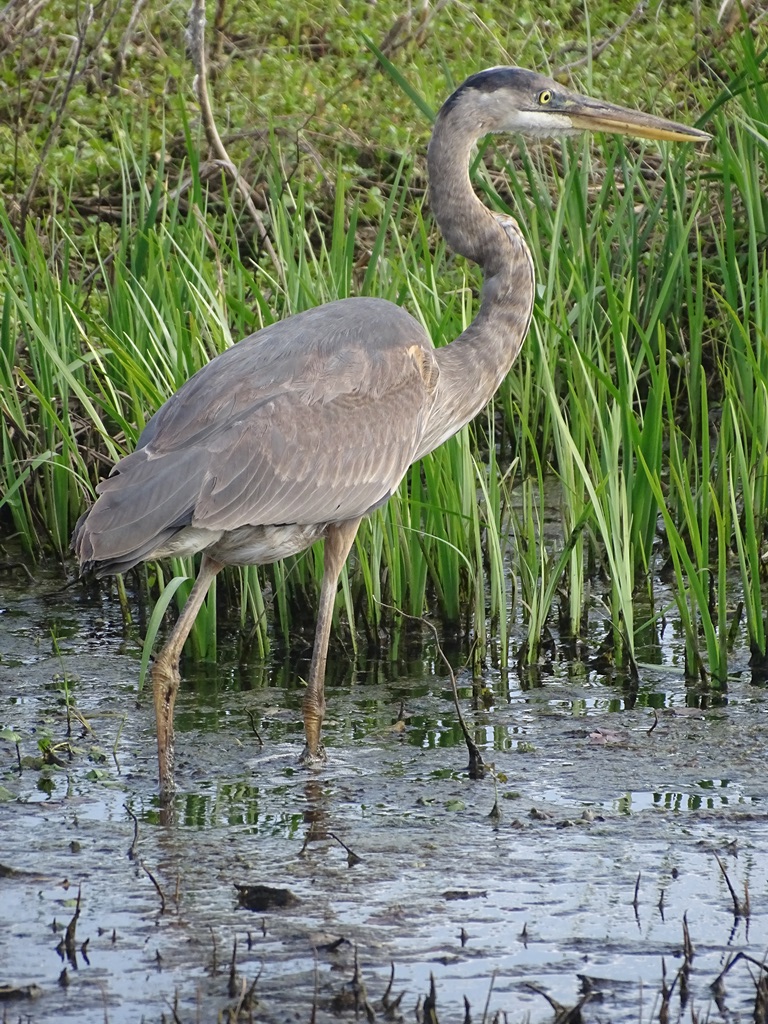
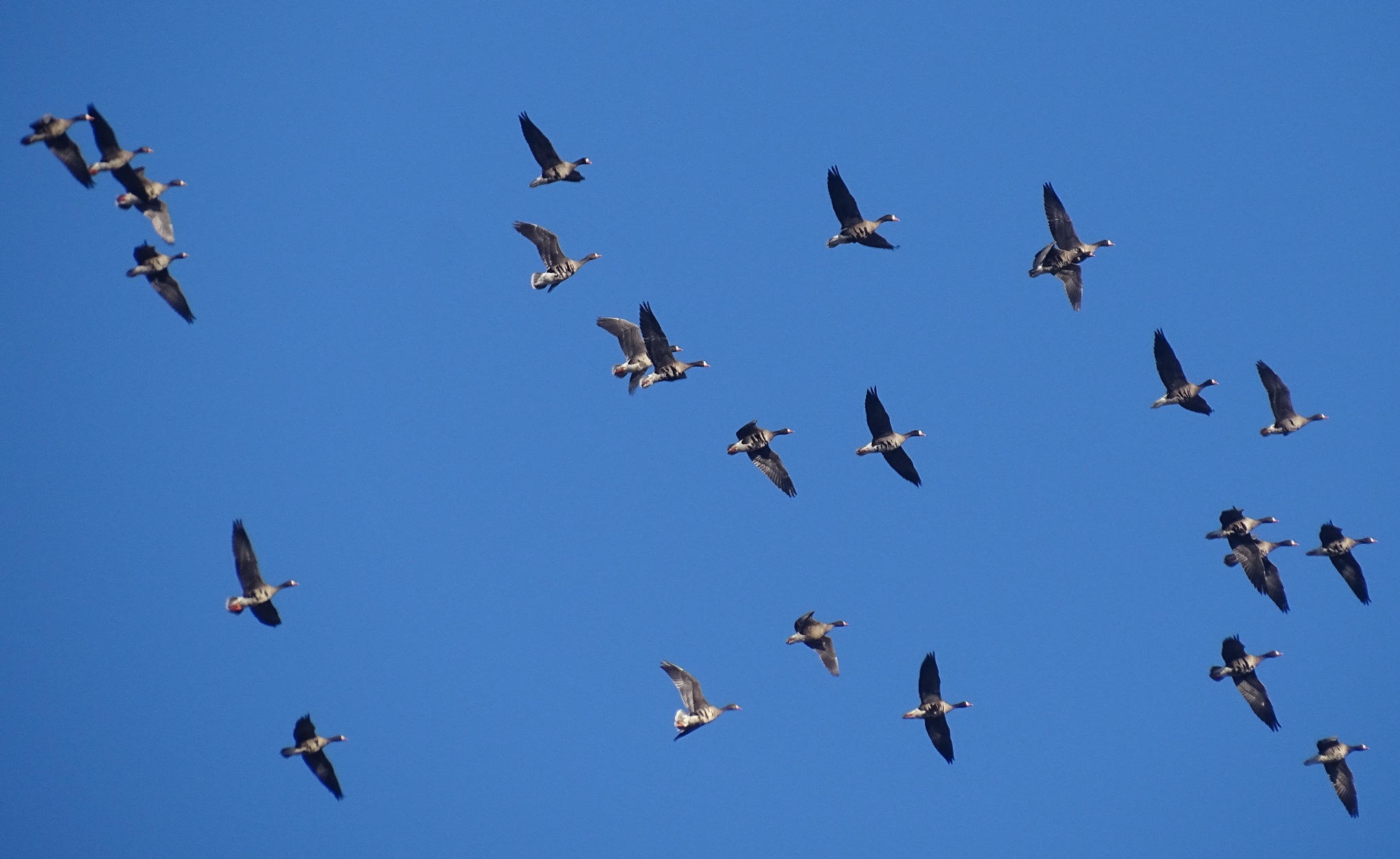
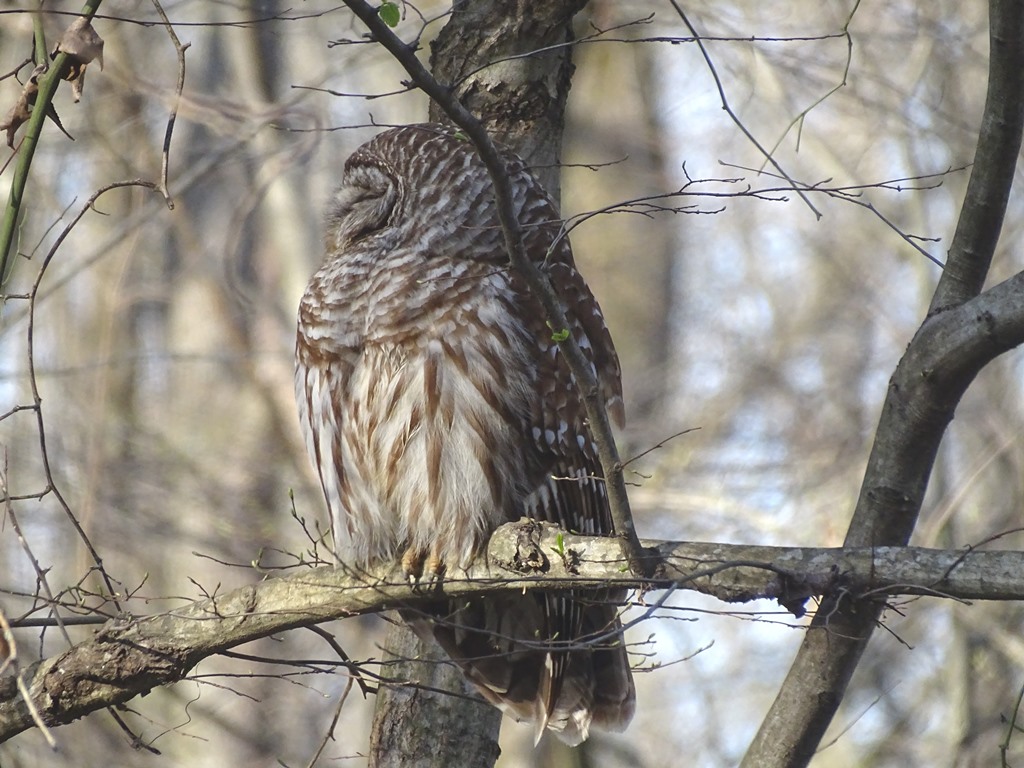
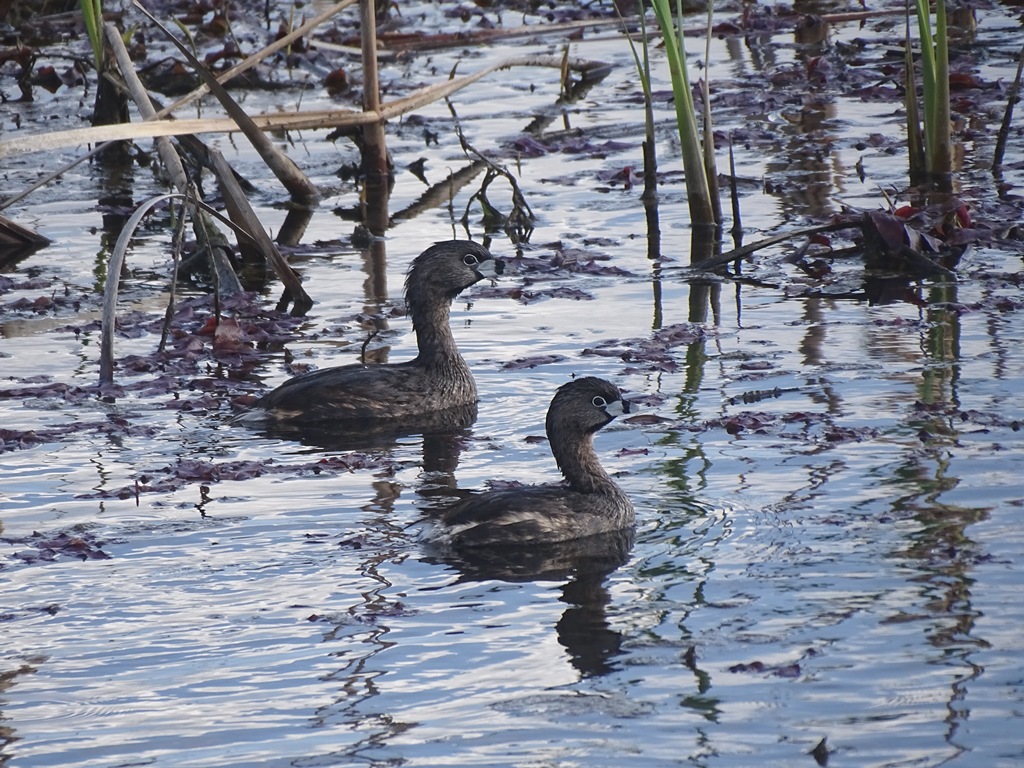
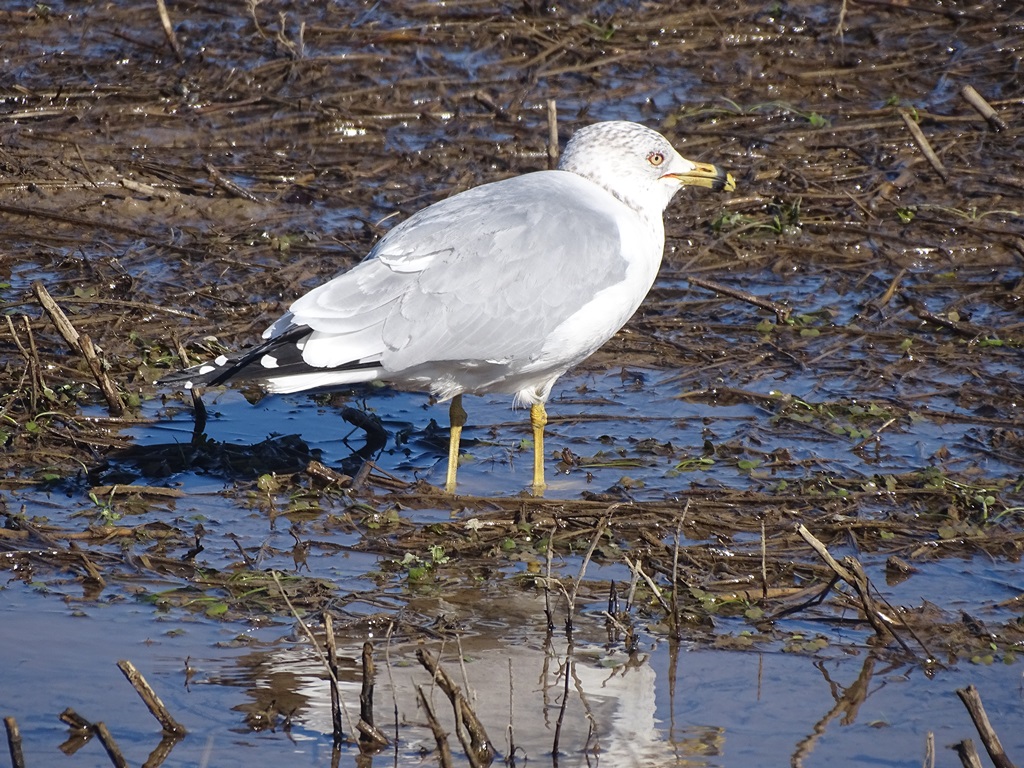
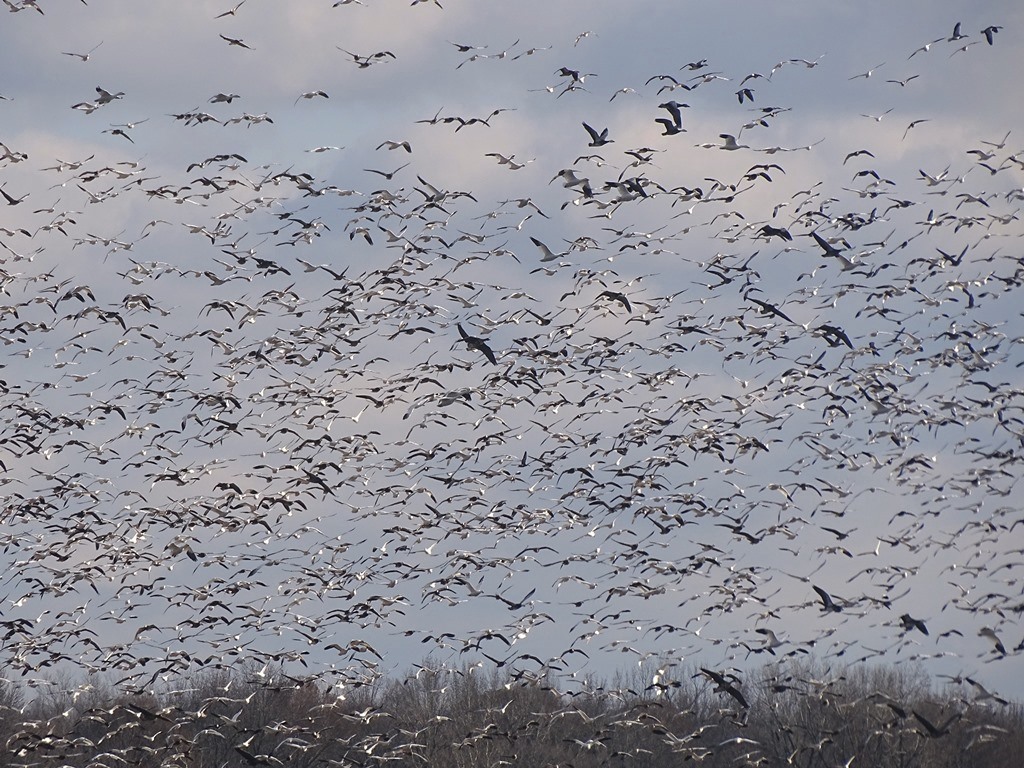
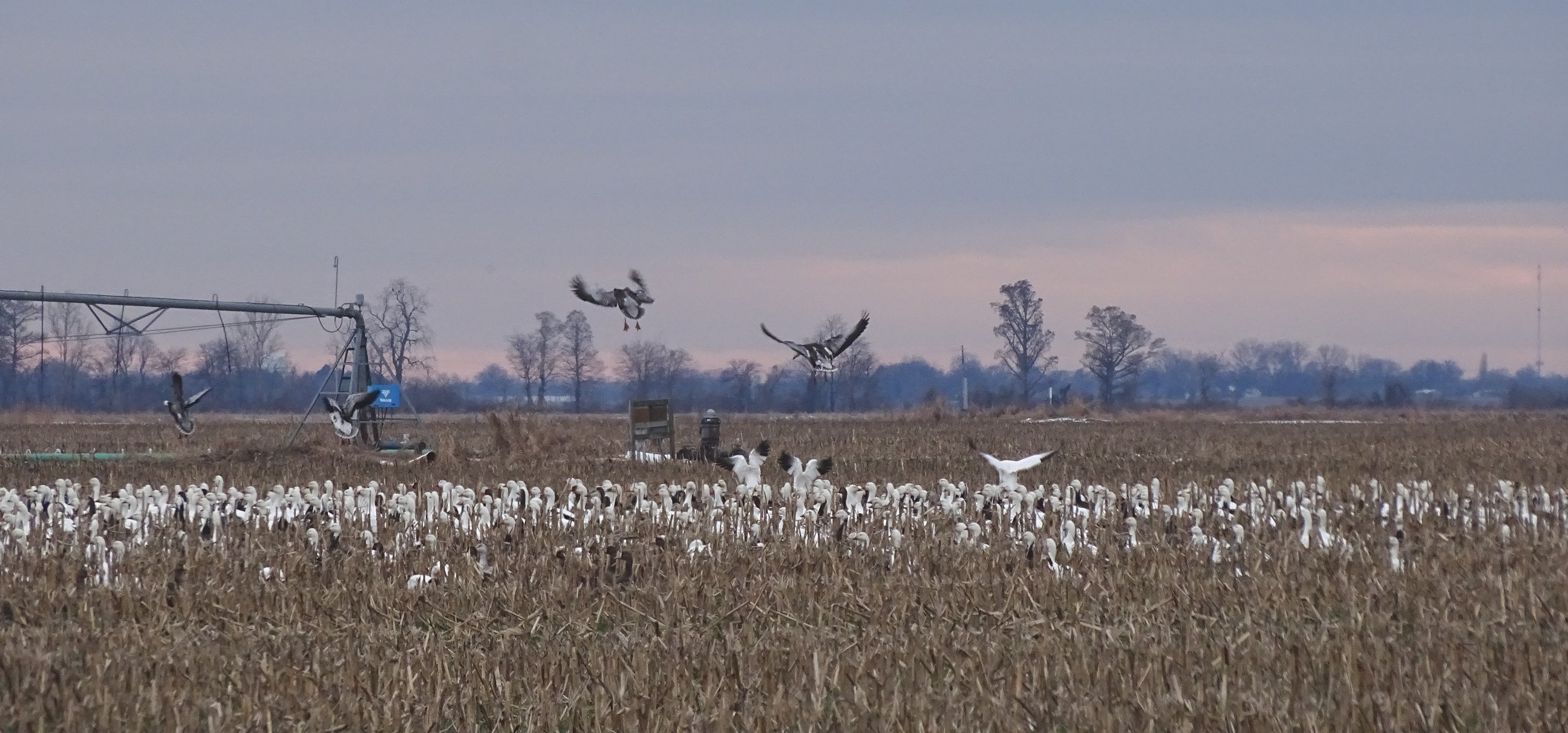
Reelfoot Lake and the land along the Mississippi levee are favorite places to go for bird-watching. While some birds live there year-round, others migrate in and out at various times of the year, so you never know what you’re going to see. Here are some which were spotted between January and April.
Bald EagleYellowlegsCootLoggerhead ShrikeGreat Blue HeronGreat EgretGreater White-fronted GeeseA sleeping Barred OwlOspreyPied-Billed GrebeRing-billed GullTurkey VulturesSnow geese overheadStarlingGeese in a field
“Expect nothing. Live frugally on surprise.” ~Alice Walker
We often park across the road from this American Sycamore tree when visiting the lake. Over the years, I have gazed up at this grand tree and admired its beauty and stately manner. This made me want to learn more about the Sycamore.
Sycamore in the autumnSycamore in the springSycamore in the summerSycamore in the winter
The American Sycamore has many unique characteristics which set it apart from other trees. It is one of the tallest and most identifiable trees in our area. The thin bark of the Sycamore tree is grayish-brown. As this fast-growing tree expands, the bark sheds, exposing a patchy camouflage-colored layer beneath. The highest branches, with their wide canopy, are smooth and white and stand out strikingly against the blue sky.
Peeling barkPeeling barkCamouflage appearance
The leaves of the Sycamore are serrated and flat and are made up of three to five lobes. They can grow to an impressive 4-10 inches in width.
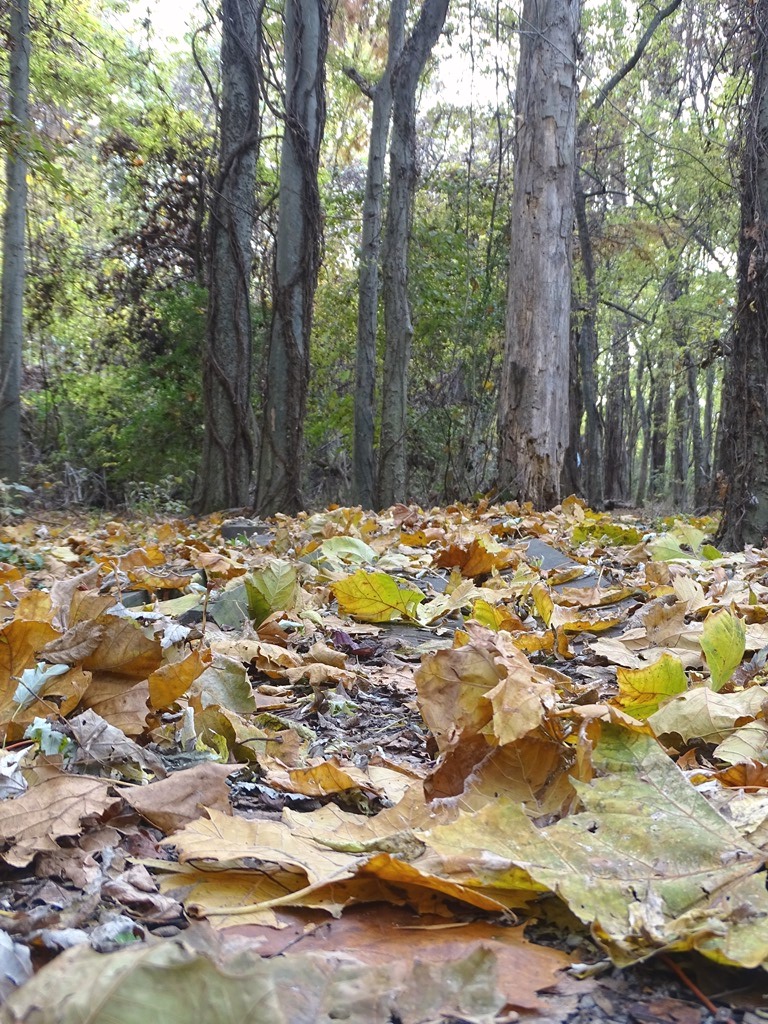
Autumn Sycamore leafSycamore leaf in late autumnA carpet of leaves along the trail
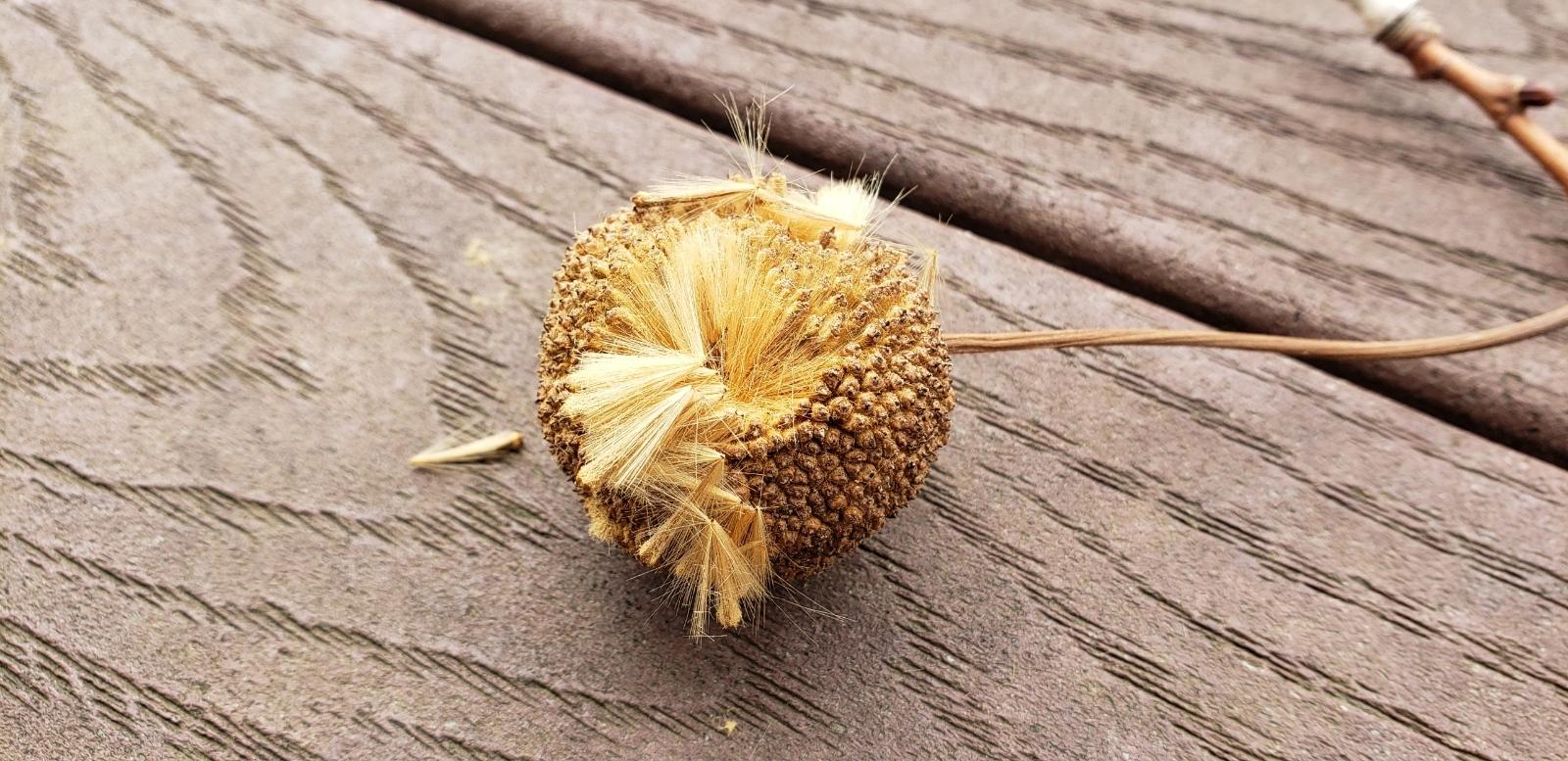
The Sycamore is also known as the “buttonball” or “buttonwood” tree. It produces fruit which are about one inch in diameter, each of which hang from a single thin stem. When the balls ripen, they fall from the tree and break open, exposing seeds which are packed inside, along with a button-like woody core to which they are attached.
Some Sycamore trees live for hundreds of years due to the strength and durability of their trunk, which enables them to withstand harsh weather conditions. They are extremely adaptable to their environment. Their trunk, which can become hollow with age, has been known to provide shelter for wildlife and people alike.
Soak up the sun Affirm life’s magic Be graceful in the wind Stand tall after a storm Feel refreshed after it rains Grow strong without notice Be prepared for each season Provide shelter to strangers Hang tough through a cold spell Emerge renewed at the first signs of spring Stay deeply rooted while reaching for the sky Be still long enough to hear your own leaves rustling. ~Karen I. Shragg, Think Like a Tree
Source | Warren Jacobs and Karen I. Shragg (editors), Tree Stories: a Collection of Extraordinary Encounters (Sunshine Press, 2002)
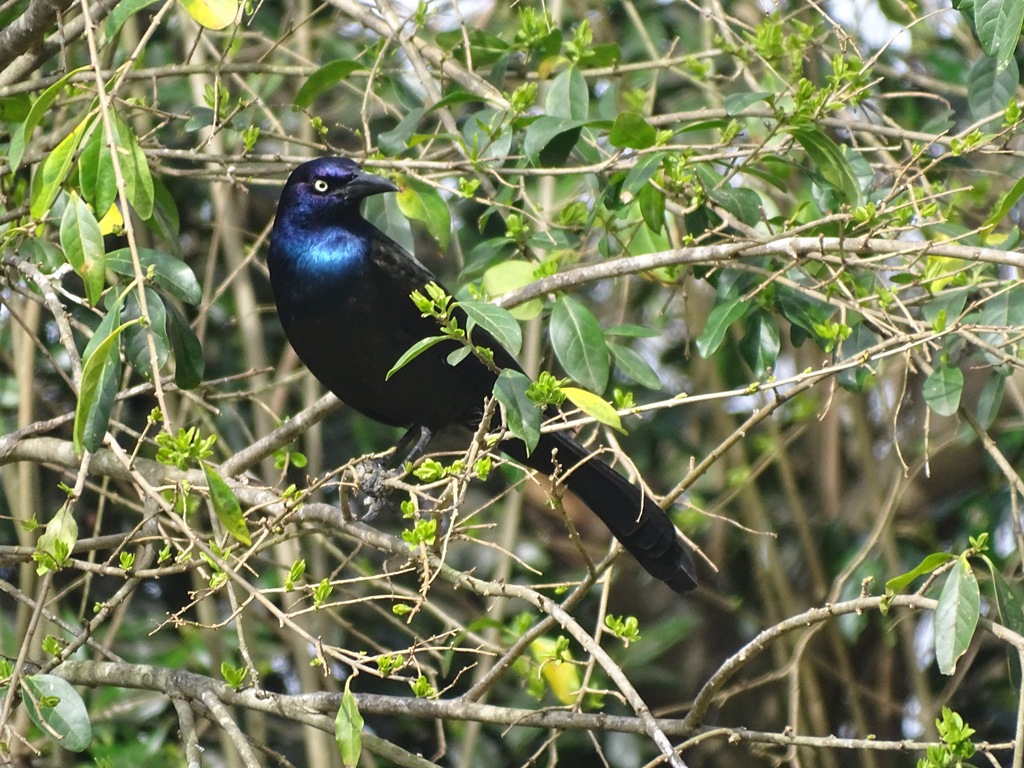
The grackles are a boisterous and bossy bunch at the feeders, and yet their behavior is suddenly forgiven when the light hits their glossy-black feathers, and beautiful iridescent colors magically appear.
When not feeding, they often sit in groups in the treetops, bellowing a loud and rather unmelodious song.
“The grackles are here and that is quite clear. The morning is ringing, – not with their singing, But with their talking, they’re piping and squawking . . .” ~Clarence Hawkes







































 walking on a country road